June 2026: How to Spend it – Power Sector Investment Trends
What You Need to Know
The US peace deal with Iran has improved investor sentiment for the utilities sector, which had suffered from inflationary pressures driven by rising oil and gas prices since the military conflict began. As a result, utilities in Europe and the USA reversed their May losses, gaining 2.3% and 3.0%, respectively, so far in June. This reduced year-to-date losses for utilities stocks to 3.1% in Europe and 4.0% in the USA since 28 February 2026 (see Table 1). Conversely, the broader market (MSCI World) declined in June on weaker tech stocks, and the energy sector (MSCI World Energy) fell alongside oil and gas prices following the announced peace deal. While high interest rates remain a burden for utilities, investors expect the reopening of the Strait of Hormuz to curb inflation and reduce power prices, thereby easing regulatory risks from potential government intervention in national power markets. As a result, the MSCI World Utilities (+6.5%) has narrowed its year-to-date underperformance relative to the broader MSCI World benchmark (+8.8%), while the MSCI World Energy (+15.6%) continues to outperform both the broader market and the utilities sector year-to-date in 2026 (see Table 1).
Table 1 Index Performances
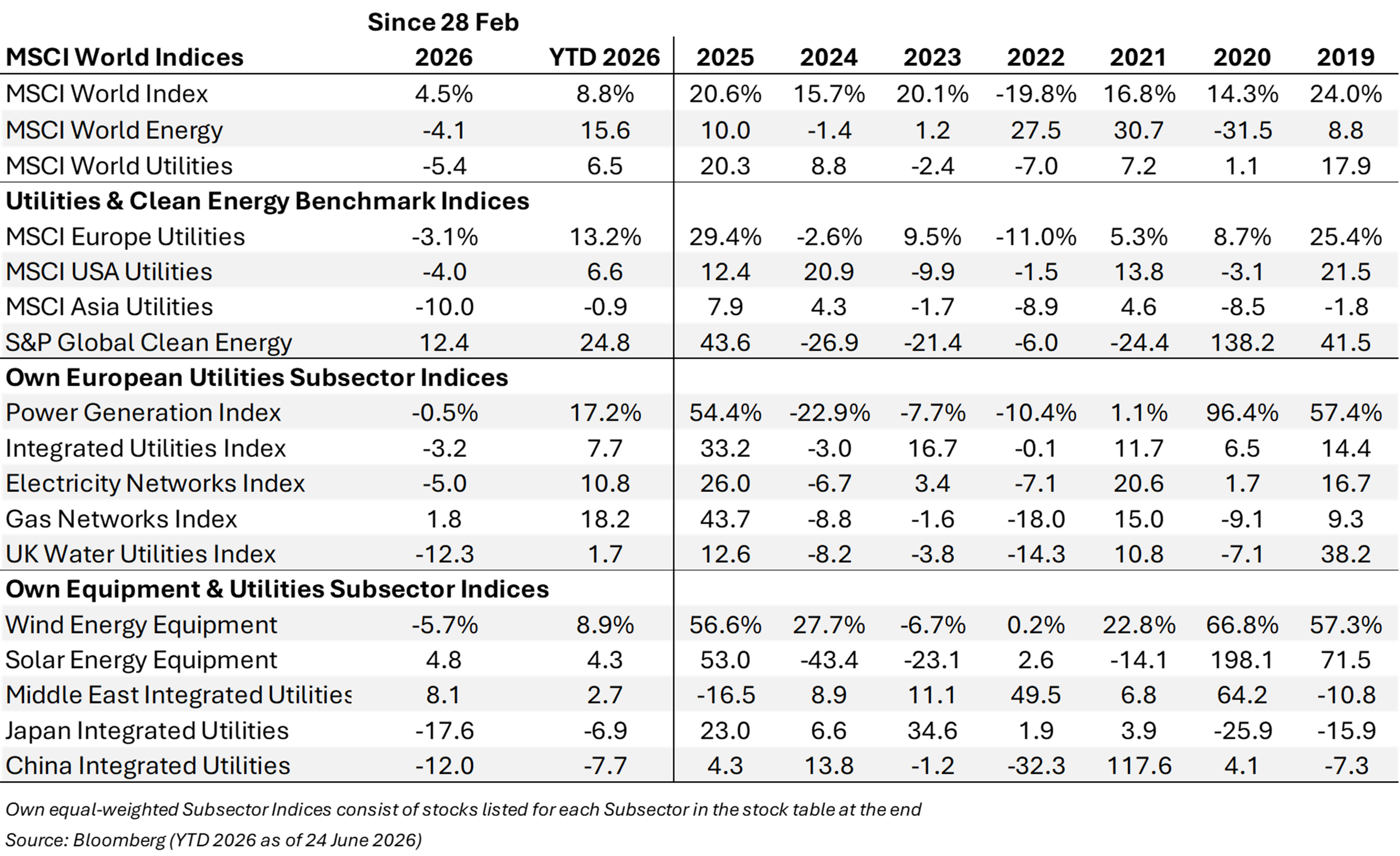
Meanwhile, the year-to-date performance across utilities markets has been highly uneven. Utilities in Europe (+13.2%) and in the USA (+6.6%) continue to post solid gains, while Asian utilities have slipped slightly into negative territory in 2026 (see Table 1). In contrast to their European and US peers, which surrendered only part of their pre-war gains, Asian utilities fell more sharply during the Iran war and erased all earlier gains. This relative underperformance of Asian utilities versus Europe and the USA is reflected in steep share price declines among utilities companies in China and Japan since the start of the Iran war. Our equal-weighted utilities indices for Japan and China have fallen by 17.6% and 12.0%, respectively, since 28 February 2026, resulting in year-to-date declines of 6.9% and 7.7%. Although the S&P Global Clean Energy Index also came under selling pressure in June, it remains the strongest year-to-date performer (+24.8%). Finally, despite rising political uncertainty in the UK, which triggered losses in June, UK water stocks have managed to retain a small year-to-date gain (see Table 1).
Exhibit 1 Short-Term PERFORMANCE Exhibit 2 Long-Term VALUATION
(rebased since 2025) (1-yr Forward EV/EBITDA since 2017)
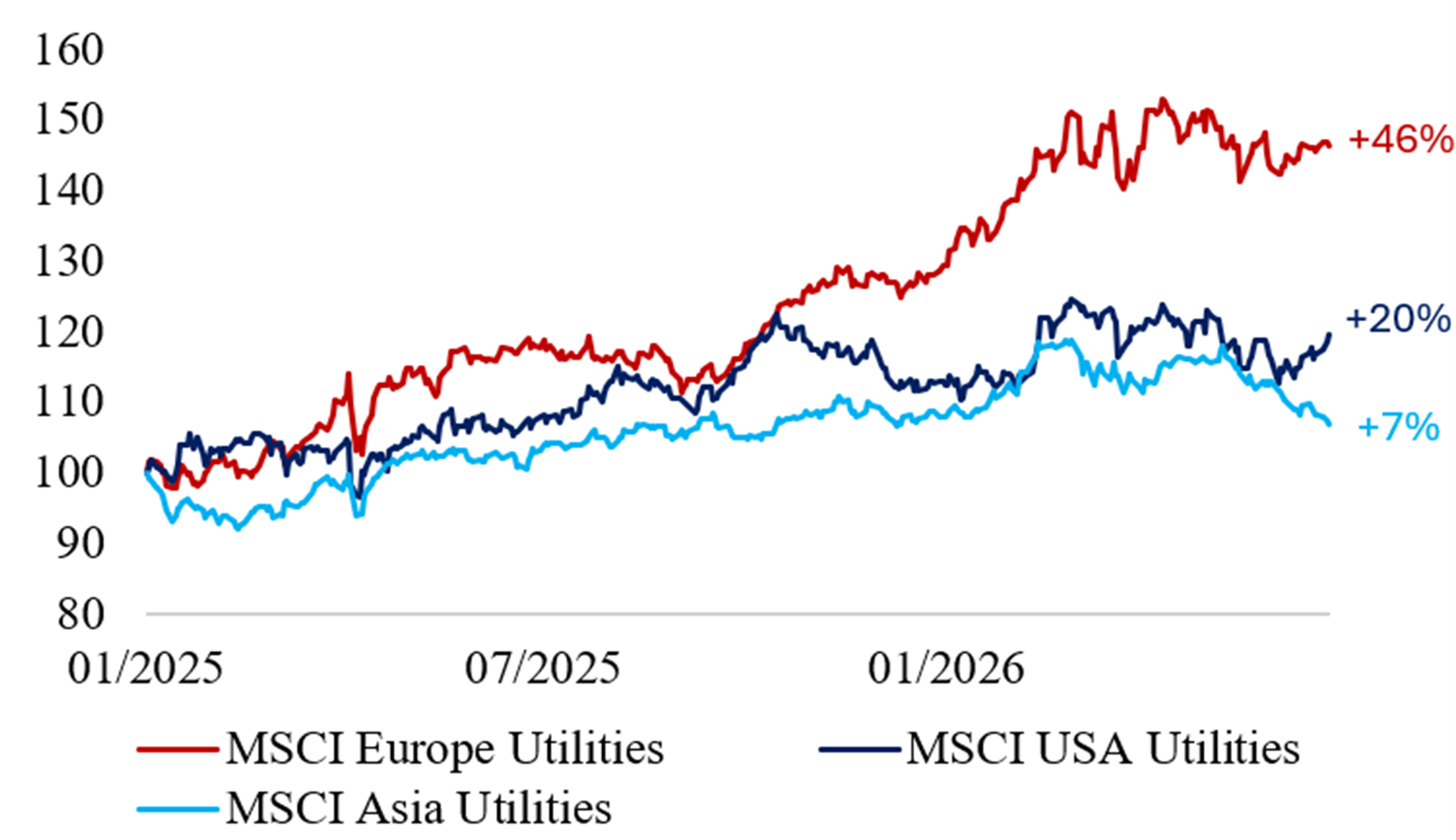
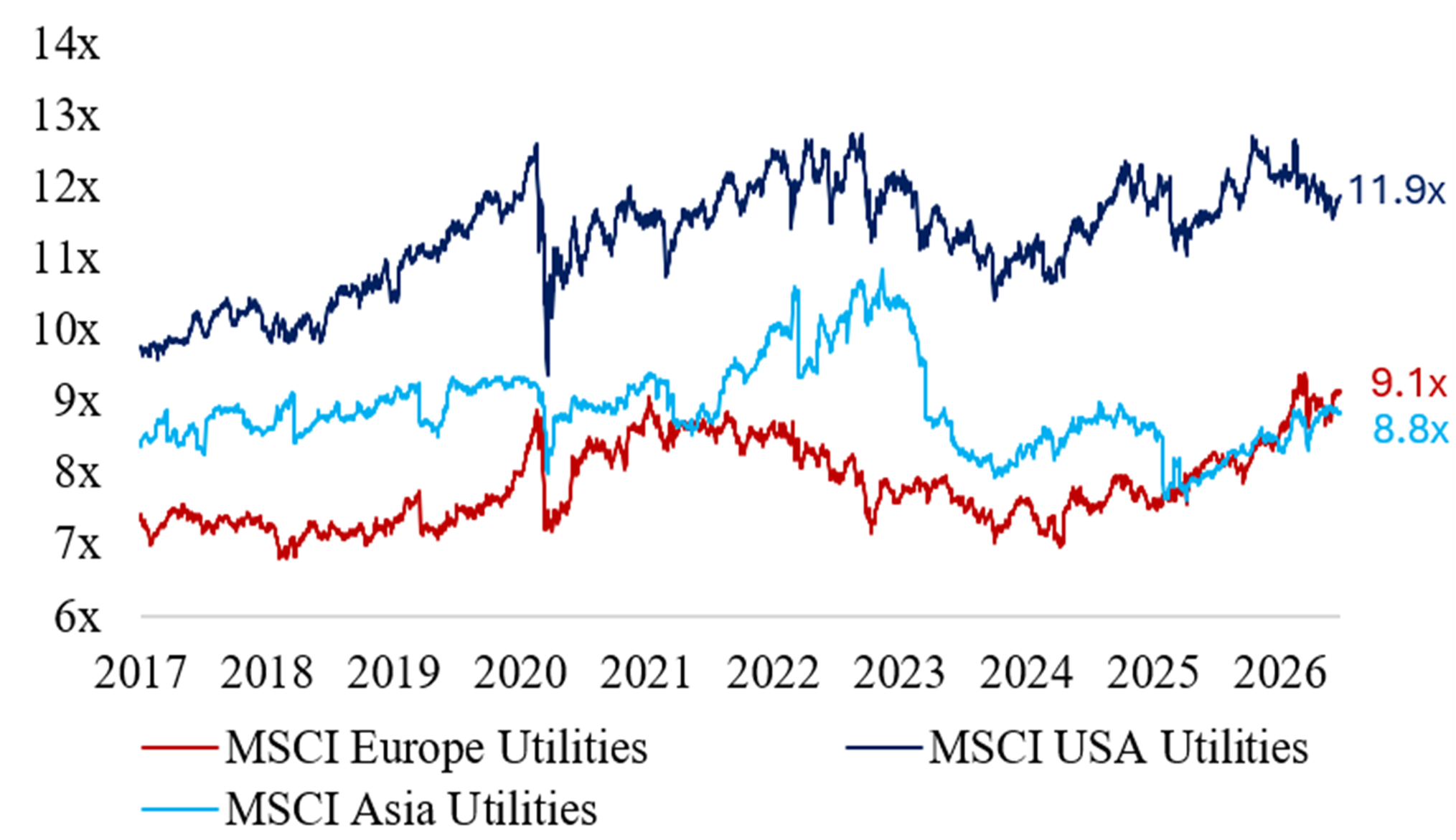
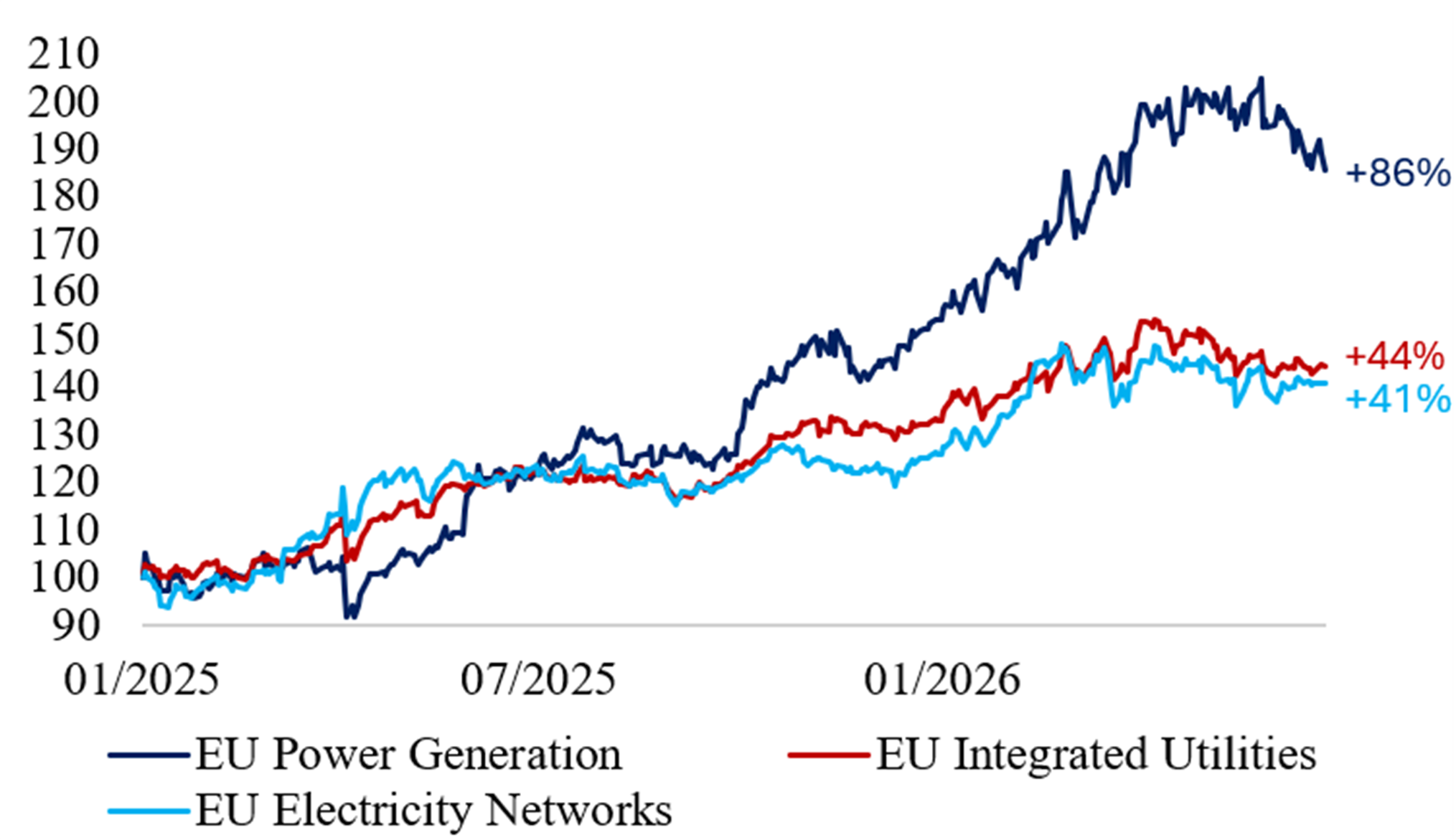
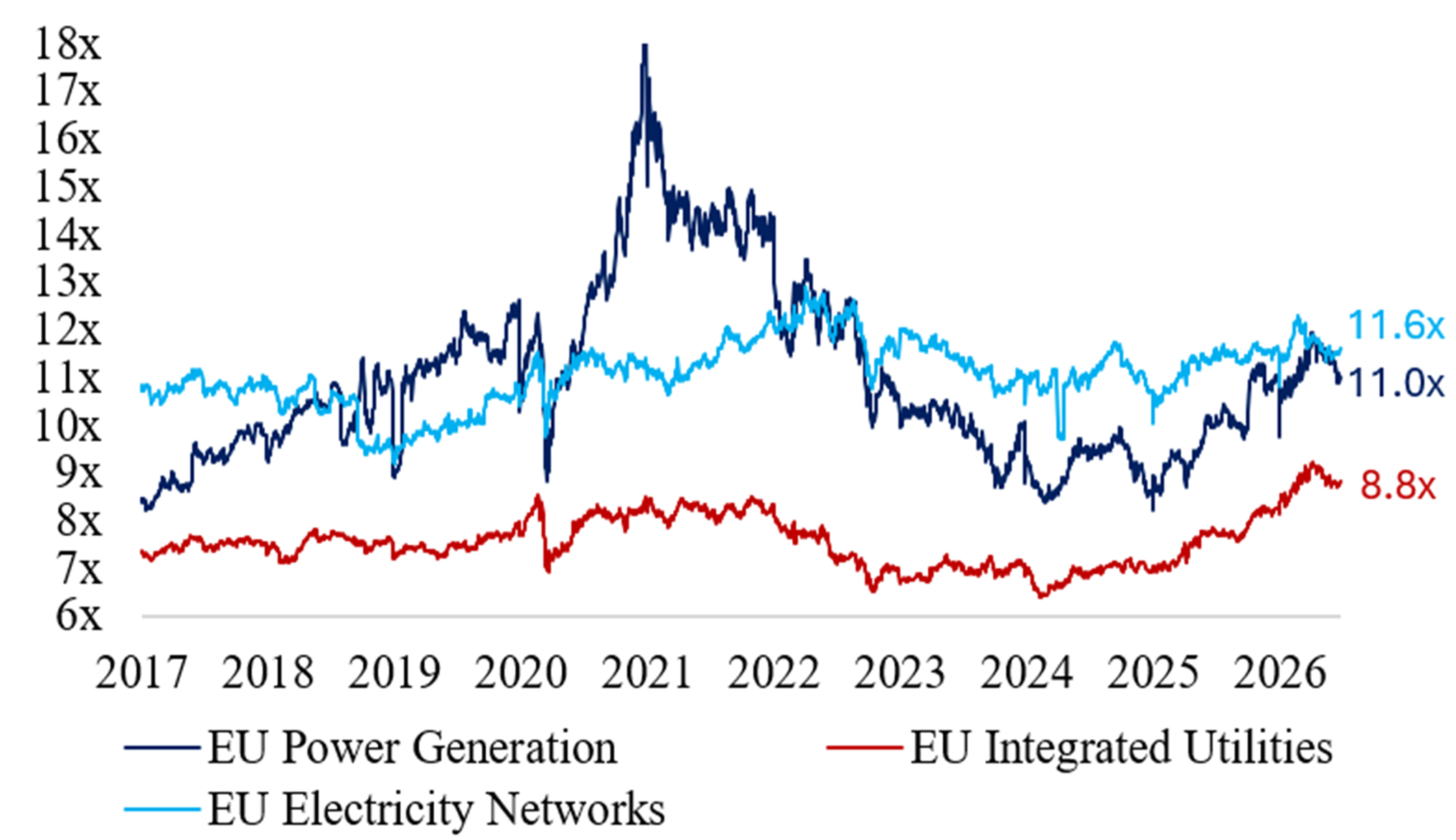
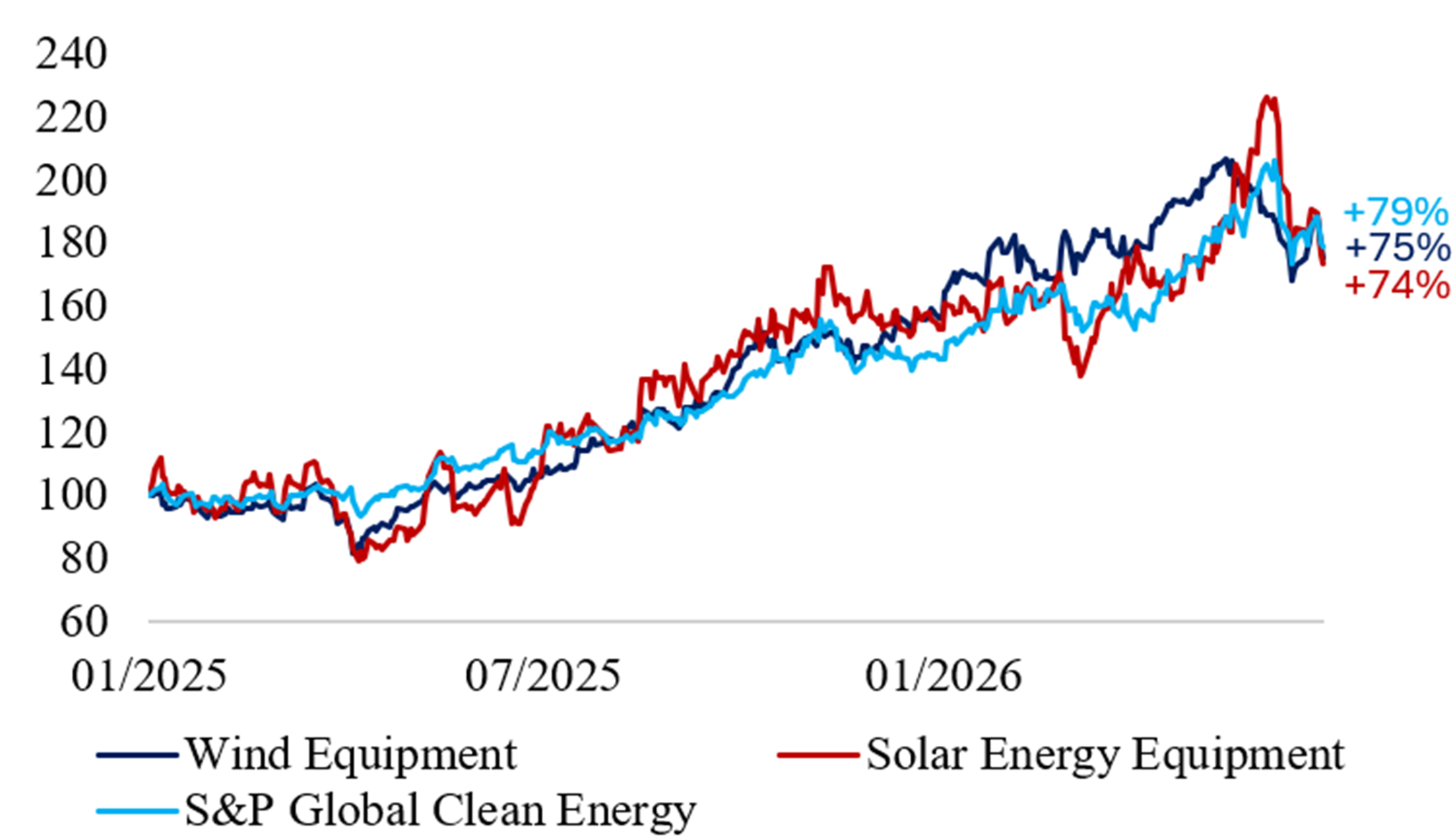
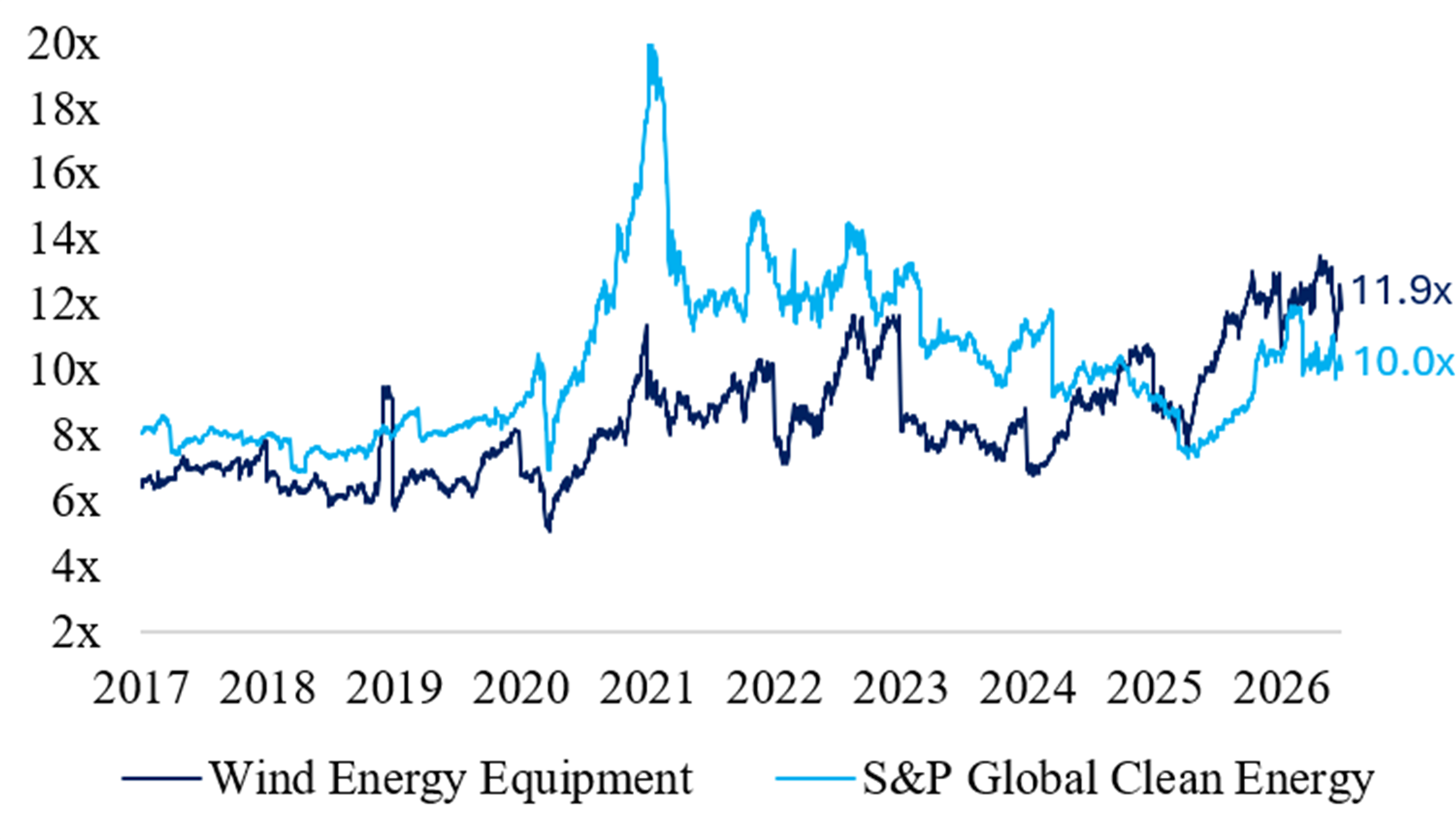
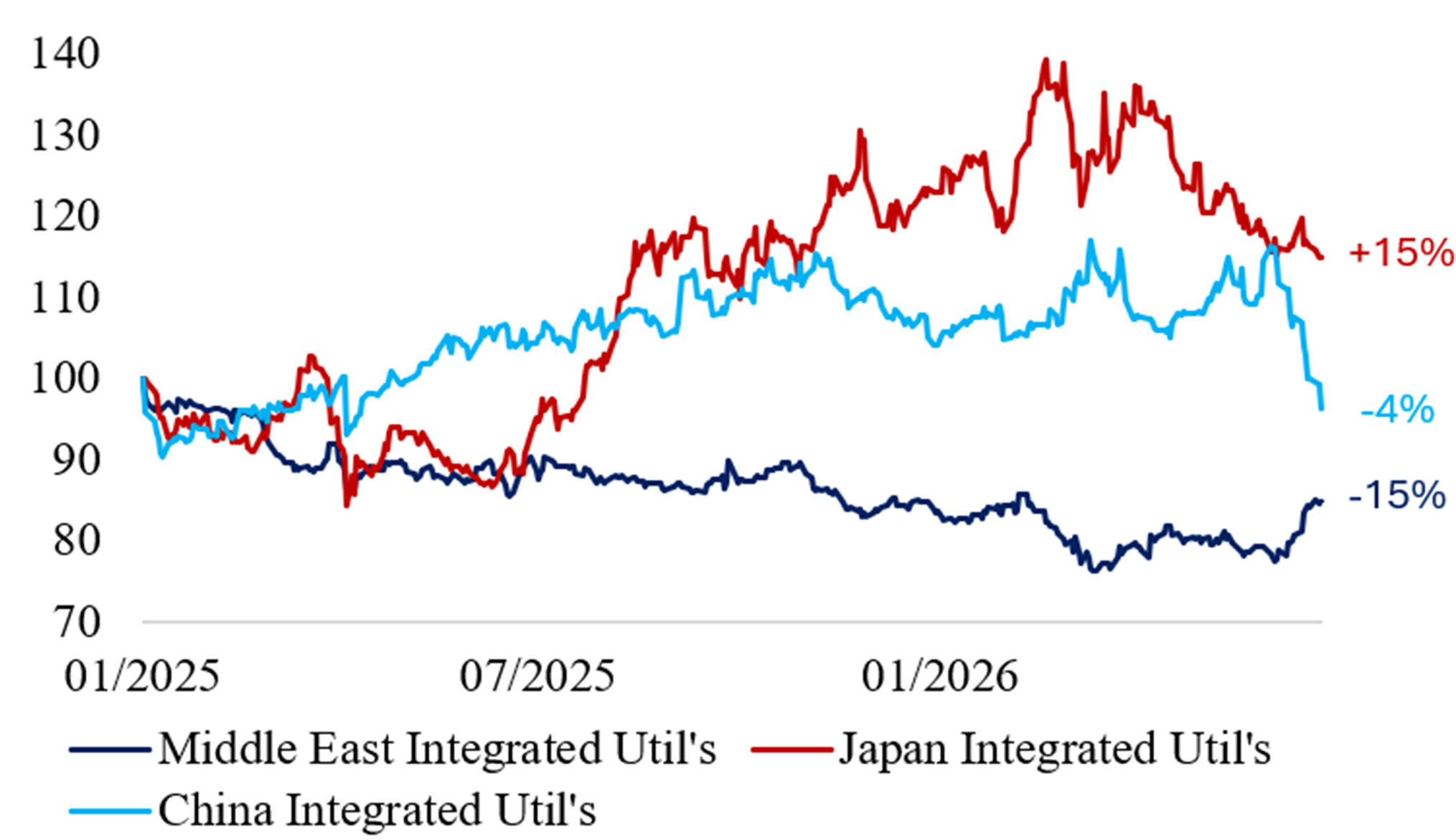
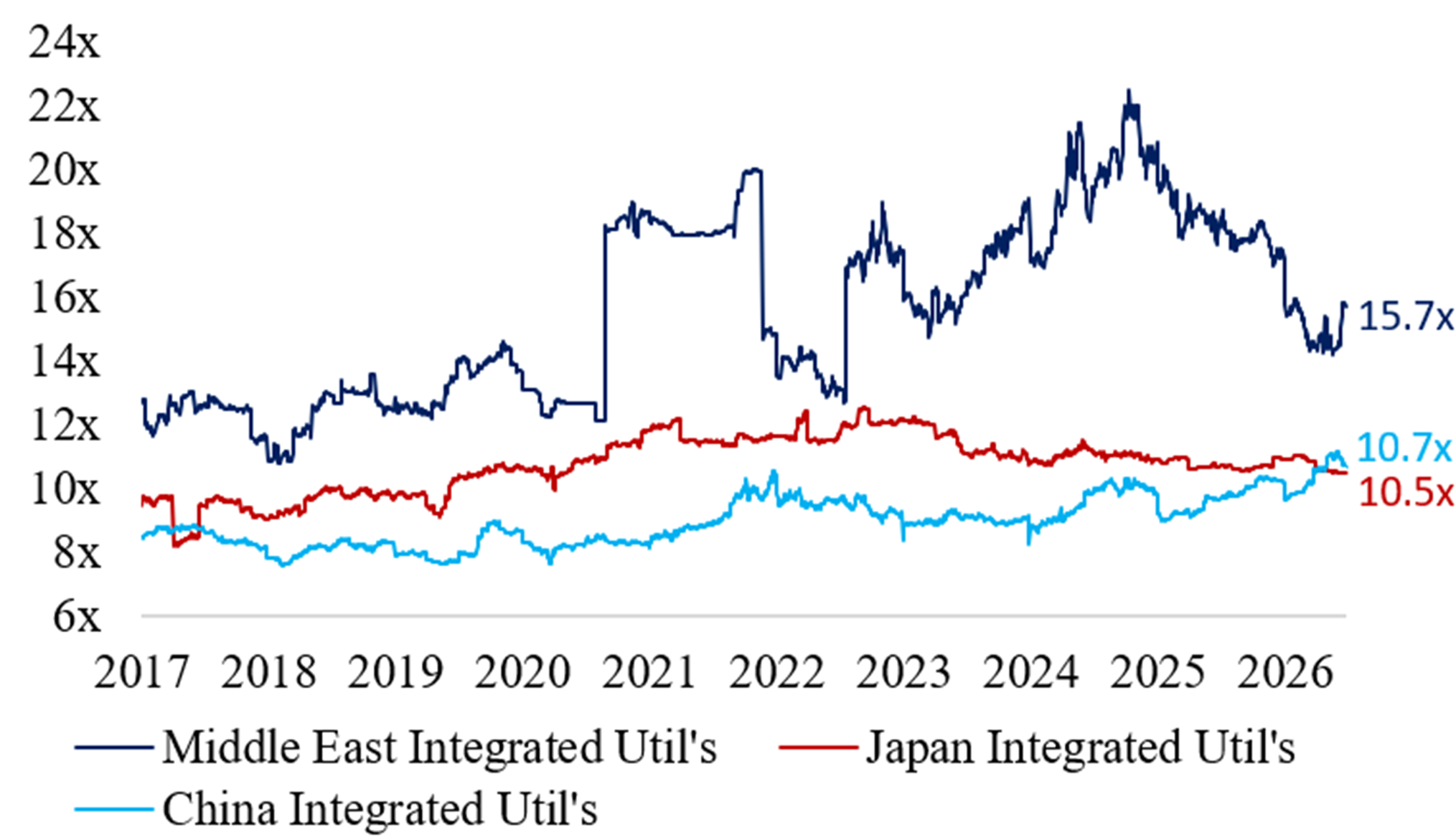
Source: Bloomberg Source: Bloomberg
(Prices as of 24 June 2026) (Valuations as of 24 June 2026)
Monthly Focus: Investment trends and IPOs in the global power sector
Solid growth in battery and power grid investments …
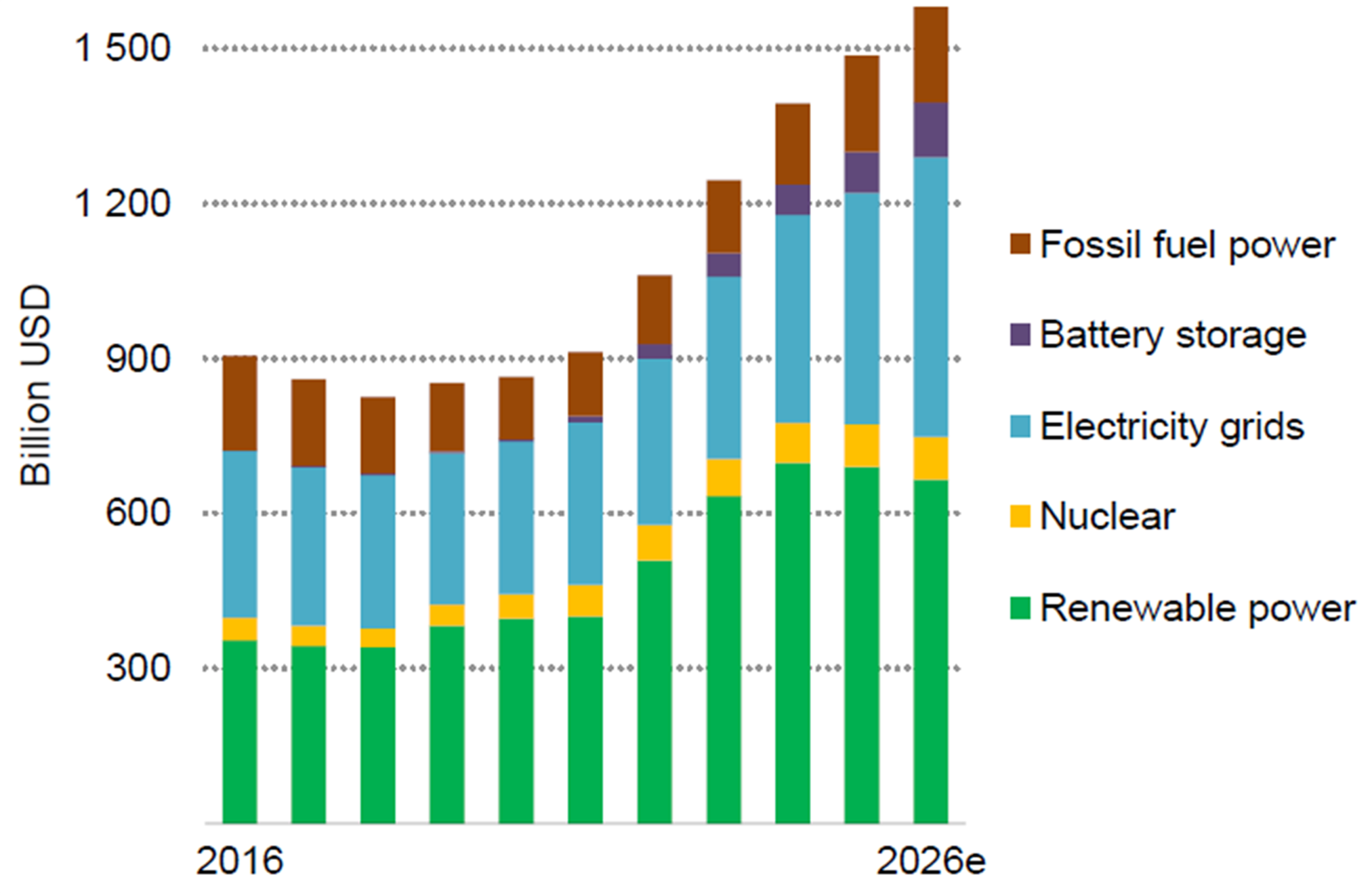
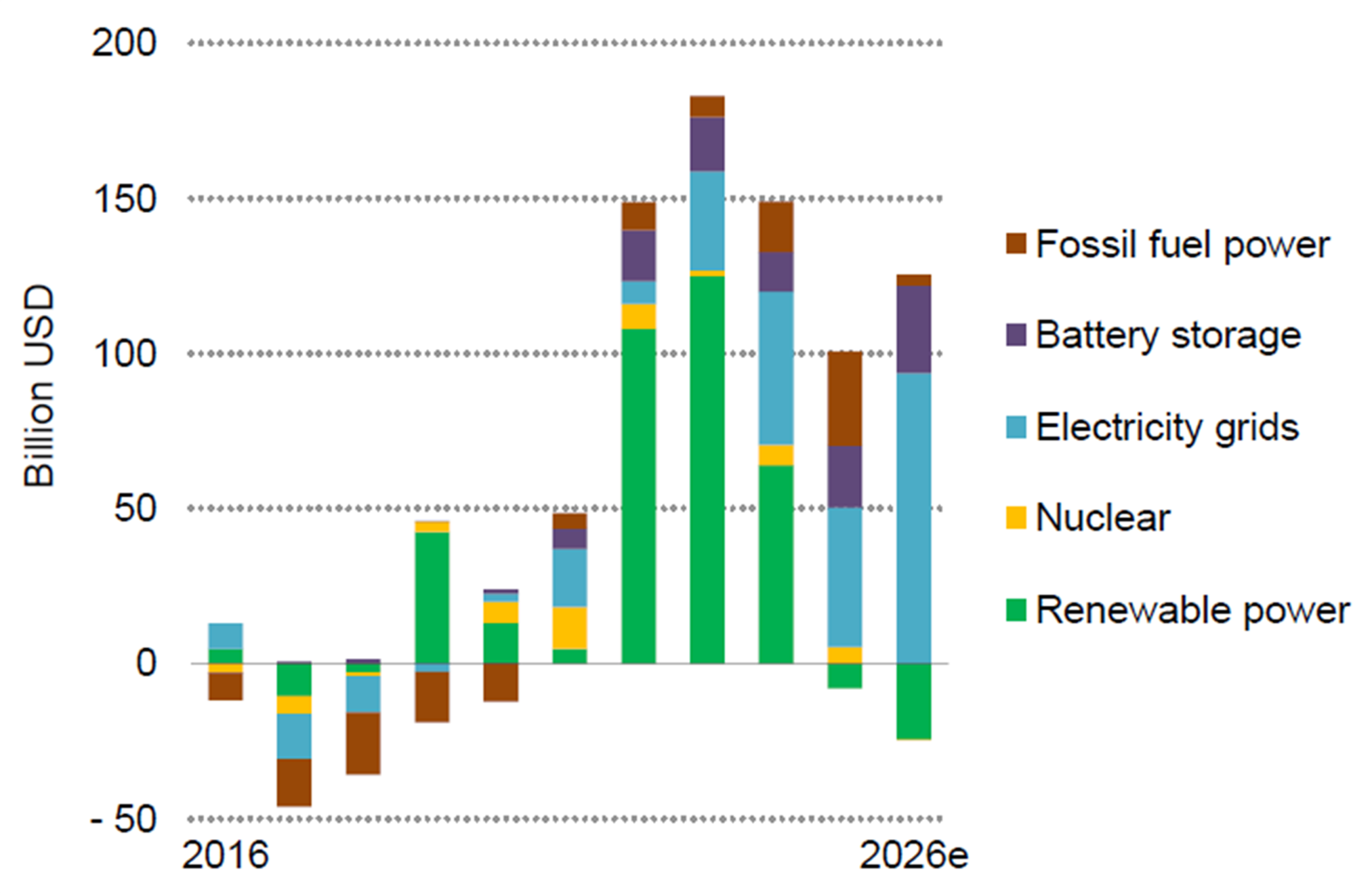
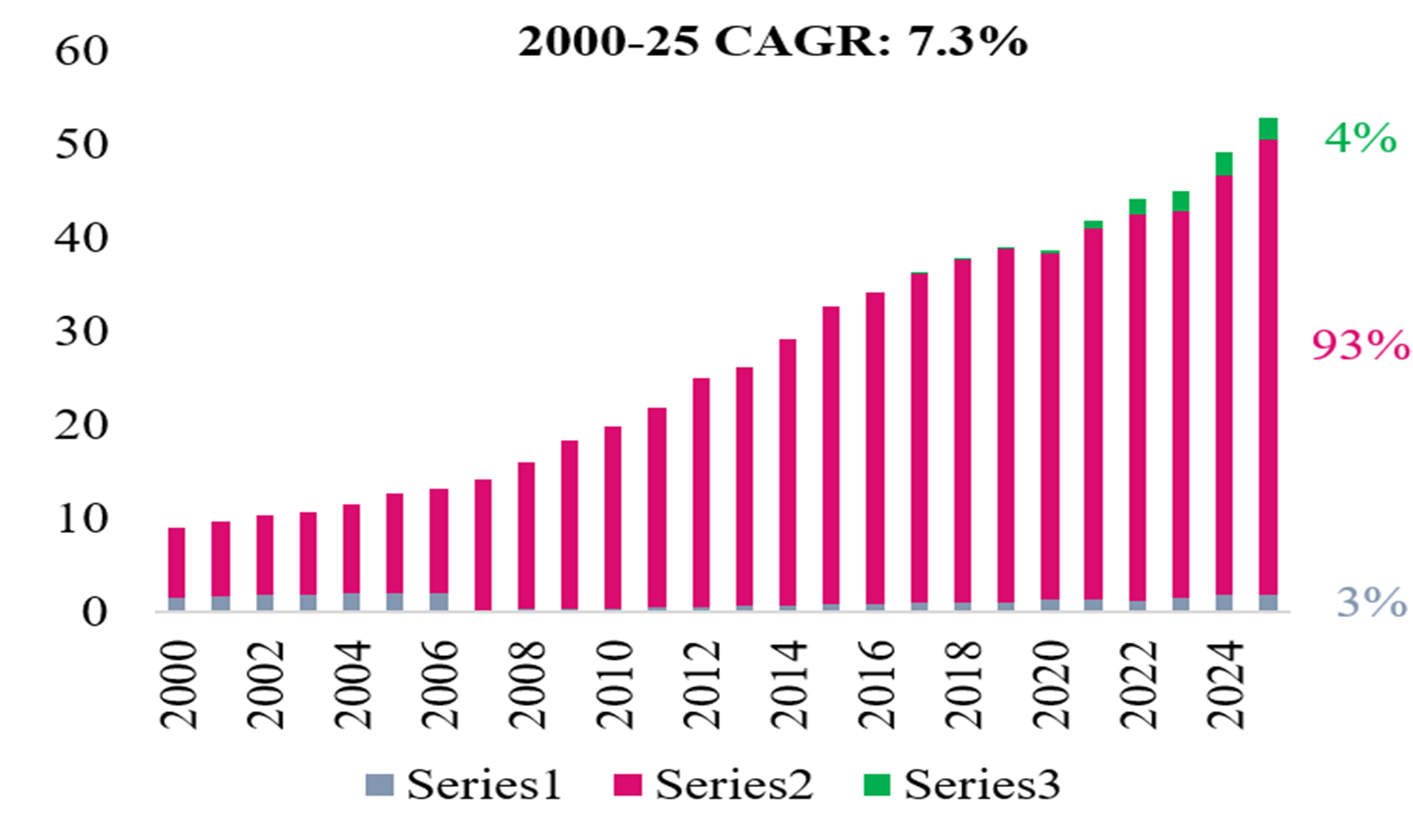
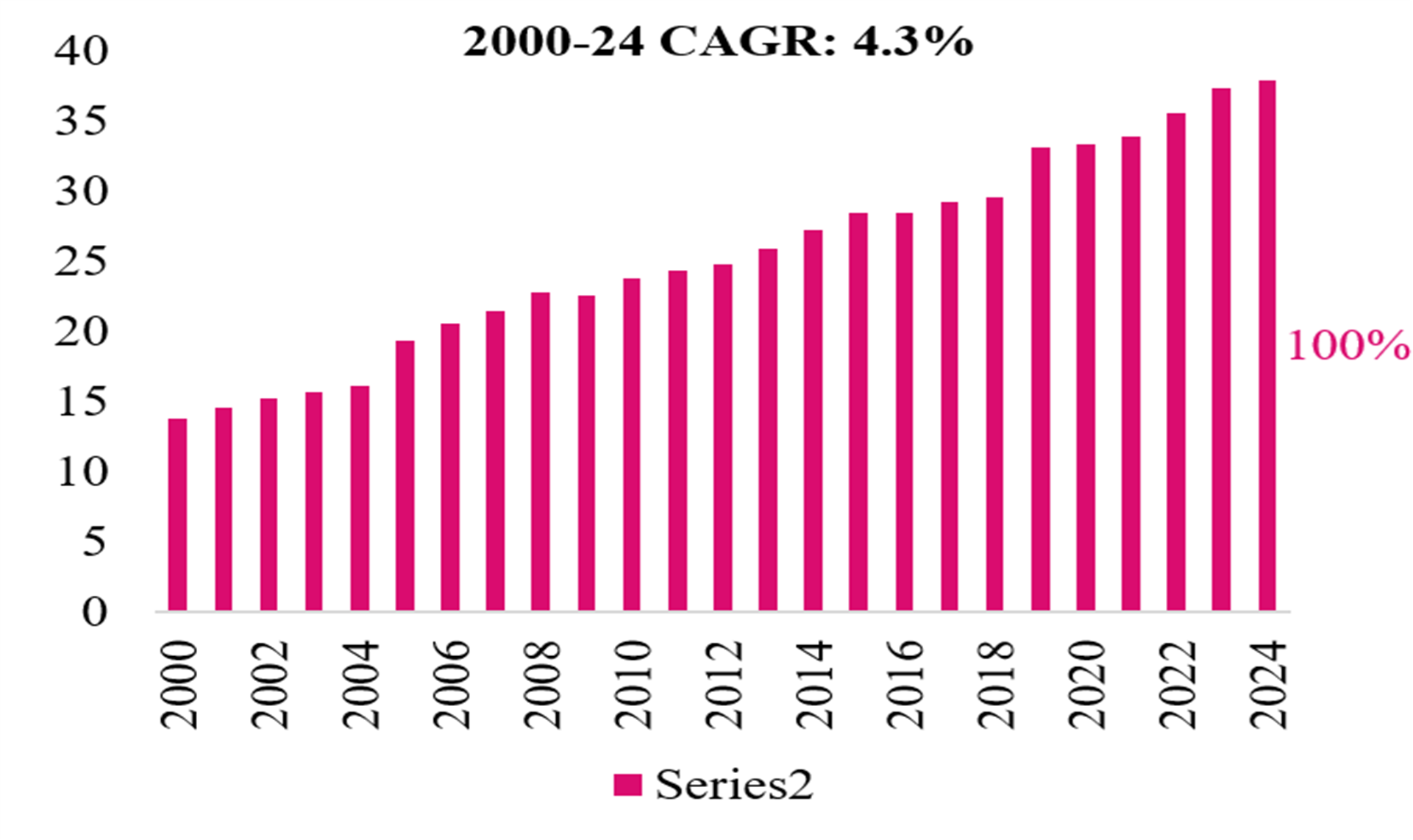
Based on the latest data from the International Energy Agency’s “World Energy Investment 2026”, total power sector investment rose 7% to around $1.5 trillion in 2025, driven by higher spending on electricity grids, battery storage, wind, and gas-fired power. The IEA projects a similar increase to around $1.6 trillion in 2026 (see Exhibit 3). Solar and wind remained the dominant investment destinations in 2025, accounting for 40% of total power sector investment and over 60% of power generation investment. However, despite strong generation capacity additions in 2025 (12% for solar PV, 39% for wind globally), renewables investment has actually declined in 2025 due to falling equipment prices and a smaller project pipeline, with further declines expected in 2026 (see Exhibit 4). Conversely, grid investment increased 11%, driven by rising equipment and input costs (including copper), which makes it difficult to determine how much reflects actual infrastructure expansion versus price inflation. Battery storage investment surged, particularly in markets where intermittent renewables have created business cases for energy shifting, with emerging markets outside China growing their share from 3% (2015–2024) to 11% in 2025.
Exhibit 3: Total Power Sector Investments
Source: Int’l Energy Agency
Exhibit 4: Annual Change in Power Investments
Source: Int’l Energy Agency
Regional investment trends have significantly varied. In the USA, data center-driven electricity demand spurred a nearly threefold increase in gas-fired power investment, while solar and wind forecasts were revised downward due to the phase-out of IRA tax credits and regulatory uncertainties. In China, renewables investment declined primarily due to steep cost reductions rather than a policy shift, and the 2025 pricing reforms may have squeezed developer margins. Outside these two economies, low-emissions trends have further strengthened, with Europe’s low-emissions share expected to reach 93% of generation investment by 2026, while developing Asia and Africa have increased their low-emissions share from 57% in 2019 to 77% in 2025. These developments unfold against heightened geopolitical risk, with supply chain concentration in China and maritime chokepoints also creating security vulnerabilities for renewables.
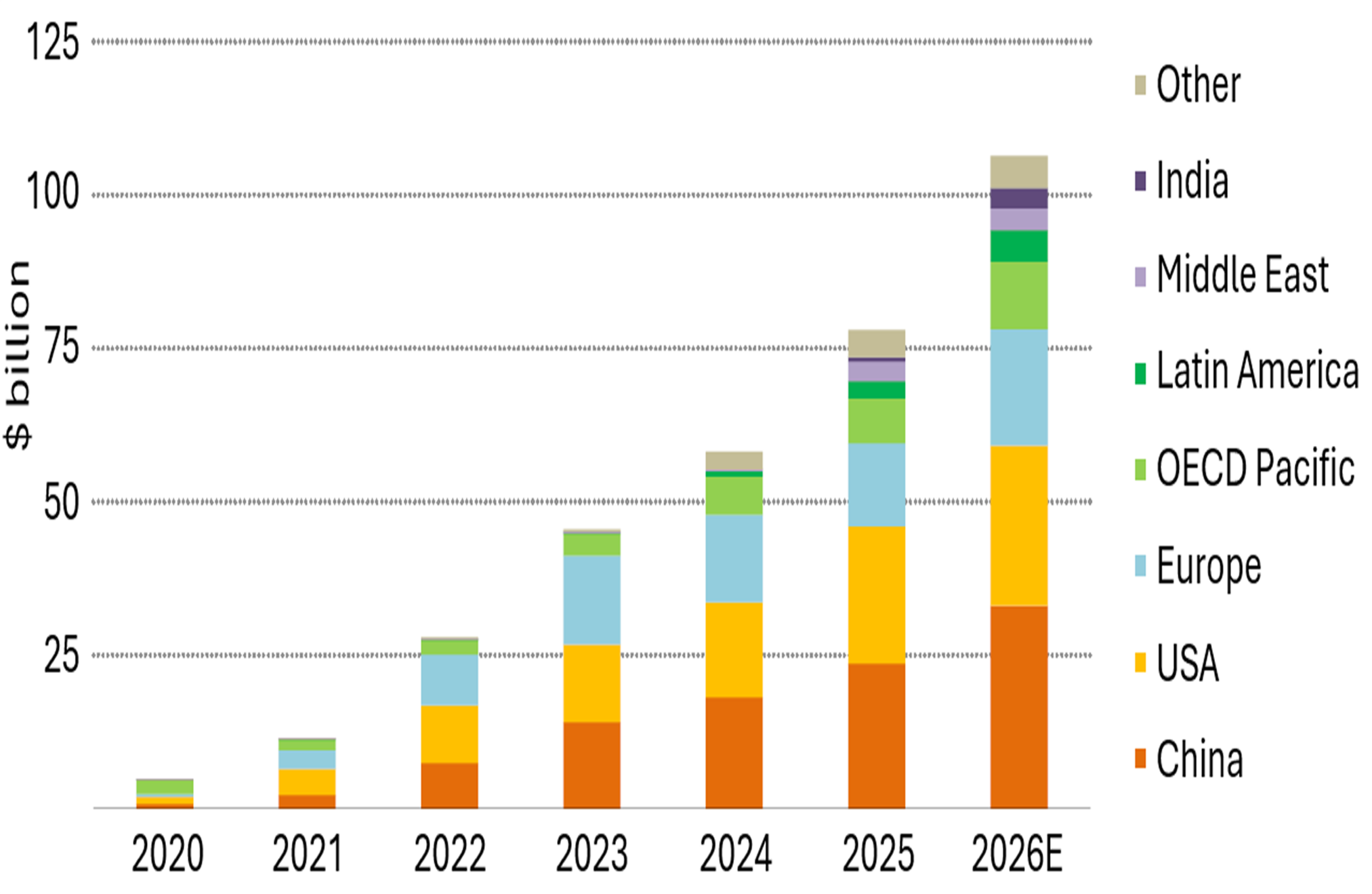
Battery energy storage systems (BESS) investment grew over 30% in 2025 to nearly 80 billion and is projected to increase by 35% in 2026, thereby surpassing $100 billion in 2026 (see Exhibit 5), with utility-scale applications accounting for 65% of spending and standalone installations driving most growth. Investment correlates strongly with renewable energy penetration as countries exceeding 20% renewables in power generation allocated 5% of power sector spending to BESS versus just 3% in lower-penetration markets. China remains dominant, as it invested $24 billion in 2025 and drove down capital costs by 14%. The USA preserved tax credits for battery storage but tightened foreign entity rules and imposed 155% tariffs on Chinese batteries, which led developers to source from Korean manufacturers. Emerging markets saw significant growth: Saudi Arabia invested $3 billion, India reached $700 million with rapidly scaling project sizes, and Pakistan experienced rapid behind-the-meter expansion. Beyond lithium-iron-phosphate technologies (account for more than 90% of the current battery capacity), long-duration storage is advancing through vanadium redox flow batteries and compressed air facilities launched in China and the USA. BESS is increasingly recognized as an energy security tool in Europe as it helps to decouple electricity prices from volatile gas prices in European power markets.
Exhibit 5: Battery Storage (BESS) Investments
Source: Int’l Energy Agency
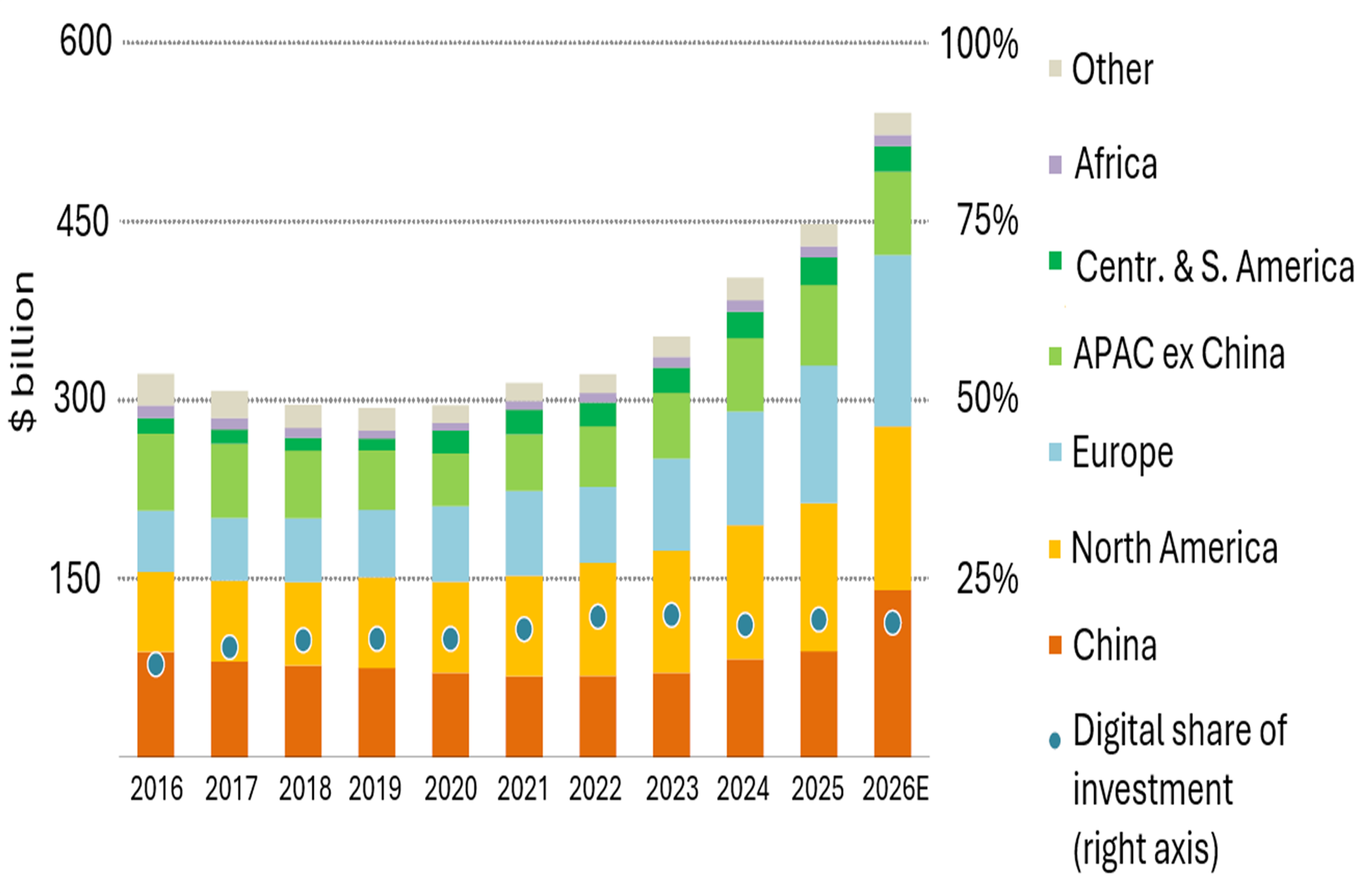
Exhibit 6: Power Grid Infrastructure Investments
Source: Int’l Energy Agency
Global grid investment has accelerated after years of stagnation, rising USD 45 billion, or 11%, in 2025 to nearly USD 450 billion, which reflected the largest annual investment increase over the past 10 years and is projected to be exceeded by a further 17% increase in 2026 (see Exhibit 6). However, this increase partly reflects inflationary pressures from rising project complexity, skilled labor shortages, higher input costs (electrical steel, copper, aluminum), and insufficient manufacturing capacity, which incentivized utilities to shift to long-term framework agreements rather than project-by-project contracting. Supply chain constraints, extended lead times, and lengthy permitting processes have left nearly 600 GW of renewable projects stuck in grid connection queues, while demand-side delays from data center expansion have affected US operators, such as ERCOT and PJM in the USA. Policymakers have responded with “first-ready, first-served” prioritization and major funding commitments: $13.6 billion approved by UK’s Ofgem, $565 million from the European Commission’s Grids Package, $100 billion from China’s State Grid Corporation for 2026, and $91 billion planned for India’s transmission network by 2035-2036.
… is also driving an IPO wave in power & grid equipment companies
The surging usage of AI and the proliferation of data centers as well as the push to expand electricity grids have driven up investor interest in companies that support the unprecedented growth in power demand around the world. Accordingly, power equipment companies have also capitalized on the AI and data center boom, with major manufacturers (such as ABB, Honeywell, Eaton, and GE Vernova) pursuing acquisitions and venture capital in grid innovation reaching $1.2 billion in 2025. Similarly, investors in power equipment companies stand to benefit from an uptick in the number of power equipment IPO listings, which have so far been dominated by defense and technology companies.
Private investment firm Advent International benefited from the recent IPO of its portfolio company Innio, which valued the Austrian distributed power solutions company at USD 20.3 billion. Innio sells power systems under its Jenbacher and Waukesha brands to data centers, by converting natural gas, renewable gases, and specialty gases into electricity, heat, or compression. Similarly, private equity firms TDR and I-Squared anticipate a jump in IPO profits from listing power supplier Aggreko, which provides electricity with industrial generators and battery energy storage systems for big events, including Formula 1 races, Fifa World Cup matches and the Glastonbury Festival in the UK. Finally, One Equity Partners is also in early talks for a potential €4 billion IPO of German grid company SGB-SMIT, which manufactures power transformers that are sold with electricity grids to adjust voltage and currents, thereby allowing electricity to move safely between circuits.
Private Market Value (PMV) Watch – Deals, Deals and more Power Sector Deals
WIND & SOLAR Assets
EDP explores asset farm down of Iberian solar assets (2 June 2026)
EDP is looking to sell a 49% stake in its Iberian distributed solar generation assets for as much as €200 million. The portfolio serves industrial and commercial customers with a total operational capacity of 500 MW. These distributed generation assets interconnect small-scale renewable generation located near end-customers, which can either feed the surplus production into the power network or operate off-grid. If the planned asset farm down goes ahead as planned (EDP could still decide not to go ahead with the sale), this private market transaction would imply an EV/MW multiple of €0.8 million for the operational solar capacity. Our take: The planned sale is part of EDP’s announced asset rotation program, with which the company targets €4.5 billion in disposal proceeds in 2026-28 and intends to unlock annual capital gains of €200-300 million per year.
Drax acquires Blue Solar Income Fund (4 June 2026)
Drax announced the acquisition of Bluefield Solar Income Fund, comprising about 0.9 GW of operating solar and wind capacity (solar/wind split: 93%/7%), 25 MW of under-construction Battery Energy Storage System (BESS) assets, and >1 GW of project development pipeline. Drax has agreed to pay (including dividend) £561 million, or an EV of £1.1 billion for this market transaction, which implies an EV/MW multiple of £1.19 million or €1.39 million for the wind, solar, and BESS assets. Considering an FY2025 EBITDA of £130 million implies an EV/EBITDA multiple of 8.3x. Our take: As only a little more than half (57%) of the solar and wind project revenues are generated from long-term government sponsored schemes (such as Contracts for Difference and Power Purchase Agreements), Drax was able to negotiate a lower multiple in this private market transaction compared to Orsted’s recent sale of its European onshore wind, solar and BESS assets (for an EV/MW of €1.74 million and EV/EBITDA of 14.0x), of which more than two thirds of the installed assets are still under long-term subsidy support.
Acciona Energia plans to sell wind assets in Canada and Australia (8 & 11 June 2026)
As part of its asset rotation program, Acciona Energía has mandated a bank to market a portfolio of Canadian wind assets valued at approximately €400 million. The portfolio comprises five operational wind farms with a combined capacity of 461MW. Thus, the private market transaction would imply an EV/MW multiple of €0.87 million. In addition, the company is also looking to farm-down a minority stake in a 600 MW wind and solar energy portfolio in Australia. According to media reports, this private market transaction could value the whole renewable energy portfolio at €0.7-1.0 billion, implying am EV/MW multiple range of €1.17-1.67 million. Our take: Based on the preliminary information available, the private market multiple for the Canadian wind assets look rather low, while the indicated valuation range for the Australian renewables portfolio reflects deal multiples of > 1.0 million.
ELECTRICITY NETWORK Assets
RWE raises ownership stake in German network operator Amprion (21 June 2026)
After RWE had already owned a 25.1% stake in Amprion (in a JV with Apollo, in which RWE has an 80% stake), RWE has now acquired an additional 35% from five shareholders of M31 to raise its total Amprion stake to 55%. Amprion is one of the four electricity transmission system operators in Germany. RWE paid a 2025 EV/RAB of 1.24 million and a 2025 EV/EBITDA of 13.4x in this private market transaction. Our take: As RWE already owned a 25% stake, the company is clearly a well-informed industrial buyer and the valuation it is willing to pay for an additional 35% stake should be seen as a reliable private market multiple for German transmission network assets.
HYDRO Assets
Acciona Energia sells hydro assets in Spain (5 June 2026)
Acciona Energia has reached an agreement for the sale of a 64 MW hydro portfolio in northern Spain to White Summit Capital. The transaction is valued at €66 million and is debt-free. The sold portfolio includes 18 small hydroelectric plants with capacities ranging from 1MW to 6.2MW and long-term concession agreements. The transaction is expected to close in the coming weeks, with an estimated capital gain of €55m and implies an EV/MW multiple of €1.03 million for this private market transaction. Our take: The multiple looks low when compared to the 1.4-1.5x that Iberdrola received when it sold hydro assets in Brazil, which also carried some debt. But Acciona Energia could be perceived as a forced seller, considering the announced disposal program to repair its balance sheet.
Power Points
EUROPE
Redeia: Targets additional investments in voltage and frequency control
Redeia has requested approval for an additional €607 million investment in its current 2021-26 infrastructure plan to deploy equipment managing voltage oscillations and improving frequency control in the Spanish grid. The request is driven by accelerated solar development and increased south-to-north energy flows in Spain. While this news first surfaced a month ago, the confirmation underscores the urgency of an administrative review, with approval potentially coming by year-end; as such, Redeia’s current capex plan should be viewed as a floor, as grid investments are typically upgraded throughout each planning period, and the specific assets involved should allow for relatively fast deployment and commissioning despite the company’s typically longer lead times for its capital deployment.
EU plan to ease carbon market burden on industries
European lawmakers are pushing for sweeping changes to the EU Emissions Trading System, seeking to slow the pace at which carbon allowances decline and increase free allocations to protect industrial competitiveness while maintaining climate goals. Proposals include lowering the linear reduction factor, which determines the annual decrease in the EU ETS cap, alongside a substantial increase in free allowances for companies that commit to investing at their facilities.
Italgas: 2026-32 Strategic Plan targets EPS growth above 9%
Italgas released its 2026-2032 strategic plan with EPS CAGR 2025-32 targeted to be above 9%, slightly ahead of consensus of 8.8% and in line with the CAGR of the previous 2025-31 plan on a like-for-like basis. Total investments should reach €13.0 billion (+14.6% vs. previous plan), while ex-tenders, investments are €10.6 billion (+8% vs. previous plan), driven by Italian gas distribution capex of €8.3 billion (+4%) and a new €0.5 billion M&A allocation. The Regulated Asset Base ex-tenders and ex-M&A should reach €19.4 billion by 2032. Synergy targets are raised to €280 million by 2032 (vs. €250 million by 2031), driven by an upgrade to AI savings from €70m to €100m.
EDP: Starts Amazon-contracted solar farm in Fukushima
EDP announced that it has switched on a 44MWp solar power plant tied to a PPA with Amazon in Japan. The solar farm features more than 63,000 solar panels and is expected to generate over 48 GWh per year. EDP said the solar facility is currently the largest in Japan, while the PPA, signed by subsidiary EDP Renewables APAC, is the second with Amazon in the region. Overall, Amazon has over 1.4 GW of renewable capacity across several EDP projects. The company targets to develop a Japanese project pipeline of more than 500 MWp through 2030 and beyond. Apart from solar, the company also develops battery storage in Japan.
Engie: Expected to bid for ENBW’s heating business
According to Bloomberg, Engie is expected to be one of three bidders for EnBW’s contracting heating division, which could be valued at €100 million. EnBW said earlier this year that it was exploring a sale of the unit, which supplies heating and other energy services to industrial and municipal clients. For Engie, the acquisition would be a small bolt-on deal in its local infrastructure business segment.
UK WATER
Pennon: Full year results in-line, strategic update coming in September
Pennon reported FY25/26 results broadly in-line with expectations and EPS slightly ahead due to lower interest expenses. The 2026/27 guidance calls for slightly higher water revenues and 15% YoY growth in non-household retail helped by Pennon Power. The company also announced a £250 million re-opener submitted, which could potentially drive asset base growth closer to 8%+ CAGR over AMP8 (Asset Management Plan 8 for 2025-30). The company also announced a Strategic Update by the end of September from the new management team. Priority areas include a reduction in supply interruptions and treatment compliance, creation of customer relationship management and operational efficiencies. The company has a low level of index-linked debt and coupled with possible asset disposals (most likely in the non-regulated business), he company should have sufficient capacity to fund the re-openers.
Thames Water: Creditor-led rescue package under review
The evolving situation at Thames Water has put a spotlight on the UK water sector. In mid-June, Environment Minister Emma Reynolds indicated in her “early view” that the £10 billion creditor-led rescue package was insufficient to protect consumers or the environment. The UK Water Regulator Ofwat is expected to make a final decision on the package this summer. The alternative is to place Thames Water into a Special Administrative Regime (SAR), a form of temporary public ownership. The creditor group, which includes Invesco, Elliott Management, and Silver Point Capital, argues that SAR would require significant public funds. The creditors further contend that their proposal would not raise customer bills beyond Ofwat’s plans and would help deliver environmental improvements.
Southern Water: New private investor buys 20% stake
Southern Water, which operates in the South and South-East England and is majority owned by a Macquarie-led investor consortium announced that Madrid-based Asterion Industrial Partners had taken a 20% stake in the company for £300 million. Overall, Southern Water had announced a £1.2 billion investment package in 2025, and Macquarie had already committed £900 million of that in 2025. In total, the consortium has invested £2.8 billion in Southern Water since it acquired the company in August 2021.
Political uncertainty hits the UK water sector again
Political upheaval in the UK has increased, with Prime Minister Keir Starmer announcing his decision to resign. He is most likely to be replaced by Andy Burnham, who has been vocal about greater public control of energy and water companies, without proposing any specific plans yet. One of his allies, Mathew Lawrence, who is the Director of the think tank Common Wealth, published a paper titled “The Productive State” in which he argues for a “bonds for shares” approach for failing and underperforming utilities. Although the paper falls short of calling for a blanket nationalization of UK utilities, it would suggest more use of Special Administrative Regimes for underperforming companies. We wait for further details on Burnham’s specific policy plans.
MIDDLE EAST:
DEWA: Looking for international growth
The Dubai Electricity & Water Authority (DEWA) has established a “DEWA International” subsidiary as part its Strategic Initiative to pursue international expansion opportunities. The goal is to capture the growing global demand for power and water infrastructure services within the context of broader energy transition trends outside of the UAE. DEWA International intends to become a leading multi-technology power and water developer as well as an operations & maintenance company with a global footprint. The future growth is expected to be pursued in several phases, with the first phase (2-3 years) focused on establishing a footprint outside the UAE in MENA, the second phase (after another 2-3 years) focused on pursuing select high-return opportunities beyond MENA and then scaling up the global portfolio during the third phase (after years). Management highlighted that DEWA International is expected to grow and match the current DEWA business in size in around 10 years. Details on the pipeline of projects and geographies have yet to be revealed.
Adnoc plans new UAE pipeline to bypass the Strait of Hormuz
Although the Strait of Hormuz is officially open for transit again after the signing of the Versailles Memorandum of Understanding, Middle East oil and gas producers plan to reduce their export dependency on the Hormuz shipping waterway in the aftermath of the Iran conflict. Thus, UAE state-run Adnoc said it is planning its first multi-fuel pipeline to export gasoline, diesel and jet fuel in addition to its crude oil pipeline, which is already running from its production hub of Habshan in Abu Dhabi to Fujairah on its east coast. During the Iran war, the UAE has already pumped as much oil as possible through this oil pipeline, which only has a capacity of 1.5 million barrels per day and the port of Fujairah has also come under frequent attack by Iran. Currently, only Saudi Arabia and the UAE have pipelines that can move oil to ports outside the Gulf without passing through other countries in the region.
JAPAN:
Data centre-driven power demand fuels Japan’s nuclear renaissance
Japan is emerging as a high-growth region for electricity demand, driven by geopolitical shifts such as friendly shoring and national security considerations for AI, IT, and semiconductor production. According to the Ministry of Economy, Trade, and Industry (METI), data center electricity consumption in FY2025 reached 19–20 TWh, representing about 2% of total consumption, and is expected to triple over the next decade. Data center construction by domestic players is projected to exceed ¥1 trillion ($6.7 billion) by 2028, with the market growing from ¥972 billion in 2024 to ¥1.78 trillion by 2029 at a 12.9% CAGR. These estimates carry upside risk given increased spending from global hyperscalers and Japanese companies responding to regional risk diversification.
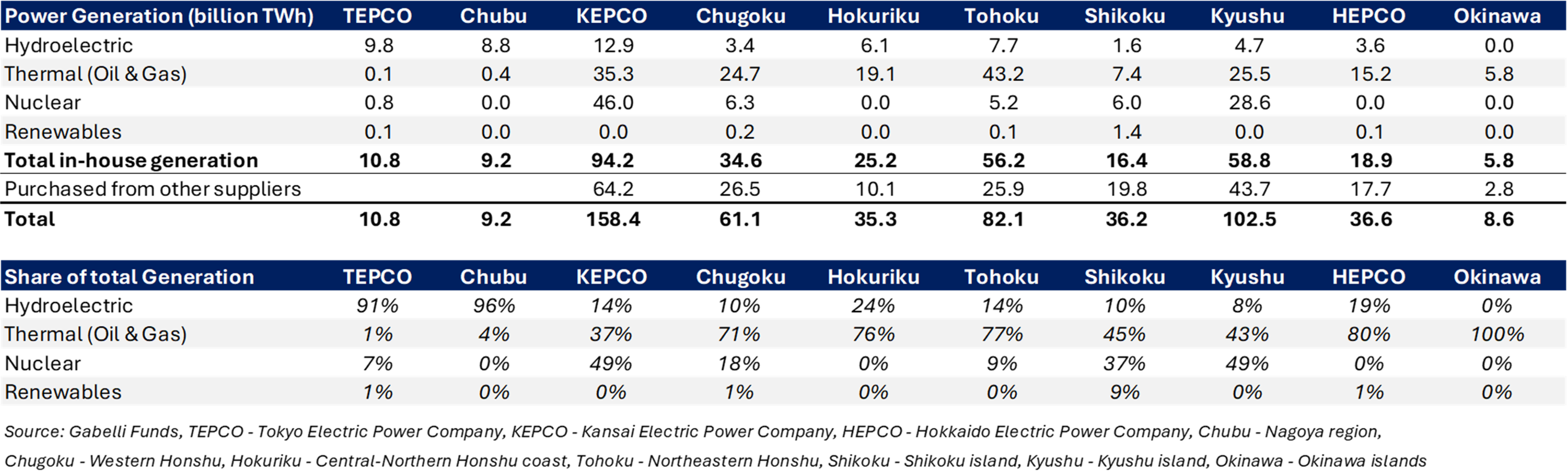
Japan is the world’s fourth-largest electricity consumer. According to the Central Research Institute of Electric Power Industry (CRIEPI), a leading think tank advising the government and the private sector on energy policy, maximum Japanese electricity consumption in 2050 is projected to increase by 37% from 924,000 GWh in 2021. To meet this growing power demand, the Takaichi Administration has established the Council for Japan’s Growth Strategy in November 2025, covering 17 strategic fields including energy and digital transformation. The policy roadmap prioritizes restarting nuclear power plants to supply data centers and the semiconductor industry. By March 2025, 14 plants with 13.2 GW capacity had already restarted and the target is to restart 23 plants with 23.3 GW by March 2031. The following table summarizes the fuel mix of Japan’s ten electricity production companies (EPCOs), including nuclear energy:
Exhibit 7: Fuel mix of Japan’s electricity generation companies
CHINA:
Wind and solar projects move towards market-based pricing
The performance of Chinese utilities stocks has turned mostly negative year to date with the pullback in June depending on their varying degrees of wind and solar in their power generation portfolios and their exposure to merchant pricing (vs. long-term fixed power purchase agreements). The shift towards market-based pricing for renewable energy in China has been moving forward at a gradual pace for most of the past decade but has picked up momentum in the past year. From 2018, as wind and solar generation costs declined, China began to reduce renewable subsidies and encouraged grid parity projects. By 2021, new large-scale wind and solar projects were no longer eligible for government feed-in subsidies. Despite these reforms, most renewable energy generators continued to benefit from fixed or quasi-regulated pricing mechanisms.
In February 2025, China’s National Development and Reform Commission and the National Energy Administration released Document 136, which established a framework requiring new wind and solar projects to participate in market-based electricity trading from June 2025 while at the same time introducing new settlement mechanisms to smooth revenues. The transition has been anticipated for years, however, the move from national policy to ongoing implementation on the provincial level, at a time of record renewable capacity additions, is increasing focus on merchant price exposure and increasing volatility in renewable energy and utility stocks.
European Power Prices and Global Electricity Demand Growth
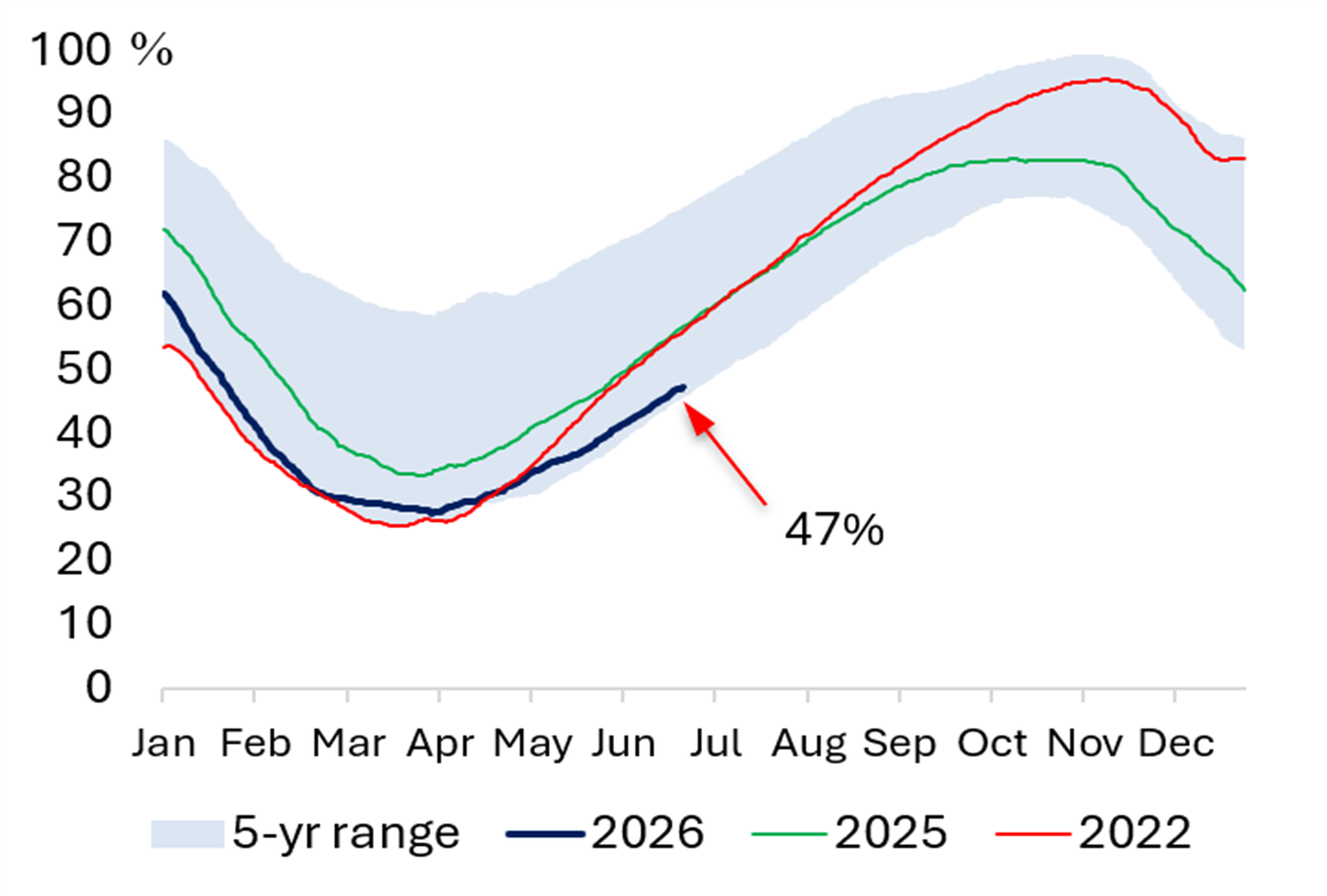
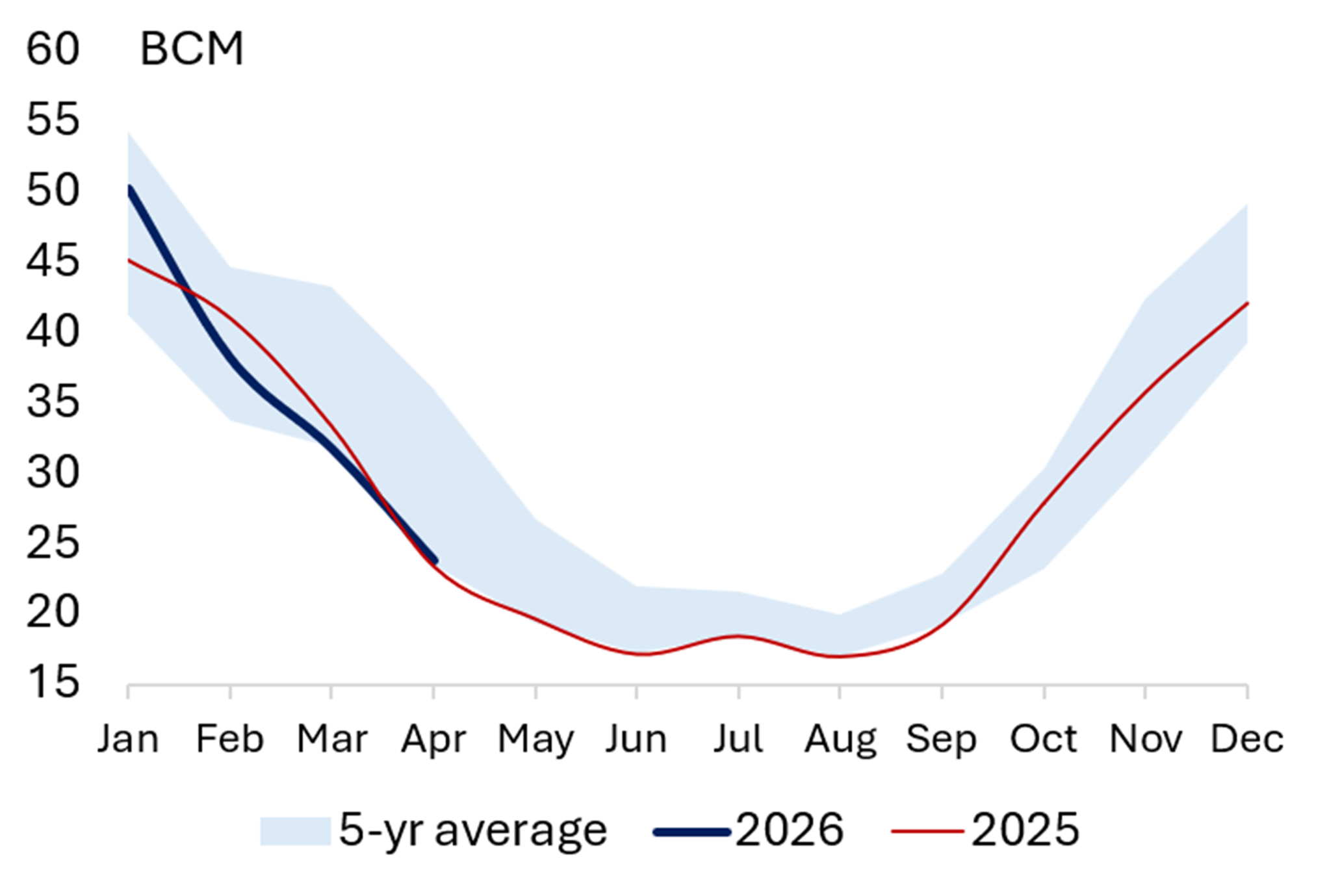
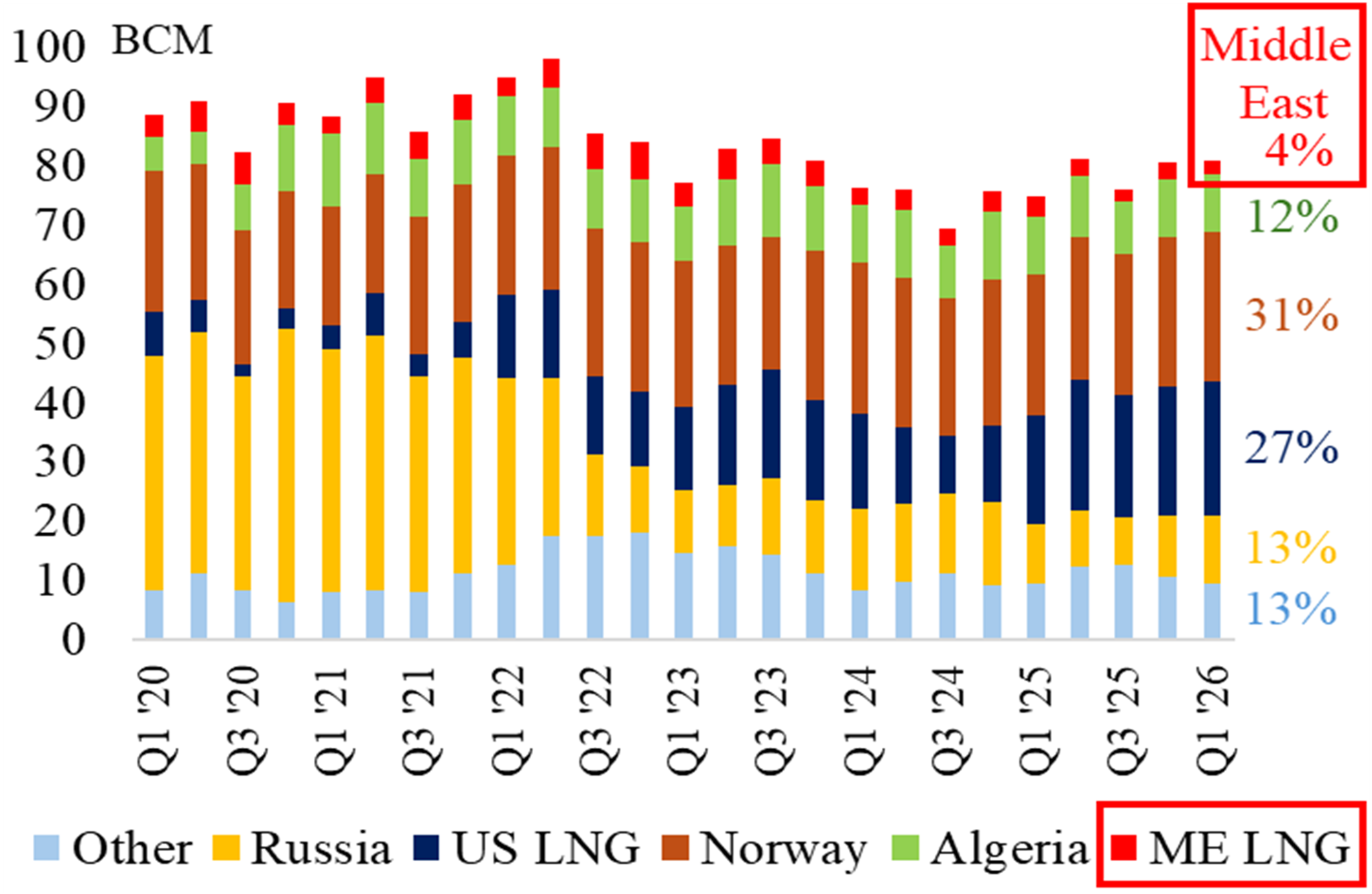
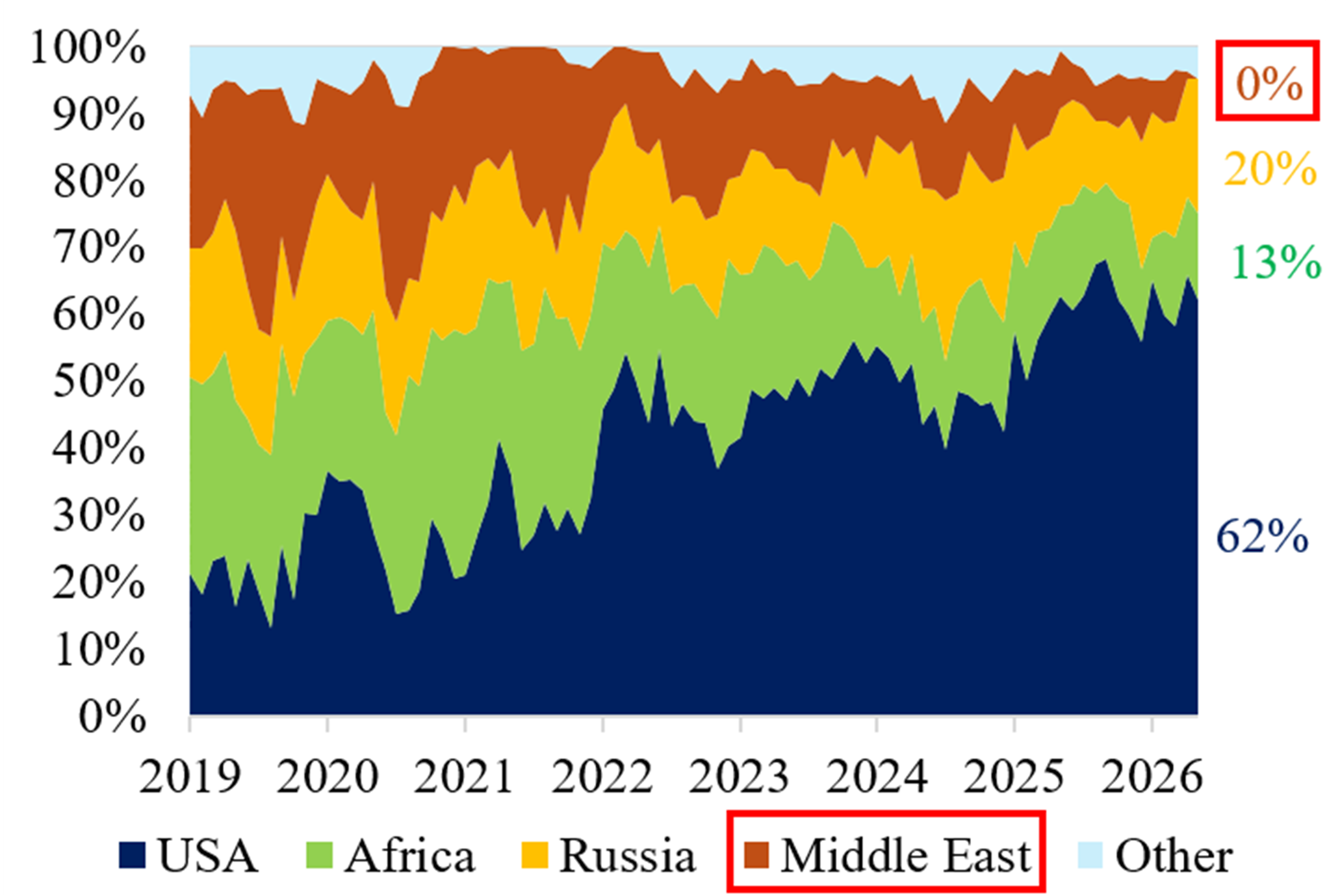
The Iran conflict has pushed Europe into its second energy crisis in four years and has put the focus back on European gas and power prices. Unlike the 2022 crisis, when Russia cut pipeline gas supplies, Europe faces limited volume risk this time: only around 4% of total gas imports in the first quarter of 2026 came from the Middle East (see Exhibit 12), and Middle Eastern LNG imports had already fallen to zero in May 2026 (see Exhibit 13). However, Europe will need to replenish depleted gas storage through LNG purchases this summer. EU gas storage was just 47% full at the end of June, the lowest level for that time of year since 2021, just before the 2022 energy crisis (see Exhibit 10). As European buyers compete with Asian buyers in the spot market to refill storage ahead of next winter, LNG prices – and, by extension, European gas prices – are likely to remain elevated throughout 2026. With average LNG prices already running 26% above last year’s level on a year-to-date basis, European gas prices have moved higher as well. Average EU gas prices are up 18% versus 2025, while average UK gas prices are 11% higher year to date than in 2025 (see Table 2).
Table 2 Megawatts & Molecules: Average Annual Electricity, Carbon, Coal and Gas Prices
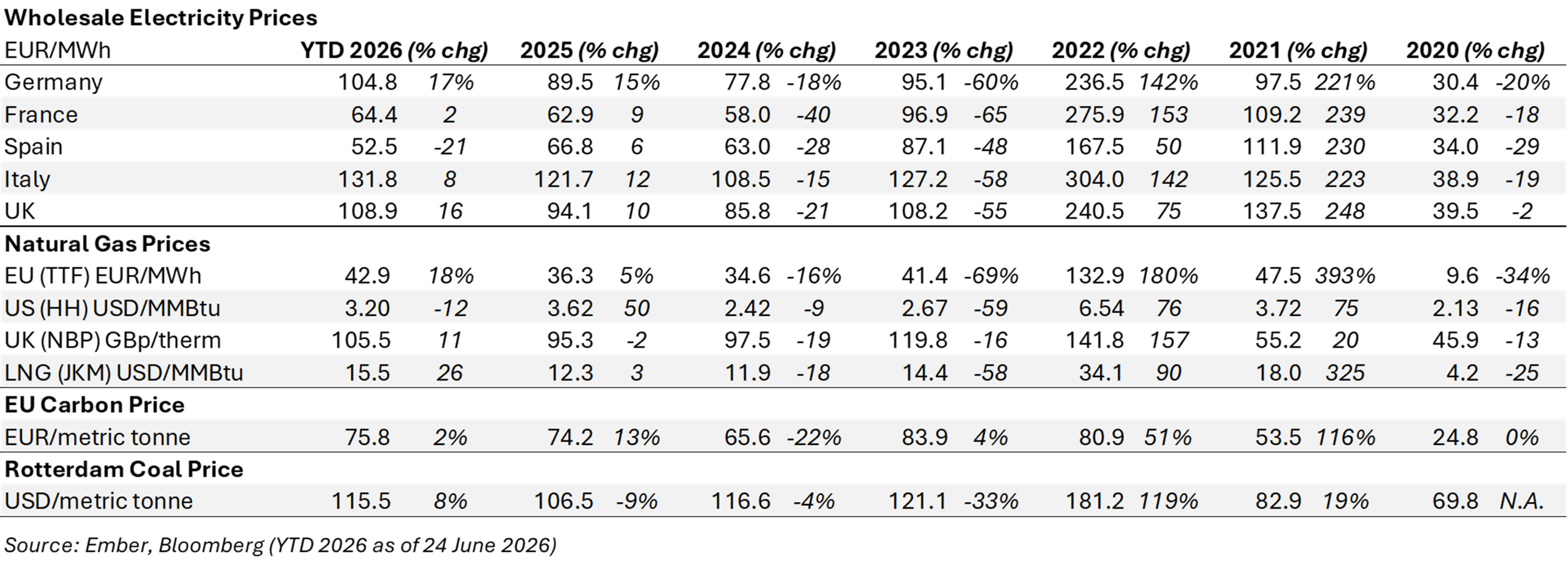
Rising gas prices have also pushed up power prices in countries that rely heavily on gas-fired generation, as gas-fired plants are typically the marginal producers under Europe’s merit-order system and therefore set wholesale electricity prices. Accordingly, average wholesale power prices in Germany, Italy, and the UK have already exceeded their 2025 averages by 17%, 8%, and 16%, respectively, on a year-to-date basis in 2026 (see Table 2). In contrast, prices in France have risen only marginally (+2%) and have even declined in Spain, as both countries are less dependent on gas for power generation. Despite elevated power prices across Europe, it is encouraging that EU & UK electricity demand continued to grow, rising 1.6% in the first quarter of 2026 after several years of declining consumption driven by efficiency gains in response to high power prices (see Table 3).
Table 3 Annual Electricity Demand (TWh)

Gas Storage and LNG Flows
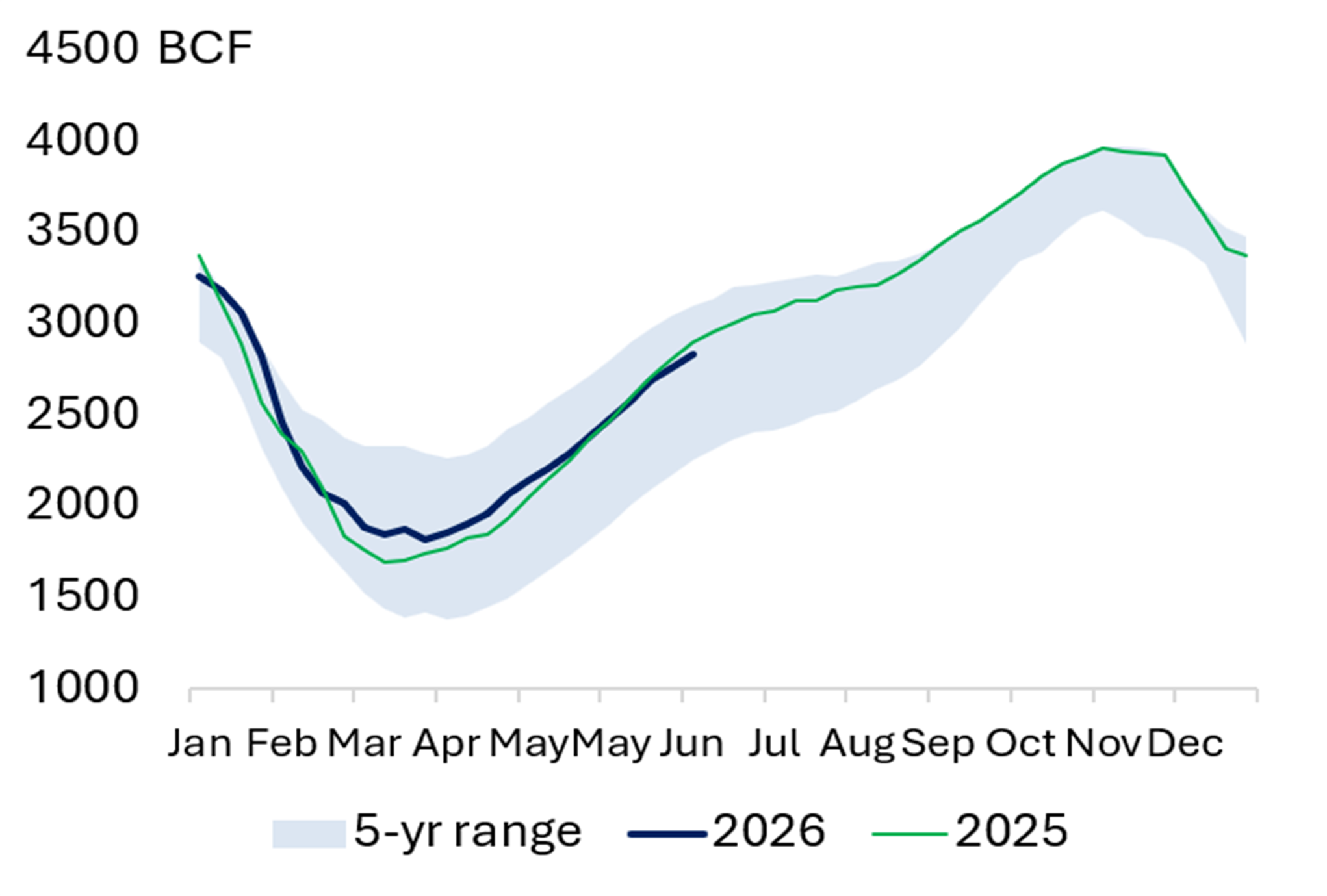
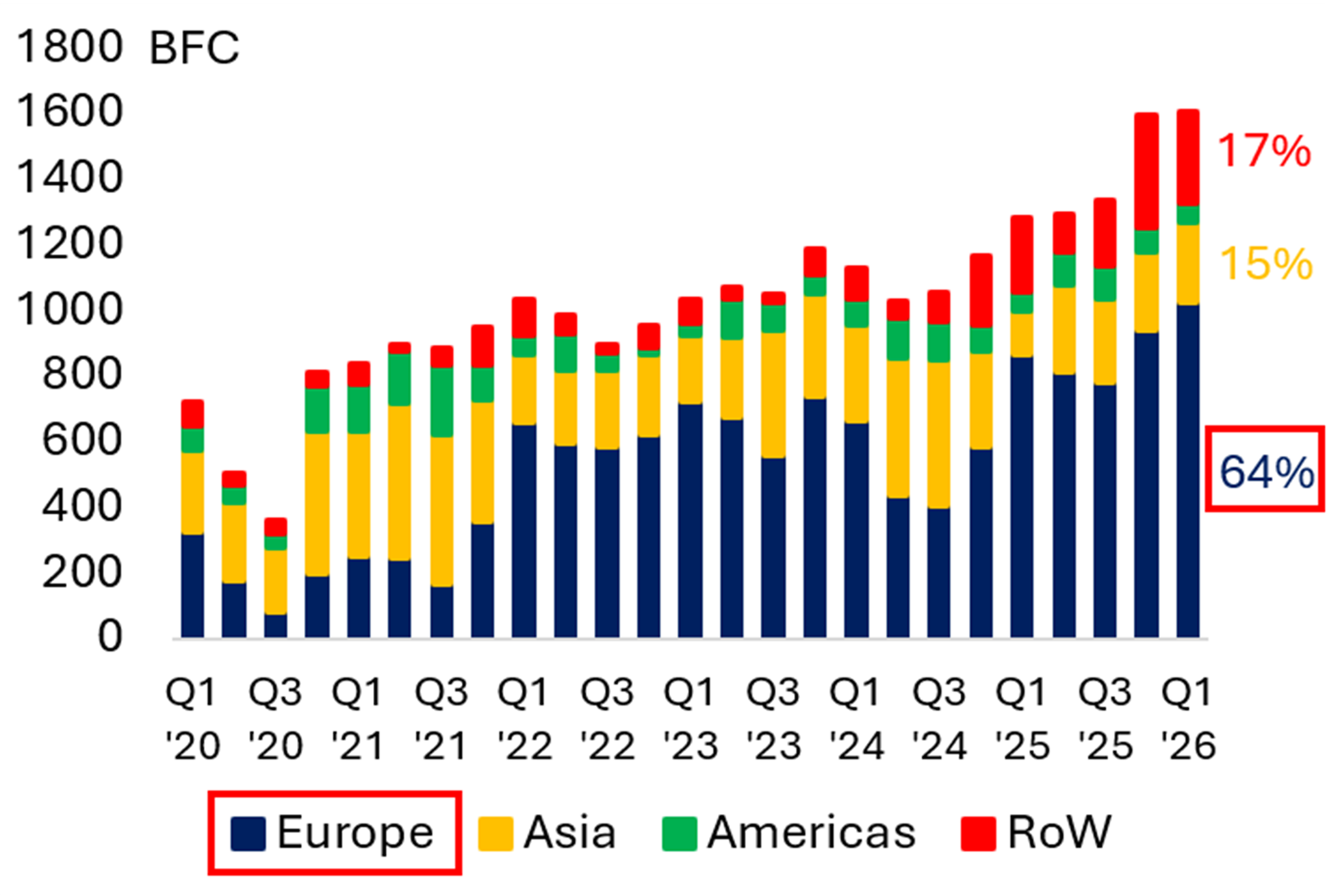
Exhibit 8 US Gas Storage Exhibit 9 US LNG Exports
Source: US Energy Information Administration Source: US Energy Information Administration
Exhibit 10 EU Gas Storage (% full) Exhibit 11 EU Gas Demand
Source: Gas Infrastructure Europe Source: Eurostat
Exhibit 12 EU Quarterly Gas Imports by Source Exhibit 13 EU Monthly LNG Imports
Source: Bruegel Source: Bruegel
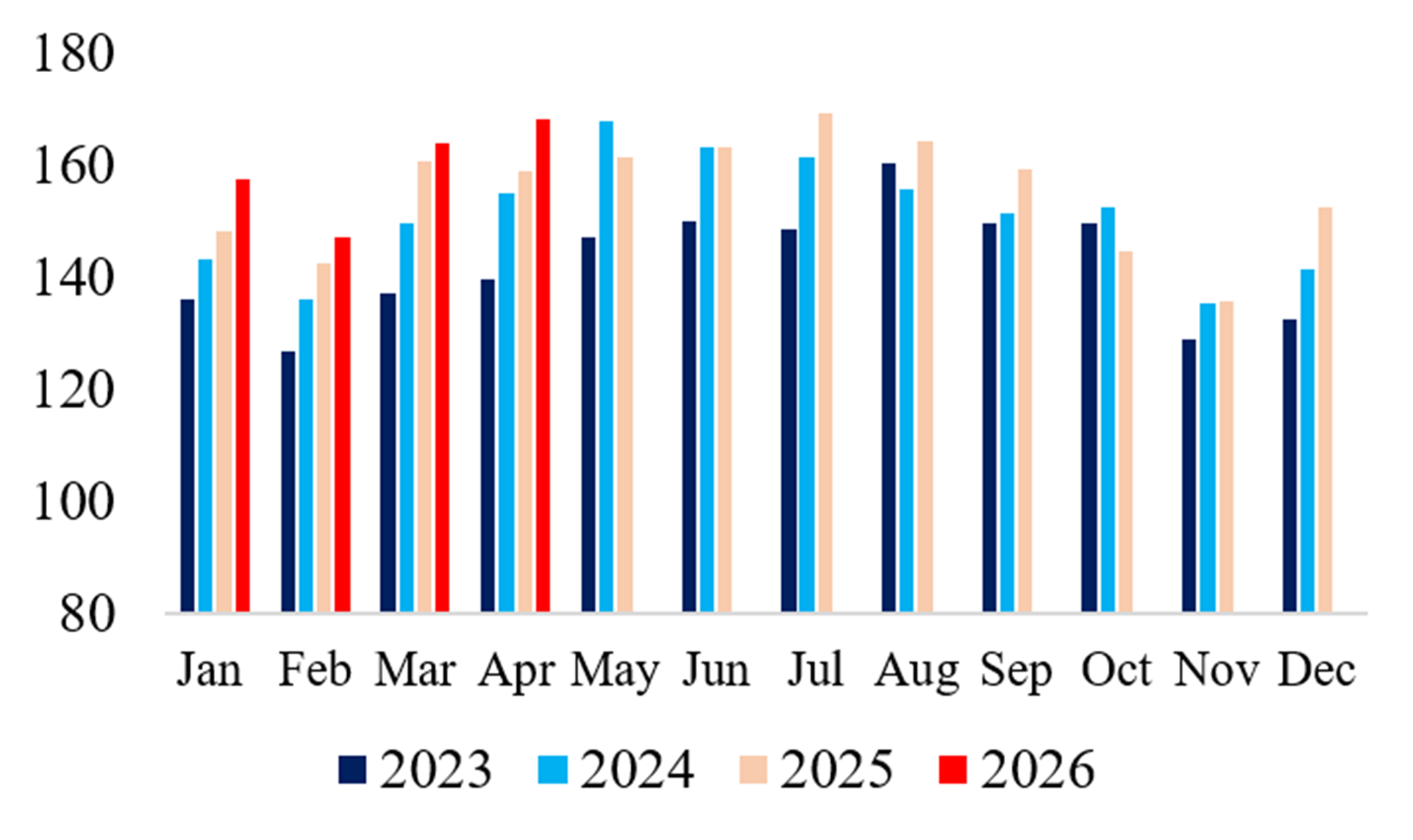
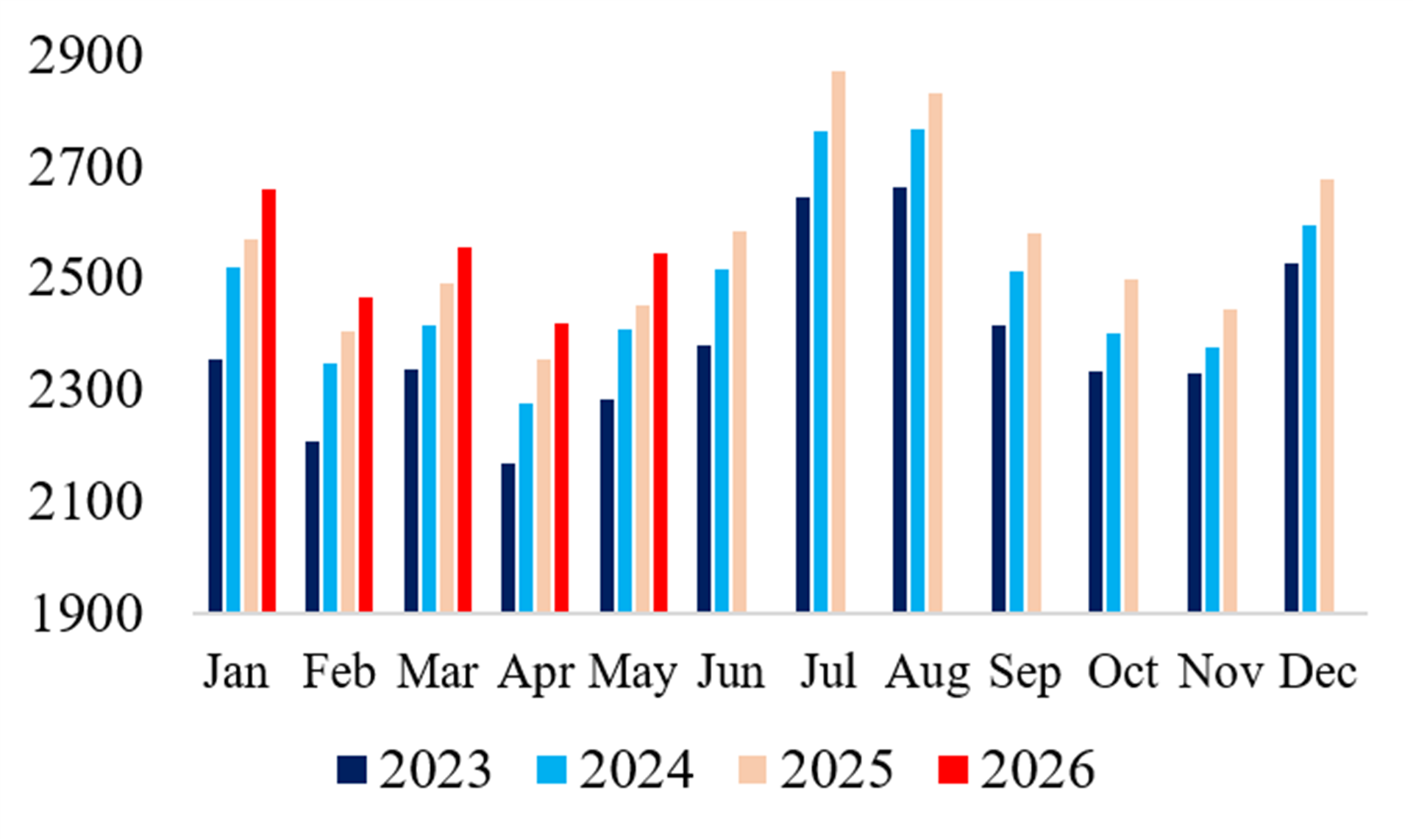
Global Electrification Trends (Power Demand in TWh)
Exhibit 14 Europe Electricity Demand Exhibit 15 USA Electricity Demand
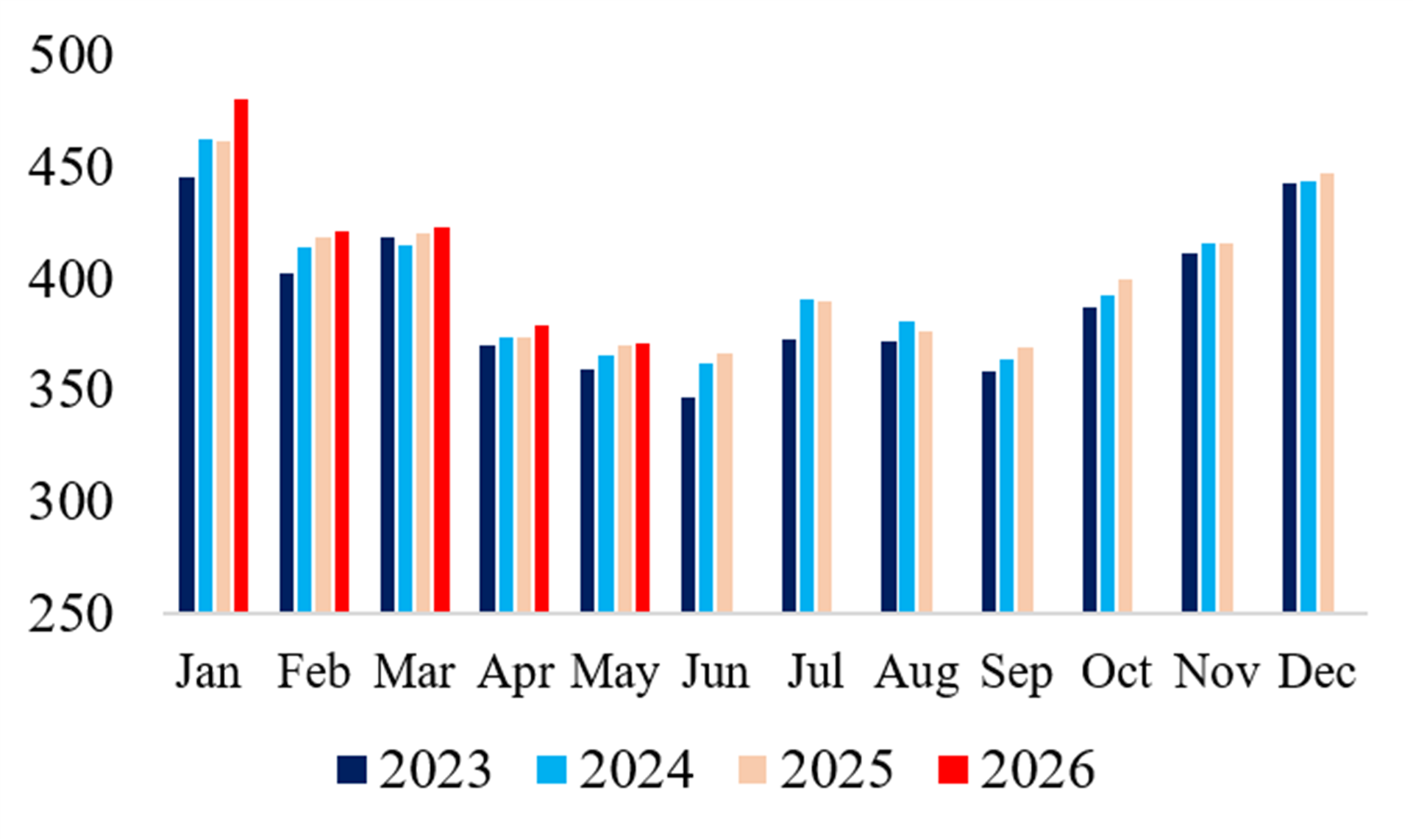
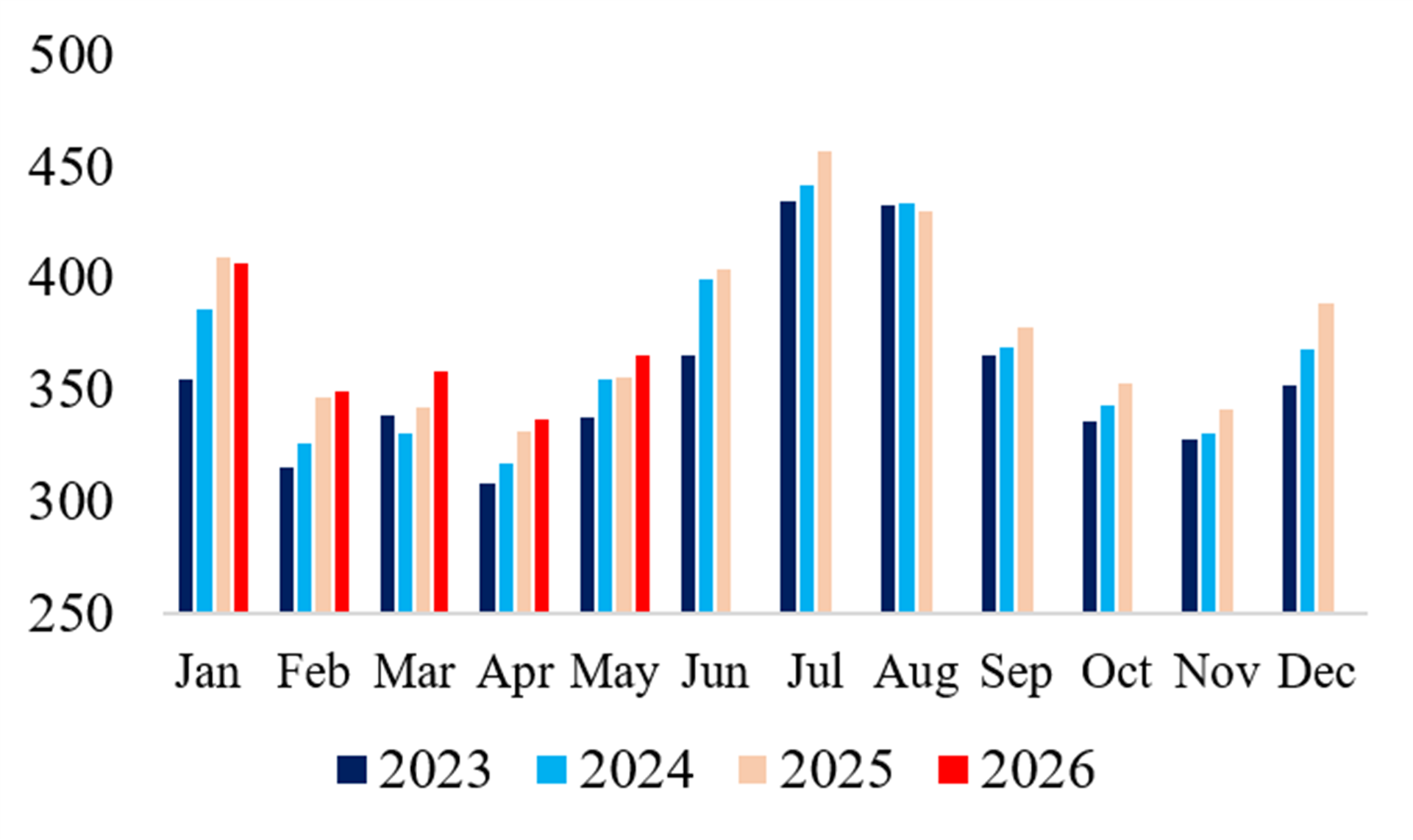
Exhibit 16 Türkiye Electricity Demand Exhibit 17 LatAm Electricity Demand
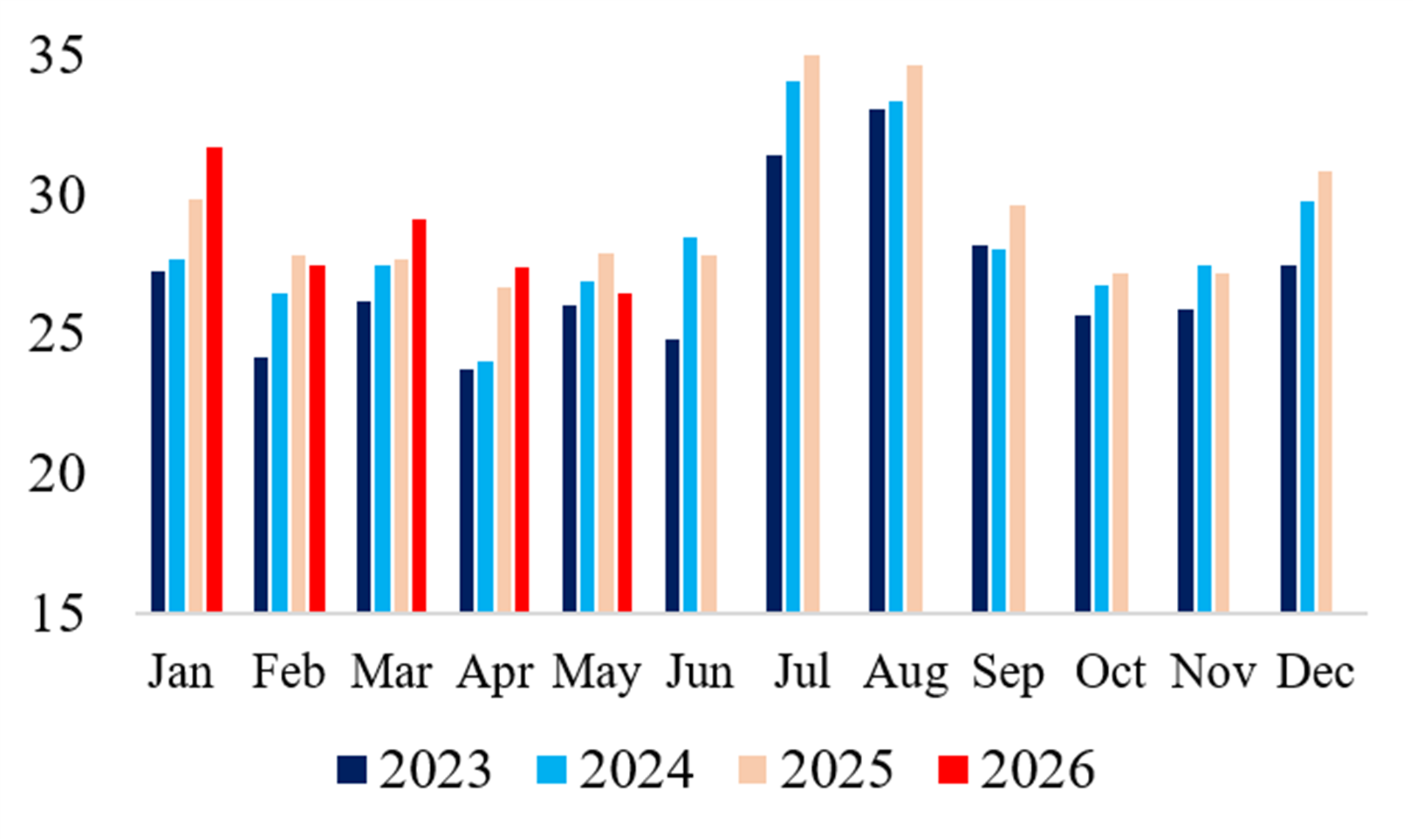
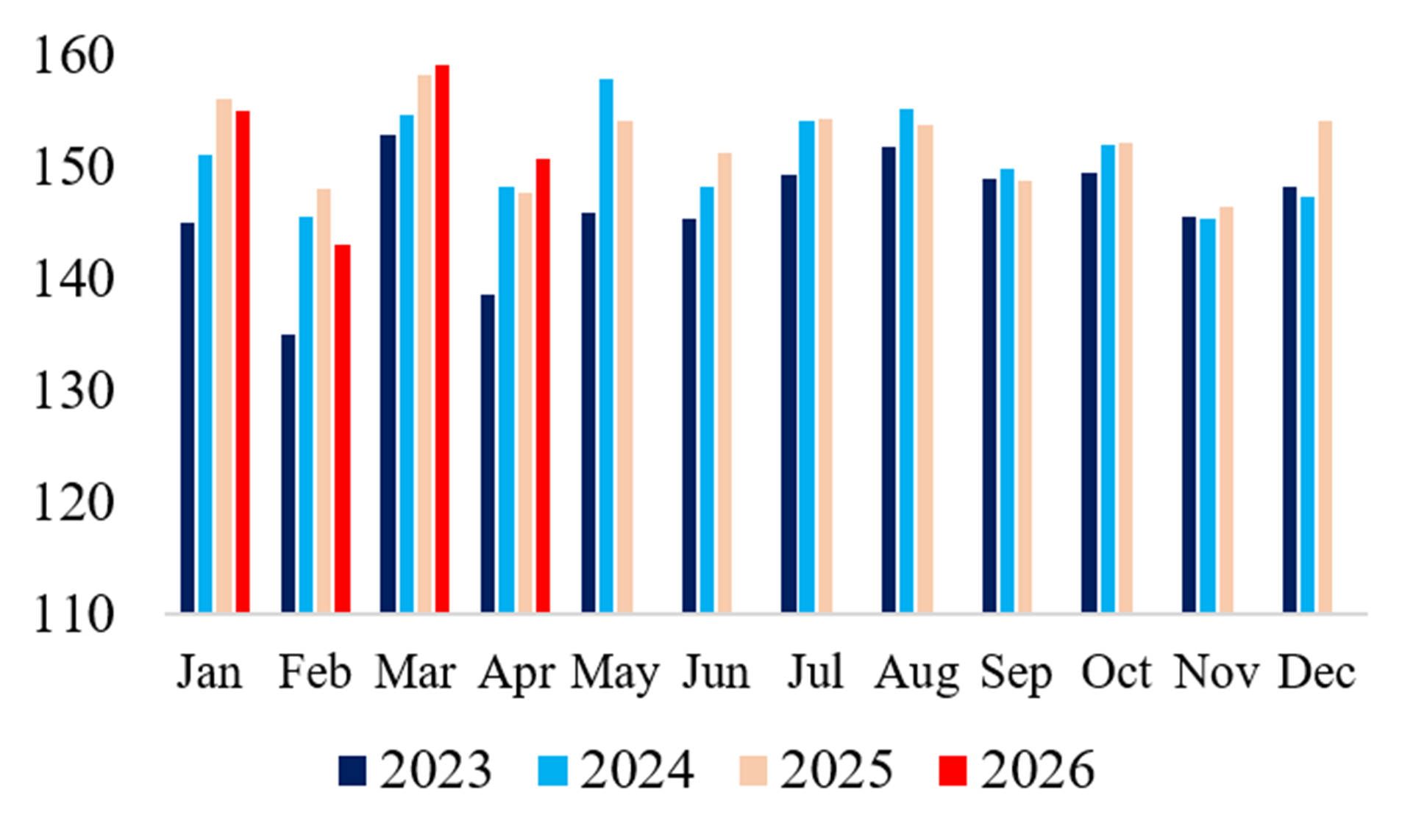
Exhibit 18 China Electricity Demand Exhibit 19 Japan Electricity Demand
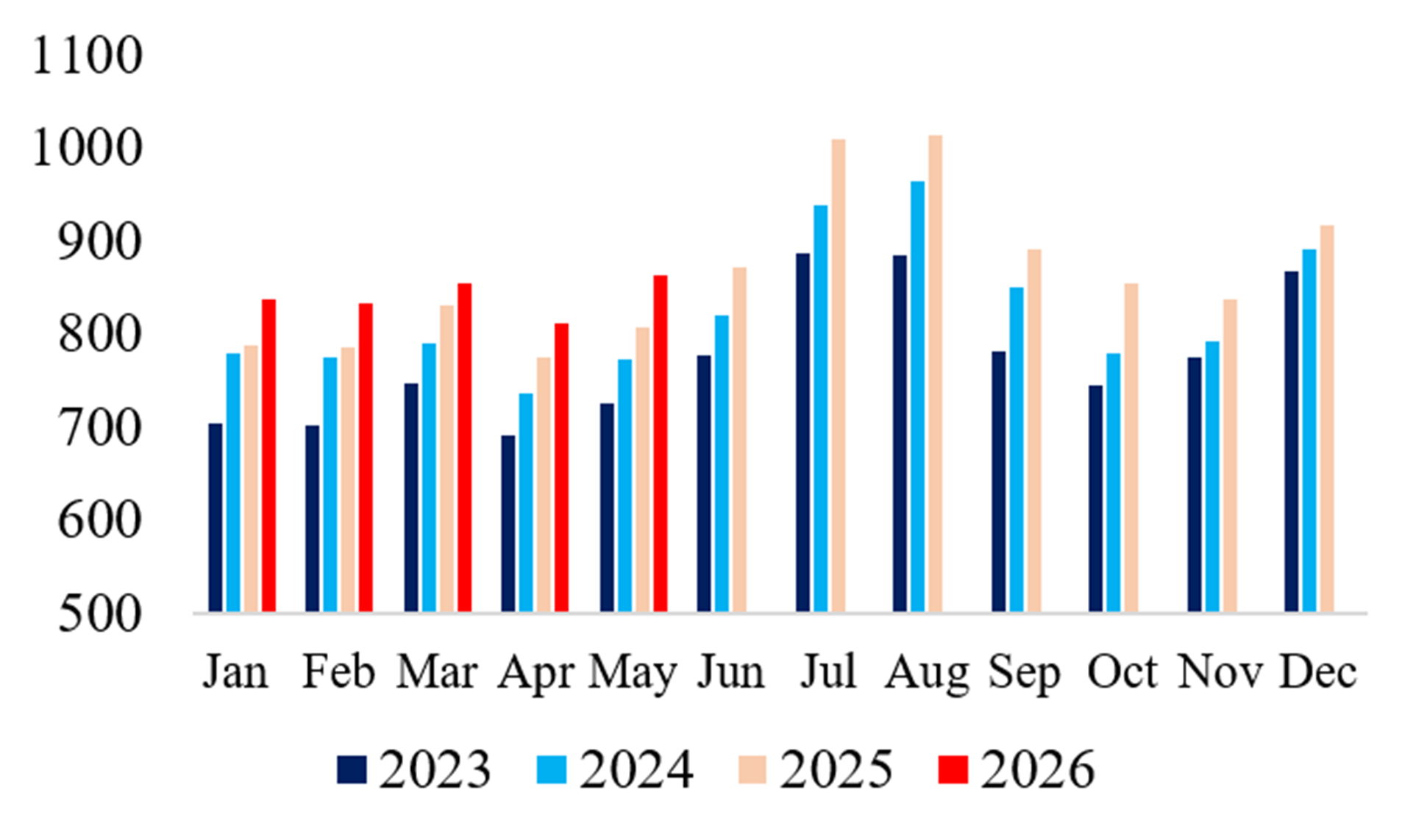
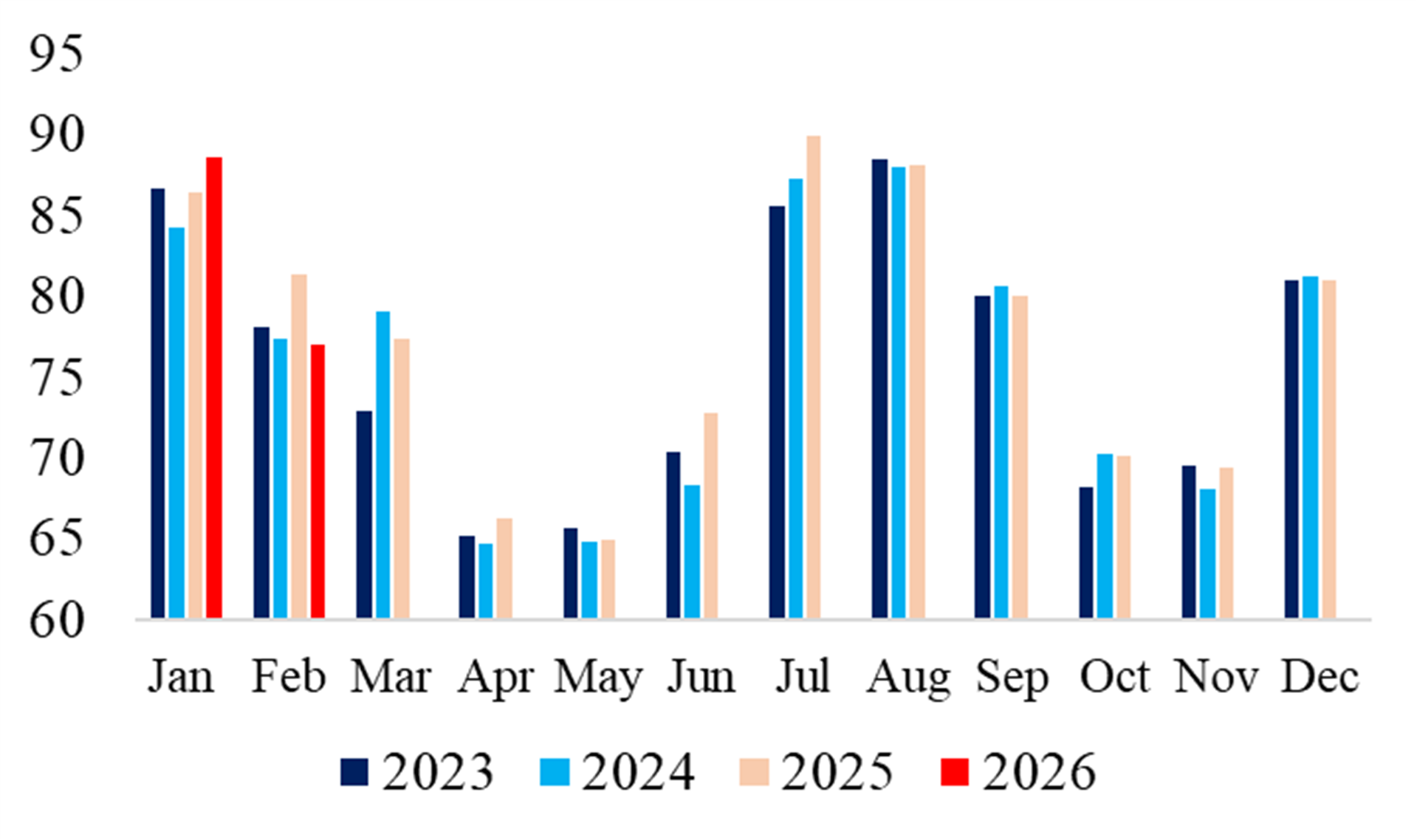
Exhibit 20 India Electricity Demand Exhibit 21 World Electricity Demand
Source: EMBER
Power Tracker: Changing Fuel Mix and 3 Biggest Sources of Power Generation
EUROPE
Exhibit 22 Europe: Biggest Source of Electricity in Each Country
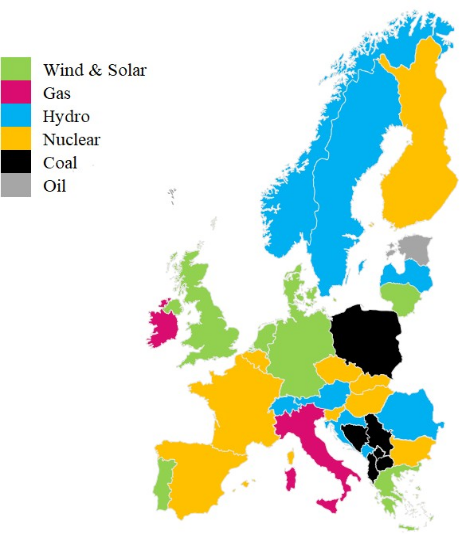
Exhibit 23 Power Generation Exhibit 24 Share of Wind & Solar (%)
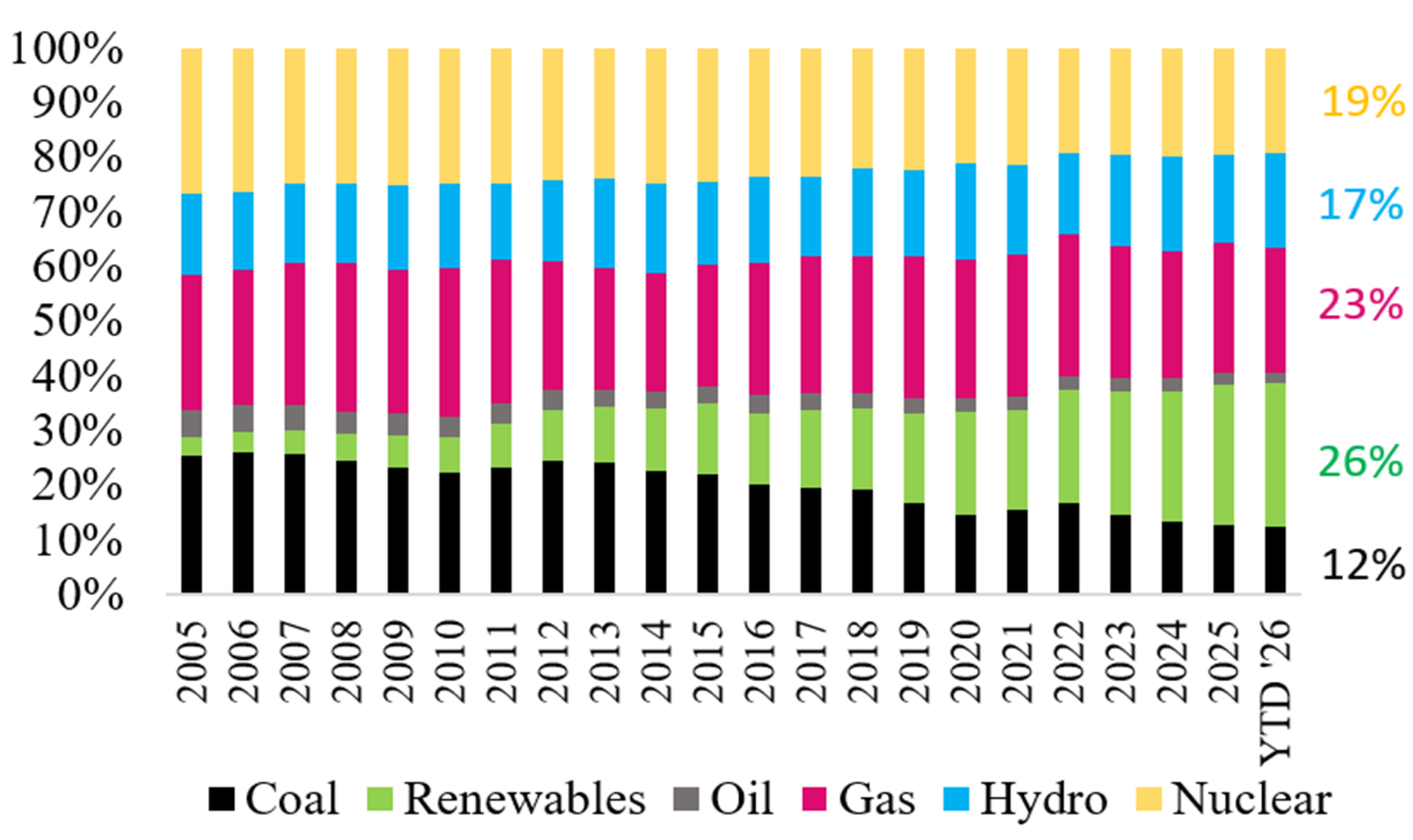
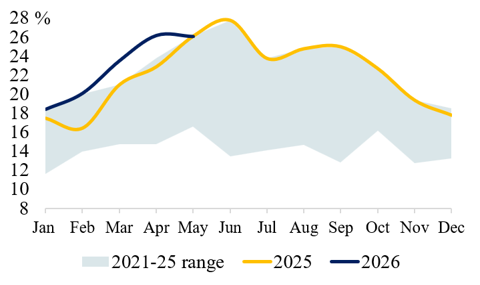
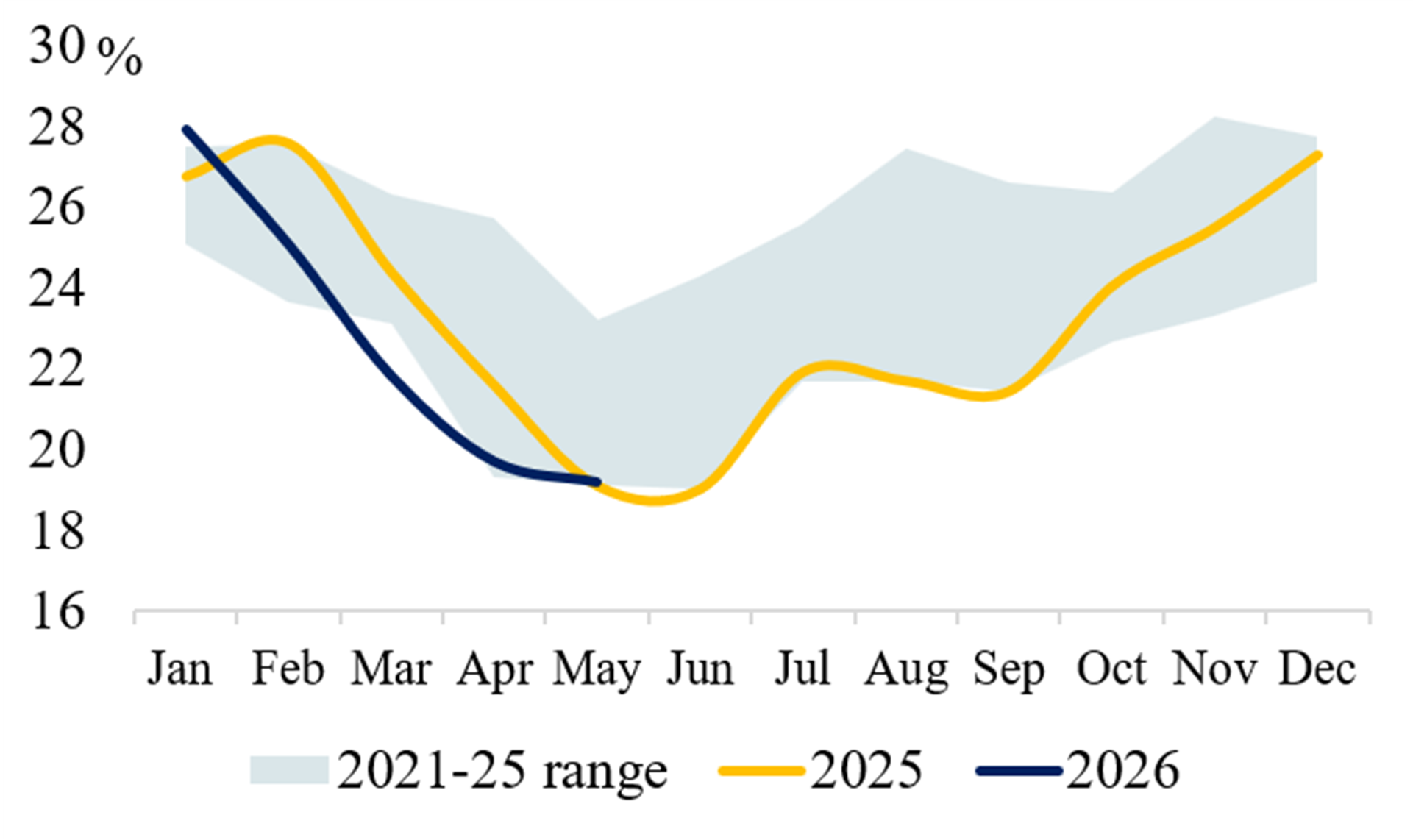
Exhibit 25 Share of Gas (%) Exhibit 26 Share of Nuclear (%)
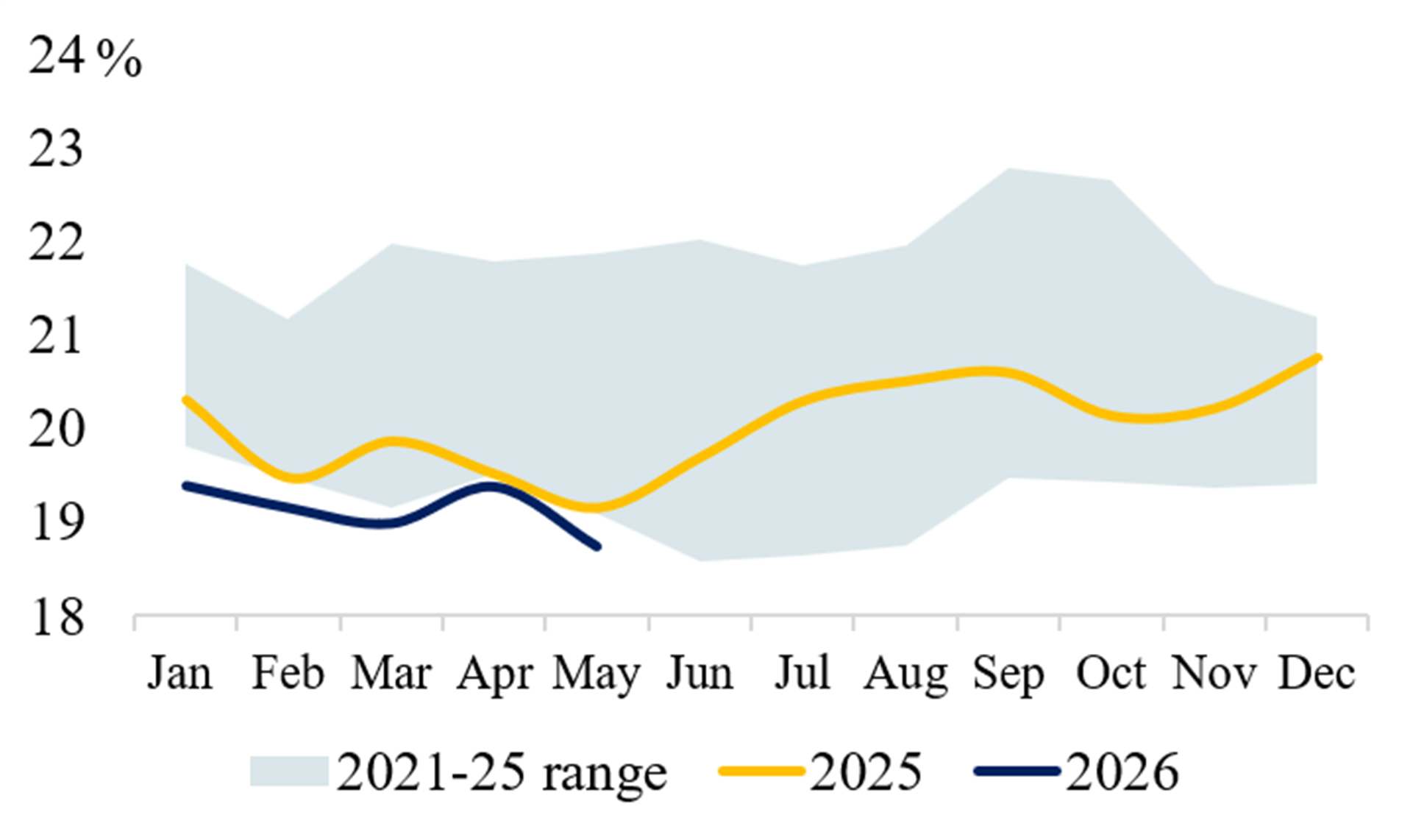
Source: EMBER
USA
Exhibit 27 USA: Biggest Source of Electricity in each State
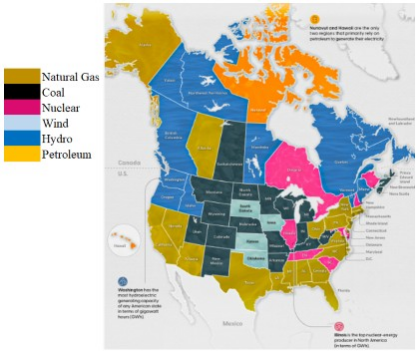
Exhibit 28 Power Generation Exhibit 29 Share of Gas (%)
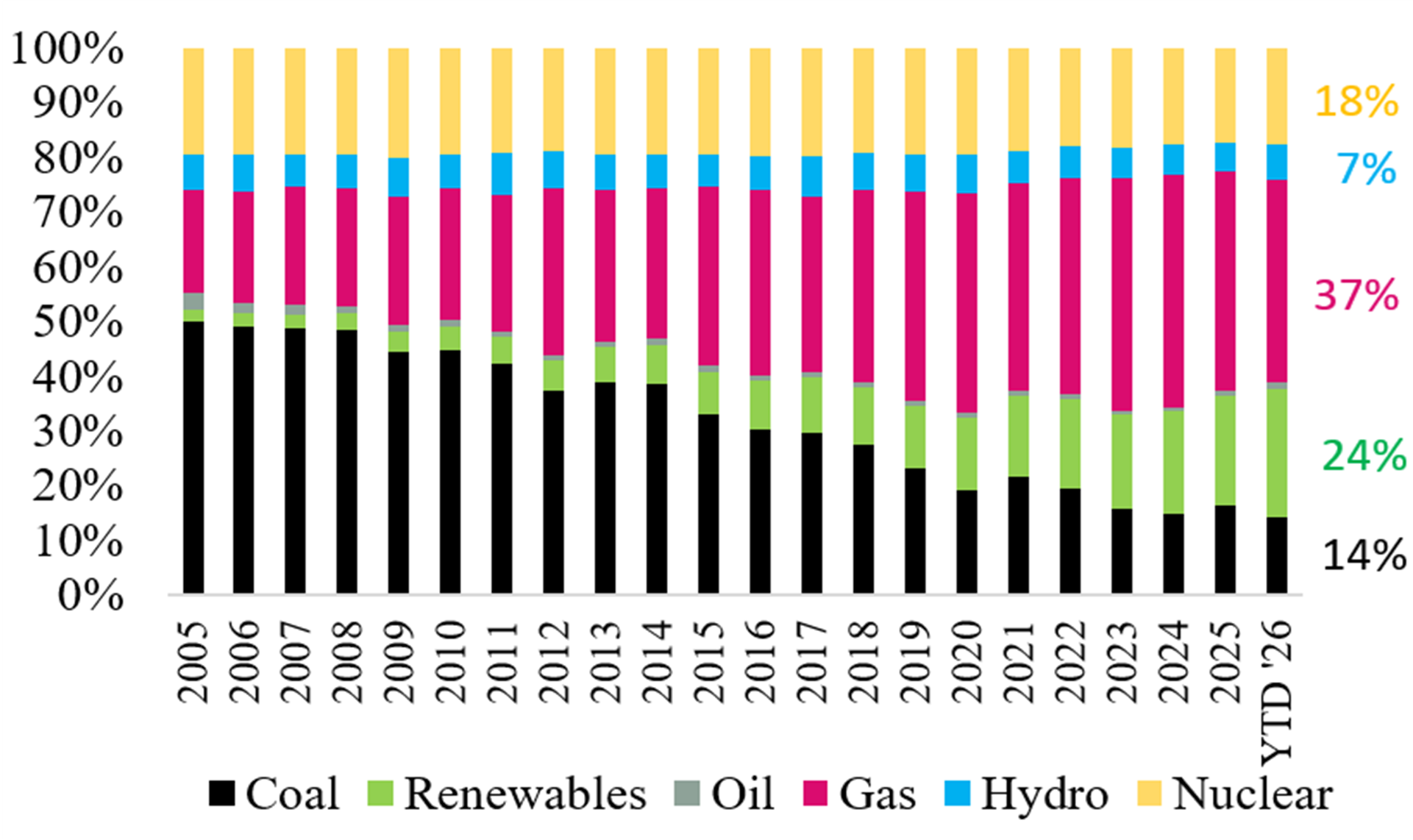
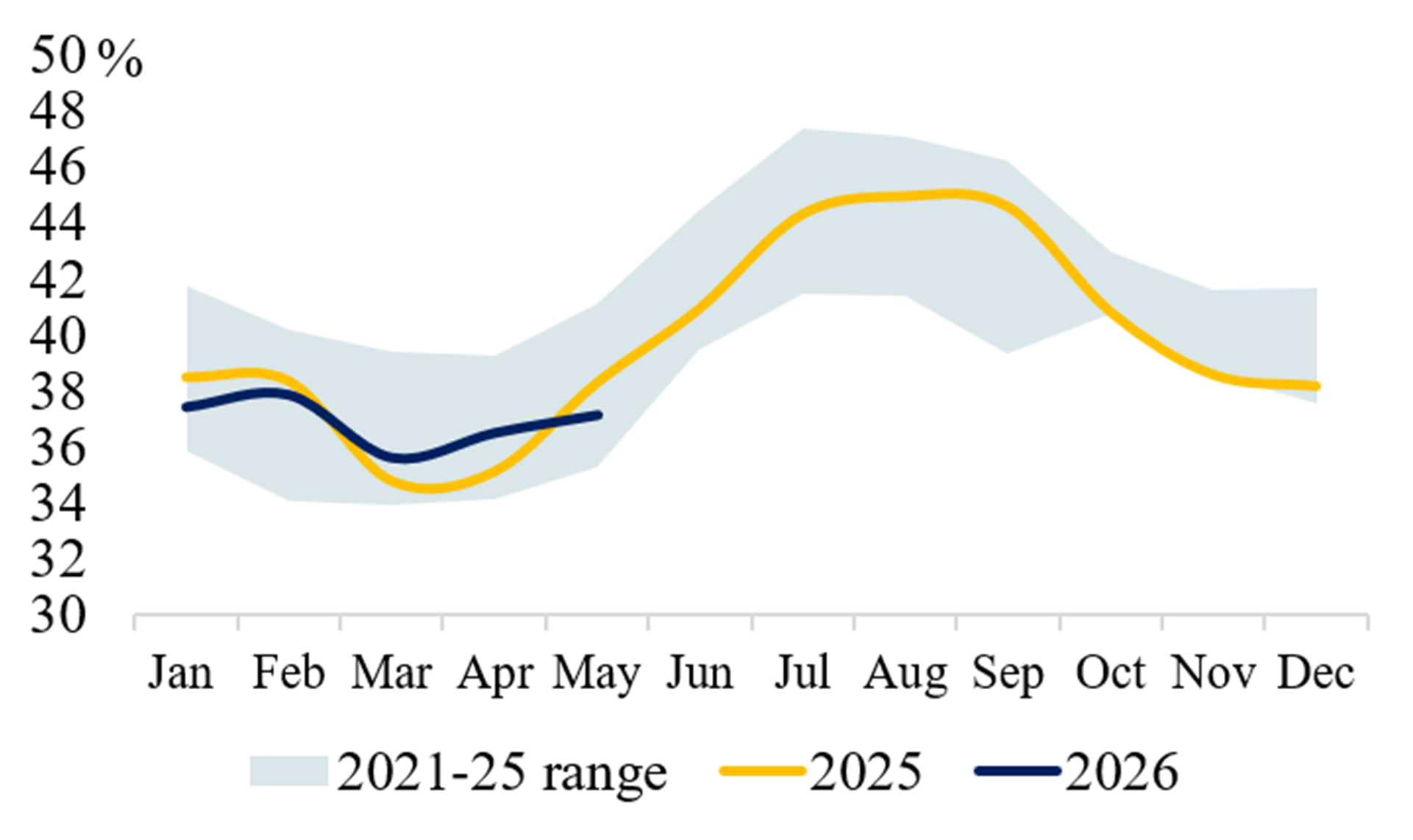
Exhibit 30 Share of Wind & Solar (%) Exhibit 31 Share of Nuclear (%)
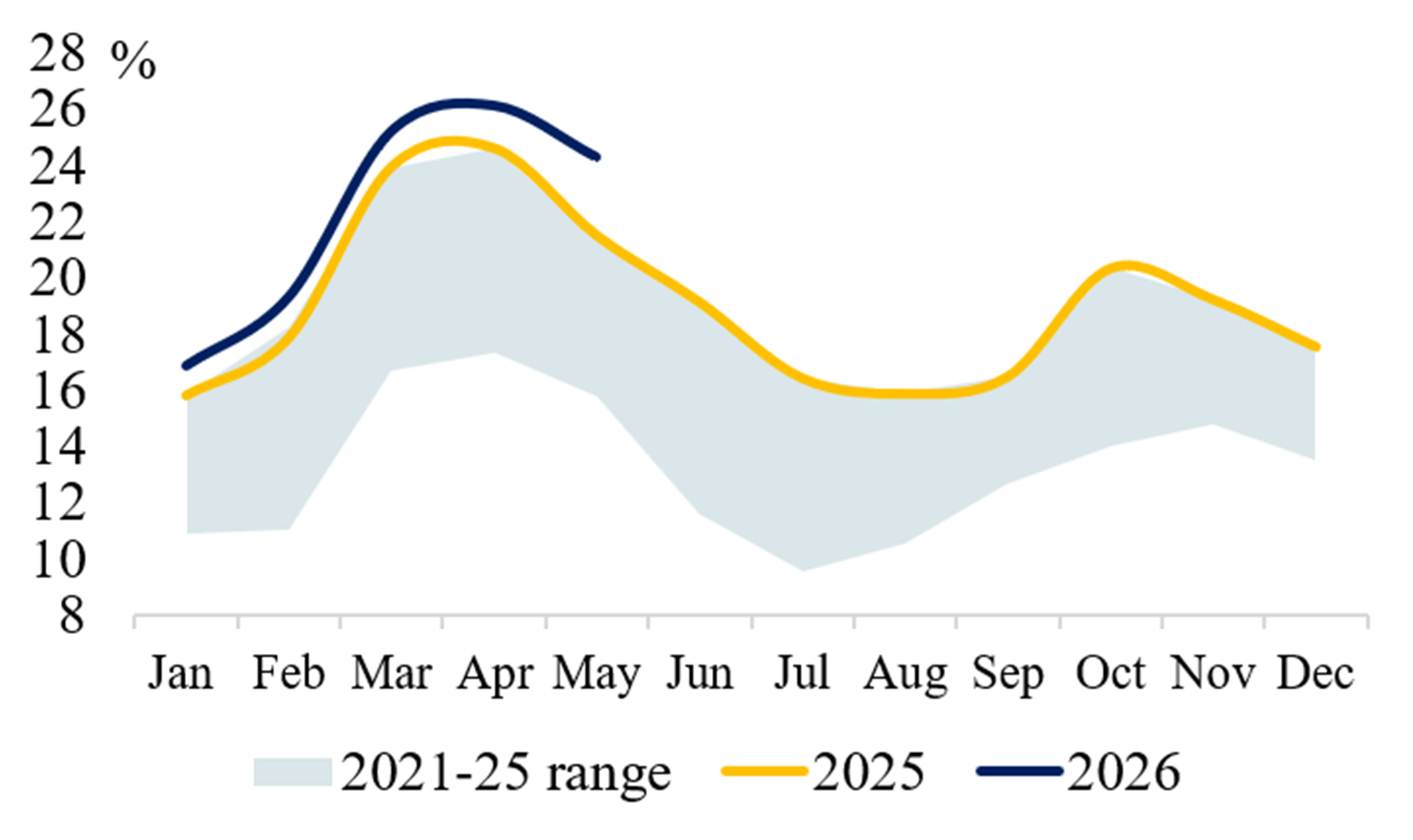
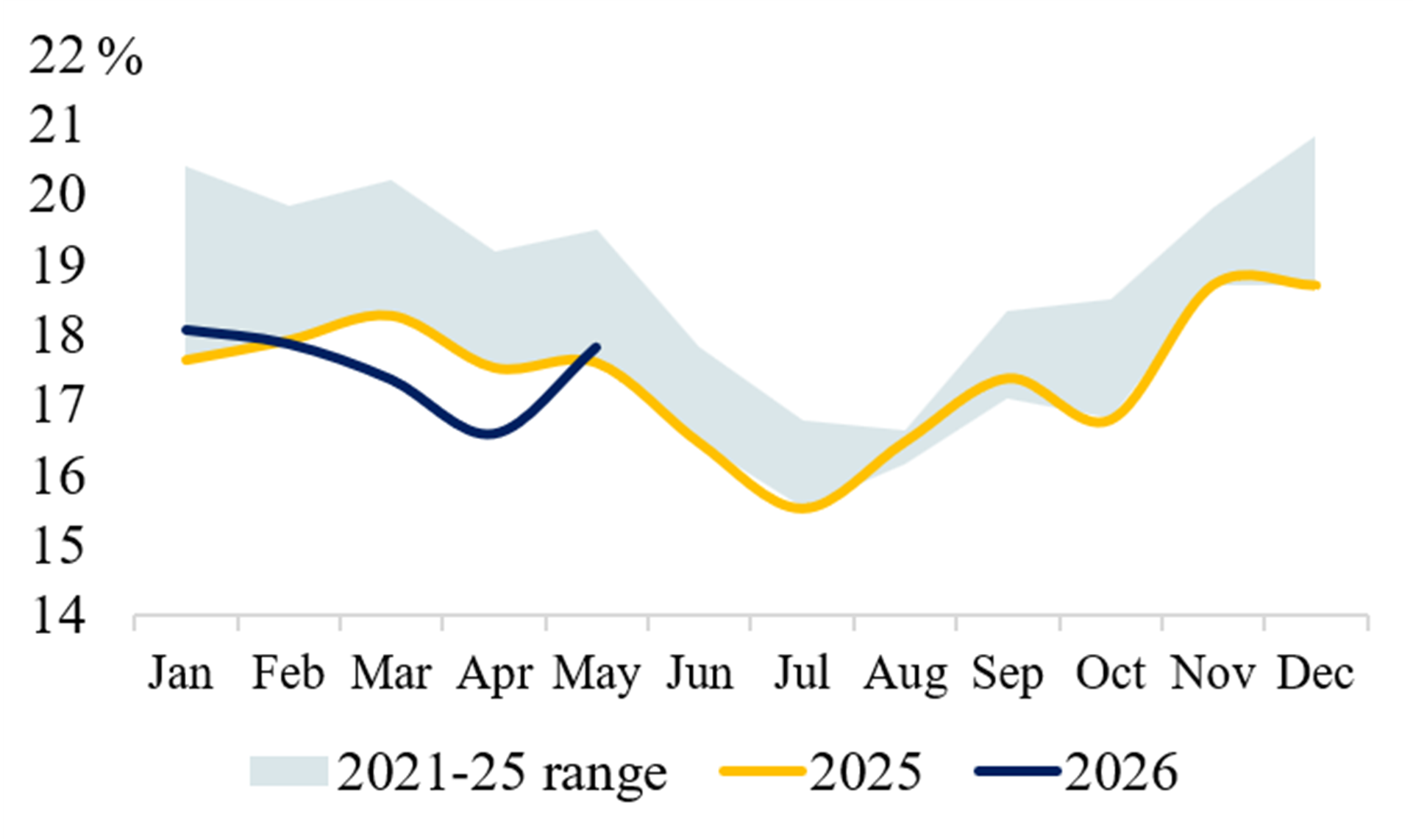
Source: EMBER
TÜRKIYE
Exhibit 32 Power Generation Exhibit 33 Share of Coal (%)
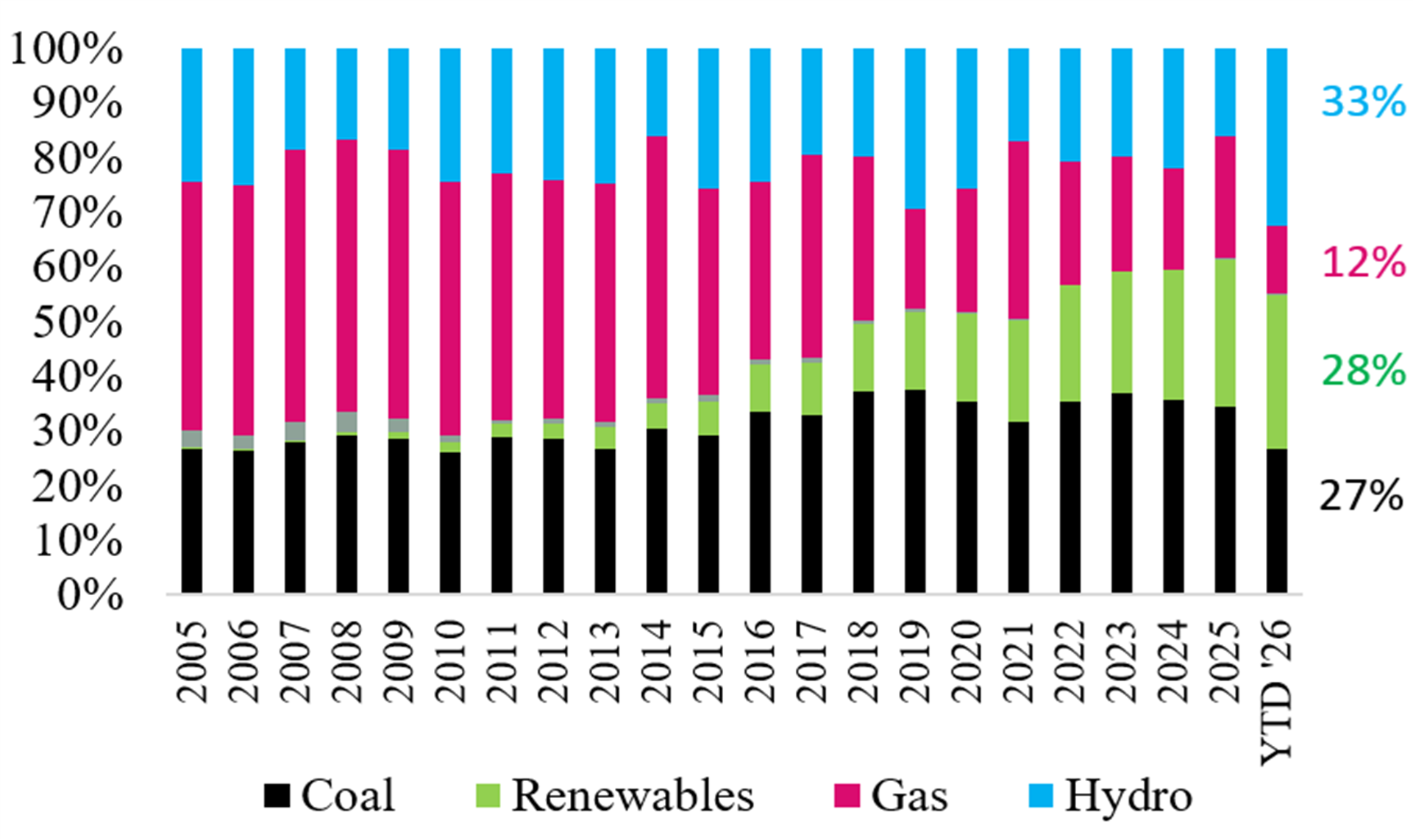
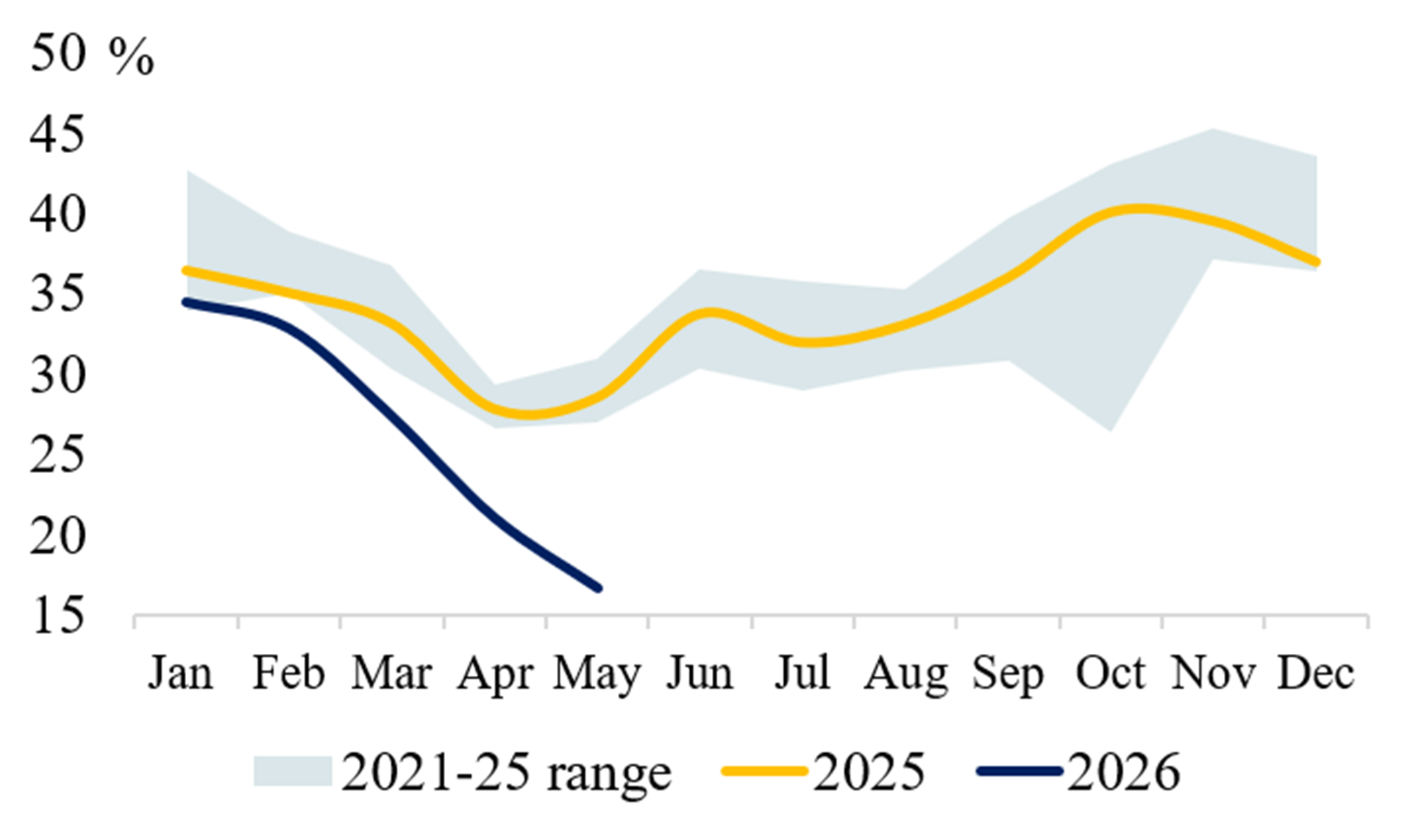
Exhibit 34 Share of Wind & Solar (%) Exhibit 35 Share of Hydro (%)
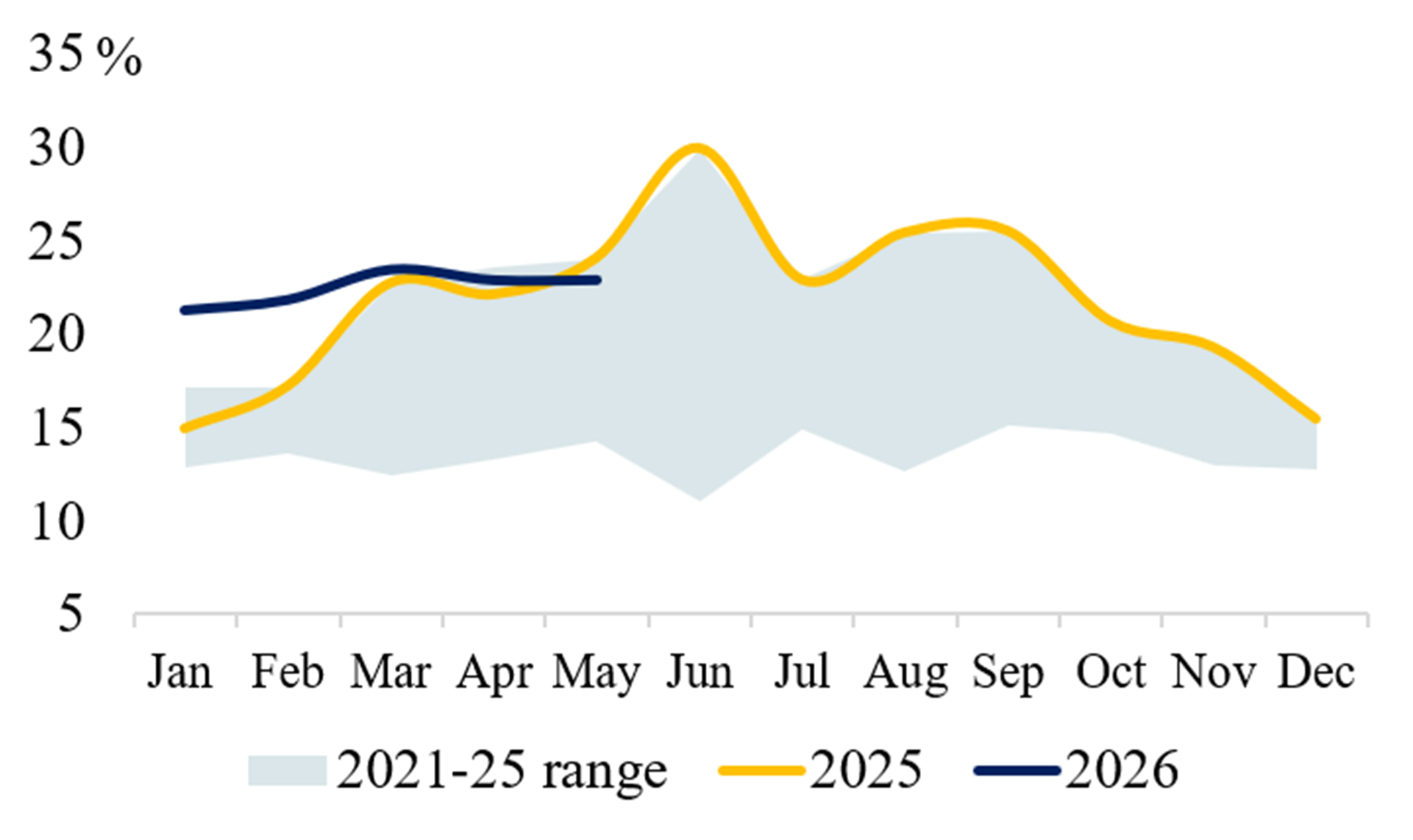
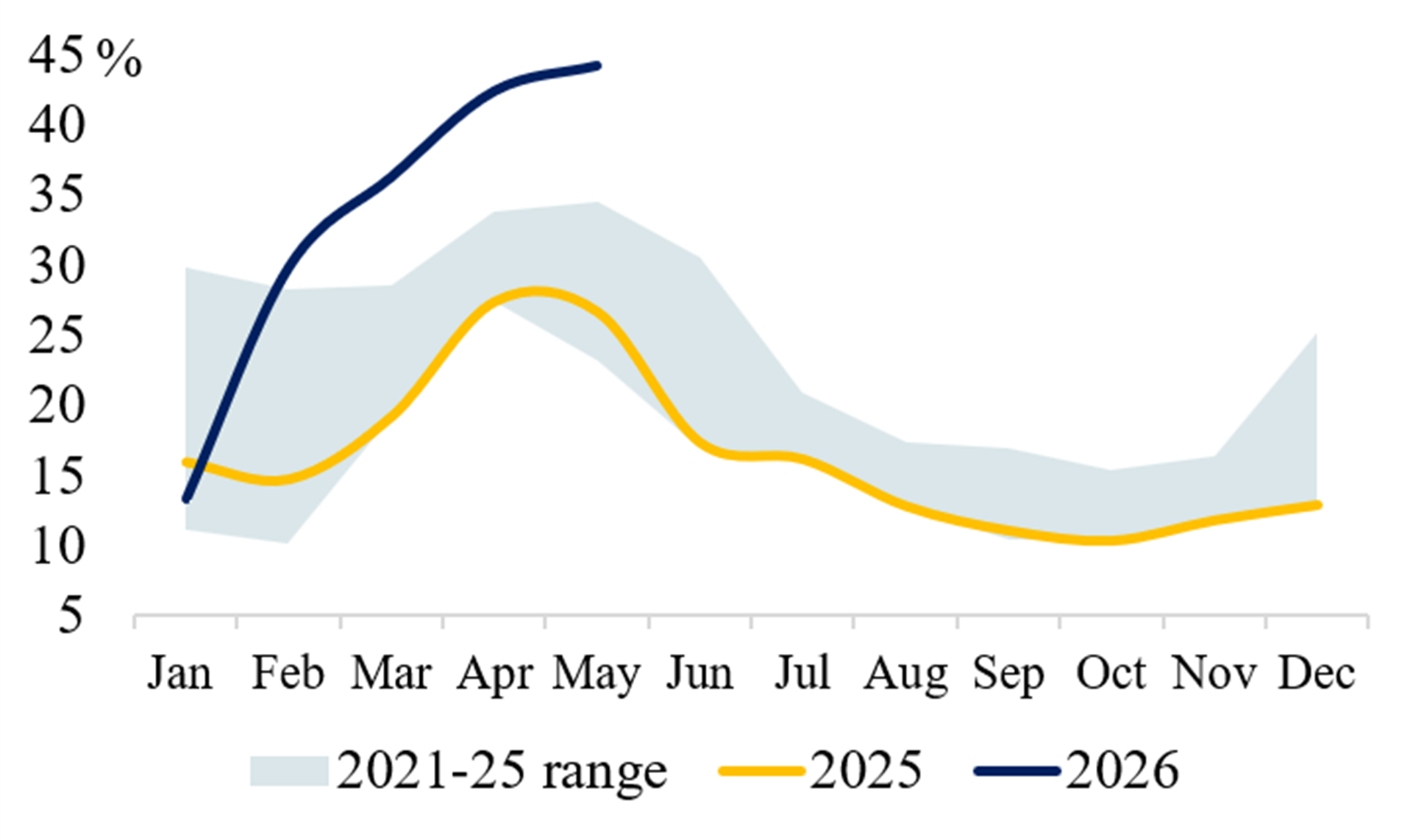
INDIA
Exhibit 36 Power Generation Exhibit 37 Share of Coal (%)
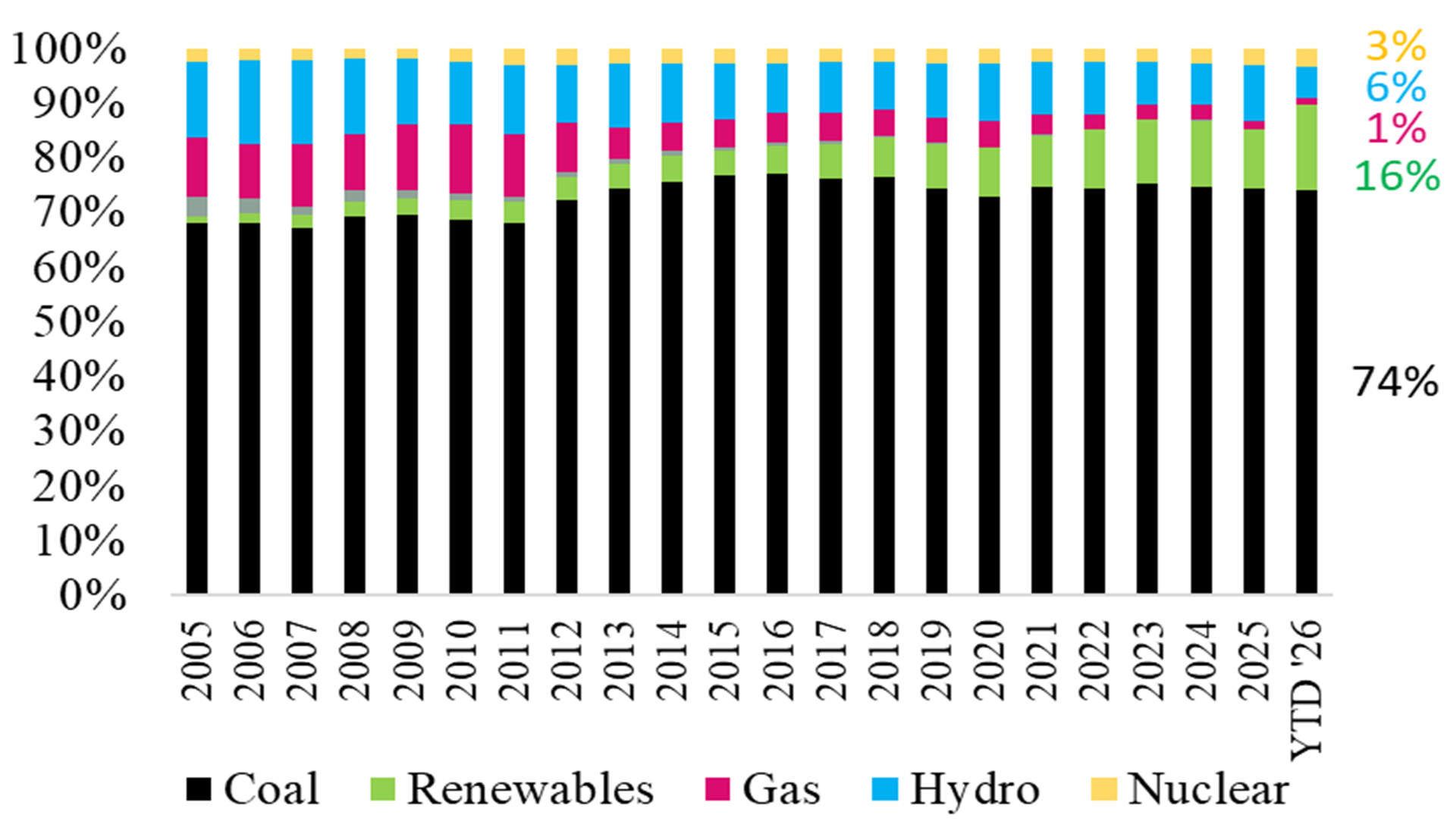
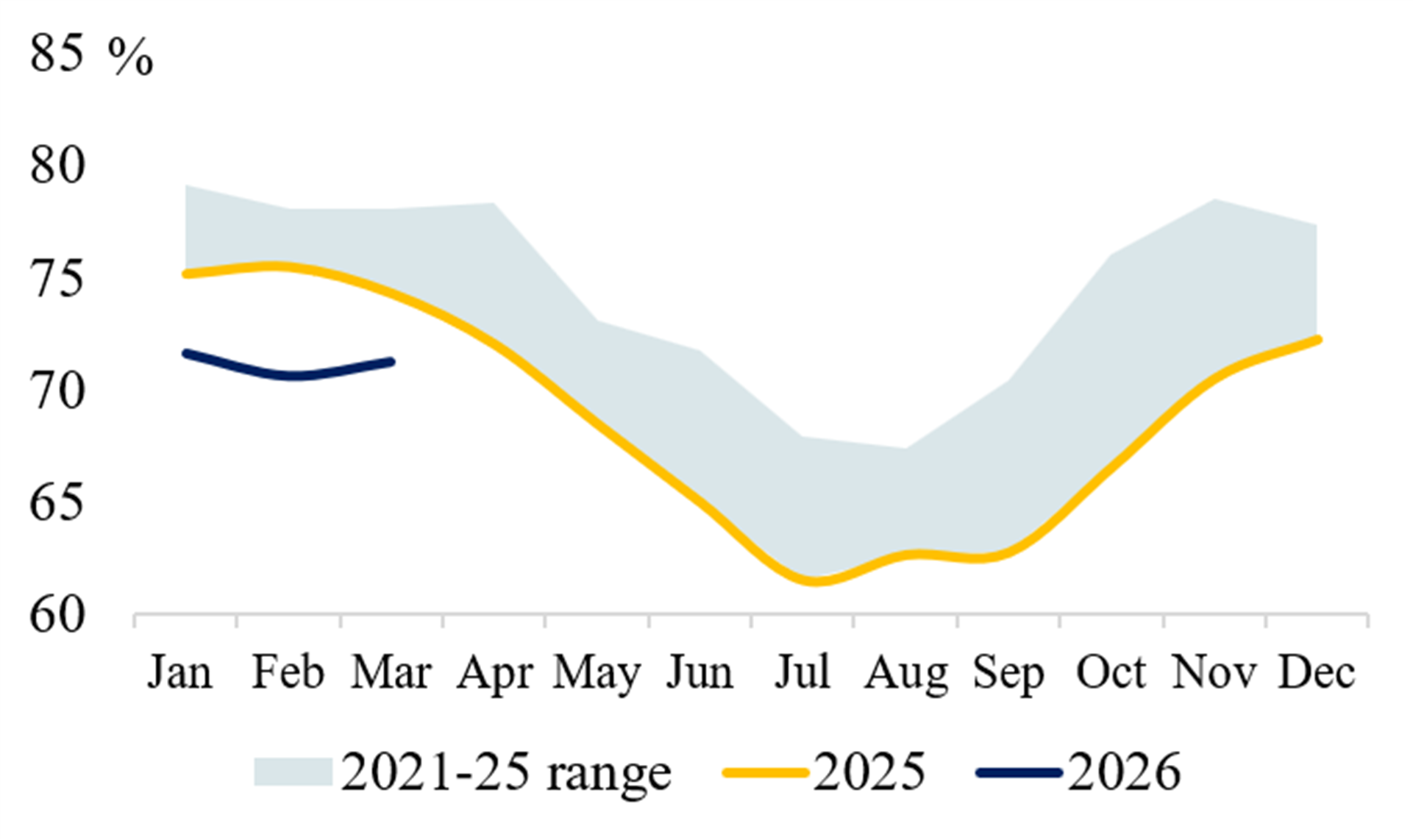
Exhibit 38 Share of Wind & Solar (%) Exhibit 39 Share of Hydro (%)
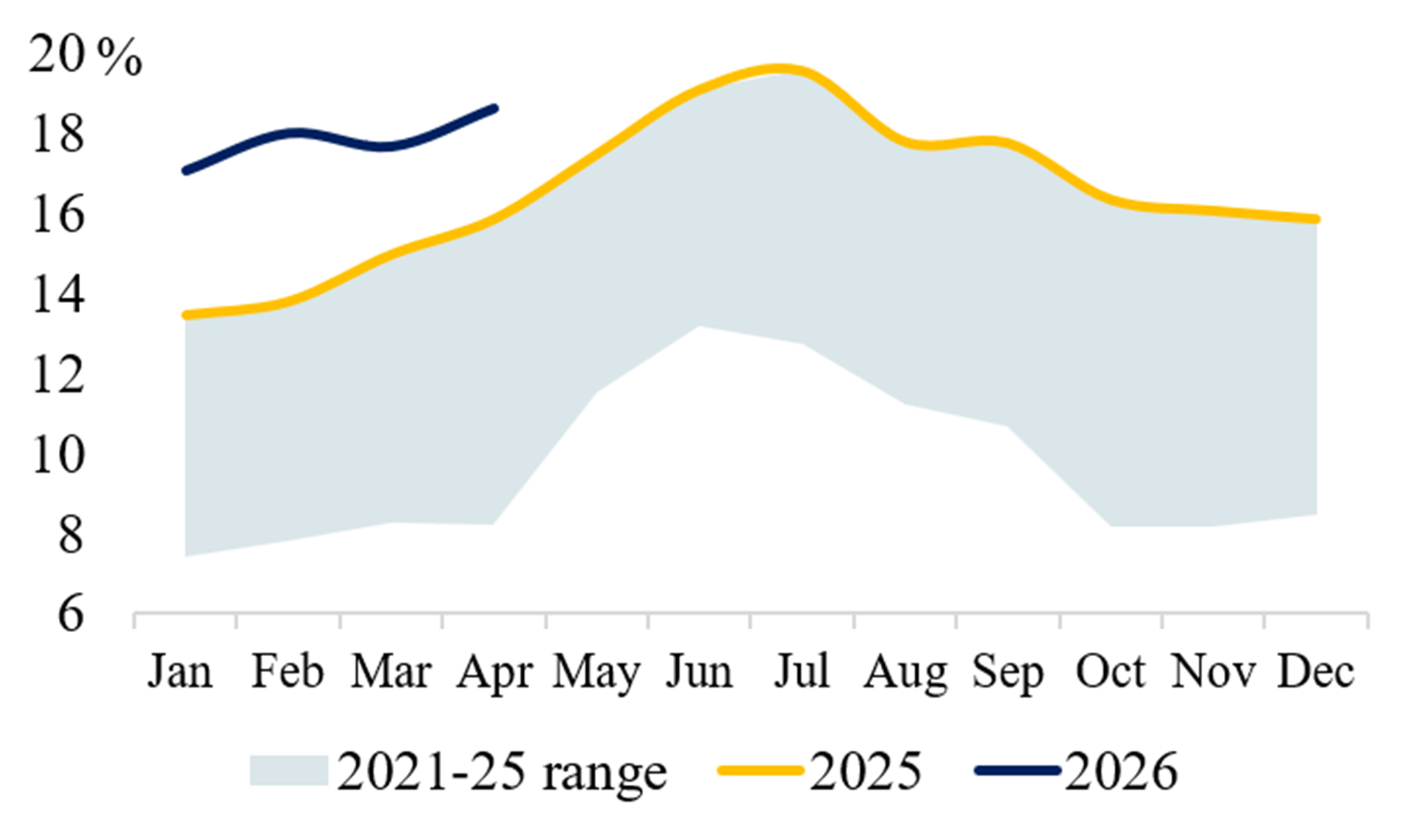
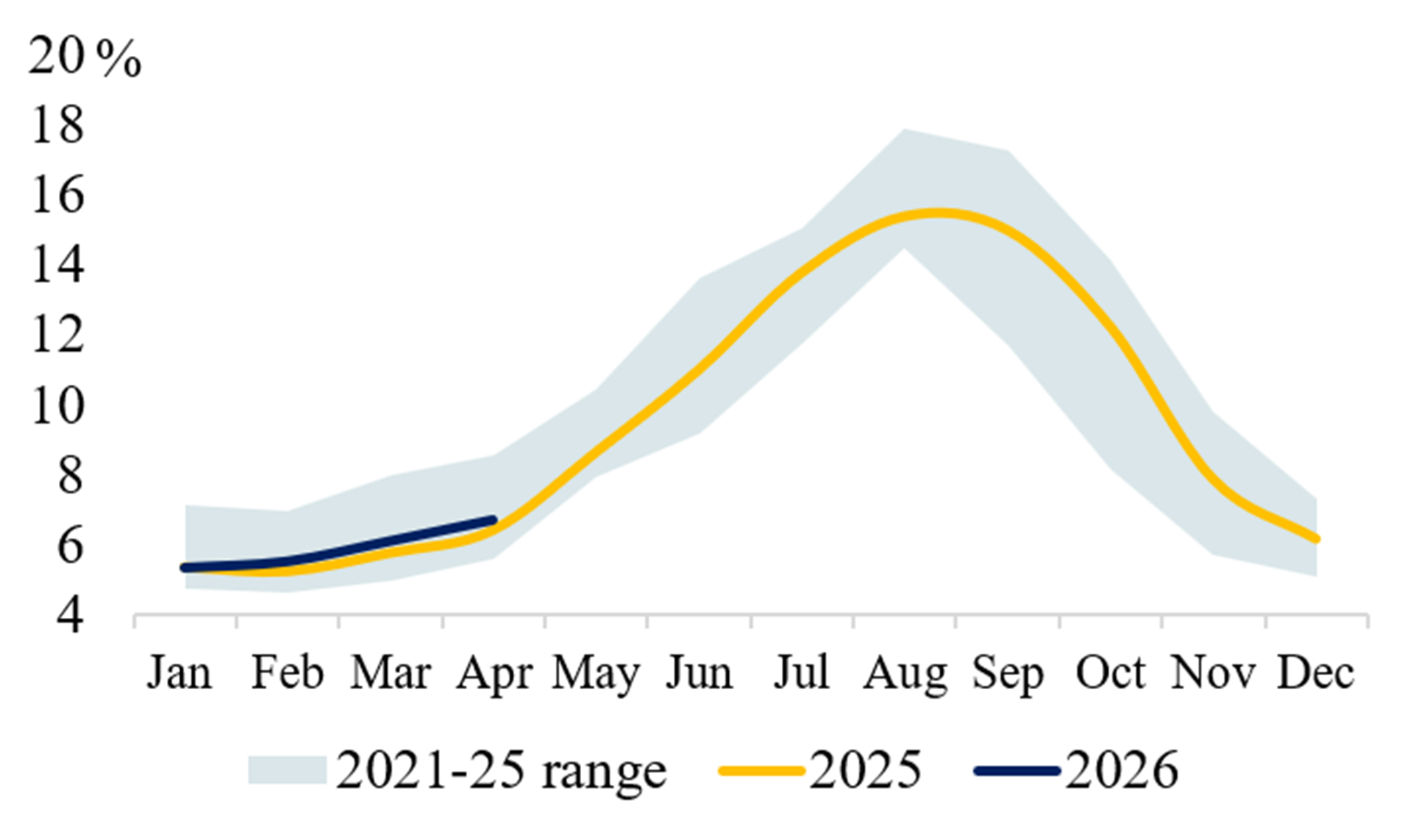
Source: EMBER
CHINA
Exhibit 40 Power Generation Exhibit 41 Share of Coal (%)
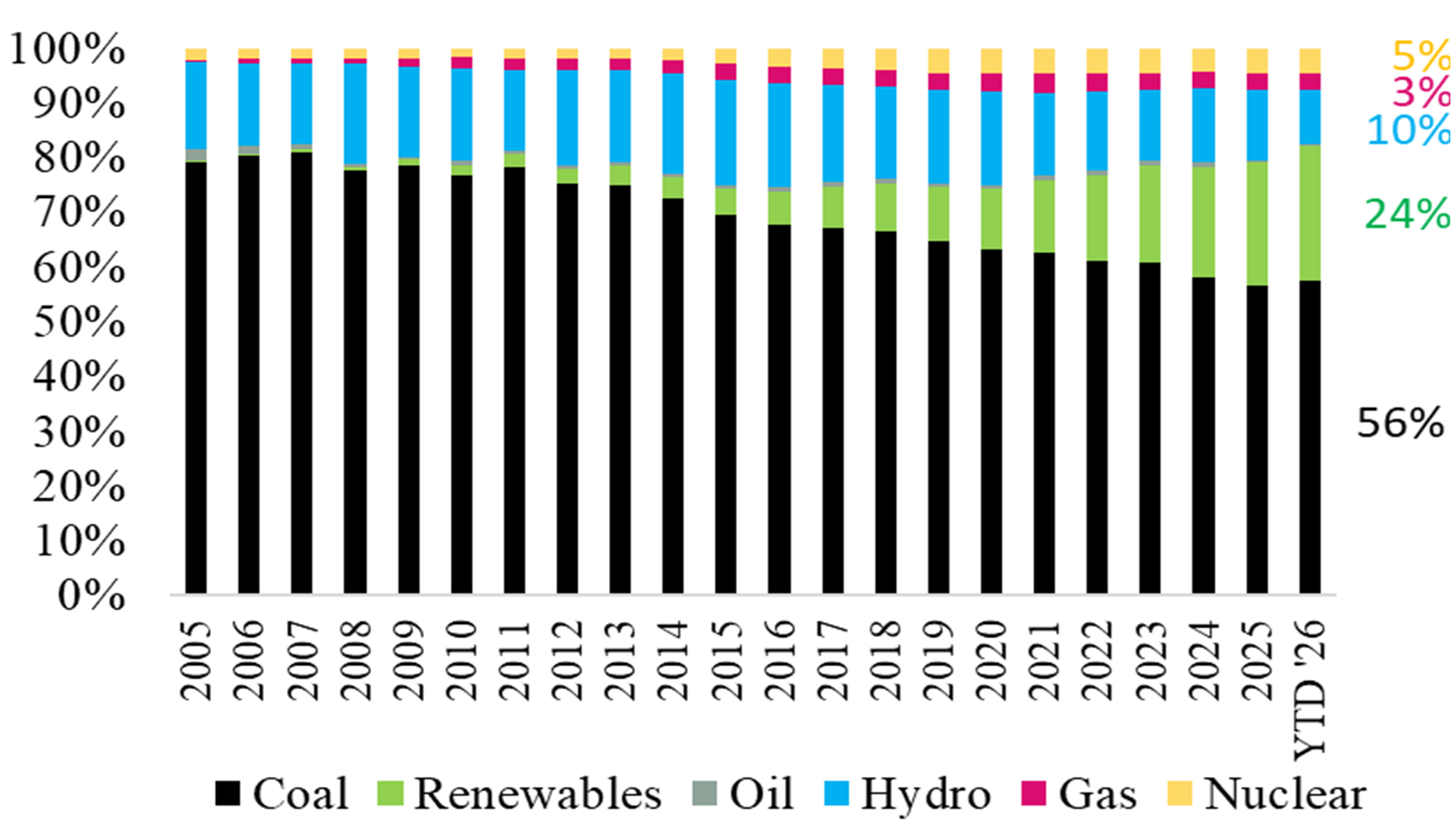
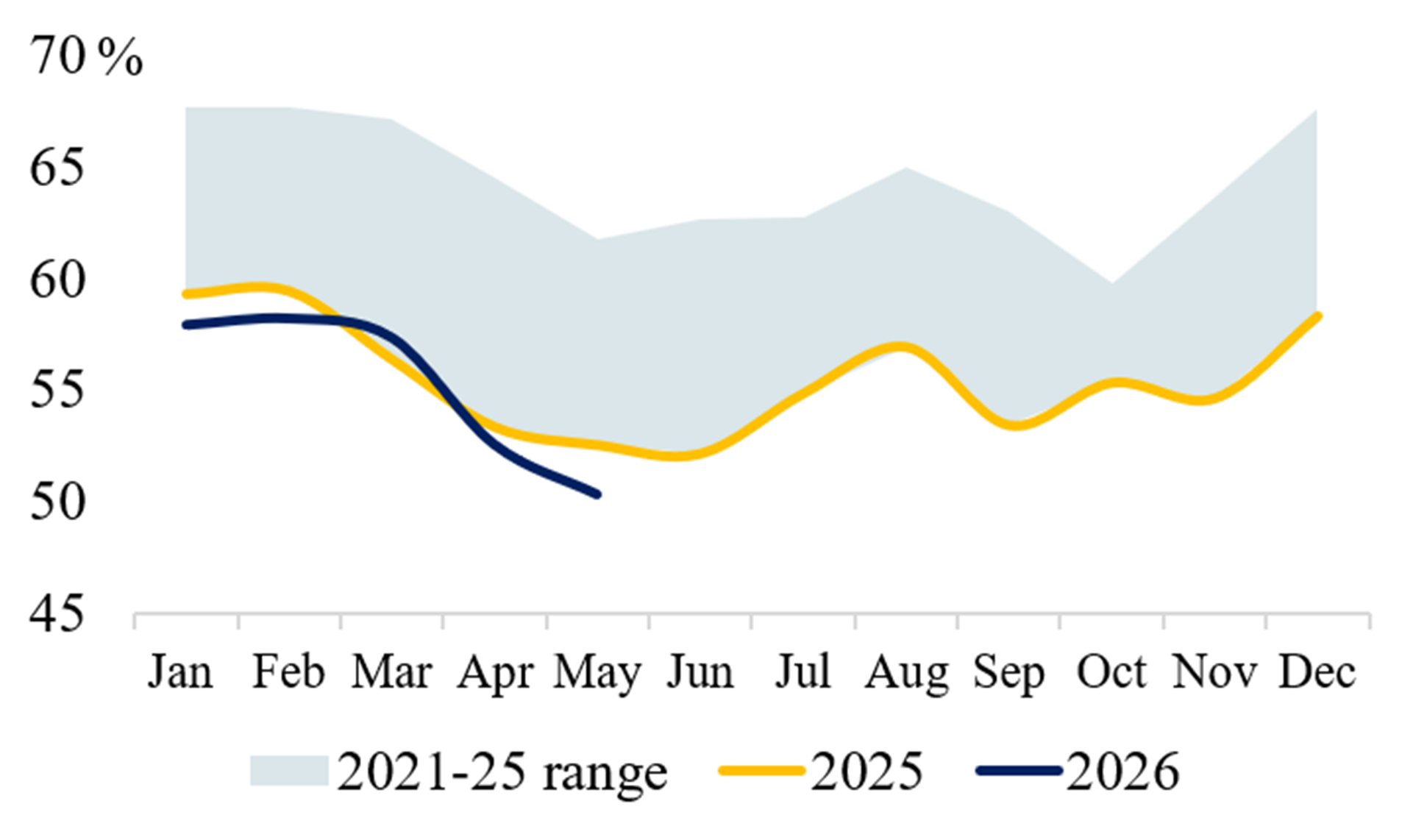
Exhibit 42 Share of Wind & Solar (%) Exhibit 43 Share of Hydro (%)
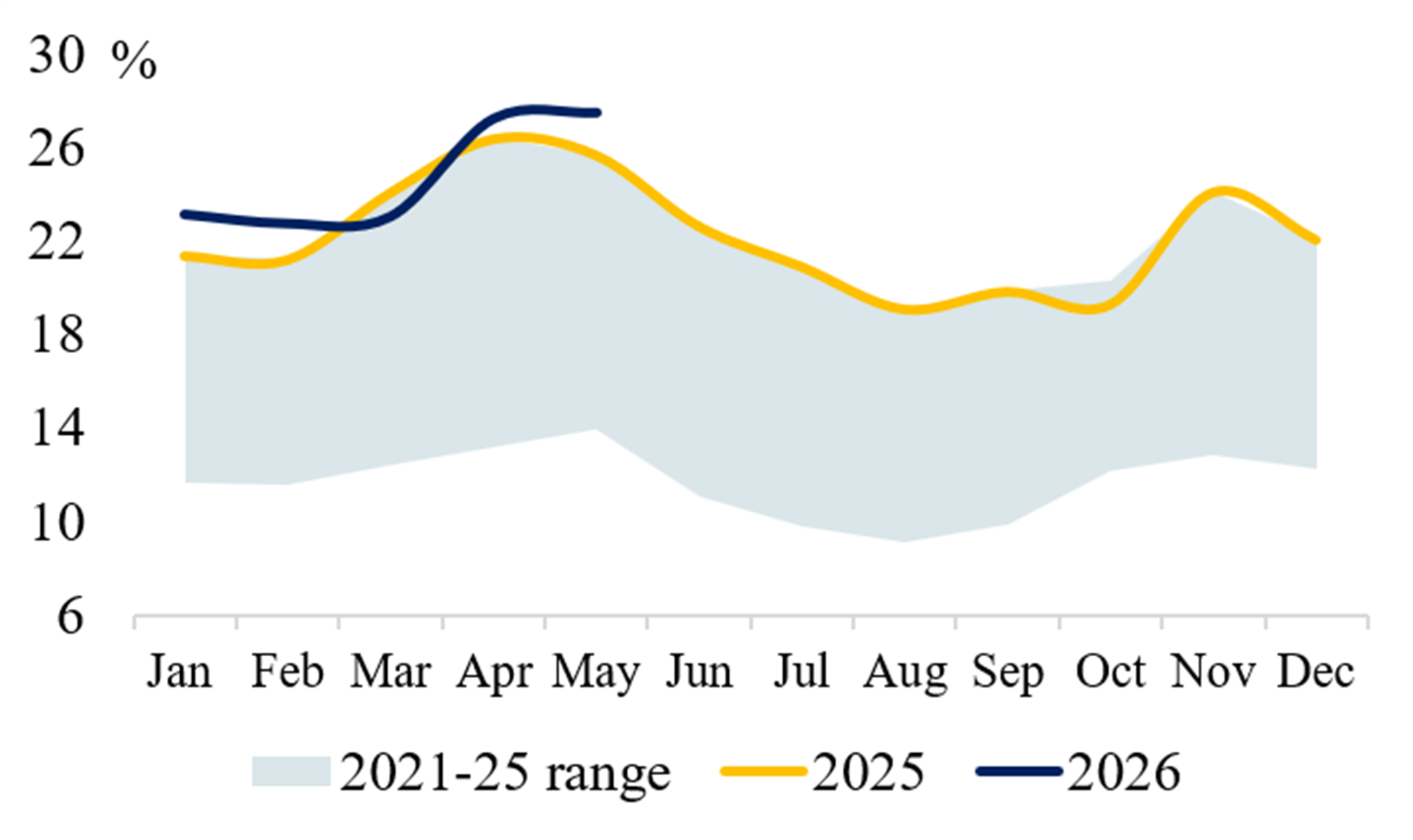
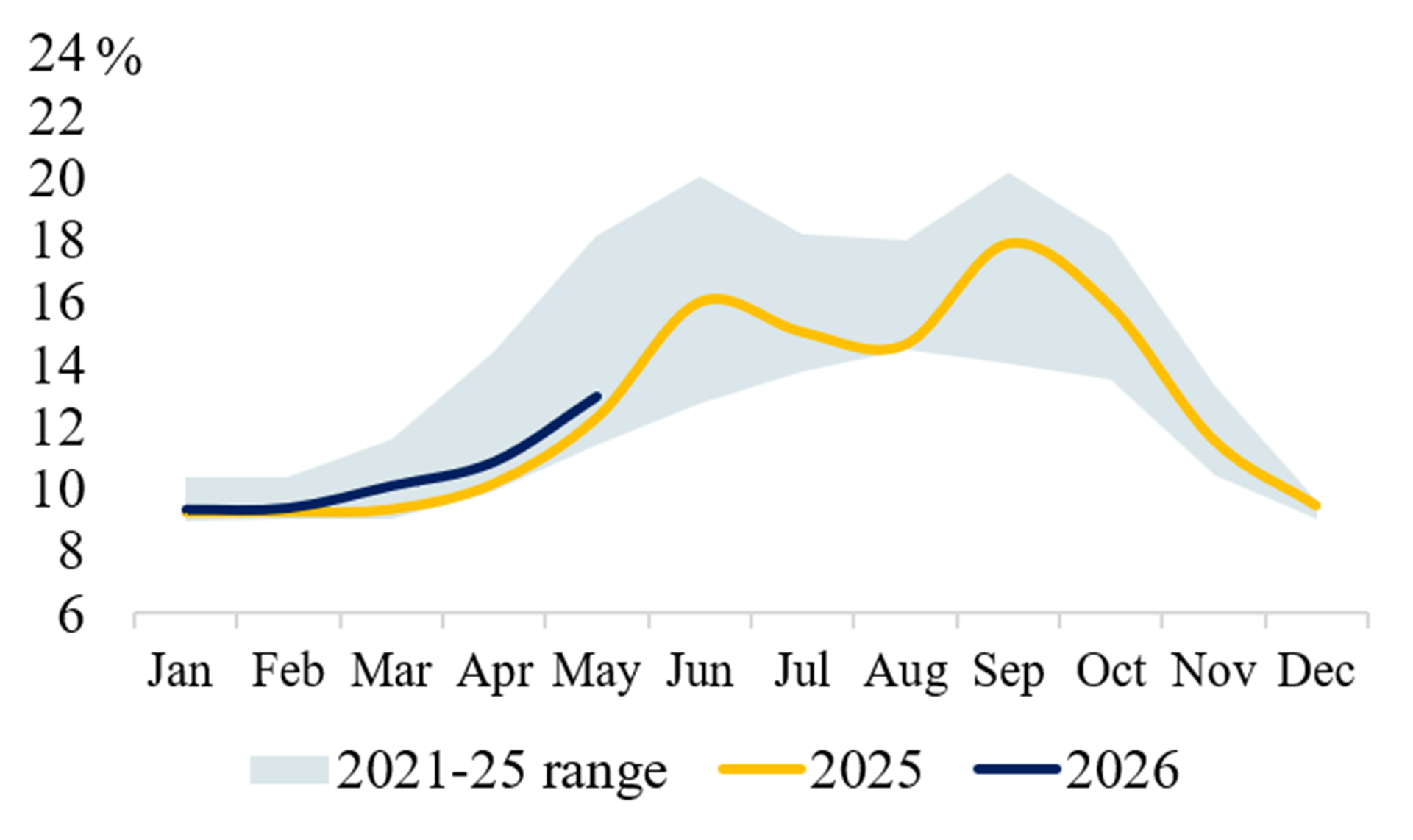
JAPAN
Exhibit 44 Power Generation Exhibit 45 Share of Gas (%)
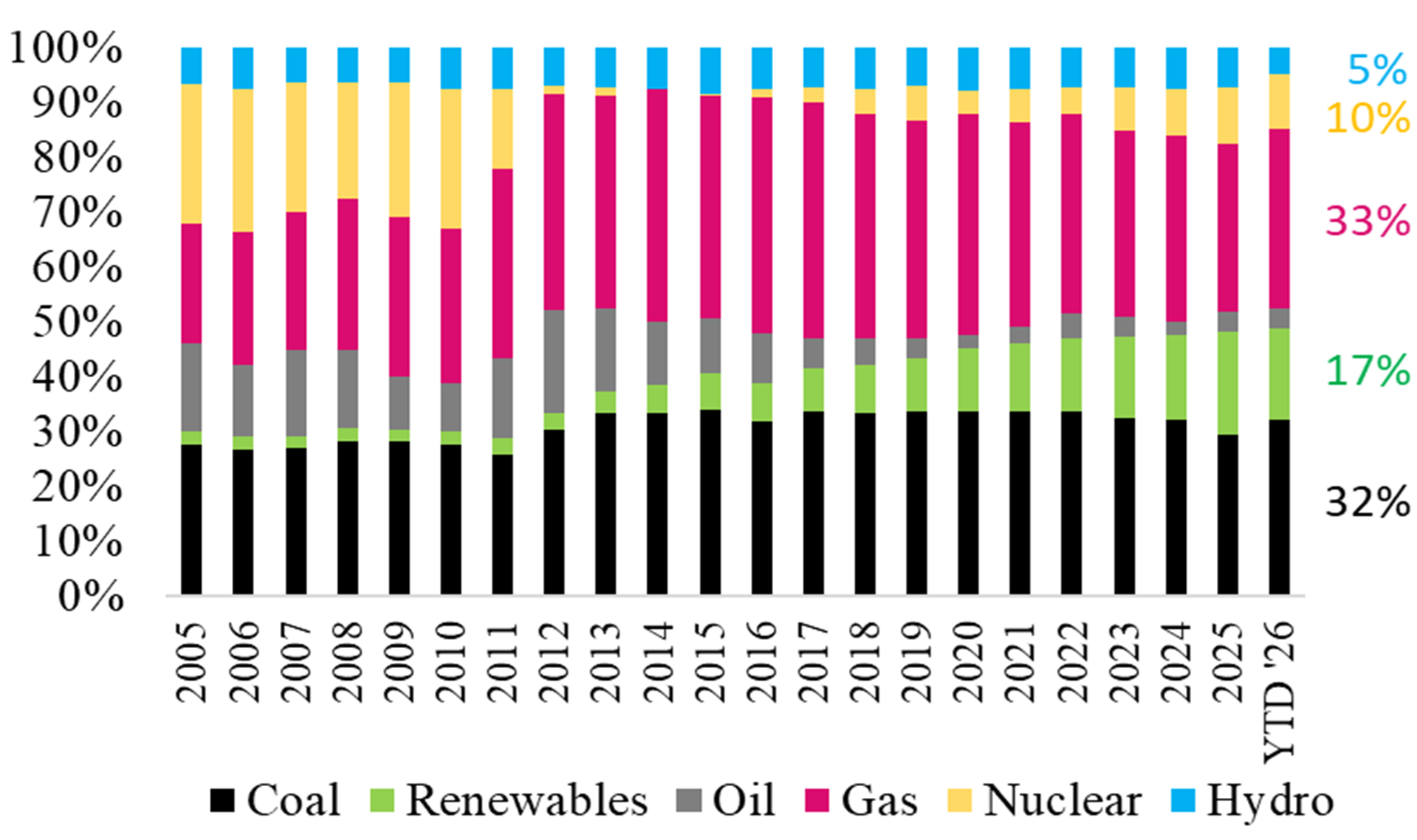
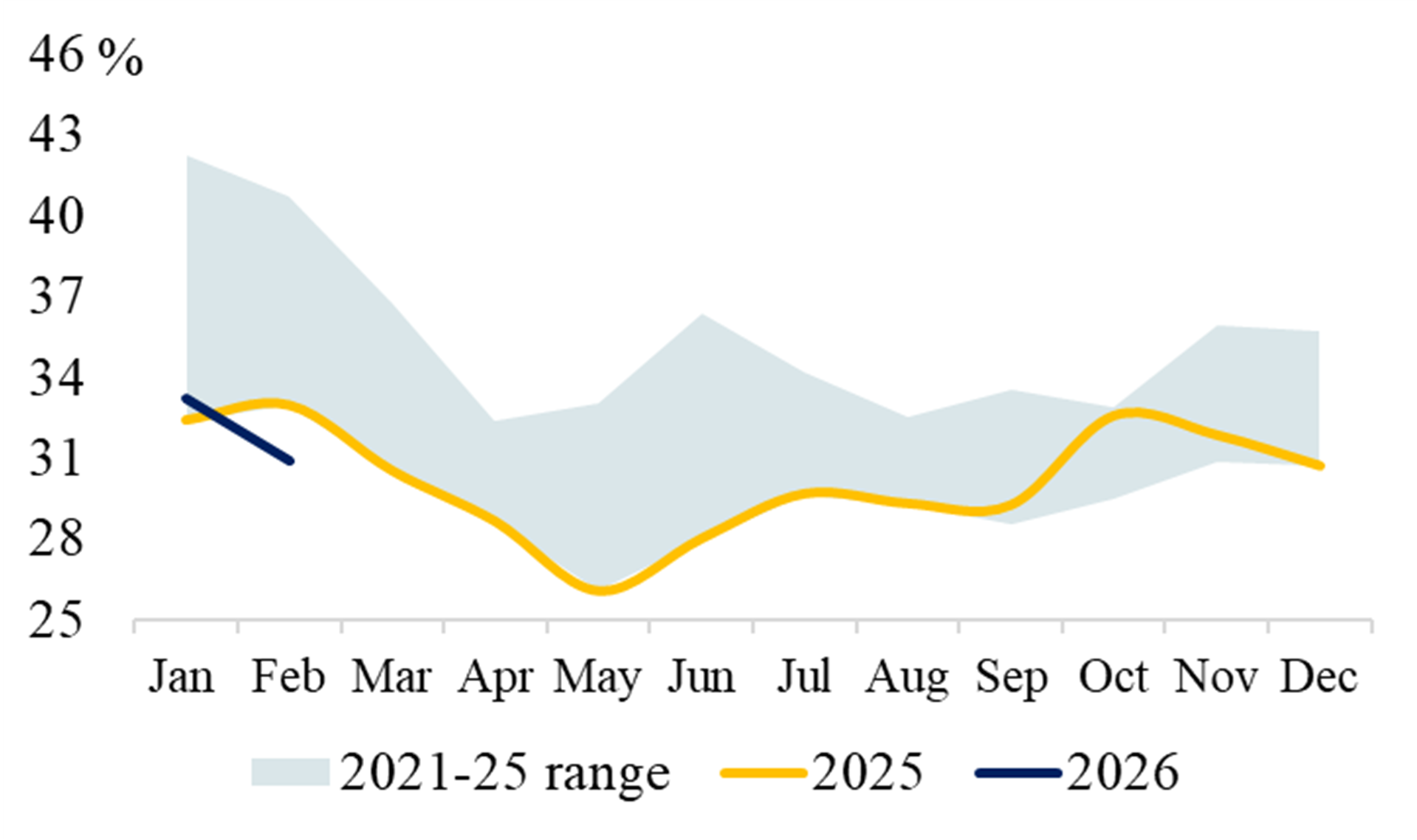
Exhibit 46 Share of Coal (%) Exhibit 47 Share of Wind & Solar (%)
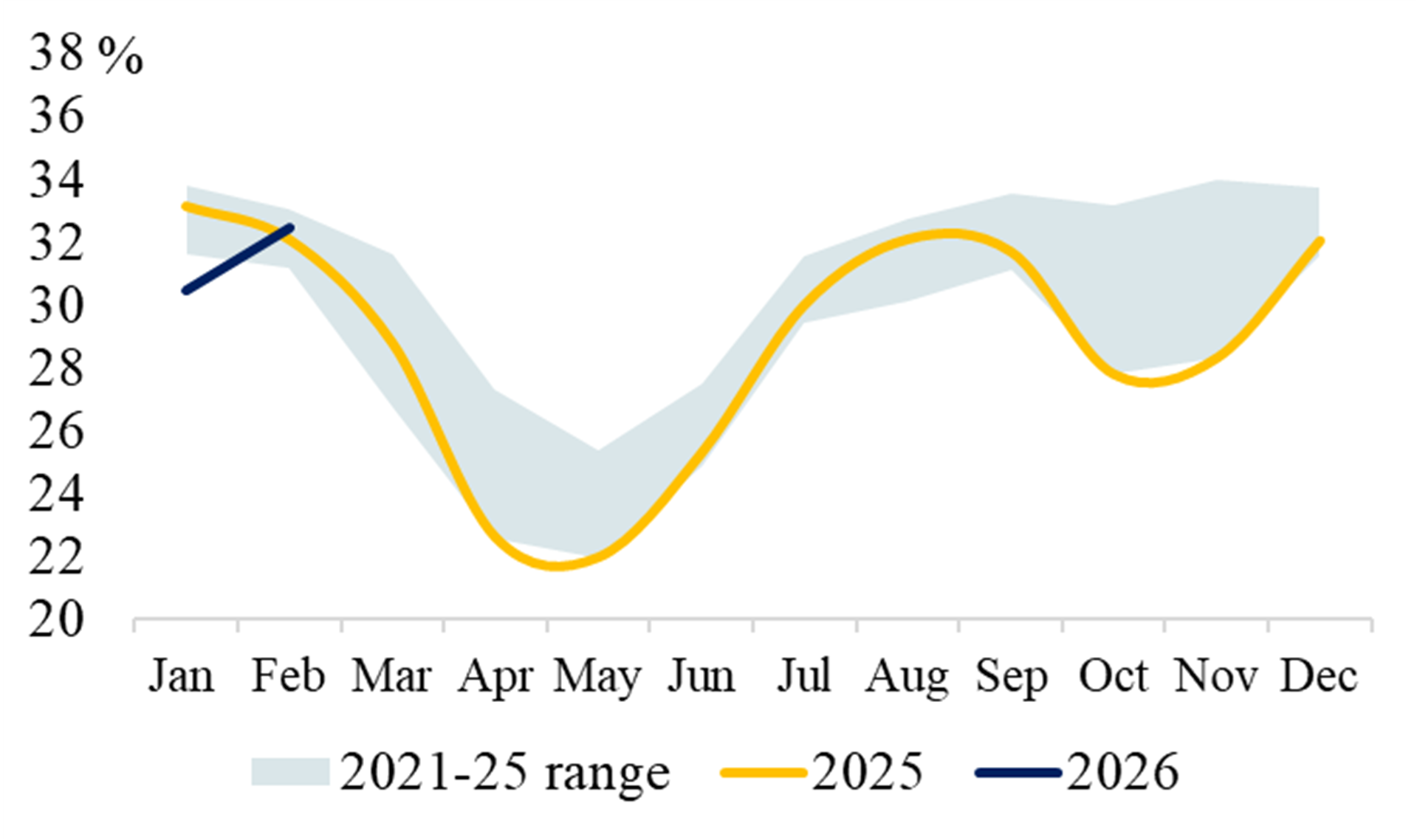
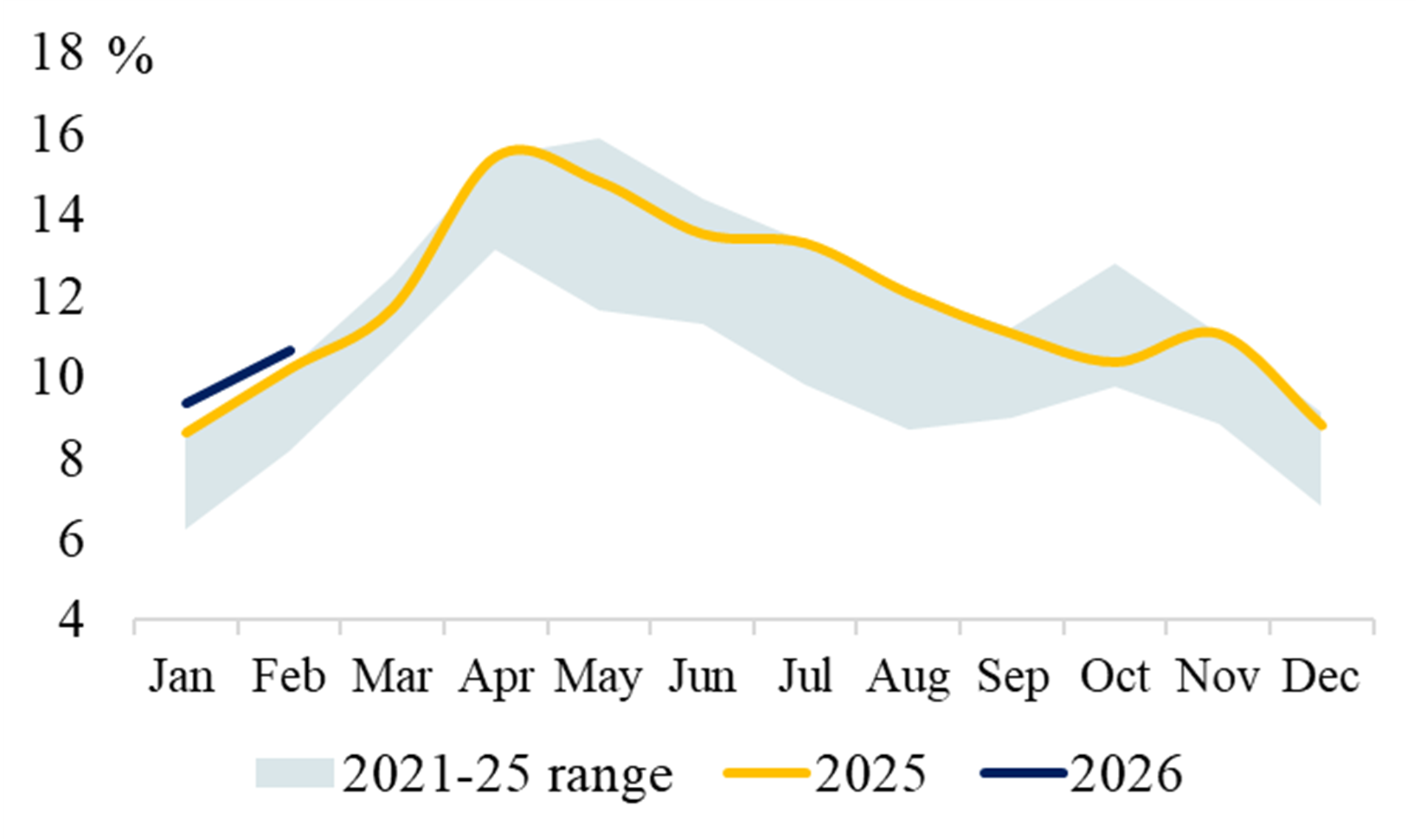
Source: EMBER
MIDDLE EAST – Energy Mix in Six Gulf Cooperation Council (GCC) Countries
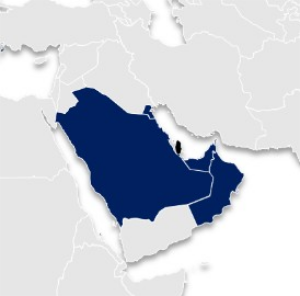
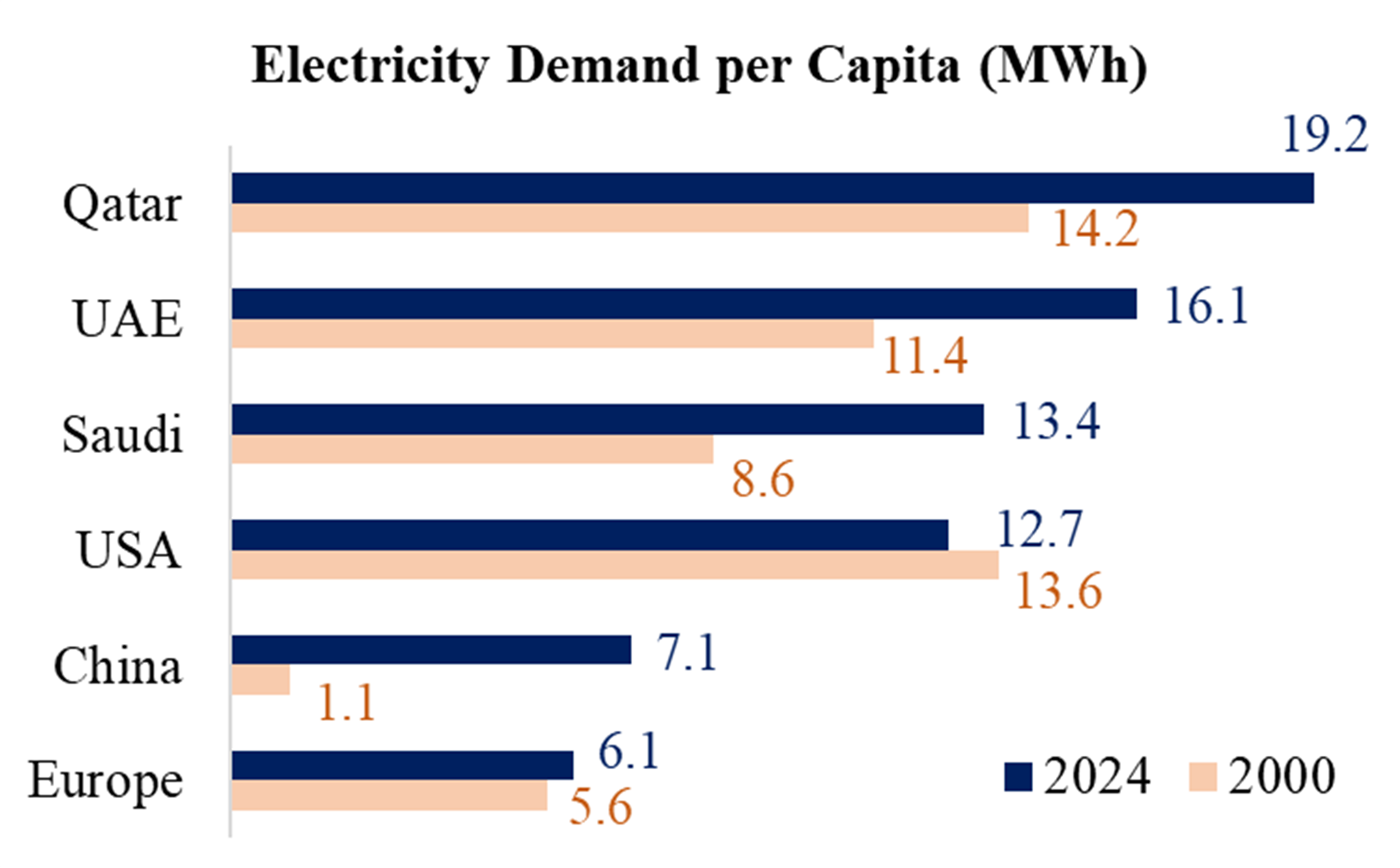
Exhibit 48 Saudi Arabia Power Gen (TWh) Exhibit 49 UAE Power Gen (TWh)
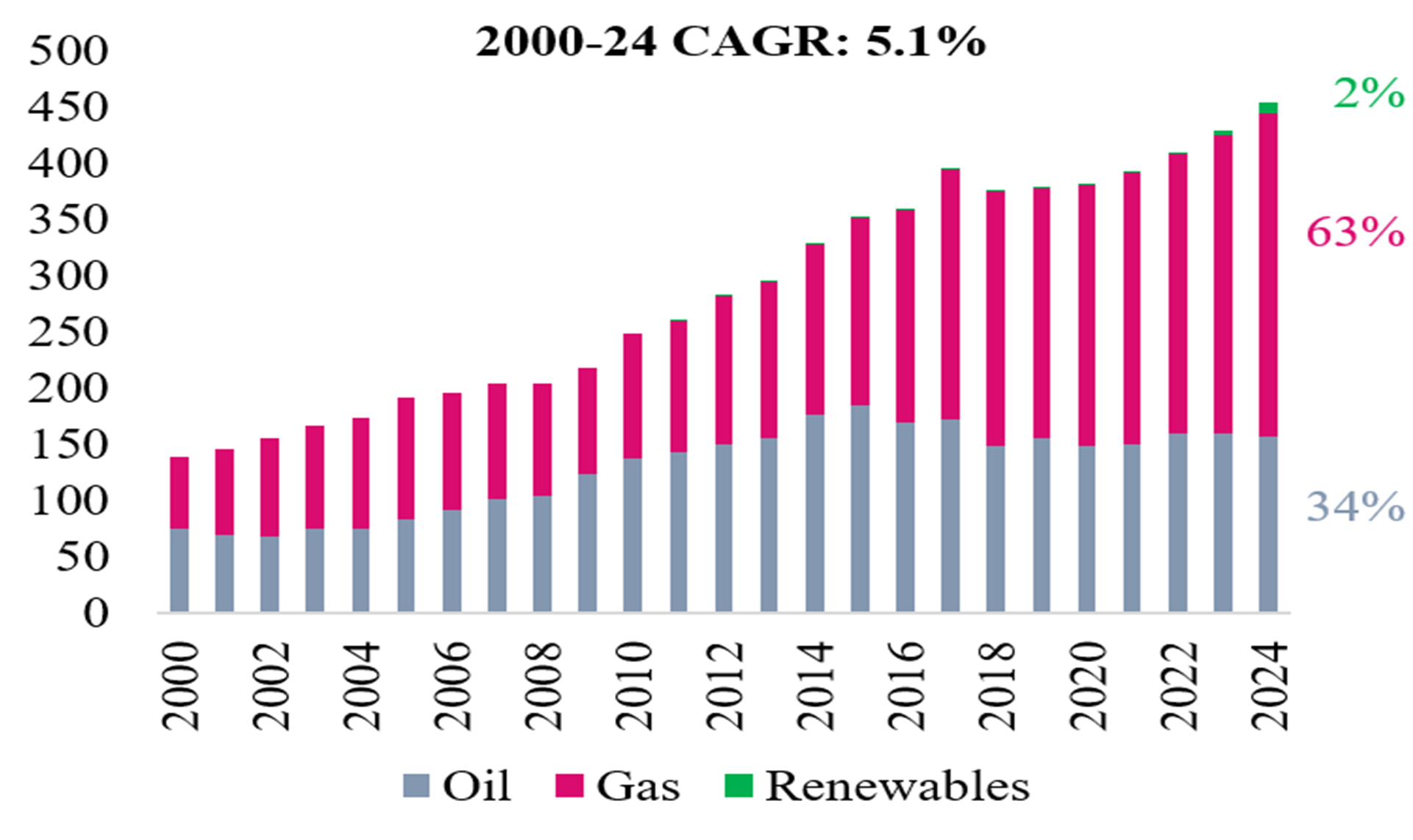
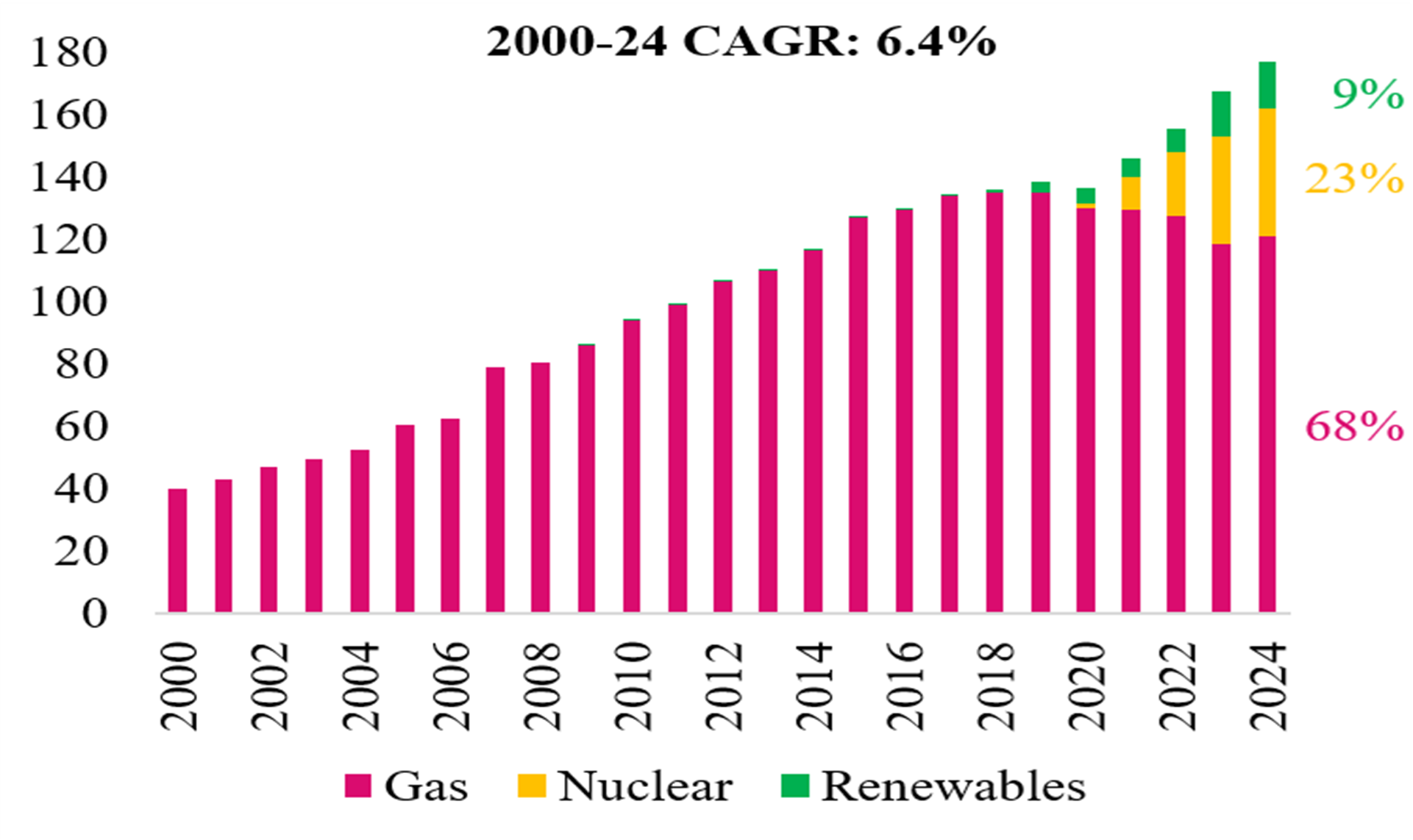
Exhibit 50 Qatar Power Gen (TWh) Exhibit 51 Kuwait Power Gen (TWh)
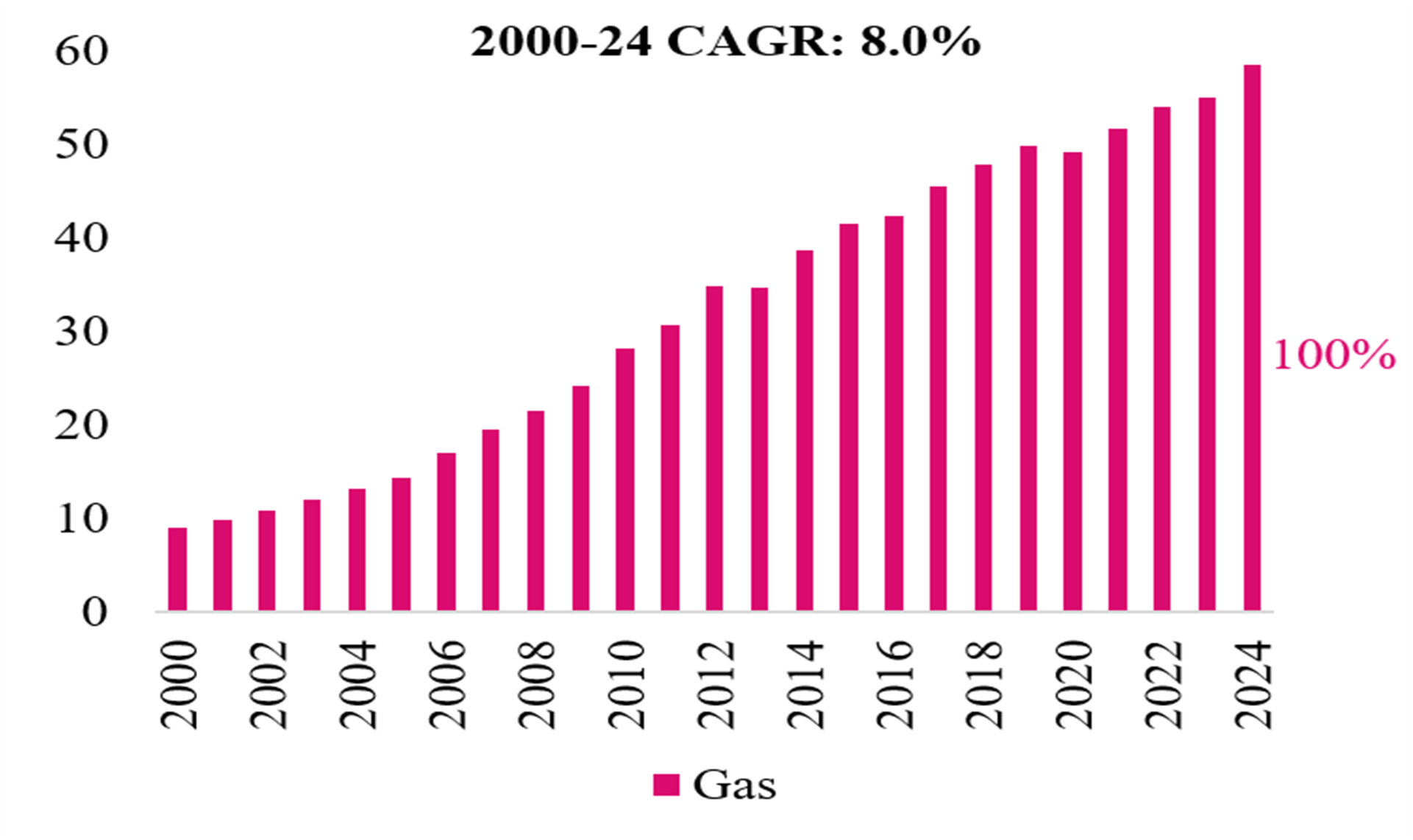
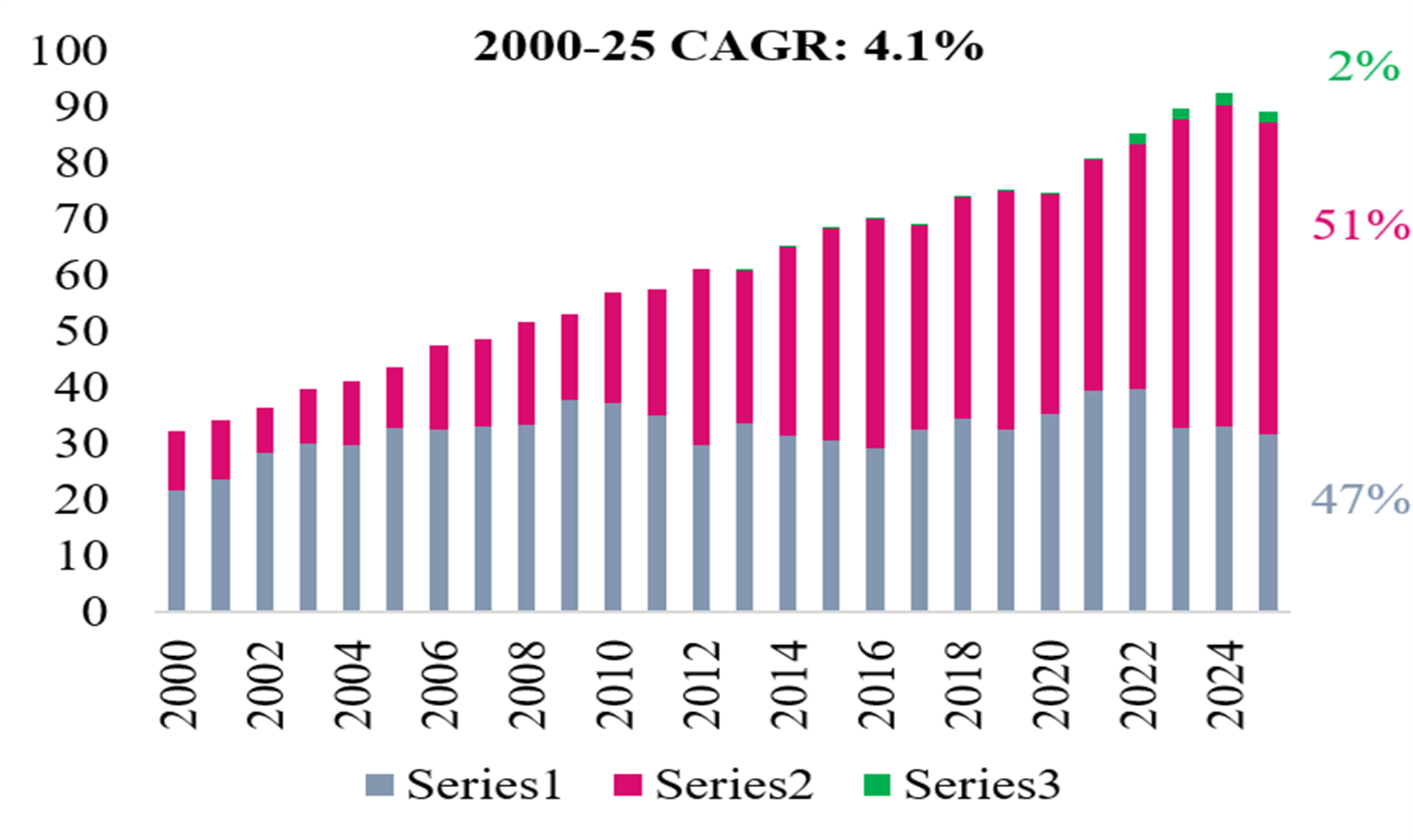
Exhibit 52 Oman Power Gen (TWh) Exhibit 53 Bahrain Power Gen (TWh)
Source: EMBER
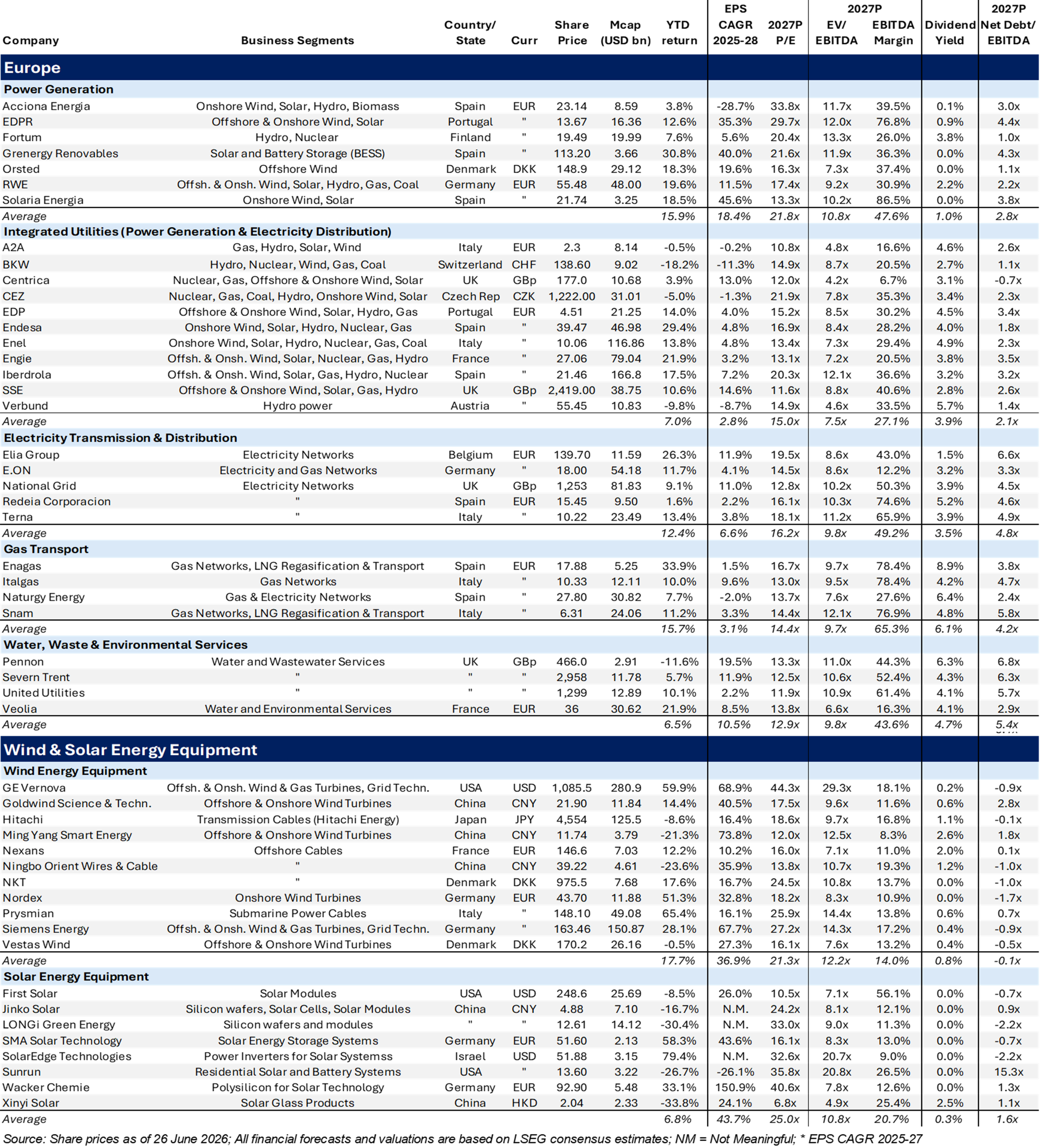
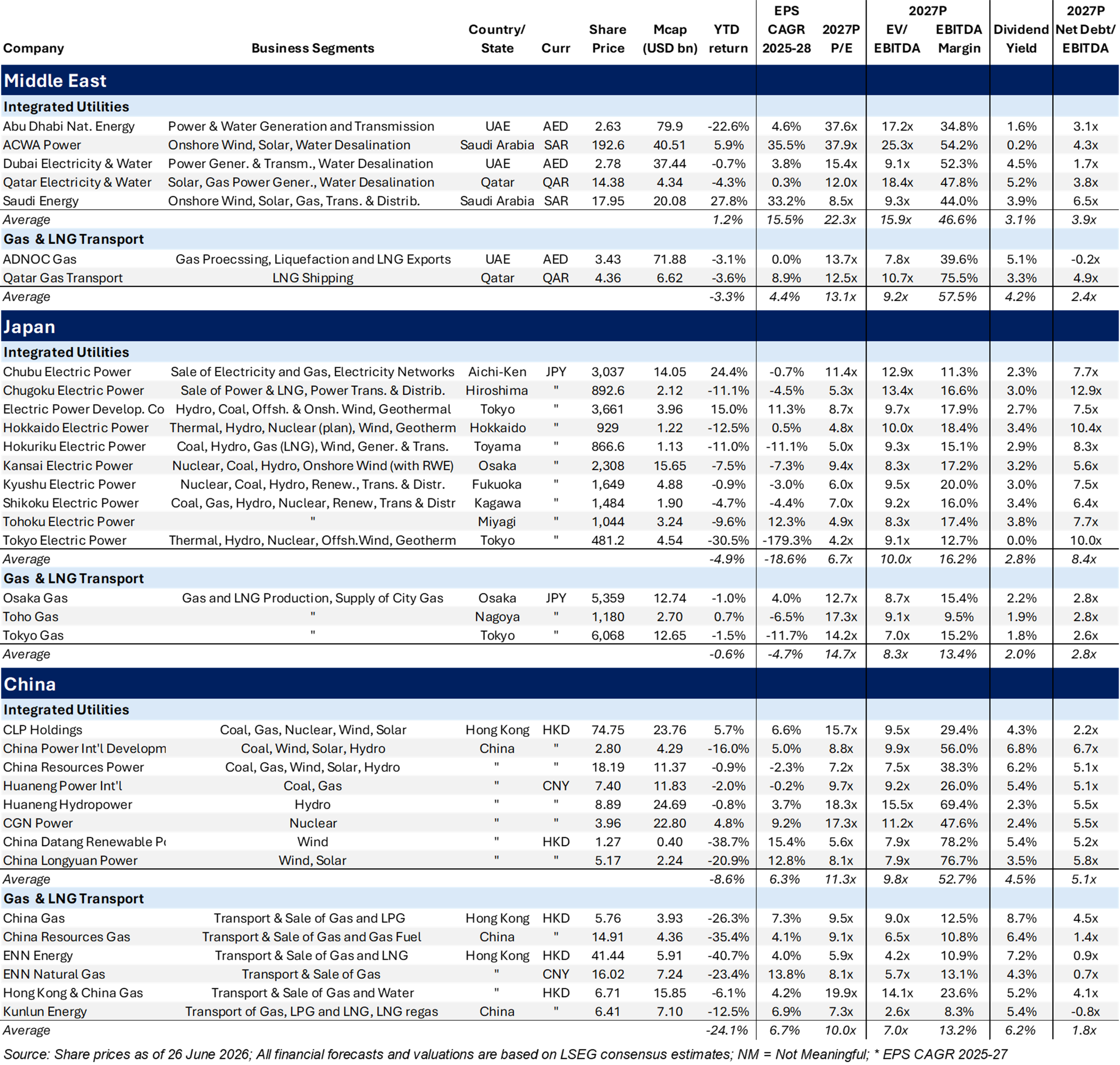
Table 4 Performance and Valuation Comps Table
249 Royal Palm Beach Way, Palm Beach, FL 33480 Gabelli Funds TEL (561) 671-2100
This whitepaper was prepared by Jens Zimmermann, CFA, by Ashish Sinah, CFA, by Chong-Min Kang, and by Mitsuyoshi Kikuchi. The examples cited herein are based on public information and we make no representations regarding their accuracy or usefulness as precedent. The Research Analysts’ views are subject to change at any time based on market and other conditions. The information in this report represent the opinions of the individual Research Analysts’ as of the date hereof and is not intended to be a forecast of future events, a guarantee of future results, or investments advice. The views expressed may differ from other Research Analyst or of the Firm as a whole.
As of March 31, 2026, affiliates of GAMCO Investors, Inc. beneficially owned less than 1% of all companies mentioned.
Funds investing in a single sector, such as utilities, may be subject to more volatility than funds that invest more broadly. The utilities industry can be significantly affected by government regulation, financing difficulties, supply or demand of services or fuel and natural resources conservation. The value of utility stocks changes as long-term interest rates change
Investors should carefully consider the investment objectives, risks, charges and expenses of the Fund before investing. The prospectus, which contains more complete information about this and other matters, should be read carefully before investing. To obtain a prospectus, please call 800 GABELLI or visit www.gabelli.com
Returns represent past performance and do not guarantee future results. Current performance may be lower or higher than the performance data quoted. Investment return and principal value will fluctuate so, upon redemption, shares may be worth more or less than their original cost. To obtain the most recent month end performance information and a prospectus, please call 800-GABELLI or visit www.gabelli.com
Distributed by G.distributors, LLC., a registered broker dealer and member of FINRA.
This whitepaper is not an offer to sell any security nor is it a solicitation of an offer to buy any security.
For more information, visit our website at: www.gabelli.com or call: 800-GABELLI
800-422-3554 • 914-921-5000 • Fax 914-921-5098 • info@gabelli.com
Gabelli Funds, LLC is a registered investment adviser with the Securities and Exchange Commission and is a wholly owned subsidiary of GAMCO Investors, Inc. (OTCQX: GAMI).