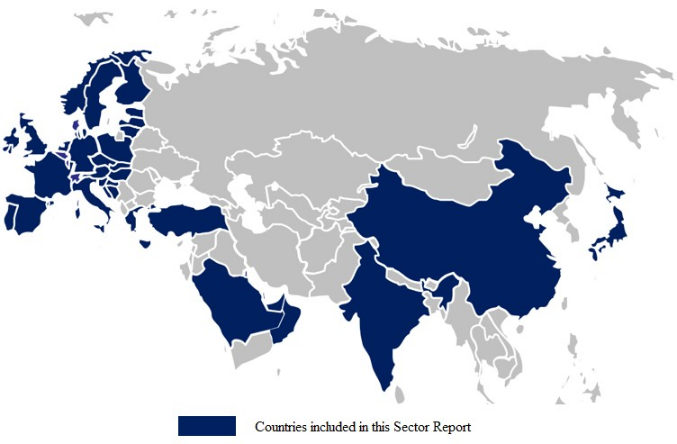
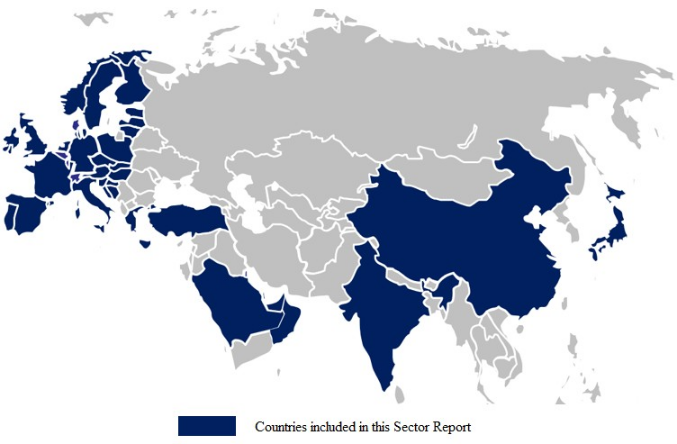
April 2026: On the rebound
What You Need To Know
What a difference a month makes! After global equites had sold off in March during the first month of the Middle East military conflict with the de facto closure of the Strait of Hormuz, investor sentiment has markedly improved with the temporary ceasefire in April (albeit energy flows from the Middle remain disrupted and inflation concerns persist). Thus, the broader market (MSCI World) has more than recouped its March losses with a solid rebound in April and is now up 5.7% YTD in 2026 (see Table 1). Conversely, energy stocks (MSCI World Energy) gave back about half of the March rally with a 5.5% drop in April, which reduced the energy sector outperformance to 25% YTD. Meanwhile, utilities remain stuck between interest rate worries from rising inflation and high hopes for growing power demand from electrification trends. As investor sentiment for utilities has started to improve again, utilities stocks around the world were able to claw back around half of the March losses with the share price rebound in April, while the performance of utilities in all regions remains negative since the start of the Iran war on Feb 27 (see Table 1). Finally, the S&P Global Clean Energy index erased all March losses as it bounced back strongly and even outperformed the broader market in April (thereby almost catching up YTD with the MSCI Energy index).
Table 1 Index Performances
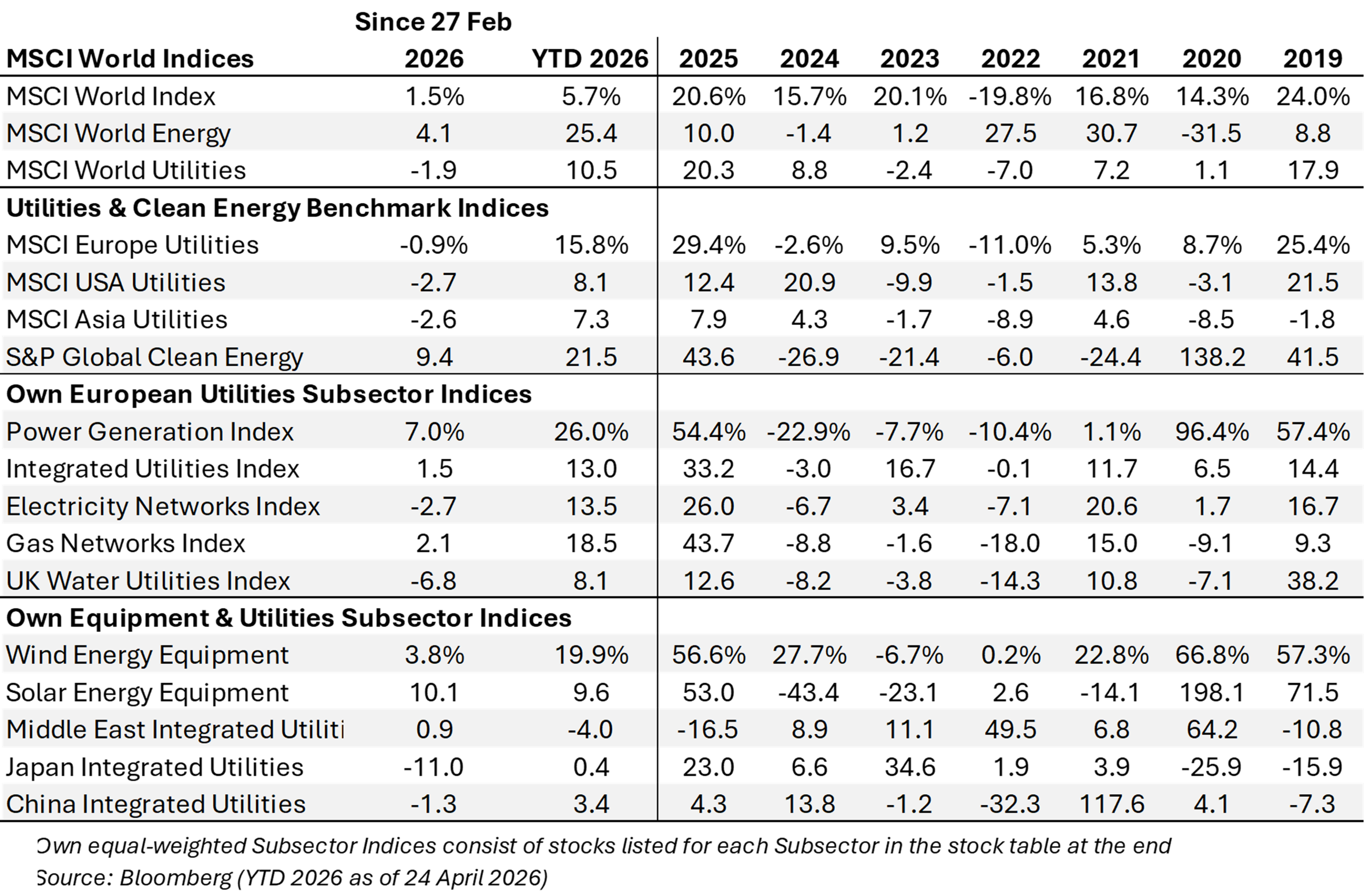
The performance of European utilities subsectors has varied since the start of the Middle East war. While our equal-weighted “Power Generation” and “Gas Networks” subsectors have benefited from rising electricity and gas prices, which triggered solid share price gains over the past two months (and has led to the strongest YTD subsector performances, see Table 1), the more interest-rate sensitive “Electricity Networks” index has declined on rising inflation expectations since the start of the war. Similarly, our “UK Water” subsector has posted heavy losses over the past two months as water companies have suffered from consumer price indexed debt exposure (see “Power Points” on page 6). Along with the S&P Global Clean Energy index mentioned above, our “Wind Equipment” and “Solar Equipment” subsectors have also gained over the past two months. Conversely, Japanese utilities have suffered the strongest declines since the start of the Middle East conflict (over energy price inflation fears), which has wiped out the subsectors’ YTD gains in 2026.
Exhibit 1 Short-Term PERFORMANCE Exhibit 2 Long-Term VALUATION
(rebased since 2025) (1-yr Forward EV/EBITDA since 2017)
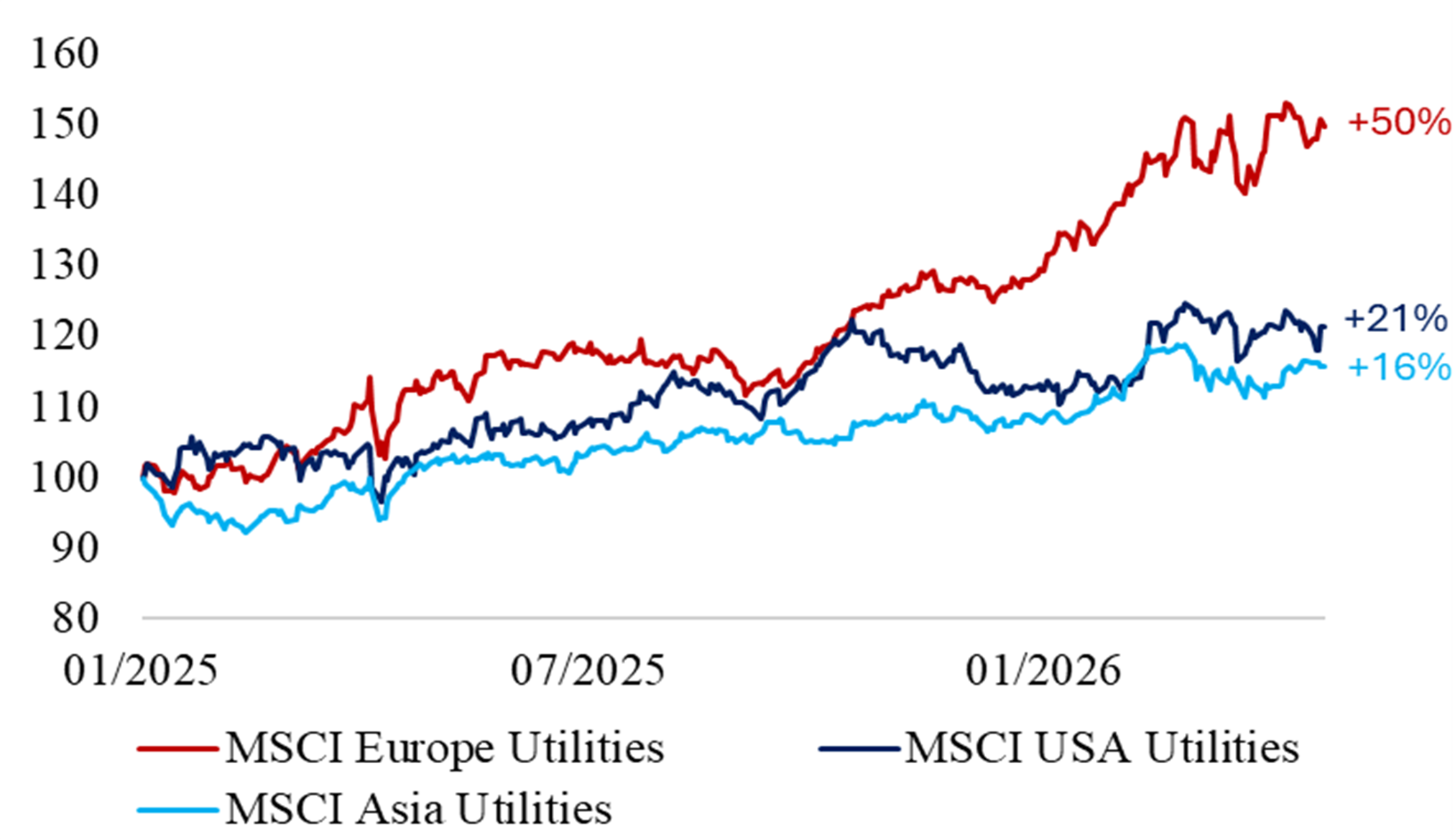
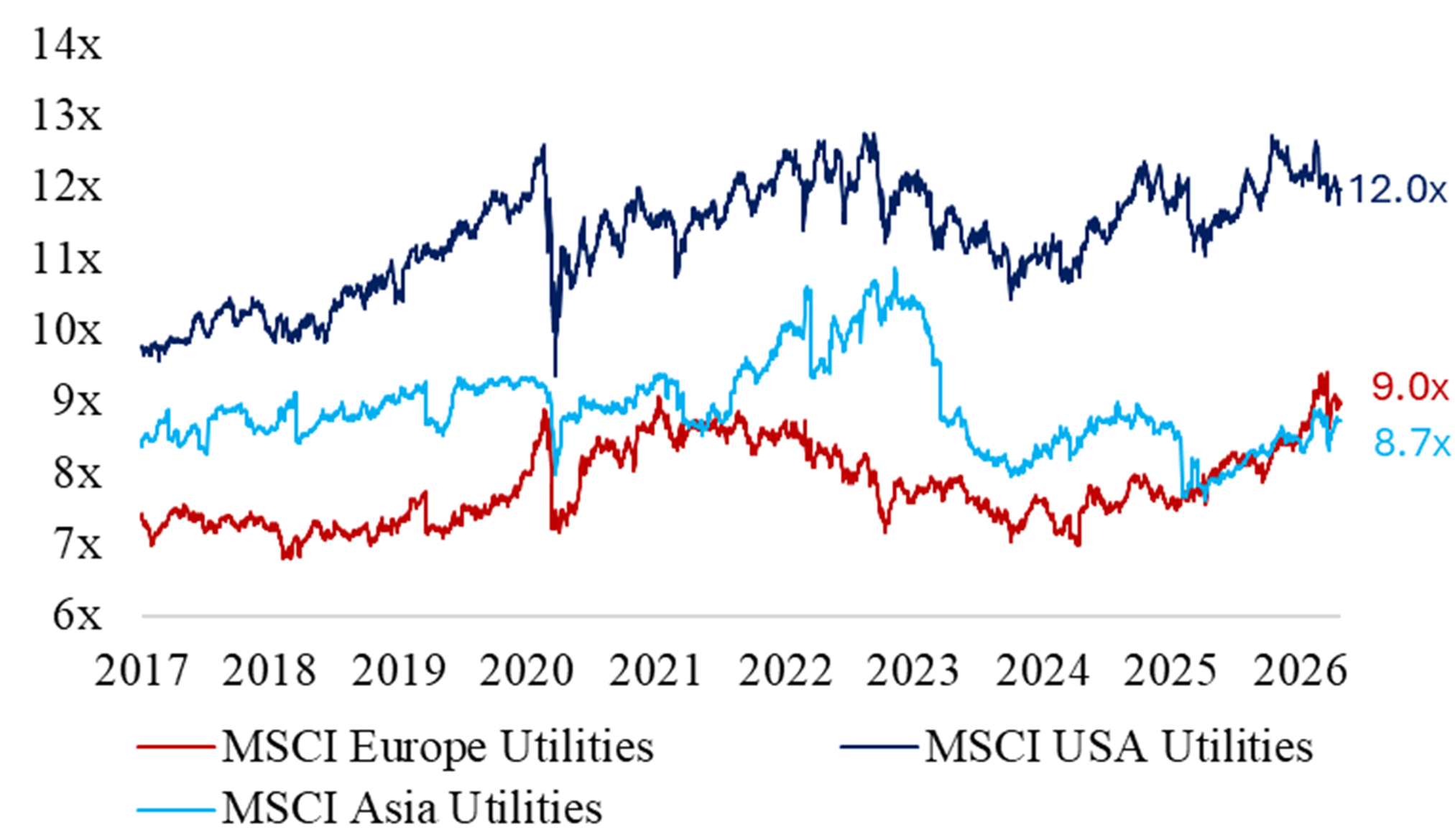
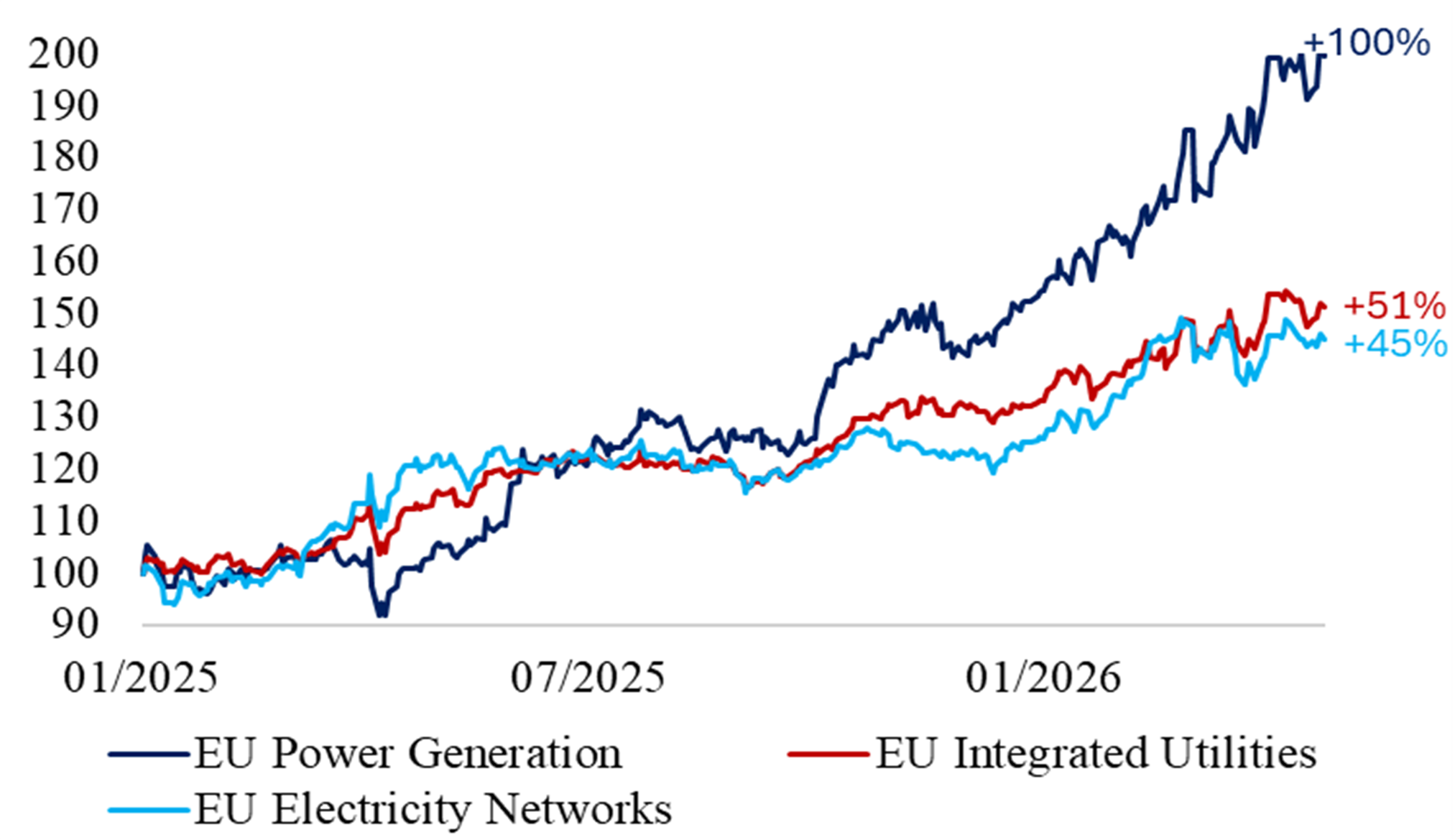
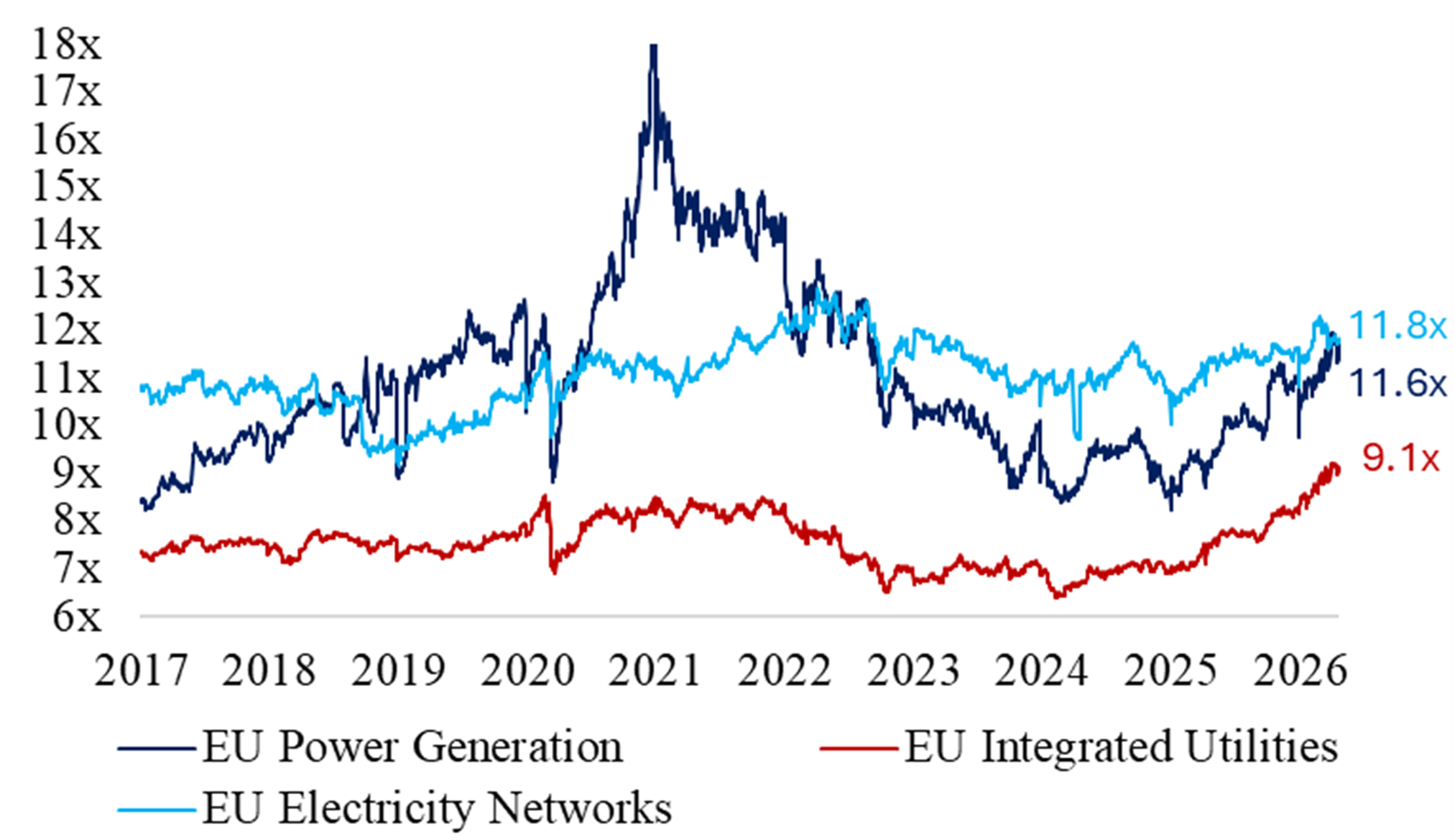
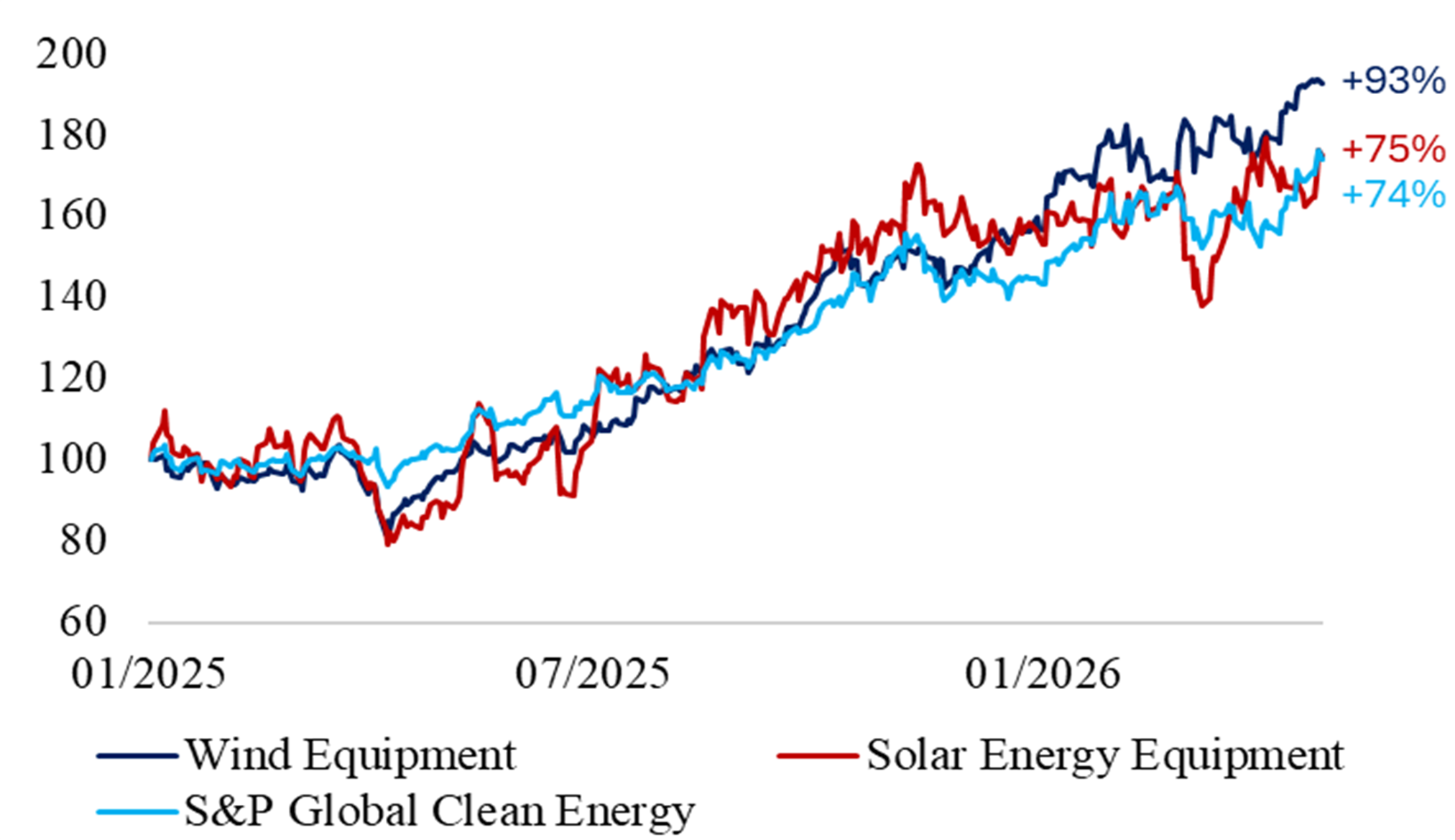
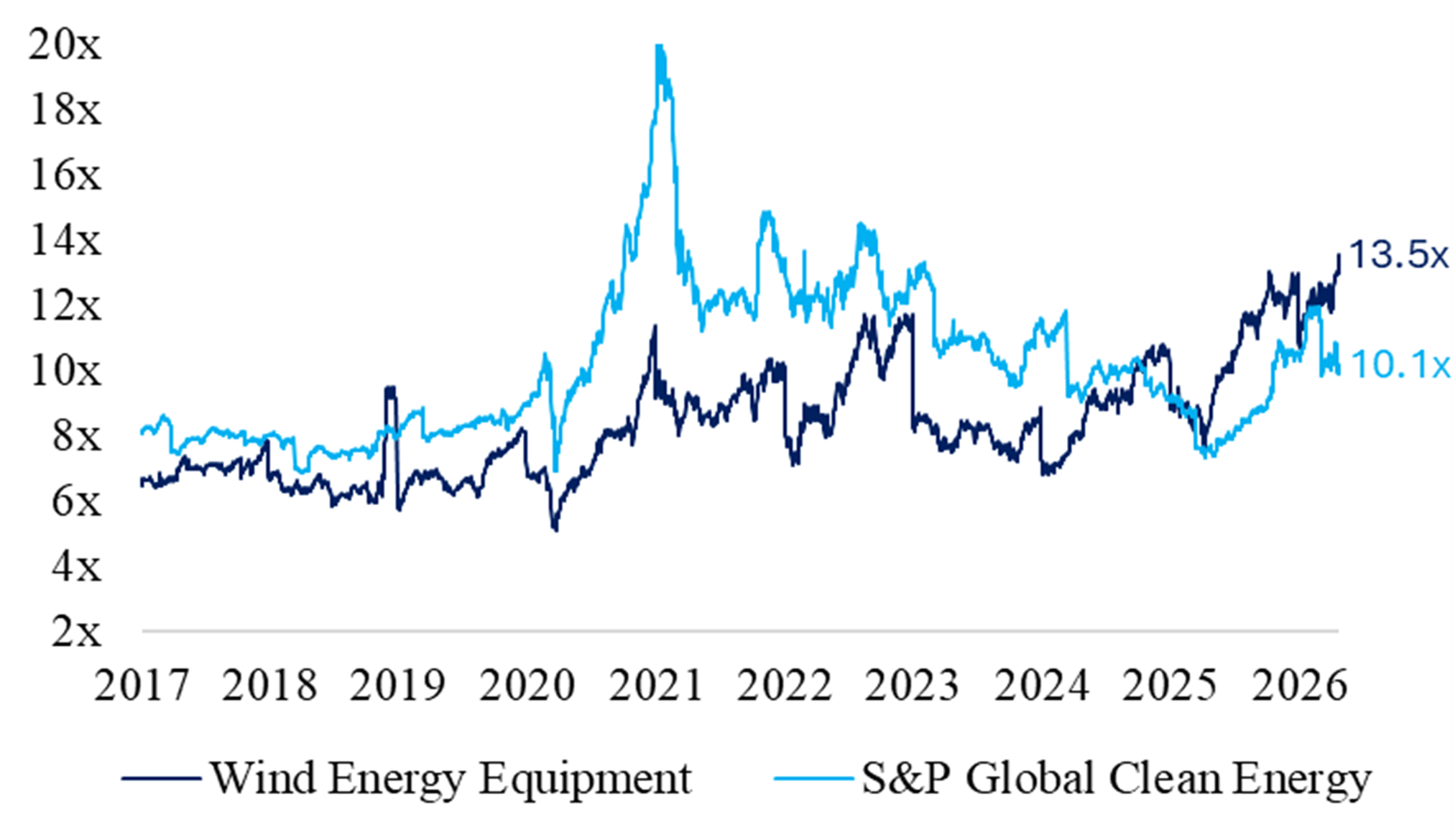
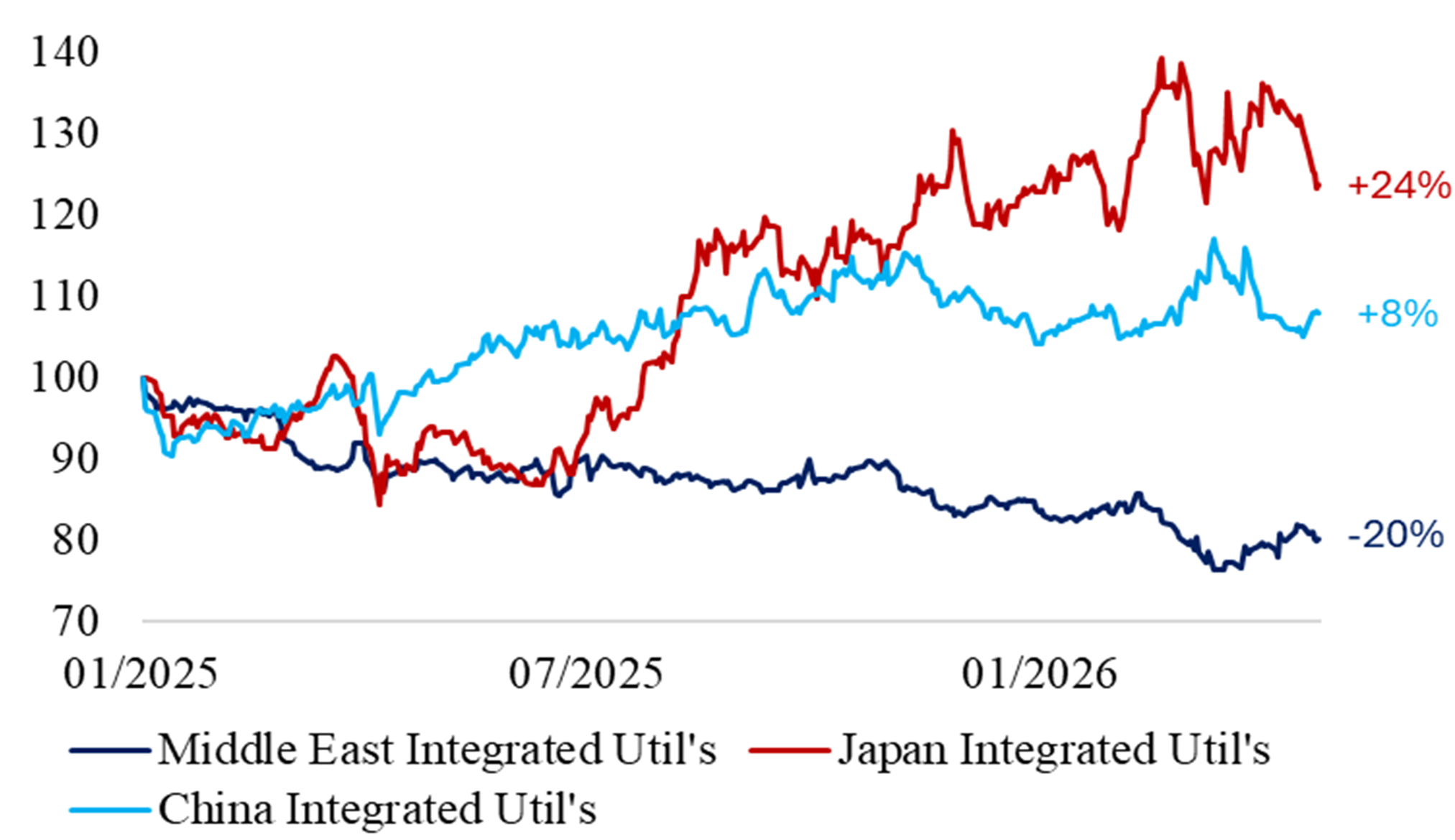
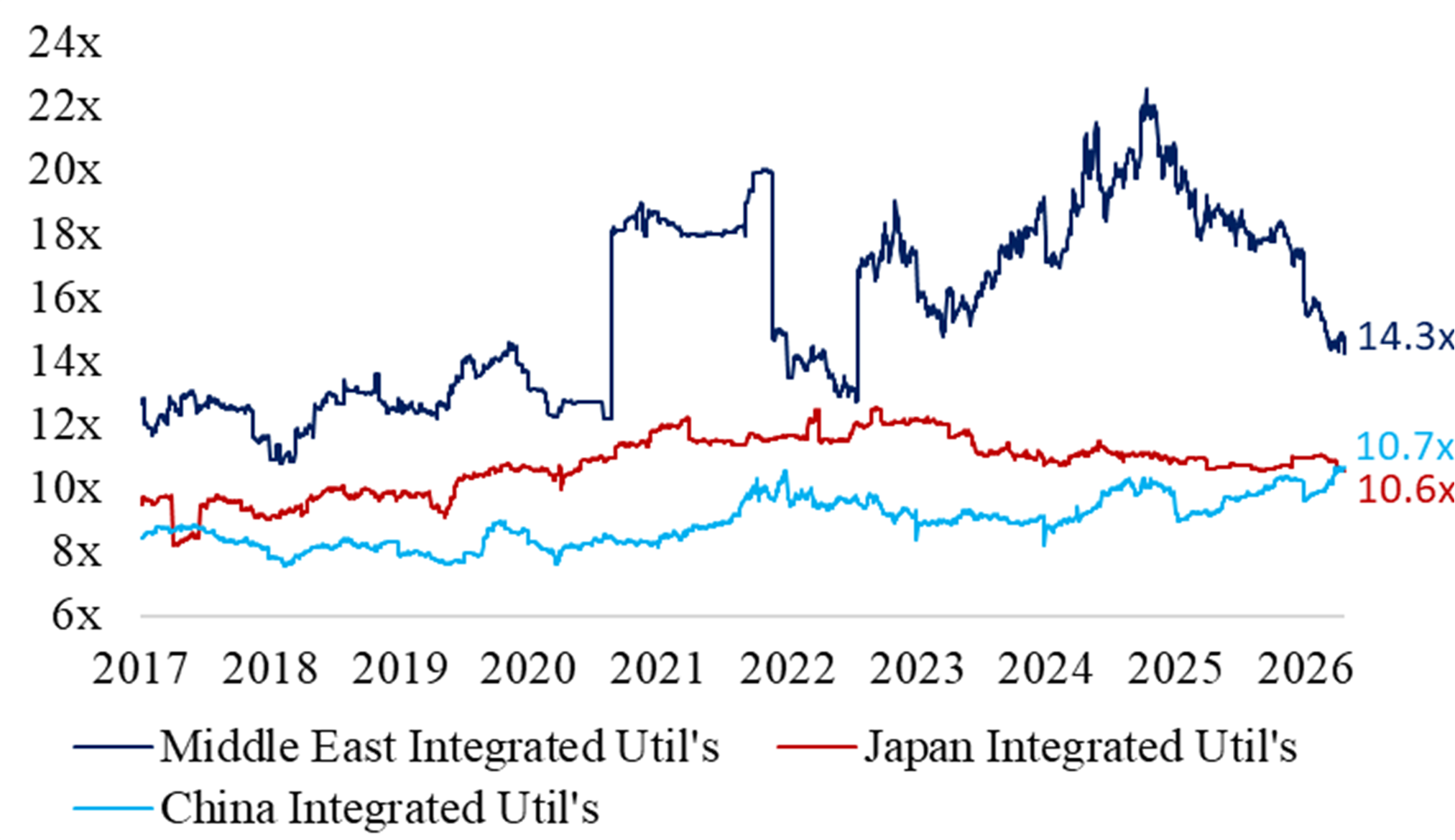
Source: Bloomberg (Prices as of 24 April 2026) Source: Bloomberg (Valuations as of 24 April 2026)
Monthly Focus: Global power generation capacity growth trends
Solar’s exponential growth has outpaced wind power capacity
Global investments in wind and solar capacity have grown rapidly in the USA, Europe and China over the past 25 years and total solar capacity in these three key renewable energy markets had outgrown total wind capacity in 2023.
Between 2000 and 2025, total solar energy capacity in these three major regions has grown exponentially at a staggering 37% CAGR, with China posting the strongest annual growth rates of 53%, followed by Europe with 41% (defined as European Union plus United Kingdom) and the USA with 37% (see Exhibit 3). But these three regions have led the solar expansion in different waves. Europe was the early solar pioneer driven by ambitious feed-in tariffs and has grown its solar power capacity to 360 GW by 2025. Conversely, the USA was a late bloomer, as it only started to significantly accelerate its solar energy expansion after 2022 to reach 220 GW in 2025. China has dwarfed Europe and the USA as it became the first country ever to surpass 1,000 GW in installed solar power in 2025 when it reached 1,200 GW of installed capacity, which was more than twice the total installed capacity in Europe and in the USA.
Three forces drove this exponential solar growth. First, since 2010, solar module costs have plummeted by 90%, making solar PV the cheapest source of new electricity generation in most countries. As solar modules account for about one third of total solar costs, the decline in module costs explains why the levelized cost of electricity (LCOE) for solar has also declined between 65-90% depending on the region, with the global weighted average LCOE reaching $0.043/kWh in 2024 (according to IRENA, the Int’l Renewable Energy Agency). Second, government policy was also critical for this exponential growth: Europe’s early feed-in tariffs created the initial market, the US Inflation Reduction Act (IRA) of 2022 unlocked a surge in US deployment and China’s Five-Year Plans have set binding national renewable targets backed by massive state investment. Third, economies of scale with learning curve effects have supported the exponential growth because each doubling of produced and installed solar capacity brought further cost reductions, which created a self-reinforcing cycle of falling solar costs. As such, China’s solar subsidies have exported lower solar costs and have ignited the strong increase of solar installations in other regions.
Exhibit 3: Exponential solar capacity growth
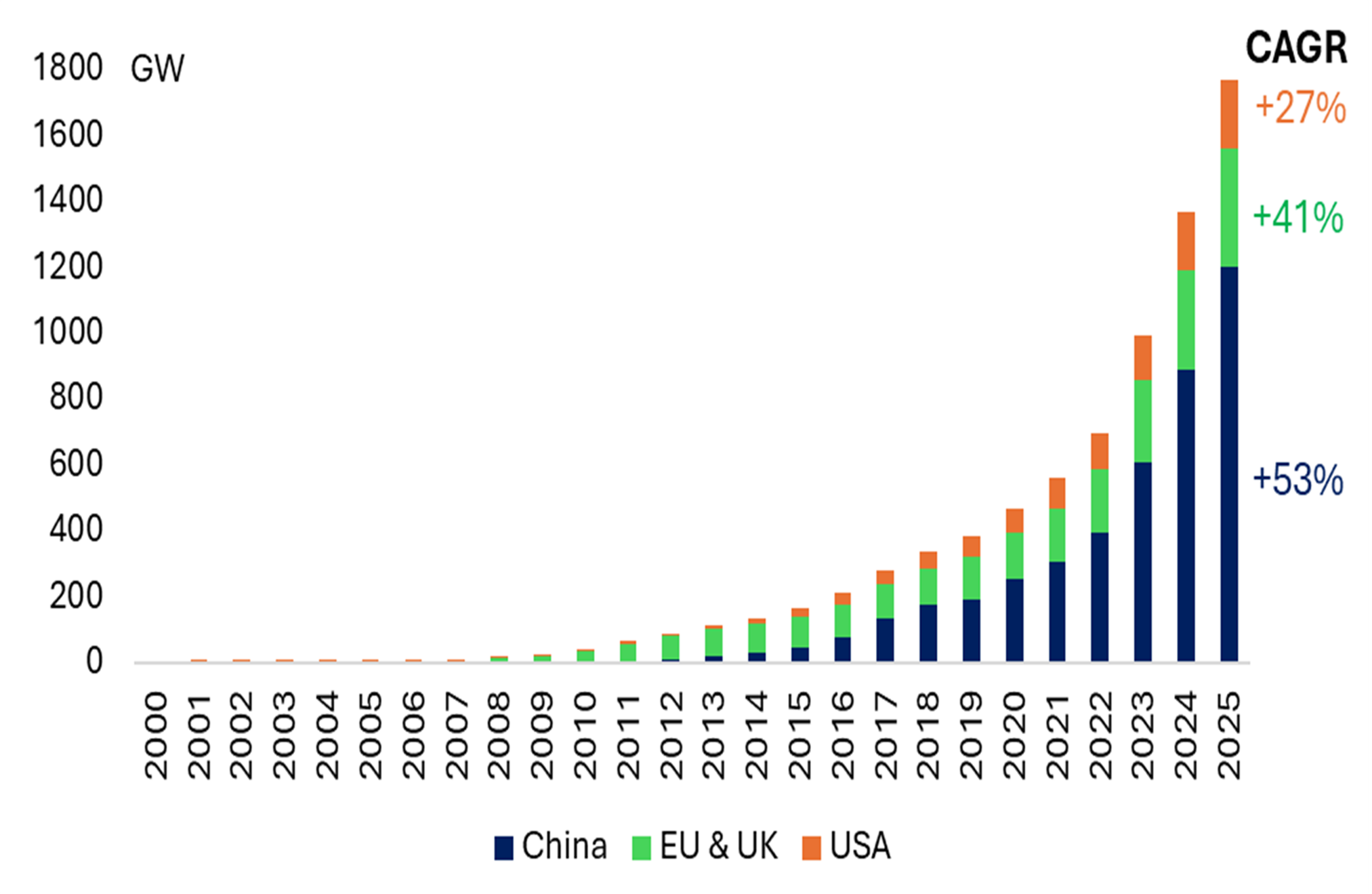
Source: Ember
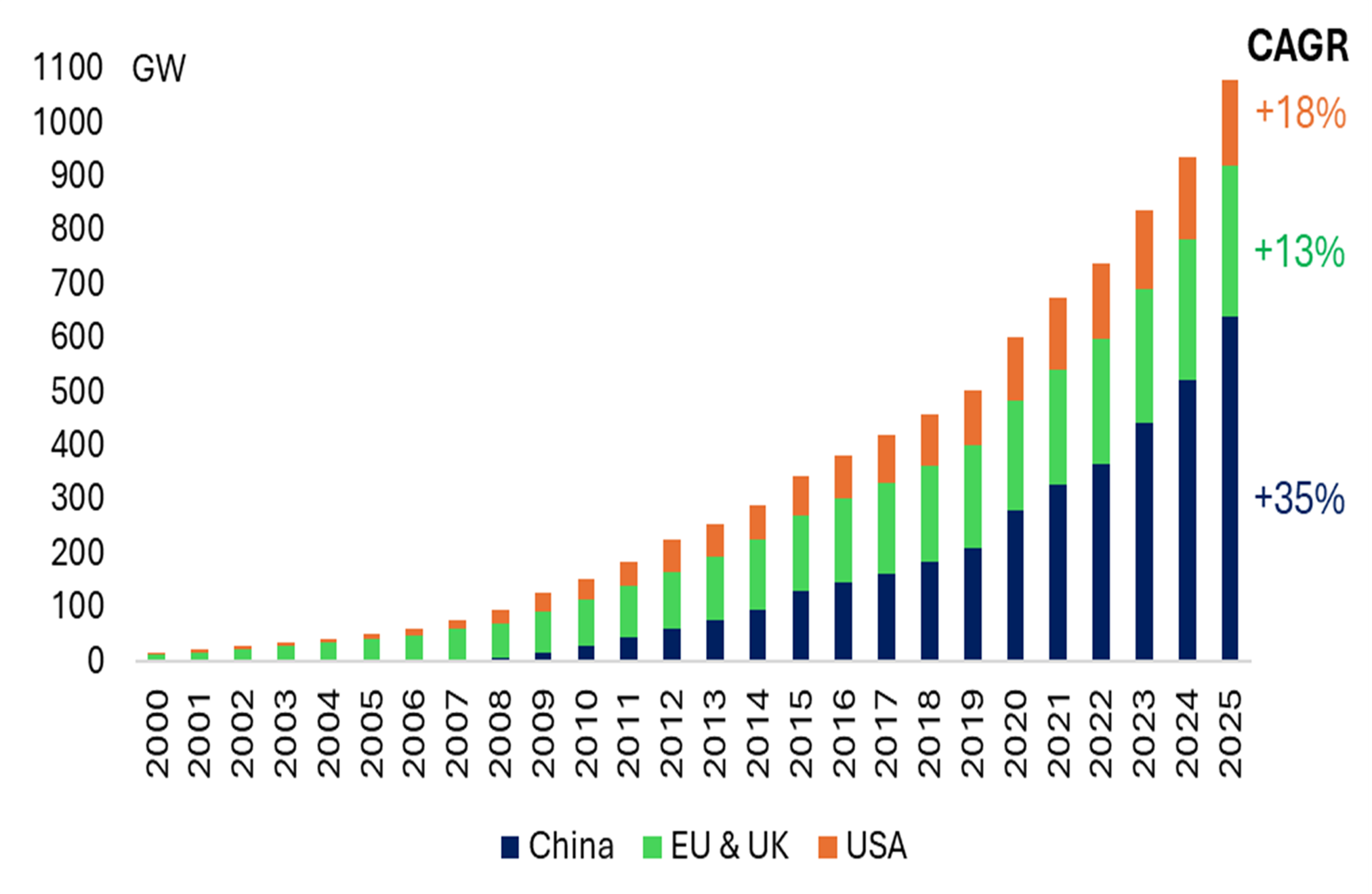
Exhibit 4: Wind capacity growth
Source: Ember
Wind (offshore and onshore) energy capacity in these three regions has grown at a 19% CAGR between 2000 and 2025, about half of solar energy’s growth rate. While China has also posted the strongest growth with a 35% CAGR to reach 640 GW in 2025, wind capacity in the USA has grown faster (18% annually) than in Europe (13%), but Europe’s installed capacity of 280 GW was almost twice the 158 GW capacity in the USA in 2025 (see Figure 4).
Similar to solar energy, wind power growth in the USA was driven by a combination of IRA tax credits and state renewable portfolio standards. In Europe, the build out of wind power accelerated even faster under the EU Renewable Energy Directives, coupled with national feed-in tariffs and competitive tenders, which ensured stable returns for wind power developers. The expansion of offshore wind installations in the 2020’s, especially in the North Sea and Baltic regions, turned Europe into a global offshore wind technology leader. Around 36 GW (or 13%) of Europe’s installed wind capacity accounted for offshore wind in 2025. Two factors explain China’s strong wind capacity growth, which reached a wind capacity of 640 GW in 2025, of which 47 GW (or 7%) already came from offshore wind. First, similar to solar energy, China’s centralized Five-Year Plans with binding national renewable energy targets also supported state investment in wind energy. Second, the development of its own domestic turbine manufacturing capacity (from publicly trading companies Goldwind Science and Ming Yang Smart Energy) along with lower construction costs and scaled grid investments have underpinned the country’s dominance in both onshore and increasingly offshore wind installations (which accounted for roughly three-quarters of all new global wind capacity additions in 2025).
Modest growth in gas- and coal-fired capacity is driven by regional factors
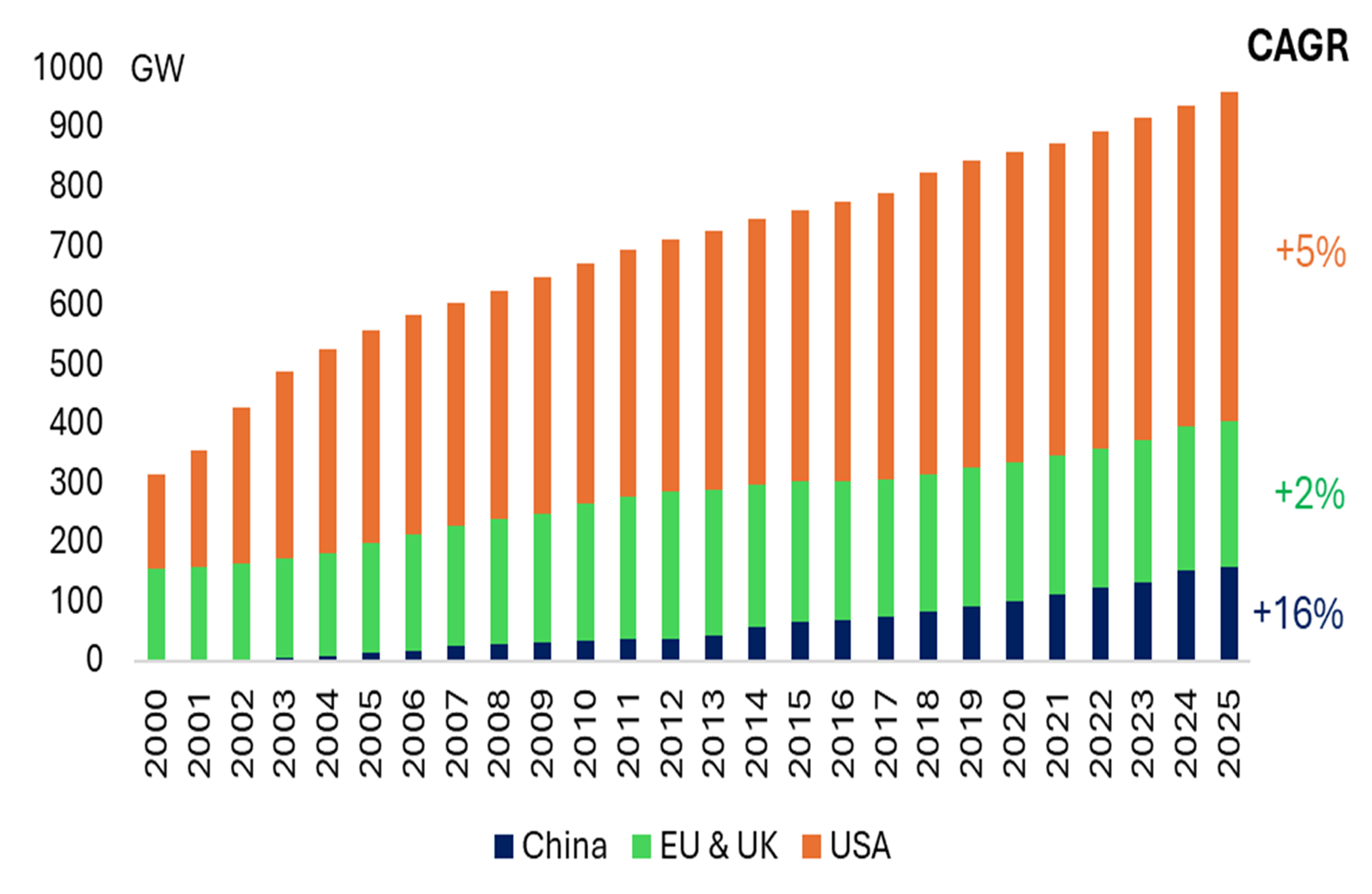
Total gas-fired power generation has grown at a 5% CAGR in these three regions between 2000 and 2025, driven by the USA, which accounted for more than half (556 GW) of the installed gas-fired generation capacity in 2025 (see Exhibit 5). The USA benefits from abundant domestic gas reserves, which keeps US natural gas prices lower than in Europe, and this gas price advantage explains ongoing investments in gas-fired power generation in the USA on the back of strong AI and data-center driven electricity demand growth (with production lead times of 3-4 years for new gas turbines). Conversely, growth for gas-fired generation capacity has been much slower in Europe (only 1.9% on average per year) as Europe is highly dependent on natural gas imports, which makes it more vulnerable to higher gas prices during times of gas supply disruptions (as in 2022/23 at the start of the Ukraine war and currently during the Iran war). Although China has grown its gas-fired power generation at the highest CAGR of 16% since 2000, gas remains insignificant in China’s electricity fuel mix as gas-fired generation accounted only for 3% of the country’s power generation in 2025 (see Exhibit 39).
Exhibit 5: Gas-fired capacity growth
Source: Ember
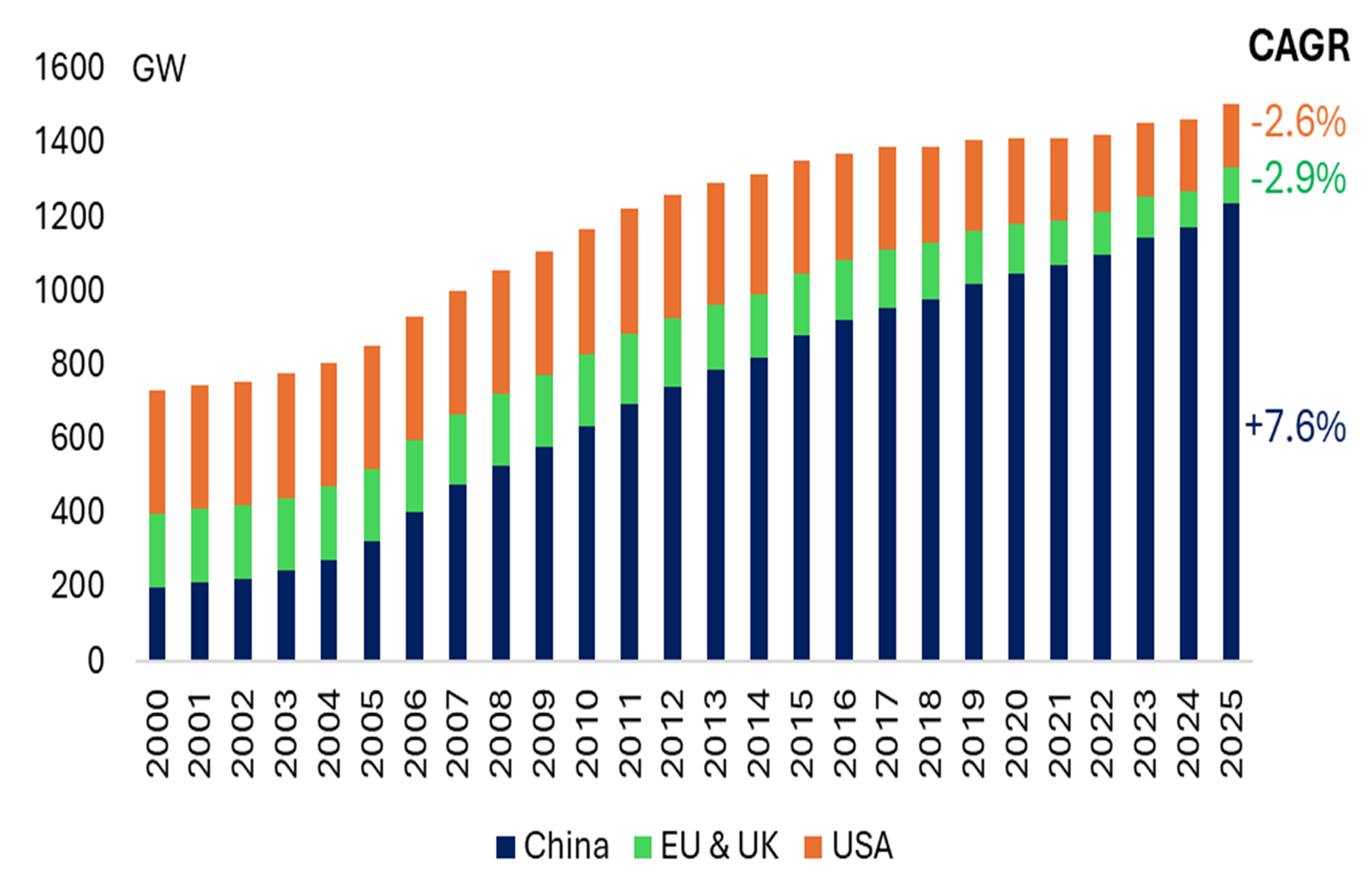
Exhibit 6: Coal-fired capacity growth
Source: Ember
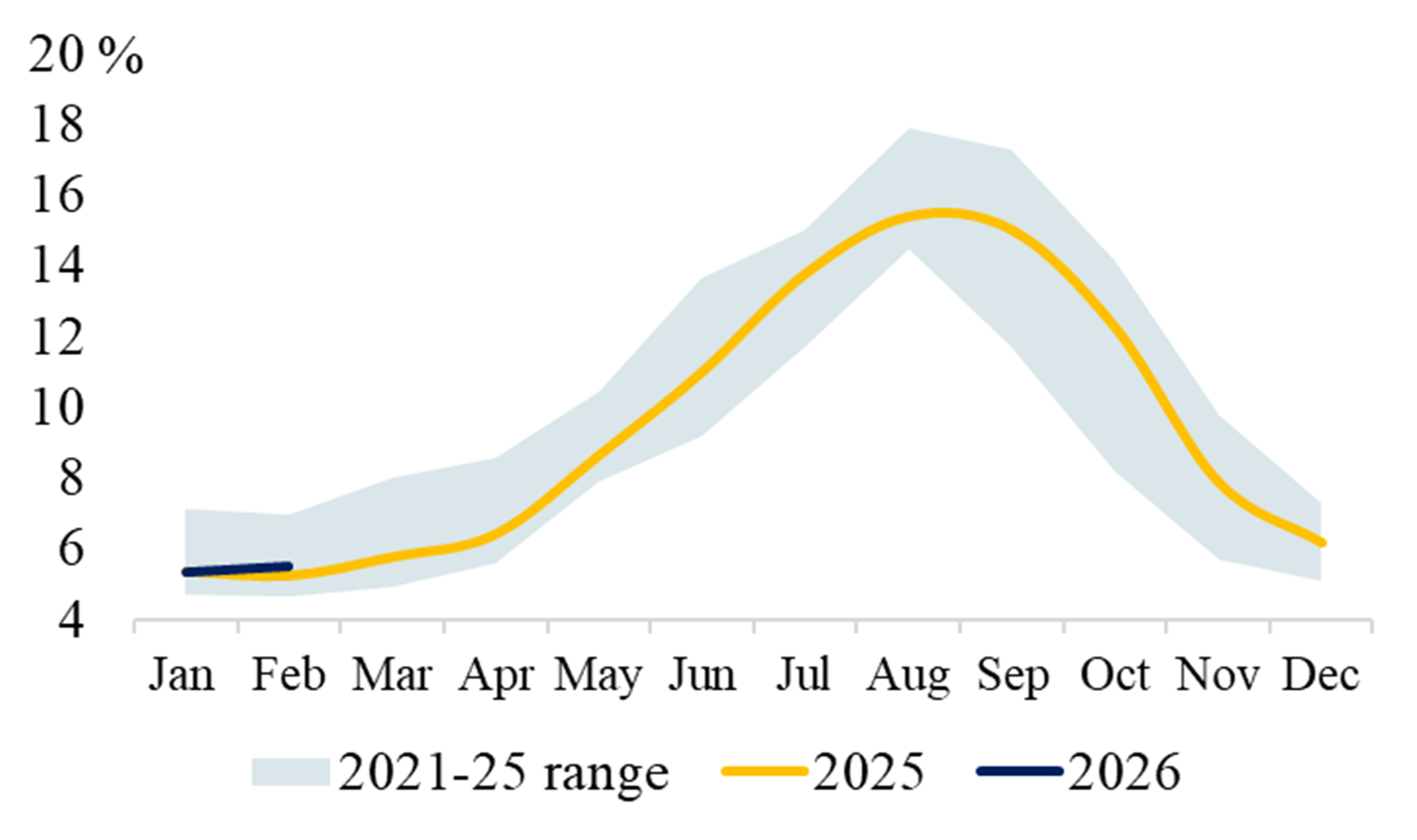
Finally, the modest growth (at a 2.9% CAGR) of total coal-fired generation capacity since 2000 in these three regions only comes from China, which continues to build coal plants and accounted with about 1,240 GW for 82% of the total coal-fired capacity in the USA, Europe and China in 2025 (see Exhibit 6). While coal-fired power generation has been continuously replaced in the USA with gas-fired generation and in Europe with renewable energy over the past 25 years (which led to annual capacity declines of 2.6% and 2.9% since 2000, respectively), coal-fired generation capacity has grown at a 7.6% CAGR in China between 2000 and 2025. To meet its high electricity demand, which grew by 5% in 2025 (see Table 3), China generated 57% of its electricity with coal in 2025 (vs. 26% from wind and solar, see Exhibit 39). While China’s total installed wind and solar capacity surpassed for the first time its installed coal capacity in 2024, most of the country’s produced electricity still comes from coal plants, which provide cheap and reliable base-load generation with a higher load factor than intermittent wind and solar energy.
Power Points
EUROPE
European Union prepares emergency measures to curb energy costs
The European Commission is preparing an emergency package based on four key pillars (electricity costs, network charges, taxes, and CO2 prices) to address surging energy prices sparked by the Iran crisis. The plan would allow EU member states to temporarily cap gas‑fired power prices and redistribute excess profits, a mechanism previously used during the 2022/23 energy crisis and already supported by Germany, Italy, Spain, Portugal, and Austria. However, the Commission has rejected calls to abolish the current marginal‑pricing system for wholesale electricity prices (i.e. cutting the link between gas and power prices). Instead, the package promotes long‑term power purchase agreements (PPAs) between companies and generators, faster renewable permitting and a more efficient use of existing grid infrastructure, alongside targeted aid for energy‑intensive industries. It also proposes reforming the EU carbon market by cutting free emission allowances and creating a €30 billion stabilization reserve to support industrial decarbonization. These measures are conceived as temporary interventions, designed to curb energy costs and avoid the fiscal burdens and market distortions that characterized earlier emergency responses in 2022–2023.
Spanish Regulator initiates sanctioning procedures for last year’s power blackout
Following several months of investigation into Spain’s power blackout on April 28, 2025, the Spanish power regulator CNMC announced that it has opened 20 sanctioning proceedings against various operators in the Spanish utilities sector. According to CNMC, these procedures generally take 9–12 months to conclude and do not necessarily result in penalties. The regulator emphasized that the outage had a “multifactorial” origin, arising from a sequence of incidents that gradually destabilized Spain’s electricity system and led to the power failure. Thus, the CNMC statement suggests that responsibility for the blackout is broadly shared across multiple actors and system factors and is not attributable to a single entity. The regulator has accused Redeia of a “very serious” infraction related to shortcomings in system planning, which could entail a maximum fine of €60 million and also criticized the response of other power utilities, citing “serious” offences, which could carry fines of up to €6 million each.
Spain leads EU projects for pumped hydro storage
Spain accounts for nearly one‑third of all planned energy storage projects in Europe over the next decade (23 of the 69 initiatives of ENTSO‑E’s 2026 Ten‑Year Network Development Plan), which are all focused on pumped‑hydroelectric storage. Magtel leads with seven reversible hydro plants slated for 2036, such as La Barca (330 MW) in Asturias and Entrepeñas (644 MW) in Guadalajara. Iberdrola holds a dominant position through its large‑scale assets, including Conso II (1,800 MW) in Ourense, which is the largest battery storage project in Europe, alongside planned expansions at La Muela III (800 MW) and José María Oriol II (440 MW). Despite the strategic role in advancing European energy security, most projects are still under review and still face significant development and permitting challenges, with timelines stretching well beyond initial estimates, leaving completion risk high even as ambition remains substantial.
Iberdrola: 1Q 2026 beat and raise
Iberdrola reported a solid set of 1Q 2026 results ahead of expectations. Adjusted EBITDA of €4.07 billion rose 2.4% and was 1% ahead of consensus expectations and adjusted net profit of €1.87 billion jumped 11.4% and was even 7% above consensus. As a result of the stronger-than-expected start into the year, the company already raised the FY 2026 guidance from previously “around 6% growth” to now “above 8% growth”. Management explained the early guidance raise in the year with higher network earnings from new tariffs in Brazil, the minority buyout in Brazil, record Spanish hydro levels and very strong offshore wind generation particularly in the UK. While the adjusted net profit guidance excludes capital gains expected from the disposal of its Mexico operations, it includes an €88 million positive impact from capital allowances in UK networks.
Engie: Spanish acquisition grows battery storage portfolio
Engie has announced the acquisition of Spain’s largest battery energy storage projects (BESS) – two facilities in Andalusia with 278 MW / 1.1 GWh – from Rolwind Renovables. Both projects include grid‑stabilizing synchronous condensers to enhance Spain’s power system inertia, with construction planned for 2027 and commissioning in 2028. The total investment amounts to roughly €240 million, supported by a €70 million grant from the European Regional Development Fund. Engie has also started construction on its first battery storage project in France, a 110 MW / 220 MWh facility in Castelnau d’Aude, expected to be completed by summer 2027. Across Europe, Engie now has BESS of about 700 MW operational or under construction as part of its global BESS portfolio of around 4 GW.
EDP and Engie settle claims for US offshore wind leases
Ocean Winds 50/50 offshore wind JV between EDP’s subsidiary EDP Renewables and Engie has reached a settlement with the US government on claims related to its US offshore wind leases for Bluepoint Wind and Golden State Wind. According to the agreement, the leases will be ended in exchange for a reimbursement of the lease acquisition costs ($0.2 billion each), if equivalent amounts will be reinvested in other energy projects that are aligned with the US government’s priorities (such as gas-fired generation). This is a small positive for both companies as the US$0.2 bn for each JV partner reflects about 0.6% of EDP’s market cap and about 0.2% of Engie market cap.
Snam: 90% gas storage capacity target reached for next winter
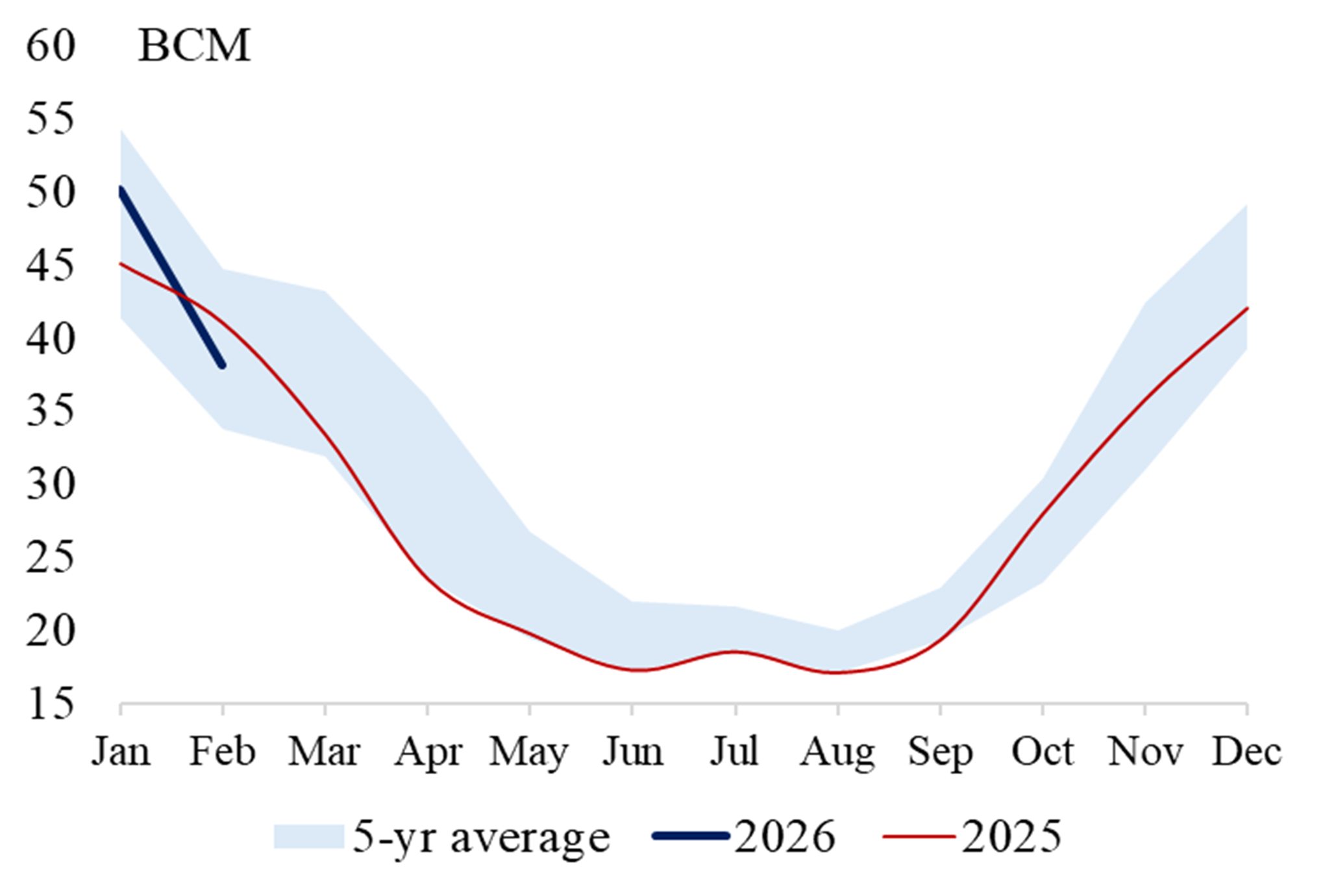
In a press release, Snam announced that, following the latest auctions for gas storage capacity for the coming winter, it has secured enough allocations to meet the government’s target of filling Italy’s gas storage sites to at least 90%. Including previous rounds, the company has now obtained a total of 17.5 billion cubic meters of capacity out of a national total of 19 billion cubic meters. The filling campaign is already in progress, with gas inventories in Italian storage facilities currently exceeding 46.5% of capacity, well above the European average of 31% (see Exhibit 9).
Equinor: Upstream price indicators for 1Q 2026
Equinor released its 1Q 2026 upstream price indicators, which includes March as the month affected by higher oil and gas prices from the Iran war. In Norway, the internal gas transfer price averaged $11.19/mmBtu, (up 25% QoQ) and realized liquids prices reached $83–85/bbl (but missed market expectations by about 8%). In the international business, realized liquids prices were lower at $72–76/bbl, but roughly 11% above market expectations, while oil and gas production is expected to remain stable QoQ. In the USA, Equinor achieved the lowest liquids prices of $60–62/bbl, around 2% below consensus, but gas prices increased QoQ and production was sequentially higher.
UNITED KINGDOM:
UK intends to de-link gas and electricity prices
The UK government will increase taxes on wind and solar farms to push renewable power producers to use fixed-price contracts, as part of the government’s plans to cut the link between electricity and gas prices in the UK. Wind and solar power producers, which currently receive subsidies under the “renewables obligation” scheme will be encouraged to sign so-called “contracts for difference” (CfD), under which the government guarantees a fixed electricity price regardless of the wholesale power price. If the wholesale price rises above the guaranteed fixed price, power producers pay back the difference. As a result, while consumers are protected from high wholesale costs, they also do not fully benefit when wholesale power prices decline. In addition, the UK intends to increase the windfall tax on power generators, which do not use CfD, in order to encourage them to do so. This tax, known as the “electricity generator levy”, was already introduced in 2023 and charges generators a 45% tax on wholesale electricity sold above £75/MWh.
UK scraps carbon tax on gas plants to reduce power bills
The UK will also eliminate the carbon tax on natural gas used by power generators and industry as it tries to lower energy bills while also decarbonizing the grid. The Carbon Price Support, which power generators must pay in addition to buying UK emissions allowances, will end in April 2028, according to the Treasury. The mechanism was introduced in 2013 and adds an extra £18 fee for every metric ton of carbon emissions released into the atmosphere by power producers. Since then, the UK has significantly reduced coal-fired power generation (from around 40% of electricity to zero now) and has dramatically ramped up the use of renewable resources, particularly wind power. The move is adverse for infra-marginal power generation assets (nuclear, hydro and older renewables assets under the Renewable Obligation support), which currently benefit from the implicit c£7/MWh higher UK power price.
UK Water: Only partial inflation protection and PFAS concerns
The UK Water sector offers some protection against inflation given it indexing to CPIH (Consumer Price Index including Housing). The Iran war’s impact on fuel prices and broader inflection implications has compelled the market to look at this inherent attraction in the sector, with listed UK water companies shares broadly outperforming the FTSE 100. That said, the uplift to asset bases is not direct and straightforward. While companies can retain gearing levels to asset base and increase regulatory spending, they are also exposed to the impact from their index-linked debt exposure, varying levels of energy cost hedges and general inflation in their operating expenditures.
In April 2026, an Environmental Audit Committee report raised concerns about the scale of PFAS in the UK and called for a more precautionary national response. The report recommends banning PFAS in non-essential uses by 2027, although implementing this could require complex coordination across several stakeholders and industry. While the report does not imply immediate action points for water companies, the report creates an important area where Ofwat (UK Water Services Regulation Authority) might consider re-openers for additional spending opportunities adding to the water companies’ Regulatory Asset Base. The UK’s Public Accounts Committee, announced on 24 April that it includes water regulation as part of a set of inquiries on the UK Government’s spending and delivery across a range of departments. The inquiry will cover Ofwat performance and may also consider water companies’ impact and the balance between long-term infrastructure funding and consumer outcomes.
MIDDLE EAST:
ACWA Power: Compelling growth prospects in Saudi Arabia
ACWA Power stands to gain from the accelerating push to decarbonize power generation across the Middle East. Its business model is supported by risk‑sharing partnerships, the company typically holds a 30–40% equity stake in projects, along with steady fee income from the development, construction, and operations, and a joint venture with the Public Investment Fund (PIF) to deliver around 70% of Saudi Arabia’s renewable capacity. Nearly all of ACWA’s assets operate under long‑term power purchase agreements (PPAs) with government or quasi‑government buyers, providing solid visibility on cash flows and reducing earnings risk. The bulk of ACWA’s future growth will likely come from Saudi Arabia, where the combination of low risk and attractive returns makes projects particularly compelling. Through its collaboration with the PIF, ACWA is positioned as a key player in achieving Saudi Arabia’s renewable energy ambitions as part of the Water & Renewables Infrastructure pillar in the PIF’s 2026–2030 strategy.
JAPAN:
Takaichi government eyes nuclear power revival
The Takaichi administration is prioritizing domestic energy production and, with regards to nuclear policy, aims to accelerate the restart of nuclear power plants and develop a new generation of advanced reactors. Following the decisive victory in the February 2026 general election, the stable political environment could provide momentum for a renewed nuclear drive in Japan. One key project is the Tomari No. 3 reactor in Hokkaido, which is projected to restart in July 2027, contingent on the completion of safety upgrades. Hokkaido Electric Power expects the work to conclude around March 2027, and current forecasts align with that schedule. However, market sentiment still reflects concerns about possible delays, meaning the restart potential may not yet be fully reflected in expectations. In addition, electricity demand in Hokkaido is expected to increase significantly, supported by the construction of new energy-intensive industries, including AI data centers.
CHINA:
Coal dependency shields power sector from rising gas prices
China has an estimated 1.2 – 1.4 billion barrels oil reserves (consisting of strategic petroleum reserves and commercial inventories). Therefore, the country has been able to mitigate some of the oil supply shock resulting from the Iran war by allowing state refiners to tap into commercial reserves, by curbing exports of refined products, burning more coal in power generation and importing more oil from other countries, such as Brazil and Russia. However, despite these policy measures, China reported in March its first yearly increase in the Producer Price Index since 2022, which clearly revealed the limits of fully shielding itself from rising energy prices. The Iran war continues to re-emphasize the strategic importance of energy self-sufficiency and validated both China’s ongoing build-up of coal-fired generation capacity and the growing support for renewable energy (see also Exhibits 3-6 under “Monthly Focus”). In April, several Chinese power generation companies have posted strong share price gains (China Resources Power, Huaneng Power Int’l), which mostly reflected the still strong exposure to coal-fired electricity generation (despite an ongoing switch to renewable energy) as China continues to depend mostly on coal in power generation.
European Power Prices and Global Electricity Demand Growth
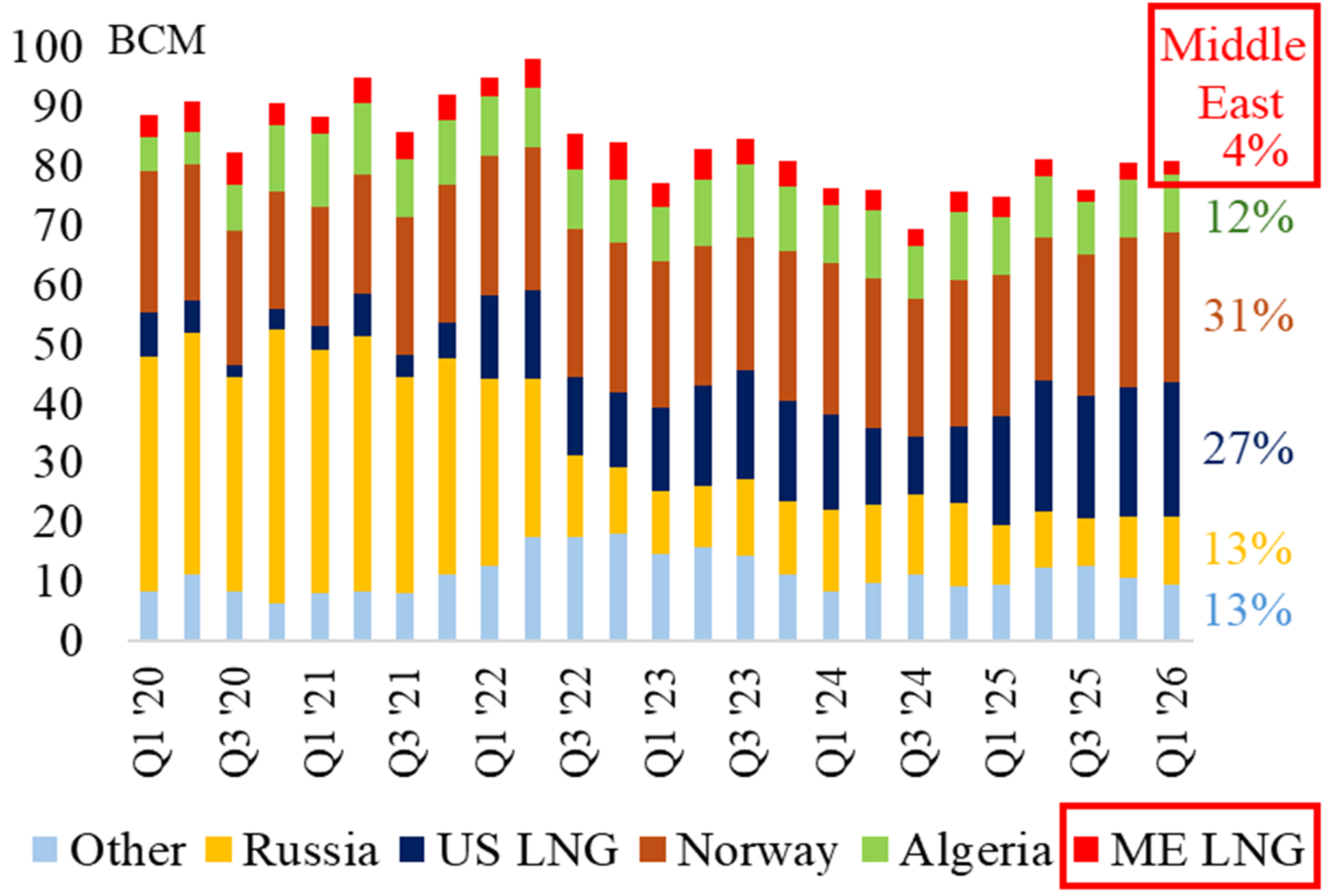
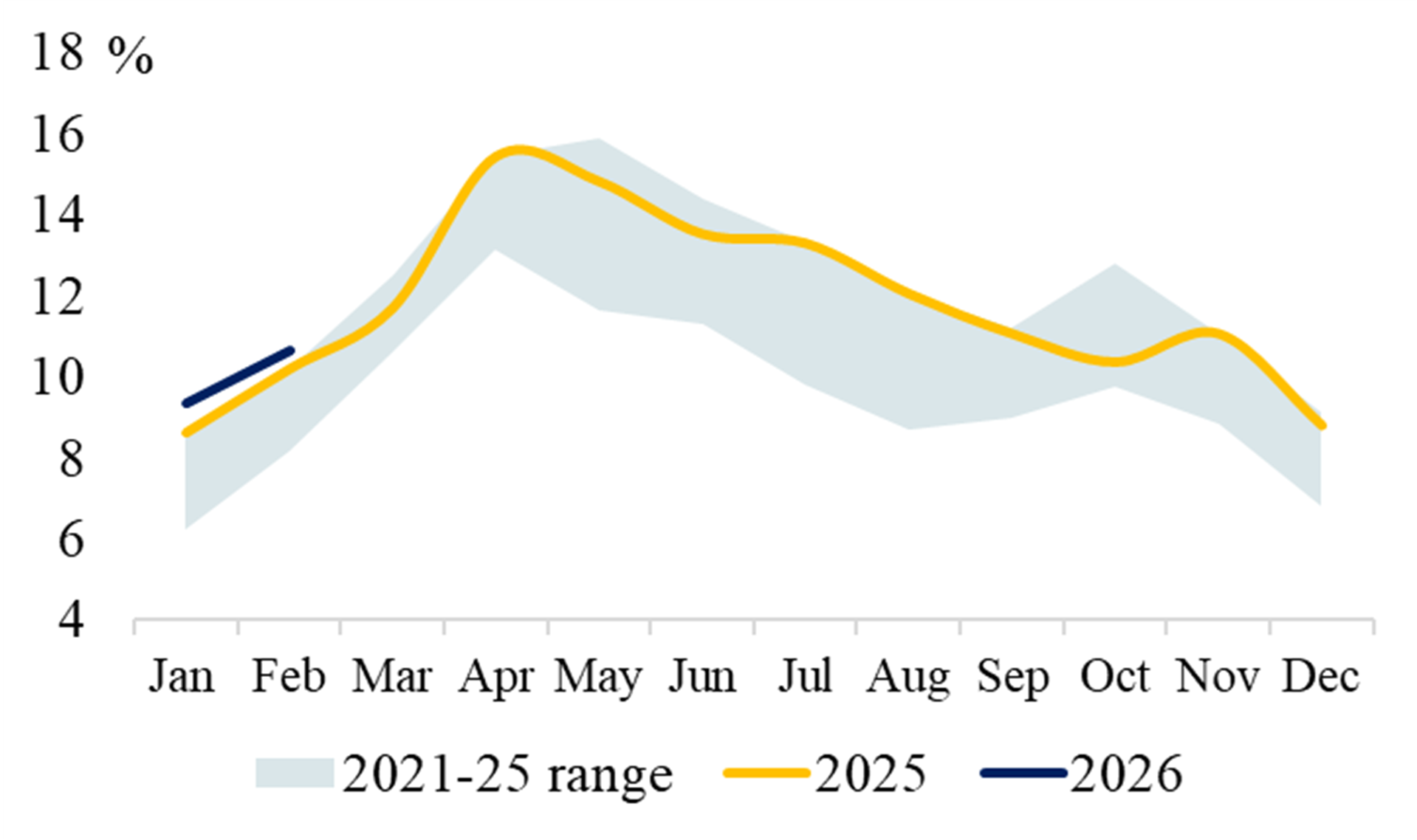
The closure of the Strait of Hormuz has pushed European gas and electricity prices higher, which triggered the second energy crisis in Europe over the past four years. While Europe faces less volume risk for gas imports compared to 2022/23, when Russia had stopped its pipeline gas deliveries, Europe will have to compete with Asian LNG buyers this summer, when it tries to replenish its depleted gas storage for the next winter again (EU gas storage is currently only 31% full at the end of April 2026, similar to April 2022, see Exhibit 9). While LNG prices have declined from peak levels of $20/MMBtu in mid-March to $16/MMBtu on hopes that a resolution of the Iran war could open the Strait of Hormuz again, LNG prices are expected to stay higher for longer and should keep EU gas prices also elevated in 2026 (which have also fallen from €60/MWh in March to €40t/MWh). Accordingly, average LNG and EU gas prices in 2026 are already back to the average price levels from crisis year 2023 (see Table 2).
Table 2 Average Electricity, Carbon, Coal and Natural Gas Prices
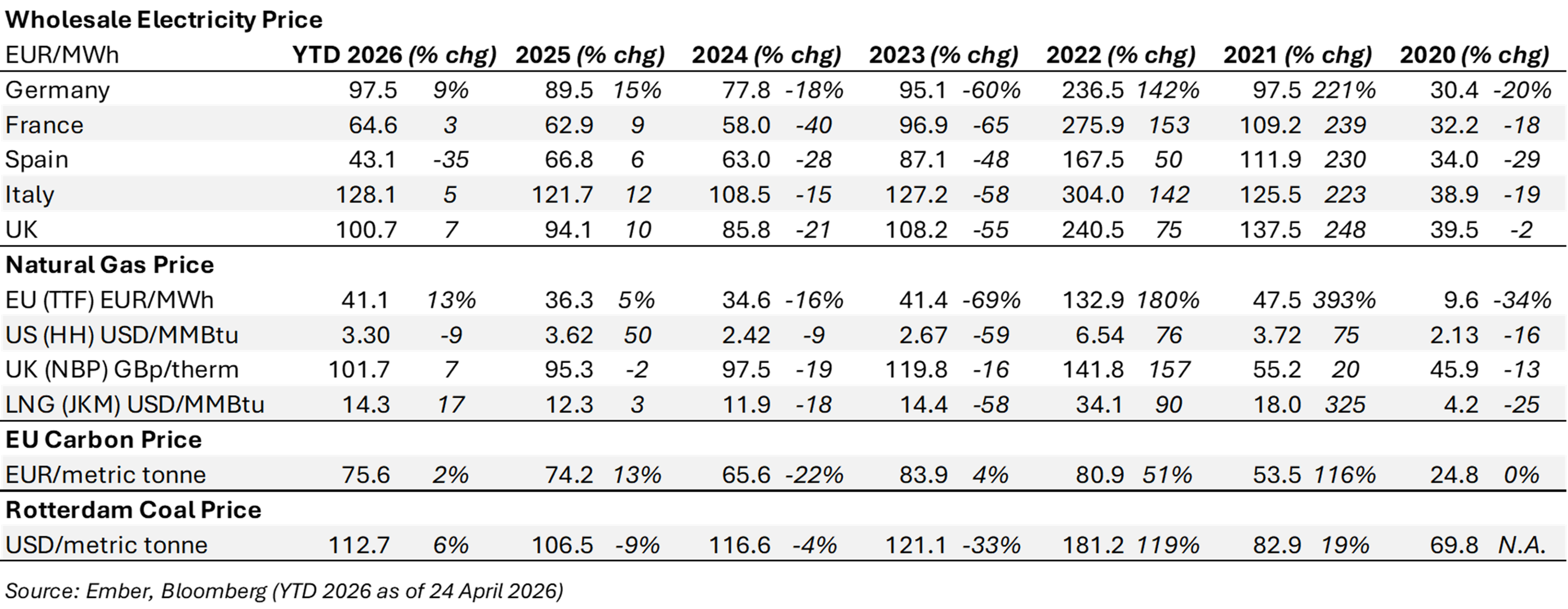
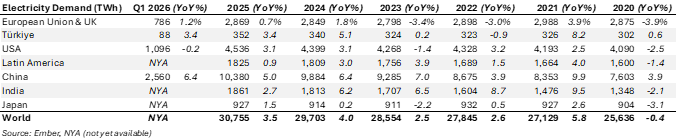
In addition, the increase in EU gas prices has also lifted EU electricity prices again, as gas remains the price setter for electricity in Europe because gas-fired power generation is the marginal power supplier under Europe’s merit order principle. European governments are trying to break this link between gas and power prices by introducing fixed price contracts for intra-marginal (non-gas-fired) power generation (see “Power Points”). Accordingly, average wholesale electricity prices in gas-dependent countries (Germany, Italy and the UK), have YTD in 2026 already surpassed average power prices in 2025 and are also back to (or even above) average prices in crisis year 2023 (see Table 2). Meanwhile, additional upward pressure on European power prices comes from growing power demand as the EU & UK together saw a 1.2% YoY increase in electricity demand in 1Q 2026, while power demand jumped by 6.4% in China but was flat in the USA during the first quarter of the year (see Tabe 3).
Table 3 Annual Electricity Demand (TWh)
Gas Storage and LNG Flows
Exhibit 7 US Gas Storage Exhibit 8 US LNG Exports
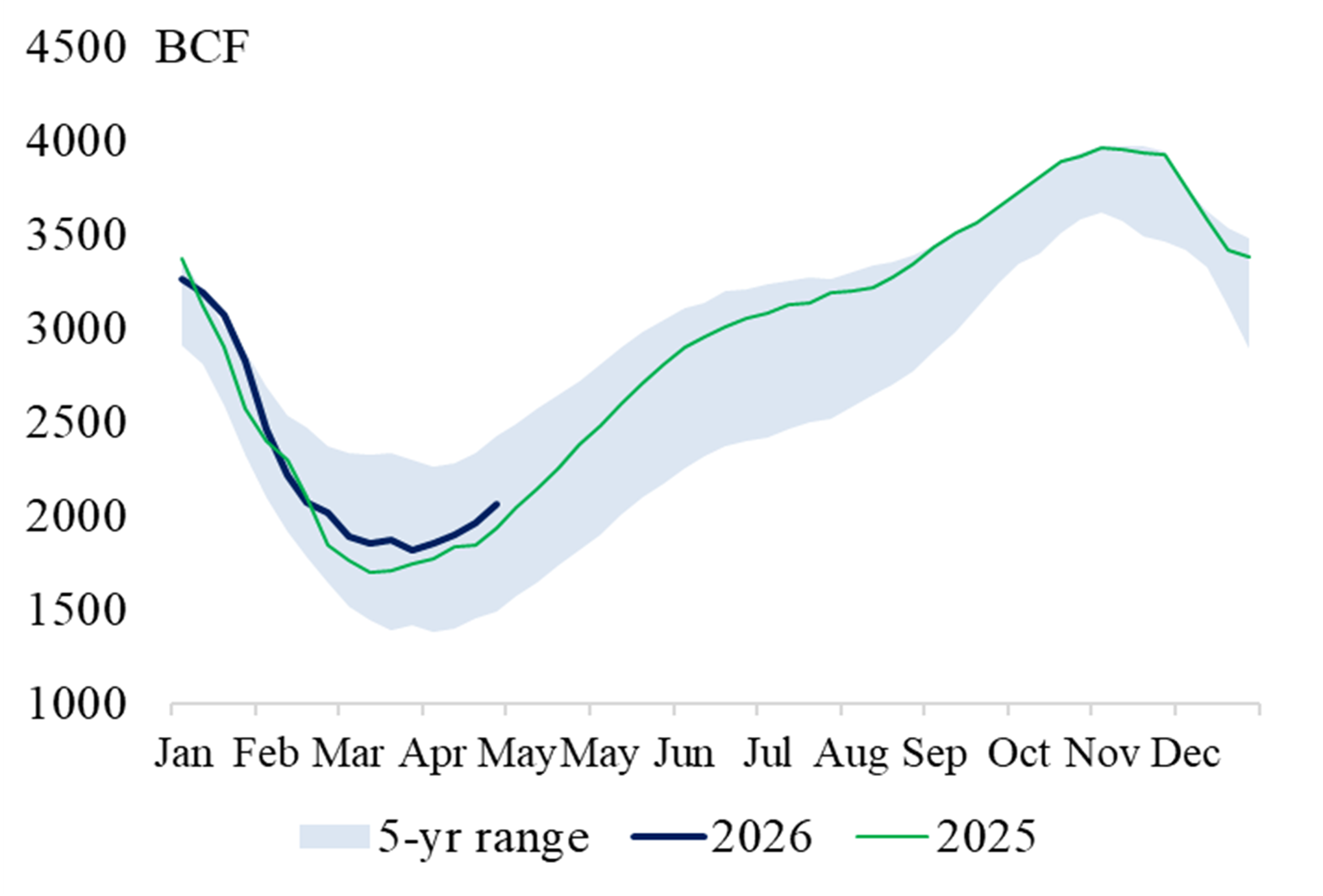
Source: US Energy Information Administration Source: US Energy Information Administration
Exhibit 9 EU Gas Storage (% full) Exhibit 10 EU Gas Demand
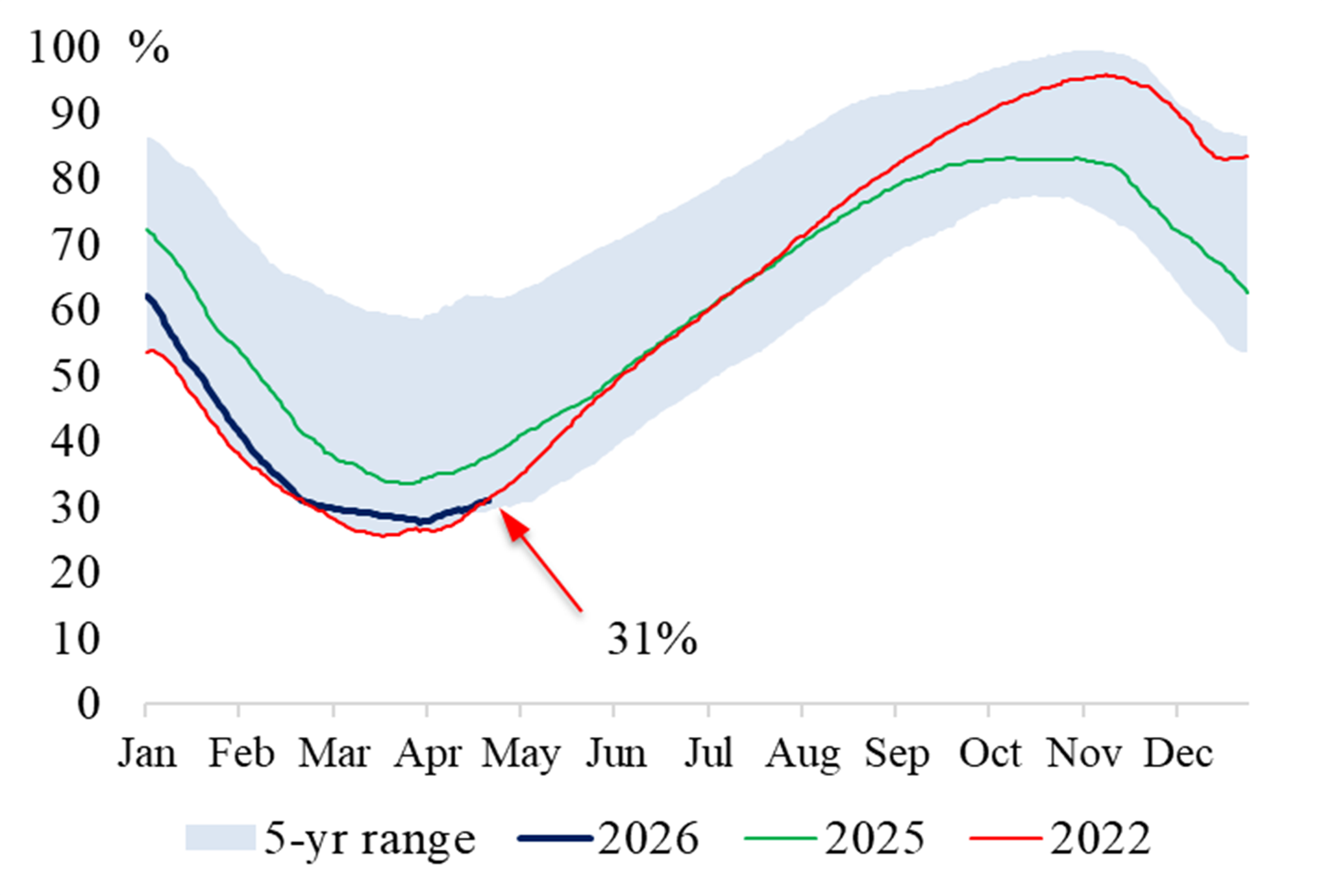
Source: Gas Infrastructure Europe Source: Eurostat
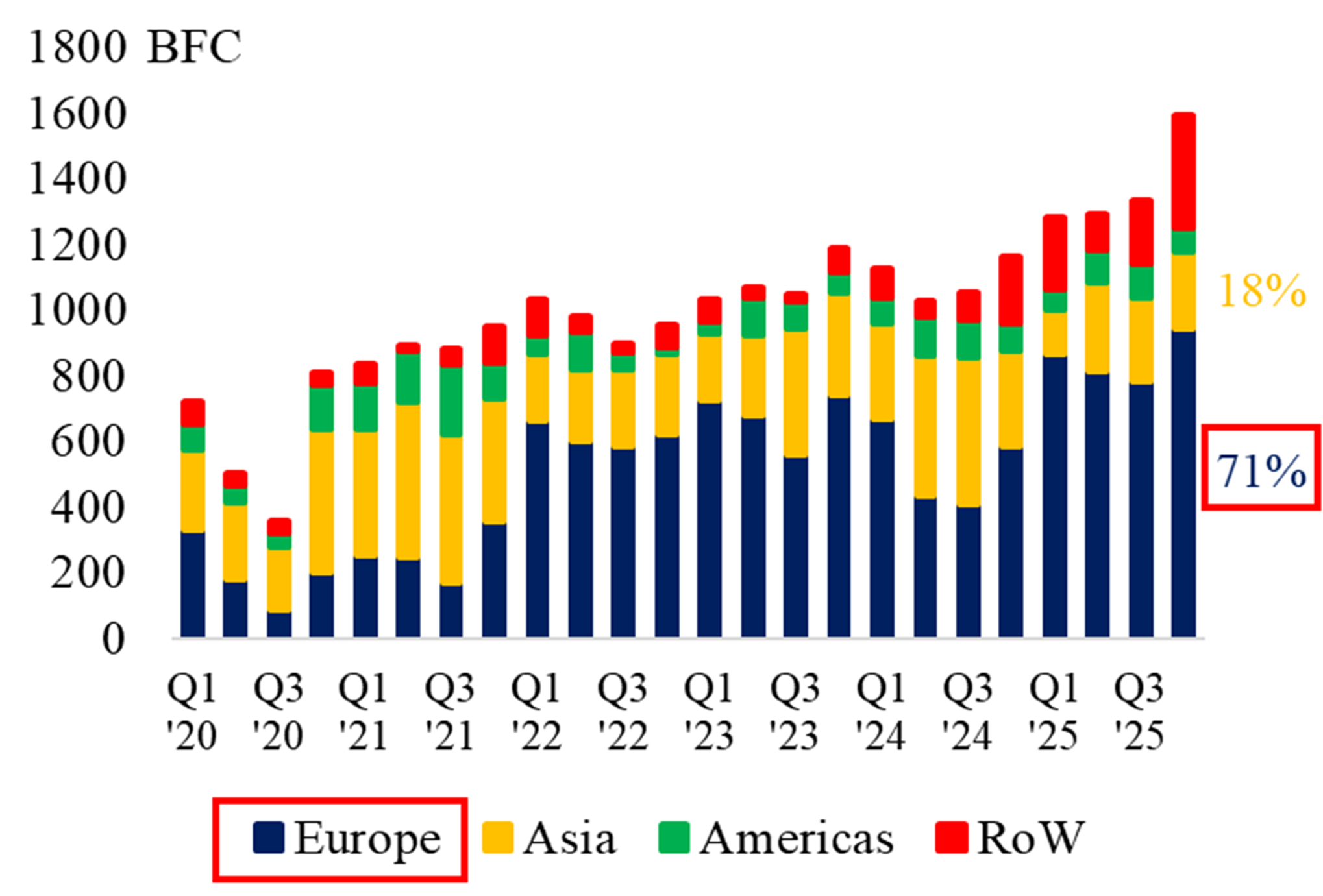
Exhibit 11 EU Quarterly Gas Imports by Source Exhibit 12 EU LNG Imports by Region
Source: Bruegel Source: Bruegel
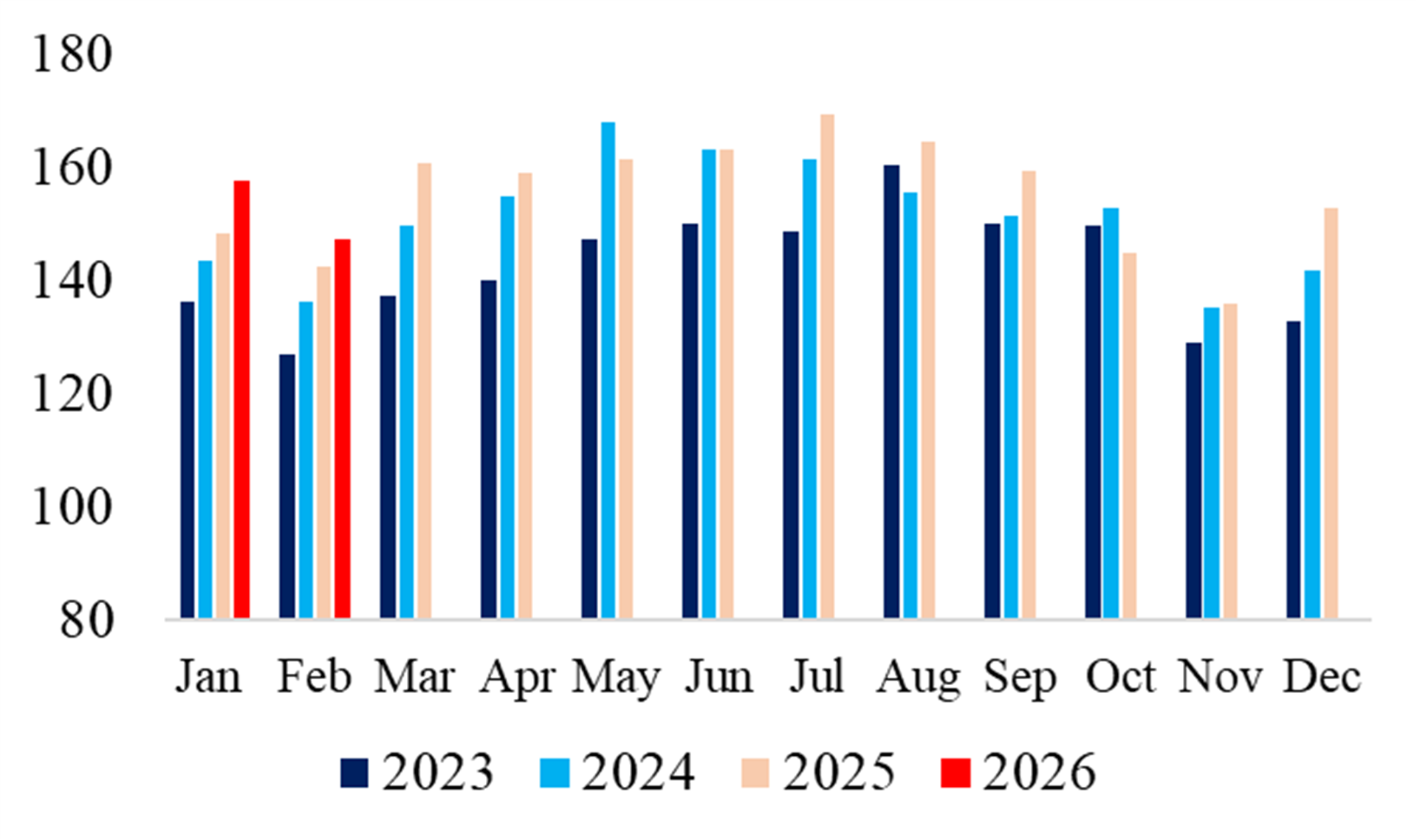
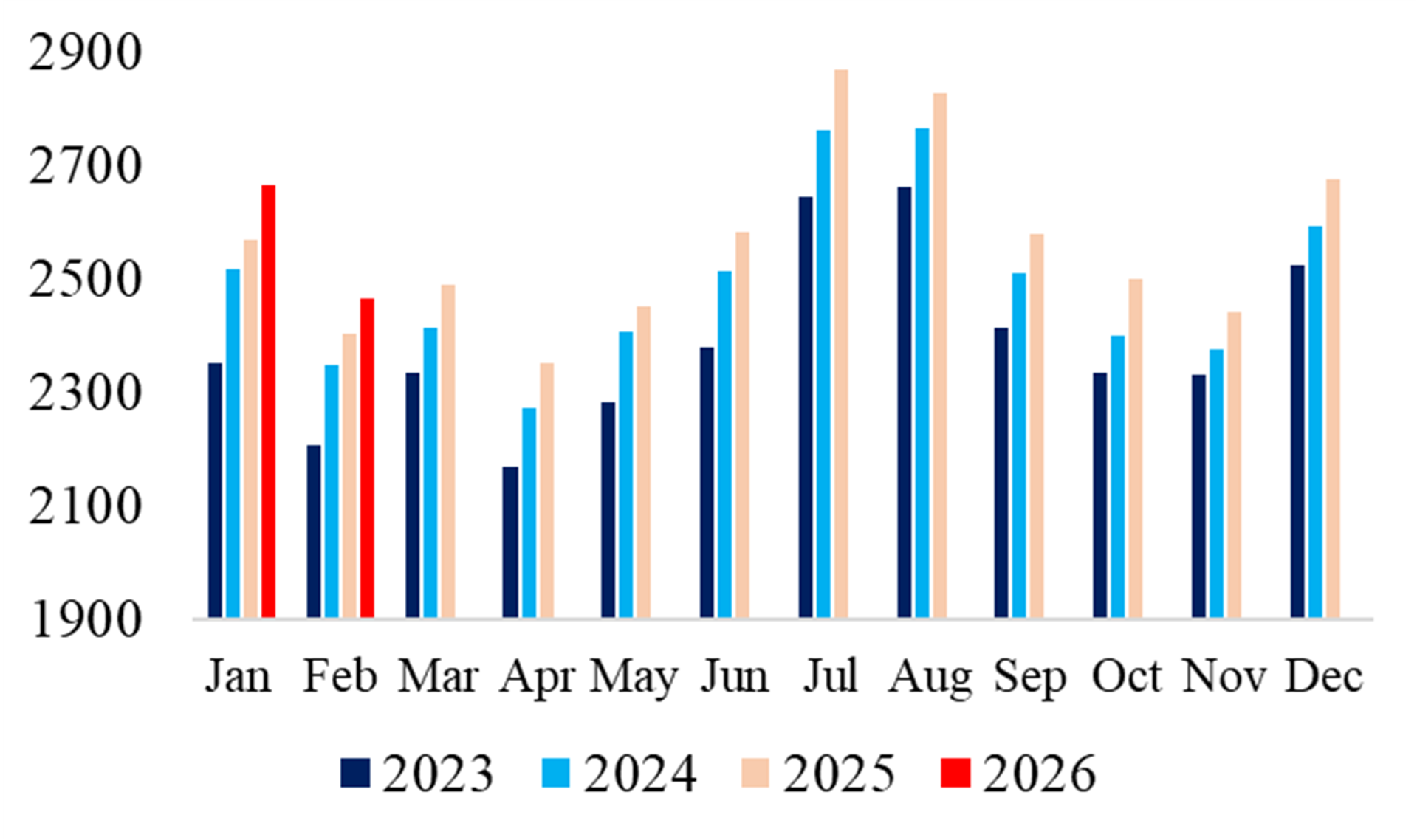
Global Electrification Trends (Power Demand in TWh)
Exhibit 13 Europe Electricity Demand Exhibit 14 USA Electricity Demand
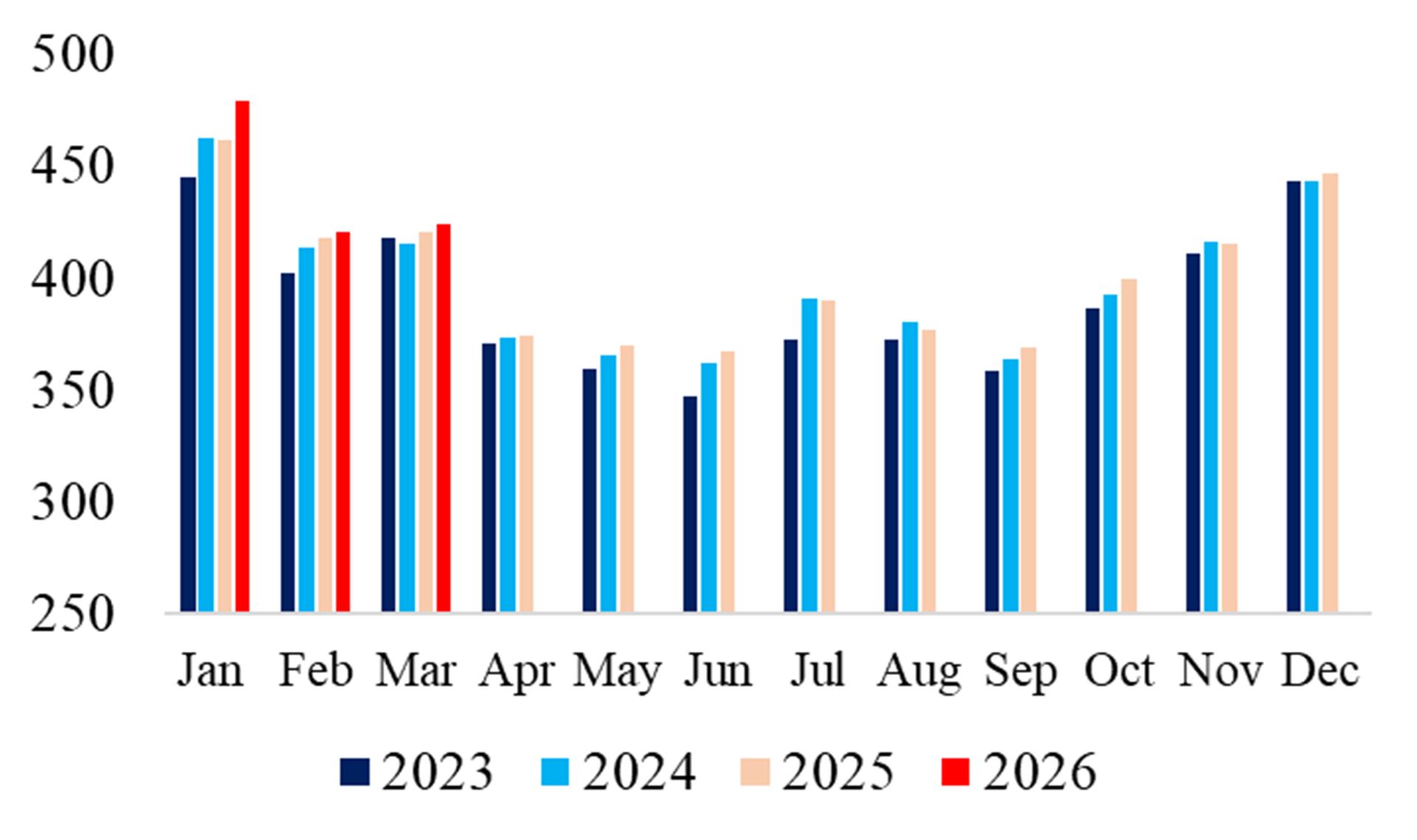
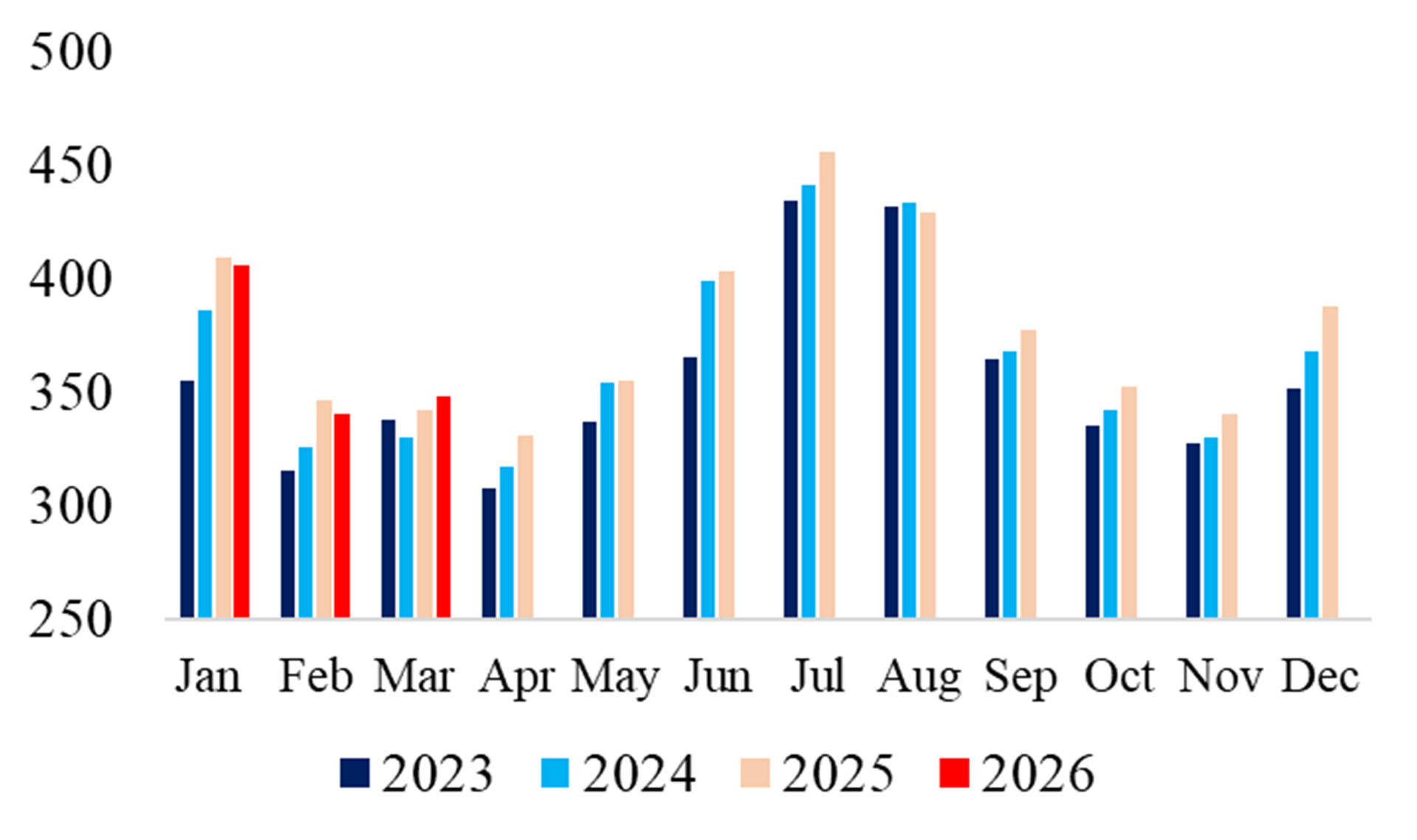
Exhibit 15 Türkiye Electricity Demand Exhibit 16 LatAm Electricity Demand
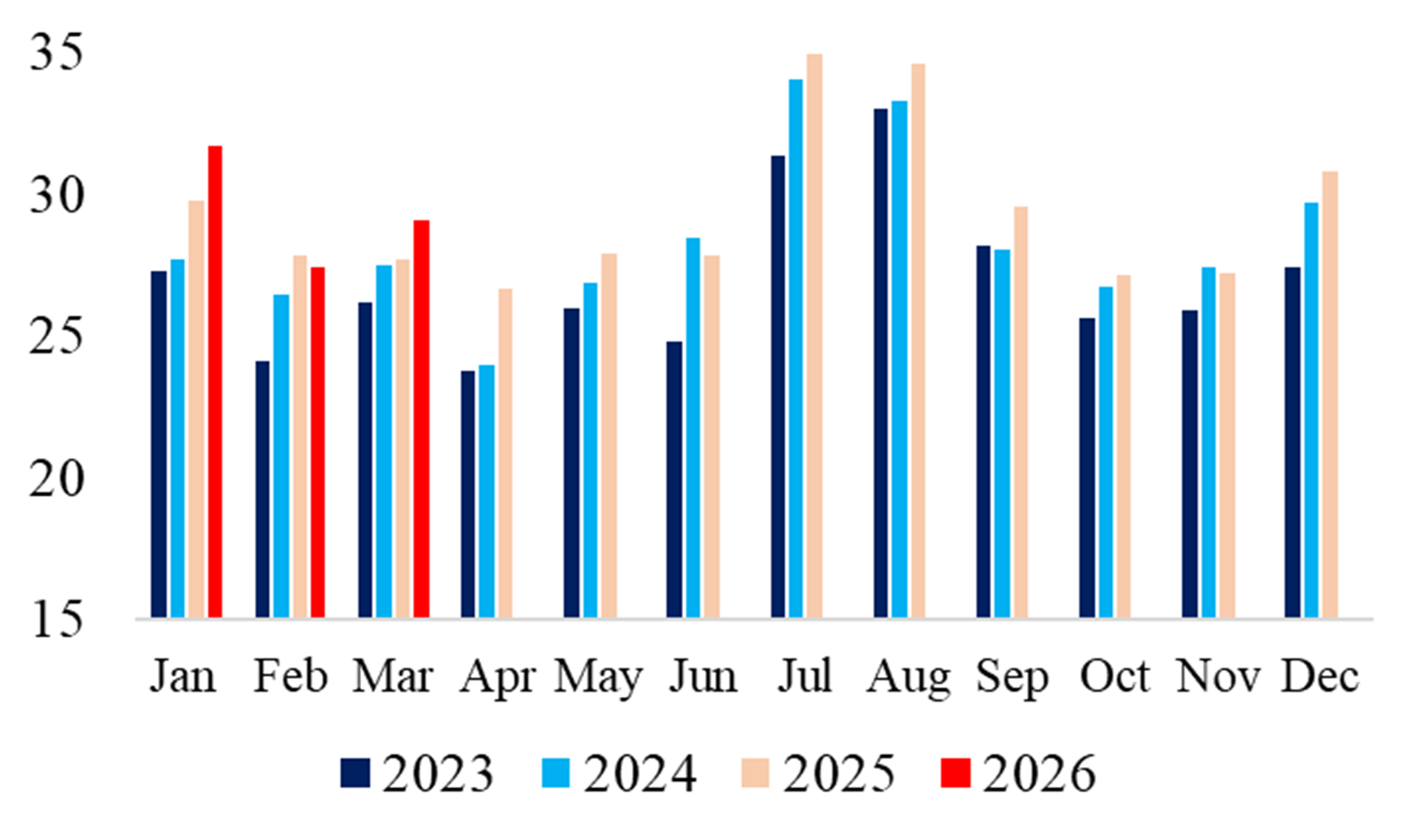
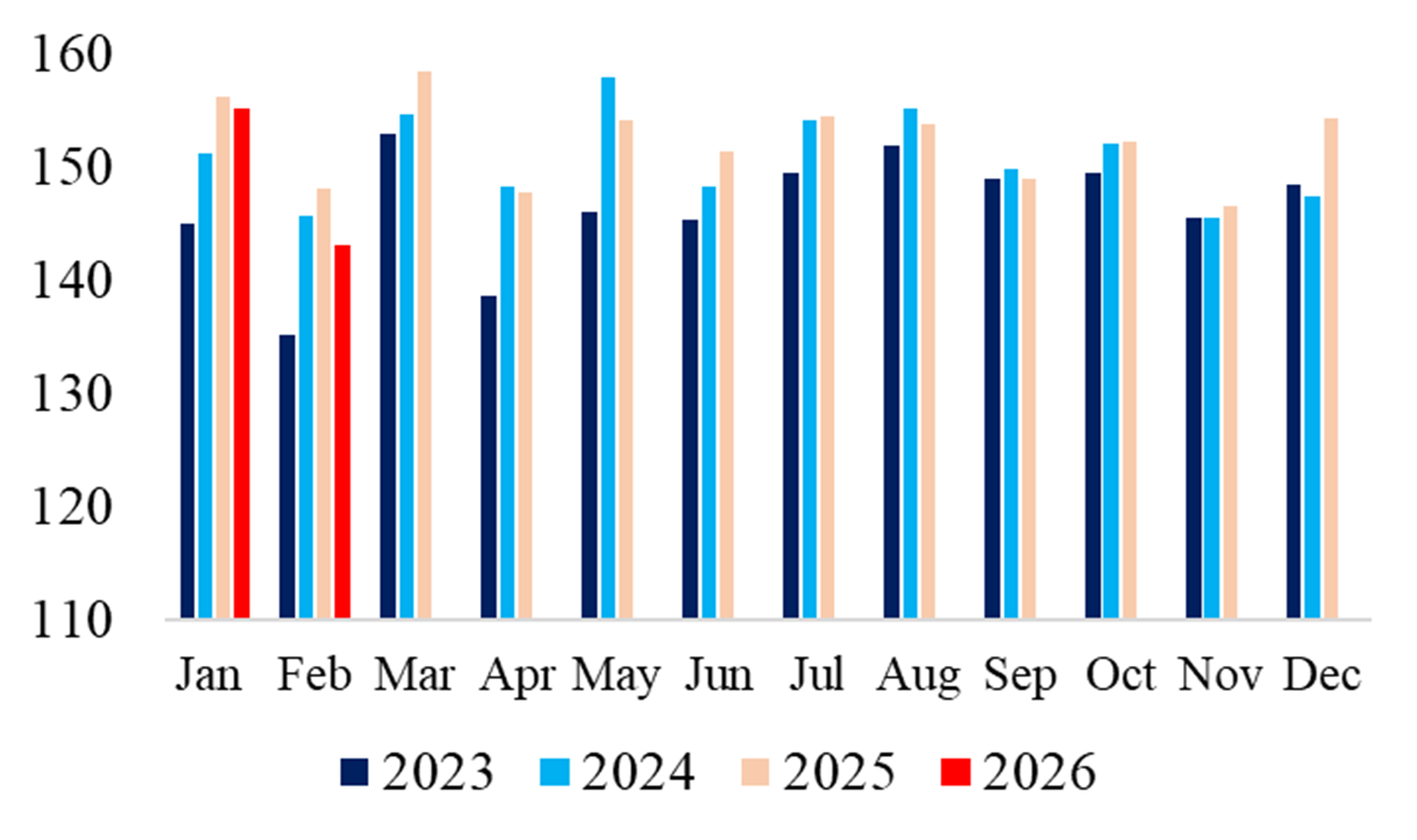
Exhibit 17 China Electricity Demand Exhibit 18 Japan Electricity Demand
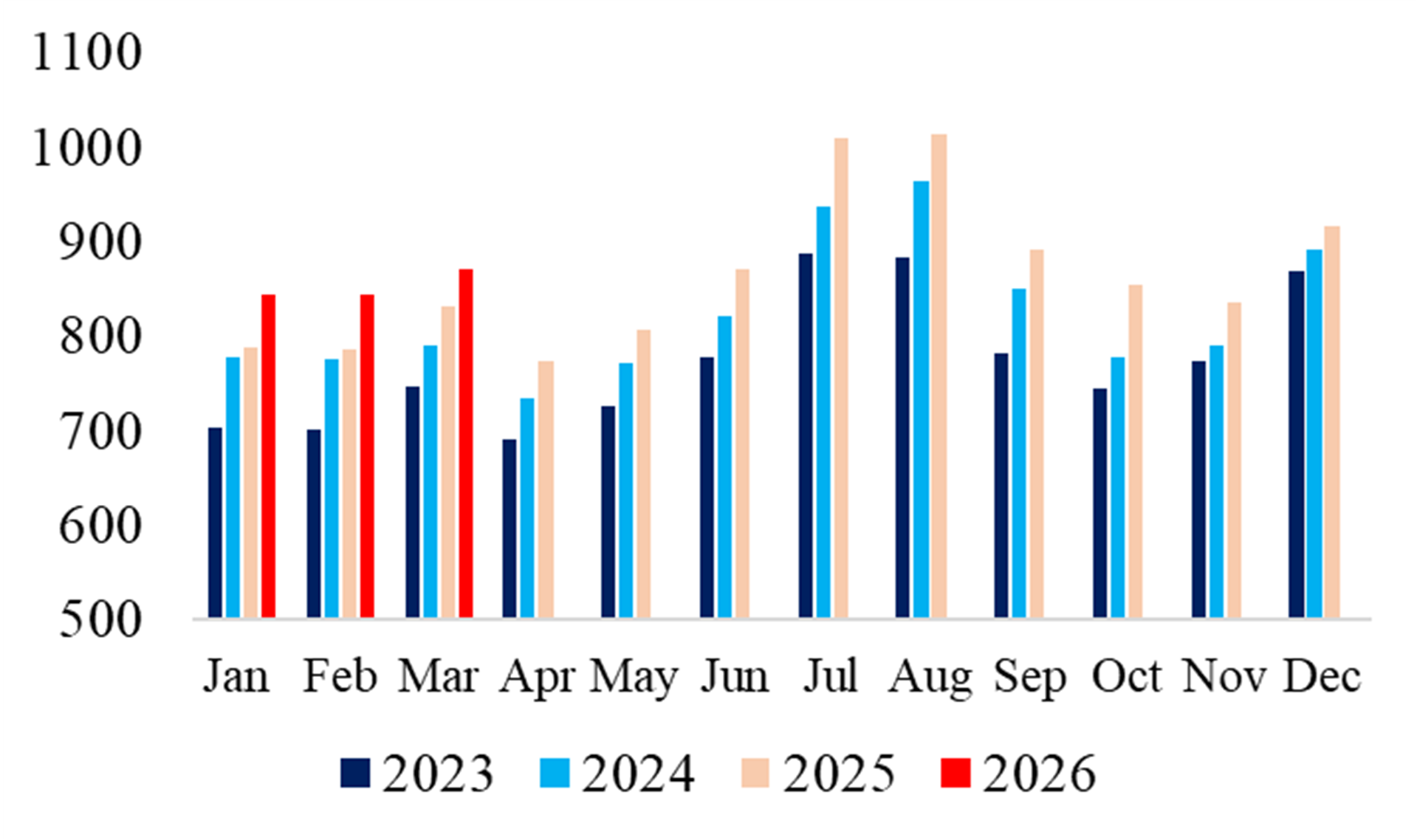
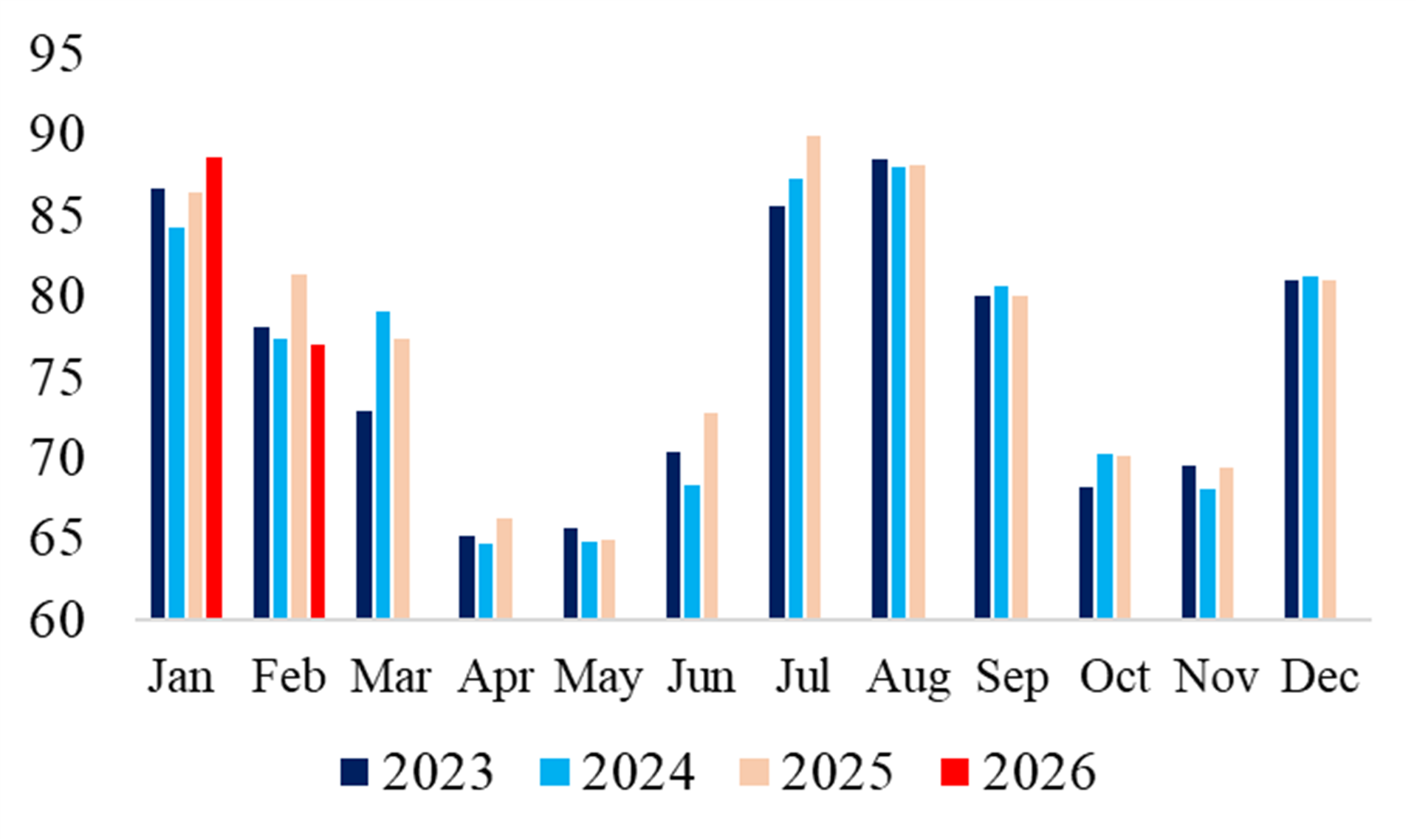
Exhibit 19 India Electricity Demand Exhibit 20 World Electricity Demand
Source: EMBER
Power Tracker: Changing Fuel Mix and 3 Biggest Sources of Power Generation
EUROPE
Exhibit 21 Europe: Biggest Source of Electricity in Each Country
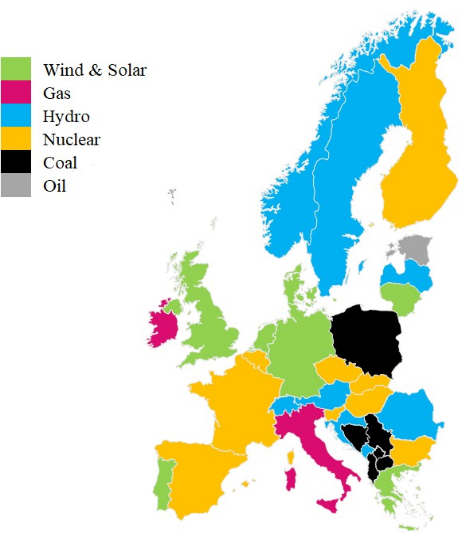
Exhibit 22 Power Generation Exhibit 23 Share of Wind & Solar (%)
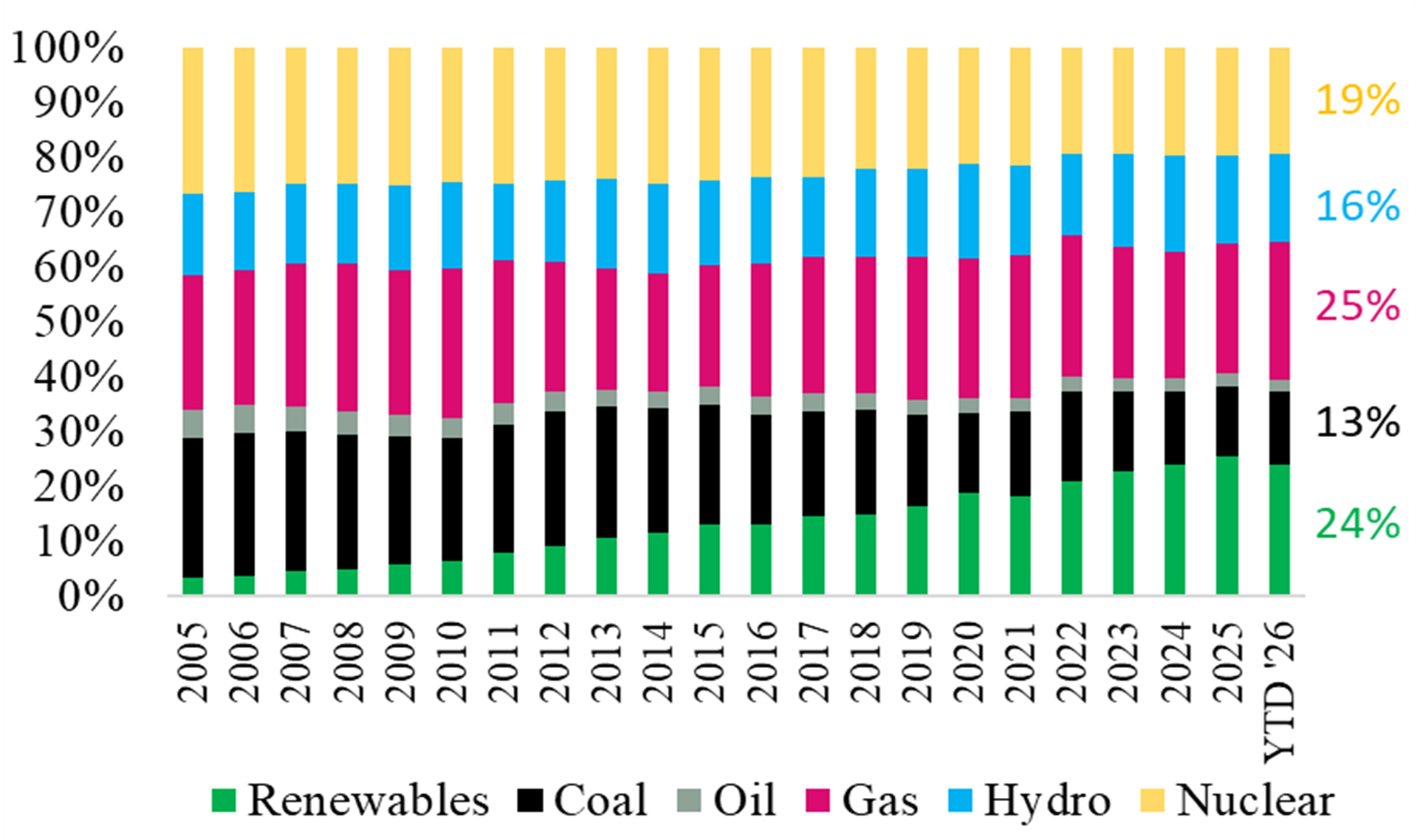
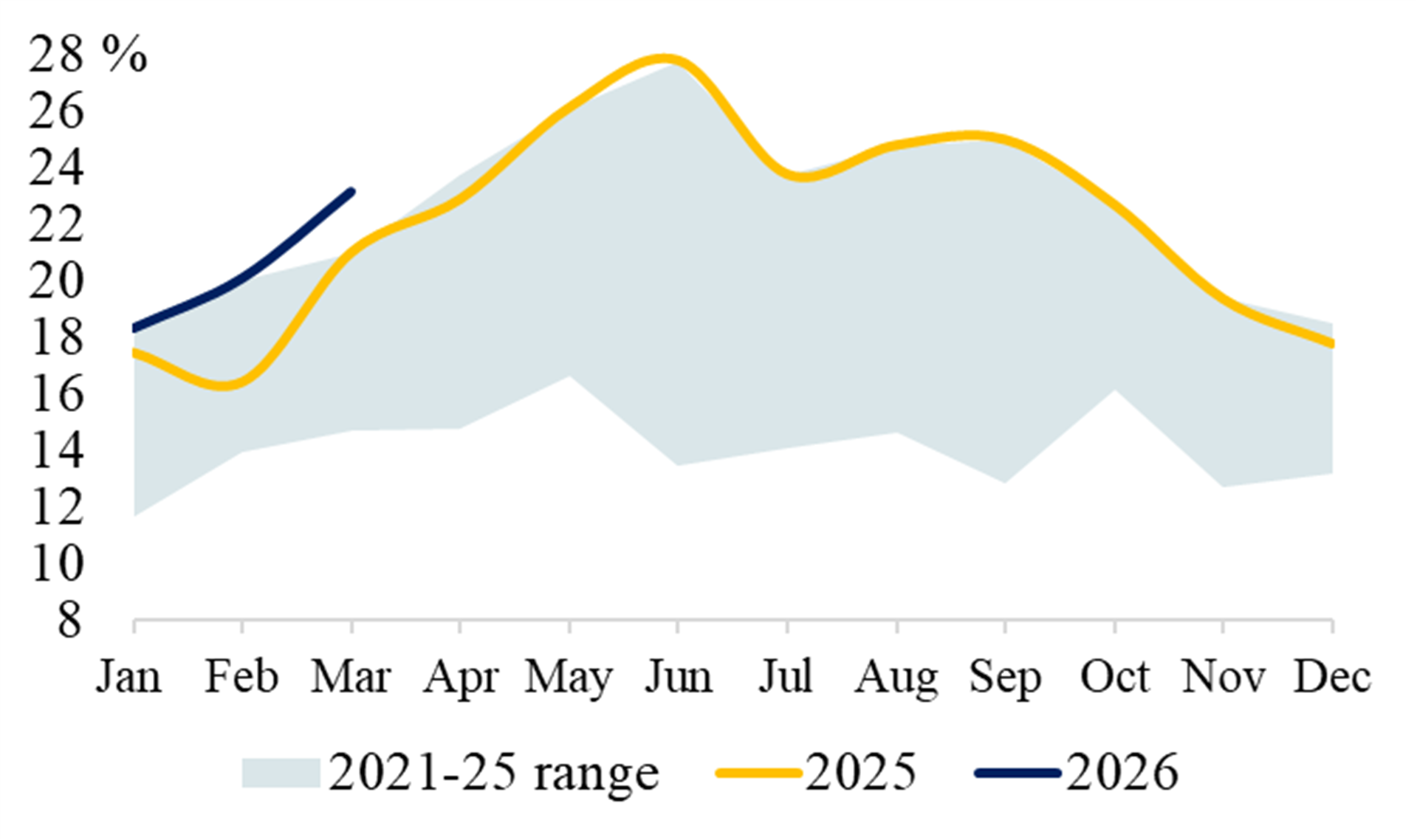
Exhibit 24 Share of Gas (%) Exhibit 25 Share of Nuclear (%)
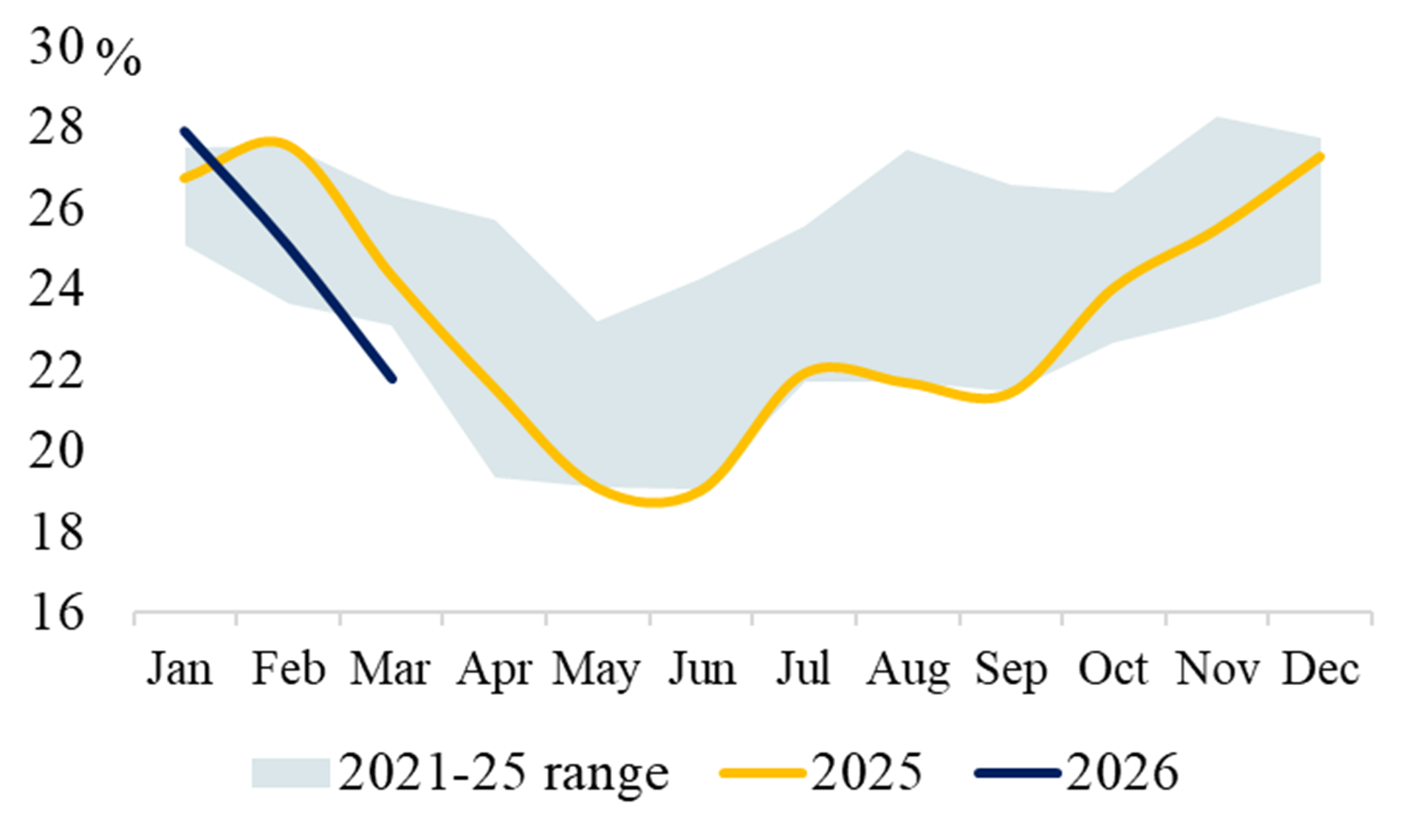
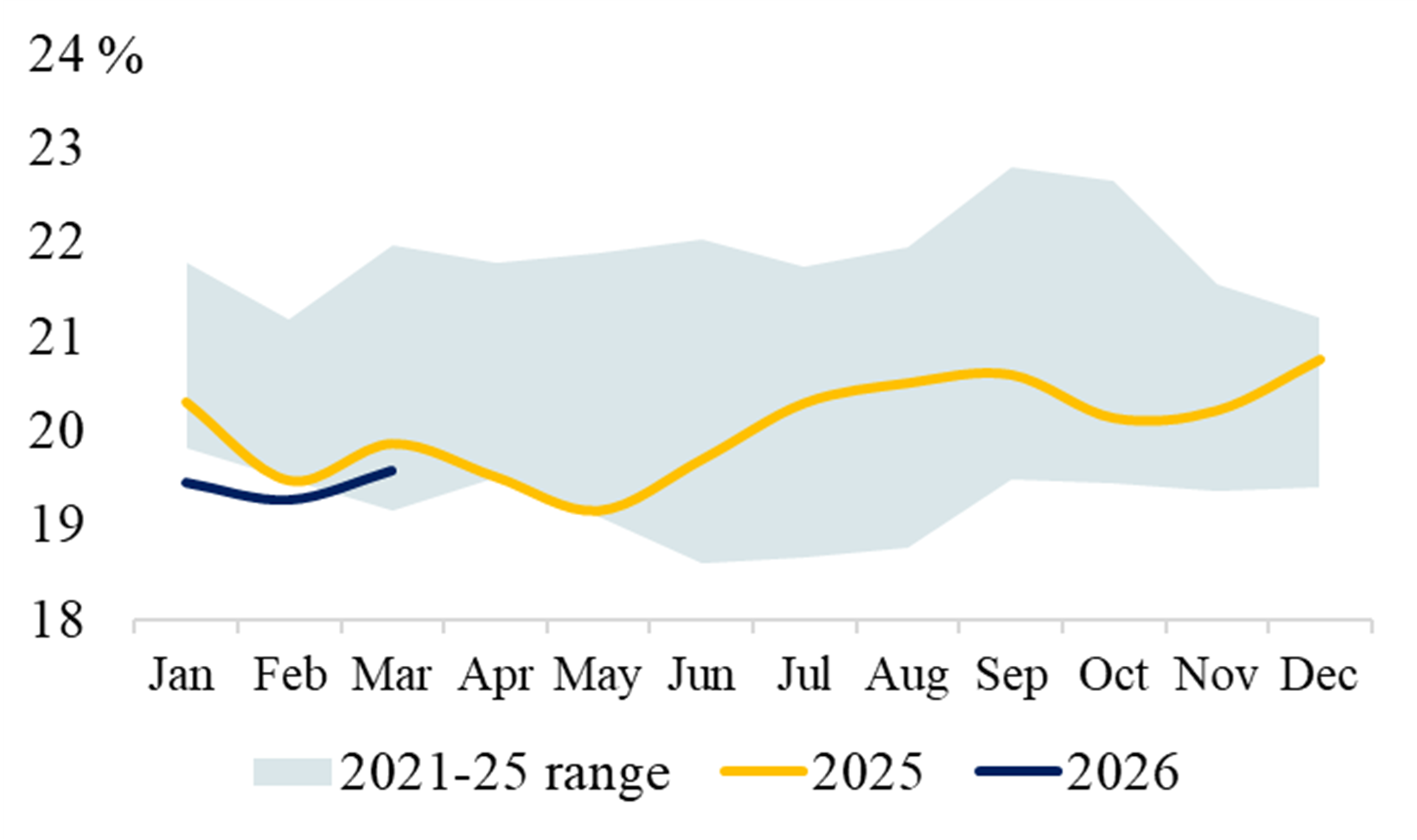
Source: EMBER
USA
Exhibit 26 USA: Biggest Source of Electricity in each State
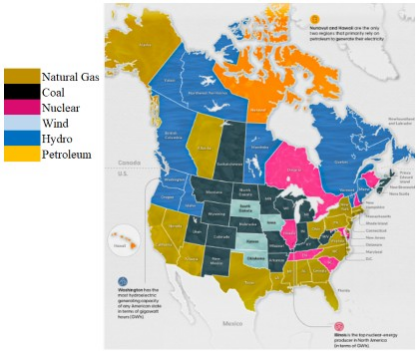
Exhibit 27 Power Generation Exhibit 28 Share of Gas (%)
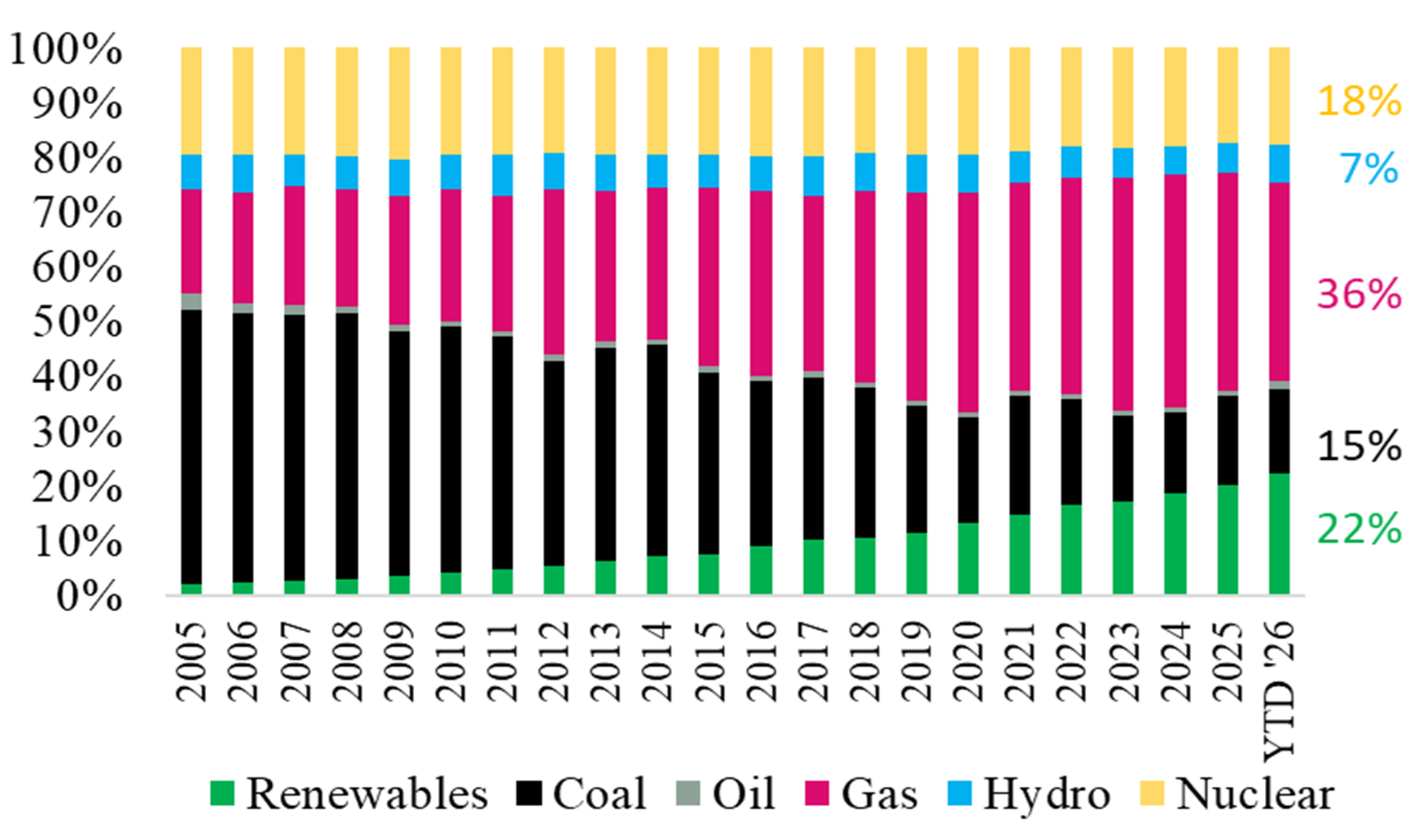
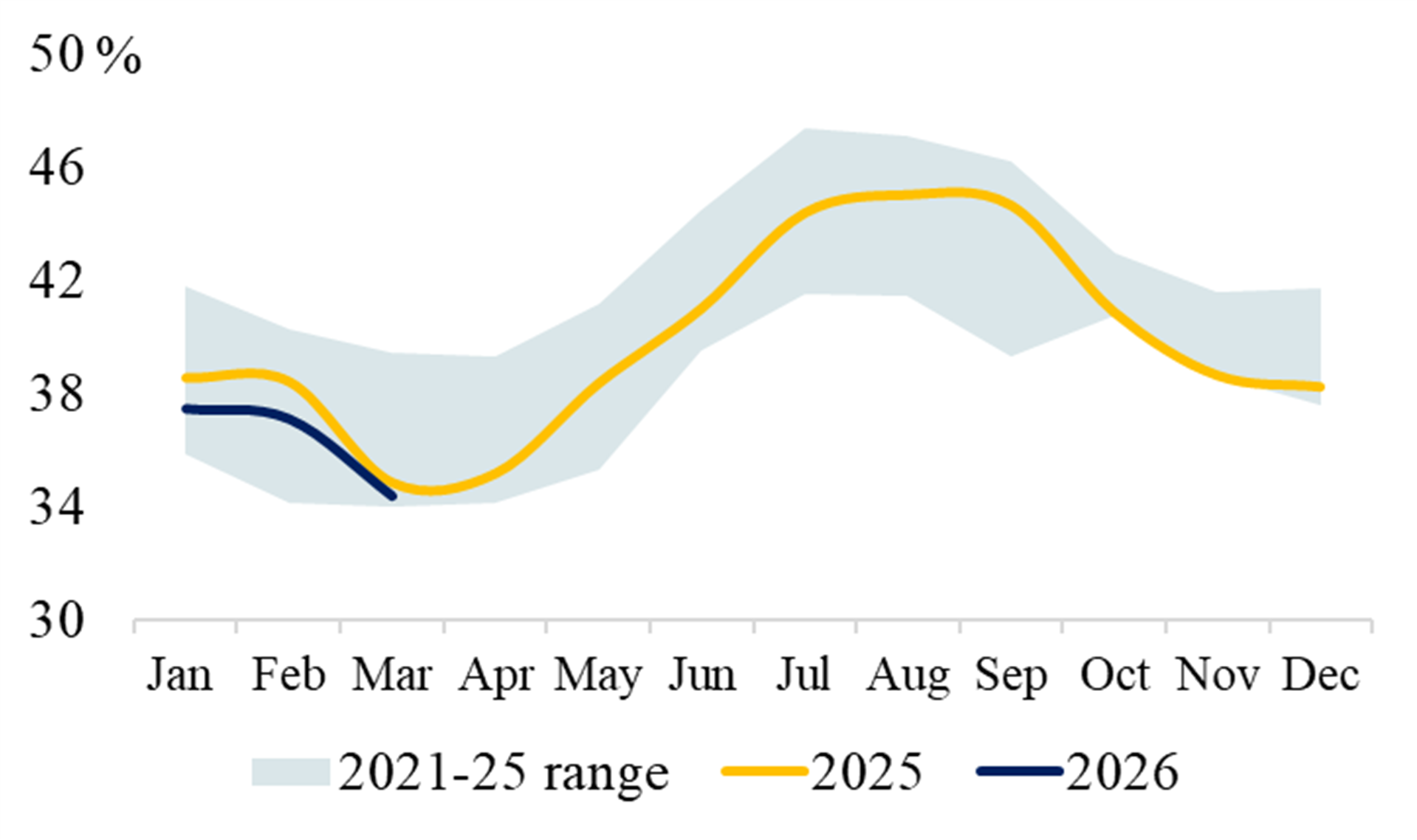
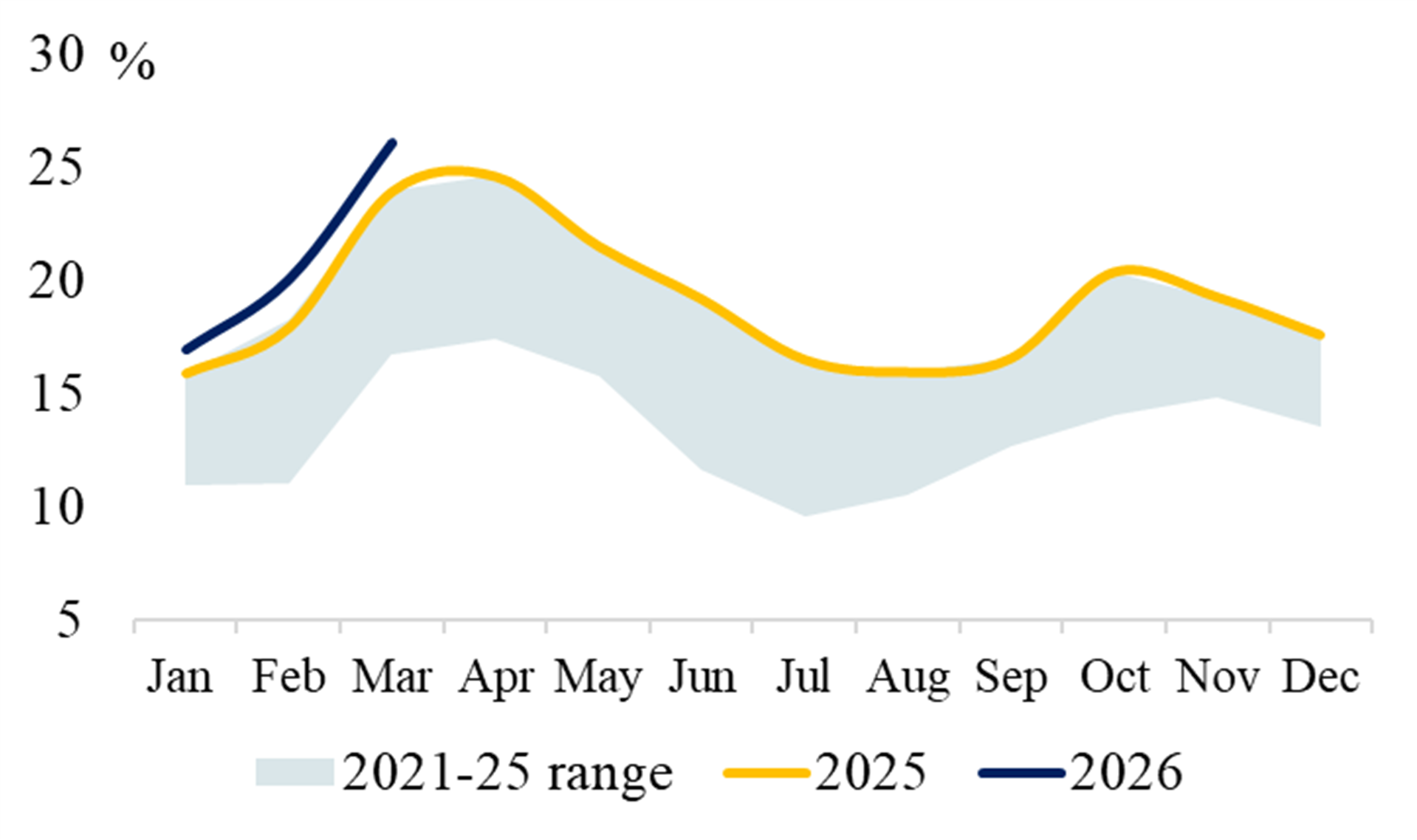
Exhibit 29 Share of Wind & Solar (%) Exhibit 30 Share of Nuclear (%)
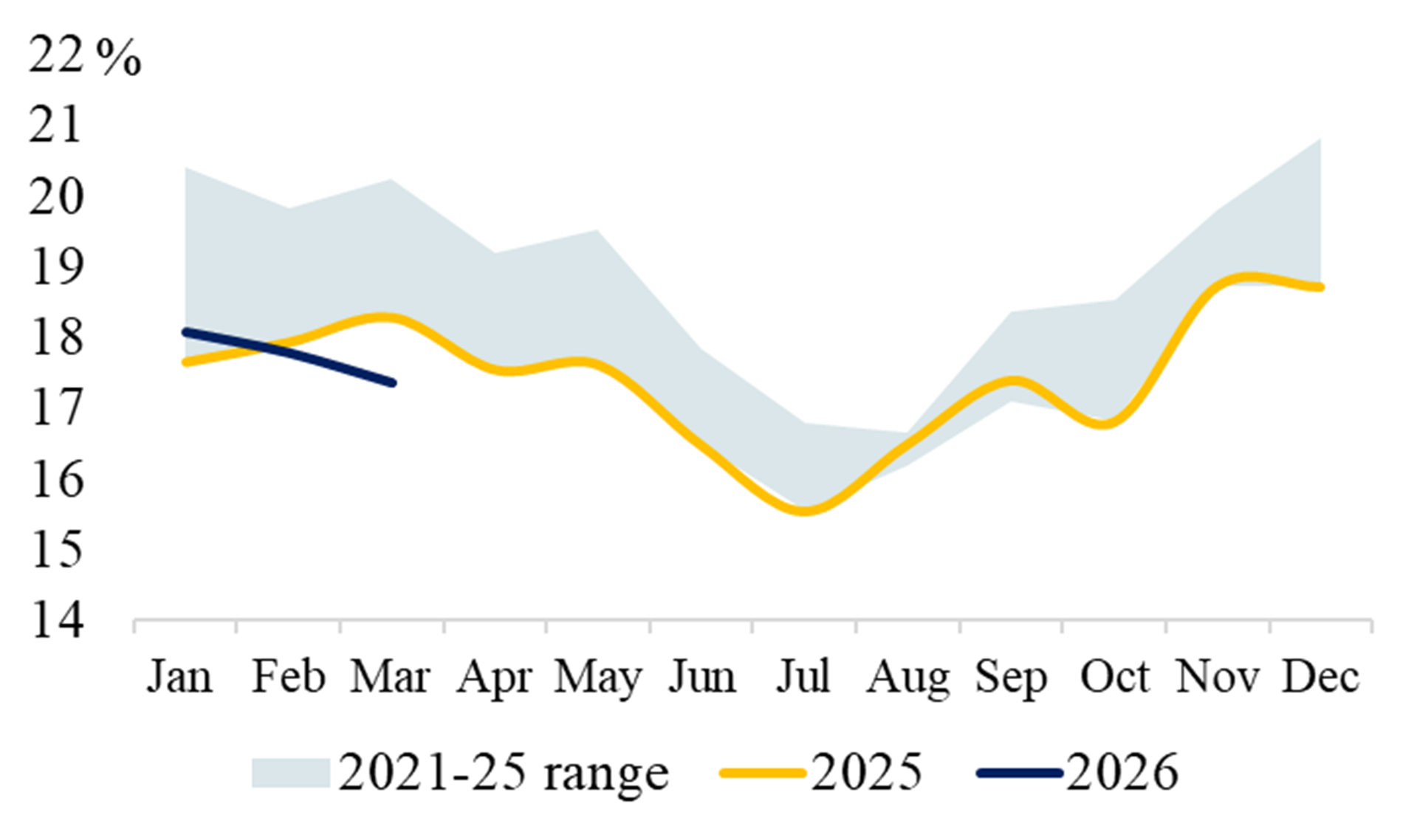
Source: EMBER
TÜRKIYE
Exhibit 31 Power Generation Exhibit 32 Share of Coal (%)
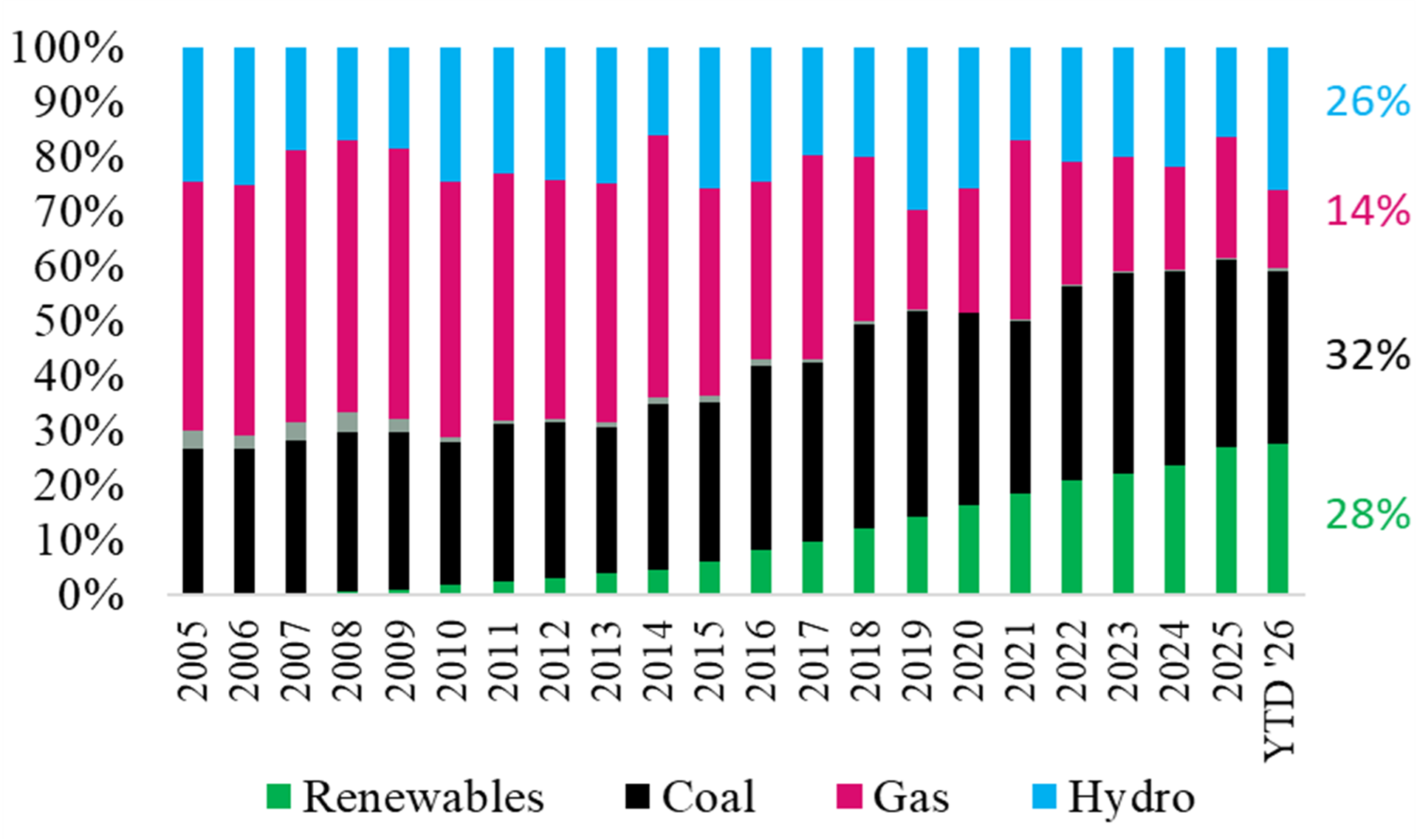
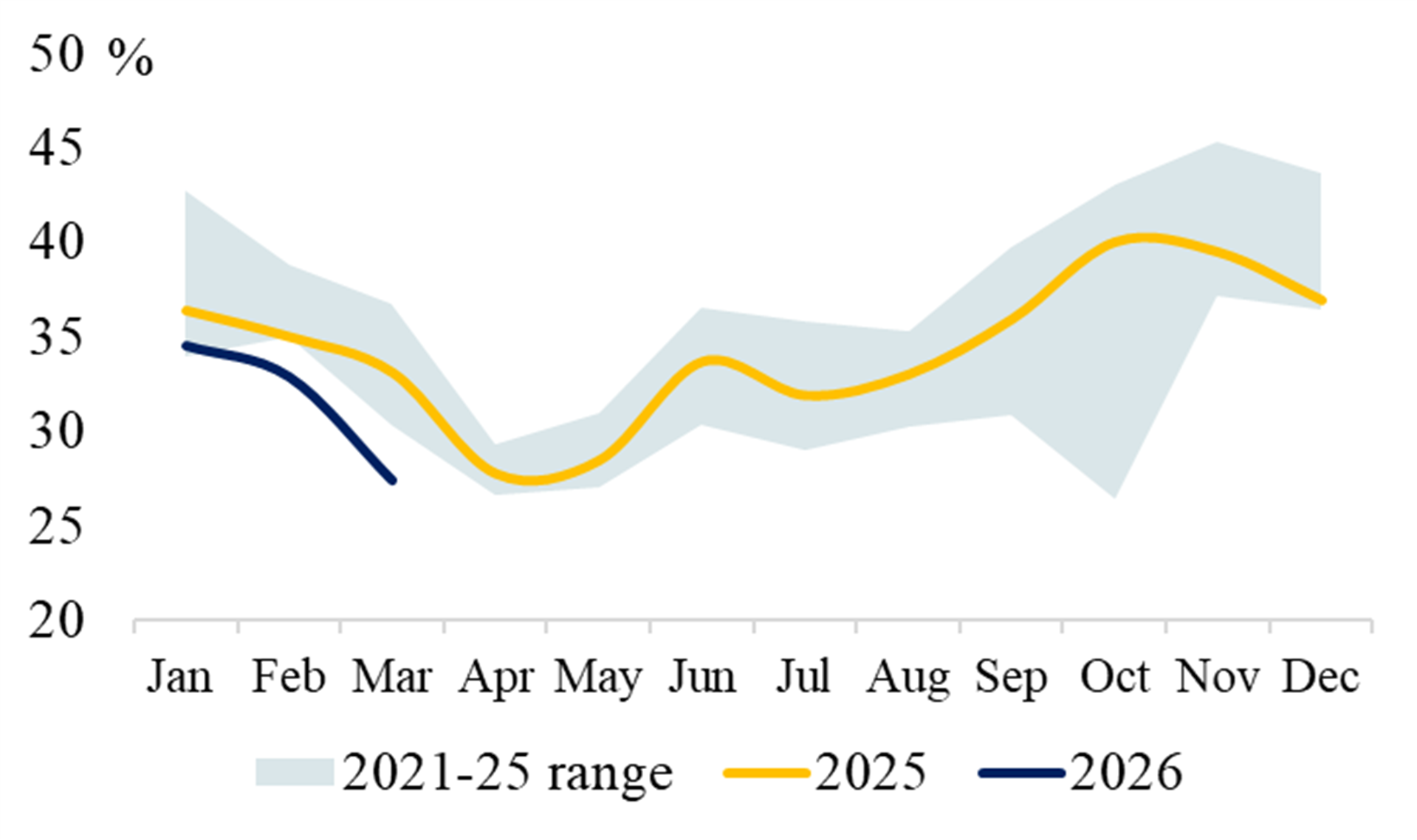
Exhibit 33 Share of Wind & Solar (%) Exhibit 34 Share of Gas (%)
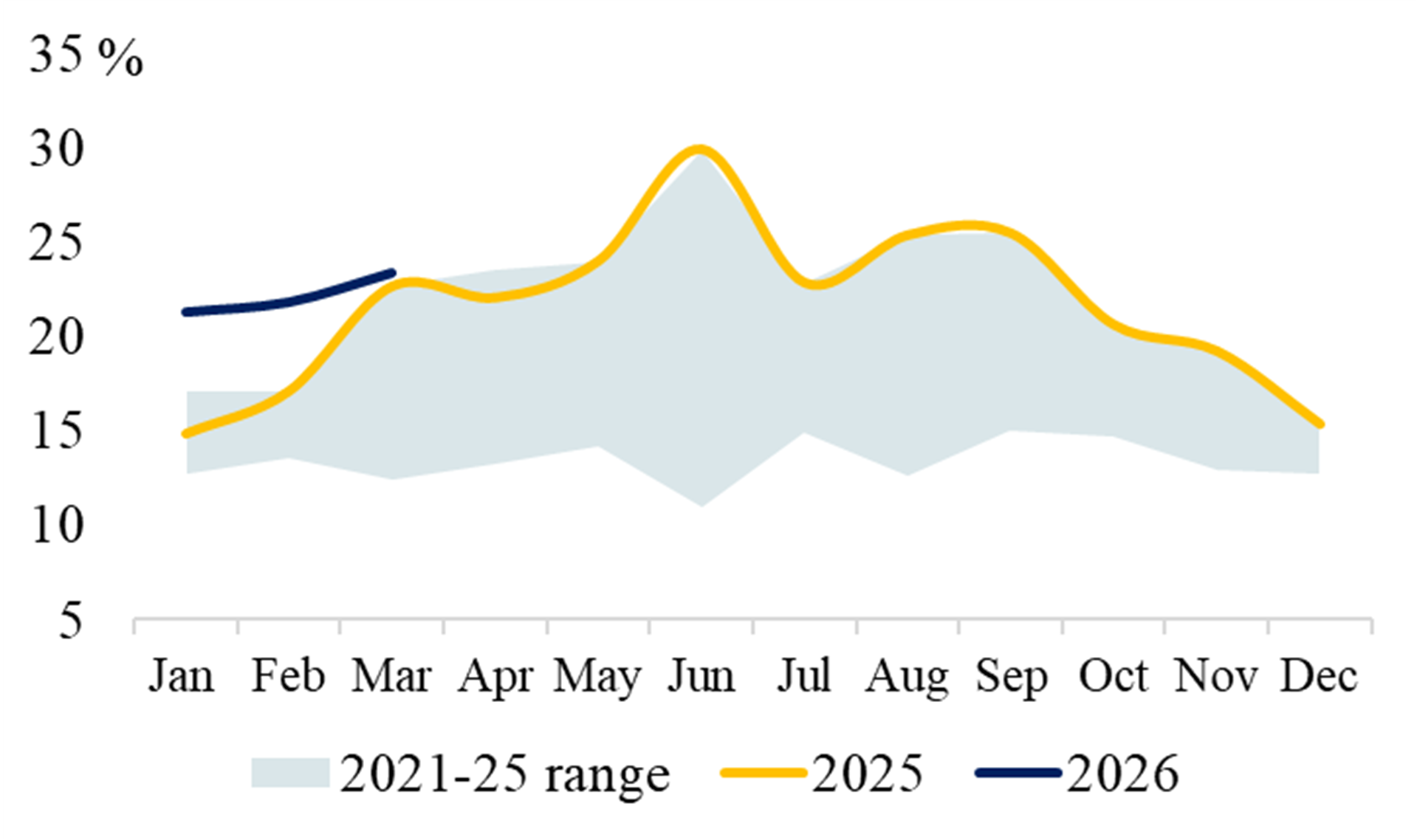
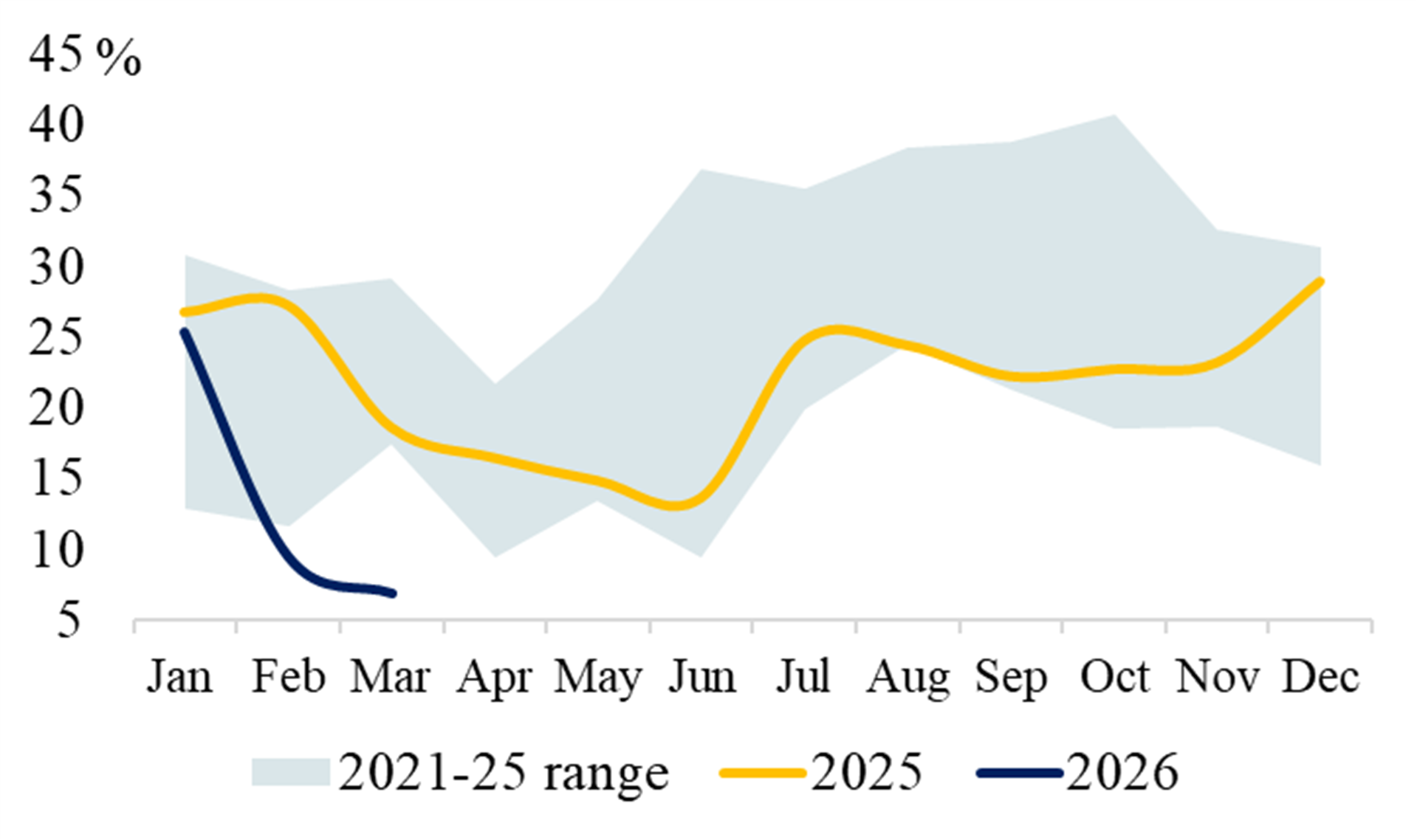
INDIA
Exhibit 35 Power Generation Exhibit 36 Share of Coal (%)
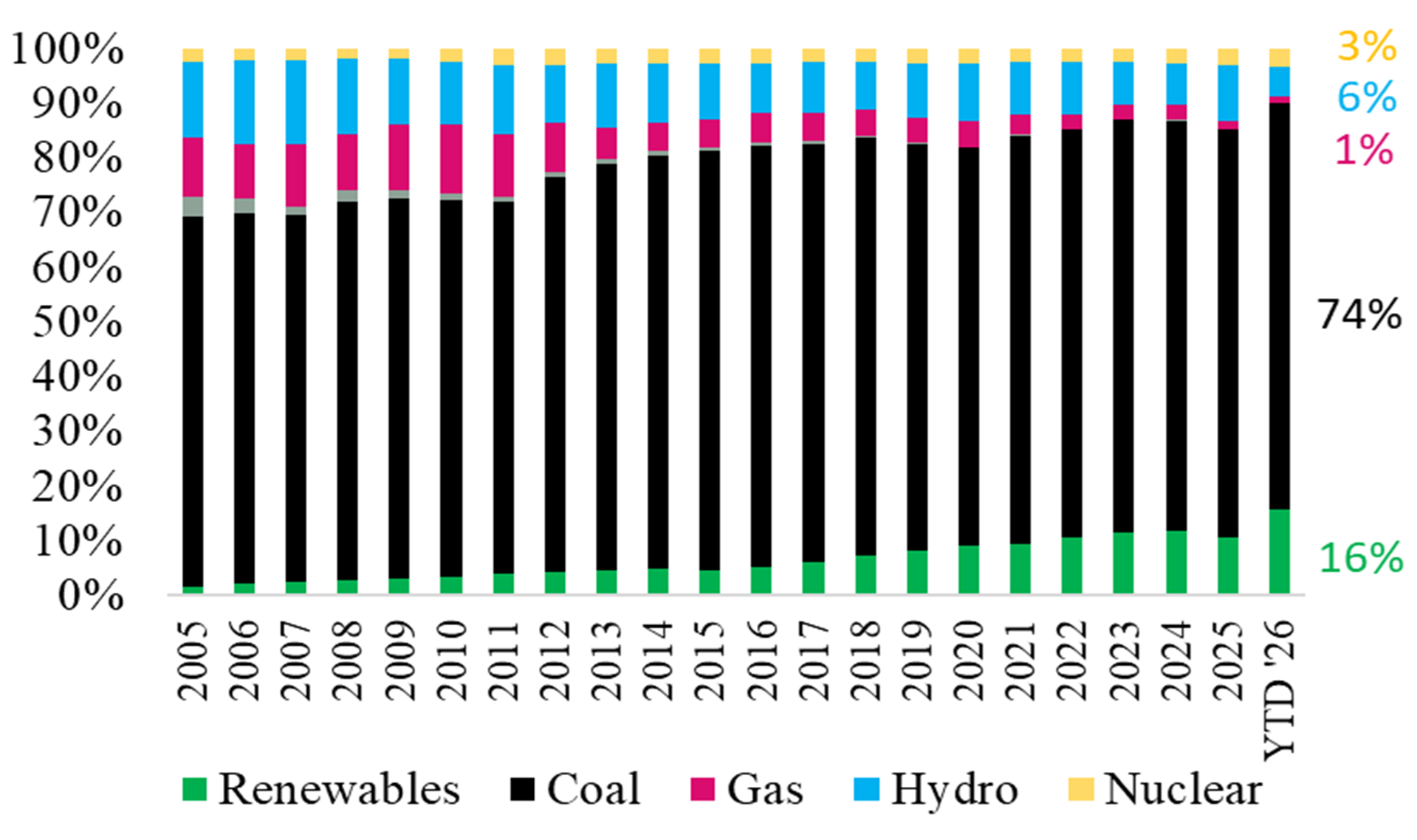
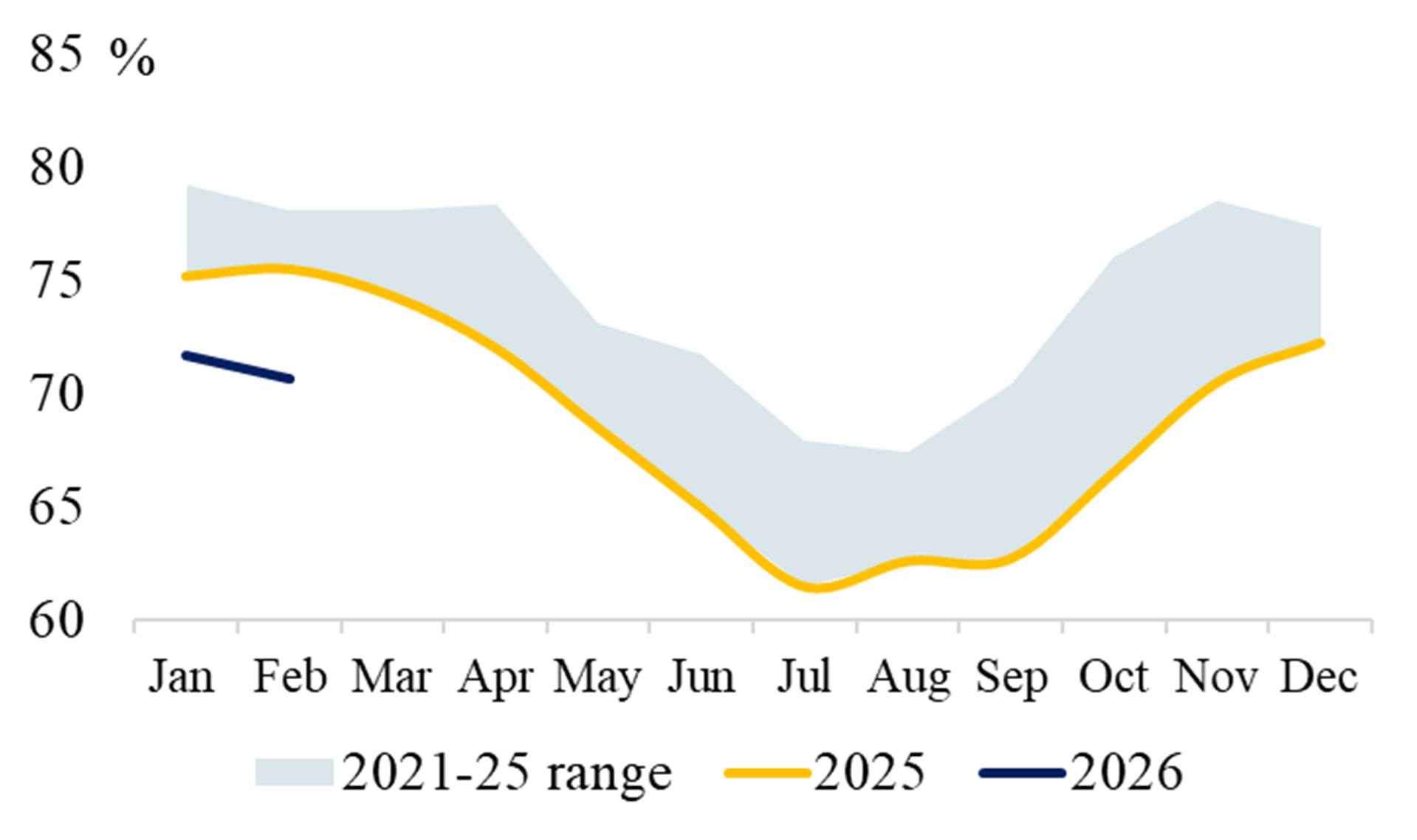
Exhibit 37 Share of Wind & Solar (%) Exhibit 38 Share of Hydro (%)
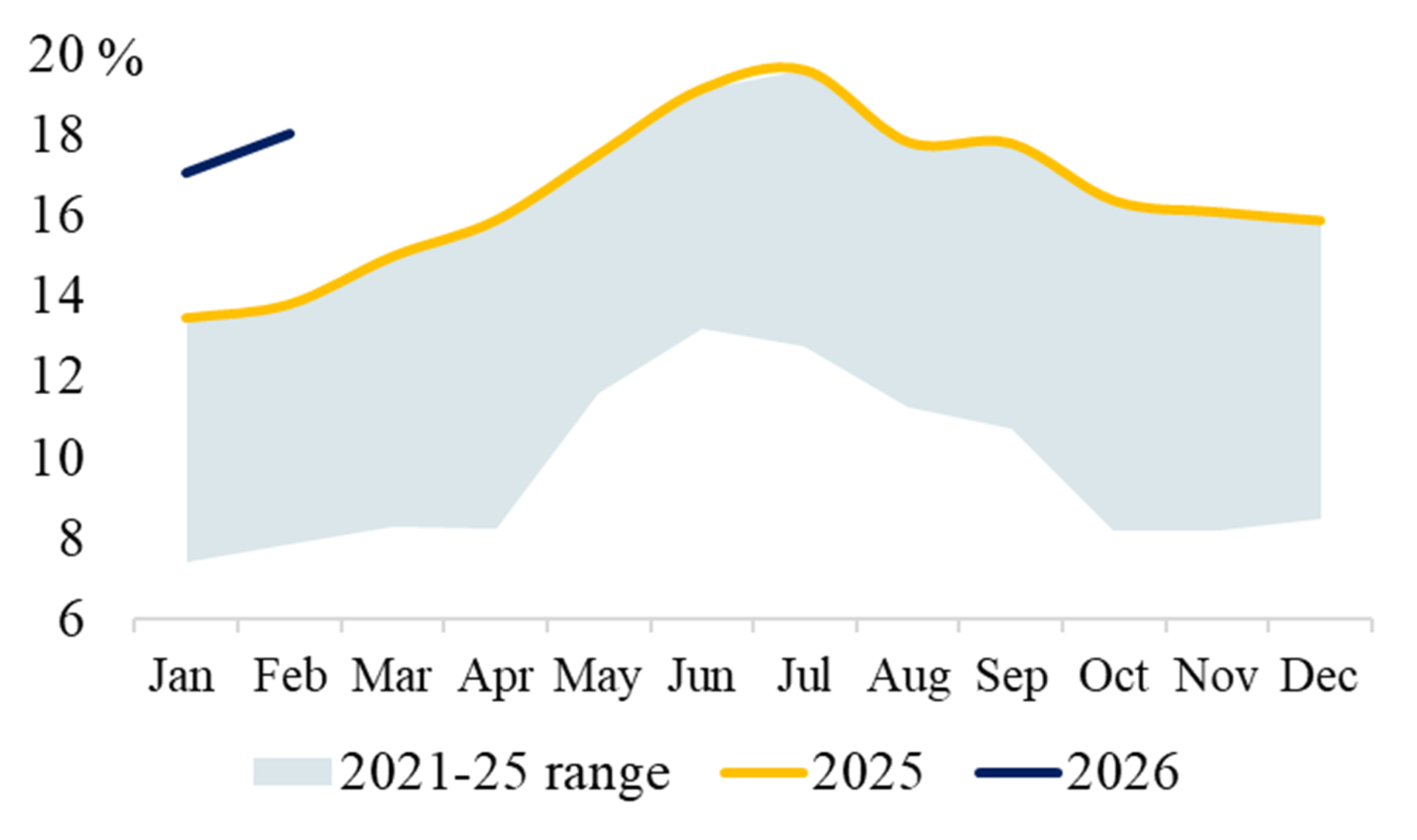
Source: EMBER
CHINA
Exhibit 39 Power Generation Exhibit 40 Share of Coal (%)
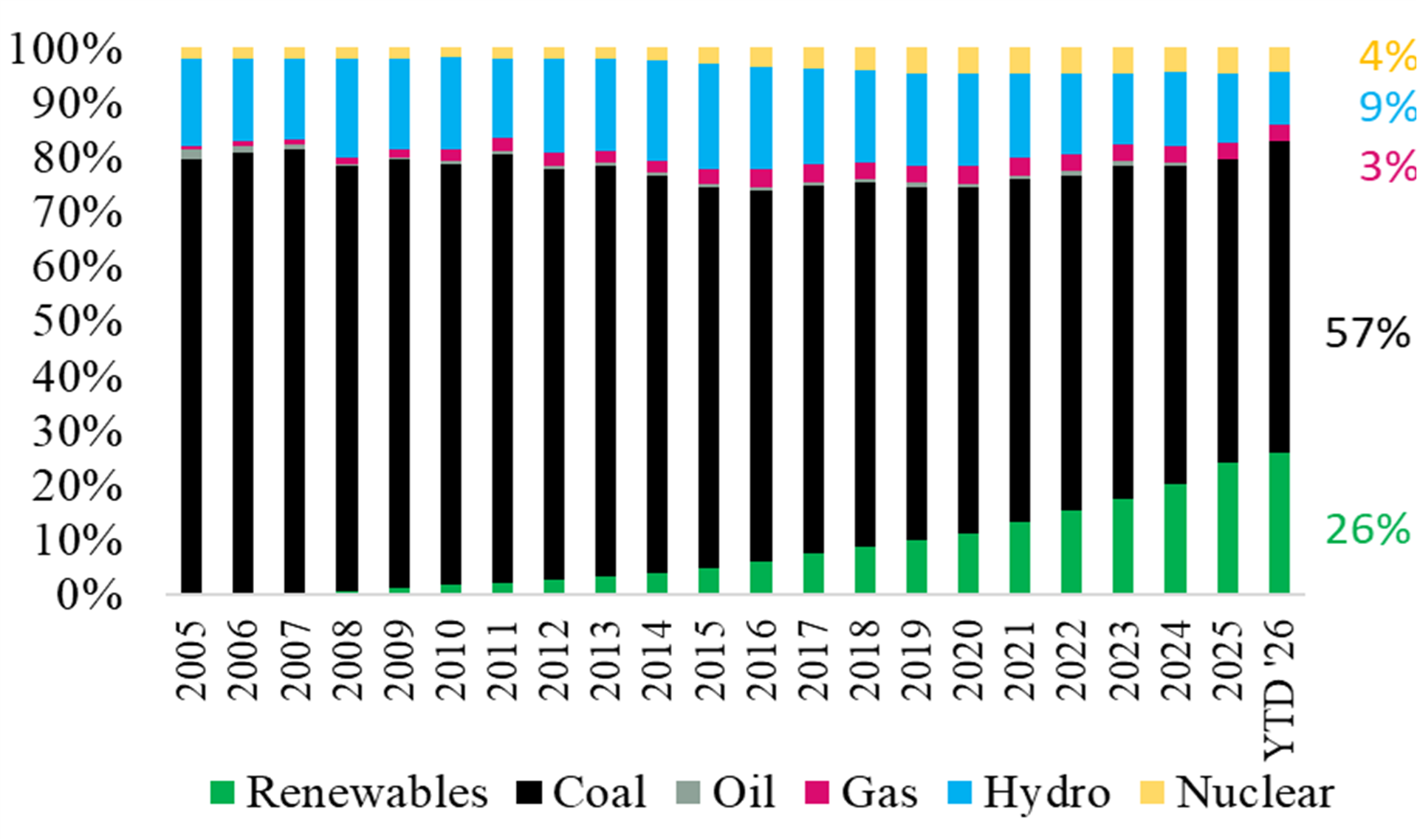
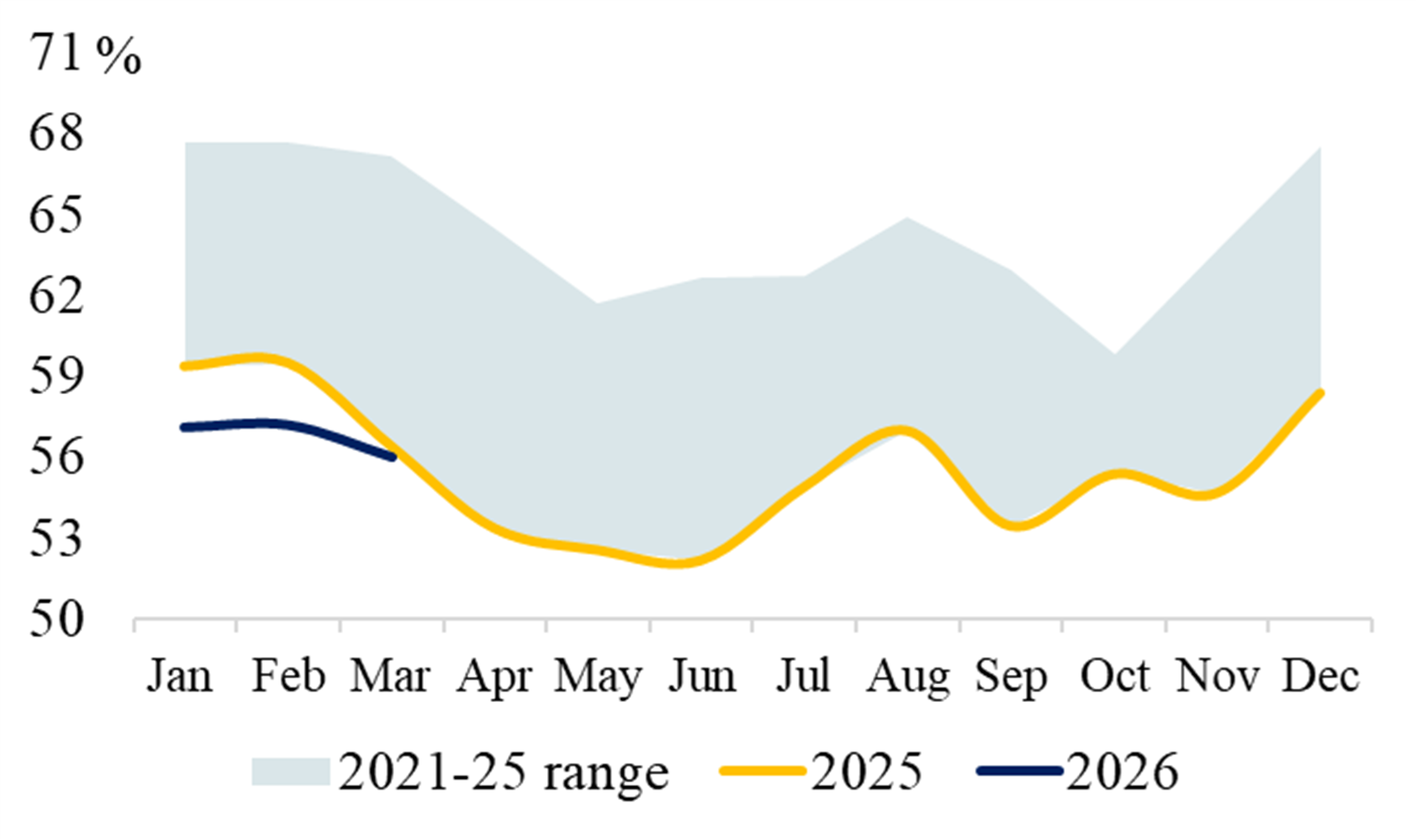
Exhibit 41 Share of Wind & Solar (%) Exhibit 42 Share of Hydro (%)
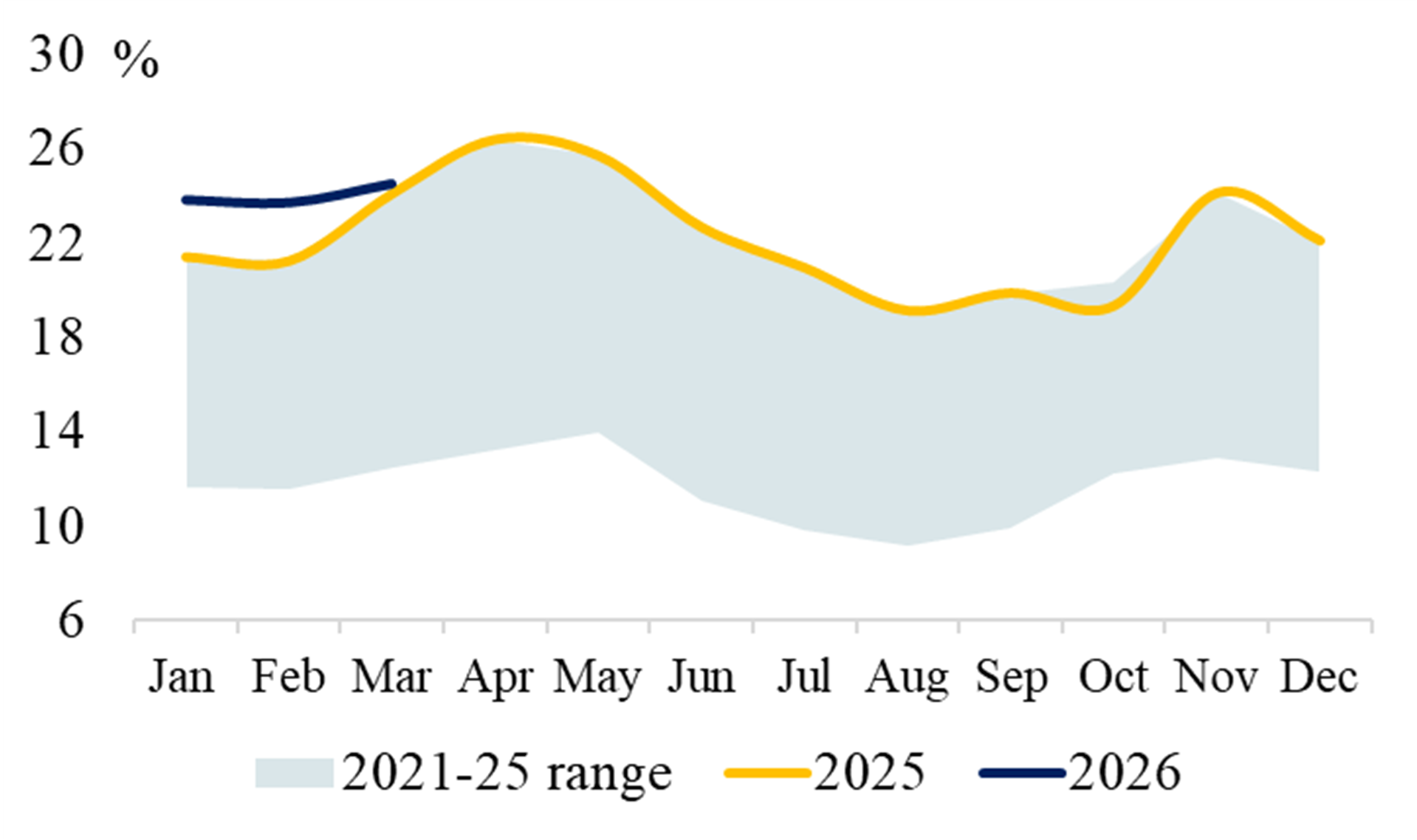
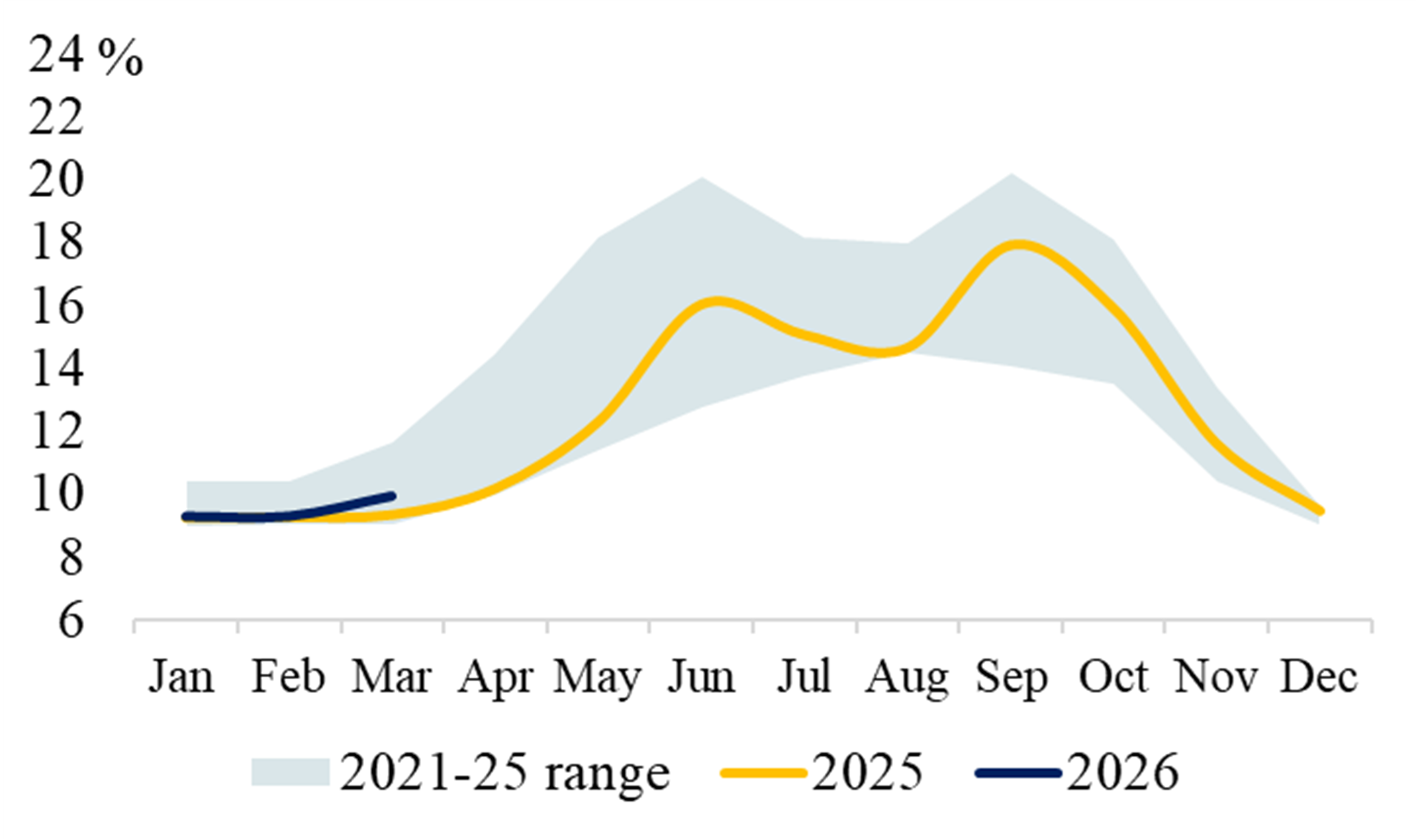
JAPAN
Exhibit 43 Power Generation Exhibit 44 Share of Gas (%)
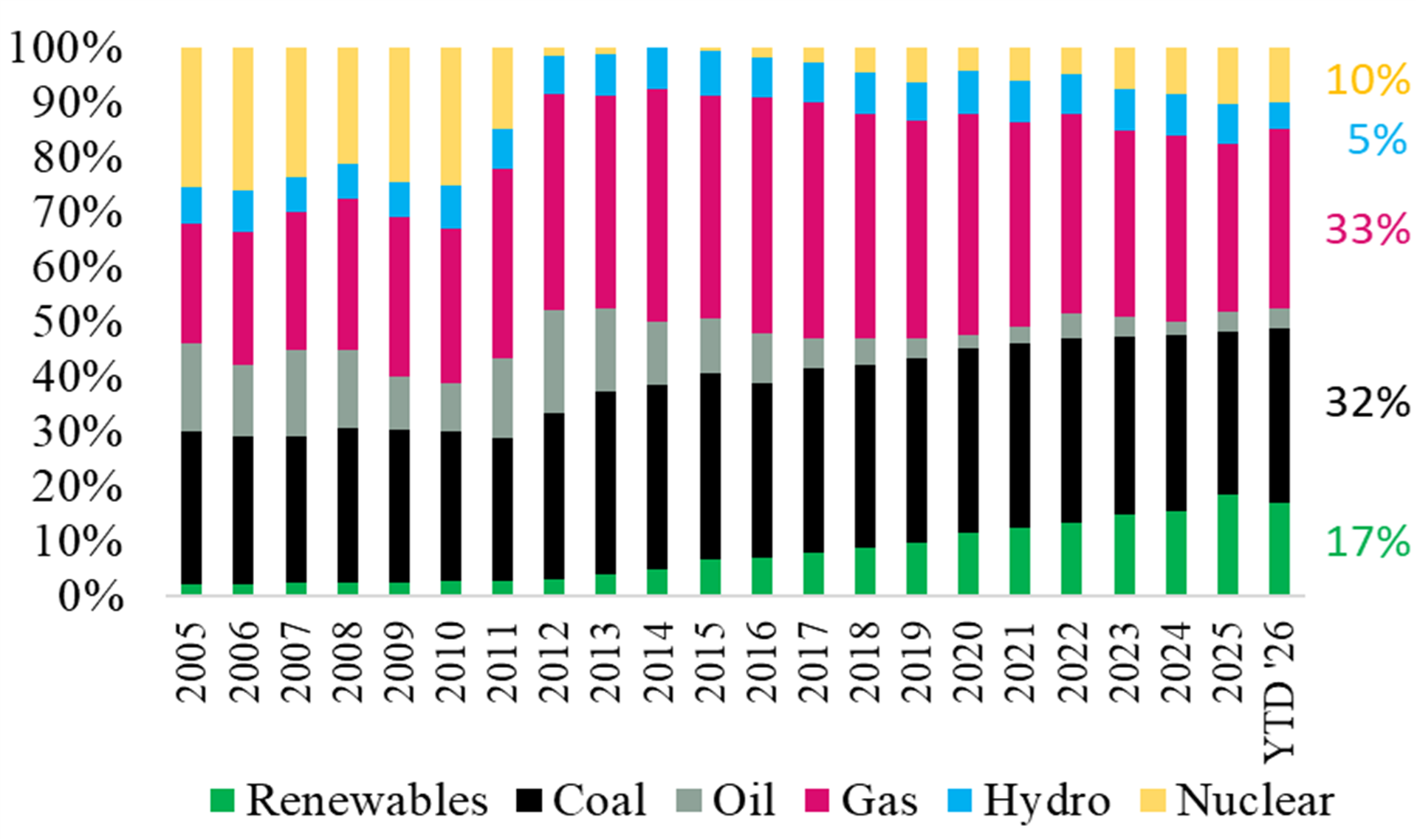
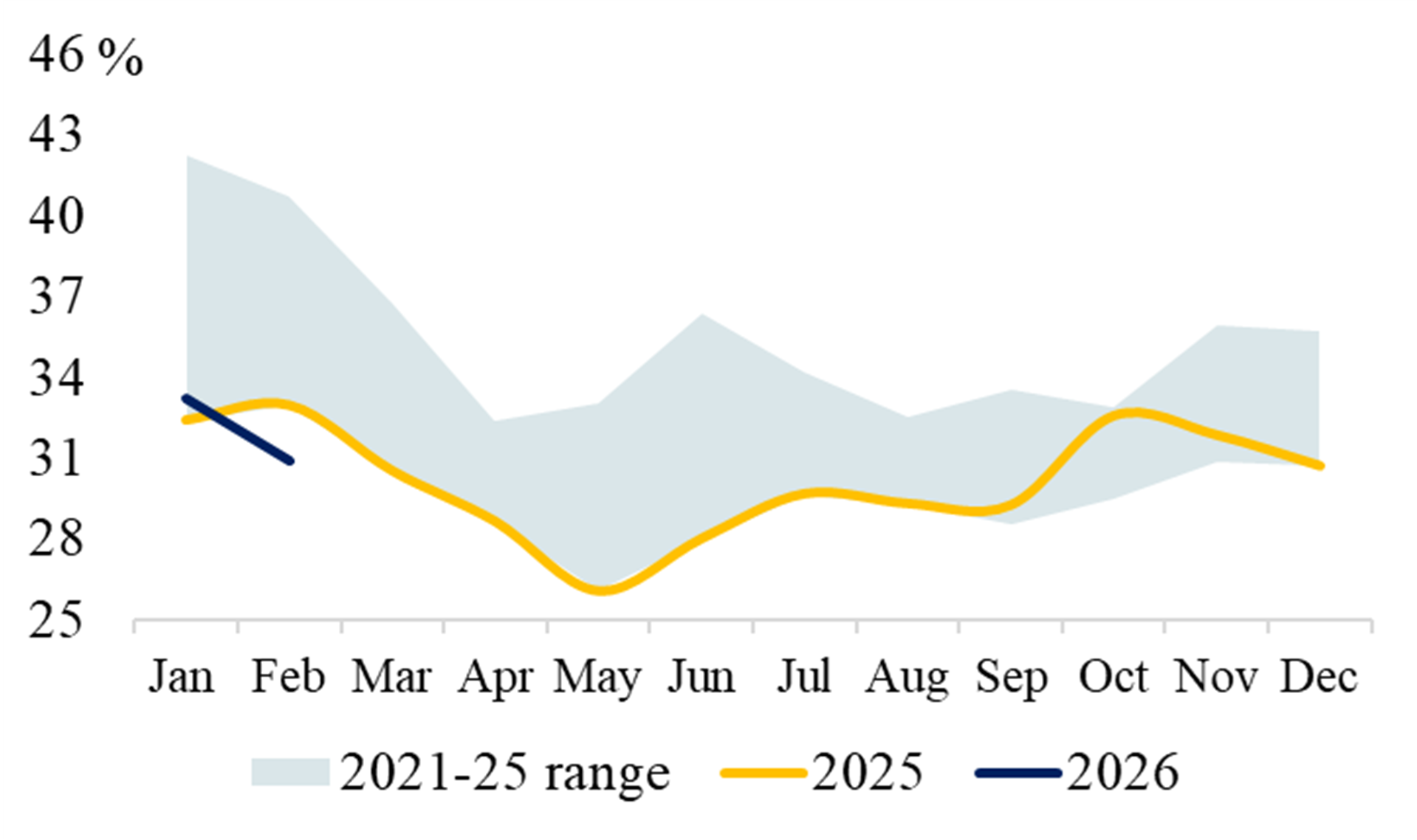
Exhibit 45 Share of Coal (%) Exhibit 46 Share of Wind & Solar (%)
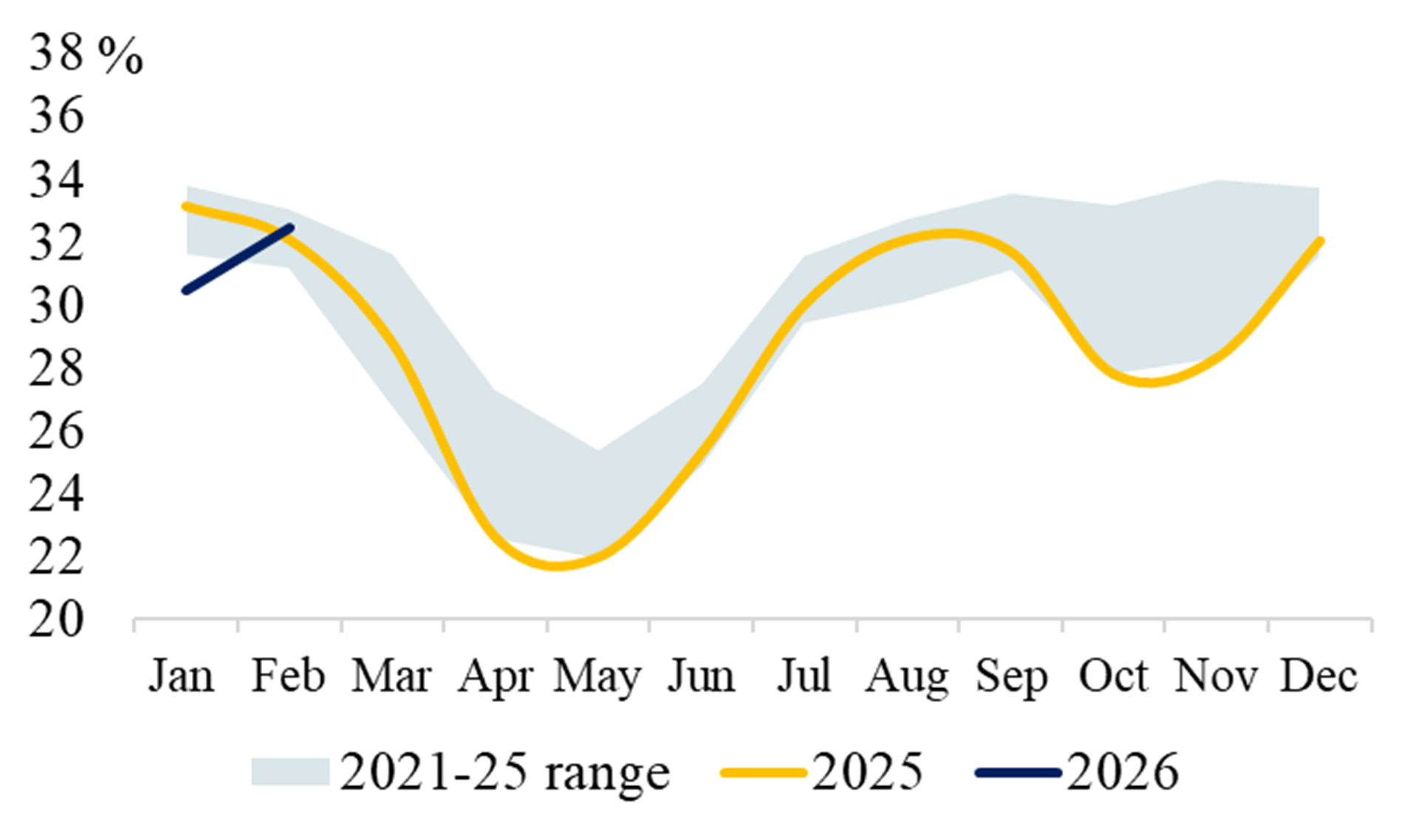
Source: EMBER
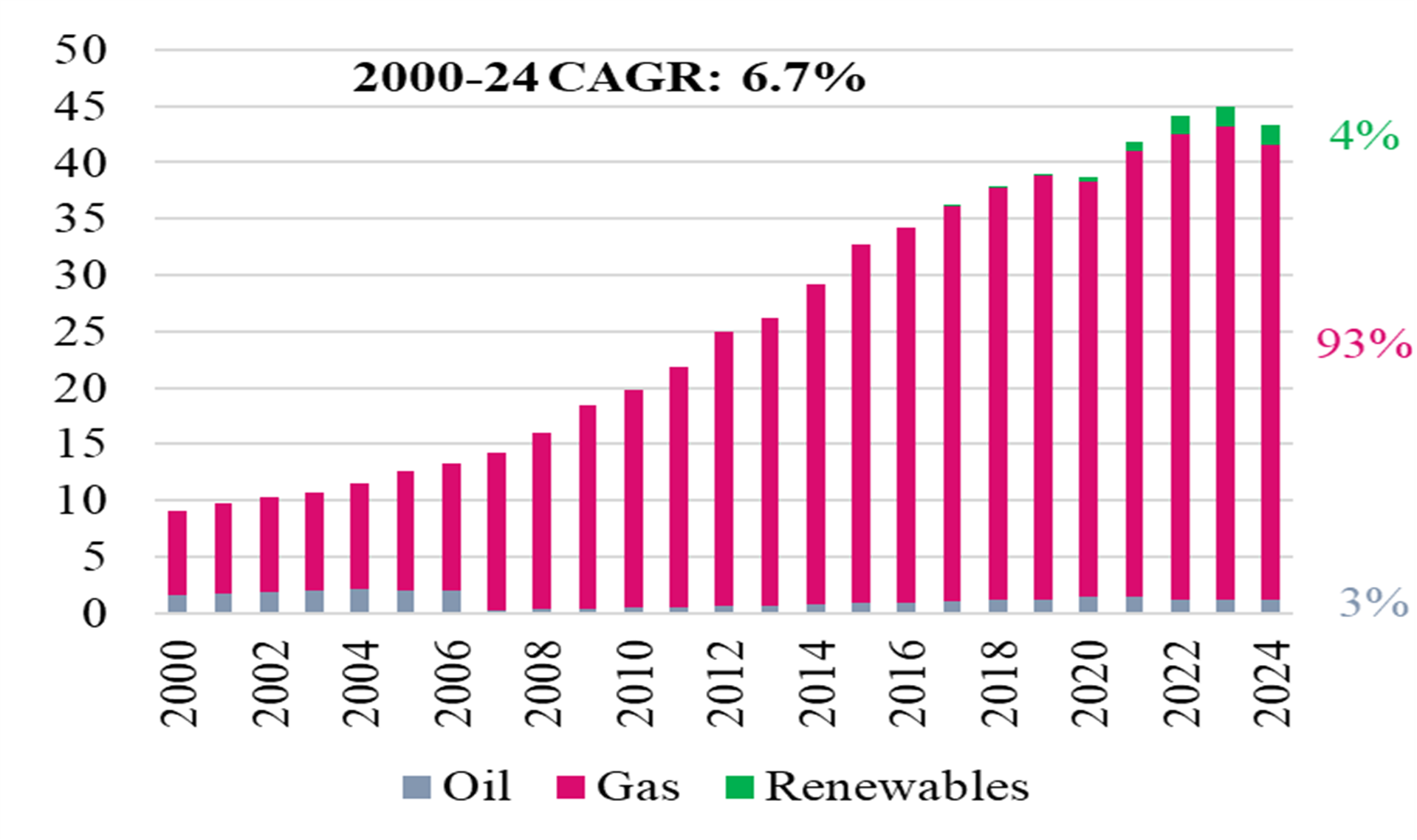
MIDDLE EAST – Energy Mix in Six Gulf Cooperation Council (GCC) Countries
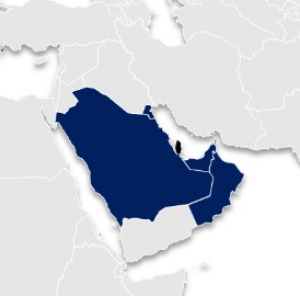
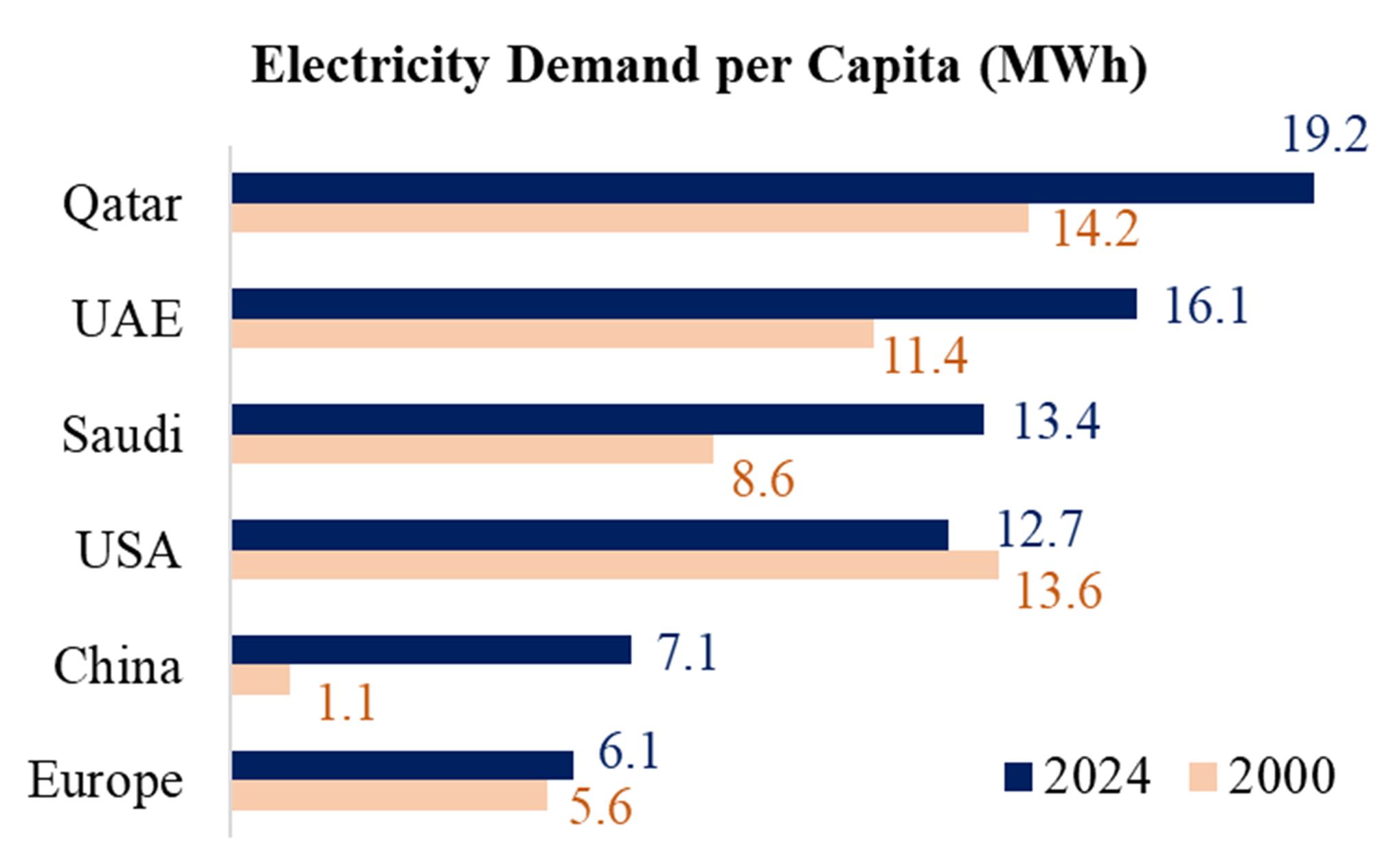
Exhibit 47 Saudi Arabia Power Gen (TWh) Exhibit 48 UAE Power Gen (TWh)
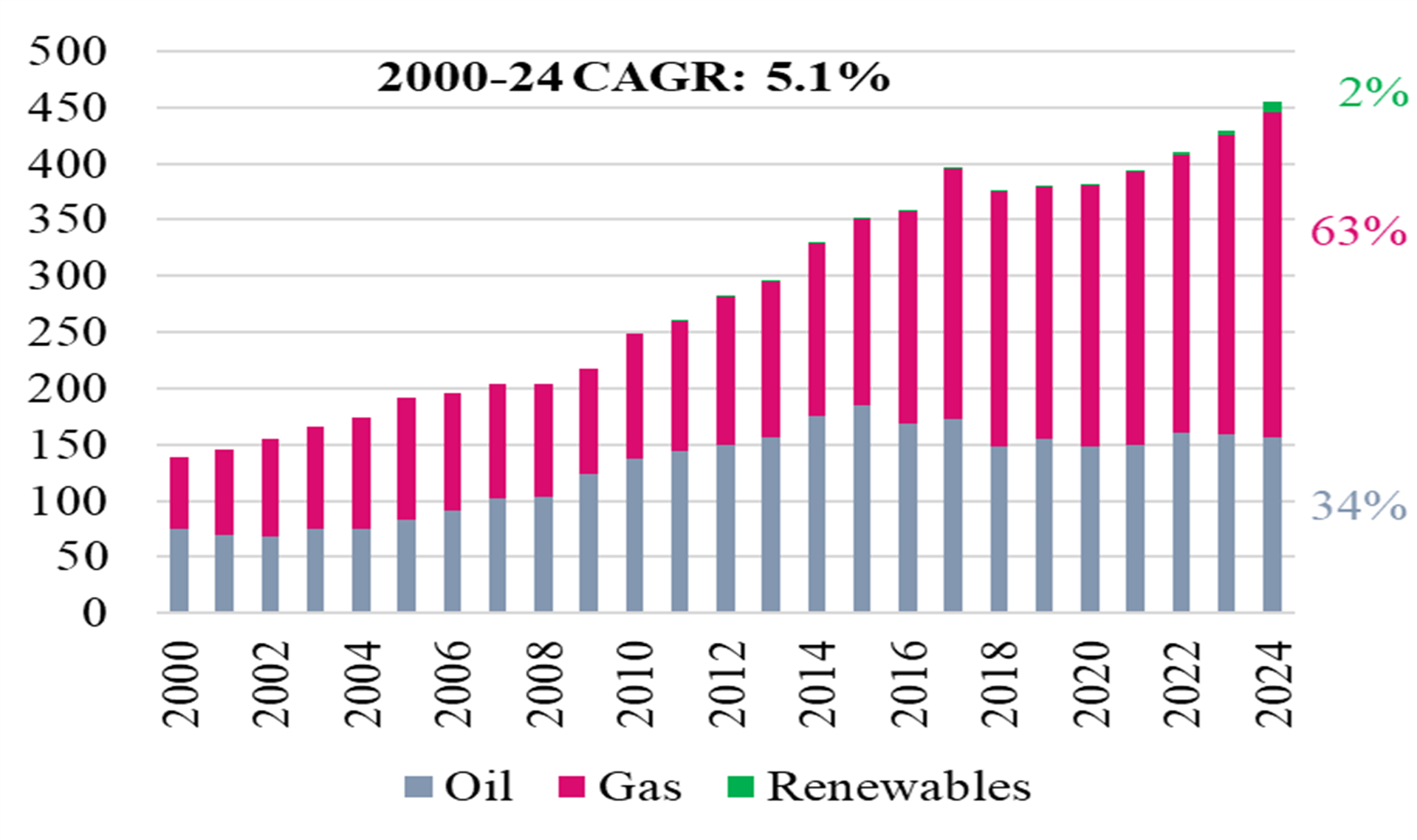
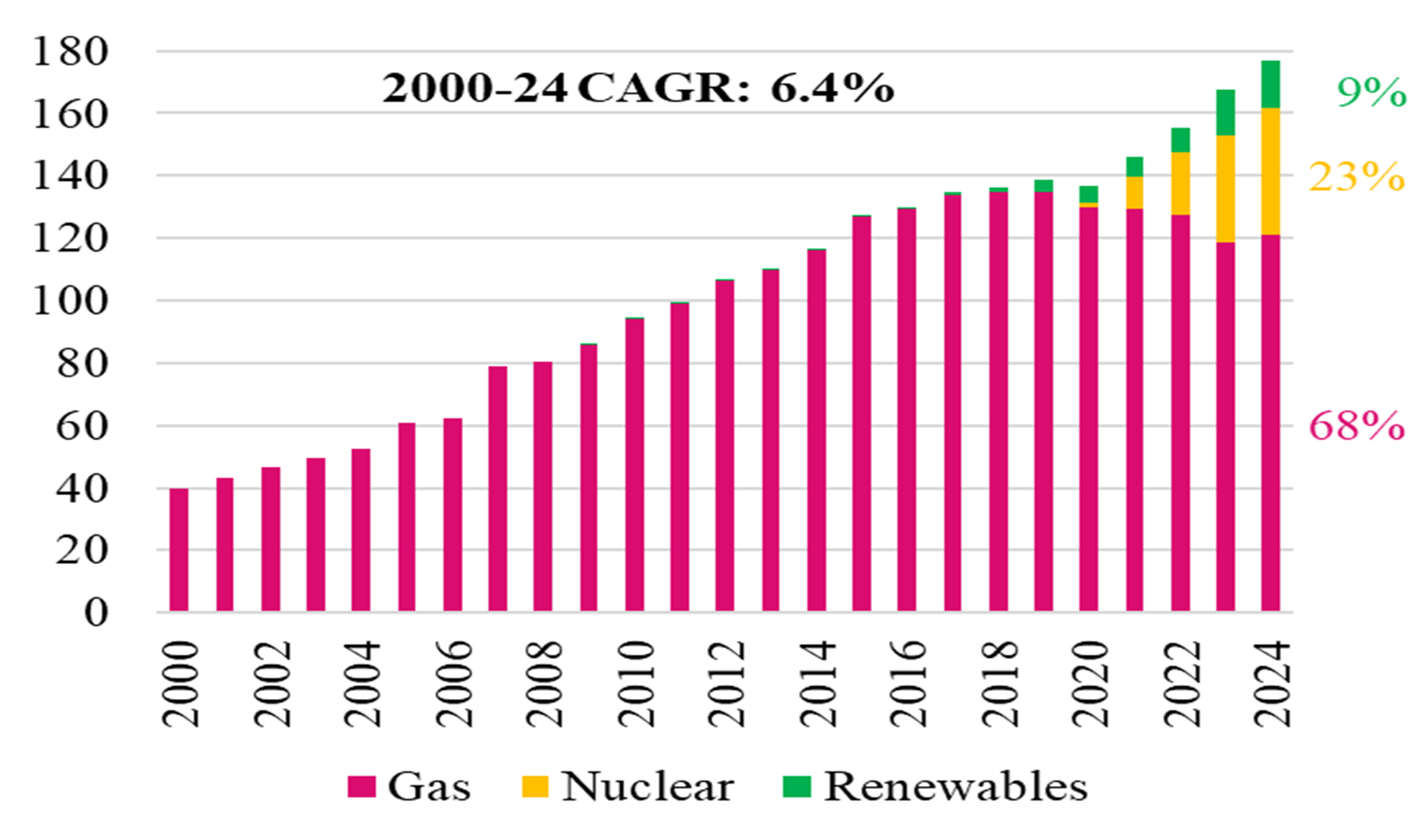
Exhibit 49 Qatar Power Gen (TWh) Exhibit 50 Kuwait Power Gen (TWh)
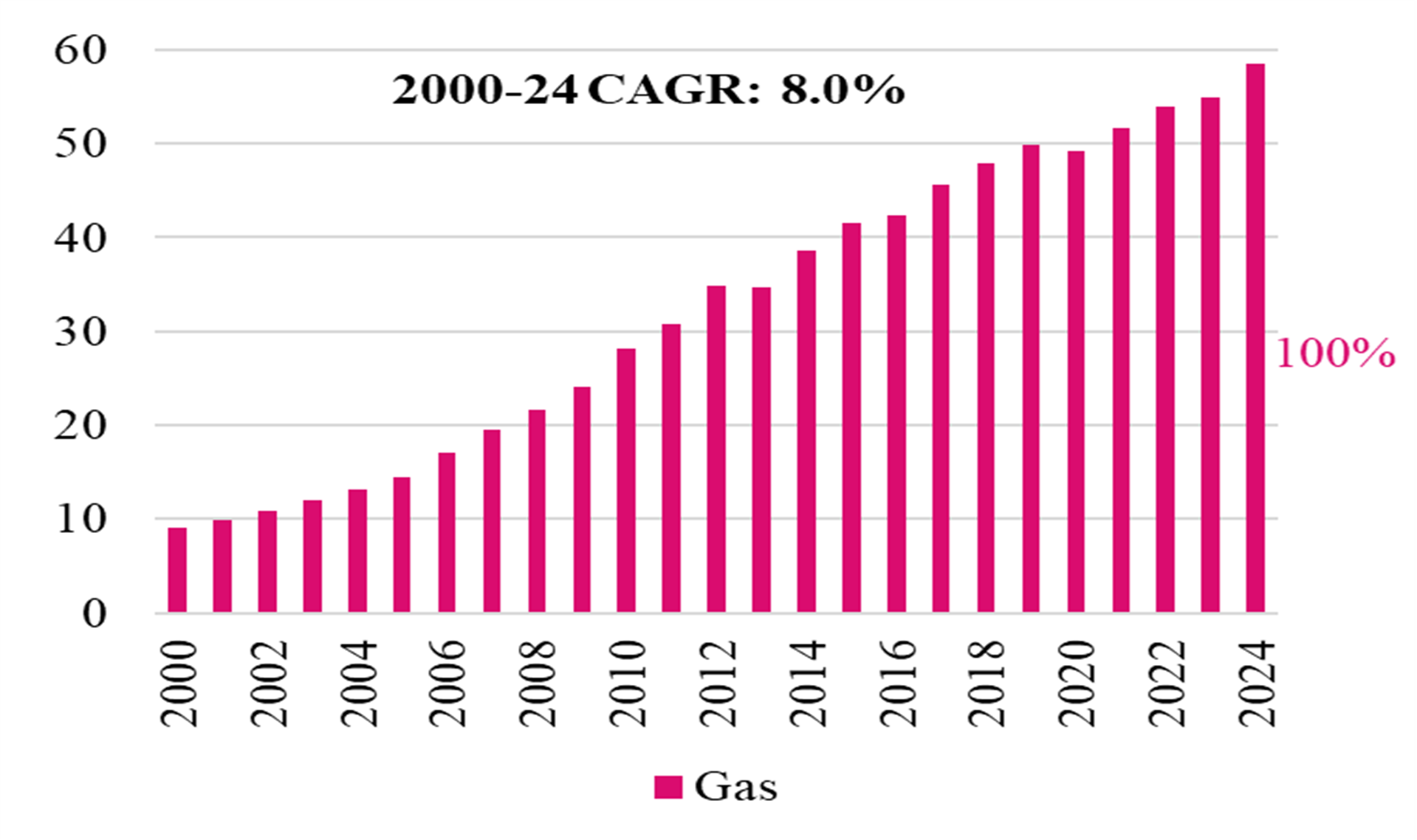
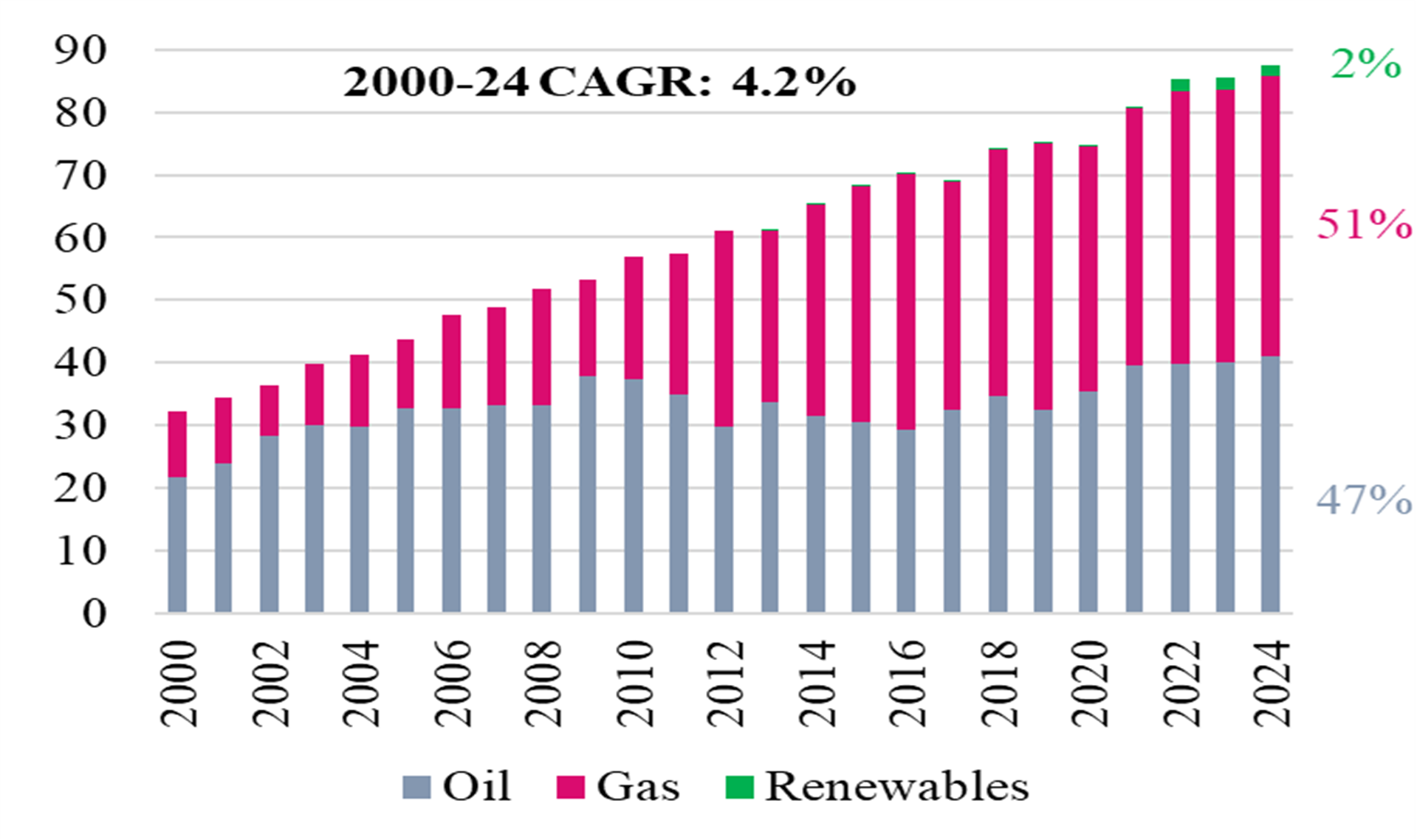
Exhibit 51 Oman Power Gen (TWh) Exhibit 52 Bahrain Power Gen (TWh)
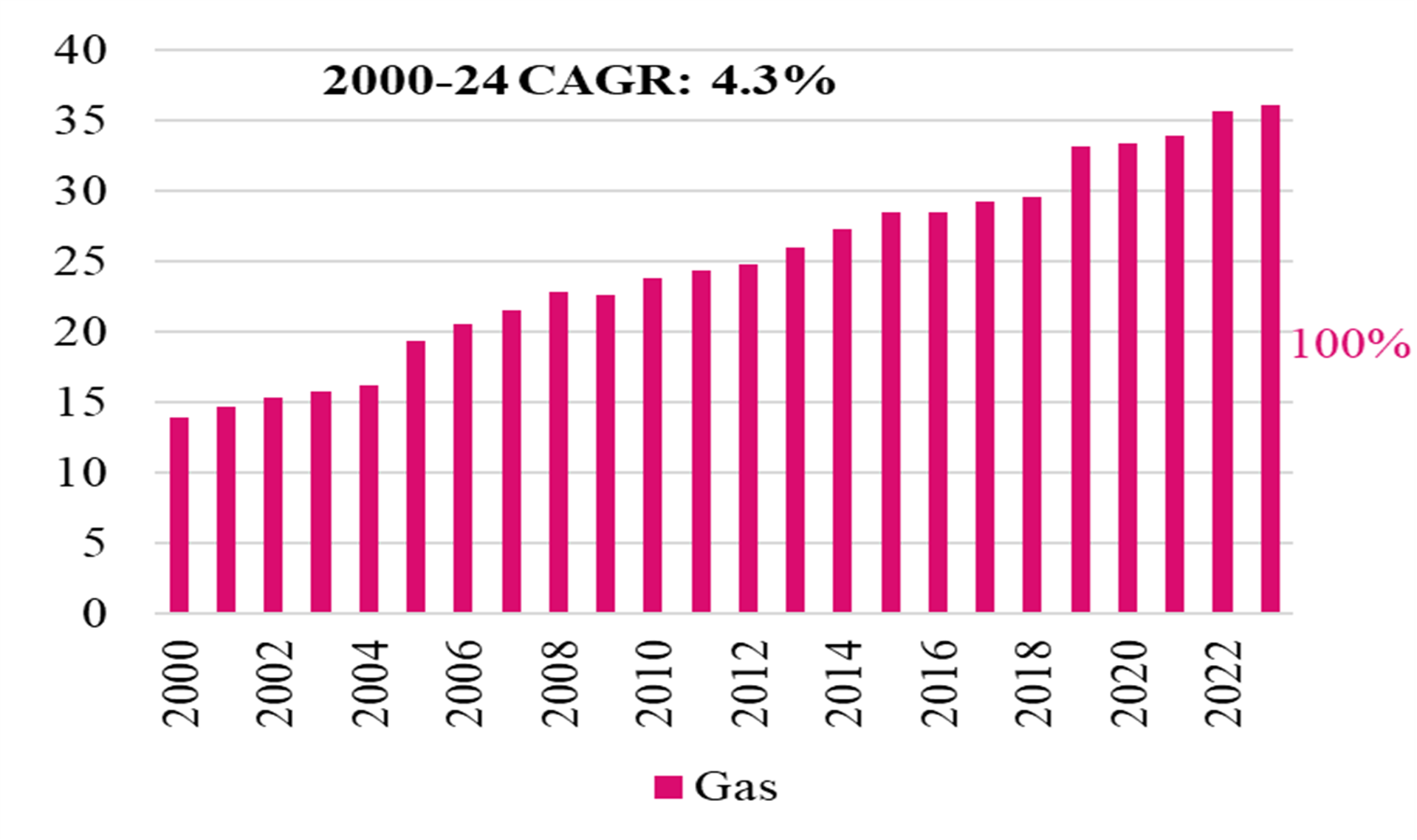
Source: EMBER
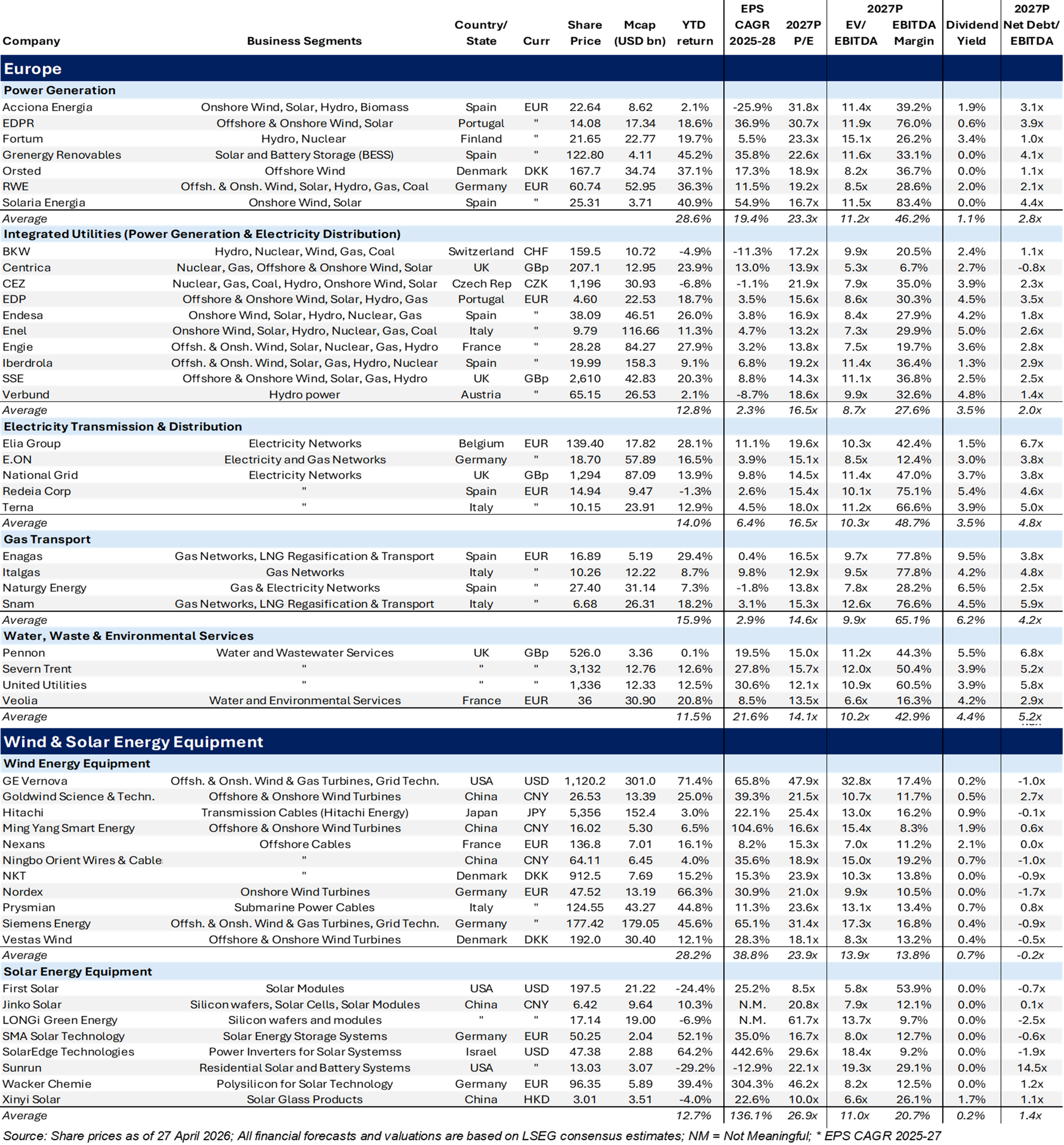
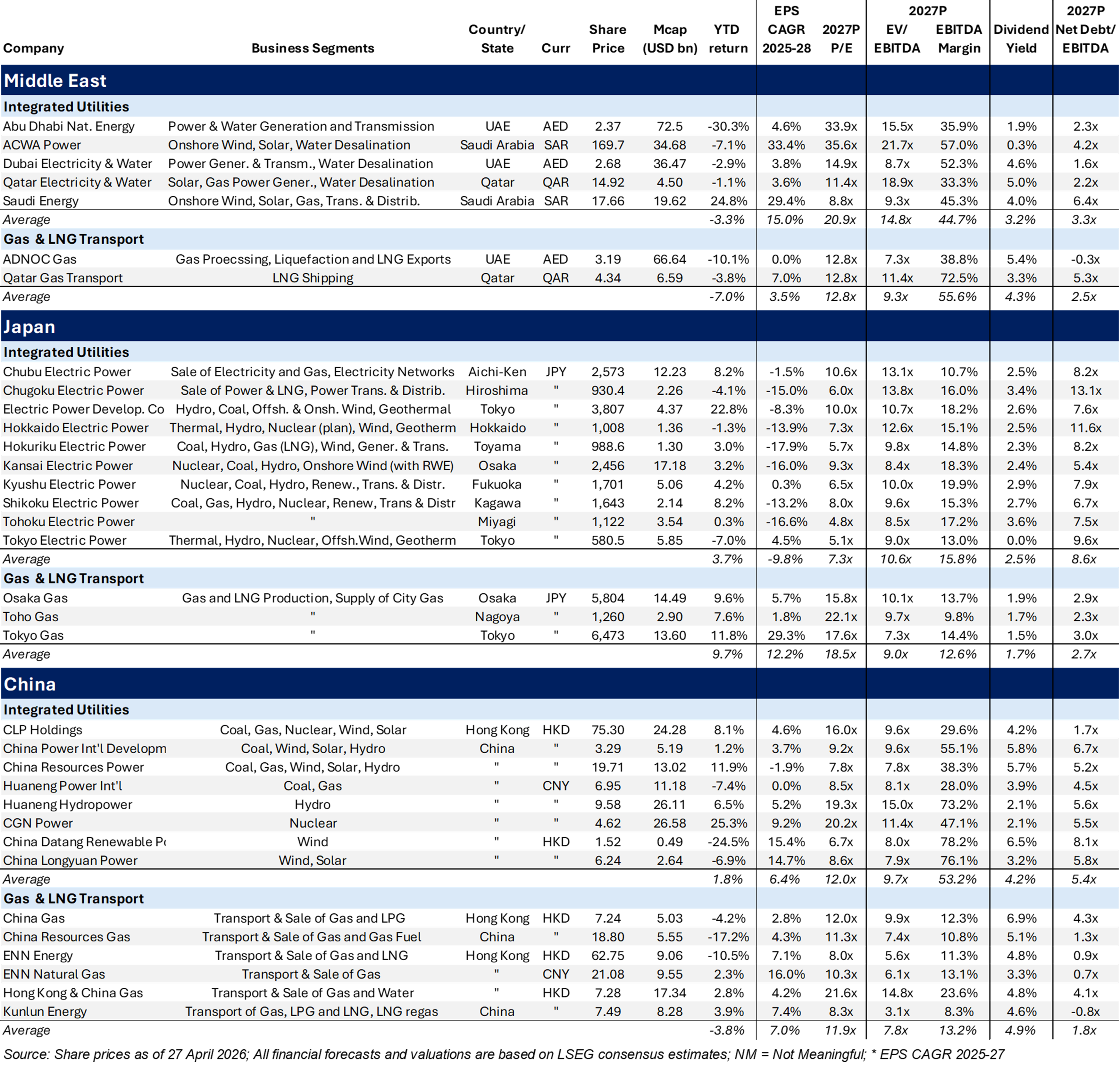
Table 4 Performance and Valuation Comps Table
249 Royal Palm Beach Way, Palm Beach, FL 33480 Gabelli Funds TEL (561) 671-2100
This whitepaper was prepared by Jens Zimmermann, CFA, by Ashish Sinah, CFA, and by Chong-Min Kang. The examples cited herein are based on public information and we make no representations regarding their accuracy or usefulness as precedent. The Research Analysts’ views are subject to change at any time based on market and other conditions. The information in this report represent the opinions of the individual Research Analysts’ as of the date hereof and is not intended to be a forecast of future events, a guarantee of future results, or investments advice. The views expressed may differ from other Research Analyst or of the Firm as a whole.
As of December 31, 2025, affiliates of GAMCO Investors, Inc. beneficially owned less than 1% of all companies mentioned.
Funds investing in a single sector, such as utilities, may be subject to more volatility than funds that invest more broadly. The utilities industry can be significantly affected by government regulation, financing difficulties, supply or demand of services or fuel and natural resources conservation. The value of utility stocks changes as long-term interest rates change
Investors should carefully consider the investment objectives, risks, charges and expenses of the Fund before investing. The prospectus, which contains more complete information about this and other matters, should be read carefully before investing. To obtain a prospectus, please call 800 GABELLI or visit www.gabelli.com
Returns represent past performance and do not guarantee future results. Current performance may be lower or higher than the performance data quoted. Investment return and principal value will fluctuate so, upon redemption, shares may be worth more or less than their original cost. To obtain the most recent month end performance information and a prospectus, please call 800-GABELLI or visit www.gabelli.com
Distributed by G.distributors, LLC., a registered broker dealer and member of FINRA.
This whitepaper is not an offer to sell any security nor is it a solicitation of an offer to buy any security.
For more information, visit our website at: www.gabelli.com or call: 800-GABELLI
800-422-3554 • 914-921-5000 • Fax 914-921-5098 • info@gabelli.com
Gabelli Funds, LLC is a registered investment adviser with the Securities and Exchange Commission and is
a wholly owned subsidiary of GAMCO Investors, Inc. (OTCQX: GAMI).