(NYSE: RACE)
(BIT: RACE)
(AS: EXOR)
Scuderia Ferrari Overview
Scuderia Ferrari is one of the most iconic and valuable properties in global sport and the flagship racing team at the center of Ferrari N.V.’s global brand. Based in Maranello, Italy, the team competes in the FIA Formula One World Championship and is uniquely positioned as the only constructor to have participated in every Formula One season since the championship began in 1950. Founded by Enzo Ferrari in 1929, Ferrari has built a legacy defined by heritage, engineering excellence, and an unmatched association with motorsport.
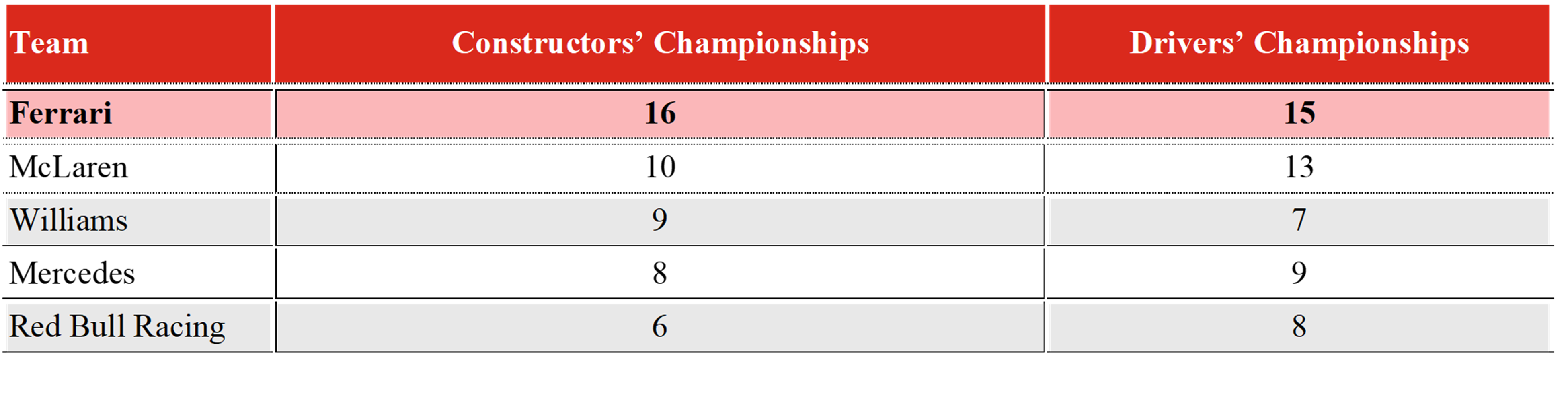
With 16 Constructors’ Championships and 15 Drivers’ Championships, Ferrari stands as the most successful and decorated team in Formula One history. Across decades, the team has been home to many of the sport’s most legendary drivers, including Alberto Ascari, Niki Lauda, Michael Schumacher, Kimi Räikkönen, and now, Lewis Hamilton.
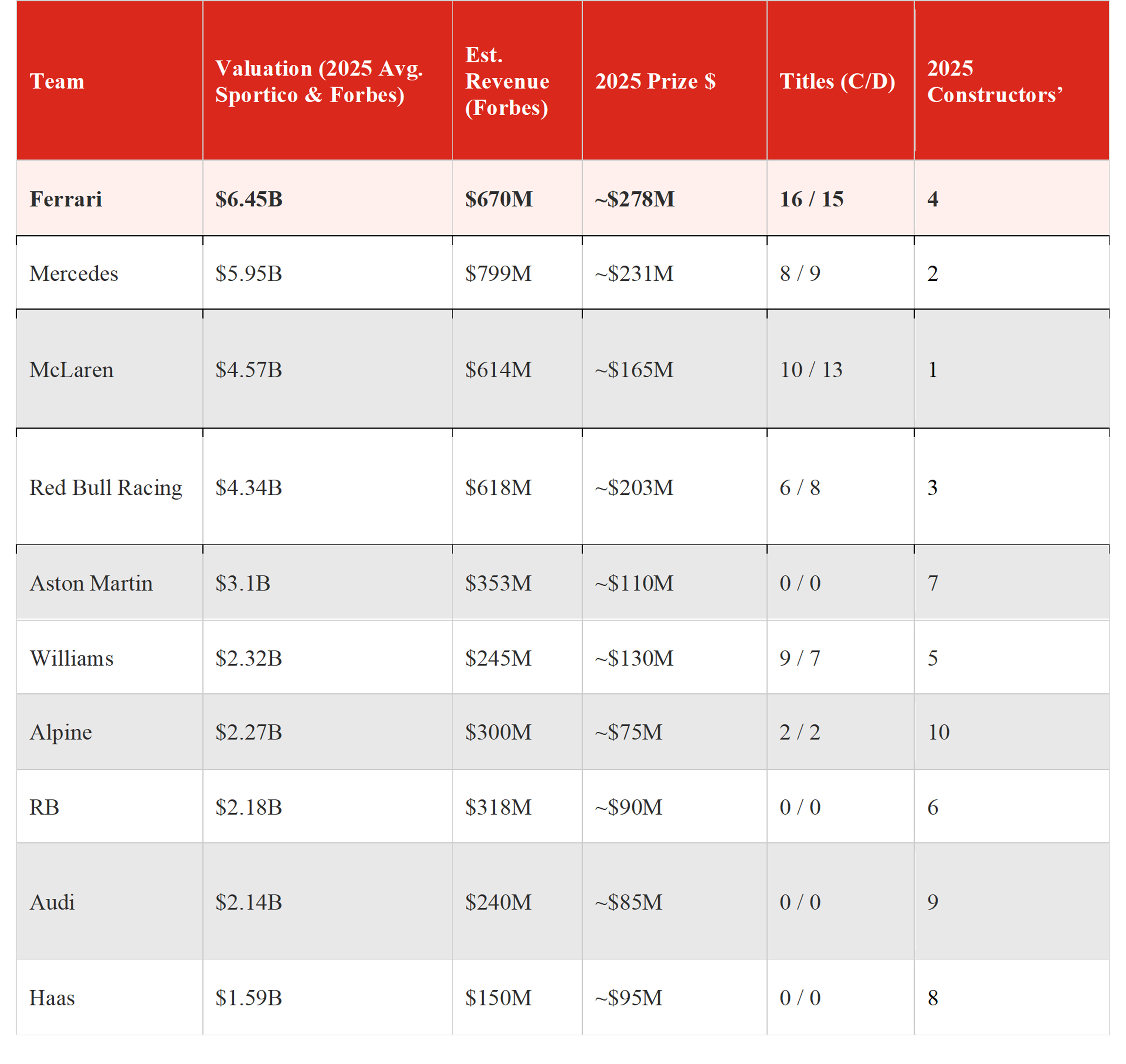
As part of Ferrari N.V. (NYSE: RACE), Scuderia Ferrari sits within one of the rarest publicly traded assets in the global sports and luxury ecosystem. The racing team remains central to the company’s identity, marketing reach, and long-term brand equity. Critically, Scuderia Ferrari should not be viewed solely as an intangible brand asset. It is also a uniquely scarce franchise property with meaningful standalone value in a market where premier Formula One teams have demonstrated extraordinary transaction values. Ferrari’s racing team is valued at approximately ~$6.45 billion on a standalone basis (Forbes + Sportico, 2025), ranking first among all Formula One teams for the third consecutive year, ahead of Mercedes (~$5.95B) and McLaren (~$4.57B). This franchise value sits well above the total enterprise value of many standalone sports clubs and reflects the combination of heritage premium, commercial scale, and global scarcity that defines Formula One team ownership.
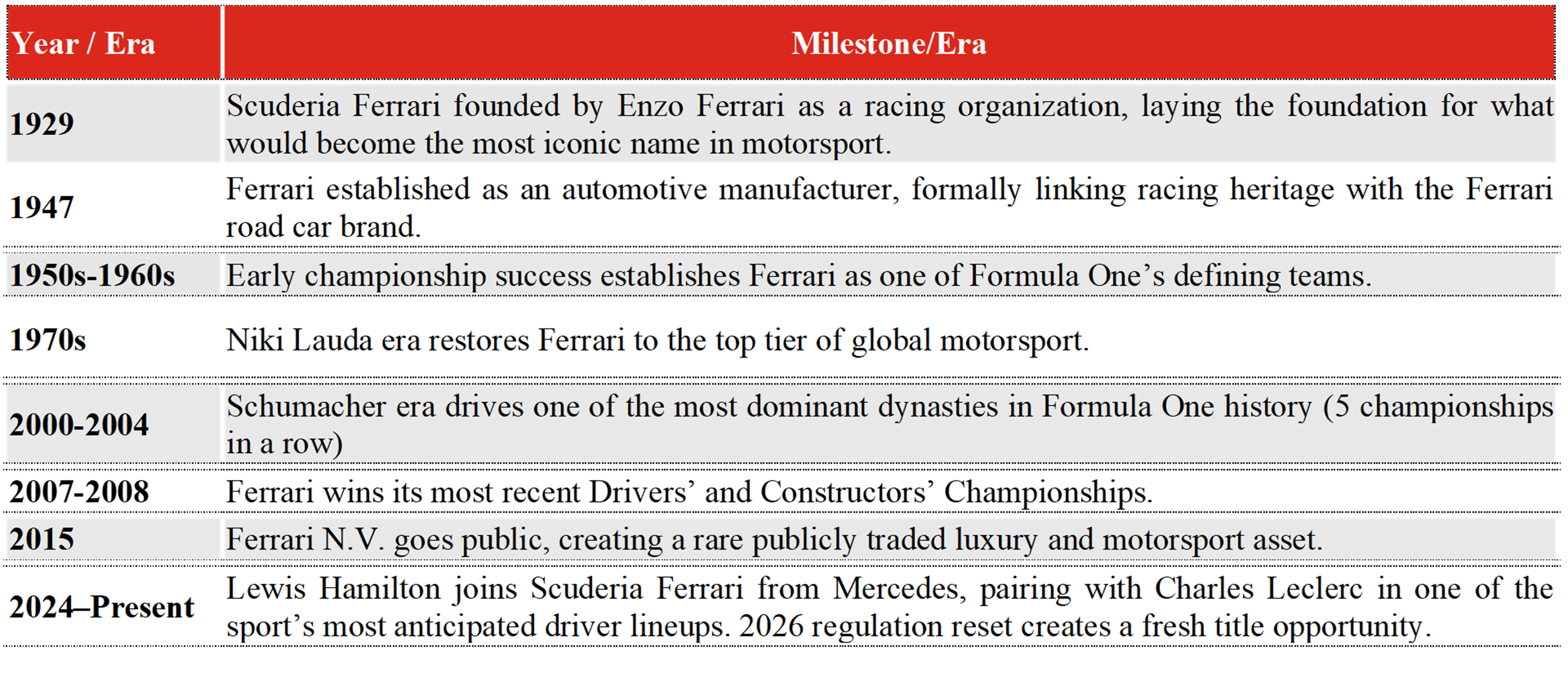
Exhibit 1 Key Milestones/Eras
Source: Public Sources, Gabelli Funds
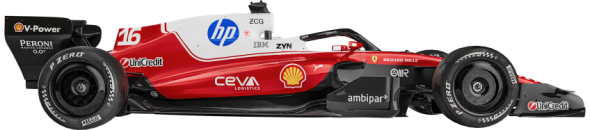
Exhibit 2 Ferrari’s 2026 F1 Car (Ferrari SF-26)
Formula One (F1) – Sport & Business Overview
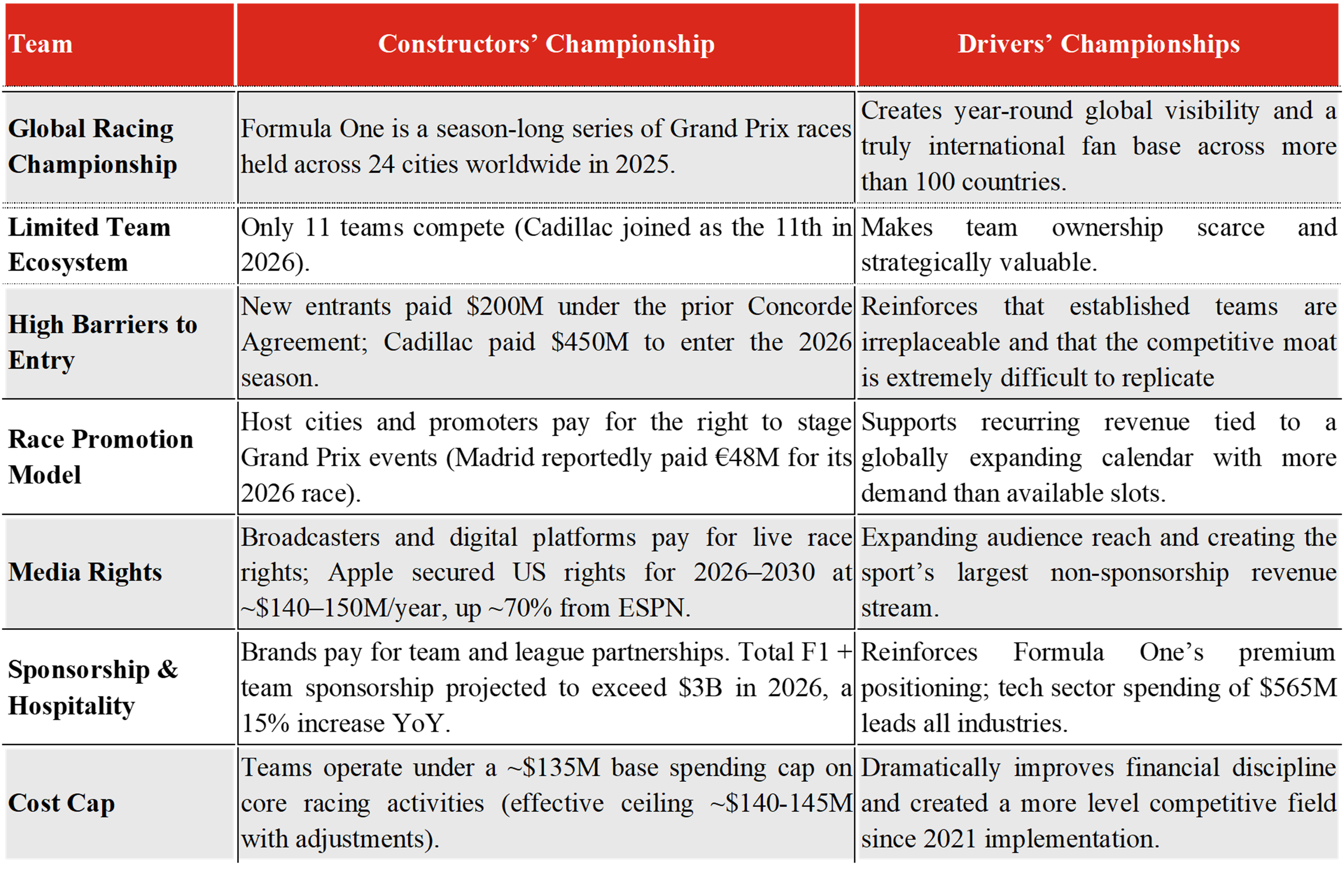
Formula One is the highest level of international open-wheel auto racing, operating as a global sports and entertainment property built around a traveling championship. Each season, only 11 (up from 10 in ‘25) teams compete in a series of Grand Prix races staged across major cities worldwide, events that function not only as races but as large-scale live entertainment and corporate hospitality platforms attracting broadcasters, sponsors, host governments, and global brand partners. Each race weekend attracts an average of more than 60 million viewers at home and ~270,000 in attendance. In that sense, Formula One is both a racing competition and a sports promotion business.
Unlike most traditional sports leagues, Formula One is not centered on local ticket sales or a single home venue. Its value comes from the global nature of the championship and the scarcity of team ownership, with just 11 teams competing at the highest level, the grid remains among the most exclusive competitive ecosystems in global sport. The sport has become increasingly commercially attractive as its audience has expanded, sponsorship demand has strengthened, and financial discipline has improved under the cost cap. The average F1 team is now worth ~$3.4 billion (Sportico, 2025), ahead of MLB and behind only the NFL and NBA among major global sports leagues.
Exhibit 3 How F1 Works as a Business
Source: F1, Public Sources, Gabelli Funds
Ferrari’s Place in Formula One
Ferrari occupies a singular place within Formula One. It is the only team to have competed in every Formula One World Championship season and remains the most successful team in the sport’s history, with 16 Constructors’ Championships and 15 Drivers’ Championships. Across multiple eras, Ferrari has been home to the sport’s most important drivers, figures who shaped F1’s competitive history and global identity in equal measure. In this sense, Ferrari and Formula One are nearly inseparable, the sport would be different without it.
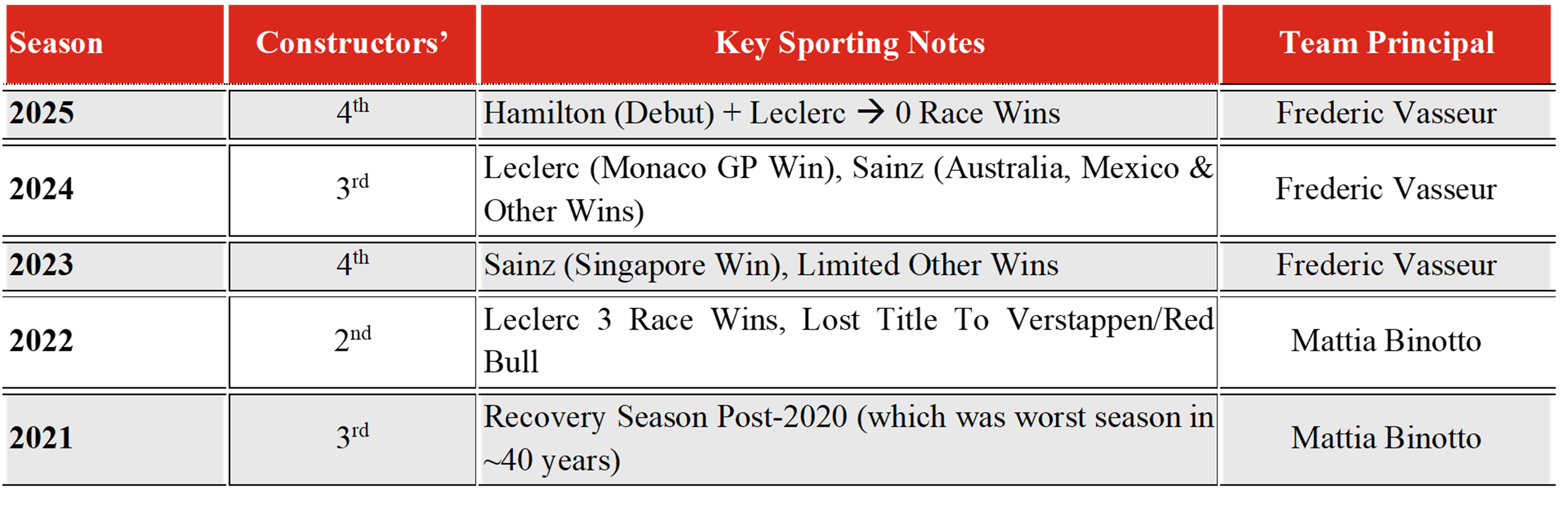
Today, Ferrari competes within a highly sophisticated peer group that includes McLaren, Mercedes, Red Bull Racing, and other well-capitalized teams backed by major automotive, corporate, and investor platforms. Competitive leadership in modern Formula One shifts meaningfully from cycle-to-cycle, as reflected in the 2025 Constructors’ standings, where McLaren finished first, followed by Mercedes and Red Bull, with Ferrari placing fourth. Notably, 2025 was Ferrari’s first winless season in several years, despite fielding perhaps its most star-studded driver lineup in recent memory, with Charles Leclerc and Lewis Hamilton. The 2026 regulation reset, (new power units, entirely redesigned cars) gives Ferrari a reset opportunity.
Table 1 Leading Formula One Teams by Championships
Source: F1, Ferrari, Gabelli Funds
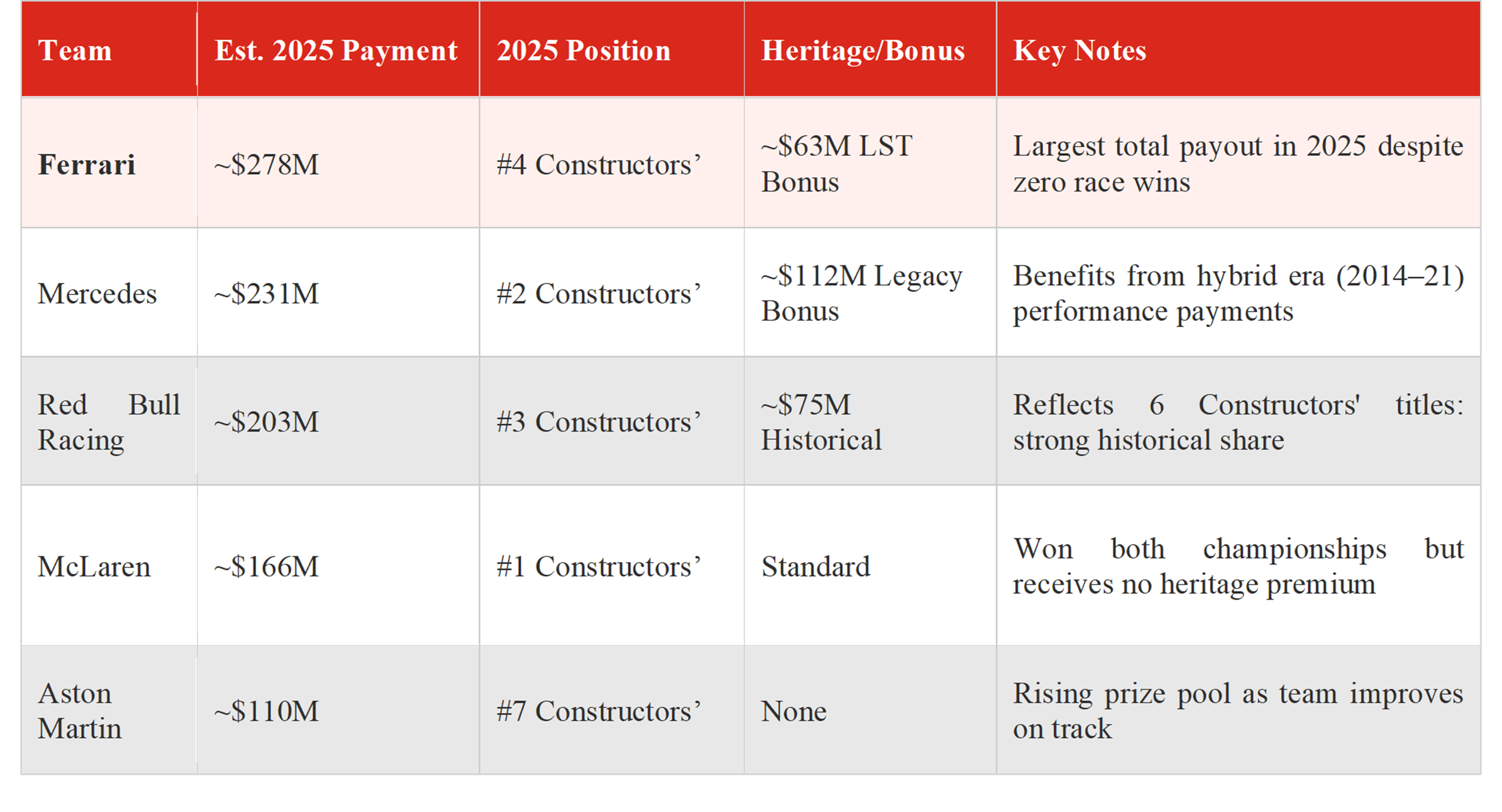
What differentiates Ferrari from its peers is the combination of sporting legacy, brand power, and cultural significance. Other teams may lead in any given season, but no other team occupies Ferrari’s place in the emotional and historical architecture of Formula One. This is reflected directly in economics: despite finishing fourth in the 2025 Constructors’ standings and not winning a single race, Ferrari received the largest prize money distribution of any team, approximately ~$278 million, driven by its unique Long-Standing Team (LST) bonus for being the only constructor to have participated in every season since 1950. No other team can replicate this structural advantage within the Concorde Agreement.
Table 2 Scuderia Ferrari Five-Season Lookback
Source: F1, Ferrari, Gabelli Funds
Table 3 F1 Team Peer Group Analysis (2025)
Source: Sportico, Forbes, Gabelli Funds
Scuderia Ferrari’s Financial Overview
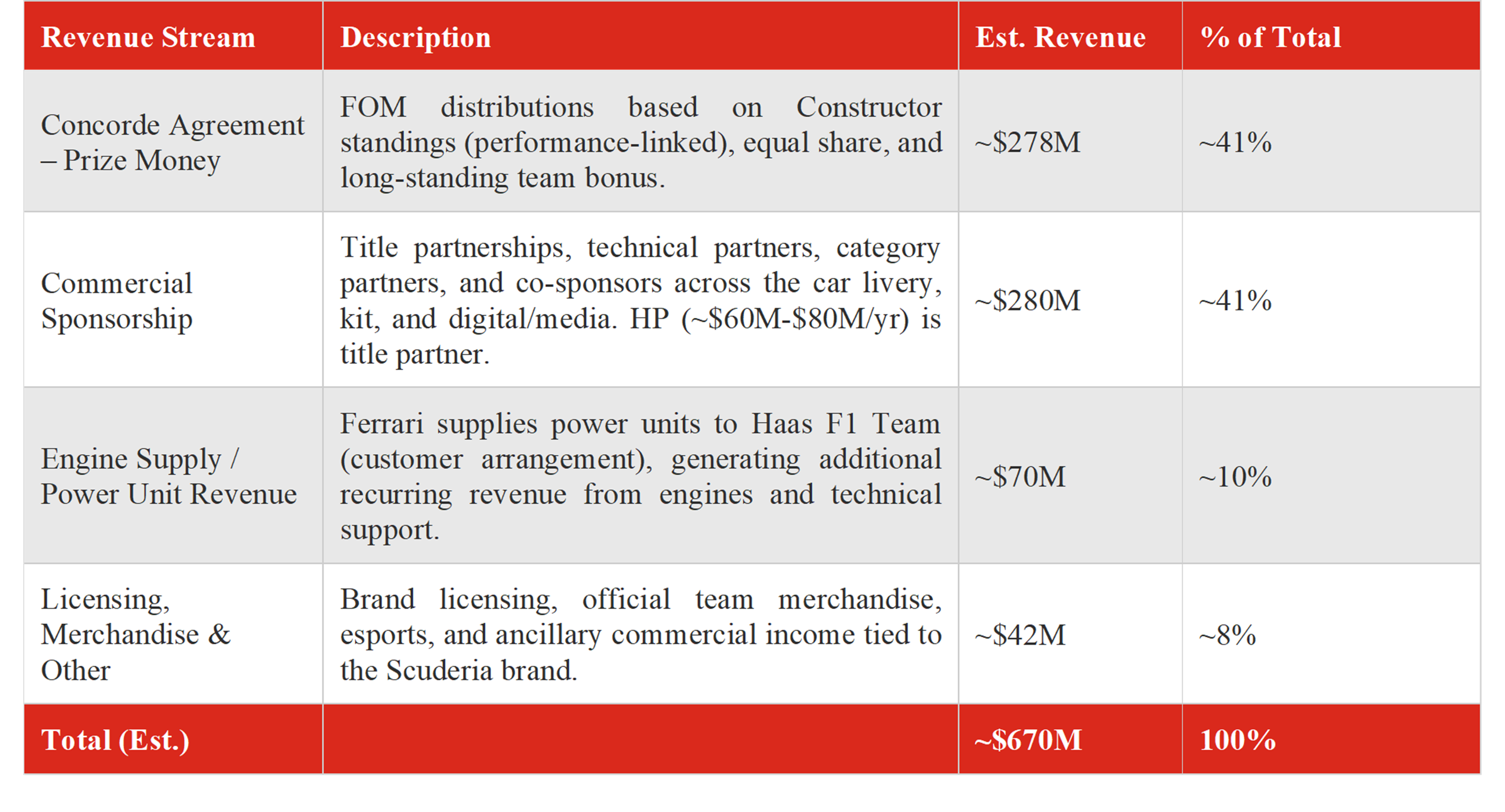
Ferrari N.V. does not separately report the Scuderia Ferrari F1 team’s financial results as a distinct segment. The team’s revenues and costs are embedded within the broader RACE enterprise (under sponsorship, commercial and brand). However, drawing on publicly available Concorde Agreement prize money data, sponsor deal reporting, industry filings, and Ferrari disclosures, estimates suggest that the Ferrari F1 operation generates approximately ~$670 million in total revenue, making it the second-highest revenue-generating team on the grid after Mercedes. The F1 team’s revenue model is structured around two primary pillars: Concorde Agreement distributions from the Formula One Group and direct commercial sponsorship. The team also earns revenue through its engine supply deals with Haas and Cadillac, and through licensing activities.
Table 4 Ferrari F1 Team Estimated Revenue Breakdown (2025)
Source: F1, Sportico, Forbes, Gabelli Funds
The Concorde Agreement – Explainer:
The Concorde Agreement governs how Formula One’s commercial revenue is distributed to teams. Under the current arrangement (2026–2030, signed in 2025), Liberty Media distributes approximately 45-50% of F1’s primary revenue back to the teams. In 2025, total prize money distributions across the grid were approximately $1.45 billion. Distributions are determined by three components: a roughly equal base payment (~50% of pool), a performance-based allocation tied to the prior year’s Constructors’ standings, and historical/heritage bonuses for teams with distinguished long-term records. Ferrari’s structural advantage lies in the Long-Standing Team (LST) bonus, a payment of approximately ~5% of the total prize fund, estimated at $63 million in 2025, paid simply because Ferrari is the only team to have competed in every Formula One season since 1950. No other current team qualifies for this specific benefit. Mercedes and Red Bull receive separate historical performance bonuses tied to Constructors’ titles won during the hybrid era (2014–2021) and earlier, but these are distinct from Ferrari’s unique LST payment. This resulted with Ferrari topping the 2025 prize money distribution at an estimated ~$278 million, despite winning no races and finishing fourth in the standings, a structural advantage that is unlikely to be eroded in future Concorde negotiations given Ferrari’s foundational role in the sport. While Mercedes’ legacy payment currently exceeds Ferrari’s LST bonus in absolute terms, it will erode as the dominant hybrid era seasons roll out of the 10-year lookback window. Ferrari’s LST payment, by contrast, is permanent and non-replicable, no other team can ever qualify for it.
Scuderia Ferrari’s Financial Overview – Continued
Exhibit 4 F1 Team Payments (2025E)
Source: F1, Sportico, Forbes, Gabelli Funds
Cost Cap Framework:
The Formula One cost cap, introduced in 2021, has fundamentally altered the financial structure of the sport. The base cap is set at $135 million for core racing activities, with indexation for inflation and additional allowances for races beyond 21 on the calendar, putting the effective 2025 ceiling at ~$140-145 million. Before the cost cap, top teams including Ferrari, Mercedes, and Red Bull reportedly spent $400-500 million annually on racing operations alone. The cap’s implementation has compressed the competitive gap across the grid, improved the financial viability of smaller teams, and made the economics of team ownership more institutionally attractive. For 2026, the headline cap figure rises to $215 million, though this represents a recalculation rather than a net increase in spending, as numerous previously exempt cost categories have been brought inside the perimeter alongside inflation adjustments.
For Ferrari, the cost cap interacts with the team’s scale and infrastructure in a meaningful way. As a manufacturer team backed by a $60+ billion market cap parent company, Ferrari absorbed the cap constraint differently from independent teams: its manufacturing, R&D, and infrastructure costs are partially shared with Ferrari N.V.’s broader operations, providing a structural efficiency advantage. Engine and power unit development (which carries a separate cost cap), combined with the technical investment being made for 2026’s major regulation reset, positions the Scuderia to compete for a return to championship contention as the new era begins.
Scuderia Ferrari Growth Drivers #1 (F1 Commercial Expansion & Concorde Economics)
The broadest and most durable growth driver for Ferrari is the continued commercial expansion of Formula One as a global sports and entertainment property. Since Liberty Media’s acquisition of the commercial rights in 2017, the sport has undergone a transformational shift in audience size, media rights value, sponsorship demand, and financial discipline. F1’s total primary revenue grew from approximately $1.80 billion in 2017 to $3.87 billion in 2025, directly lifting prize money distributions, sponsorship pricing, and team values across the grid
Media Rights Growth:
The US market represents one of Formula One’s most significant growth opportunities and has already delivered substantial returns. Apple secured exclusive US broadcasting rights for the 2026-2030 cycle at ~$140 million per season, representing a ~70% premium over ESPN’s prior deal. The US fanbase grew to approximately 52 million in 2024 (up over 10% YoY), driven by the Netflix Drive to Survive franchise, the addition of US circuits (Miami, Las Vegas, Austin), and a broader media strategy that has engaged younger, digitally native audiences.
Race Calendar Expansion:
The 2025 Formula One calendar comprised 24 races across 21 countries, the largest in the sport’s history. Each incremental race generates additional prize pool revenue for Liberty Media, additional distribution payments to teams, and expanded activation windows for sponsors. Race promoters pay fees to host Grand Prix events (Madrid reportedly paid ~€48 million for its 2026 inaugural race), and demand for race hosting rights continues to outstrip available calendar slots, giving Liberty pricing power in host fee negotiations. For Ferrari, a larger calendar means more sponsor activation events, more media visibility, and incrementally higher Concorde distributions*.
Exhibit 5 F1 Key Metric Growth (2017-2025)
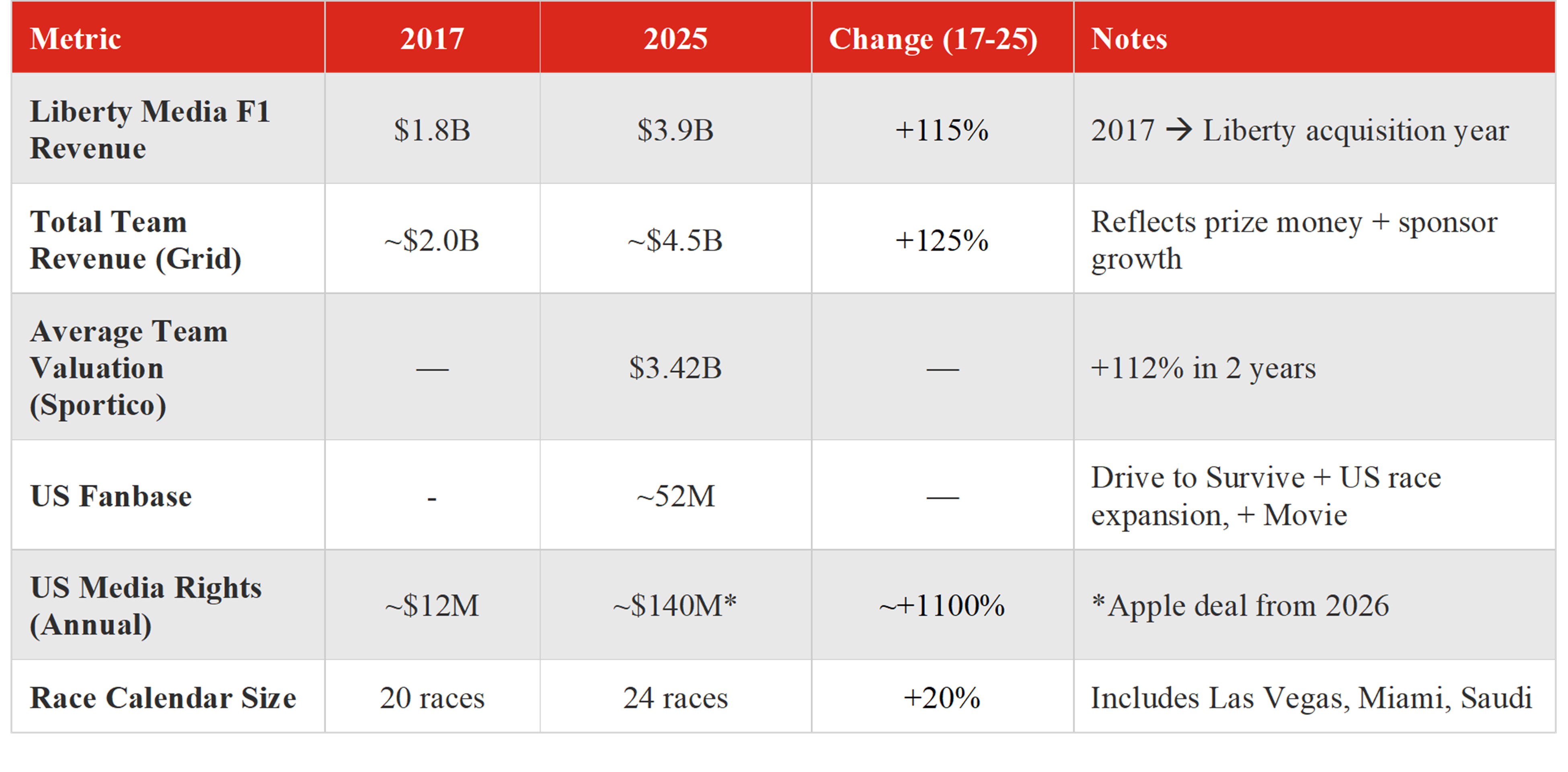
*Under the 2026-2030 Concorde Agreement, Ferrari’s Long Standing Team bonus is retained but revised, the prior escalator mechanism that could push Ferrari’s share up to 10% of the prize pool has been removed, with the payment now fixed at 5%. That said, 5% of a growing prize pool still means growing absolute dollars as Liberty’s revenues expand, creating a durable, performance-independent revenue stream unavailable to any other team on the grid.
Scuderia Ferrari Growth Drivers #2 (Commercial Partnerships & sponsorship Scaling)
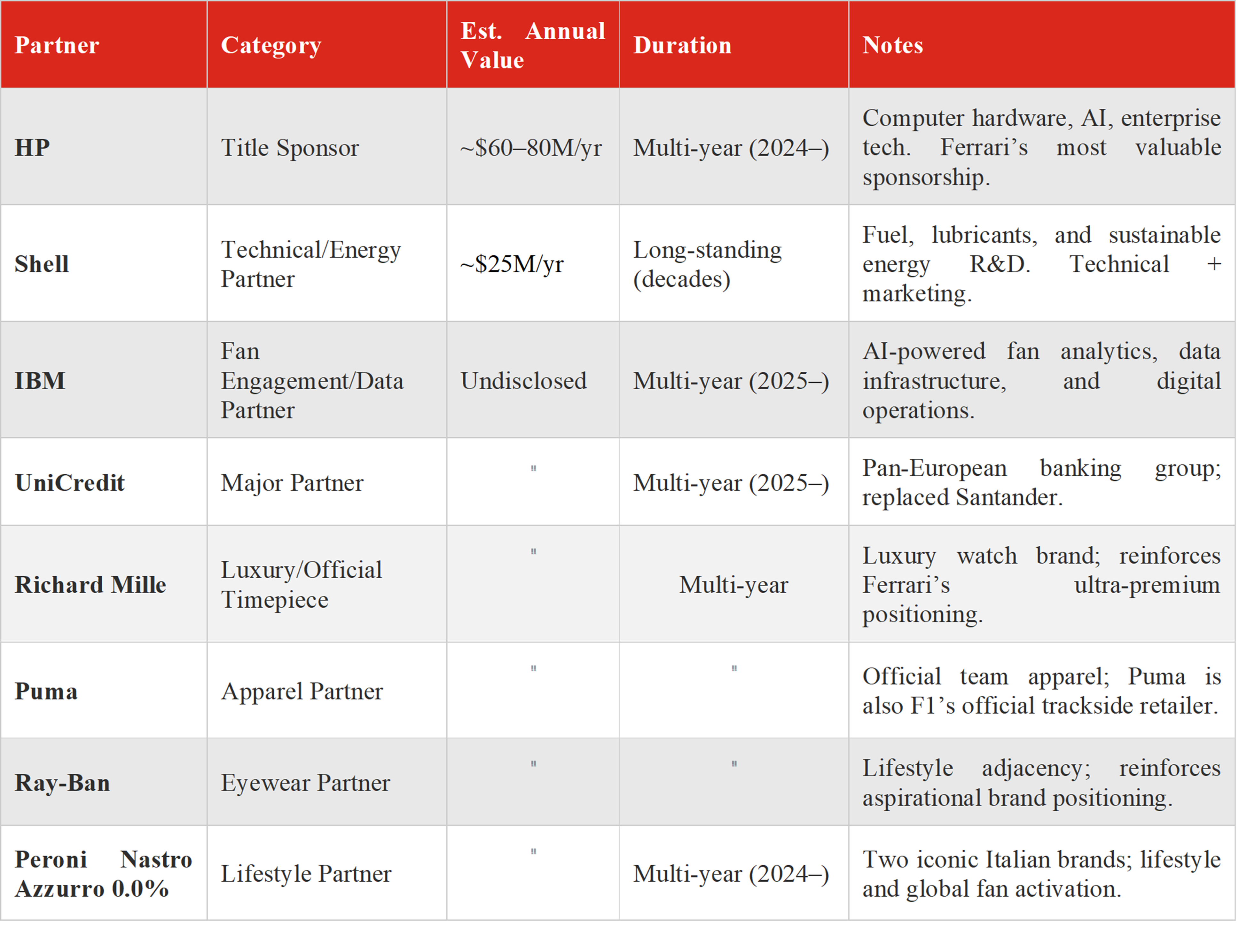
Ferrari’s commercial sponsorship business represents one of the most competitively advantaged sponsorship platforms in global sport. The brand commands a reported ~44% media value premium over the next best team and a ~31% engagement premium, translating directly into pricing power with global brand partners. In 2024, Ferrari signed HP as its title sponsor at an estimated $60-80 million per year, one of only two F1 sponsorships in the nine-figure range (alongside Red Bull’s Oracle deal). This transaction validated the commercial ceiling for Ferrari partnership rights and established a new benchmark for future renewals.
Beyond the HP anchor deal, Ferrari’s portfolio of 40+ official partners in 2026 spans luxury (Richard Mille), energy (Shell), financial services (UniCredit), lifestyle (Peroni Nastro Azzurro, Ray-Ban), and emerging sectors including crypto (BingX). Few teams on the grid can attract partners across this range of industries, the breadth is a direct function of the brand’s global recognition. The team’s Italian identity also creates natural alignment with heritage Italian brands.
Exhibit 6 Scuderia Ferrari Key Sponsorships
Source: Ferrari, Public Info, Gabelli Funds Estimates
Scuderia Ferrari Growth Drivers #3 (2026 Regulation Reset & Sporting Optionality)
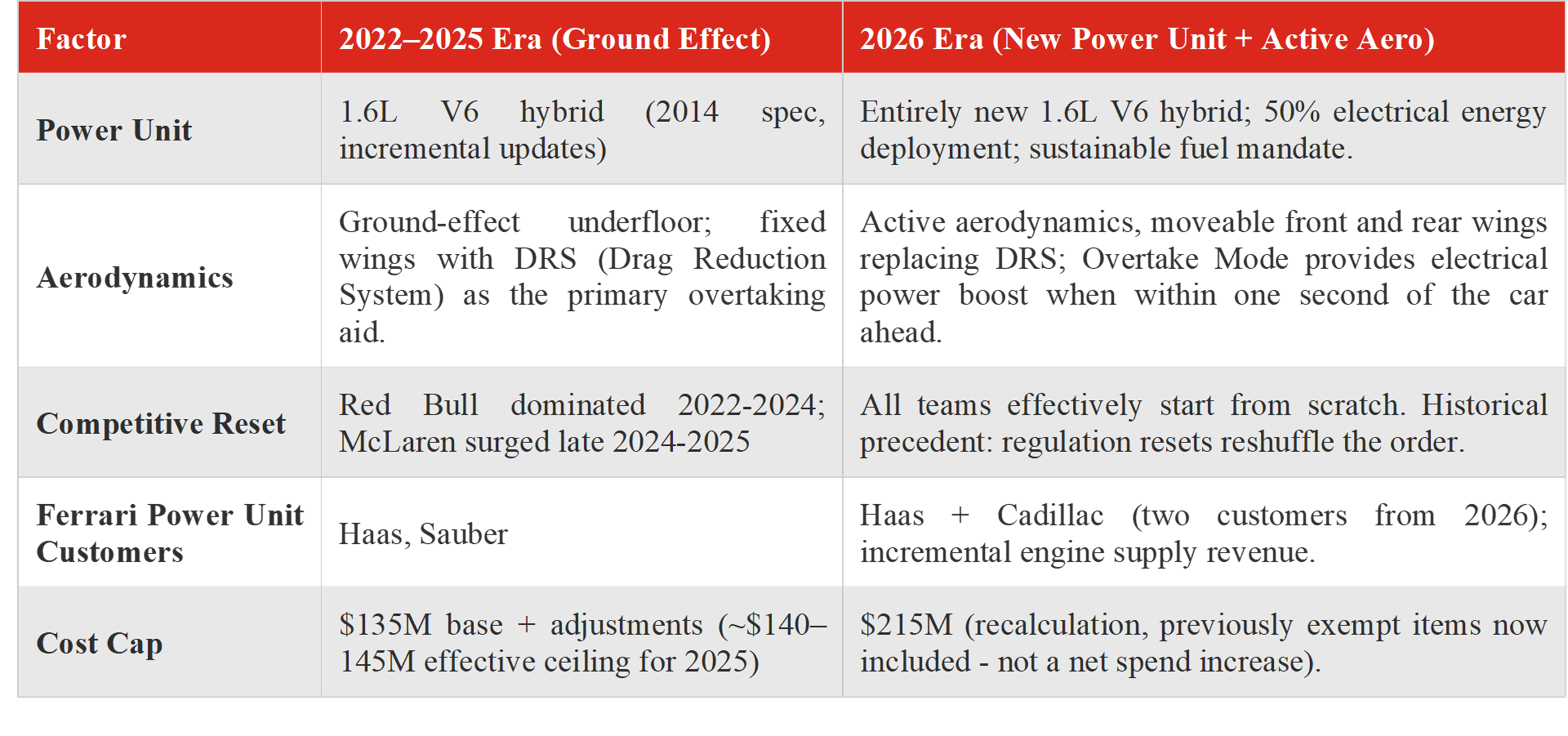
The 2026 F1 season brings the most comprehensive technical regulation change in the sport’s recent history. Changes include entirely new power unit specifications, revised aerodynamic rules centered on active aero replacing DRS, and altered energy recovery systems. Regulation resets have historically served as competitive equalizers in Formula One, creating windows for non-dominant teams to challenge, as each constructor must engineer an entirely new car concept from scratch.
Historical Precedent:
Ferrari’s most recent dominant era (the Schumacher dynasty of 2000-2004) was enabled by a regulation environment that played to the team’s strengths. More recently, the 2022 regulation reset (ground-effect aerodynamics) saw Ferrari genuinely challenge Red Bull for the Constructors’ title through the early part of the season, before reliability and strategic issues undermined the campaign. The 2026 reset is the most significant since 2014, and Ferrari has invested heavily in its new power unit program. Early 2026 results are encouraging: through two races Ferrari sits second in the Constructors’ Championship, the closest challenger to a dominant Mercedes.
The Hamilton Factor:
Lewis Hamilton’s arrival at Ferrari for 2025 created a commercial and sporting opportunity whose full value was constrained by an uncompetitive car. A competitive 2026 car changes the picture completely. A championship contending Ferrari with Hamilton and Leclerc would generate a media and sponsorship activation cycle, driving prize money upside and sponsorship renewal leverage in a way no other team on the grid could replicate.
Engine Supply Expansion:
As of 2026, Ferrari supplies power units to both Haas and the newly entered Cadillac team. This adds an incremental revenue stream from engine supply and technical services while strengthening Ferrari’s position as the grid’s most commercially embedded manufacturer. Cadillac’s $450 million anti-dilution payment to existing teams also provided a one-time financial benefit to Ferrari as one of the ten incumbent teams.
Exhibit 7 2026 Regulation Reset – Key Changes vs. Prior Era
Source: Public Data, F1
Ferrari’s F1 Team Valuation
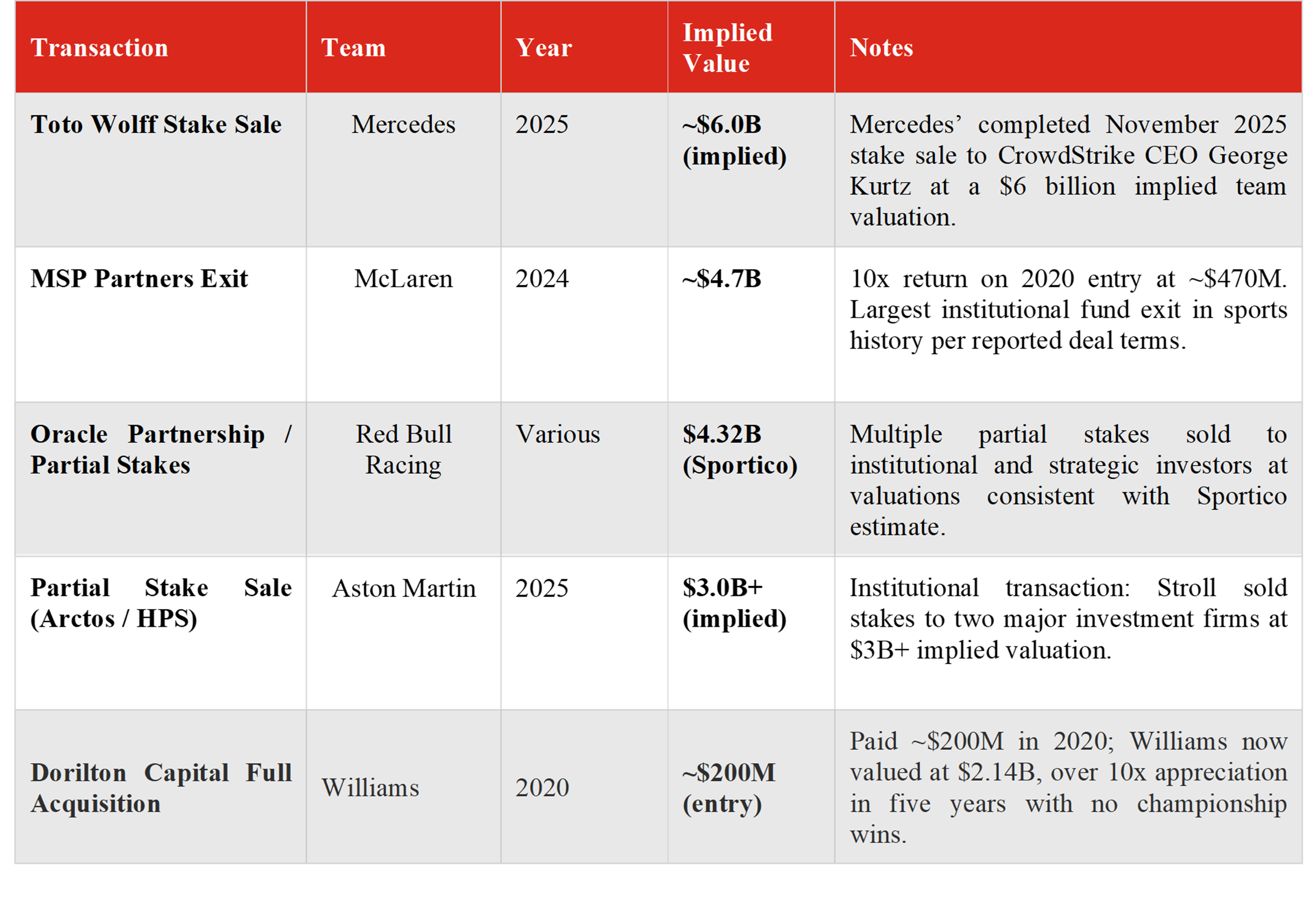
Sportico and Forbes value Ferrari at $6.4 billion and $6.5 billion respectively, first among all Formula One teams for the third consecutive year. Both figures are corroborated by recent transactions across peer teams, including McLaren’s MSP exit at $4.7 billion, Aston Martin partial stake sales at $3.0 billion, and Mercedes’ completed November 2025 stake sale to CrowdStrike CEO George Kurtz at a ~$6.0 billion valuation, all of which anchor the upper end of the F1 value spectrum and support Ferrari’s premium position. That premium reflects four structural inputs. Ferrari’s ~$670 million in estimated F1 revenue, at a 9-10x multiple, supports a $6-7B+ range on revenue alone. The LST bonus creates a perpetual, non-replicable income stream unavailable to any other team. With only 11 teams on the grid and Liberty actively discouraging further expansion, each slot is scarce, Ferrari’s is the most valuable. And unlike independent teams, Ferrari’s racing operations directly support the road car business, creating brand adjacent value that extends well beyond the team’s standalone financials.
Exhibit 8 Ferrari F1 Valuation (Publication Benchmark)
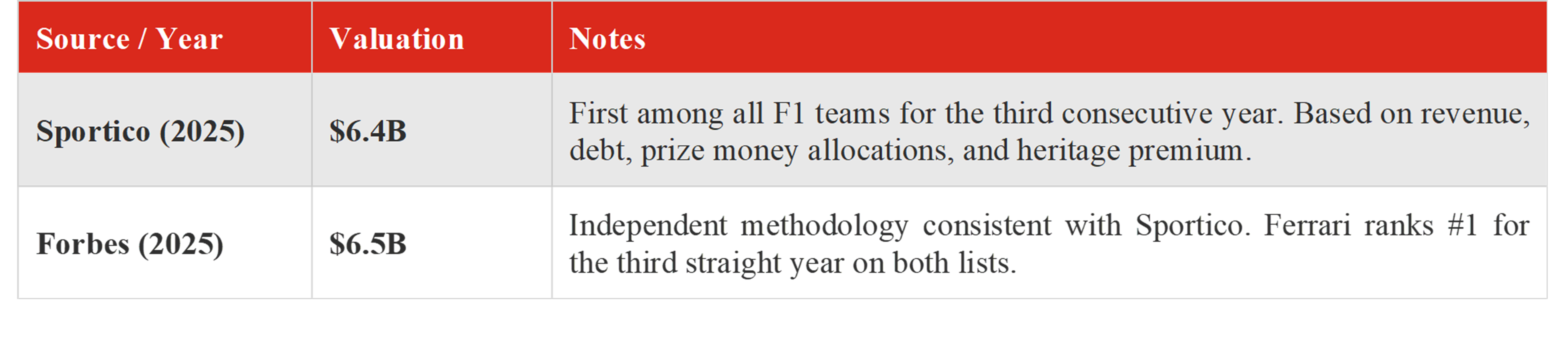
Exhibit 9 Ferrari F1 Valuation (Comparable Transaction Benchmark)
Source: Public Information / Estimates
The Driver Lineup: Hamilton & Leclerc
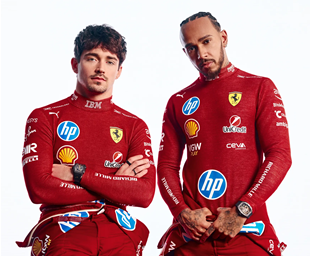
Charles Leclerc, 28, is a Monaco Grand Prix winner and Ferrari academy product who has spent his entire F1 career with the Scuderia (outside of rookie season with Alfa Romeo). He is widely regarded as one of the two or three fastest drivers on the grid and brings a level of institutional knowledge and brand alignment with Ferrari that is rare in the modern sport. Lewis Hamilton, 41, holds the all-time record of seven World Drivers’ Championships and 103 race victories. His move from Mercedes to Ferrari ahead of 2025 was the most high-profile driver transaction in recent F1 history. Despite a winless debut season, his commercial impact was immediate, Ferrari’s media value premium over rival teams widened, sponsorship interest intensified, and his 100 million social media followers gave the Scuderia a global platform no other team can replicate. Together they represent the most commercially valuable driver pairing on the grid, combining Hamilton’s unmatched global reach with Leclerc’s elite pace and long-term Ferrari identity. The full commercial leverage of this pairing was constrained in 2025 by an uncompetitive car. The 2026 regulation reset changes that calculus.
Early 2026 results suggest the reset is working. Through three races (Australia, China and Japan) Ferrari sits second in the Constructors’ Championship with 90 points, trailing only Mercedes (135 points). In the Drivers’ standings, Leclerc is third (49 points) and Hamilton fourth (41 points), with Hamilton claiming his first Ferrari podium in China. It is only three races, and Mercedes has shown clear pace, but the direction is encouraging.
Exhibit 10 F1 2026 Current Drivers’ and Constructors’ Standings (Through 3 Races)
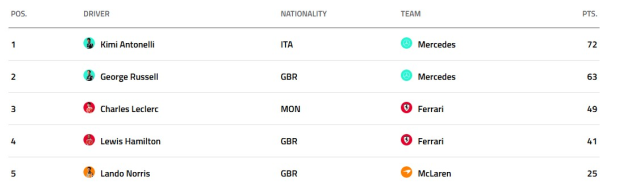
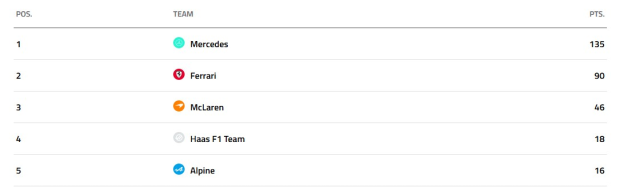
Source: F1
Appendix (Ownership)
Ferrari N.V. Ownership Structure:
Ferrari N.V. is a publicly listed holding company whose shares trade under NYSE: RACE and BIT: RACE. The company operates a loyalty voting program under which shareholders who maintain their holdings over a qualifying period receive enhanced special voting shares, a super-voting mechanism that materially amplifies the influence of long-term cornerstone holders. As of March 2025, EXOR N.V. holds approximately 21.20% of Ferrari’s economic interest but 32.17% of its voting rights as a result of this structure; Piero Ferrari similarly holds 10.61% of equity but 16.09% of votes. Together, the two cornerstone shareholders control a majority of Ferrari’s voting power despite holding roughly 37% of the economic capital. Scuderia Ferrari sits 100% within Ferrari N.V. and is not separately traded. Investors seeking exposure to Scuderia Ferrari do so through ownership of RACE shares or through EXOR N.V. (NYSE: EXOR), the Agnelli family holding company.
Exhibit 11 Ferrari (RACE) Ownership Structure
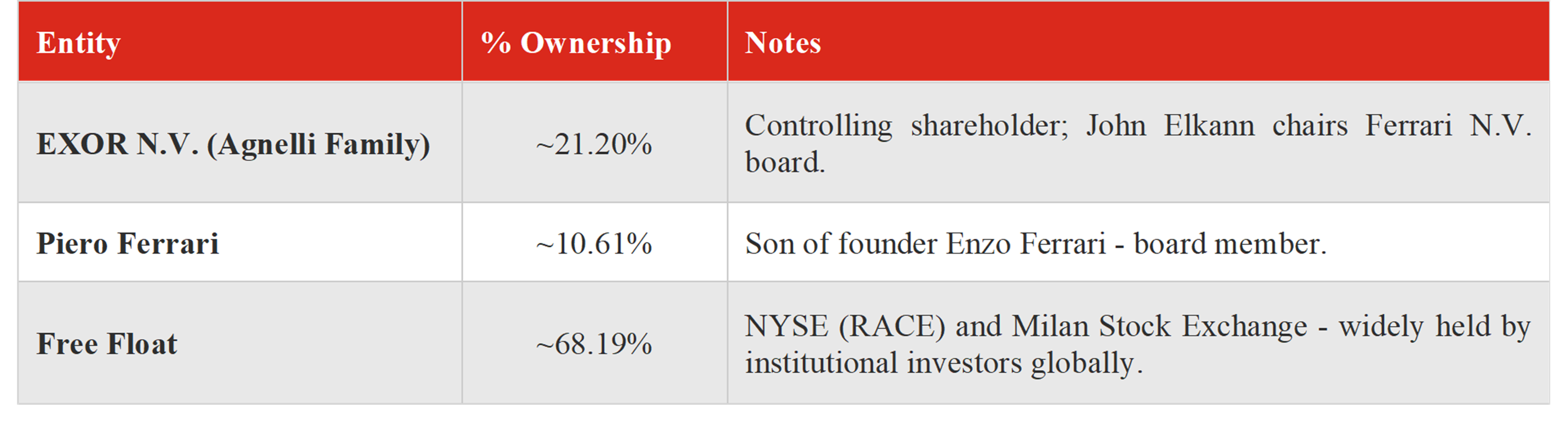
Source: Company Filings, Gabelli Funds
The Agnelli Family & EXOR: Ownership History
The Agnelli family’s connection to Ferrari dates to 1969, when Gianni Agnelli’s Fiat acquired a 50% stake in the company, a deal that resolved Ferrari’s financial pressures while preserving Enzo Ferrari’s control over the racing division. Fiat expanded that ownership to 90% by 1988, with the remaining 10% retained by Enzo and later inherited by his son Piero. Following Ferrari’s spin-off from Fiat Chrysler Automobiles and its 2015 IPO, the family’s holding vehicle EXOR N.V. emerged as the primary ownership entity. Since listing, Ferrari’s market capitalization has grown more than tenfold, and in February 2025 EXOR sold a 4% stake, approximately €3 billion, primarily to reduce portfolio concentration, as Ferrari had grown to represent nearly half of EXOR’s total net asset value.
John Elkann, Gianni Agnelli’s grandson serves as both CEO of EXOR and Executive Chairman of Ferrari, having assumed the Ferrari chairmanship in 2018. Piero Ferrari, Enzo’s son is Ferrari’s Vice Chairman. Together, the two cornerstone shareholders control a majority of Ferrari’s voting power. The result is a governance structure that has been stable for over five decades, which is unusual in modern sport.
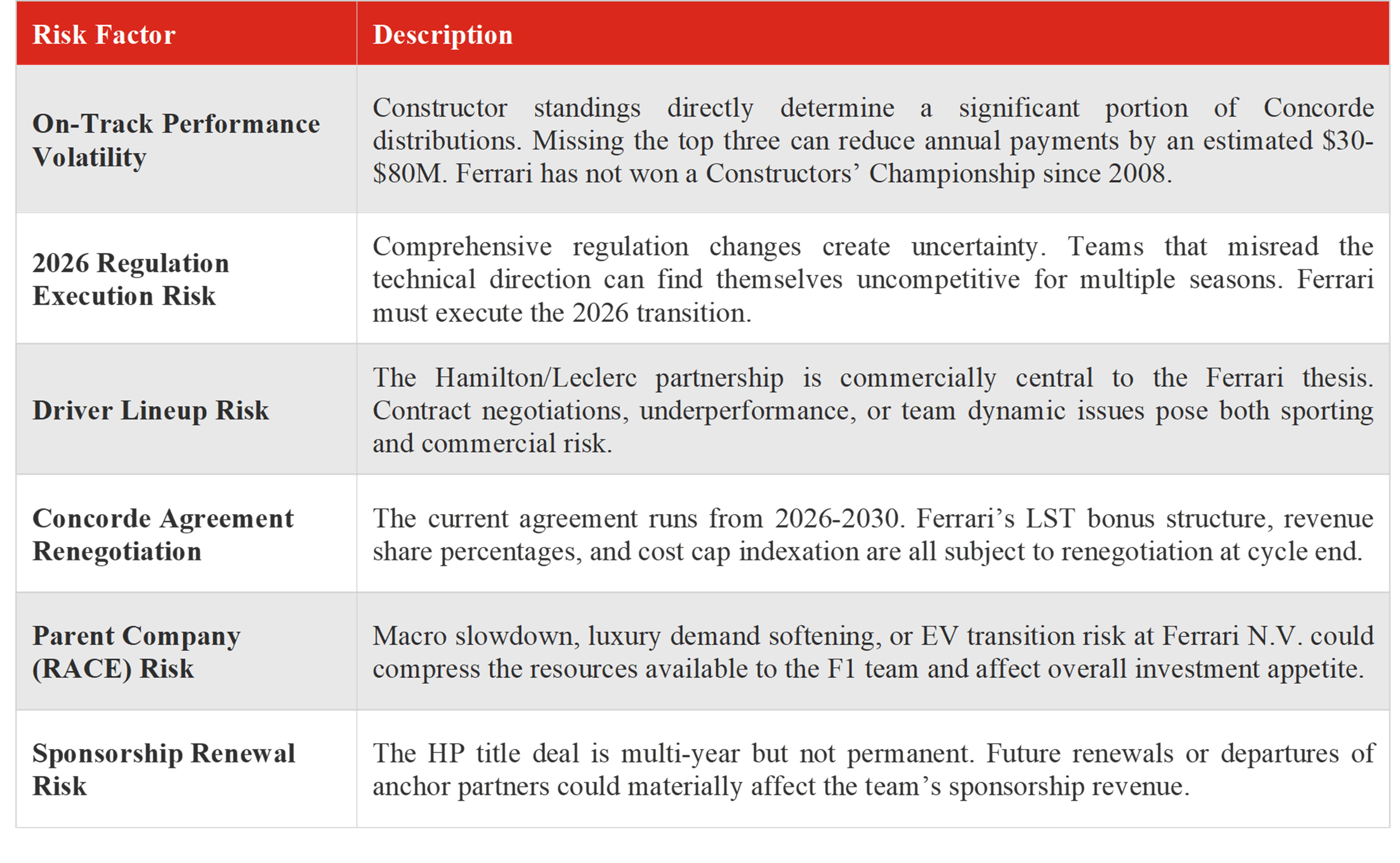
Appendix (Investment Risks)
While Scuderia Ferrari represents a structurally advantaged franchise asset with durable commercial and financial characteristics, investors should be aware of the following risks:
Investing in Ferrari Through GOLS
For investors seeking exposure to the Scuderia Ferrari story, the Gabelli Opportunities in Live & Sports ETF (NYSE: GOLS) offers a compelling vehicle. Ferrari N.V. (NYSE: RACE) is a core holding within GOLS, reflecting the Fund’s conviction that the world’s most iconic sports franchises represent a distinct and durable asset class. GOLS provides investors with actively managed, transparent ETF access to Ferrari and the broader ecosystem of sports, live entertainment, and media businesses that are reshaping the global economy of fandom. To learn more about GOLS, visit our website or email us at etfs@gabelli.com.
249 ROYAL PALM WAY, PALM BEACH, FL 33480 Gabelli Funds TEL (561) 671-2100
This whitepaper was prepared by Alec Boccanfuso. The examples cited herein are based on public information and we make no representations regarding their accuracy or usefulness as precedent. The Research Analyst’s views are subject to change at any time based on market and other conditions. The information in this report represent the opinions of the individual Research Analyst’s as of the date hereof and is not intended to be a forecast of future events, a guarantee of future results, or investments advice. The views expressed may differ from other Research Analyst or of the Firm as a whole.
As of December 31, 2025, affiliates of GAMCO Investors, Inc. beneficially owned less than 1% of all other companies mentioned in this report.
Important Disclosures
- Shares of this ETF are bought and sold at market price (not NAV) and are not individually redeemed from the fund.
- Buying or selling ETF shares may require additional fees such as brokerage commissions, which will reduce returns.
- These additional risks may be even greater in bad or uncertain market conditions.
You should consider the ETFs’ investment objectives, risks, charges and expenses carefully before you invest. The ETF’s’ Prospectus is available from G.distributors, LLC, a registered broker-dealer and FINRA member firm, and contains this and other information about the ETF, and should be read carefully before investing.
Distributed by G.distributors, LLC, a registered broker dealer and member of FINRA.
This whitepaper is not an offer to sell any security nor is it a solicitation of an offer to buy any security.
Investors should consider the investment objectives, risks, sales charges and expense of any fund carefully before investing.
For more information, visit our website at: www.gabelli.com or call: 800-GABELLI
800-422-3554 • 914-921-5000 • Fax 914-921-5098 • info@gabelli.com