February 2026: HALO beats EU Power Market Reform
What You Need To Know
There is no AI without electricity! After posting a 20% return in 2025, global utilities also had a tremendous start into this year with the MSCI World Utilities outperforming the broader market (MSCI World) year-to-date (YTD) by 550 basis points. So far in 2026, the outperformance has been broad-based across regions: while European Utilities are leading the charge again (+10.5%), Asian and US Utilities have also gained 9.4% and 7.5% YTD, respectively (see Table 1). The underlying theme for this strong sector return has not changed from last year, namely, solid power demand growth from data centers in the USA and from the electrification of economic sectors in Europe, Japan and in China. What has changed is that generalist investors in Europe, who have mostly ignored utilities last year in favor of rallying AI and gold stocks, are now also starting to seek shelter in European utilities over fears that artificial intelligence could disrupt several industry sectors. Afterall, utilities need to power AI and the ongoing HALO trade (“Hard Assets, Low Obsolescence”) to protect against a possible AI disruption seems to outweigh recent investor concerns about a possible electricity market reform in Europe (see “Monthly Focus” on page 3).
Table 1 Index Performances
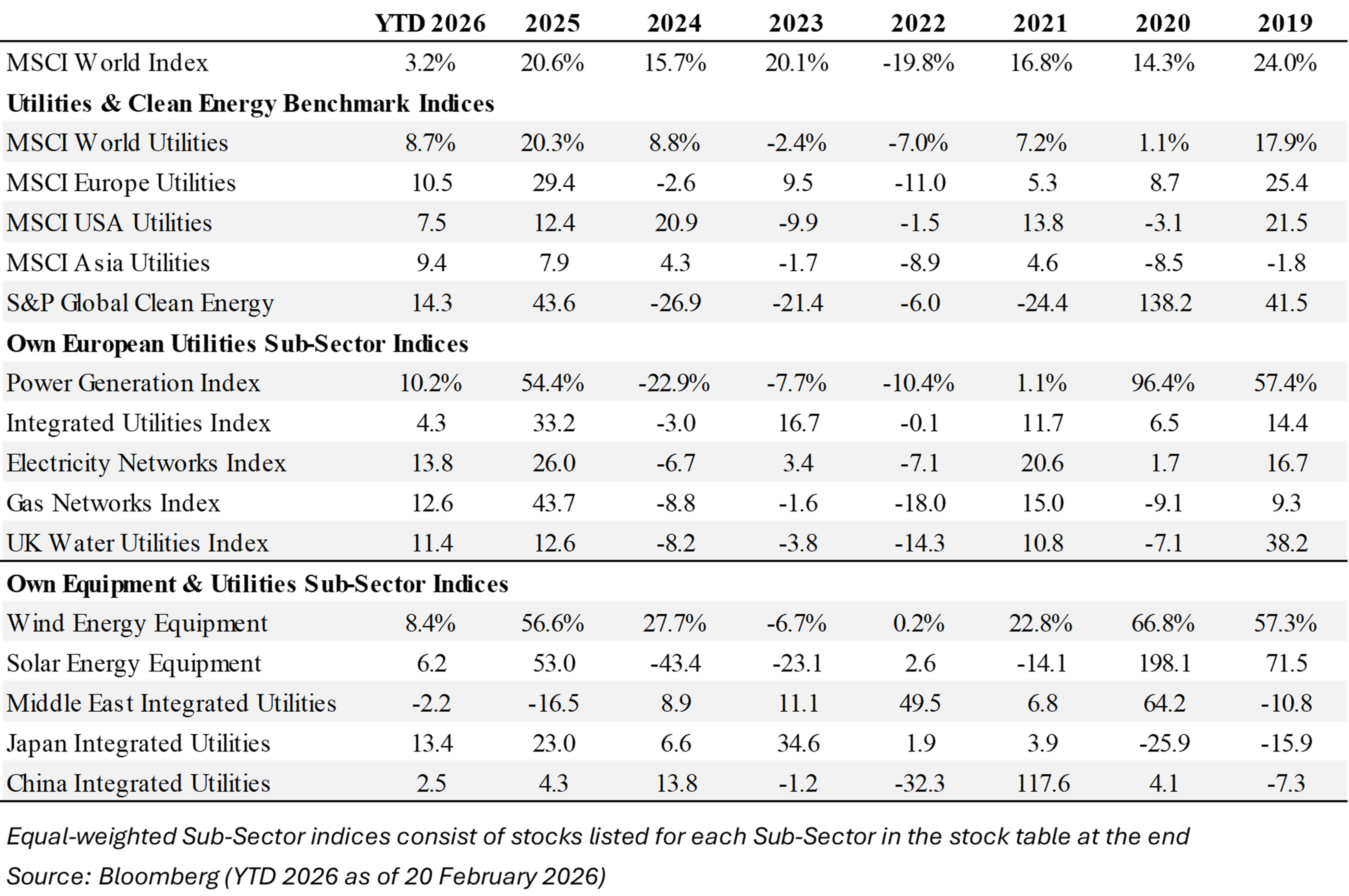
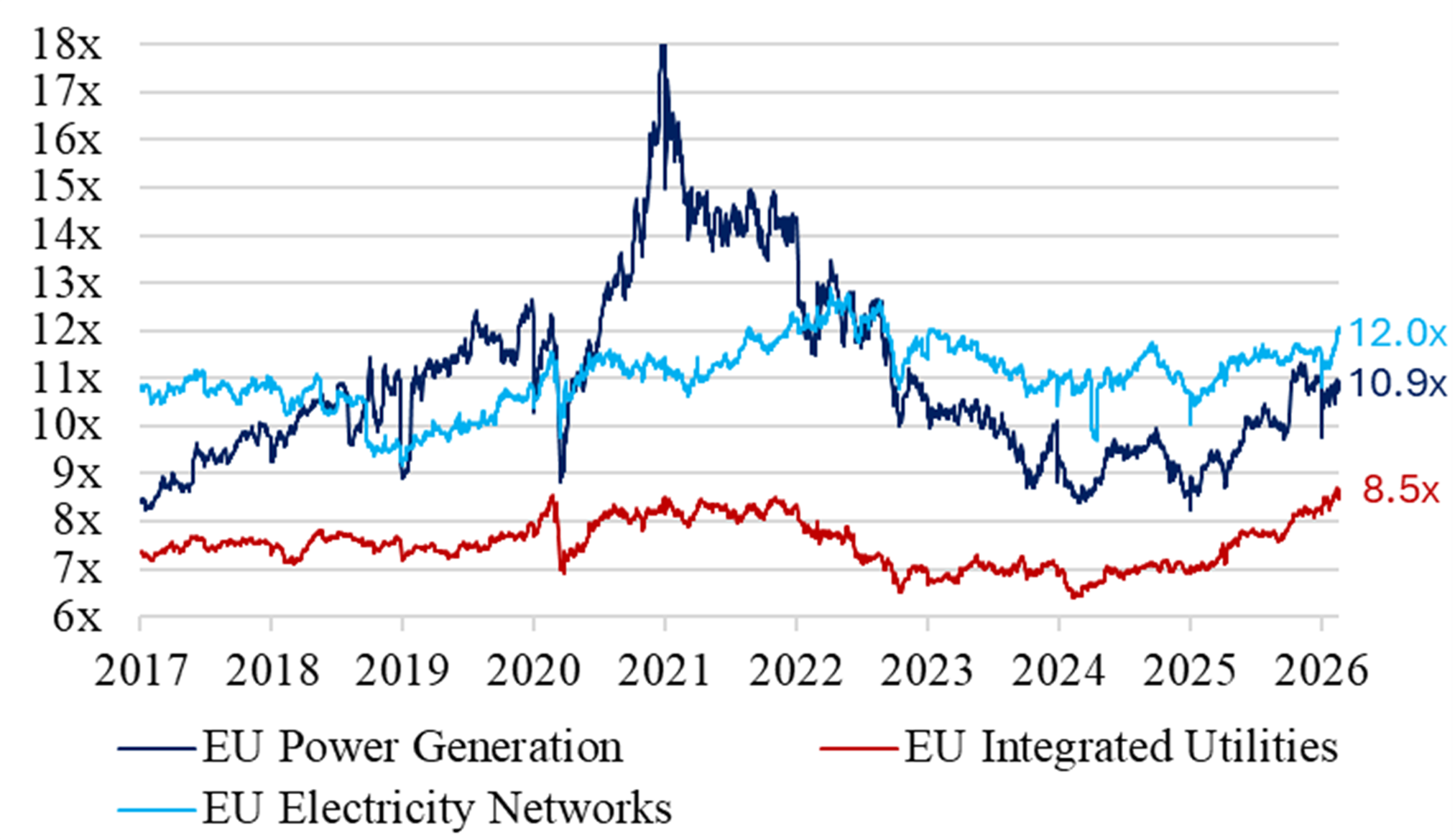
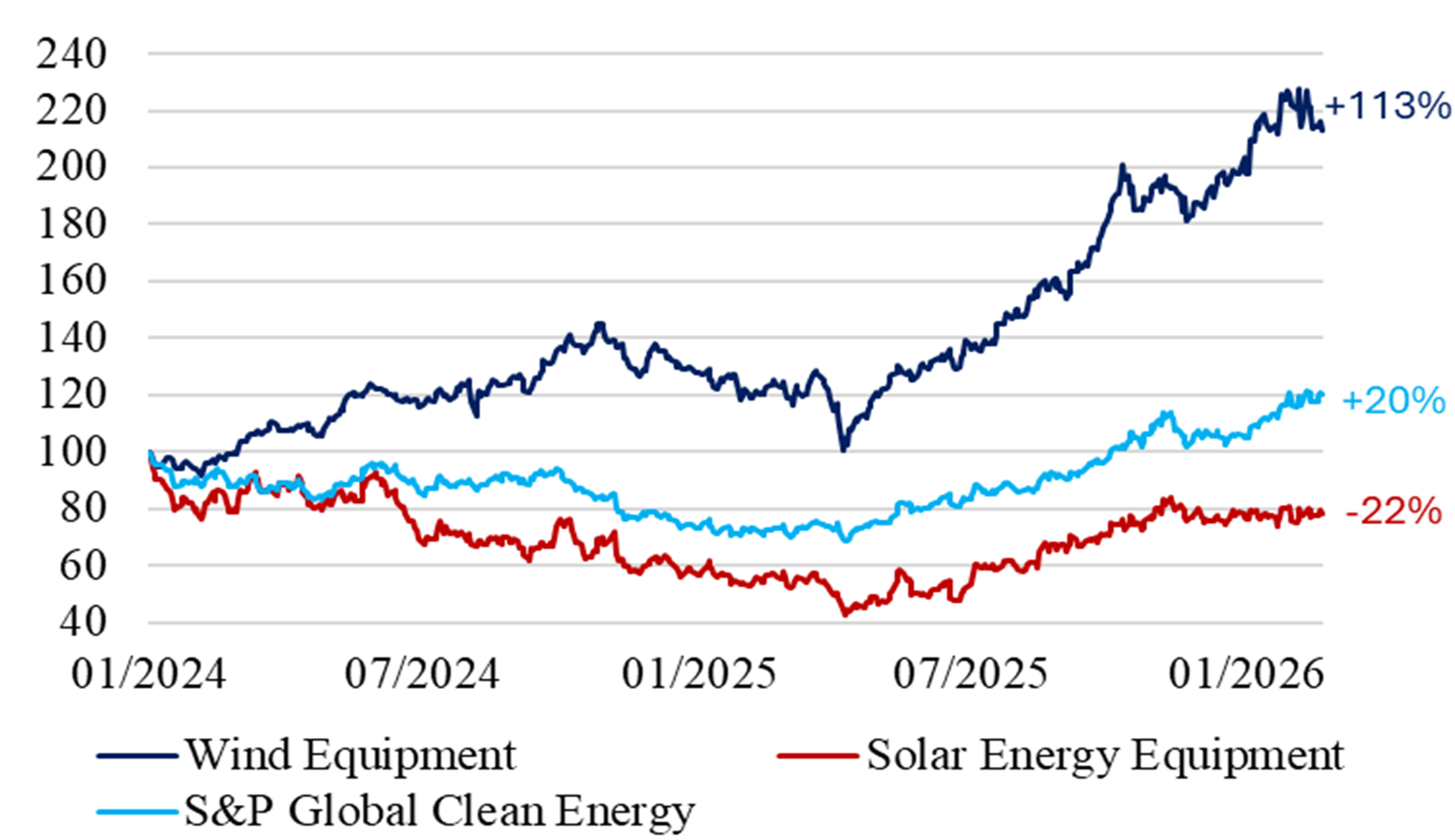
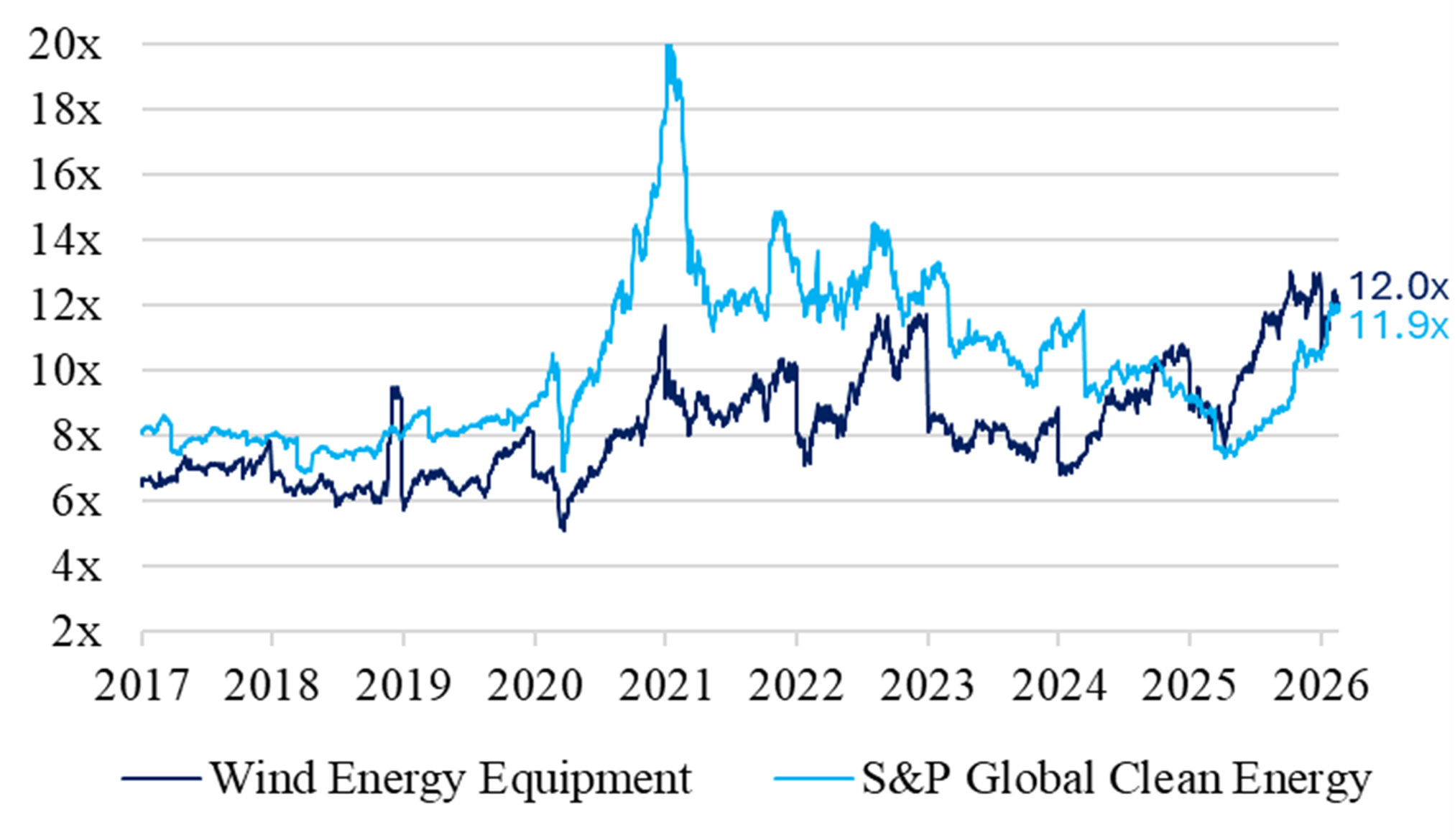
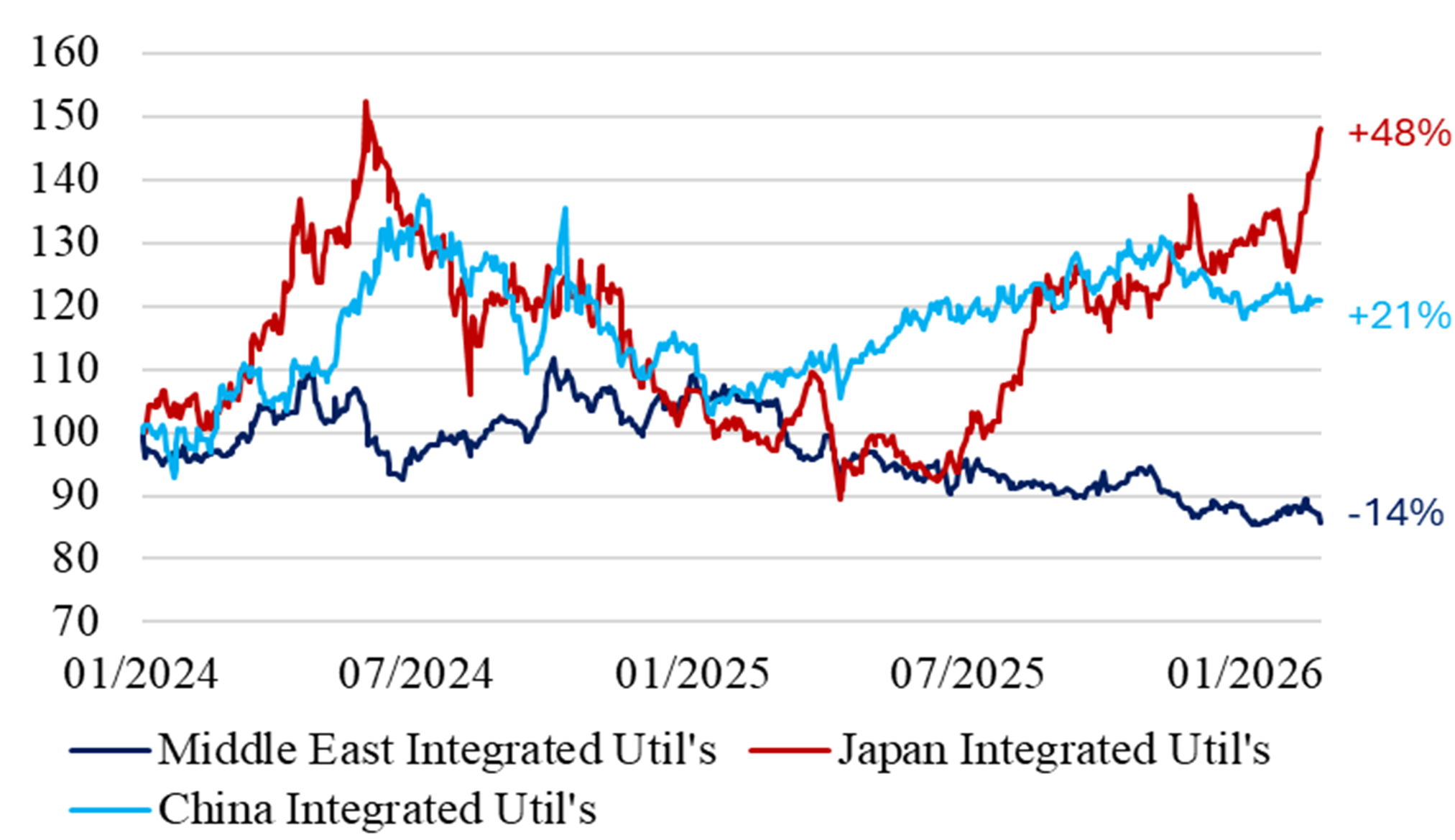
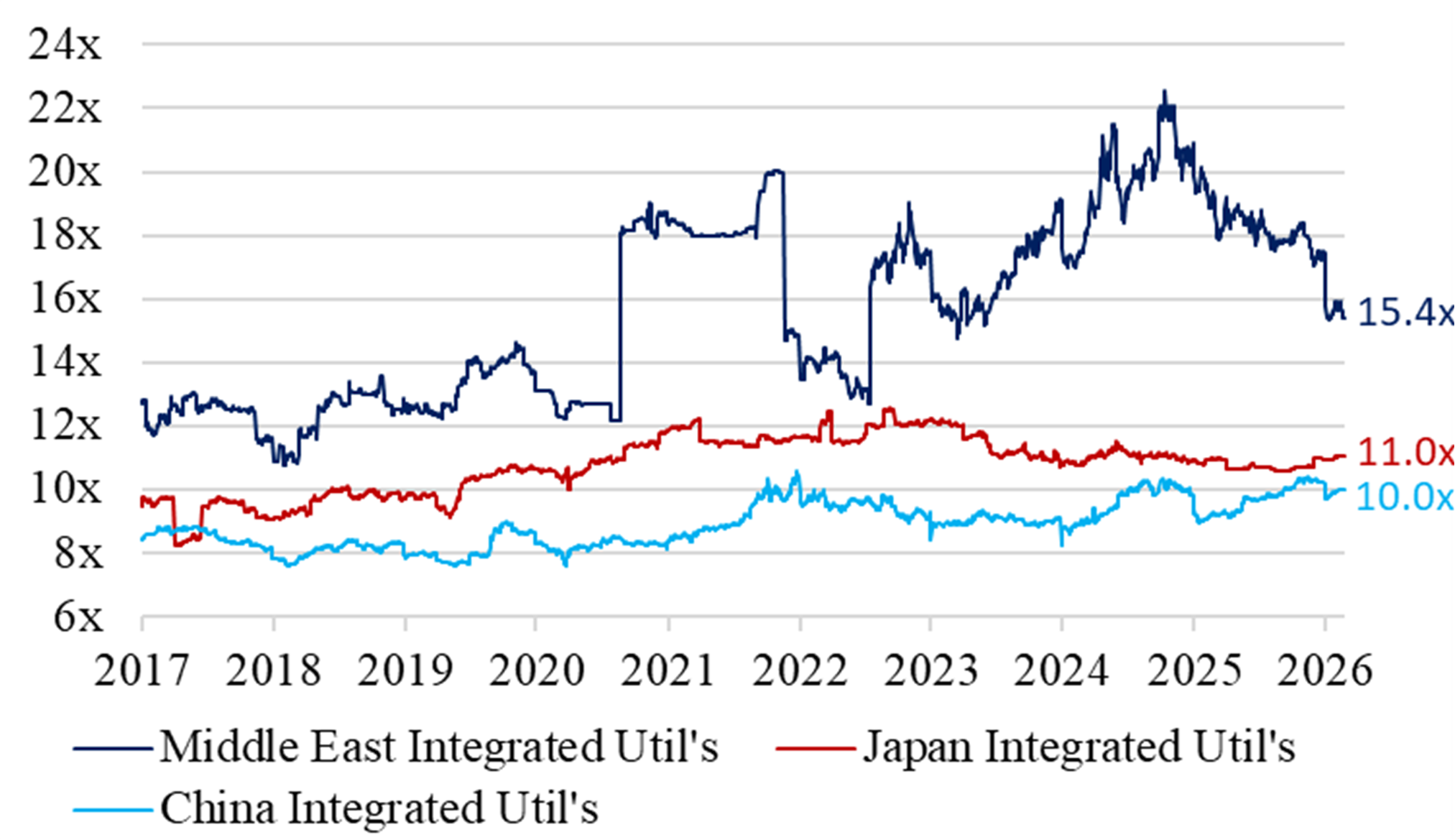
The strong performance of European Utilities was also broad-based across our equal-weighted custom subsector indices, which have all posted low single-digit returns YTD in 2026 (except for our “Integrated Utilities” index, see also Table 1). Worth highlighting is the strong start of UK Water Utilities in 2026, which is driven by improved investor sentiment as new regulation is expected to de-risk the UK water industry (see our UK Water comment under “Power Points” on page 8). After the strong share price performance, European Utilities are now trading at a 1-yr forward EV/EBITDA multiple of 9.0x, which is just above the upper end of its historical valuation range of 6.7x-8.8x (see the MSCI Europe Utilities index in the top panel of Exhibit 2). After gaining more than 50% in 2025, the Wind and Solar Equipment subsectors have again started with solid returns in 2026. Only Middle East Utilities started 2026 with a small loss (-2%), while Japanese Utilities have extended last year’s “Takaichi trade” rally into 2026 to become the strongest performer outside of Europe. But Japan is still only trading at an 11x EV/EBITDA, which is within its historical range of 8.9x-12.6x (see bottom row in Exhibit 2).
Exhibit 1 Short-Term PERFORMANCE Exhibit 2 Long-Term VALUATION
(rebased since 2024) (1-yr Forward EV/EBITDA since 2017)
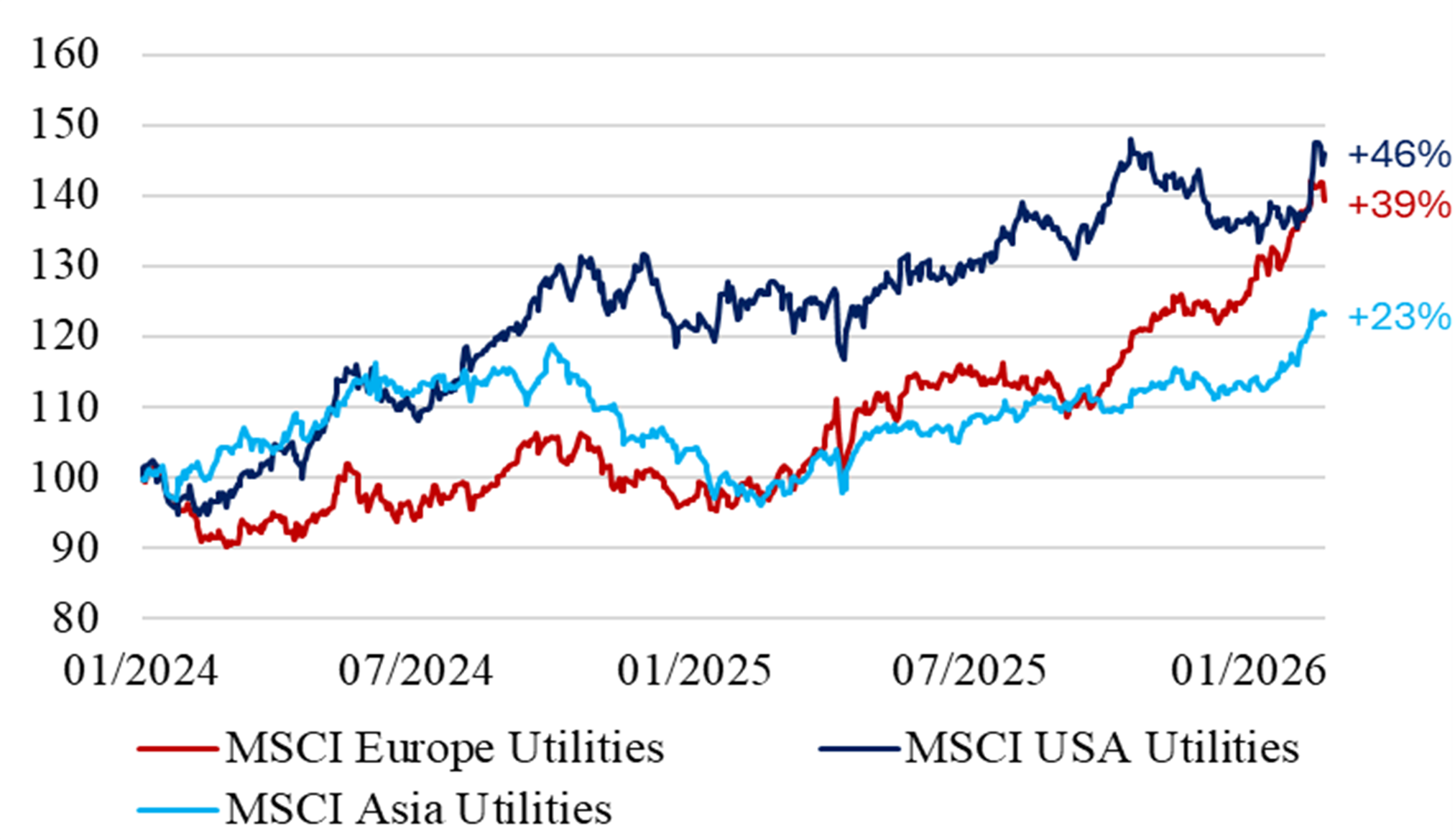
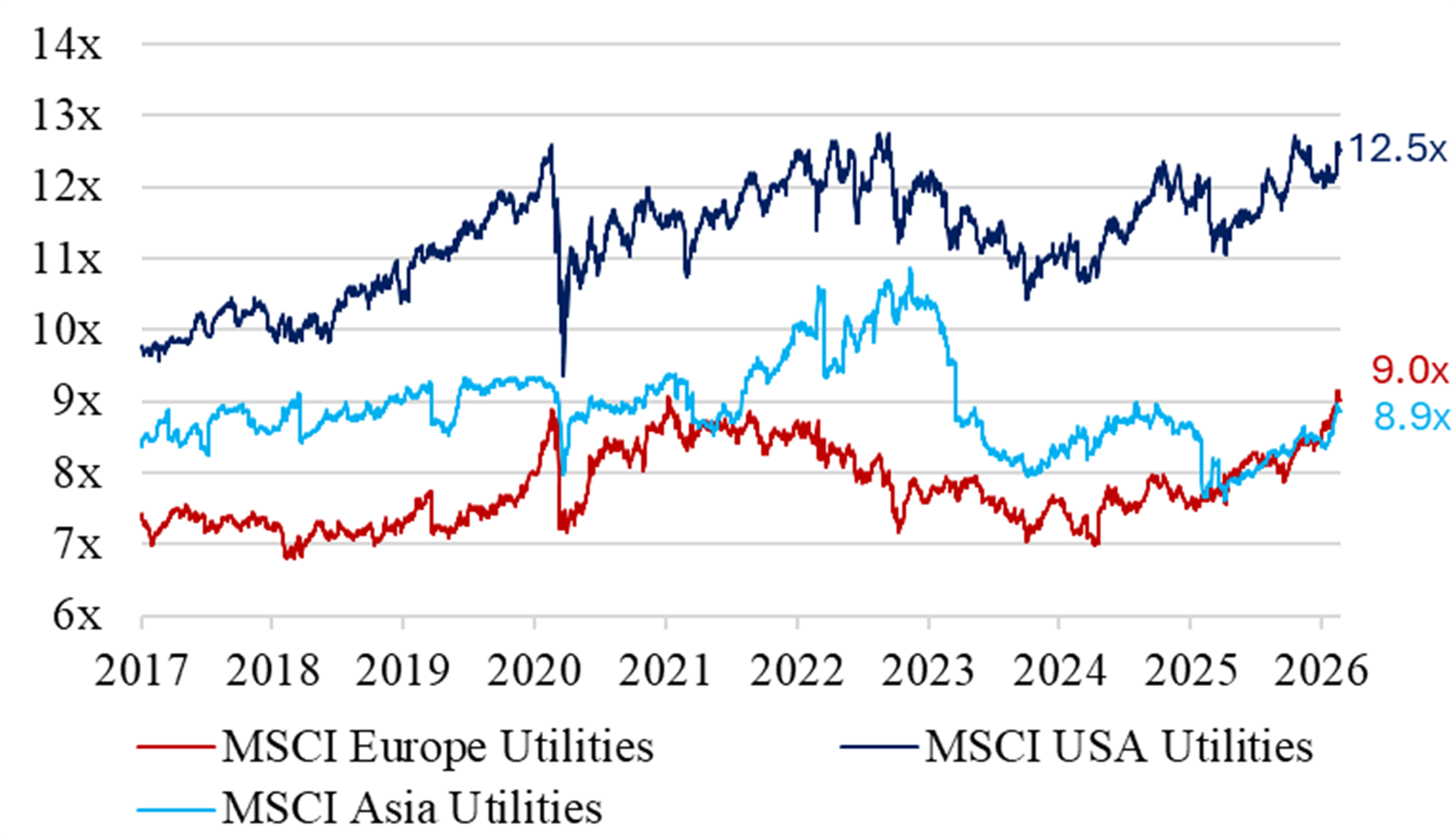
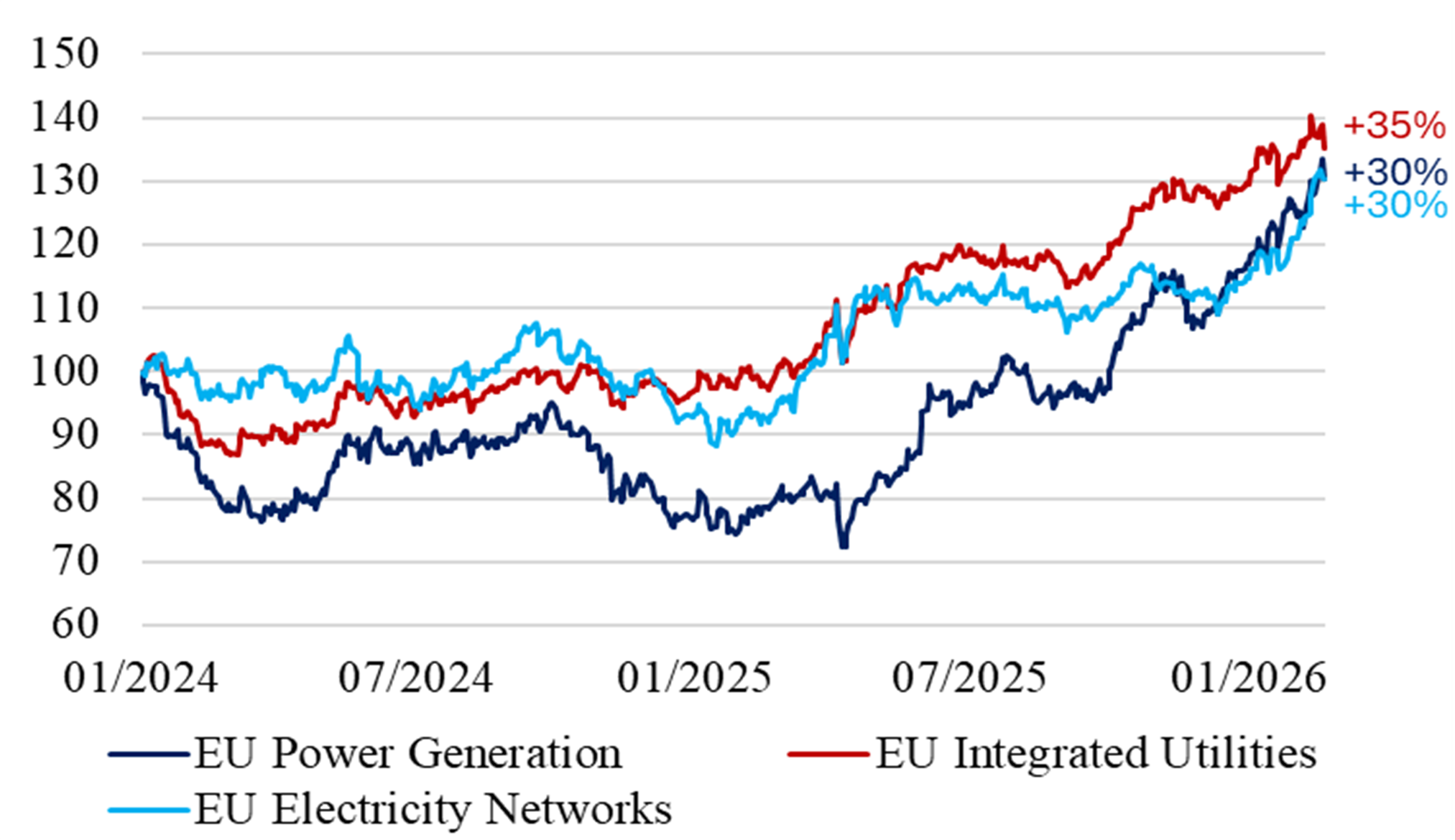
Source: Bloomberg Source: Bloomberg
(Prices as of 20 February 2026) (Valuations as of 20 February 2026)
Monthly Focus: Europe eyes electricity market reform to bring down power prices
Political attention has returned to a possible reform of the European power market along with the EU carbon market’s Emission Trading System (ETS) to lower European electricity prices and to improve Europe’s industrial competitiveness and energy affordability. The European power market design was already under discussion when natural gas and power prices had spiked during the 2022/23 energy crisis after the start of the Ukraine war. Therefore, it is somewhat surprising that the debate about reforming Europe’s power markets resurfaced after power prices had fallen over the past two years and futures curves suggest that gas and power prices should continue to decline as more renewable capacity comes online and growing global LNG supply will put pressure on European gas prices.
How Europe’s power market is currently designed
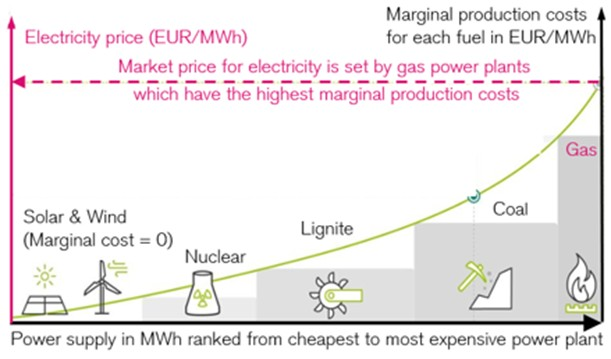
Today there is a wholesale power market in every European country, where generators (renewable and non-renewable) sell the generated electricity to retailers. Short-term power prices are currently set using “marginal pricing”, which means that electricity prices are set by the variable cost of the marginal power plant, i.e. the most expensive plant that is required to meet demand. All power plants are ranked by their marginal (variable) costs for producing a single MWh of electricity (the so-called “merit order”). To economically optimize the available electricity supply, the cheapest suppliers produce first (solar, wind and hydro, with marginal production costs of close to zero), while the most expensive (gas-fired) power plant produces the last MWh to clear the market (see Exhibit 3).
Exhibit 3 European merit order of available power supply
Source: Gabelli Funds
Accordingly, the gas price needed to produce the last MWh sets the electricity price for all technologies, even for those with zero marginal production costs (solar, wind and hydro). This is called “uniform pricing” because all power plants receive the same electricity price. As a result, gas prices and electricity prices are highly correlated in Europe, especially in those countries, in which gas-fired generation accounts for a larger share of its power generation (such as Germany and Italy).
How carbon prices impact power prices in Europe
The emissions trading system (ETS) in the UK and in the EU intends to limit greenhouse gas emissions via a “cap and trade” mechanism, which limits the emissions that a regulated company, such as a power plant, an industrial plant or an airline, is allowed to emit. The ETS uses so-called carbon allowances, which permit a company to emit a certain amount of carbon dioxide (CO2). As companies have to acquire the necessary carbon allowances to cover their emissions on the secondary market, they also have an incentive to reduce emissions as they can also sell unused carbon allowances on the secondary market again.
But the main role of the ETS in power generation is to incentivize investments in cleaner power sources, predominantly renewables, nuclear and hydro as zero-carbon electricity sources but also for gas to replace coal in power generation (because without the ETS, coal plants would be cheaper than gas, see merit order in Exhibit 3).
As no free carbon allowances are distributed to the power generation sector, the cost of the ETS certificate is factored into the marginal cost of power generation and becomes an additional driver for European electricity prices. Thus, as gas-fired power generation is the electricity producer with the highest marginal costs, which therefore sets the electricity price according to the above-describe merit order principle, the two key cost items for gas power plants are gas prices and carbon prices.
How Europe wants to reduce power prices
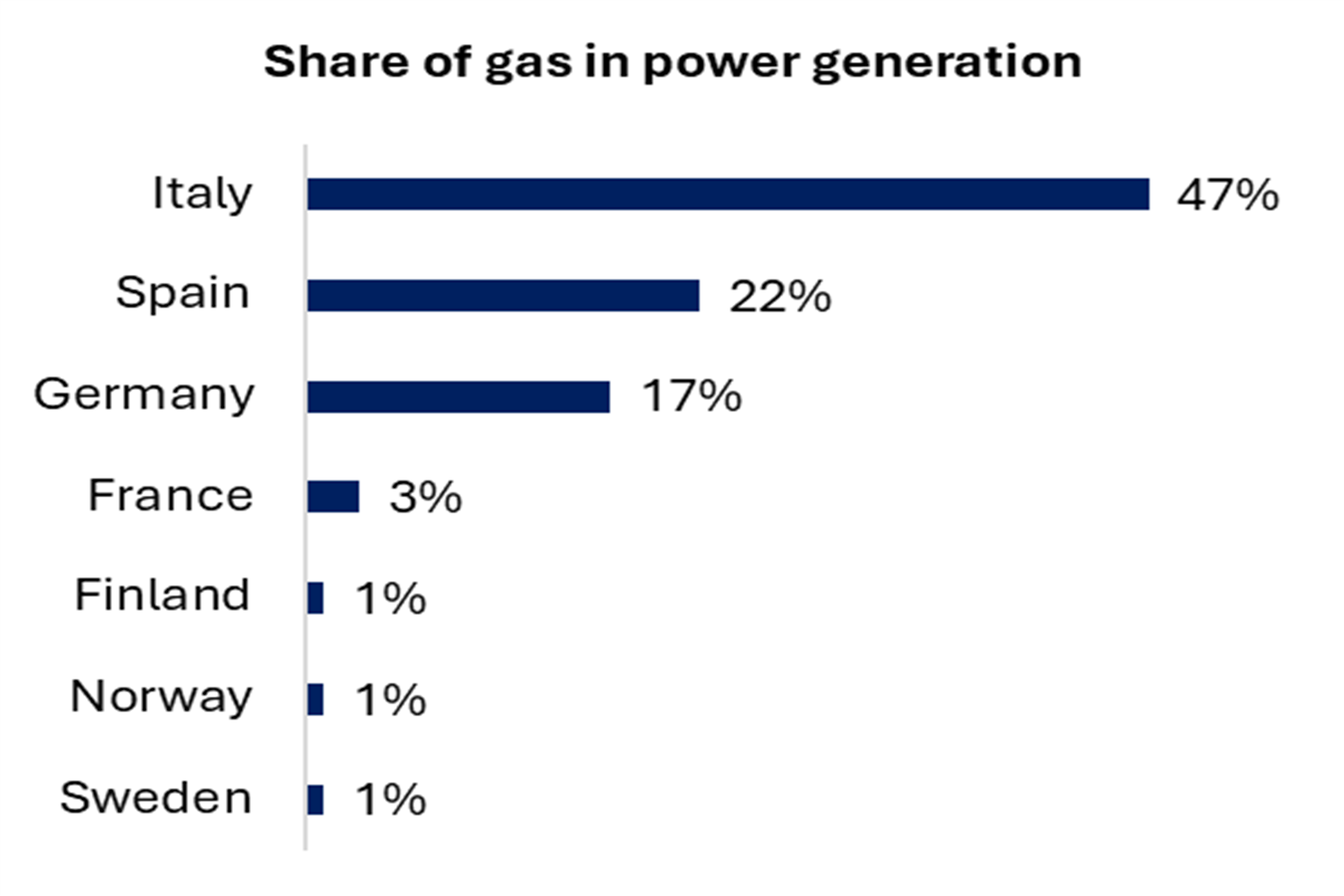
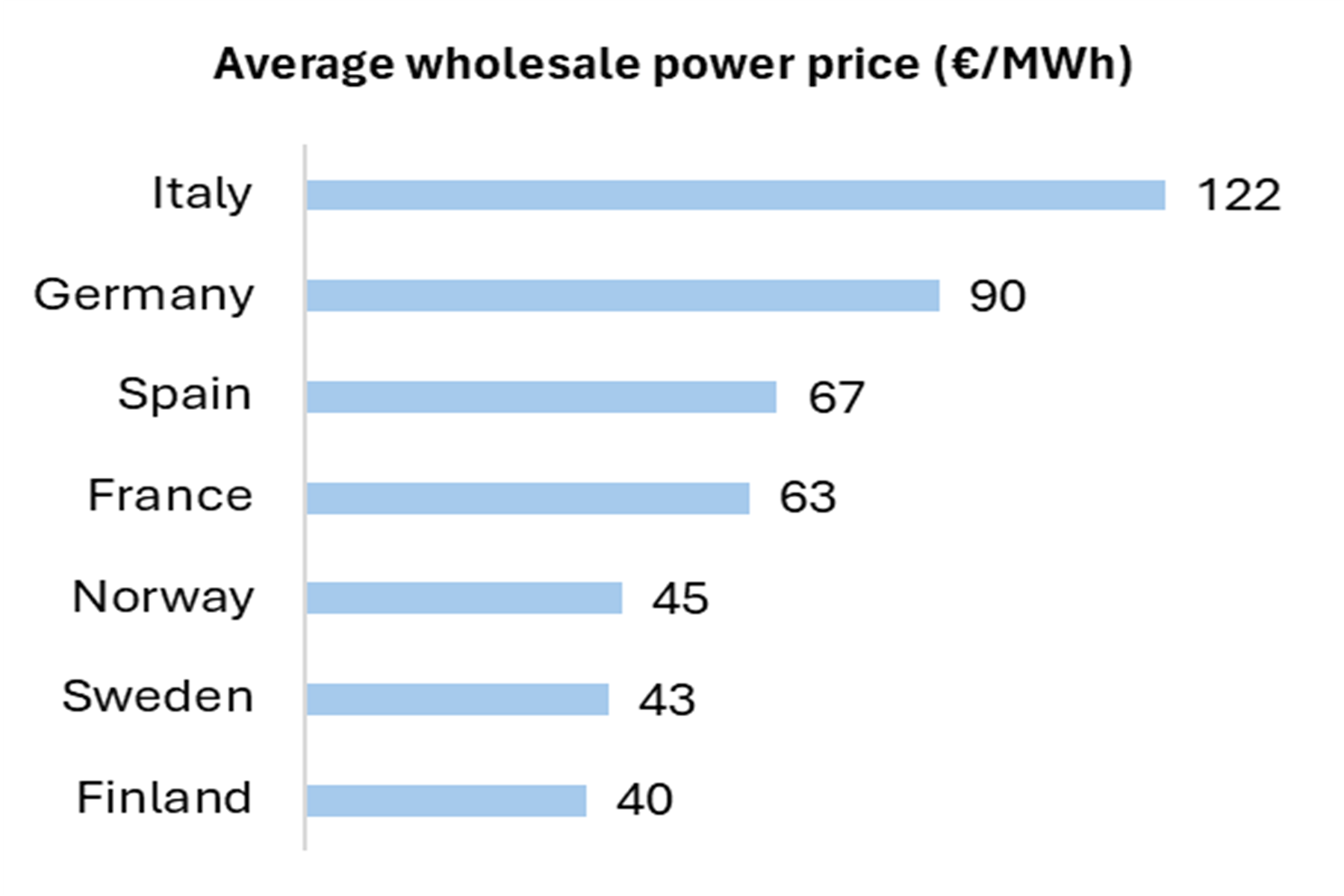
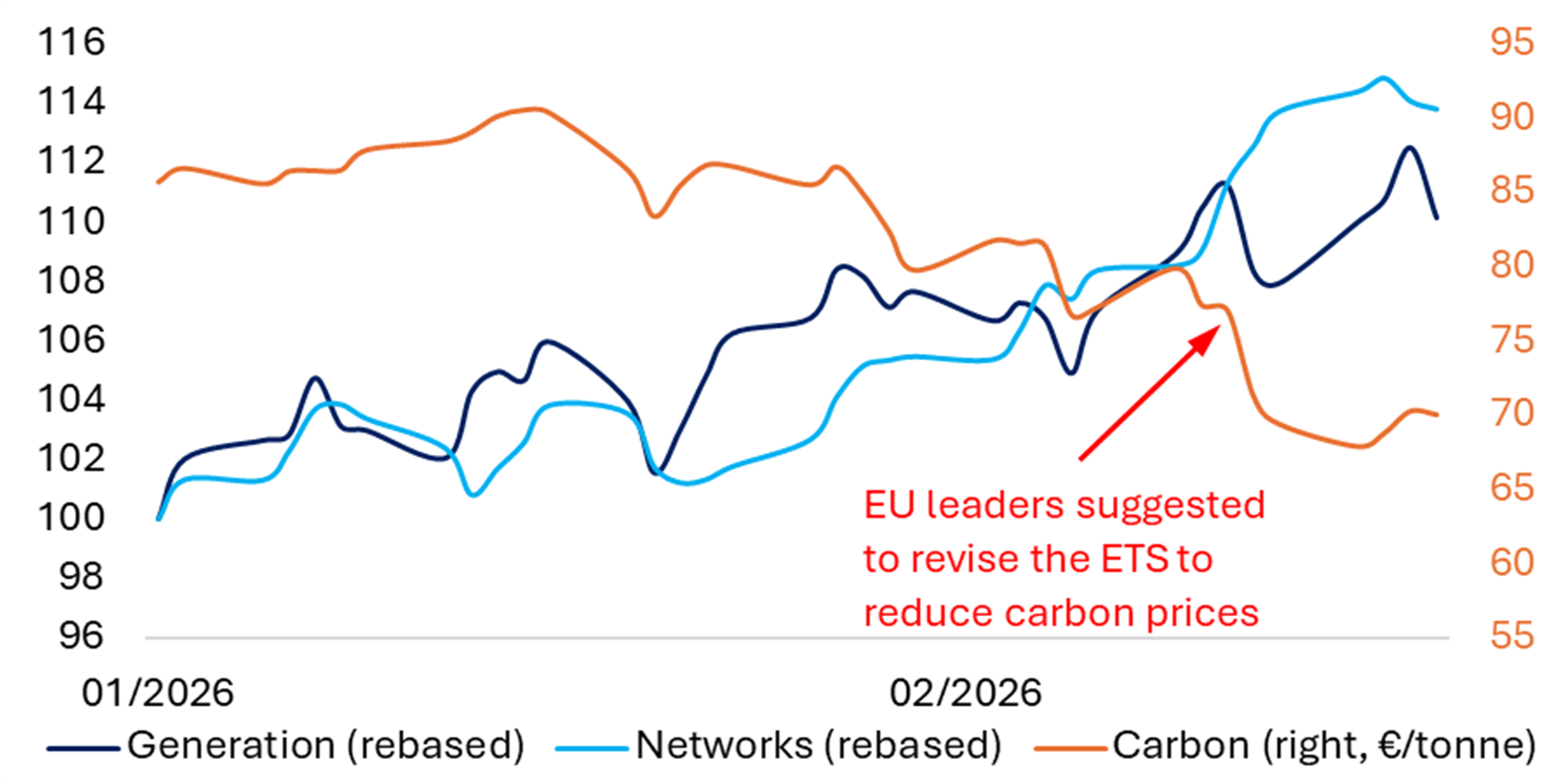
The leaders of countries including Germany, Italy and the Czech Republic suggested that the EU should now consider revising the ETS, amid calls from industry leaders to reduce the price it imposes on their pollution. Thus, all else equal, lower carbon prices would also lead to lower electricity prices in Europe, especially in countries that are more reliant on gas as the marginal power price setter due to a higher share of gas-fired generation in their fuel mix, such as Italy and Germany. Conversely, France and the Nordics benefit from lower electricity prices as these countries have mostly decoupled their power prices from gas prices with a negligible share of gas-fired generation in their fuel mix (see Exhibit 4):
Exhibit 4 Country comparisons for 2025
Source: Ember
Accordingly, last week, Italy was the first country to intervene into its power market by removing carbon prices from the cost base of gas-fired generation: carbon costs should now be paid directly by consumers, so that this cost item is not added by gas plants into their price bids in the wholesale power market. However, the Italian government makes the implementation of this decision subject to EU approval.
As a result, the European Commission meets on March 6 to discuss a guidance on possible steps to reduce the price of energy in Europe and to close the existing competitiveness gap for energy-intensive industries to the USA and China. The Commission prepared an action package with structural reforms to lower energy costs without slowing the energy transition by focusing on three levers: supply costs, tolls and grid costs, and taxes and charges.
For this purpose, Brussels encourages Member States to adjust energy taxation (such as VAT and levies) and to re-design tariffs and tolls to reward a more efficient use of power networks. In addition, the EU wants to accelerate the deployment of renewables, networks and storage by simplifying and shortening permits as well as expanding and modernizing networks and grid interconnections. Thus, instead of entirely decoupling gas and electricity prices based on the current merit order, Brussels rather attempts to reduce the impact that gas price volatility has on electricity prices by introducing more long-term contracts (power purchase agreement and contracts for difference) and by deepening the power hedging markets.
Which utilities subsectors would be most affected by lower power prices
Within European Utilities, the companies in the power generation subsector (such as RWE, Orsted) would have the highest exposure to market reforms that reduce carbon prices (and thereby electricity prices). However, within this power generation group, companies with a relatively high share of long-term contracted revenues from power purchase agreements and contracts for difference would fare relatively better than companies with more merchant power price exposure. In any event, FY28 will most likely be the first full year when generation profits would be affected because any possible power market reform would not be implemented until 2027 and most of the generated electricity for FY26 and FY27 is already sold via forward hedging policies.
In contrast, integrated utilities, which operate power generation and regulated network businesses (such as Iberdrola and EDP), would be less affected as power network earnings do not depend on the level of electricity prices. For that reason, the pure power network operators, such as E.ON and National Grid with no exposure to power prices, should be considered as safe havens against any power market reform that intends to lower electricity prices. Exhibit 5 shows that our customized “Power Generation” index dropped along with EU carbon prices, when EU politicians floated the idea of reforming the ETS to reduce carbon prices on February 11, while our “Electricity Networks” index continued to gain.
Exhibit 5 YTD 2026: EU carbon prices vs. rebased generation & network indices
Source: Ember, LSEG (last data point: 19 February 2026)
Private Market Value (PMV) Watch – Deals, Deals and more Power Sector Deals
WIND & SOLAR Assets
Iberdrola sells onshore wind subsidiary in Hungary (22 January 2026): Iberdrola completed the sale of 158MW of operational wind capacity for €171 million to a consortium formed by Premier Energy and a subsidiary of the Hungarian group iG TECH Capital. The private market transaction implies and EV/MW multiple of €1.08 million for the onshore wind capacity. Of the total sold 158MW, a capacity of 124MW is already selling power on the open market after the expiry of the 15-year regulated tariff period, while the remaining 34MW are expected to transition to merchant power sales within the next year. Our take: The fact that 78% of the disposed capacity has merchant power risk by selling electricity into the open market explains the lower multiple in this private market transaction.
EDP completes onshore wind asset rotation in Greece (30 January 2026): EDP’s renewable energy subsidiary EDPR announced the completion of the Sale and Purchase Agreement with Principia, a company jointly owned by Enel and funds managed by Macquarie Asset Management, to sell a 100% equity stake of a 150MW onshore wind portfolio in Greece for an Enterprise Value (EV) of €0.2 billion. The transaction includes four operating wind farms with an average asset life of about 1.5 years and benefits from 20-year Contracts for Difference (CfD). The private market transaction implies an EV/MW multiple of €1.33 million for the onshore wind portfolio. Our take: EDP captured an attractive multiple in this asset rotation because the asset portfolio is still new and benefits from a secured CfD-based revenue stream. However, that limits the realized book gain (if any) from this transaction.
Orsted sells European onshore business to CIP (3 February 2026): Orsted announced the sale of its entire European onshore business consisting of onshore wind, solar and battery storage projects located in Ireland, the UK, Germany and Spain to Copenhagen Infrastructure Partners (CIP). The sold onshore portfolio consists of 578MW of operational capacity and 248MW capacity currently under construction. The total value of the private market transaction is €1.44 billion (DKK 10.7 billion), which implies an EV/MW deal multiple of 1.74 million and an EV/EBITDA multiple of about 14x. The deal is expected to close in Q2 2026. Our take: Considering that the average asset life of the sold portfolio is only 12 years and that about two thirds of the sold capacity still operates with subsidy support, Orsted was able to capture an attractive multiple compared to previous onshore wind transactions in the private market (which were closer to €1.5 million).
Enel buys wind and solar assets in the USA (21 February 2026): Enel announced the acquisition of an 830MW portfolio of US wind and solar assets from Excelsior Energy Capital for an EV of about $1 billion. The 100% EV amounts to $1.3 billion or about €1.1 billion, representing an EV/MW multiple of $1.53 million or €1.29 million. The assets are expected to generate 2.1TWh of electricity annually and to contribute €125 million EBITDA to the Enel group. Thus, the private transaction implies an EV/EBITDA multiple of 8.8x. Our take: The valuation multiple looks attractive for buying renewables in the current US market environment but could imply that the acquired portfolio consists of older assets. It was also not released how long the acquired generation capacity still benefits from contracted revenues.
DISTRICT COOLING Assets
DEWA increases Empower stake to 80% (11 February 2026): Dubai Electricity and Water Authority (DEWA) purchased a 24% stake in the Emirates Central Cooling Systems Corporation (Empower) from Investment company Dubai Holding in an AED 5.18 billion ($1.41 billion) deal. After the stake purchase, DEWA now owns 80% of Empower, which remains a separately listed company. Based on Empower’s FY25 results, DEWA paid an EV/EBITDA multiple of 13.1x for the 24% stake in this private market transaction. Our take: DEWA paid a high multiple in this transaction, which seems to reflect Empower’s stable cash flow stream from long-term service contracts with highly respected clients, such as Dubai International Financial Centre, Dubai World Trade Centre, Palm Jumeirah, etc.
Power Points
EUROPE
Orsted reported uneventful FY 2025 results and confirmed financial guidance
The adjusted EBITDA of Danish krona (dkr) 25.1 billion (before partnerships and cancellation fees) was in-line with consensus expectations and was within the guidance range of dkr24-27 billion. However, net income of dkr1.7 billion missed expectations (dkr6 billion), partly due to a dkr1.6 billion impairment charge in the “Onshore” segment relating to the recent disposal of the European business, which was probably not yet reflected in the consensus forecast, as well as due to a higher tax expense. Furthermore, Orsted kept the financial guidance for FY26 and FY27 unchanged. The company reiterated the existing guide for a 2026 adjusted EBITDA of above dkr28 billion (which validated the consensus of dkr28.5 billion) and the capex guidance of dkr50-55 billion was also in line with the consensus of dkr 51 billion. In addition, management also confirmed the 2027 adjusted EBITDA guidance of above dkr32 billion, which also sits at the current consensus of dkr32.4 billion.
Enel: 2026-28 Strategic Plan lifts capex and EPS growth
Enel increased its gross capex target to €53 billion in 2026-28, which is €10 billion above the previous plan, and investments will be allocated towards grids (€26 billion), renewables (€20 billion) and other (€8 billion). Around half of the renewable energy capex is targeted at Europe and the rest in key markets, mainly the USA. The capex plan should lead to 12GW of capacity additions to reach 80GW of total capacity by 2028. Of the grid capex, 55% will be deployed in Italy, 20% in Spain and the remaining 25% in Latin America. The increase in grid investments is expected to drive the RAB (regulated asset base) from €47 billion in 2025 to €58 billion in 2028 (+22%). The capex plan along with an additional €0.7 billion in efficiency gains is projected to translate into an EPS of €0.72-0.74 in FY26 and €0.80-0.82 in FY28, which reflects a 5-6% CAGR in 2025-28. In addition, the dividend per share is expected to follow a similar growth path with a 6% CAGR until 2028. Beyond FY28, EPS should continue to grow at the upper end of the growth range, which implies a 6% CAGR in 2025-30, well above the 2% consensus expectation. Finally, Enel projects that more than 90% of its €74 billion of cumulative EBITDA in 2026-28 will come from regulated or contracted business activities, which significantly de-risks its business operations.
Endesa: Full year 2025 results and CMD highlights
Endesa reported a strong set of FY25 results, with an EBITDA of €5.8 billion (3% above consensus) and an ordinary net income of €2.3 billion (9% ahead of consensus), which resulted in a higher-than-expected DPS of €1.584/share. In terms of the mid-term strategic plan revealed at the CMD, Endesa targets gross capex of €10.6 billion in 2026-28, which is 10% above the previous plan and will be allocated towards grids (€5.5 billion), renewables (€8.5 billion) and rest (€2.1 billion). Thus, more than half of the capex goes to networks, representing a 40% increase over the previous 2025-27 plan. As a result, the RAB (regulated asset base) is projected to grow by 13% until 2028. In addition, 38% of capex is targeted for renewables to increase capacity by 1.9GW to 13.2GW, with most of the capacity focussed on wind and battery storage. Endesa also said 3GW capacity could be offered to data centres. The company is now guiding for 4% EBITDA and EPS CAGR in 2025-28 and a slightly higher 5% EPS CAGR in 2025-30. About 85% of the EBITDA in 2025-28 is expected to come from regulated or contracted businesses. Finally, the midpoint of the 2028 net profit guidance range of €2.55 billion was 19% above consensus and the dividend policy has been upgraded to a “minimum” of 70% payout, targeting a 4% DPS CAGR in 2025-28.
RWE: Denmark grants 30-year license to Thor offshore wind farm
Denmark’s Energy Agency has granted a 30-year electricity production licence to the 1.1GW Thor offshore wind farm, which clears the project to begin generating power once turbines are connected to the grid. Thor, which is owned by RWE with a 51% stake and by Norges Bank Investment Management with 49%, will be Denmark’s largest offshore wind project when it will be completed by the end of 2027. The wind farm will have 72 turbines and is expected to supply electricity equivalent to the annual consumption of about 1 million Danish households at full capacity. RWE said construction remains on schedule, with turbine installation set to start this spring from the port of Esbjerg. Foundations and the offshore substation were installed last year.
Iberdrola: Battery storage projects in Poland receive public funding
Iberdrola has secured PLN 186 million ($52.5 million/€44.2 million) in public funding for three battery energy storage systems (BESS) in Poland with a combined capacity of 160MW. The three projects are the 38MW BESS Pniewnik 1 and 42MW BESS Pniewnik 2 in the Mazovia region, and the 80MW BESS Zushi in Lower Silesia. The BESS investment is part of Iberdrola’s push to expand energy storage as a key enabler of electrification in Poland. Iberdrola’s project pipeline in Poland currently totals 940MW and includes around a dozen battery storage projects across several regions in the country.
France plans to invest in nuclear and cuts renewable investment targets
The French government has formally announced its long-delayed energy strategy, which aims to reduce fossil fuel’s share of energy consumption from 60% in 2023 (when the review was launched) to 40% by 2030 and to 30% by 2035. This will be achieved by building 6 new nuclear reactors, the first targeted to come online in 2038. A decision will also be made this year whether to build an additional 8 reactors. Conversely, French renewable targets have been scaled back, with onshore wind targets reduced to 35-40GW by 2035 (vs. 45GW as the previous target), and the solar target lowered to 55-80GW by 2035 (vs. the previous target of 75-100GW). Meanwhile, state-owned EDF has warned that growing renewable generation is forcing higher equipment wear and maintenance costs at its nuclear plants, which have to reduce generation when power demand is insufficient. The volume of nuclear modulation (when a reactor reduces output during times of higher renewable power generation) has doubled since 2019 to 33TWh in France. The increased generation intermittency is accelerating the aging of turbines, alternators and pumps of the non-nuclear part of the plants, leading to higher maintenance costs per year.
UK Water: Our take on the UK government’s Water White Paper
The UK government’s Water White Paper, which built on the recommendations of the Cunliffe Review, lays out the legislative process for regulation in the UK Water Sector. In our view, the new legislative process supports regulatory derisking, which could lead to a re-rating of the sector’s valuation multiples on a premium to RAB basis. The transition plan is expected to be published by March 2026 and the Water Reform Bill may be introduced the following year. While a new single integrated regulator discharging the functions of existing regulators including Ofwat, Environment Agency, Drinking Water Inspectorate etc will be created, we particularly focus on the intent to create a supervisory model, which calls for more bespoke regulatory targets for water companies. We think this approach over the current one-size-fits-all takes into account the differences in operating variables/environment of all companies and would separate “improvers” from “laggards”. The current 5-year price reviews will continue, but planning visibility to 25 years with 5-year checkpoints will help attract long-term capital and address some systemic infrastructure resilience issues.
The commission proposes that CMA sets the cost of capital for the sector (and all regulated assets), but the downside to this is a potential lack of appeals option. A new Chief Engineer within the regulator will be appointed to strengthen technical oversight of infrastructure and improve operational decisions. They will introduce a ‘MOT’ approach to infrastructure (similar to regular motor vehicle inspections in the UK) requiring health checks on pipes, treatment works, pumps etc. and ensure asset health. Dedicated regulatory supervisory teams will be set up for each company to monitor a Performance Improvement Regime and to intervene before issues get out of hand. The regulator will be able to conduct “no notice” inspections. On the customer side, a new independent Water Ombudsman with legally binding powers to resolve complaints will also be established. The White Paper also calls for encouraging adoption of smart meters for homes and businesses with a 50% target roll-out by 2030 and introduce water efficiency labelling on products like dishwashers to reduce consumption and leakage. The target is to generate £125 million savings over the next decade.
UK Water: Severn Trent published Q3 trading update
On February 11, 2026, Severn Trent published its Q3 trading update and reiterated that its operational performance is on track. The company has also reiterated its FY25/26 guidance, including an ODI (outcome delivery incentive) reward of at least £40 million and capex of £1.7-£1.9 billion, where it expects to be at the top end of the range. The company also indicated it is on track to achieve 4-star EPA rating for 2025.
MIDDLE EAST:
Adnoc Gas: Slight beat in Q4 2025 results
Adnoc Gas delivered a solid Q4-performance with a net income of $1,173 million, which was 3% ahead of the company-compiled consensus. Both domestic gas and exported liquid sales continued to show steady volume growth of 5.9% and 11.4%, respectively, while sold LNG volumes fell 18% YoY to 52Tbtu due to scheduled maintenance. Group EBITDA of $2,043 million was down 10% YoY but 7% ahead of consensus. Adnoc Gas guided for growth in domestic volumes at 2,430 – 2,510 TBTU versus 2,420 TBTU in FY25, while the domestic unit profit margin was guided at $1.10-1.14/mmbtu versus $1.16/mmbtu in 2025. Liquid export assumptions use a Brent oil price of between $60 -65/bbl, which is lower than the $69/bbl Brent price in 2025. Capex was $3.6 billion in FY25, which reflected a $1.17 billion increase from FY24 and exceeded the original guide of $3 billion.
Dubai Electricity and Water Authority (DEWA): Finished FY25 on a strong note
DEWA reported a strong set of financial results with y-o-y growth in revenues and EBITDA reaching 6% and 10%, respectively, in FY 2025, and the EBITDA margin expanding to 53% from 51% in FY24. Similarly, DEWA’s Q4 results were solid as DEWA reported a group EBITDA that was 8% above consensus and net profit more than 40% ahead of expectations. Capex increased by 9% to AED11.7 billion in FY25. DEWA’s total power generation grew 5.1% to 62.2 TWh in FY25 (including green electricity generation of 10.1TWh) and desalinated water demand grew by 6.6% to 161.5 BIG (Billion Imperial Gallons) in FY25, based on 1.33 million customer accounts (+4.5% YoY). DEWA’s total installed power generation capacity reached 18GW in FY25, which includes 3.9GW (21%) of solar power. DEWA also noted that Dubai’s total demand for electricity/water/cooling services increased by 5%/7%/6% YoY, respectively, amid continued strong demand from real estate and industries in the Emirate. Finally, DEWA increased its stake in Empower (Dubai’s largest district cooling services provider) to 80%, by purchasing a 24% from Investment company Dubai Holding for AED 5.18 billion ($1.41 billion). However, DEWA wants to keep Empower as a separately listed company on the Dubai stock exchange.
JAPAN:
Kansai Electric Power: 3Q FY25/26 results without surprises, full year guidance confirmed
The company kept the full year 2025/26 guidance (F3/26) for recurring profit unchanged at JPY 490.0 billion, which was marginally below the JPY 492.8 billion consensus forecast. The guidance considers an unchanged JPY 34.0 billion gain from the time lag under the fuel cost adjustment system. The recurring profit for 9M 2025/26 increased modestly by 1.5% YoY to JPY 462.9 billion and the small profit increase was entirely driven by the information and telecommunications segment, which reported a YoY profit increase. Conversely, profits declined YoY in the energy segment, transmission and distribution segment, and in the life/business solutions segment.
Shikoku Electric Power: Full year guidance raised, share buybacks announced
The company raised the full year 2025/26 guidance for net profit from JPY 53.0 billion to JPY 68.0 billion, which sits above the current consensus forecast of JPY 62.0 billion. Two reasons led to the guidance hike: an increase in retail electricity sales volumes and a higher-than-expected JPY 5.0 billion gain from the time lag under the fuel cost adjustment system (vs. the JPY 3.0 billion gain expected before). The recurring profit for 9M 2025/26 declined by 3.0% YoY to JPY 65.3 billion. Finally, the company plans to spend up to JPY 3.5 billion for share buybacks to purchase 2 million shares (or 1.0% of the outstanding shares) from February 2 until February 27, 2026.
CHINA:
Government removes floor for coal-fired power prices
On January 30, 2026, the National Development Reform Commission (NDRC) and National Energy Administration (NEA) issued a notice on Improving the Power Generation-Side Capacity Pricing Mechanism. The notice removes the price floor coal-fired power price, which is a negative for the coal-fired power generation and will also put pressure on power prices for wind farms. The notice is positive for independent grid-side Energy Storage Systems (ESS) companies as it allows for capacity payments to storage companies, which should support further energy storage installations. It also creates additional flexibility for local governments to create additional incentives to compensate for “reliable capacity,” which longer term may help drive renewable installations. All of this supports China’s target to install 180GW of ESS by 2027 and underscores China’s ambition to support the development of a modern power system, grid stability and renewable energy.
European Power Prices and Global Electricity Demand Growth
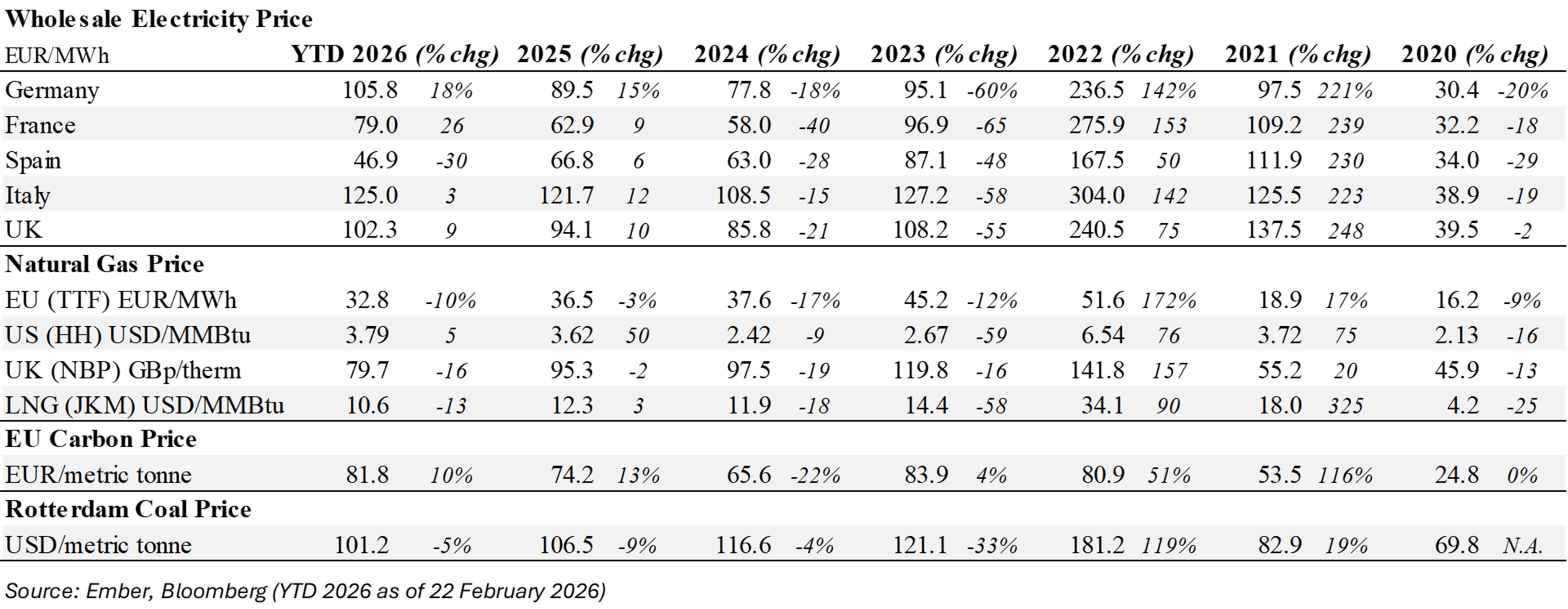
Rising electricity prices remain a political and economic issue in Europe. After power prices skyrocketed in 2022 when the Ukraine war had triggered an energy crisis in Europe, European wholesale electricity prices declined in 2023 and in 2024 but never returned to the pre-crisis levels from 2020 (see Table 2). In contrast, after power prices stopped falling and even started to increase again in 2025, they also continued to move higher at the start of this year. This explains why political attention in Europe has returned to reforming European power markets along with the Emission Trading System to curb European electricity prices (as described above in the “Monthly Focus” section). Meanwhile, average European gas prices have remained below last year’s levels despite a noticeable draw in European gas inventories at the start of the year, which have now fallen to “critical” storage levels. At the end of February, European gas storage was only 31% full, which is the same low seasonal storage level last seen in crisis year 2022 (see Exhibit 8). Accordingly, US LNG imports (in January 2026, 65% of European LNG imports came from the USA, see Exhibit 11) will be crucial to refill European gas storage after the end of the withdrawal season to keep European gas prices (and by extension European electricity prices) in check in 2026.
Table 2 Average Electricity, Carbon, Coal and Natural Gas Prices
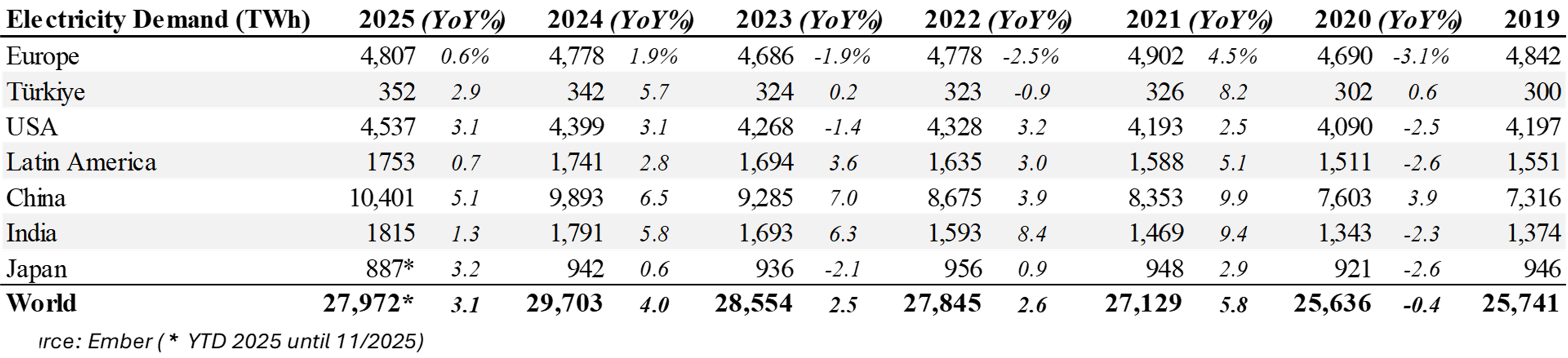
The seven regions/countries listed in Table 3 account for about 80% of the world’s total electricity demand and all of them are on track to show an increase in electricity demand in 2025 (for Japan, 2025 reflects only YTD data until November). As in most of the previous years, China has posted again the strongest electricity demand growth last year, with 5.1% in 2025, which is a slowdown from the previous year but is clearly outgrowing other regions. Similarly, US power demand growth has also grown strongly with 3.1% last year (driven by AI data centers). While power demand in Europe grew only modestly at 0.6% in 2025, it still reflects a positive development because 2025 marked the second consecutive year when power demand has at least not declined across Europe.
Table 3 Annual Electricity Demand (TWh)
Gas Storage and LNG Flows
Exhibit 6 US Gas Storage (BCF) Exhibit 7 US LNG Exports (BCF)
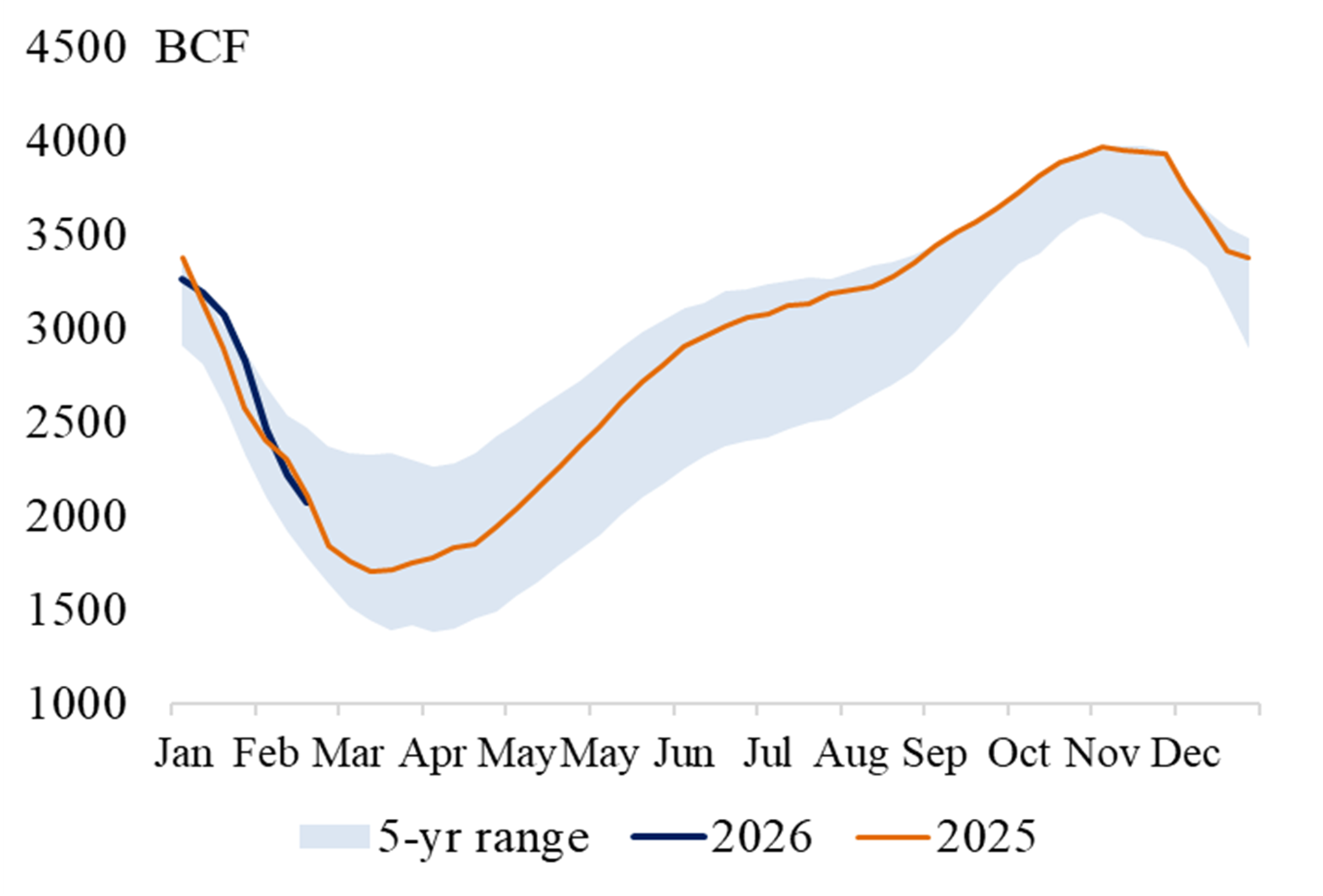
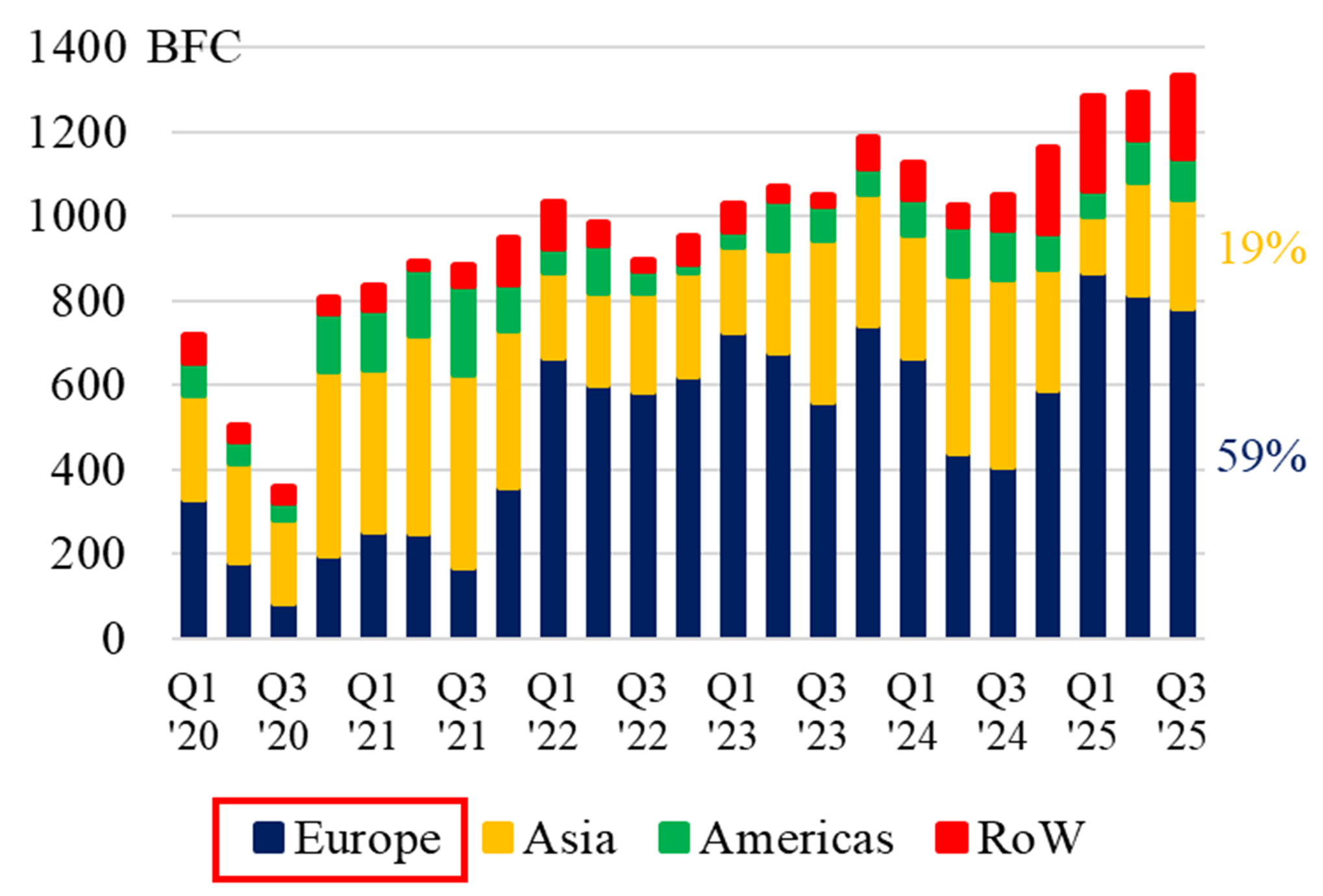
Source: US Energy Information Administration Source: US Energy Information Administration
Exhibit 8 EU Gas Storage (% full) Exhibit 9 EU Gas Demand (BCM) 
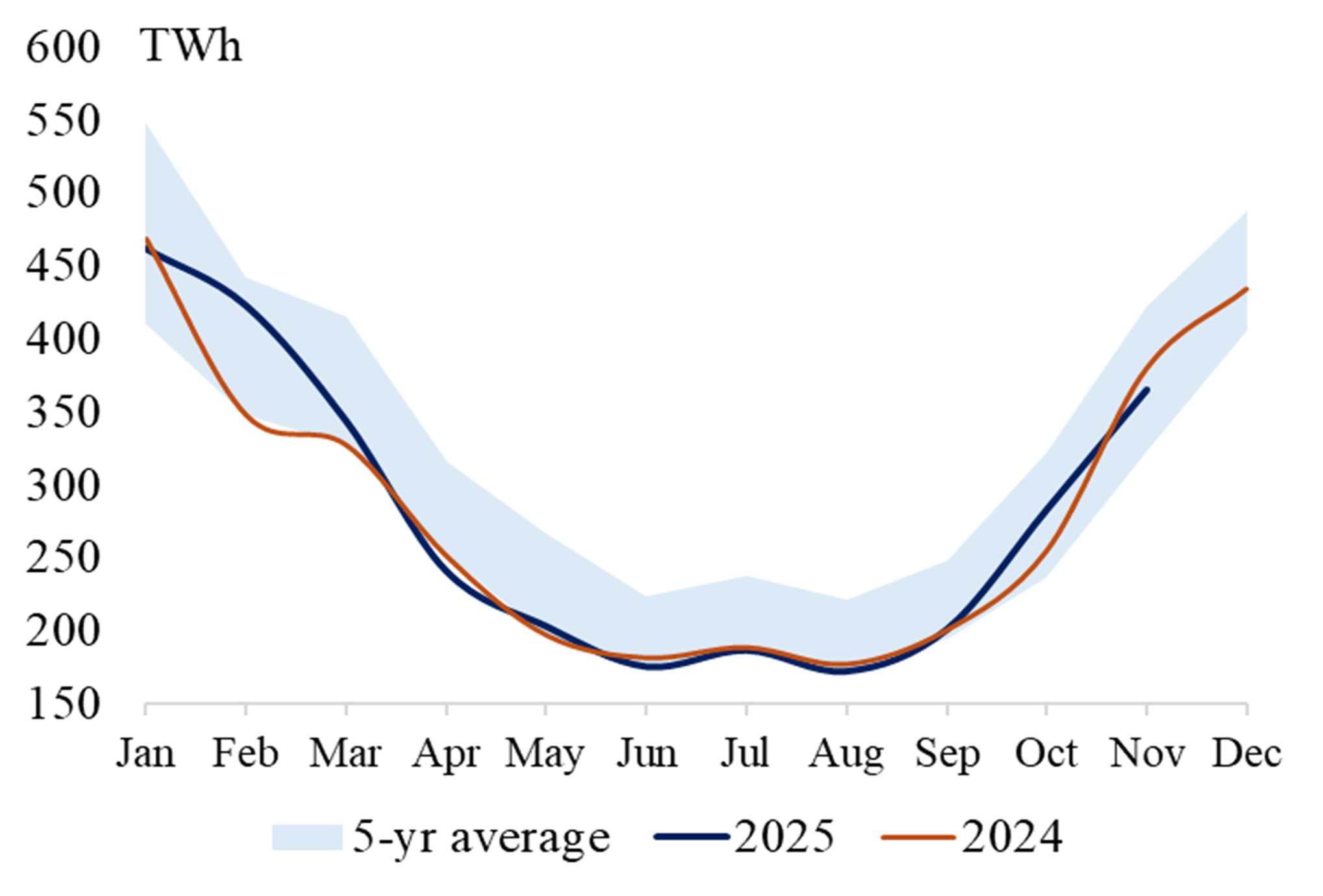
Source: Gas Infrastructure Europe Source: Bruegel
Exhibit 10 EU Gas Imports by Source (BCM) Exhibit 11 EU LNG Imports by Origin

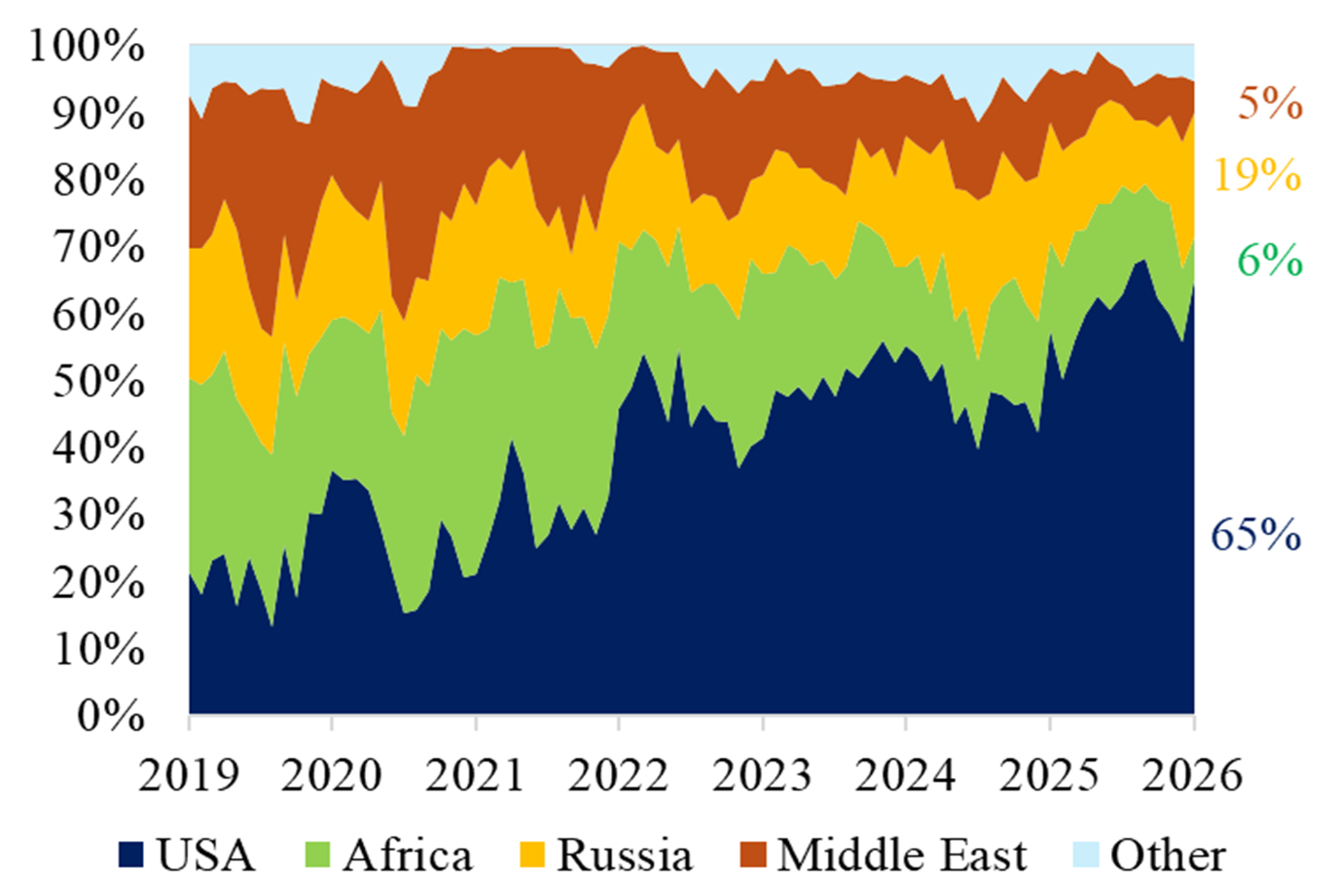
Source: Bruegel Source: Bruegel
Global Electrification Trends (Power Demand in TWh)
Exhibit 12 Europe Electricity Demand Exhibit 13 USA Electricity Demand
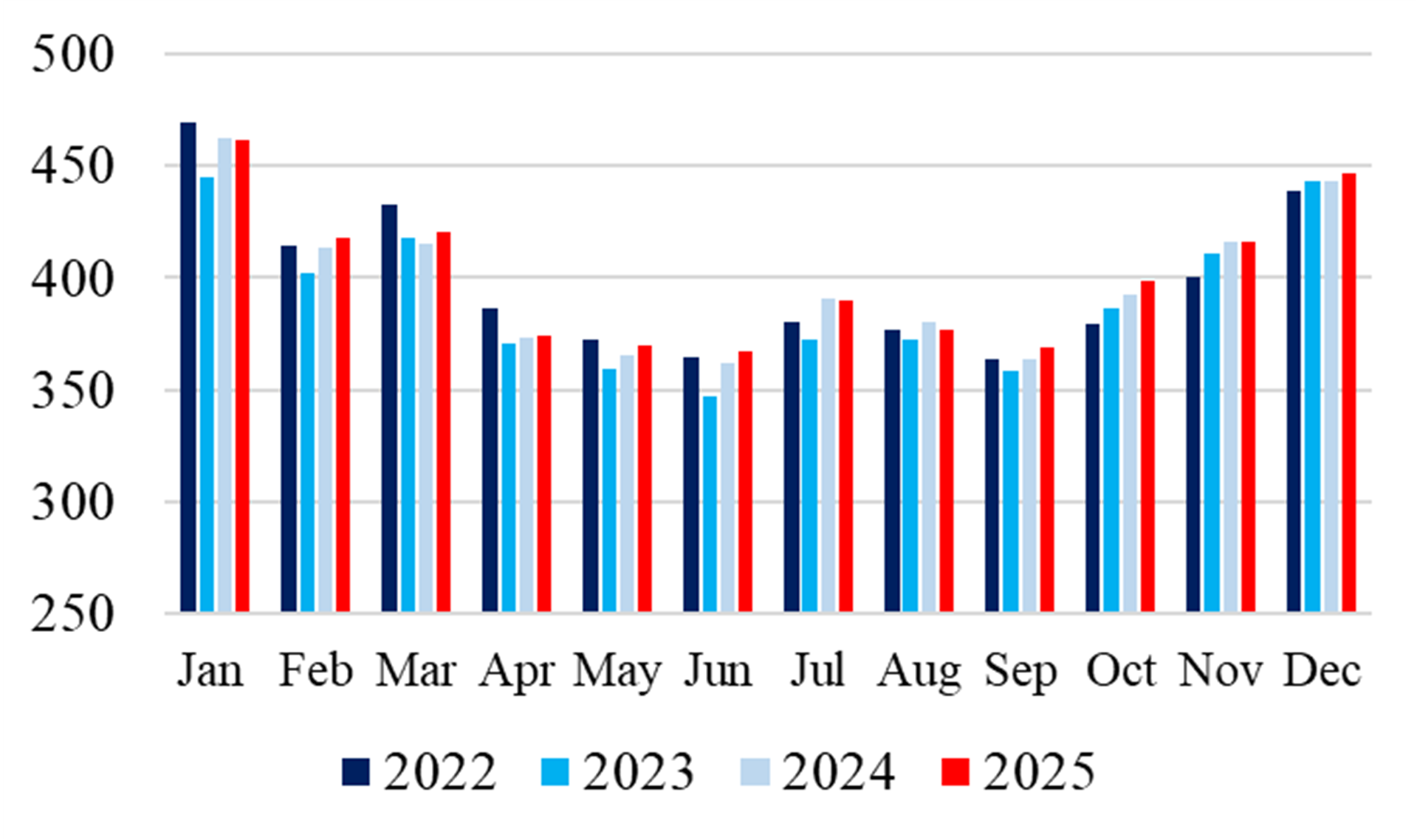
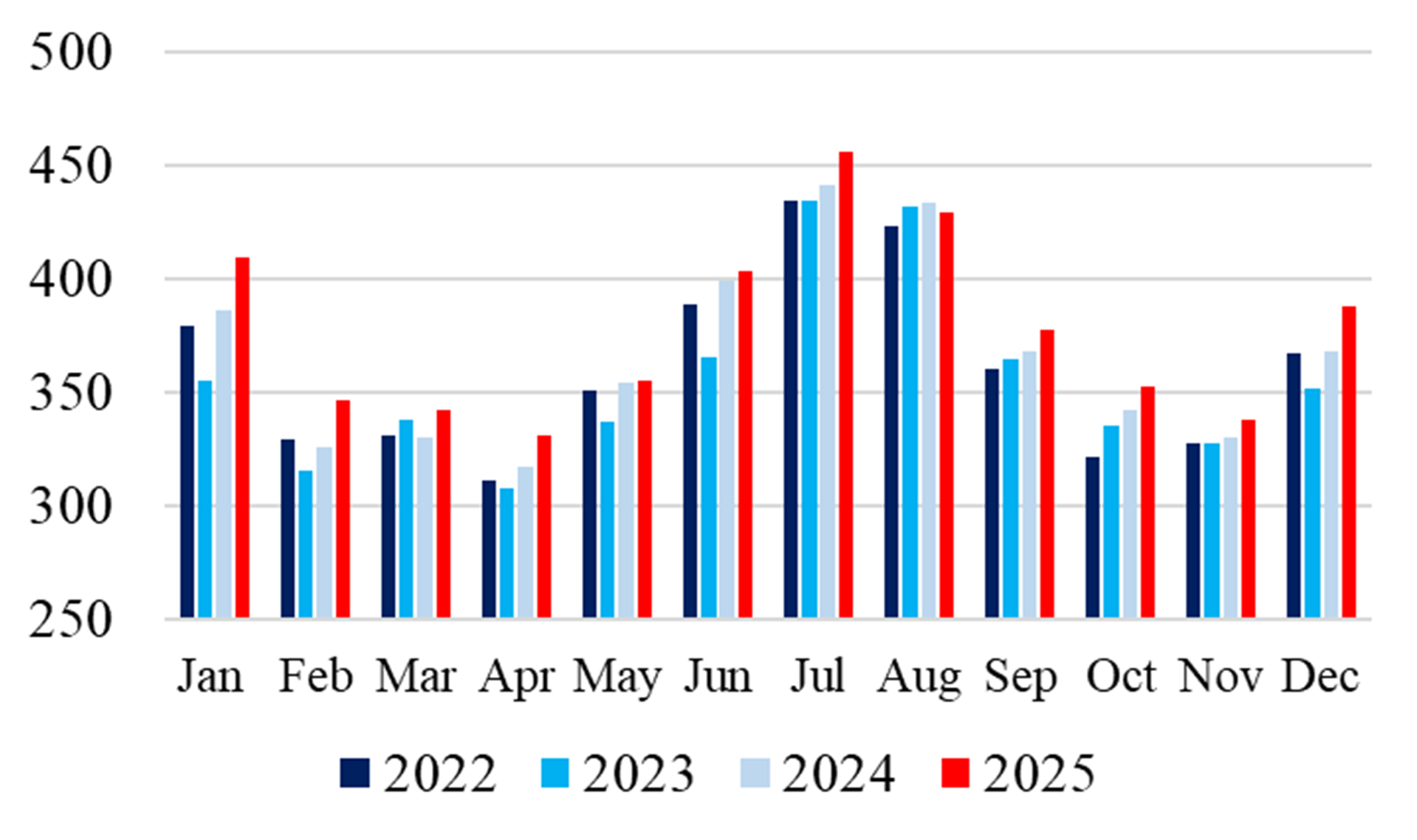
Exhibit 14 Türkiye Electricity Demand Exhibit 15 Latin America Demand
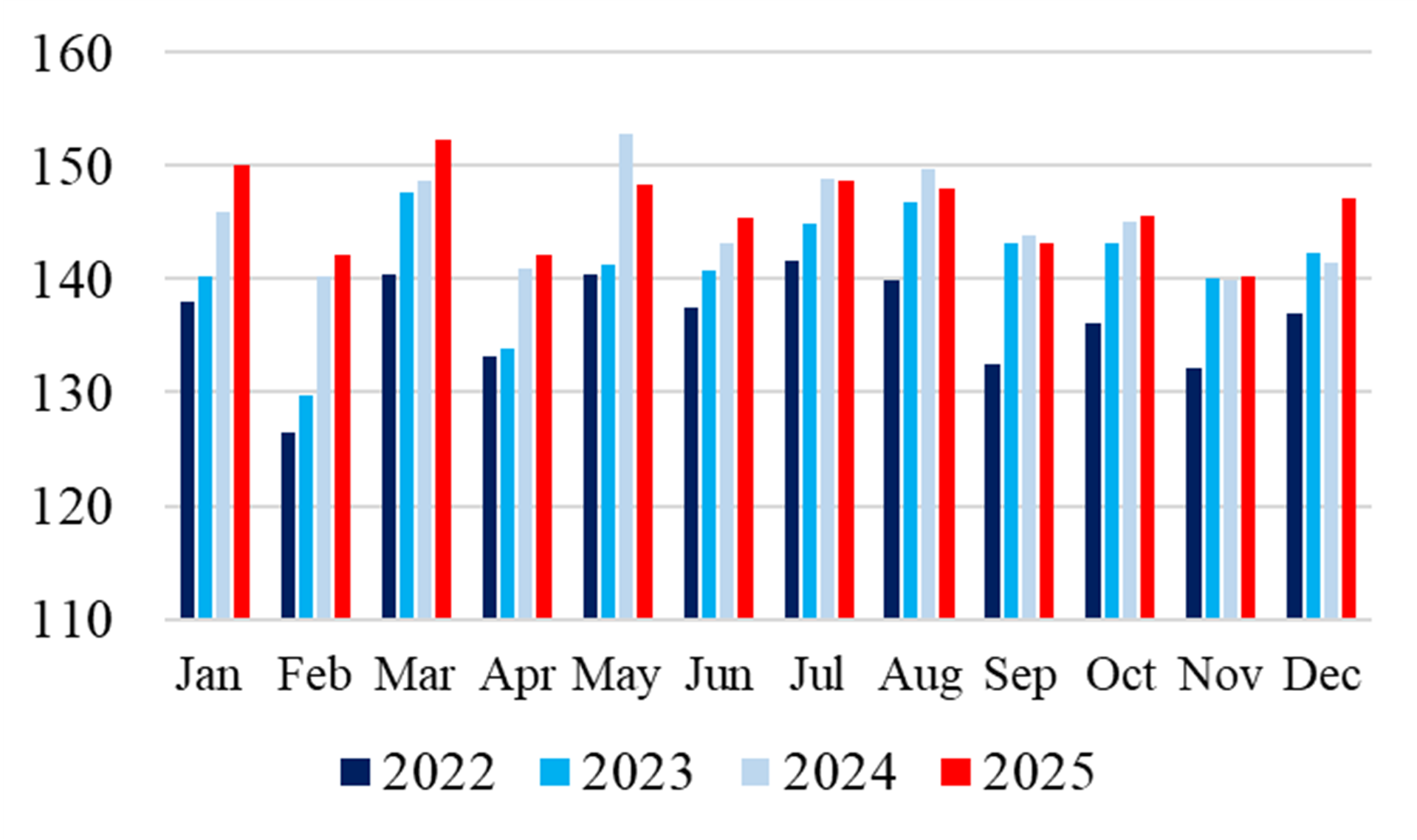
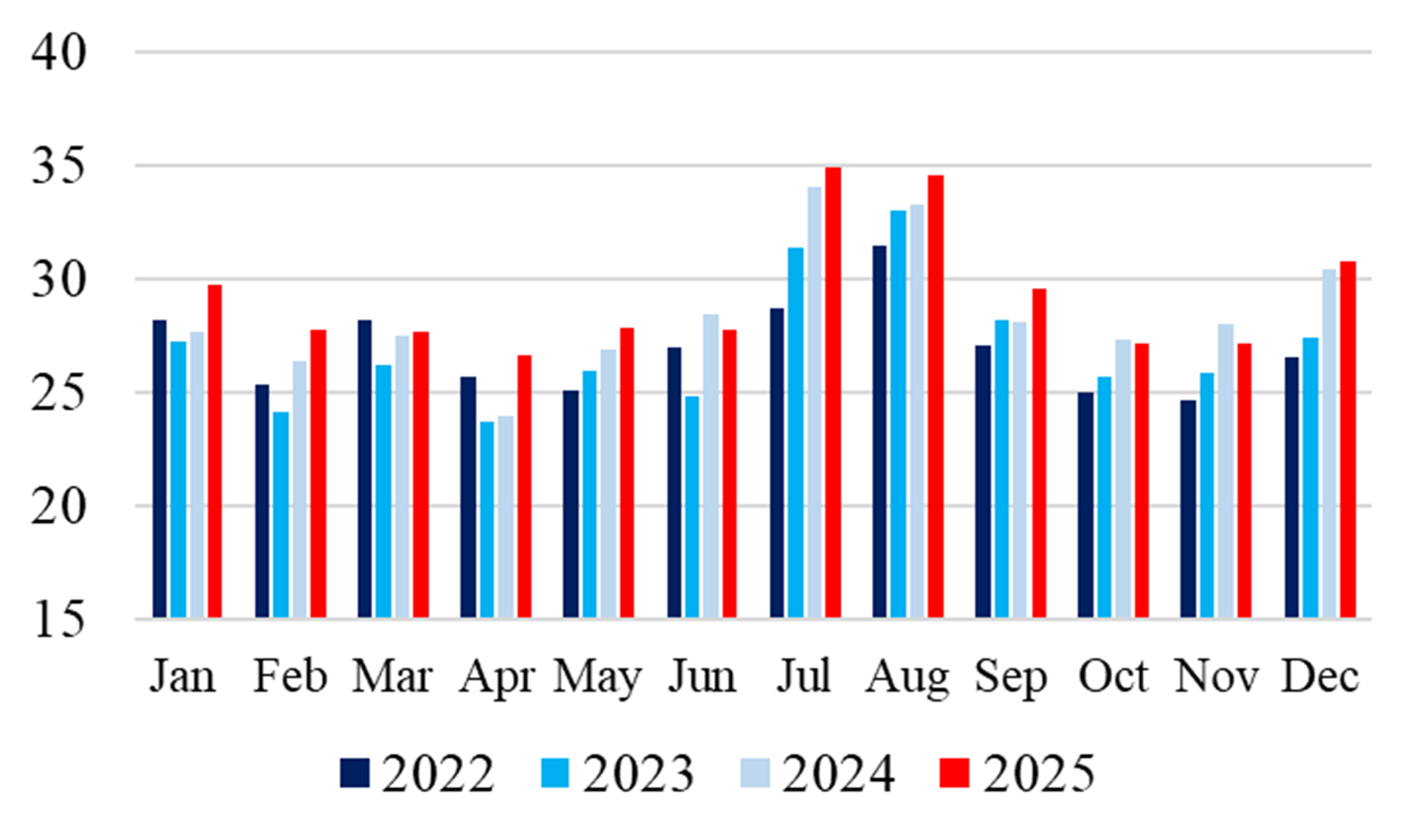
Exhibit 16 China Electricity Demand Exhibit 17 Japan Electricity Demand
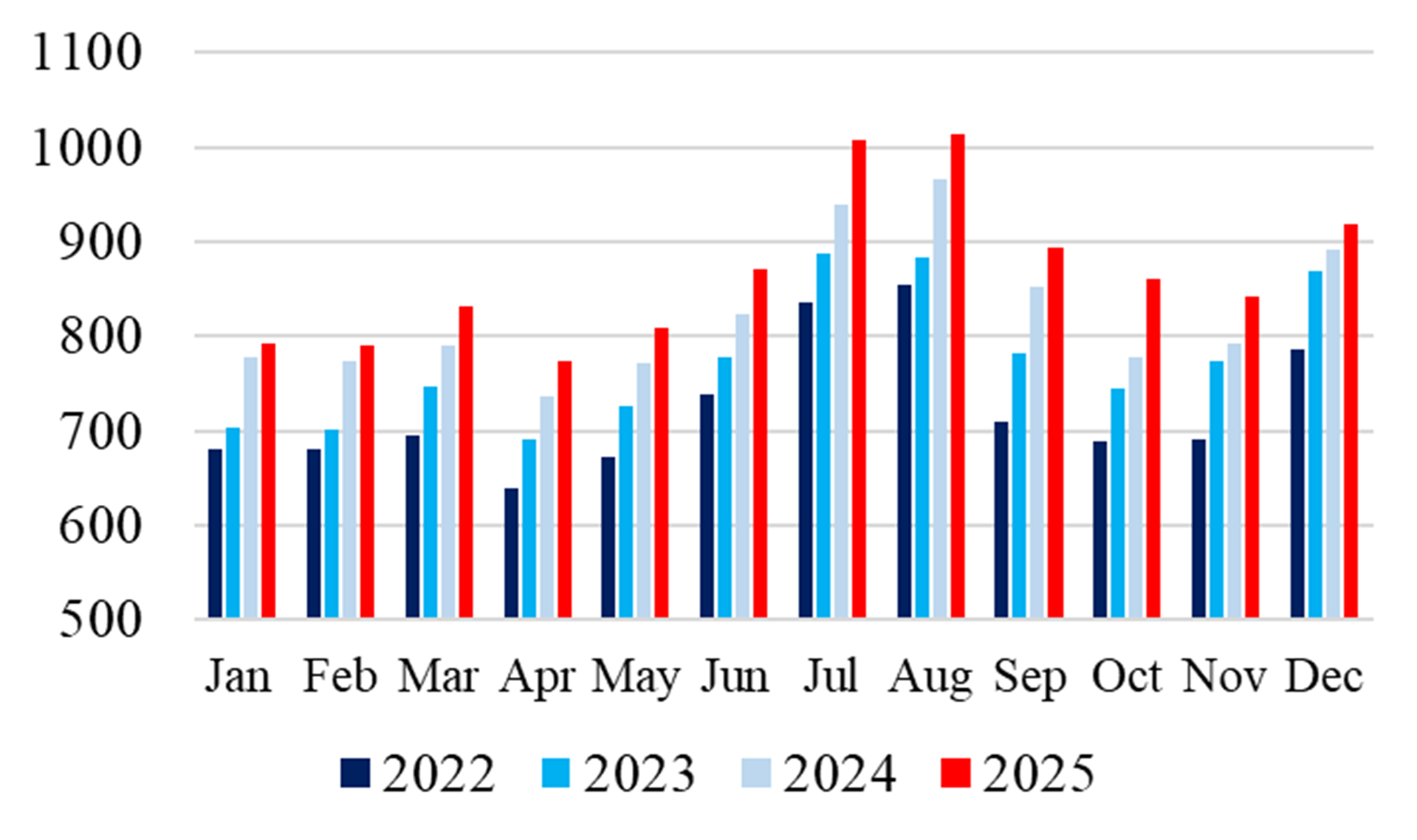
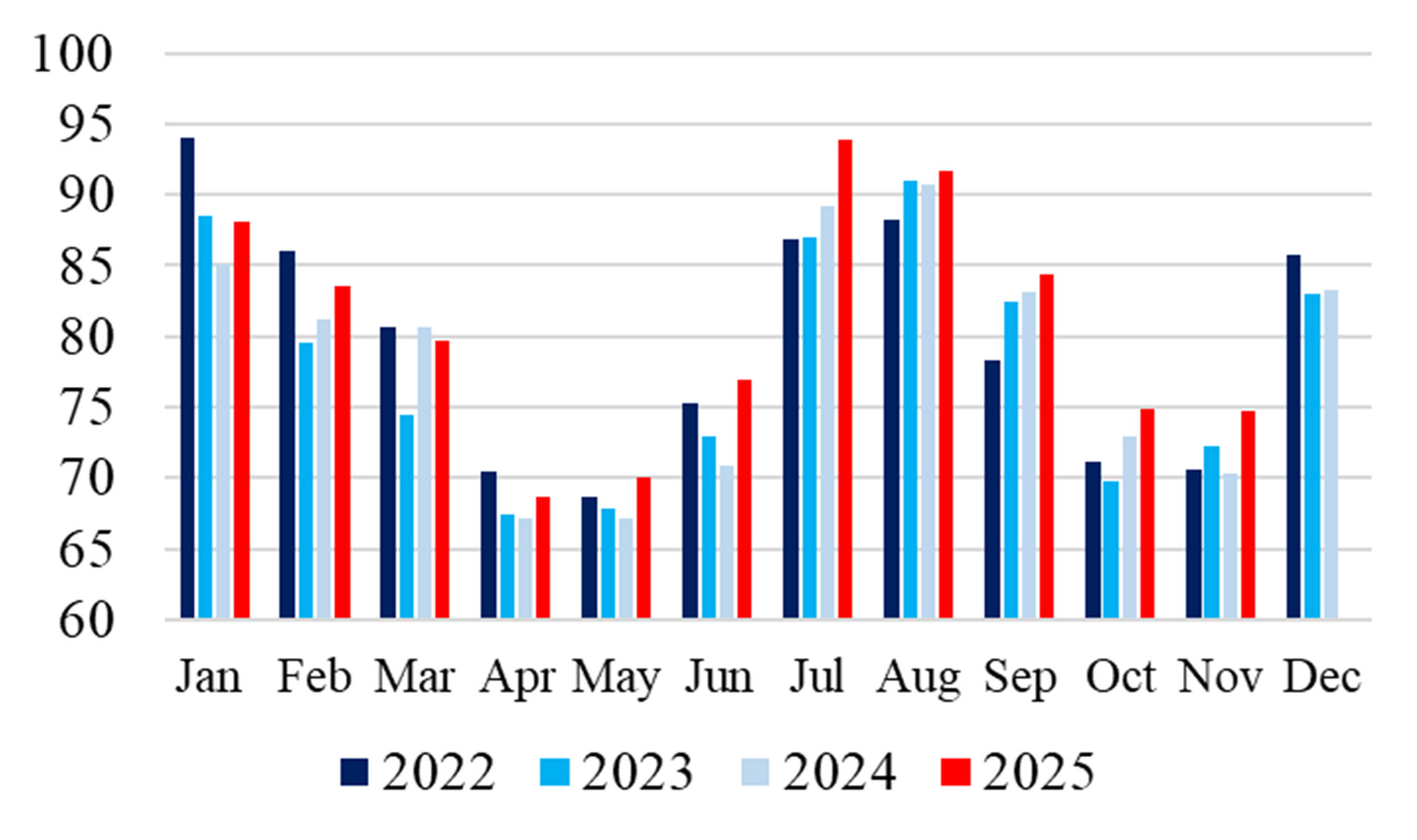
Exhibit 18 India Electricity Demand Exhibit 19 World Electricity Demand
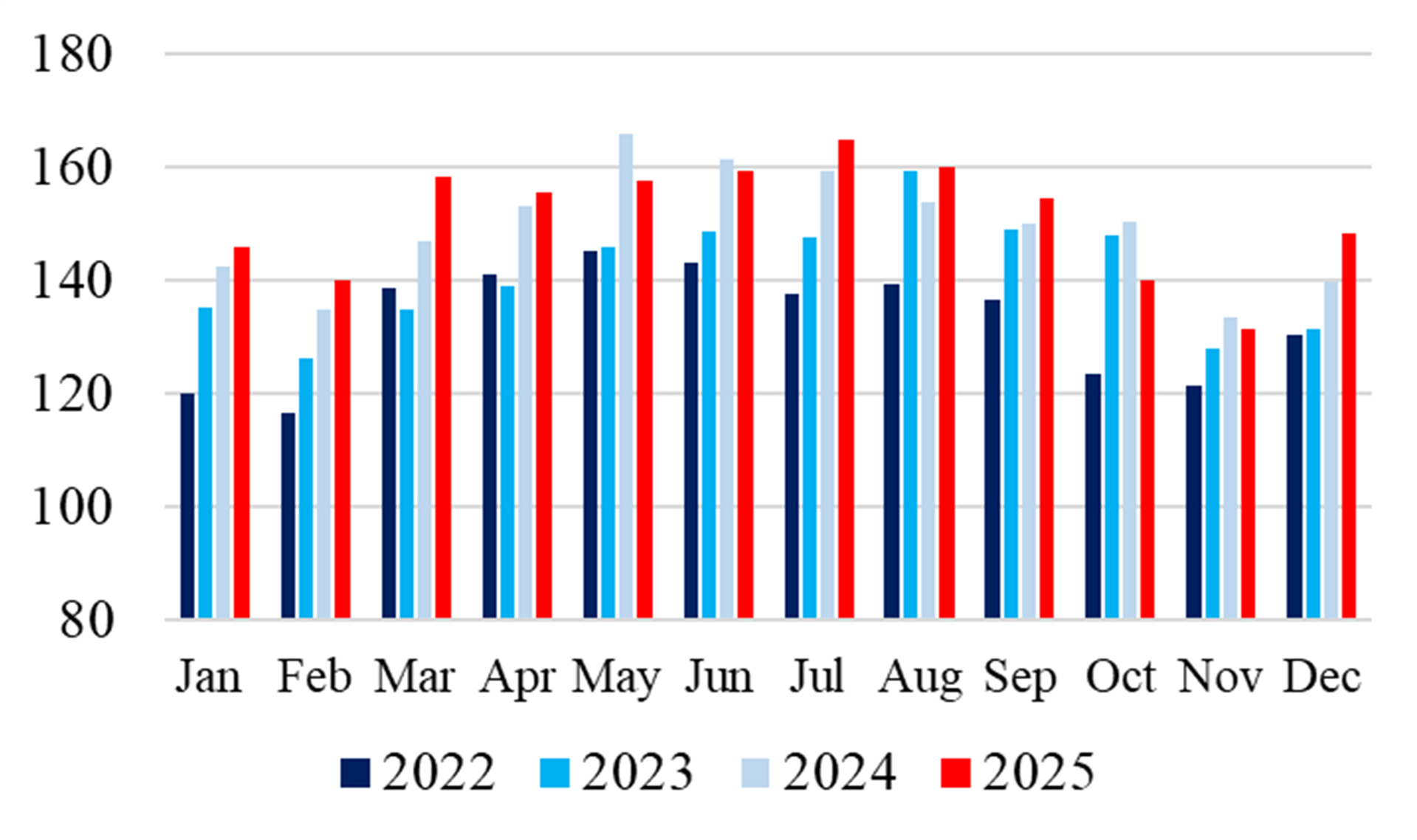
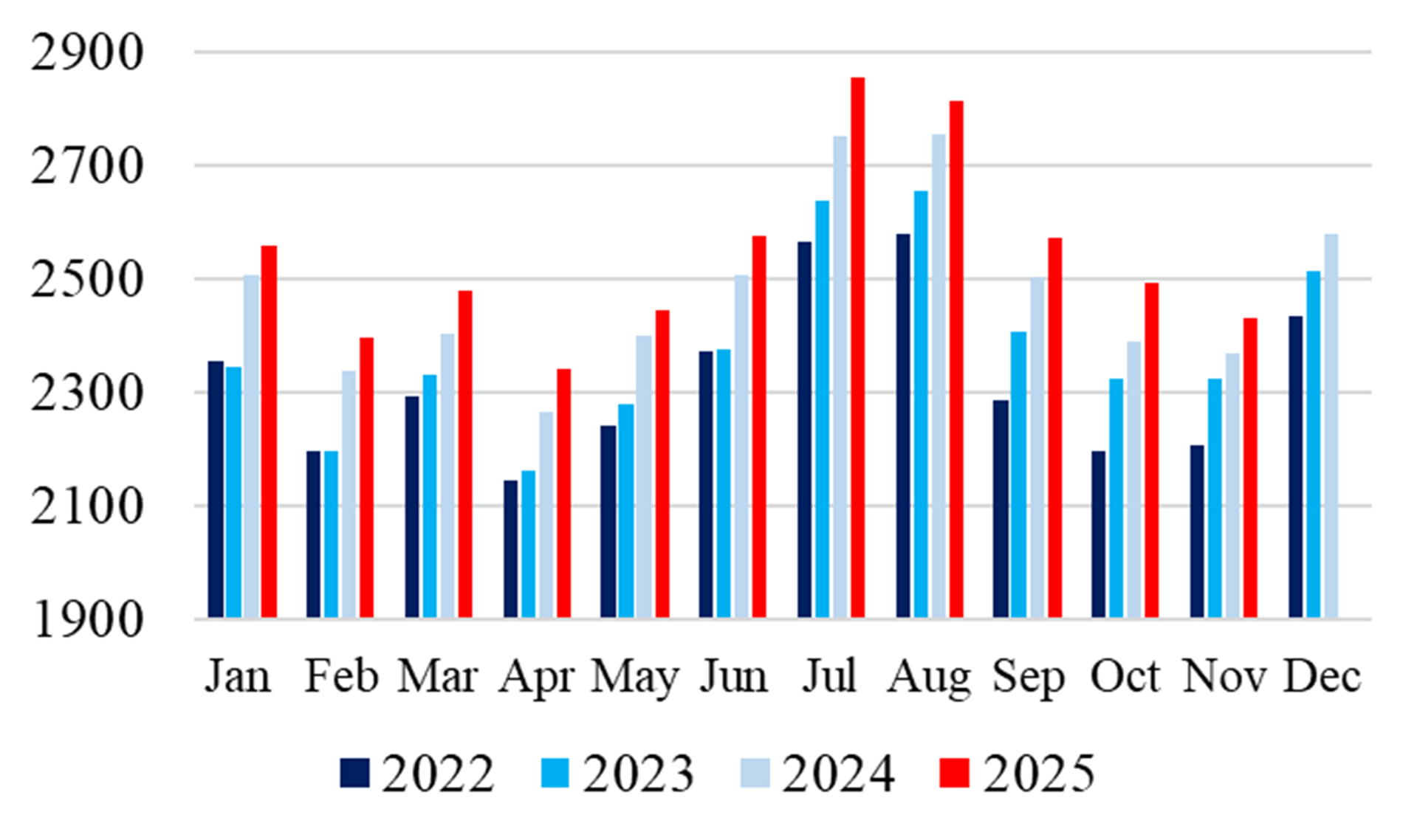
Source: EMBER
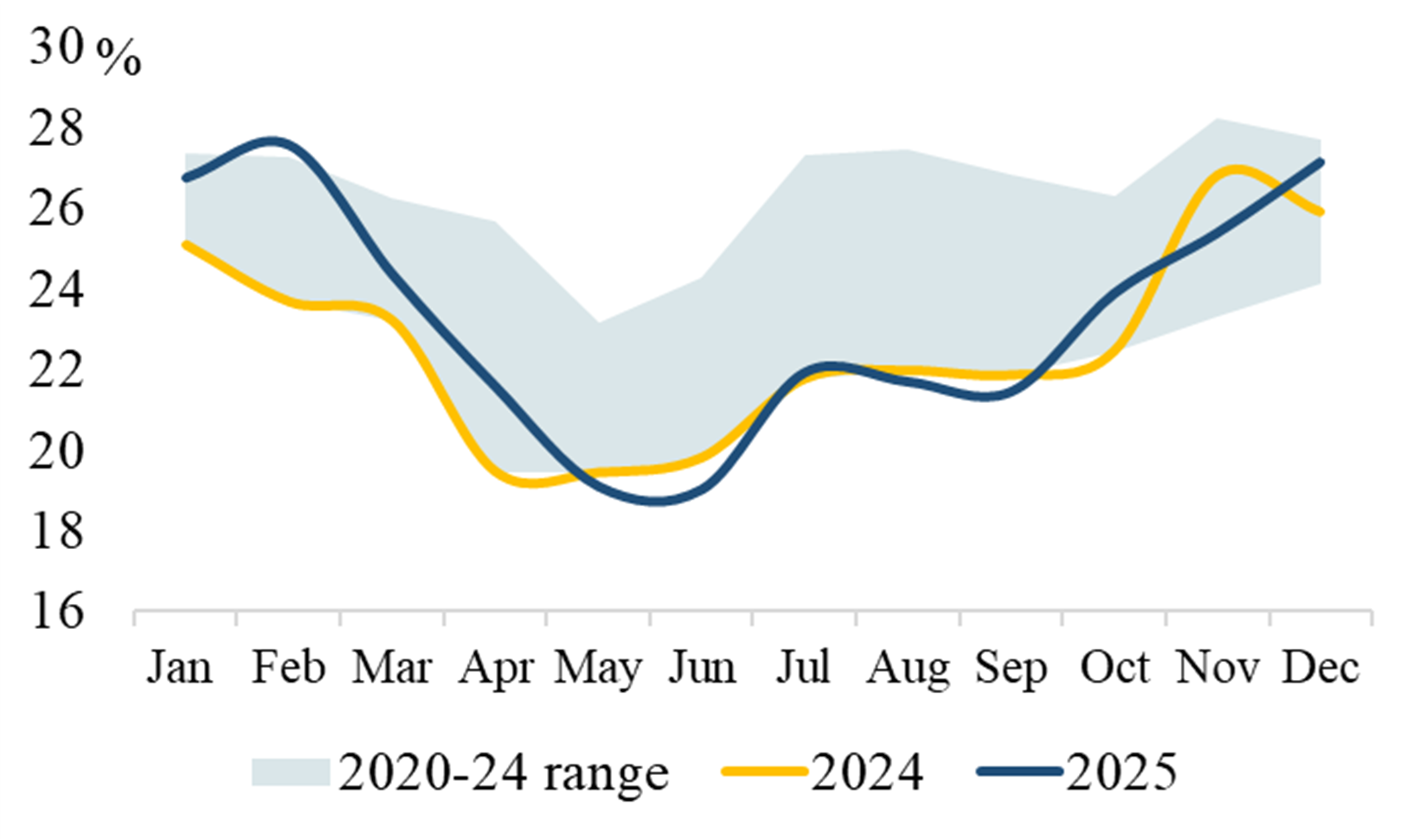
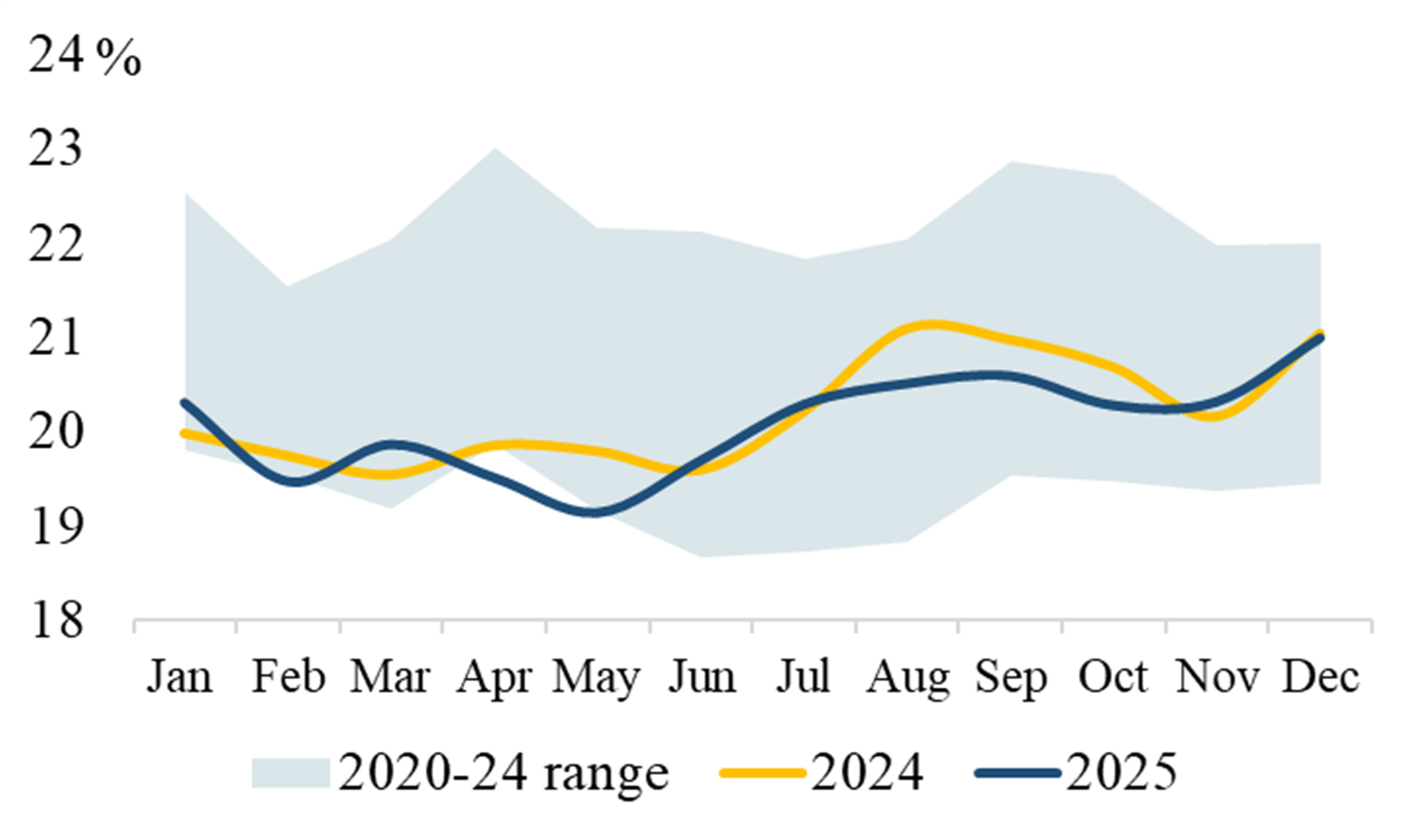
Power Tracker: Changing Fuel Mix and 3 Biggest Sources of Power Generation
EUROPE
Exhibit 20 Europe: Biggest Source of Electricity in Each Country
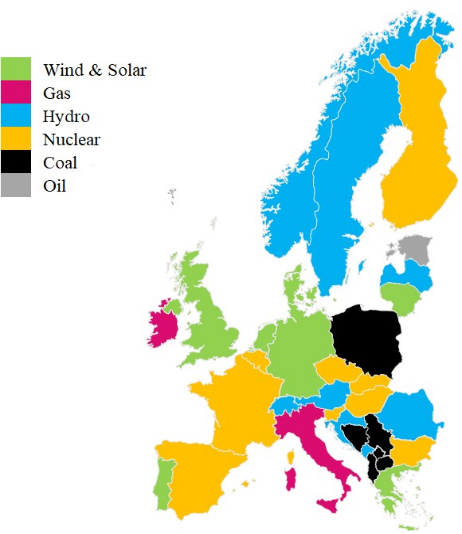
Exhibit 21 Power Generation Exhibit 22 Share of Wind & Solar (%)
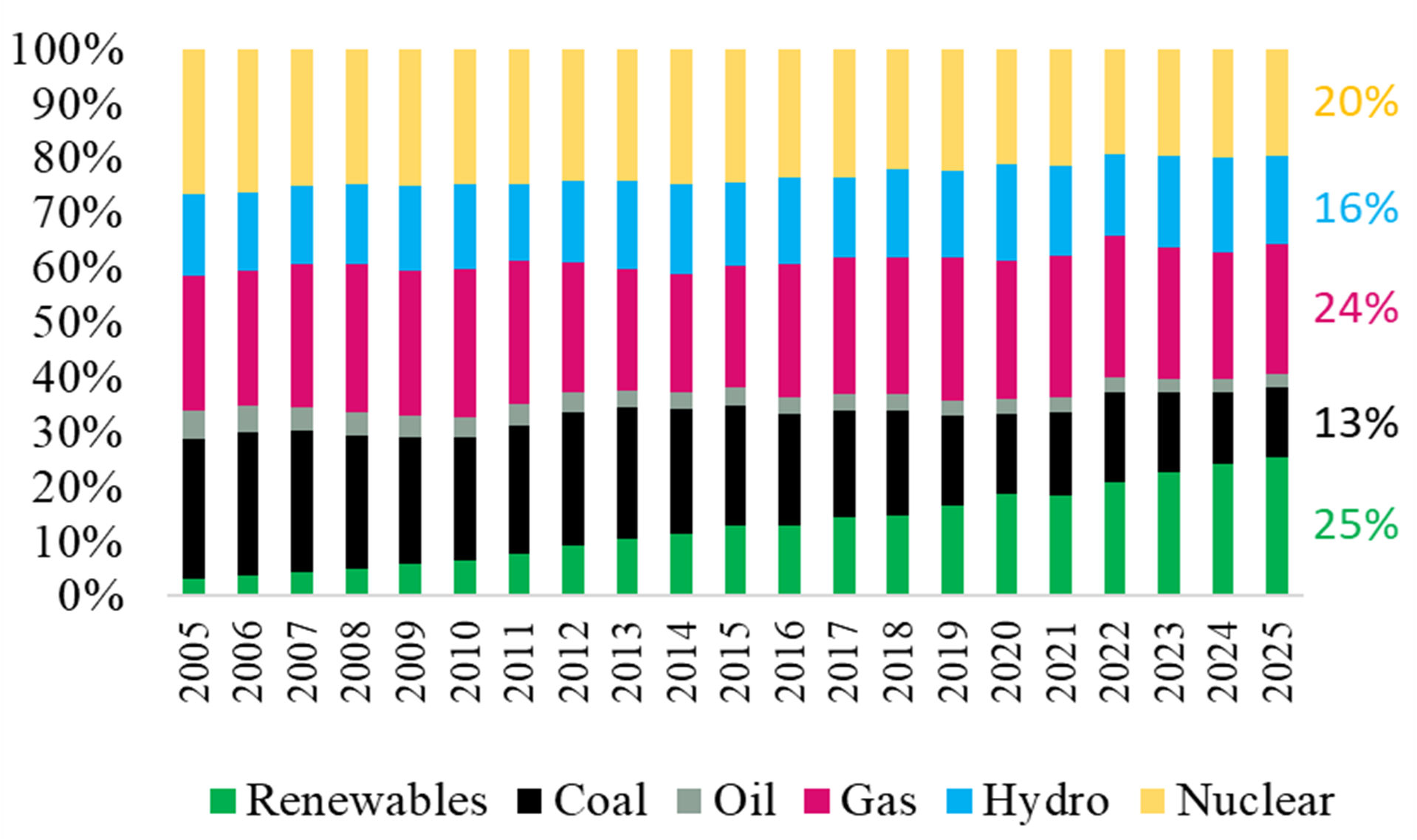
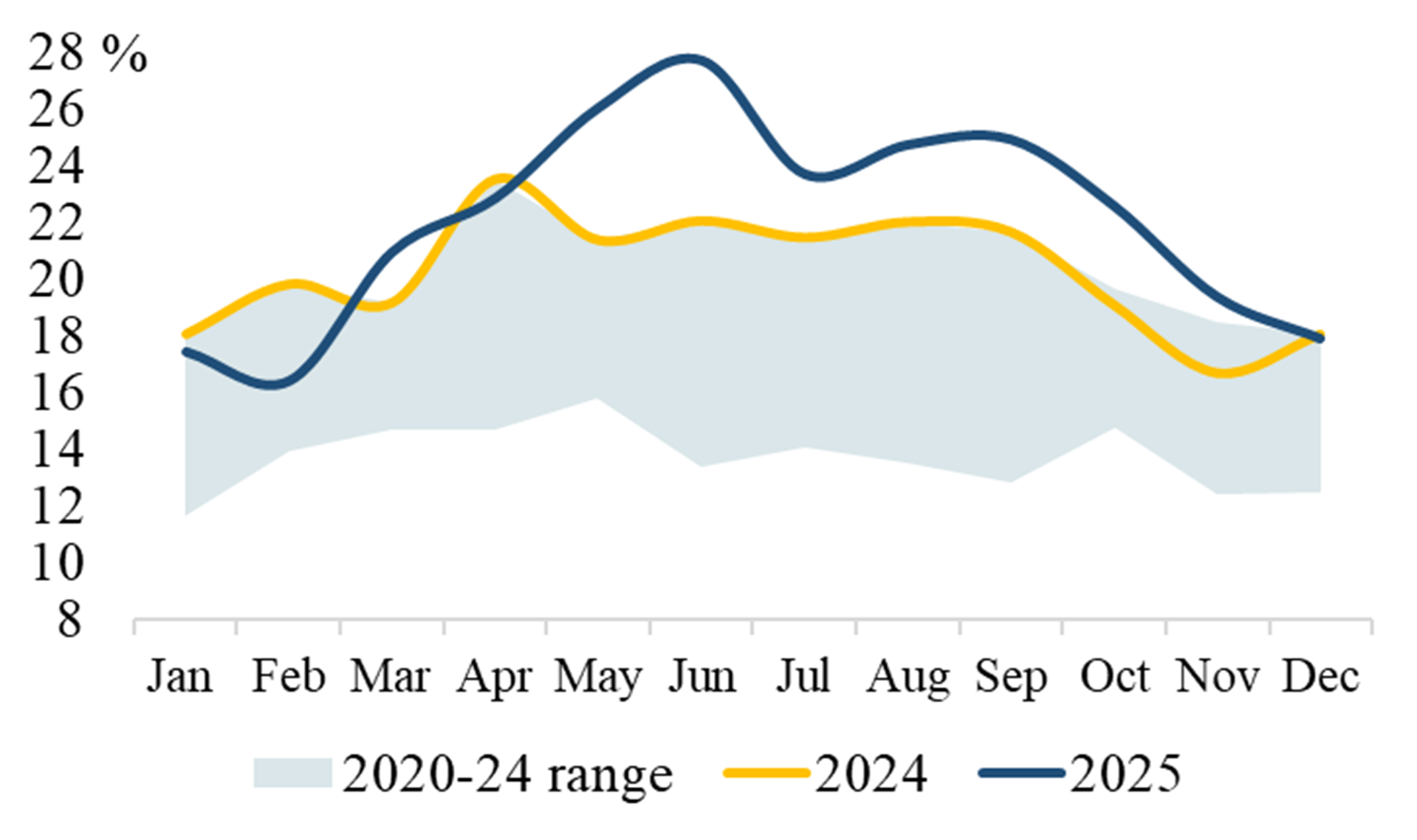
Exhibit 23 Share of Gas (%) Exhibit 24 Share of Nuclear (%)
Source: EMBER
USA
Exhibit 25 USA: Biggest Source of Electricity in each State
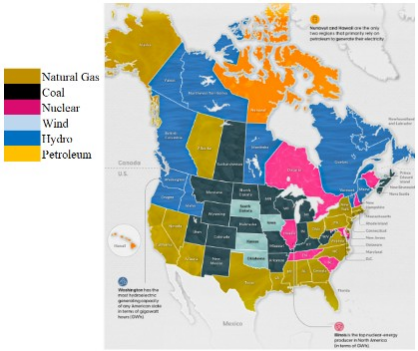
Exhibit 26 Power Generation Exhibit 27 Share of Gas (%)
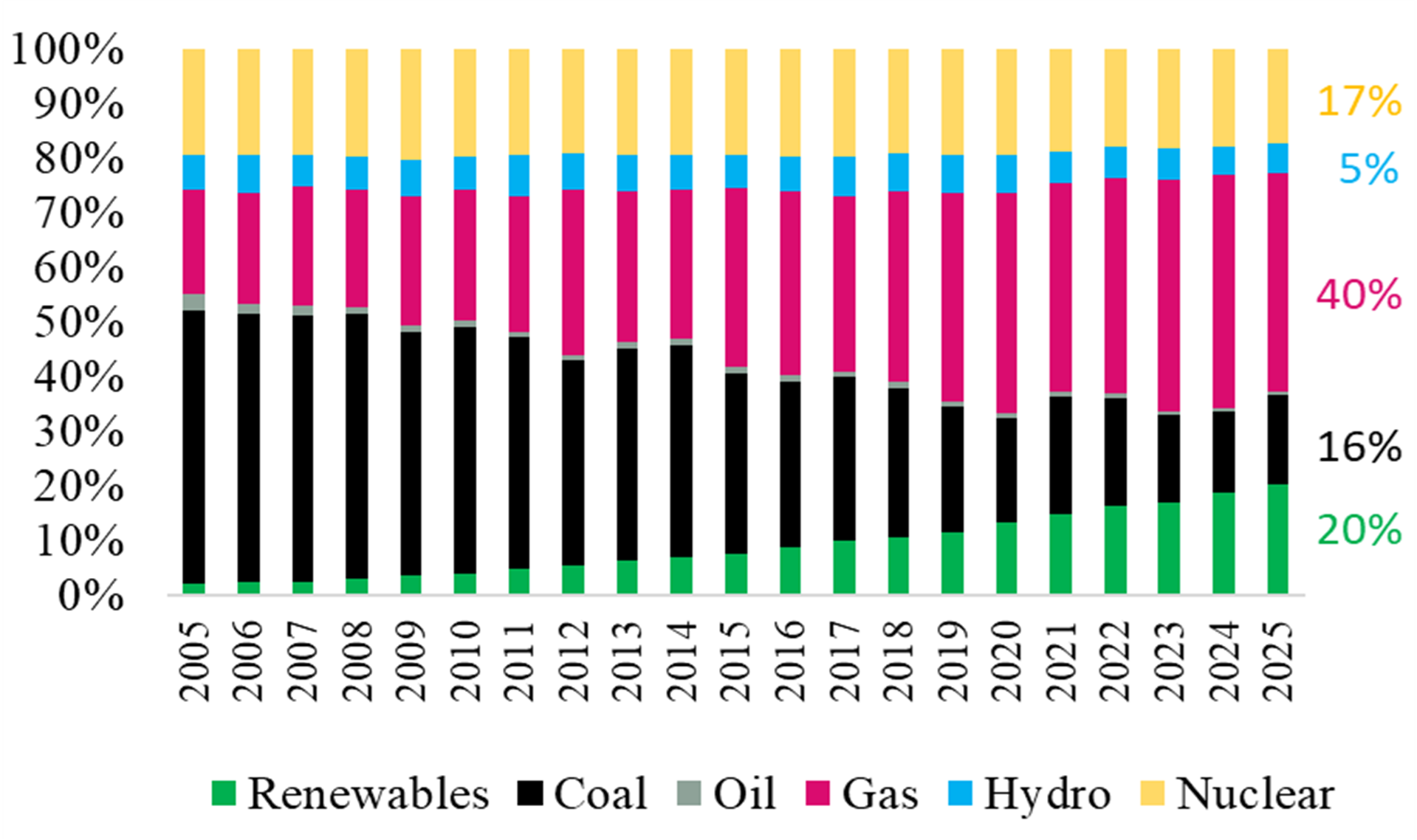
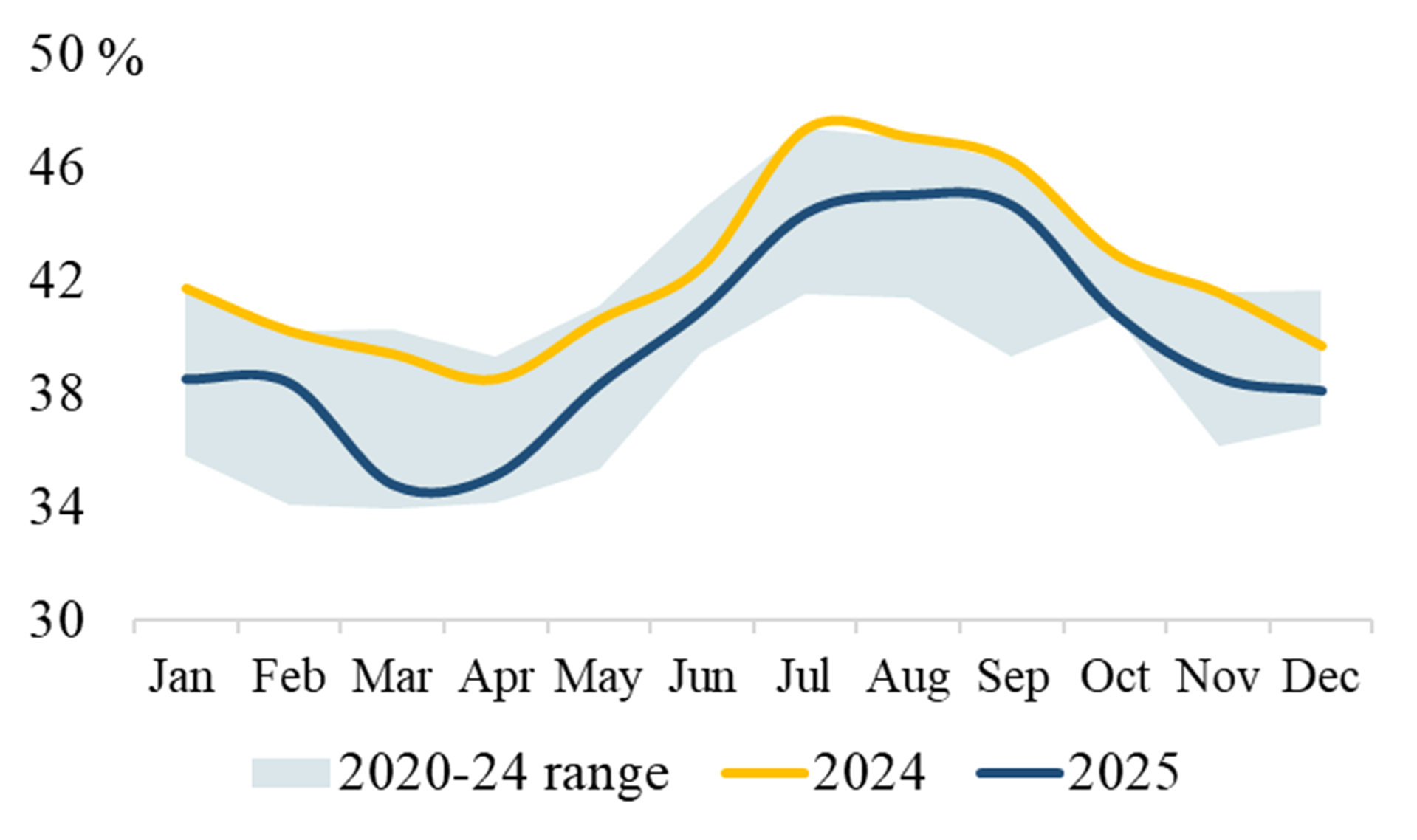
Exhibit 28 Share of Wind & Solar (%) Exhibit 29 Share of Nuclear (%)
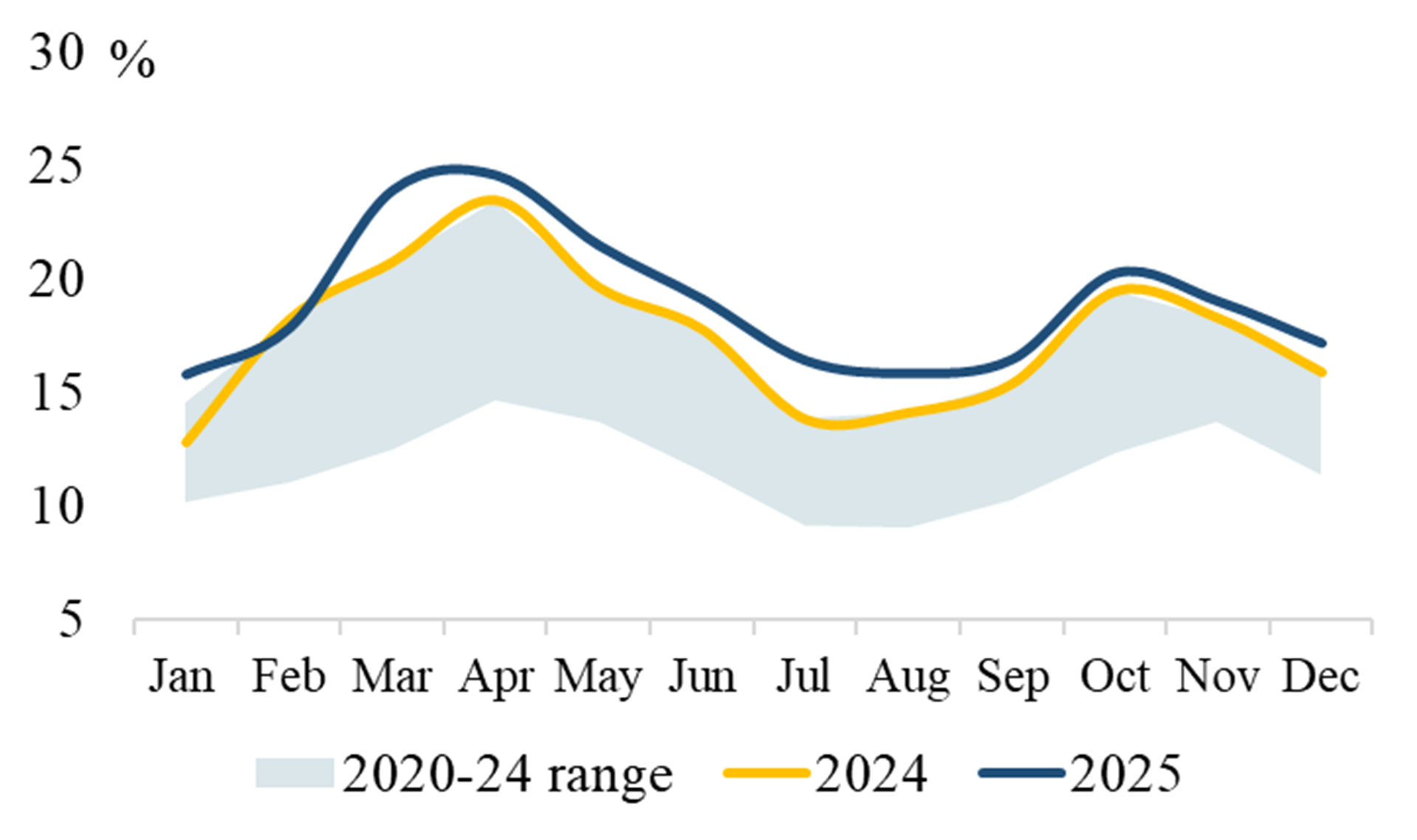
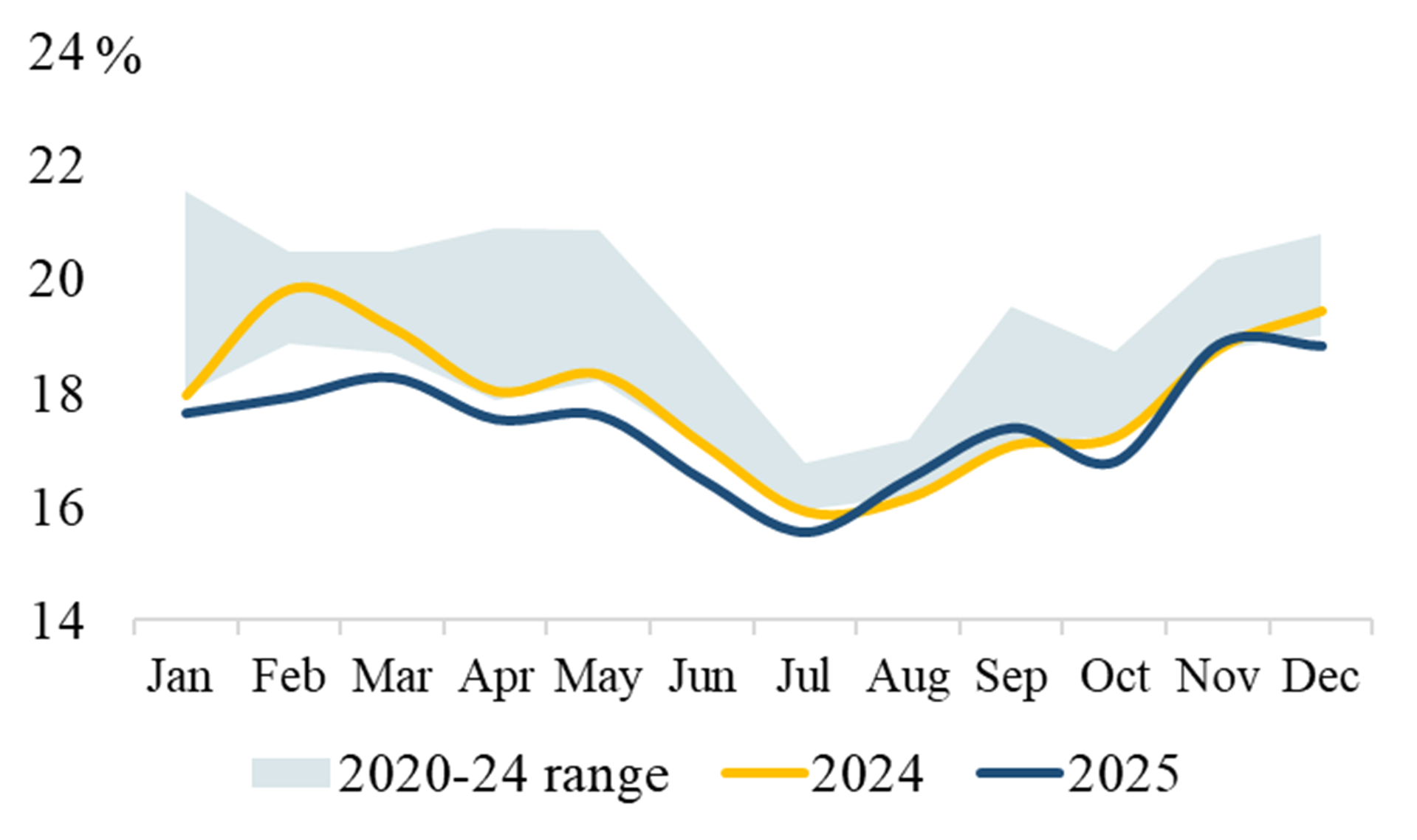
Source: EMBER
TÜRKIYE
Exhibit 30 Power Generation Exhibit 31 Share of Coal (%)
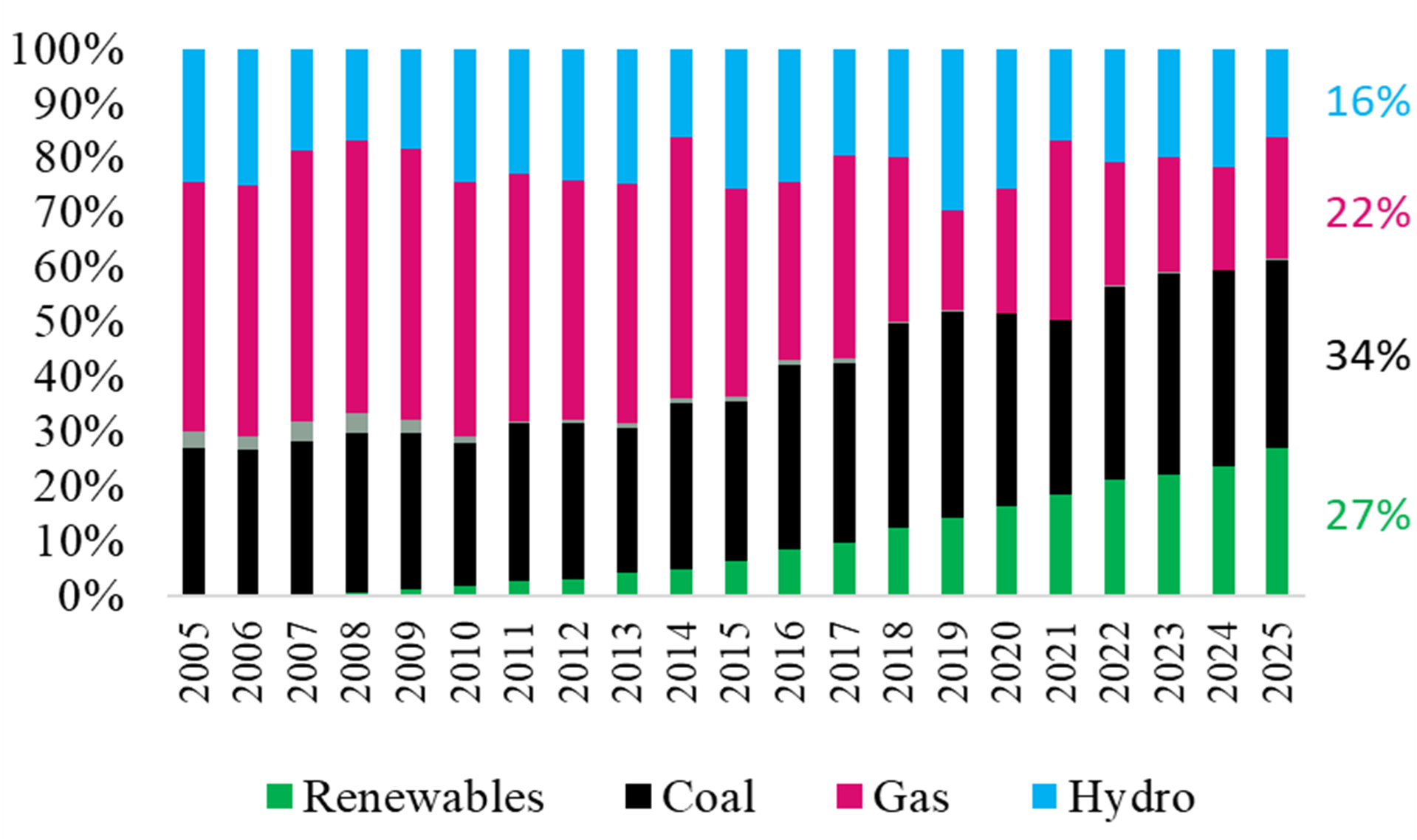
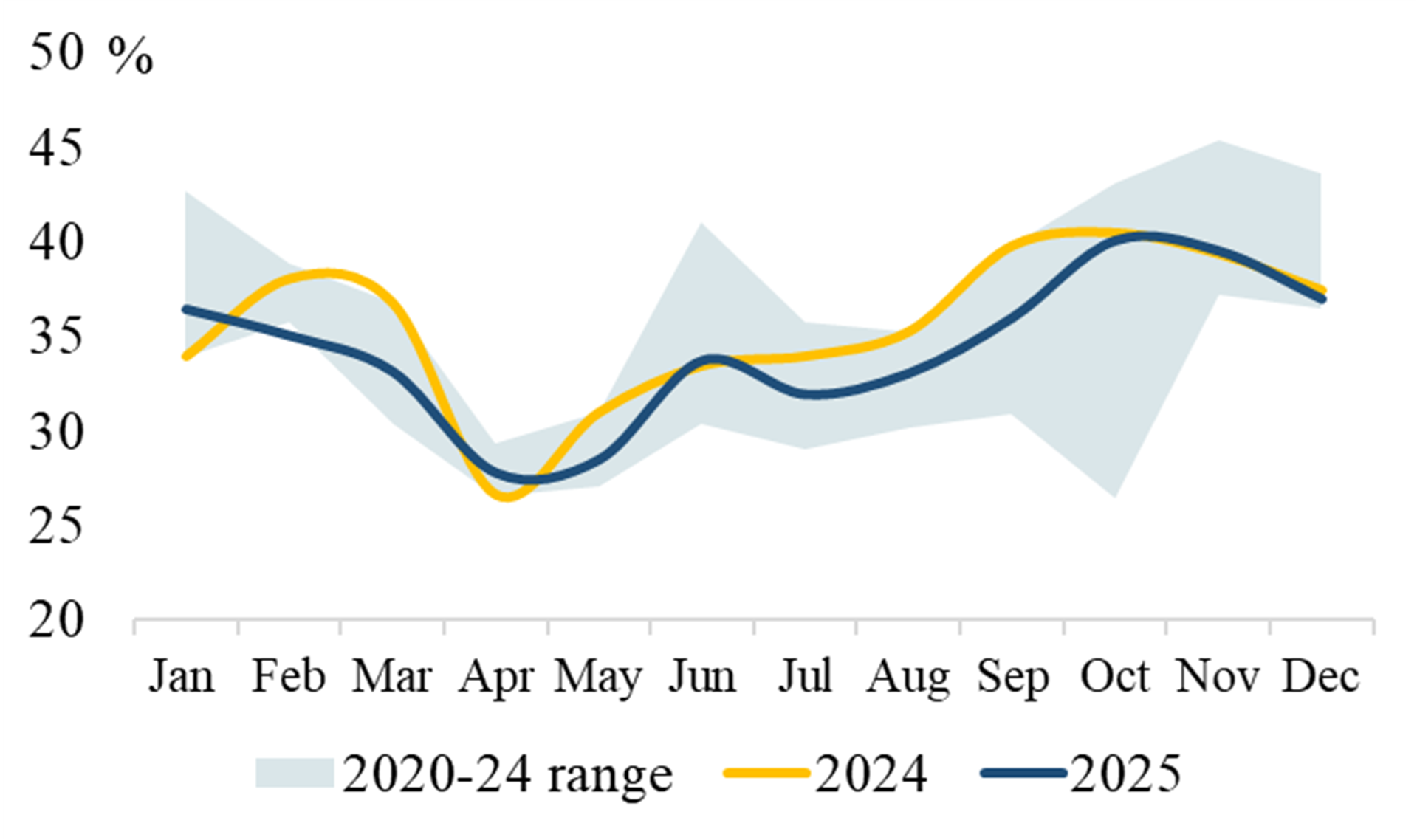
Exhibit 32 Share of Wind & Solar (%) Exhibit 33 Share of Gas (%)
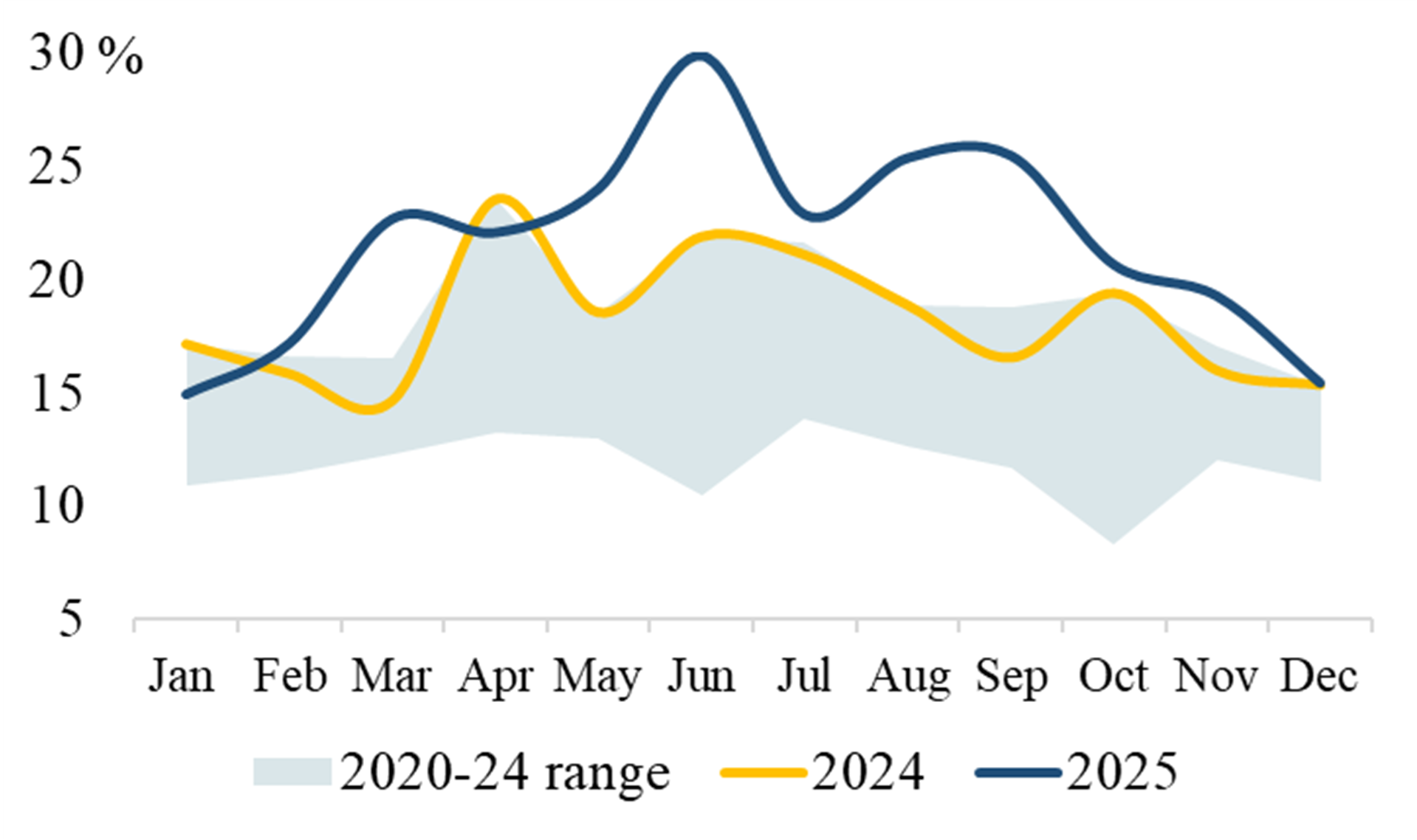
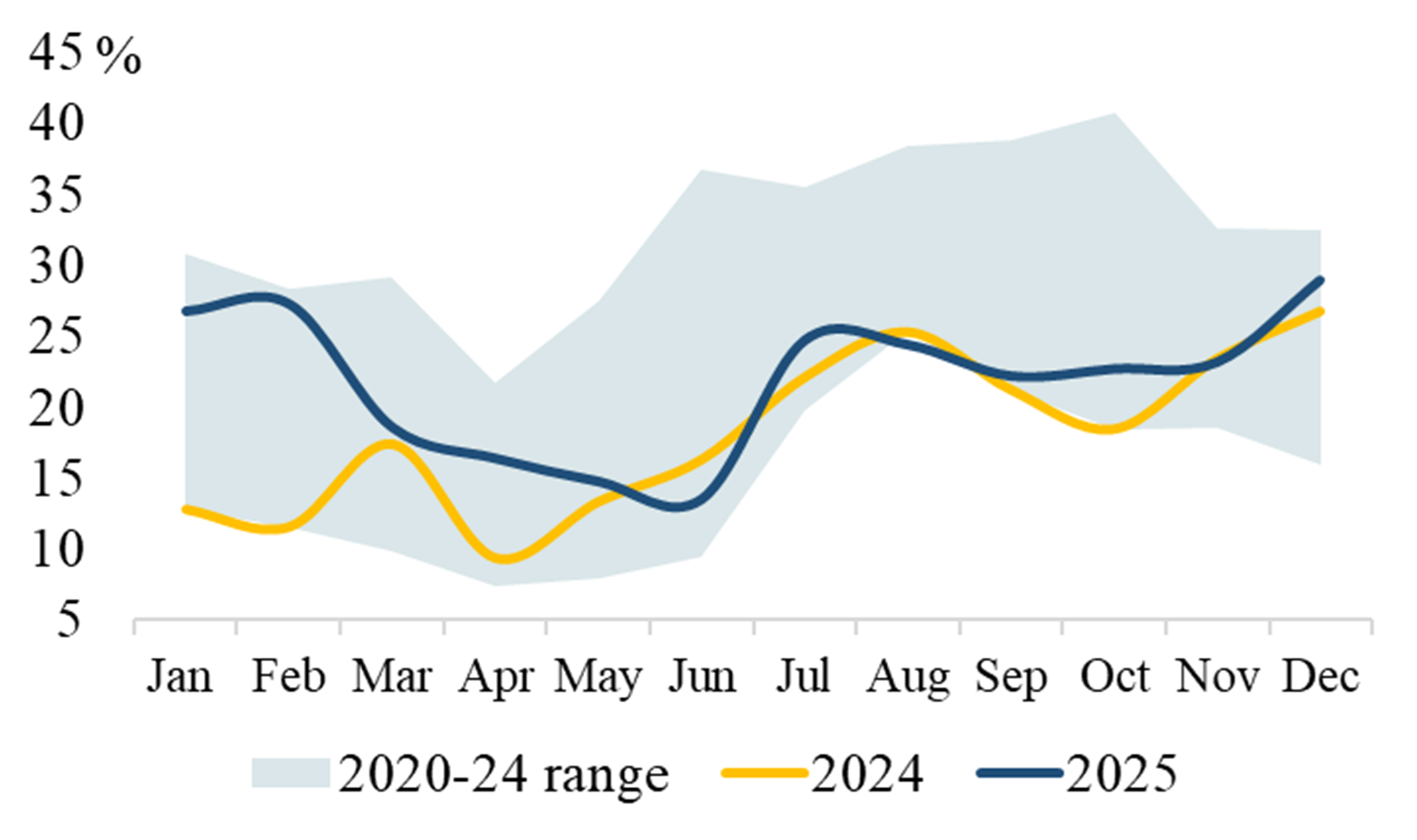
INDIA
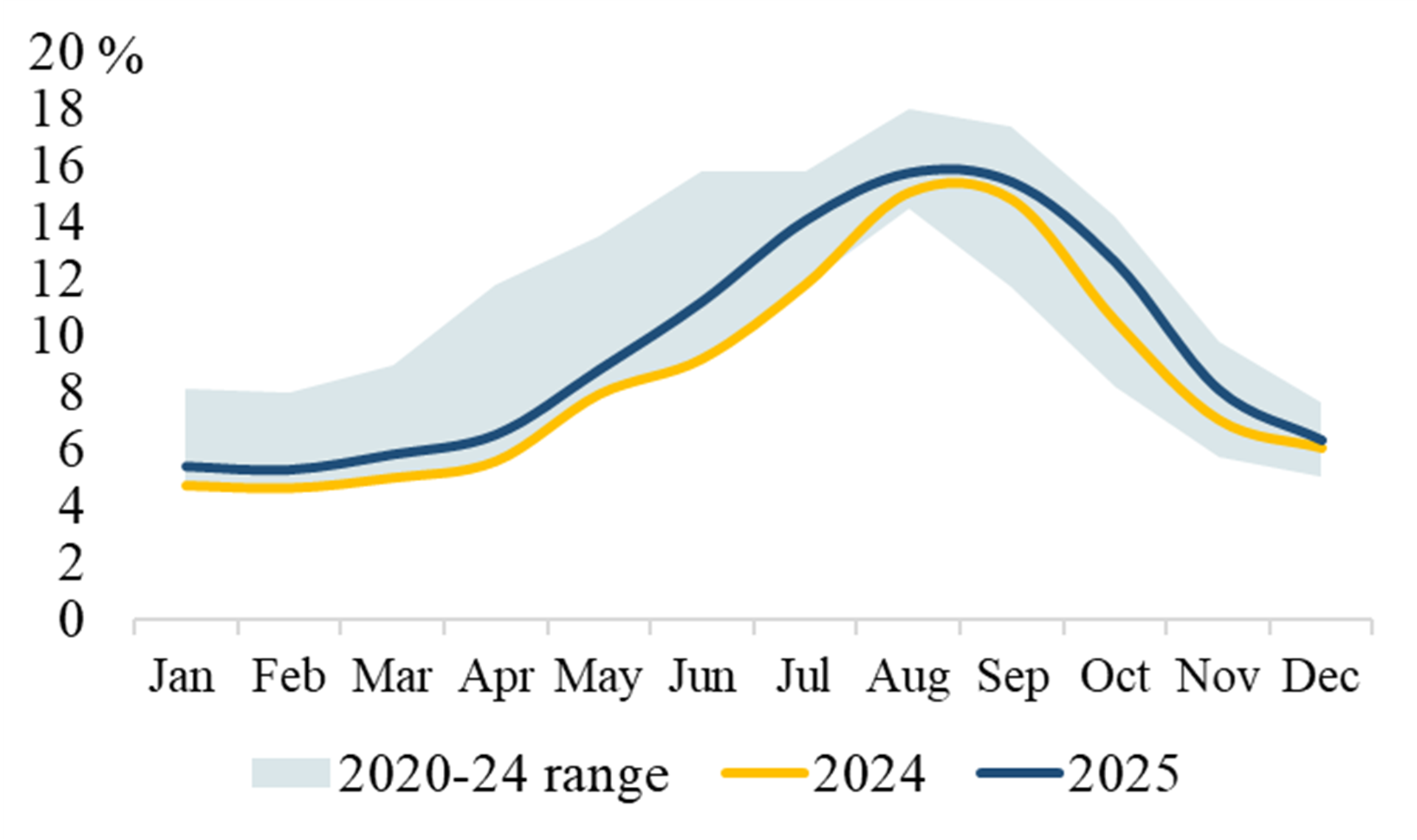
Exhibit 34 Power Generation Exhibit 35 Share of Coal (%)
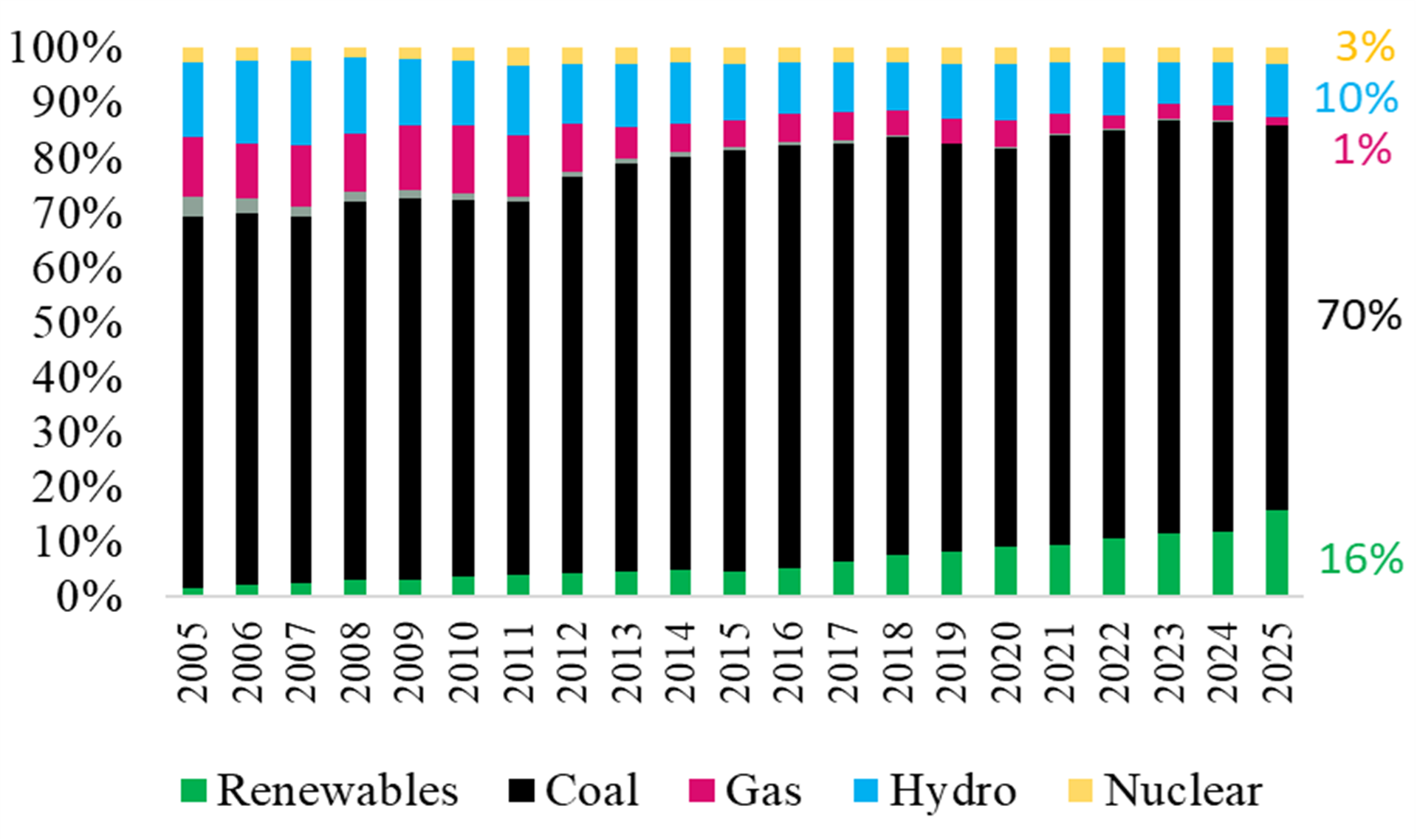
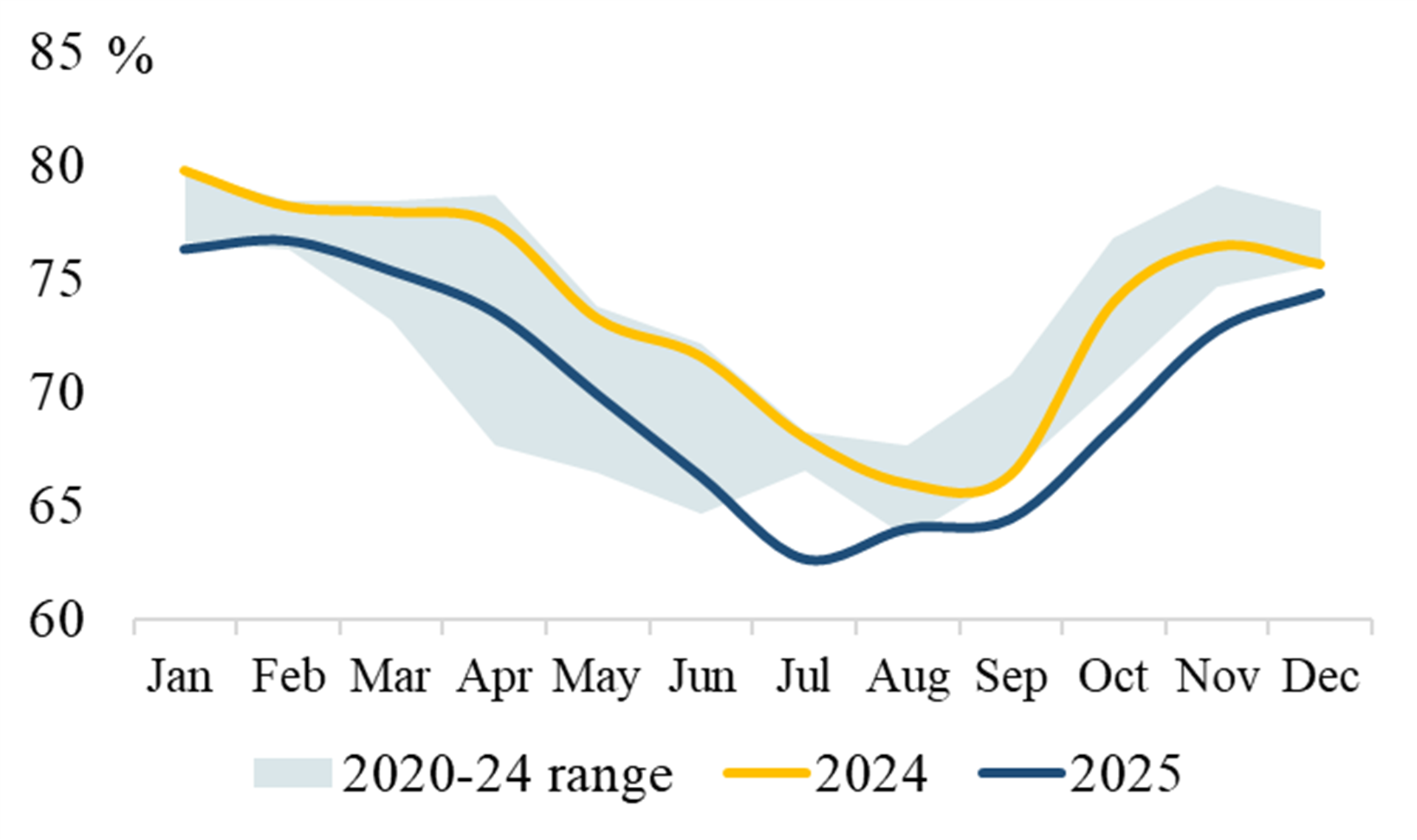
Exhibit 36 Share of Wind & Solar (%) Exhibit 37 Share of Hydro (%)
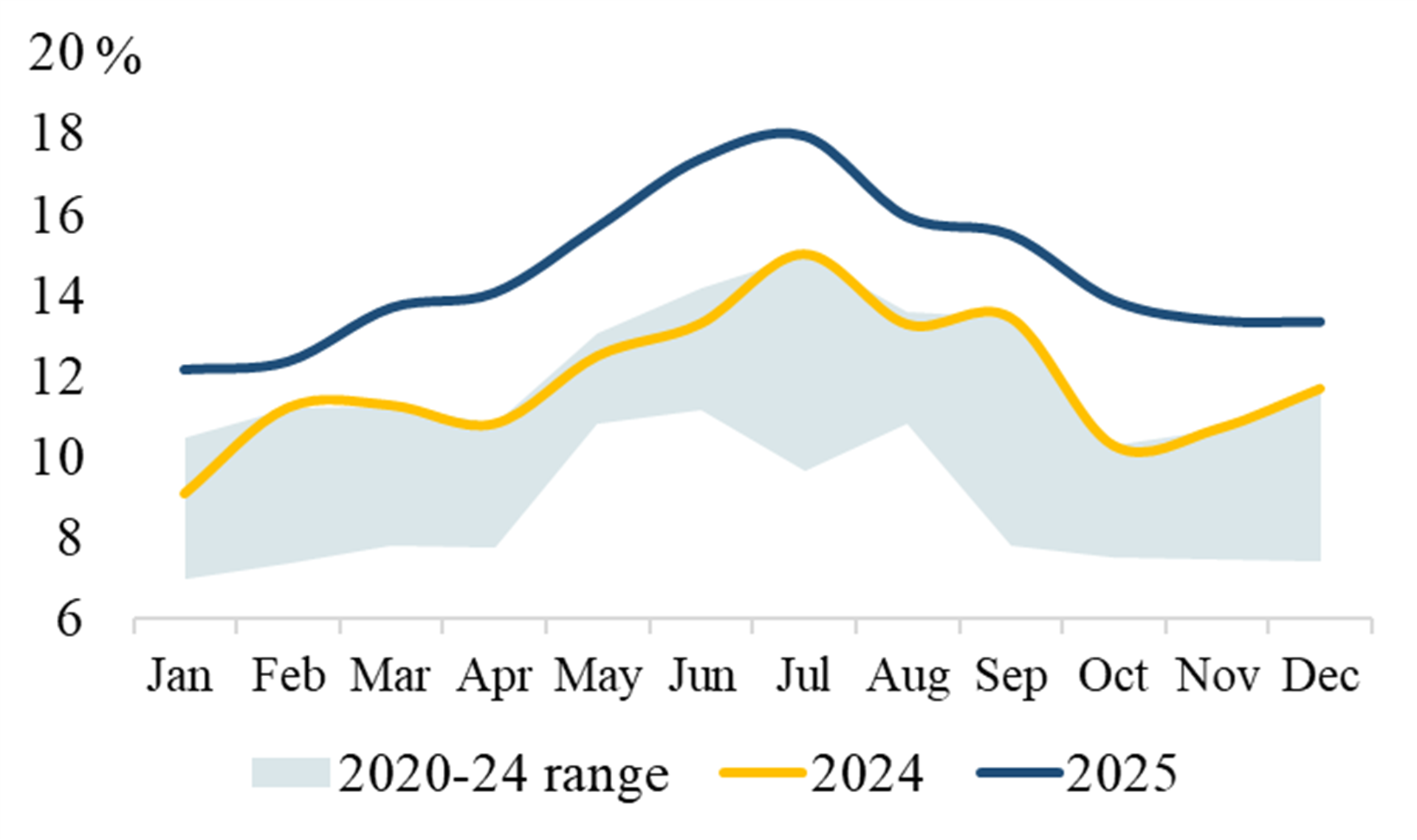
Source: EMBER
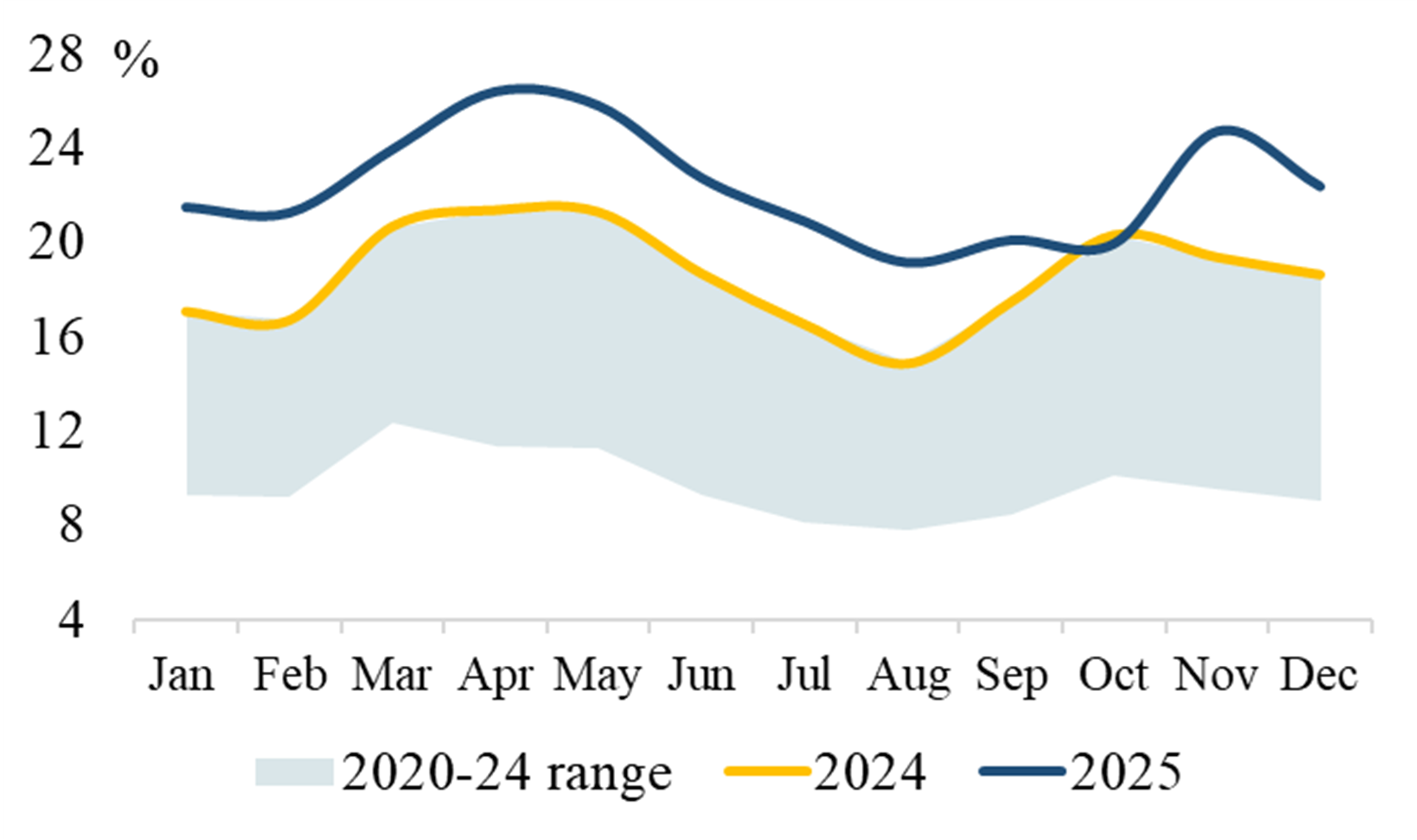
CHINA
Exhibit 38 Power Generation Exhibit 39 Share of Coal (%)
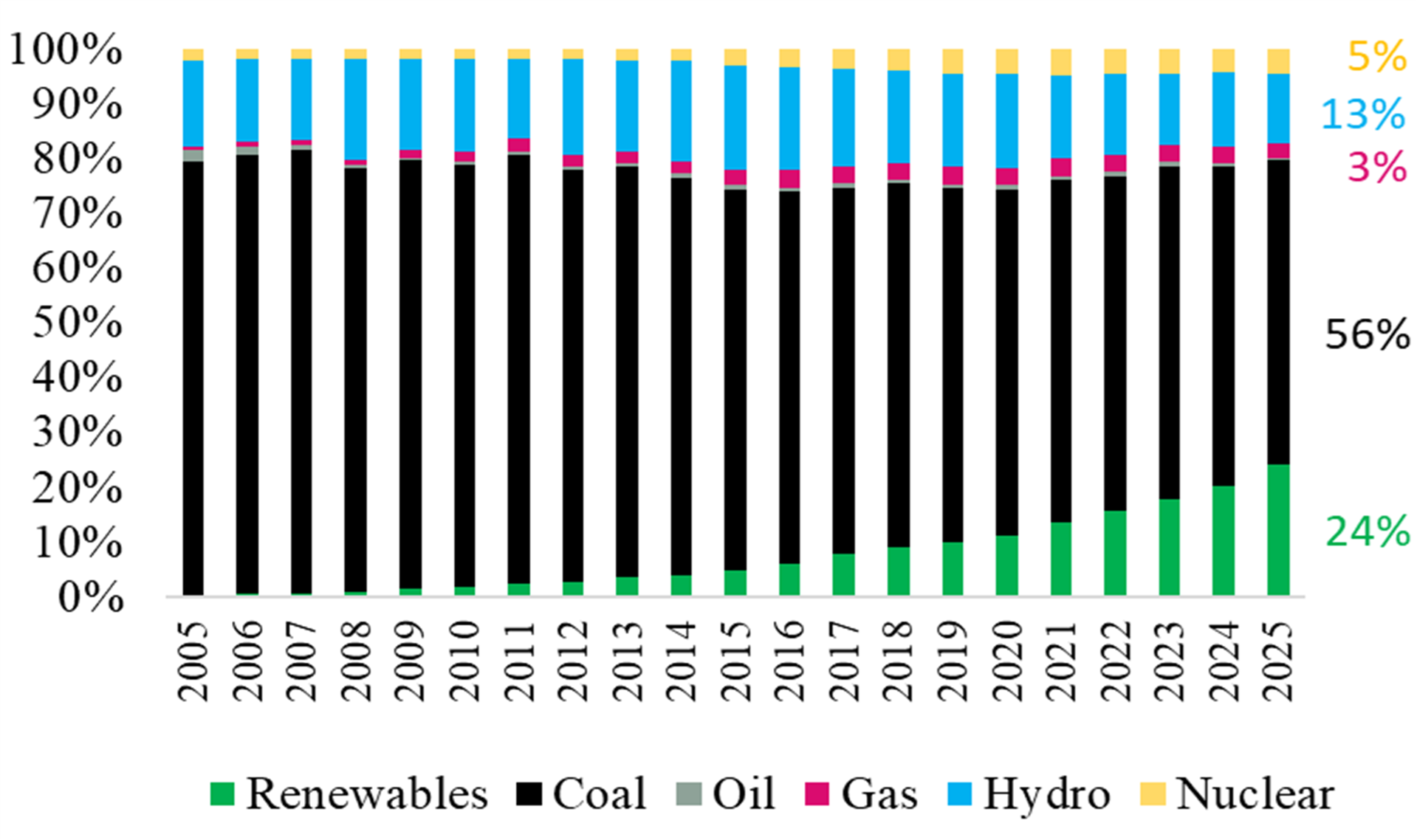
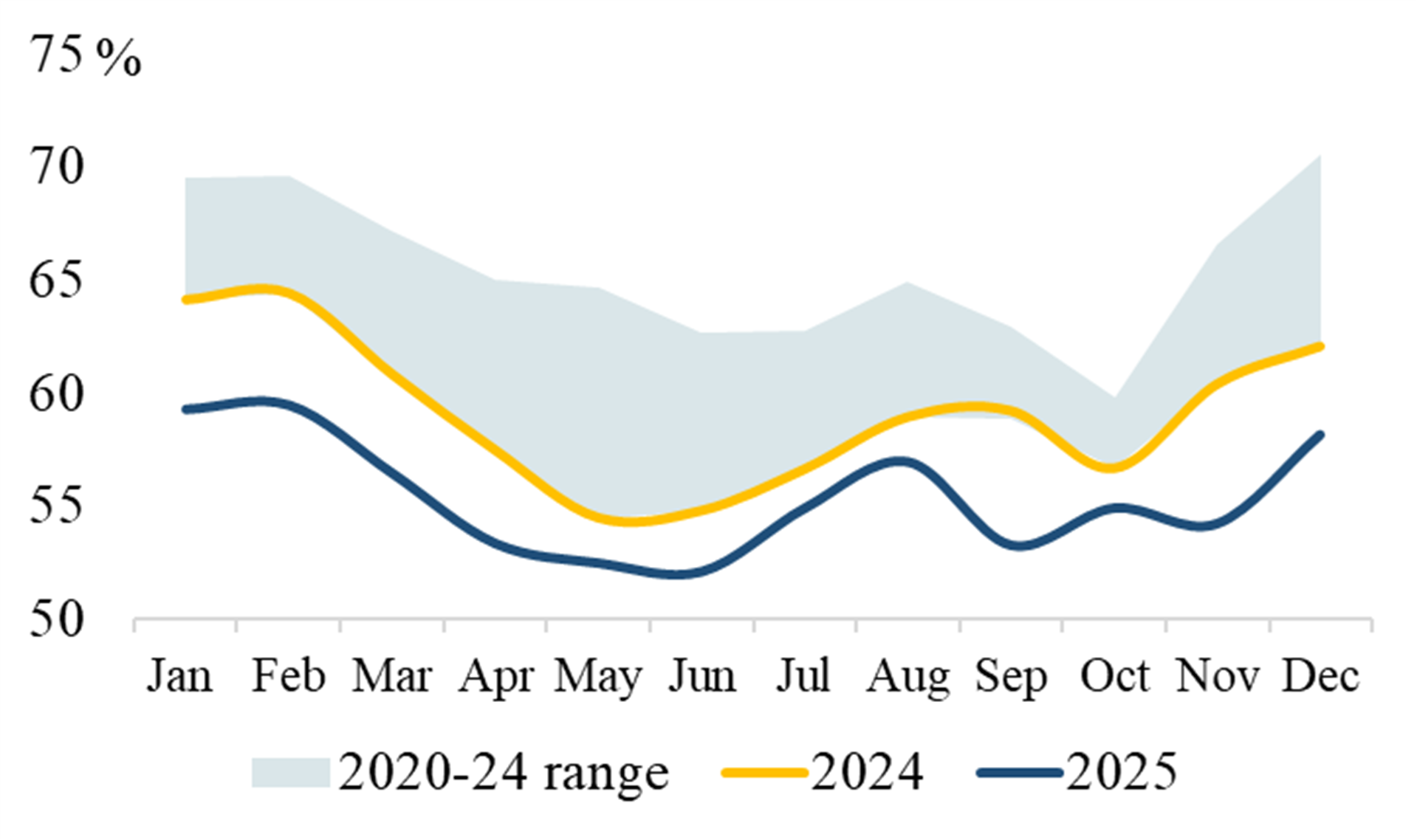
Exhibit 40 Share of Wind & Solar (%) Exhibit 41 Share of Hydro (%)
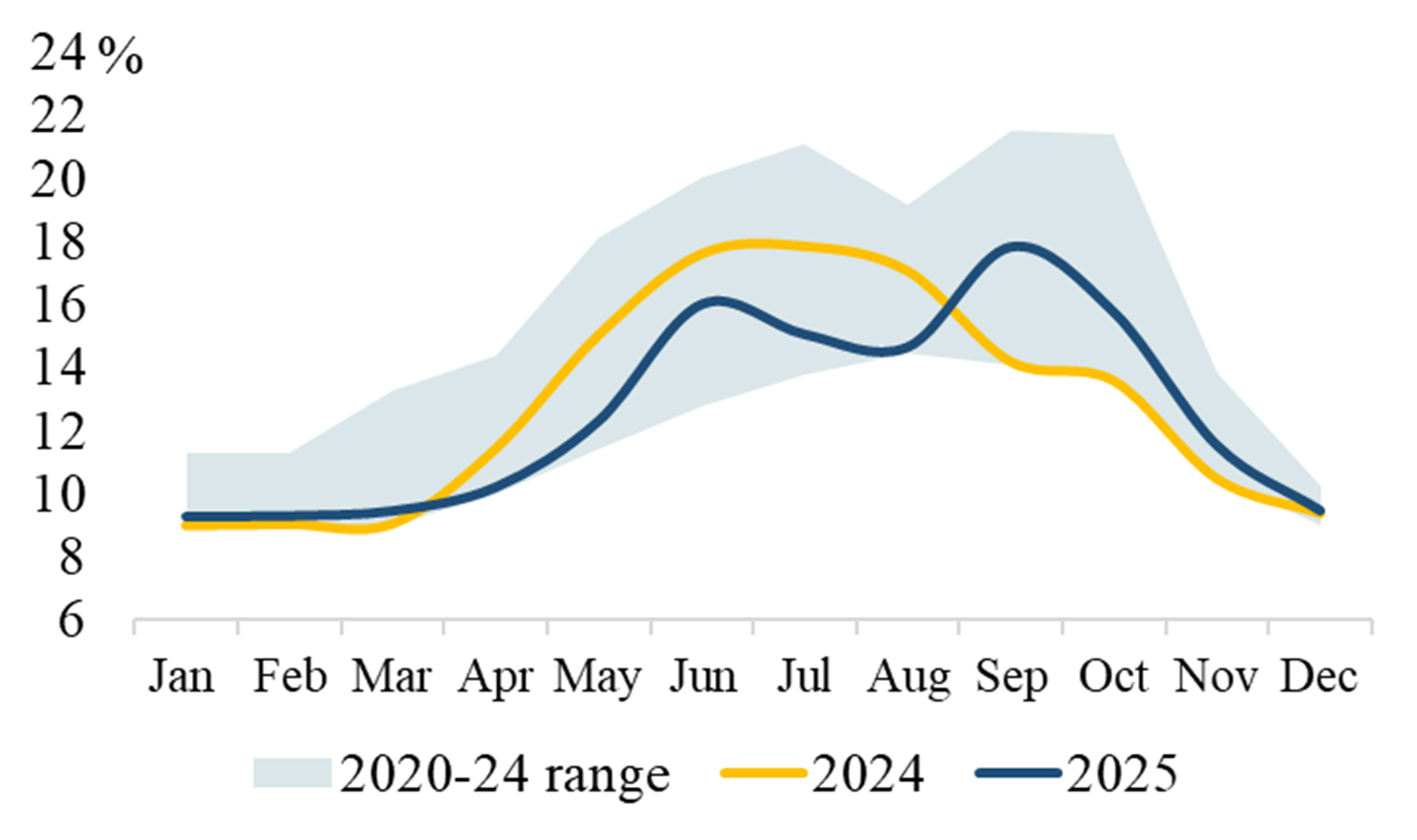
JAPAN
Exhibit 42 Power Generation Exhibit 43 Share of Gas (%)

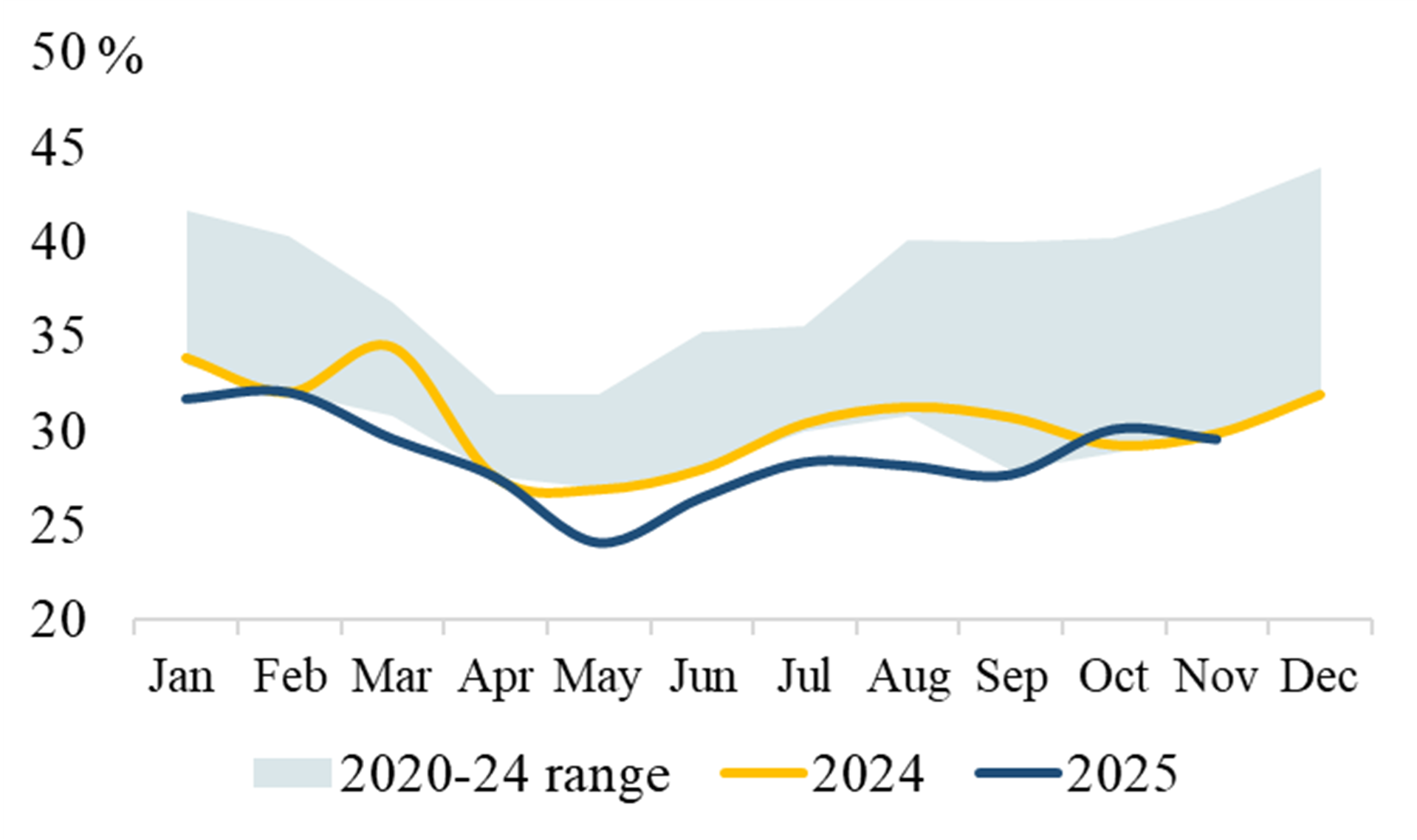
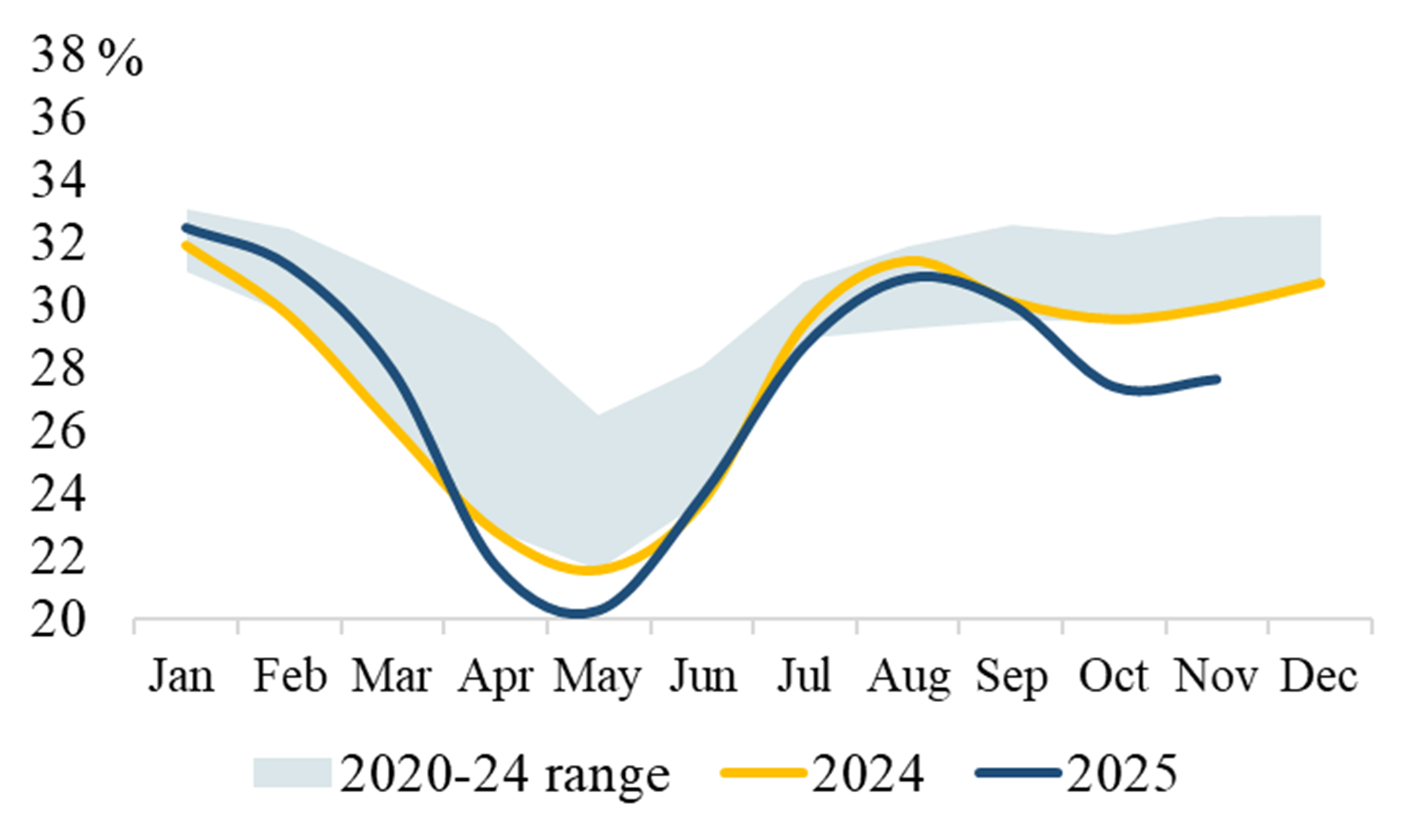
Exhibit 44 Share of Coal (%) Exhibit 45 Share of Wind & Solar (%)
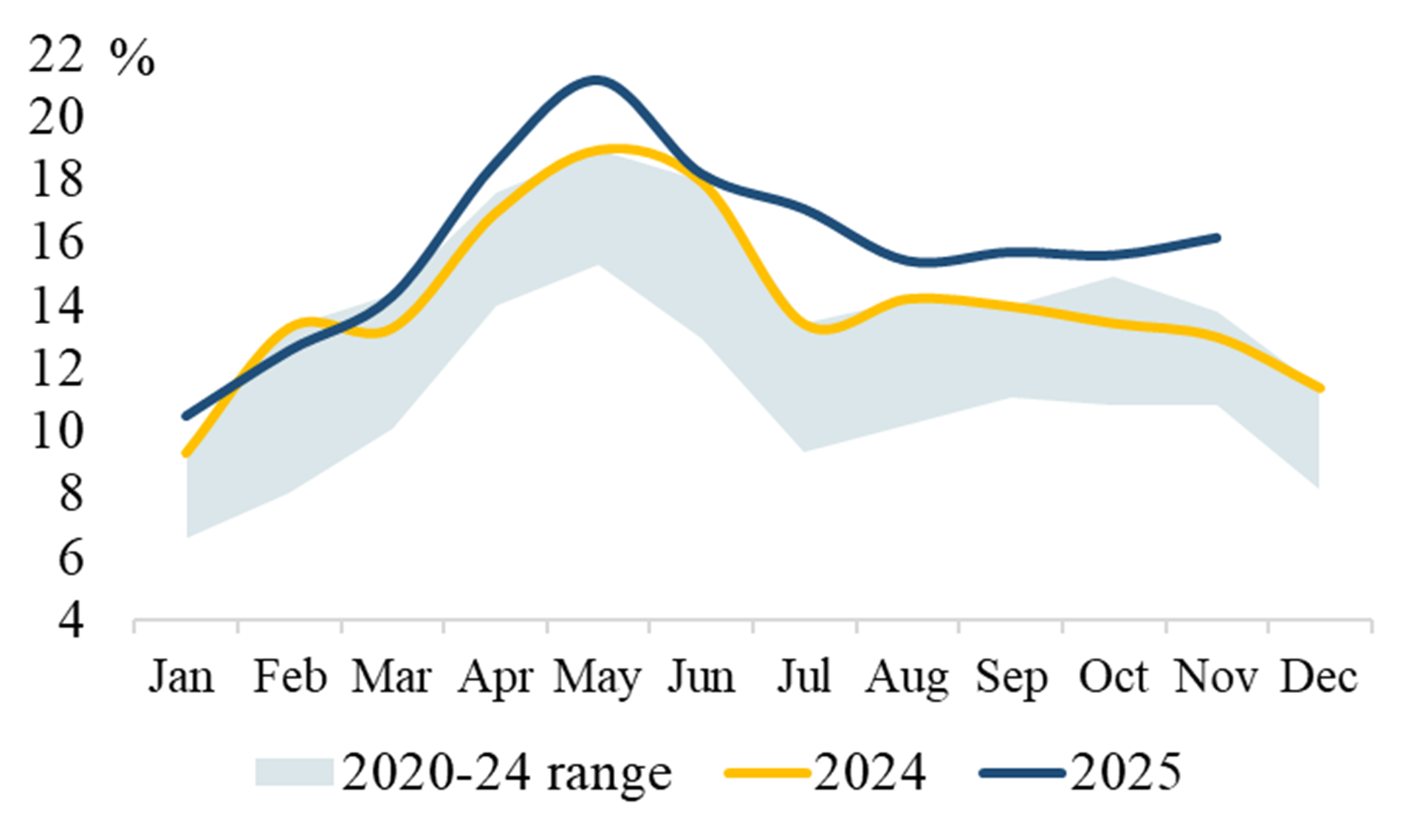
Source: EMBER
MIDDLE EAST – Energy Mix in Six Gulf Cooperation Council (GCC) Countries
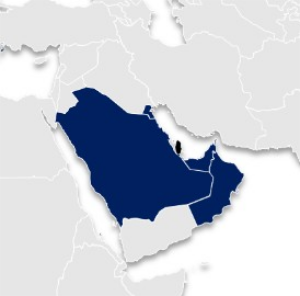
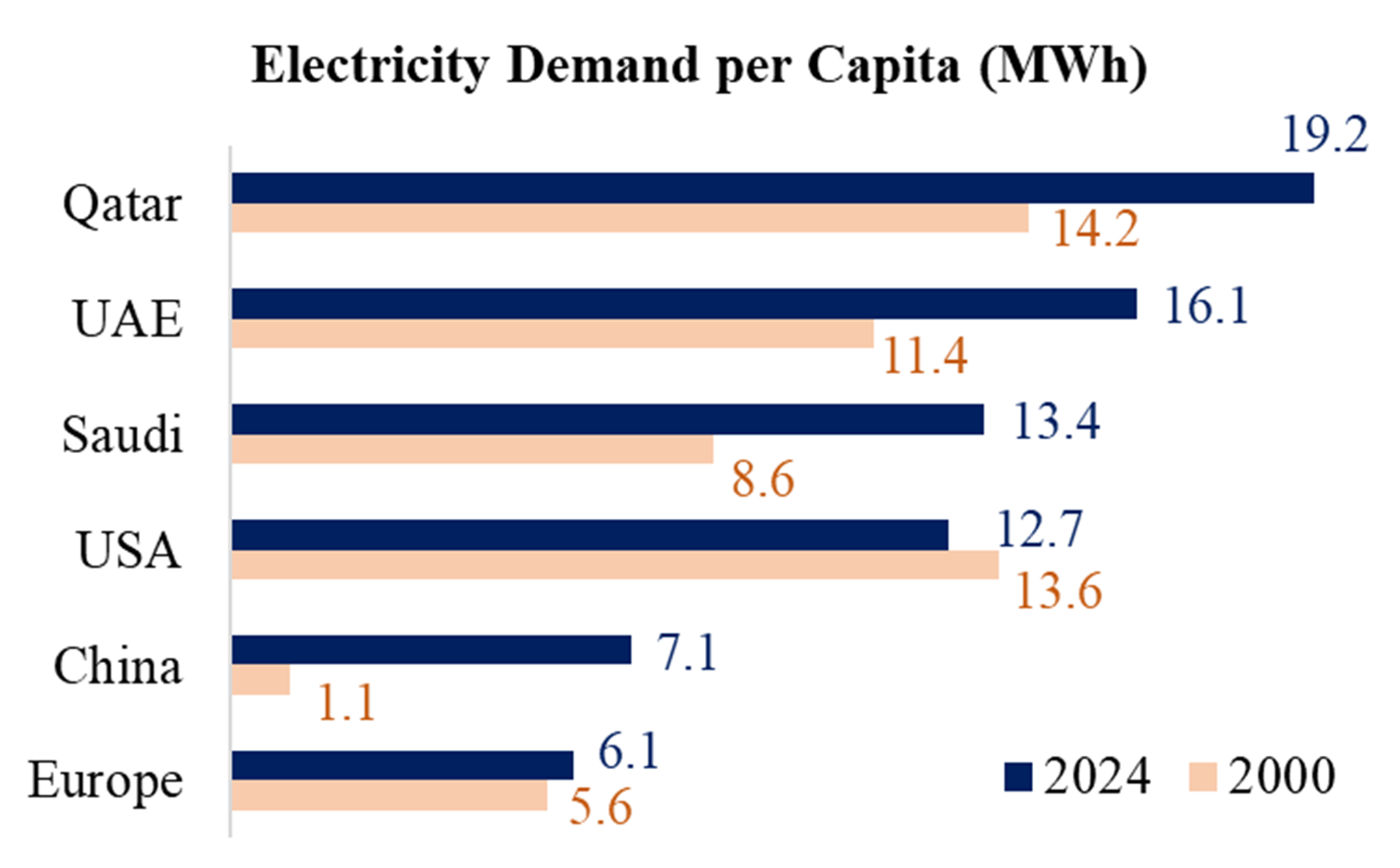
Exhibit 46 Saudi Arabia Power Gen (TWh) Exhibit 47 UAE Power Gen (TWh)
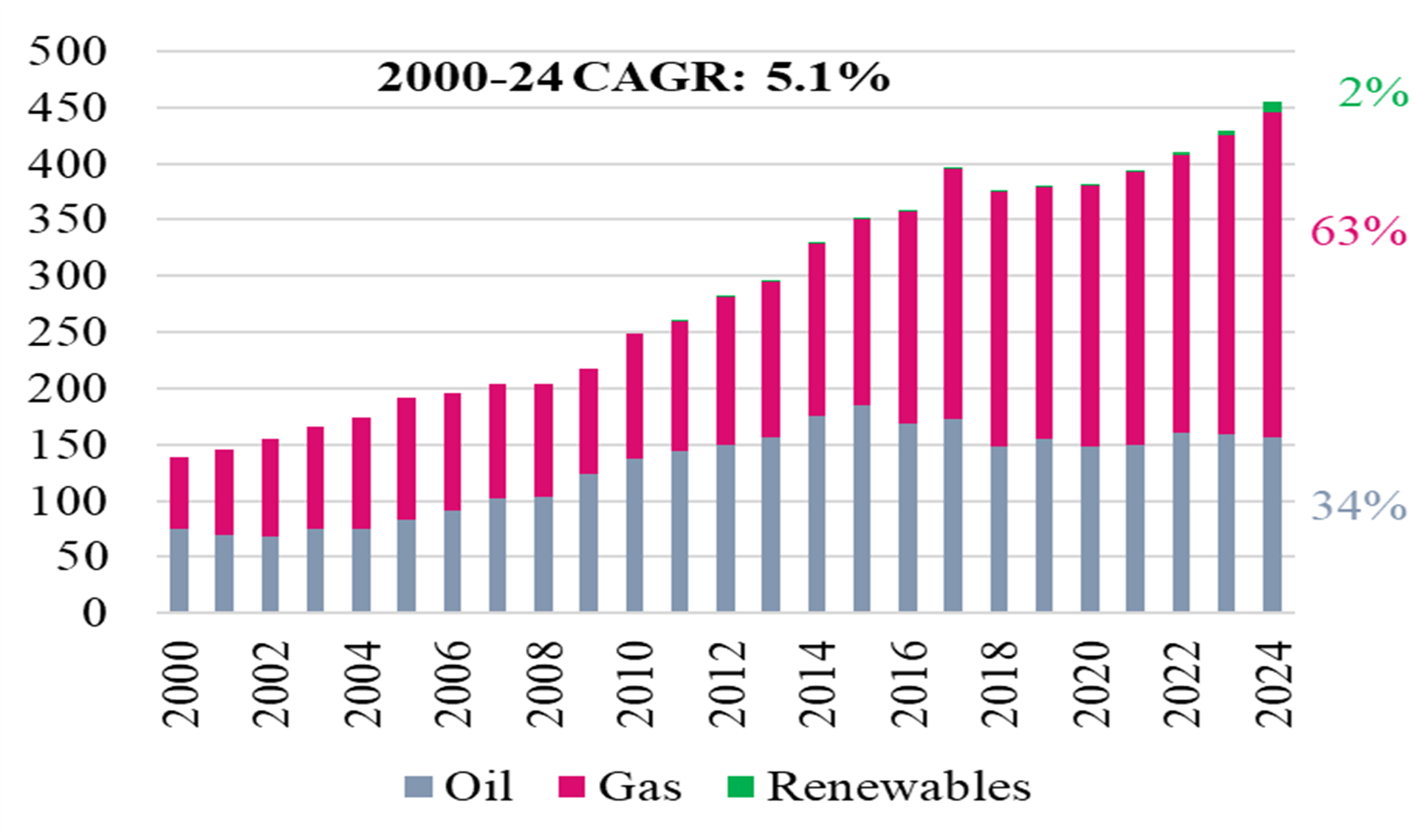
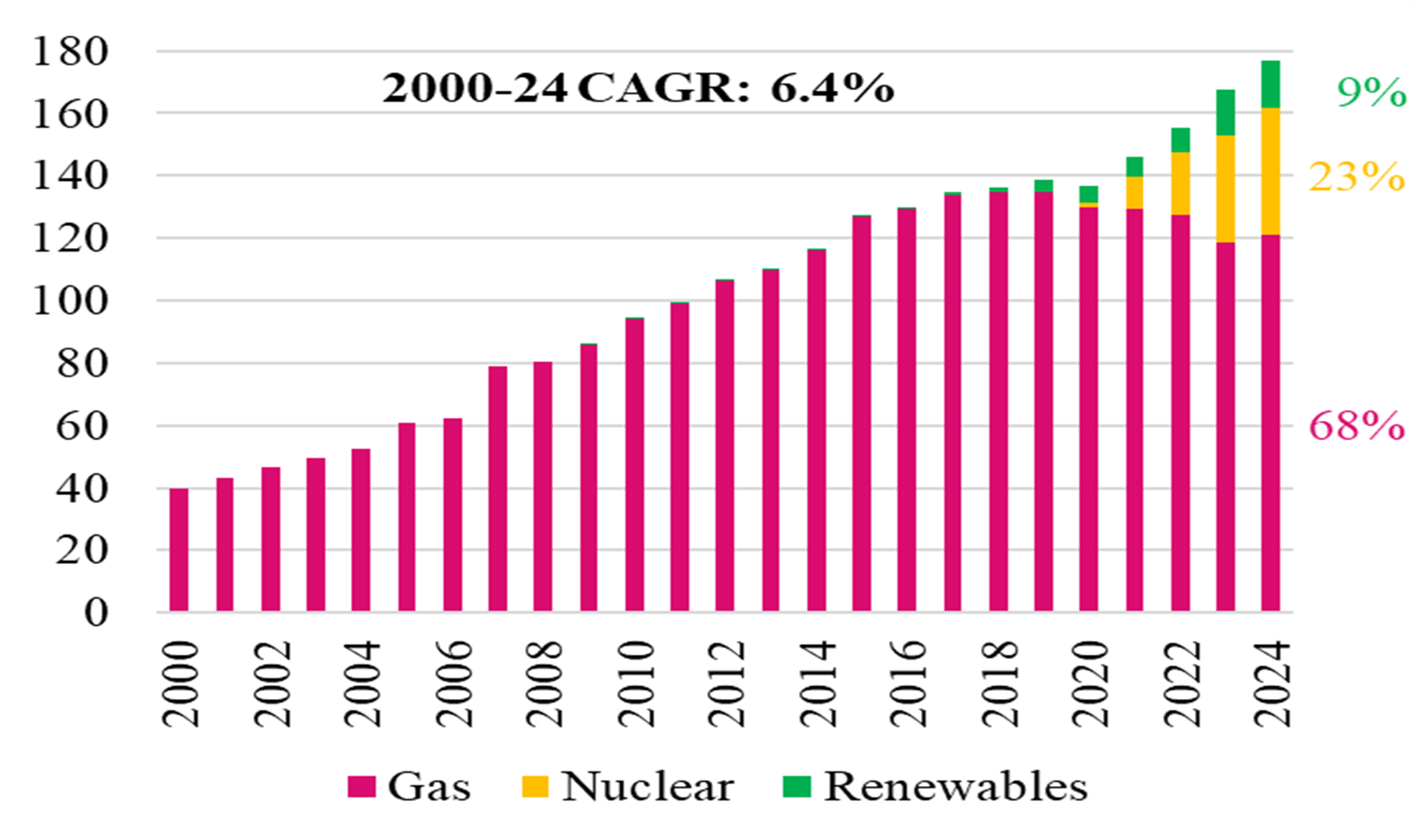
Exhibit 48 Qatar Power Gen (TWh) Exhibit 49 Kuwait Power Gen (TWh)
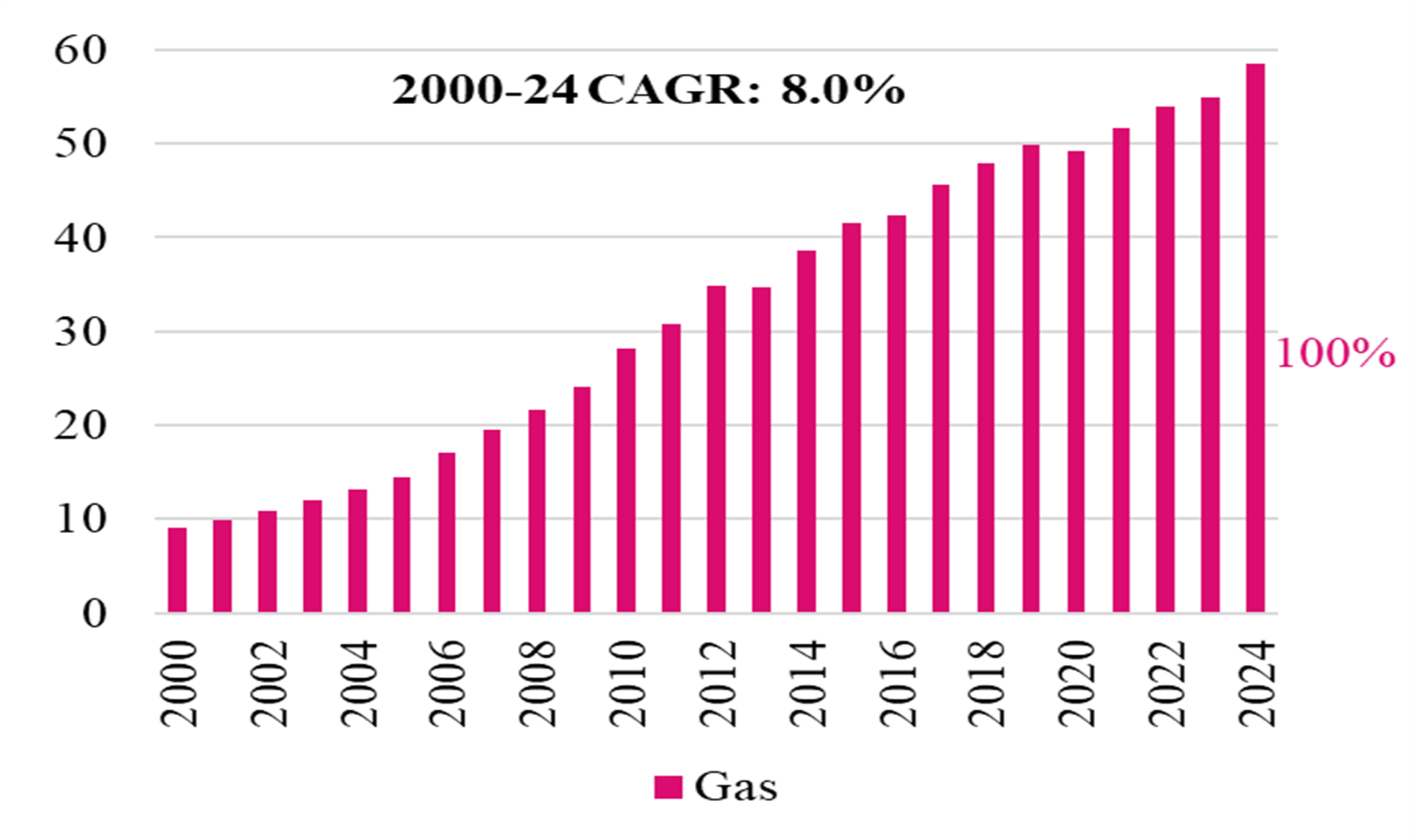
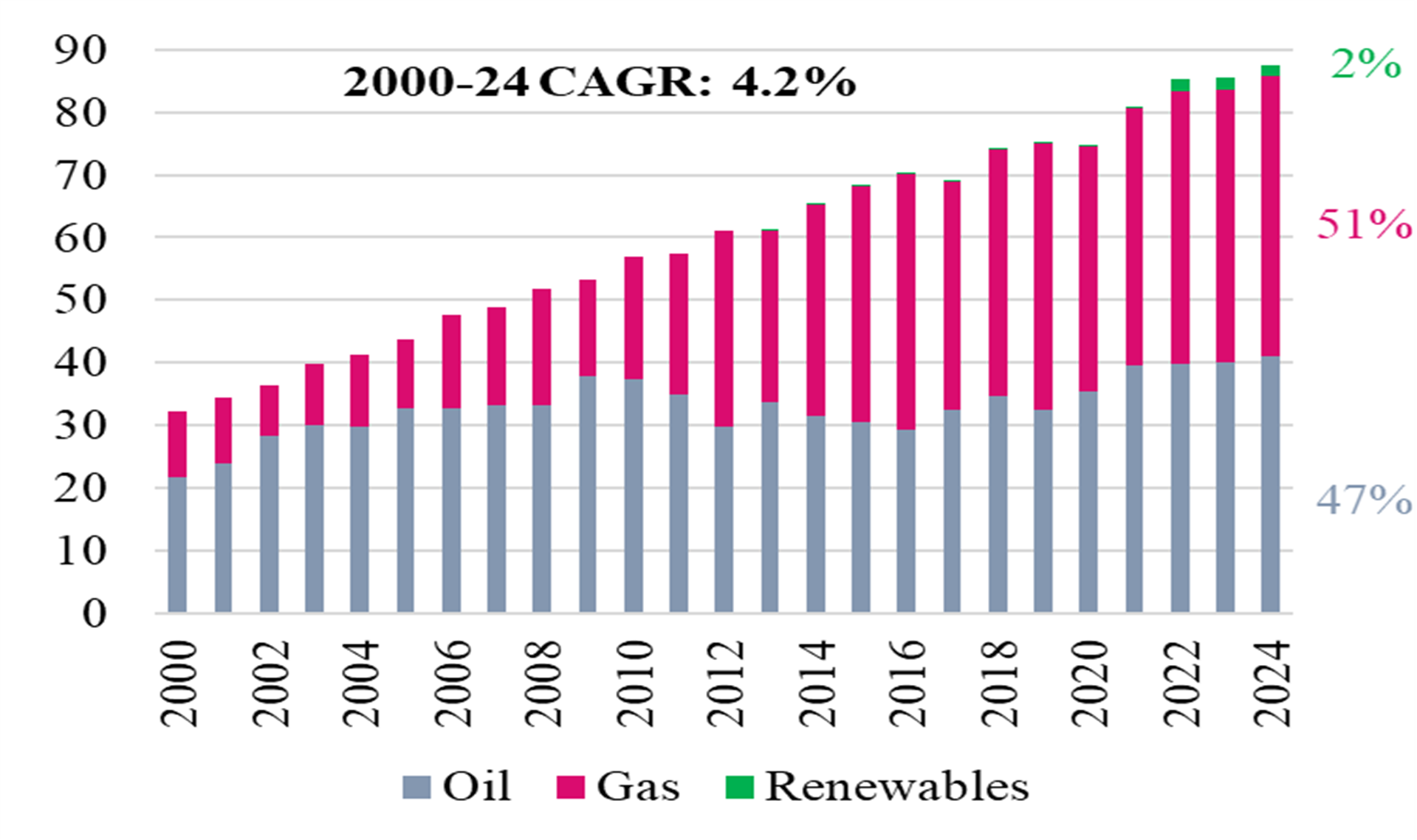
Exhibit 50 Oman Power Gen (TWh) Exhibit 51 Bahrain Power Gen (TWh)
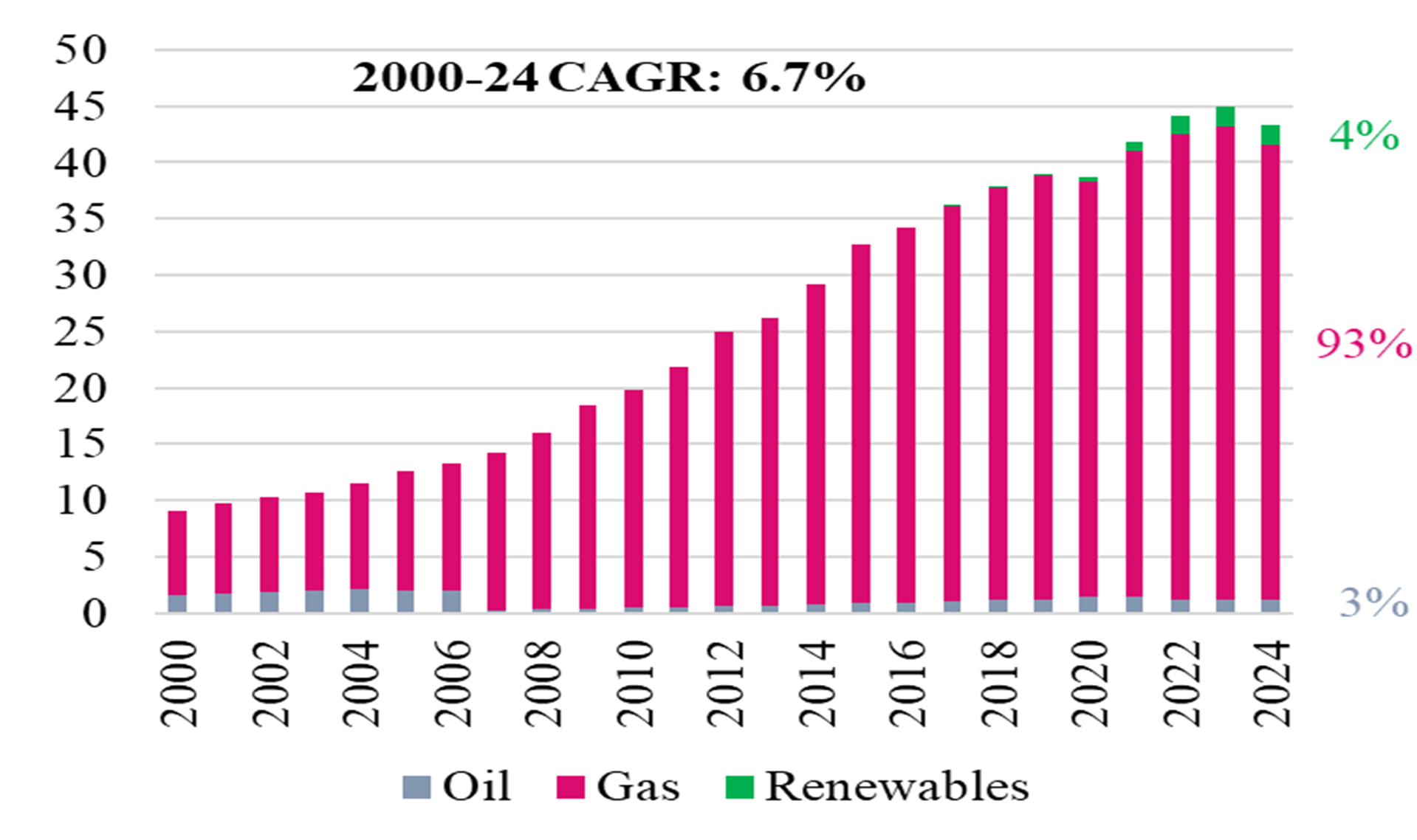
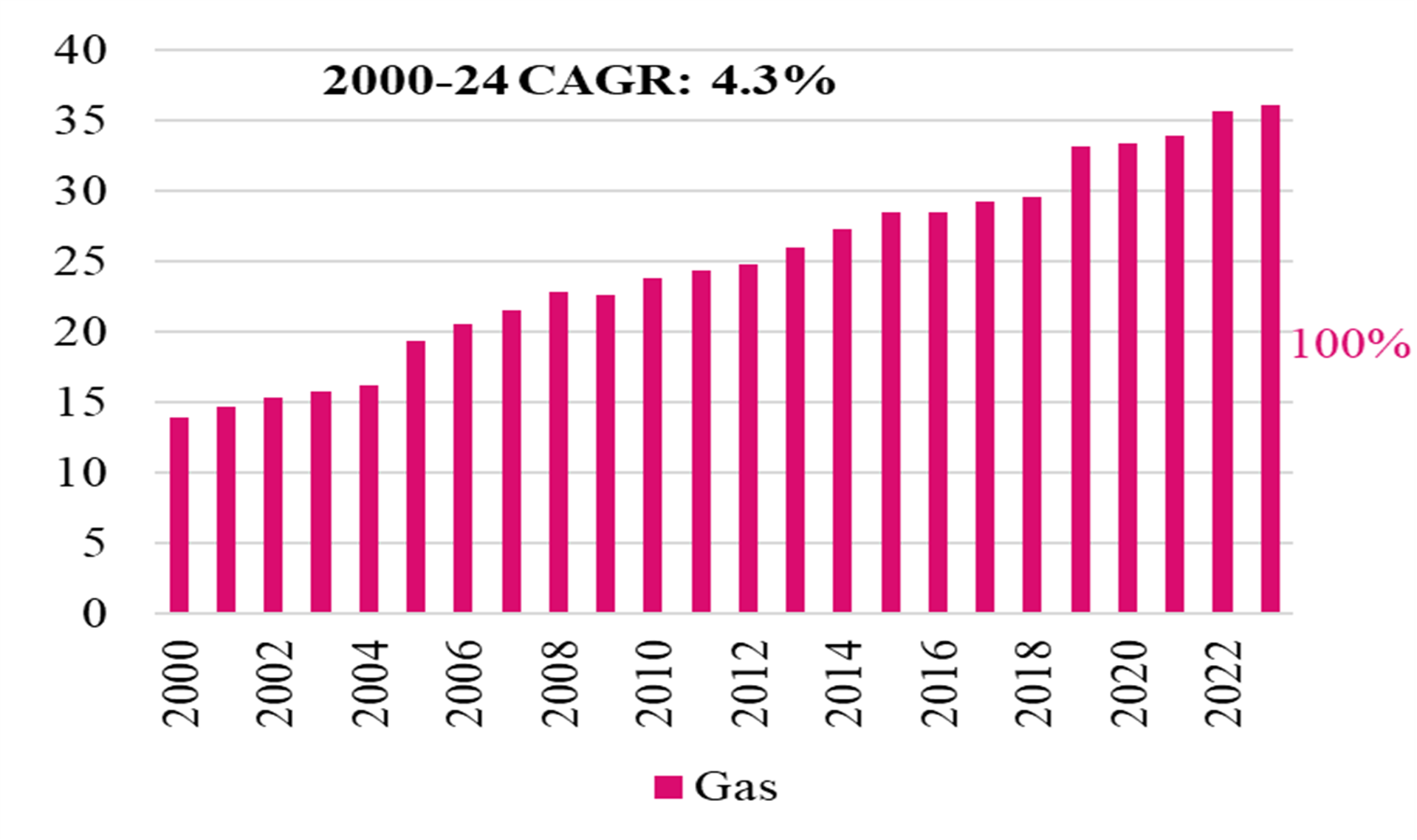
Source: EMBER
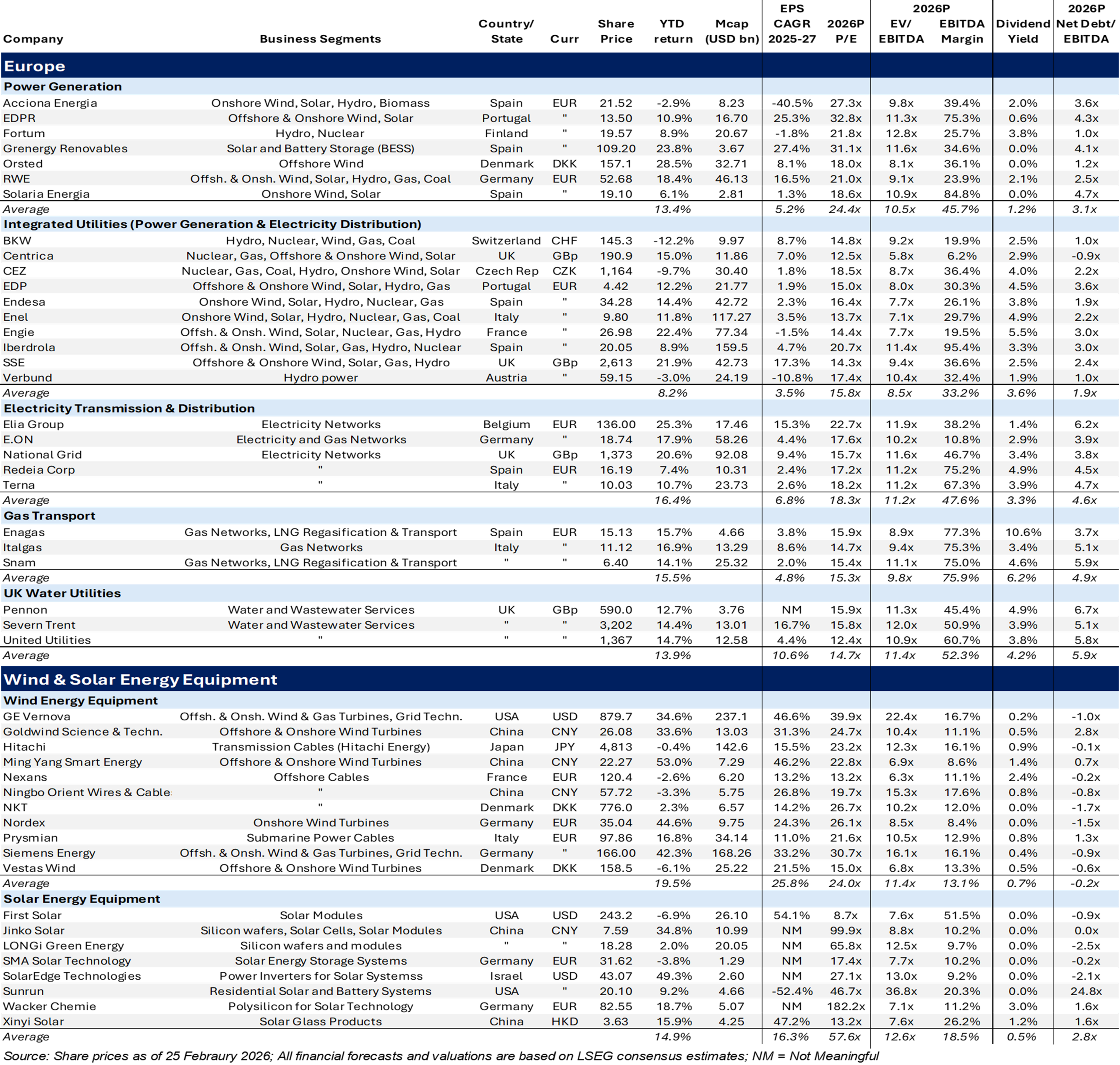
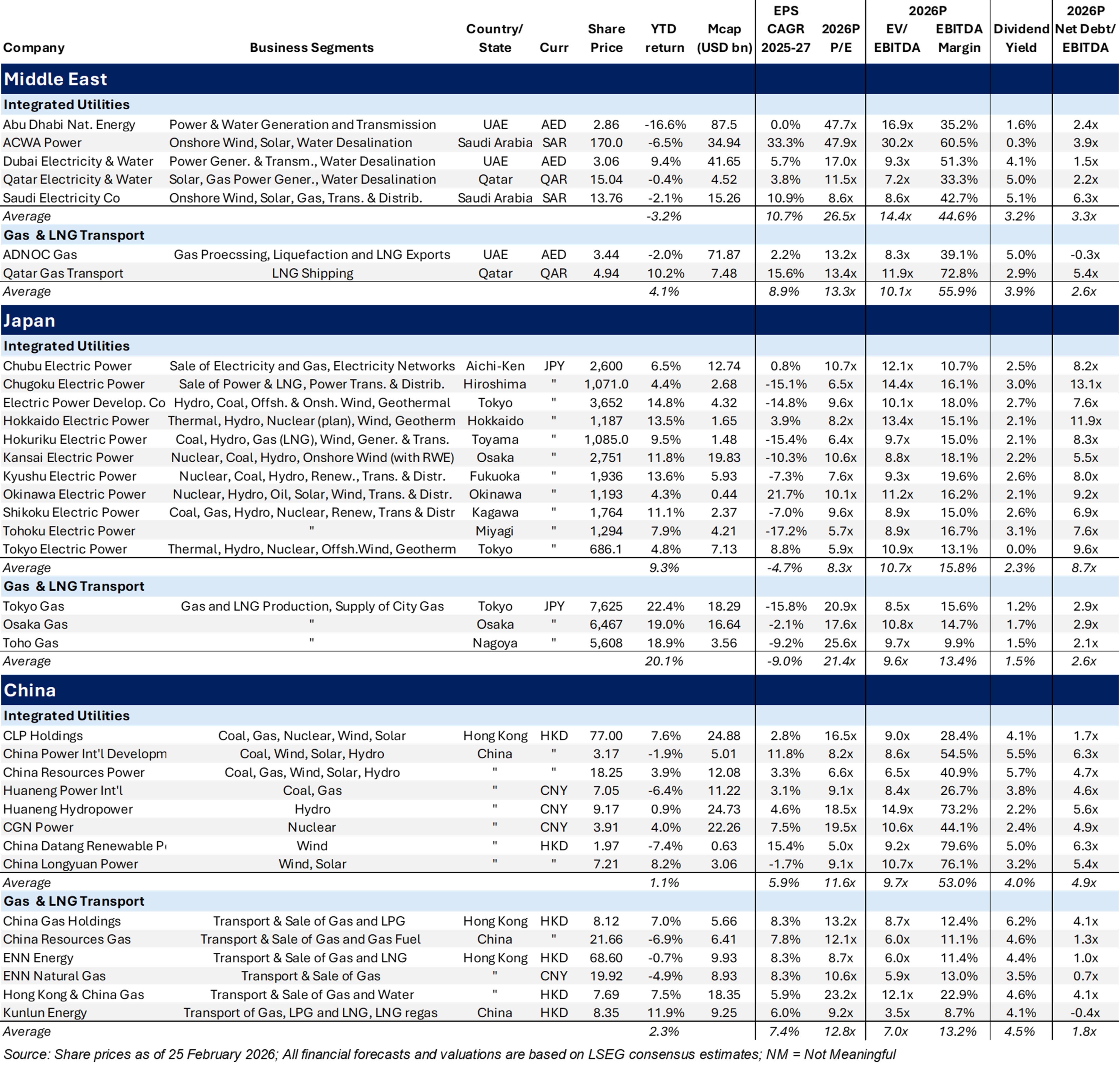
Table 4 Performance and Valuation Comps Table
191 MASON STREET, GREENWICH, CT 06830 Gabelli Funds TEL (914) 921-5100
This whitepaper was prepared by Jens Zimmermann, CFA, by Ashish Sinah, CFA, and by Chong-Min Kang. The examples cited herein are based on public information and we make no representations regarding their accuracy or usefulness as precedent. The Research Analysts’ views are subject to change at any time based on market and other conditions. The information in this report represent the opinions of the individual Research Analysts’ as of the date hereof and is not intended to be a forecast of future events, a guarantee of future results, or investments advice. The views expressed may differ from other Research Analyst or of the Firm as a whole.
As of September 30, 2025, affiliates of GAMCO Investors, Inc. beneficially owned less than 1% of all companies mentioned.
Funds investing in a single sector, such as utilities, may be subject to more volatility than funds that invest more broadly. The utilities industry can be significantly affected by government regulation, financing difficulties, supply or demand of services or fuel and natural resources conservation. The value of utility stocks changes as long-term interest rates change
Investors should carefully consider the investment objectives, risks, charges and expenses of the Fund before investing. The prospectus, which contains more complete information about this and other matters, should be read carefully before investing. To obtain a prospectus, please call 800 GABELLI or visit www.gabelli.com
Returns represent past performance and do not guarantee future results. Current performance may be lower or higher than the performance data quoted. Investment return and principal value will fluctuate so, upon redemption, shares may be worth more or less than their original cost. To obtain the most recent month end performance information and a prospectus, please call 800-GABELLI or visit www.gabelli.com
Distributed by G.distributors, LLC., a registered broker dealer and member of FINRA.
This whitepaper is not an offer to sell any security nor is it a solicitation of an offer to buy any security.
For more information, visit our website at: www.gabelli.com or call: 800-GABELLI
800-422-3554 • 914-921-5000 • Fax 914-921-5098 • info@gabelli.com
Gabelli Funds, LLC is a registered investment adviser with the Securities and Exchange Commission and is a wholly owned subsidiary of GAMCO Investors, Inc. (OTCQX: GAMI).