January 2026: Sector Outlook for 2026
What You Need To Know
Although utilities trailed the broader market by a small margin of 0.3%, 2025 was a strong year for the utilities sector in general and for European Utilities in particular. While utilities jumped by 10.5% in Europe and gained 2.8% in Asia in Q4 2025, US Utilities lost steam and declined by 2.4% in Q4, which weighed on the performance of the MSCI World Utilities index in the final quarter of 2025 (gained only 1.7% in Q4) relative to the MSCI World benchmark index (added 3.0% in Q4). However, the slight underperformance of the utilities sector in 2025 compared very favorably to 2024 and 2023, when utilities trailed the broader market by much wider margins of 6.9% and 22.5%, respectively (see Table 1). Last year’s in-line performance of utilities stocks shows that investor sentiment as improved as the sector also screens well for Equity Strategists of major investment banks, supported by investment themes related to sustained upside from renewables due to regulatory support, from AI-driven power demand growth in the USA and from the electrification of economic sectors in Europe and in China.
Table 1 Index Performances
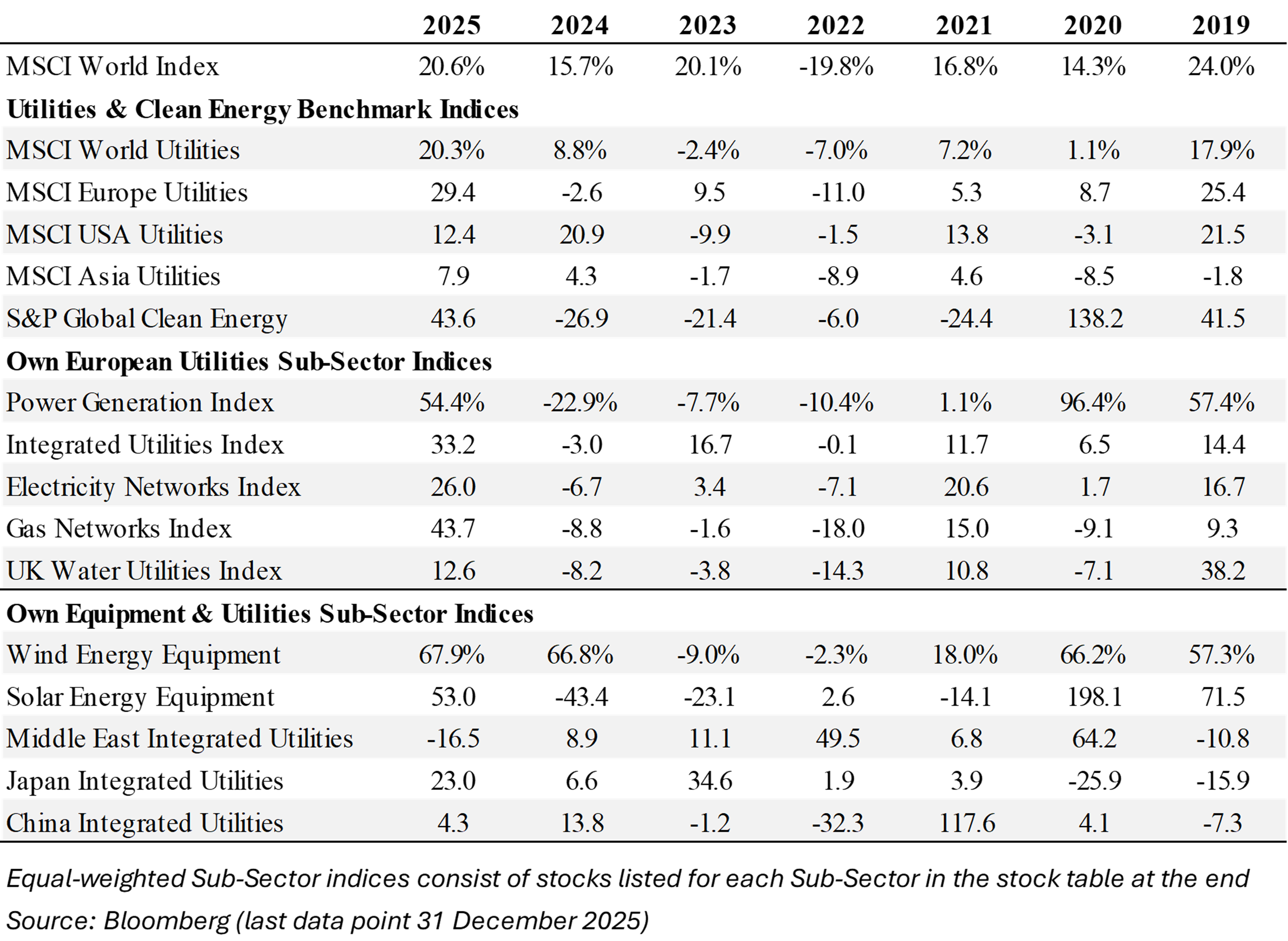
The strong share price performance of European Utilities in 2025 was broad-based, with Power Generation (+54%) and Gas Networks (+44%) leading the European score board followed by Integrated Utilities (+33%) and Electricity Networks (+26%). After three consecutive years of share price losses, even UK Water Utilities showed a sign of life and gained 13% in 2025. Despite the strong share price performance, European Utilities are not expensive as the 1-yr forward EV/EBITDA multiple of the MSCI Europe Utilities (8.5x) has only recovered to the upper end of its long-term valuation range (6.8x-8.8x) and it still reflects a 30% valuation discount to the 12.1x EV/EBITDA multiple of the MSCI USA Utilities (see Exhibit 2, top row, and Exhibit 4 on the right). As the Wind Equipment subsector continued to rally in 2025 (+68%) after jumping 67% in 2024, it is now trading at a 10.9x EV/EBITDA above the upper end (9.9x) of the valuation range. Outside of Europe, Middle East Utilities slumped (-17%), but Japanese Utilities rallied 23% on the “Takaichi trade” in 2025 and are trading at a 10.9x EV/EBITDA, which is still in line with the long-term average valuation (10.8x) of its historical 9.8x-11.7x valuation range (see Exhibit 2, bottom row).
Exhibit 1 Short-Term PERFORMANCE Exhibit 2 Long-Term VALUATION
(rebased since 2024) (1-yr Forward EV/EBITDA since 2017)
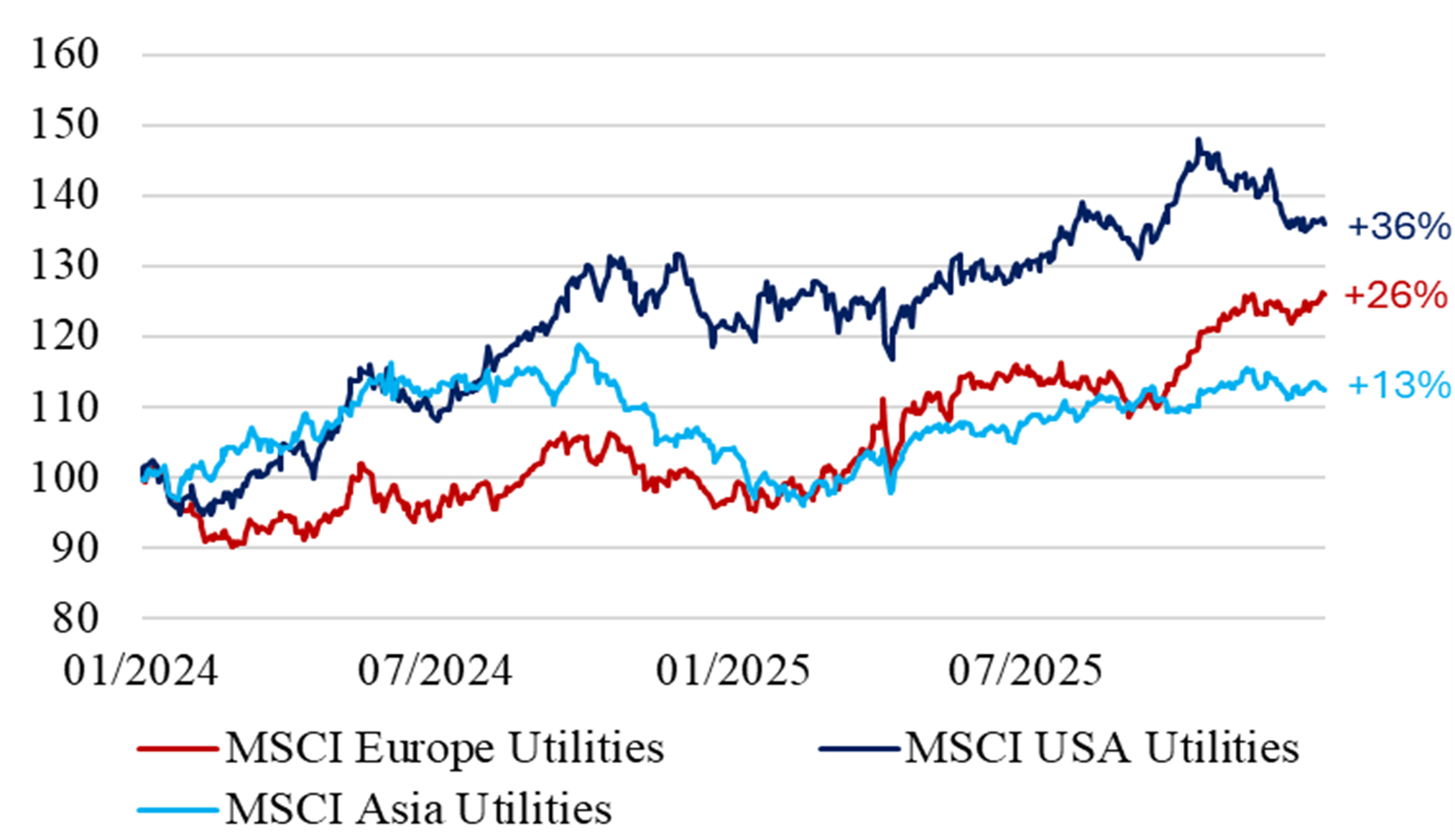
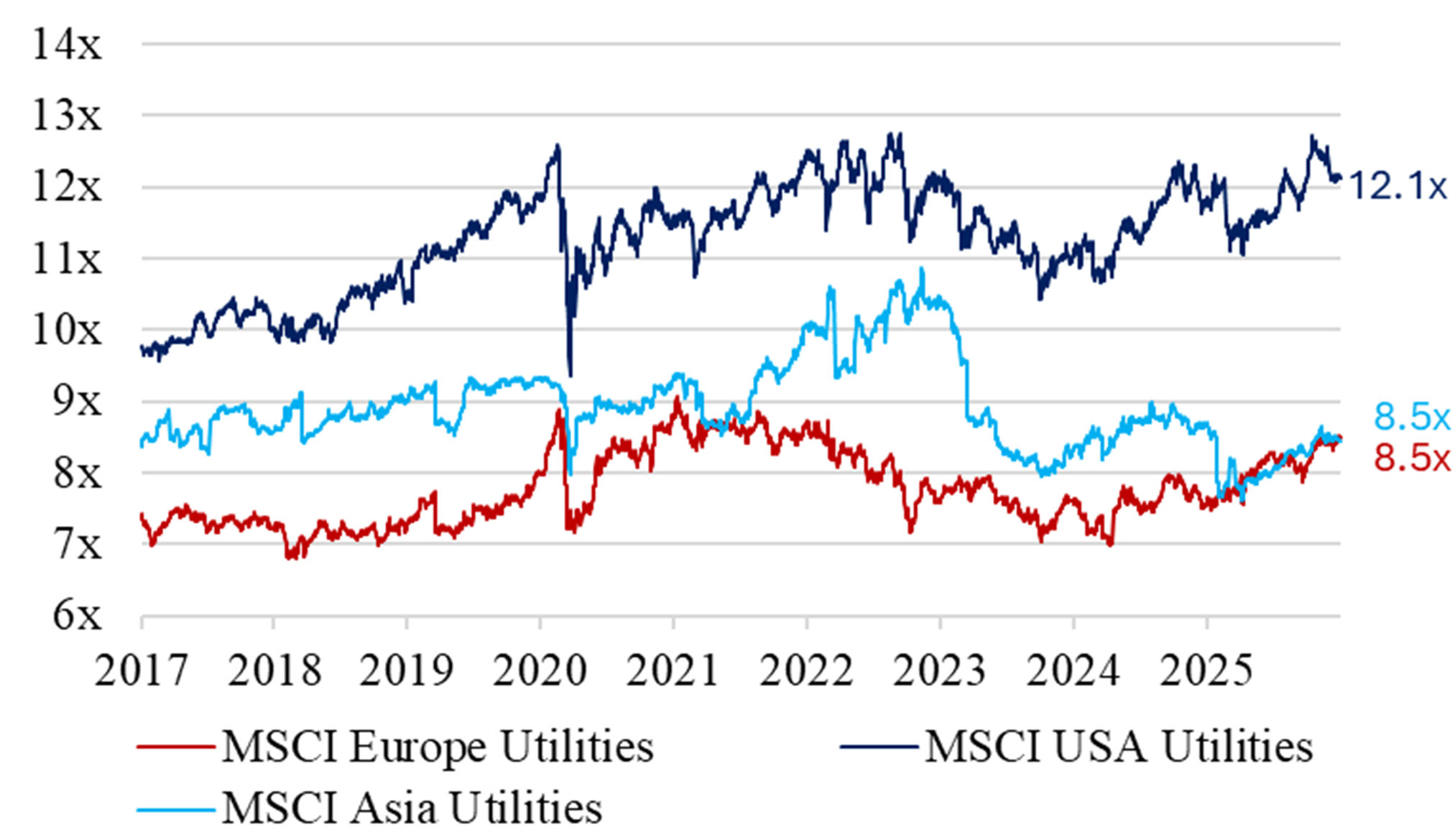
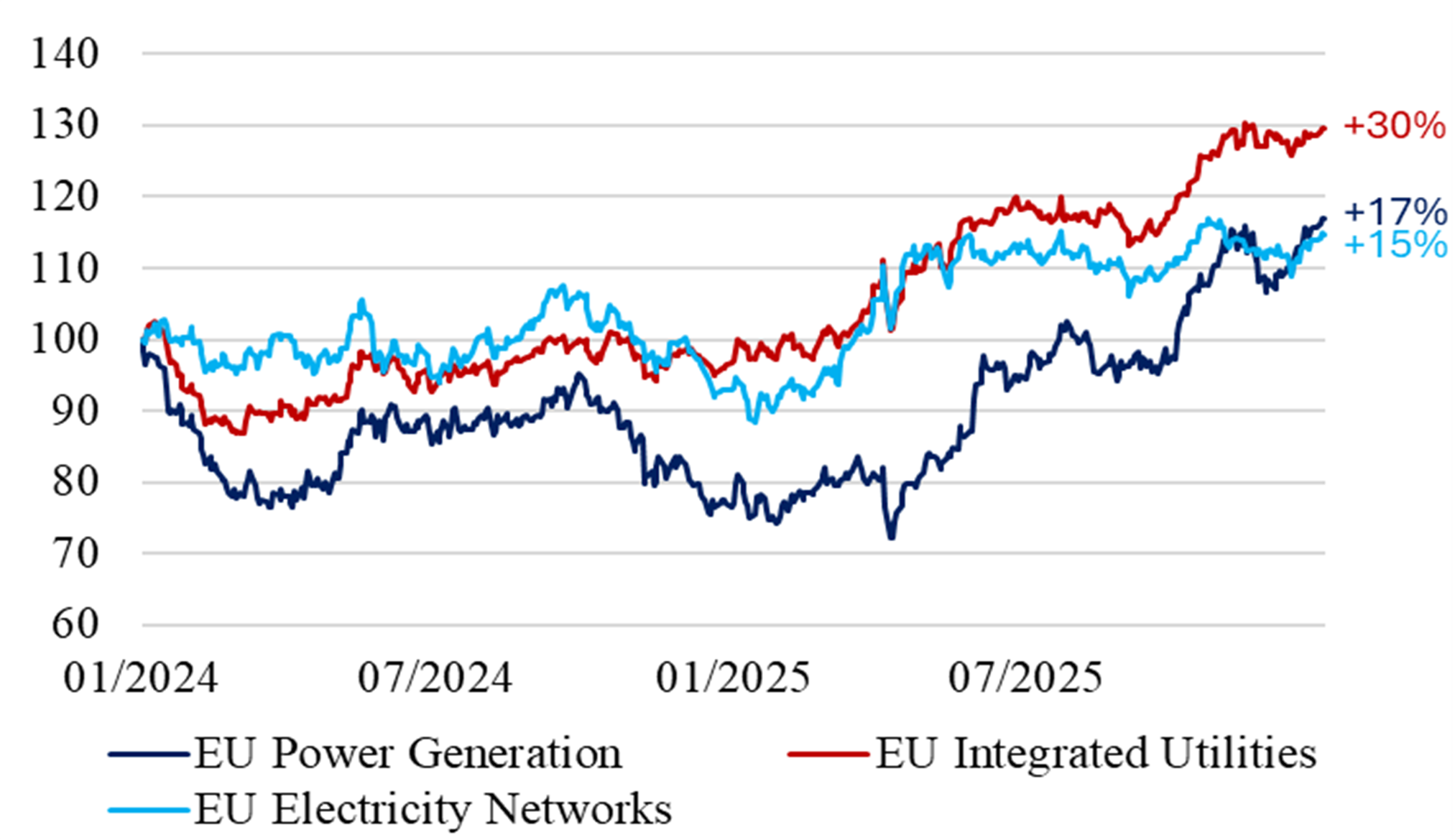

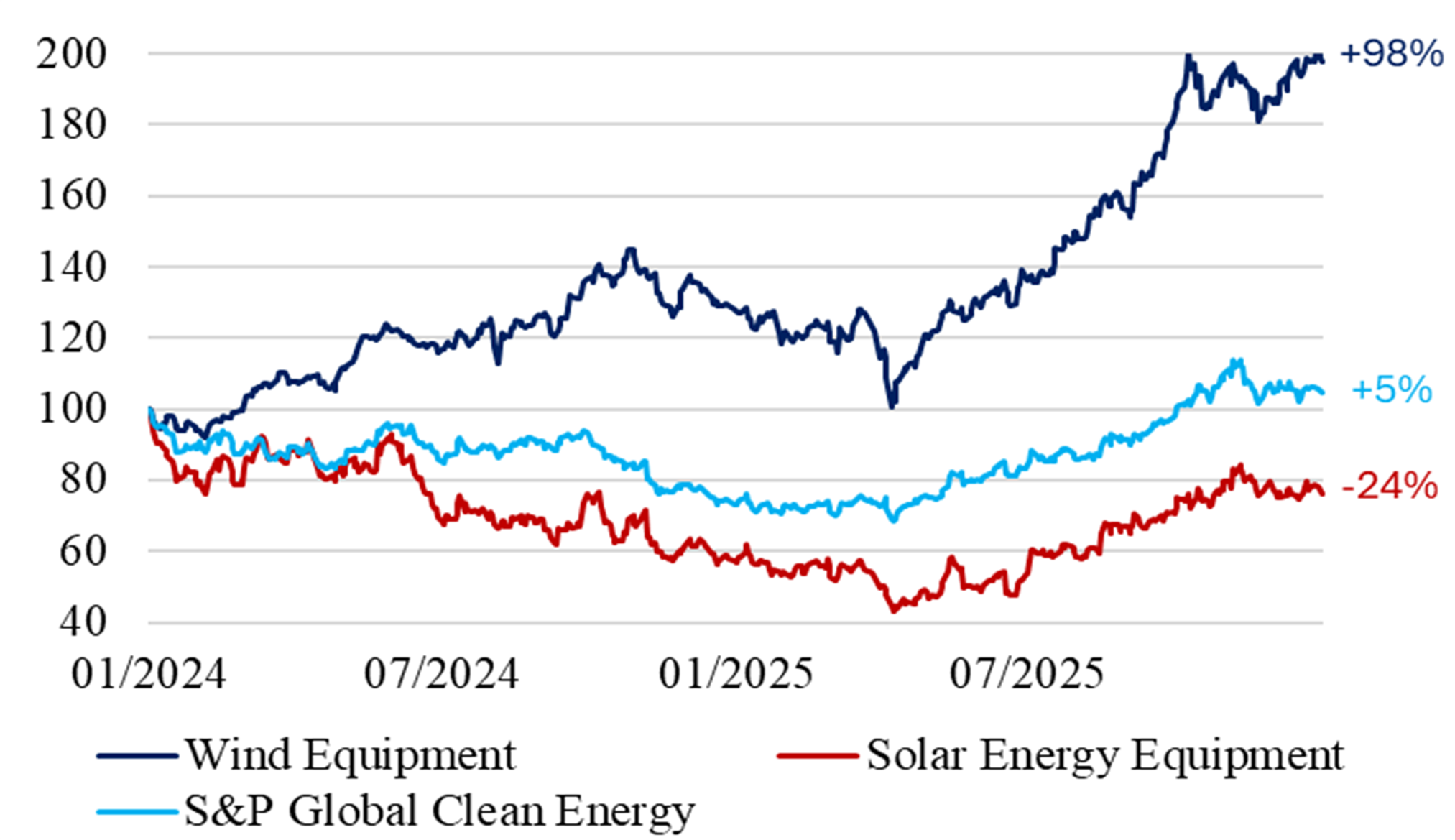
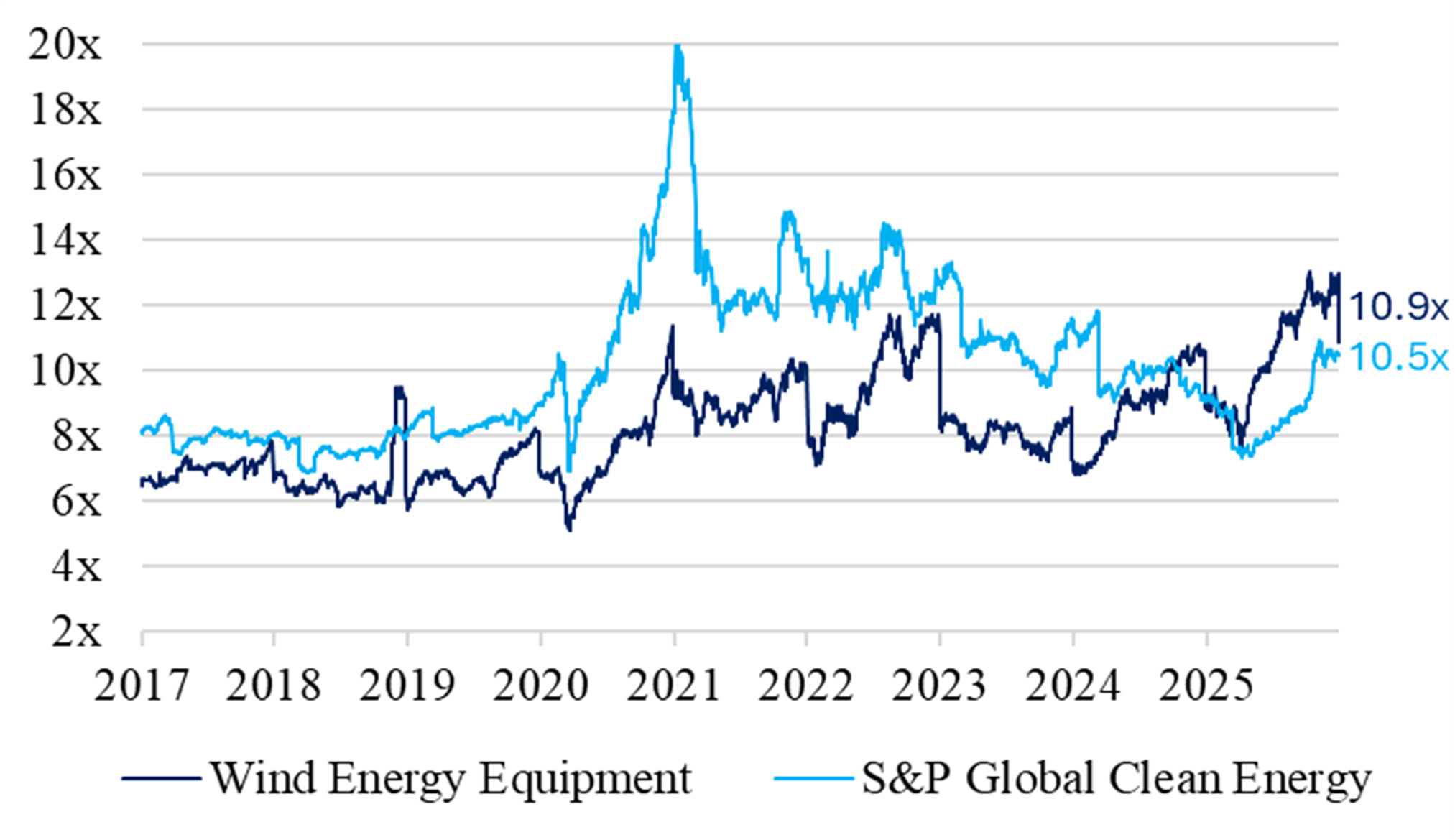

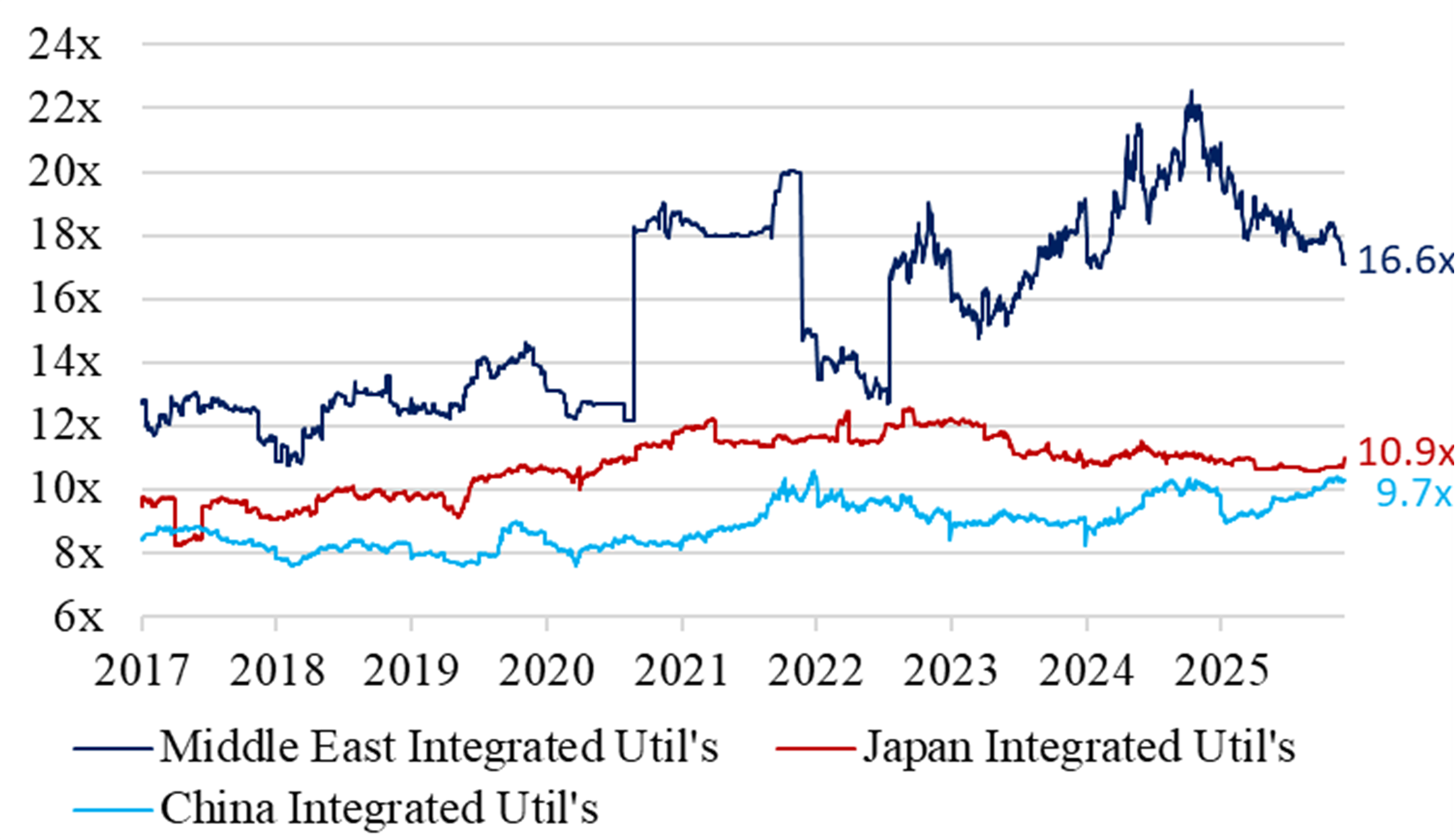
Source: Bloomberg Source: Bloomberg
(Prices as of 31 December 2025) (Valuations as of 31 December 2025)
Sector Outlook: Key Themes for European Utilities in 2026
Performance Review 2025:
2025 marked the third consecutive year, when the MSCI World Utilities underperformed the broader market (MSCI World), albeit at a very thin margin of only 30 bps, which was much less than in the previous two years when utilities trailed the broader market by 6.9% in 2024 and even 22.5% in 2023 (see Table 1). There was a wide performance dispersion within regions, with European utilities (29.4%) significantly outperforming its US and Asian utilities peers (MSCI USA Utilities: +12.4% and MSCI Asia Utilities: +7.9%).
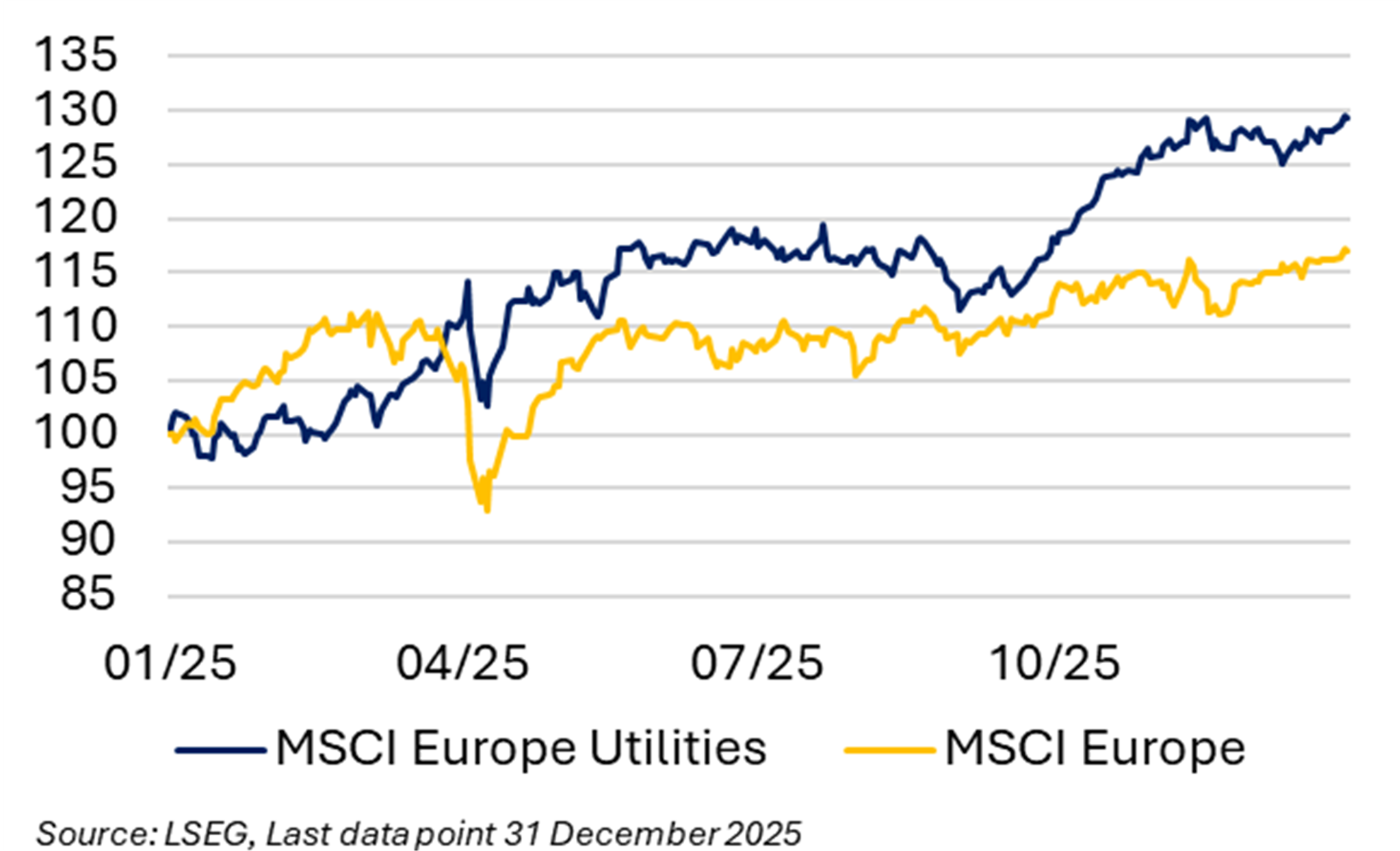
In addition, European utilities also beat the regional benchmark by a wide margin in 2025 as the MSCI Europe Utilities outperformed the MSCI Europe index by 12.3% (see Exhibit 3). Within Europe, the subsector performance also varied as our high-beta “Power Generation” index posted the strongest return (+54%), closely followed by defensive “Gas Networks” (+44%), while “Integrated Utilities” (33%), regulated “Electricity Networks” (26%) and “UK Water Utilities” (13%) also finished the year with solid but lower returns (see also Exhibit 1).
Exhibit 3 Rebased Index Price Performance in 2025 (in EUR)
Outlook for 2026:
Despite the strong absolute and relative price performance, we consider 2025 as a “catch-up year” for European utilities after underperforming in 2024 and in 2023, when sector sentiment was hit by rising interest rates and an unfavorable business environment for renewables, which suffered from material cost inflation and supply chain interruptions. However, after investor sentiment for European utilities improved in 2025, we highlight five themes that should also support the price performance of European utilities in 2026.
First, valuation – moving from multiple recovery to multiple expansion: Despite the strong share price gains in 2025, European utilities are still trading at undemanding valuations. Based on 1-yr forward valuation multiples, the MSCI Europe Utilities index is trading at a P/E valuation of 14x, which is in line with the 10-year average P/E multiple of 13.8x and at an EV/EBITDA of 8.6x, which is 10% above the long-term average of 7.8x but still below the upper end of the long-term valuation range of 8.8x (see Exhibit 4).
Relative to its peers, European utilities trade at an EV/EBITDA valuation that is in line with its Asian utilities (MSCI Asia Utilities: 8.5x, see Exhibit 2) but European utilities are valued at a 30% discount to US utilities (MSCI USA Utilities: 12.2x) and are almost 20% cheaper than the global utilities benchmark (MSCI World Utilities: 10.4x). In our view, the rebound of European utilities valuations in 2025 was simply a multiple recovery from rather depressed valuation levels in 2023 and in 2024 (when the sector was trading at the lower end of its historical valuation range) and we expect that valuation multiples can now continue to expand further from here. This multiple expansion should be supported by expected earnings growth along with improved investor sentiment for European utilities.
Exhibit 4 MSCI Europe Utilities 10-year Valuation: P/E and EV/EBITDA multiples
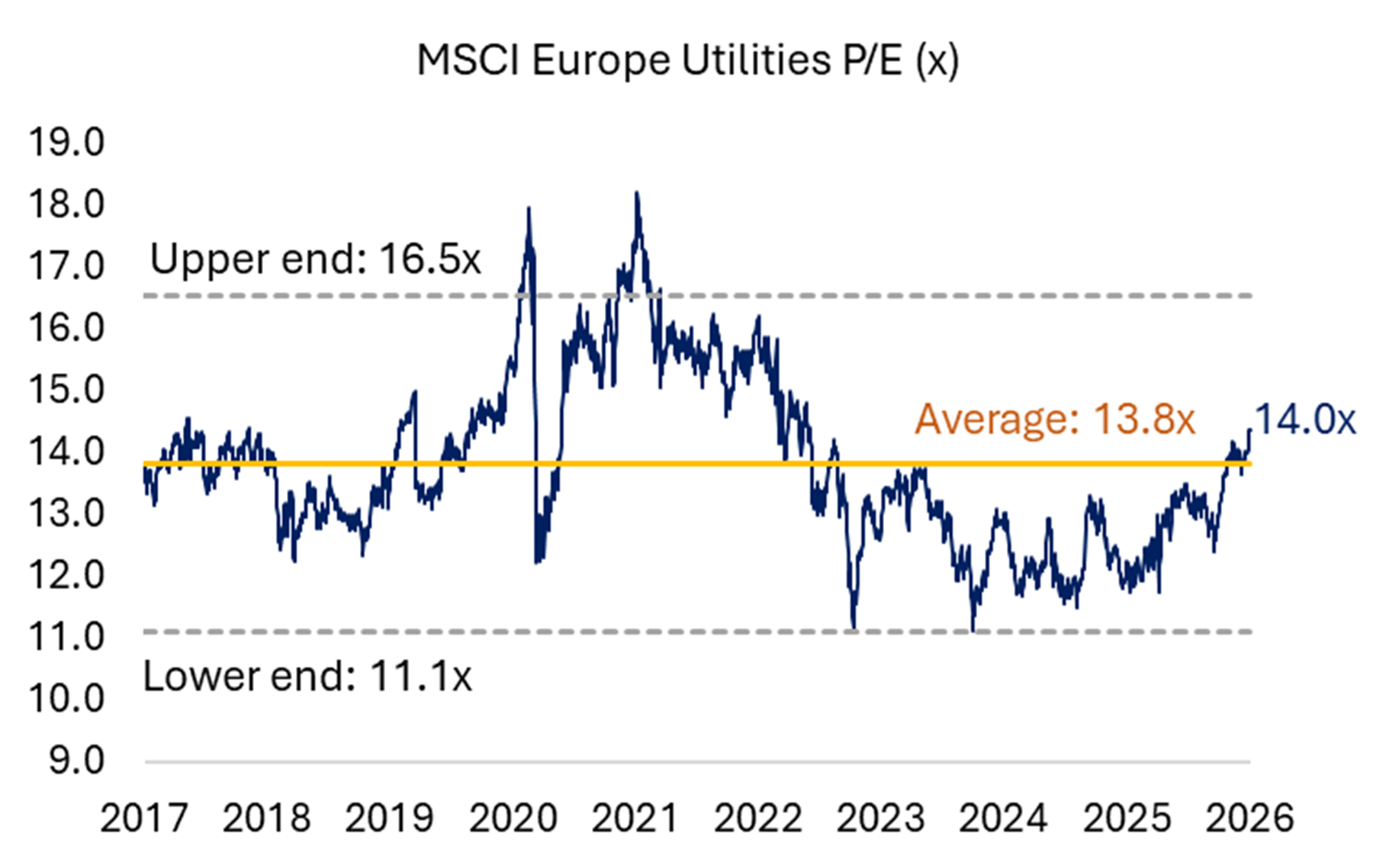
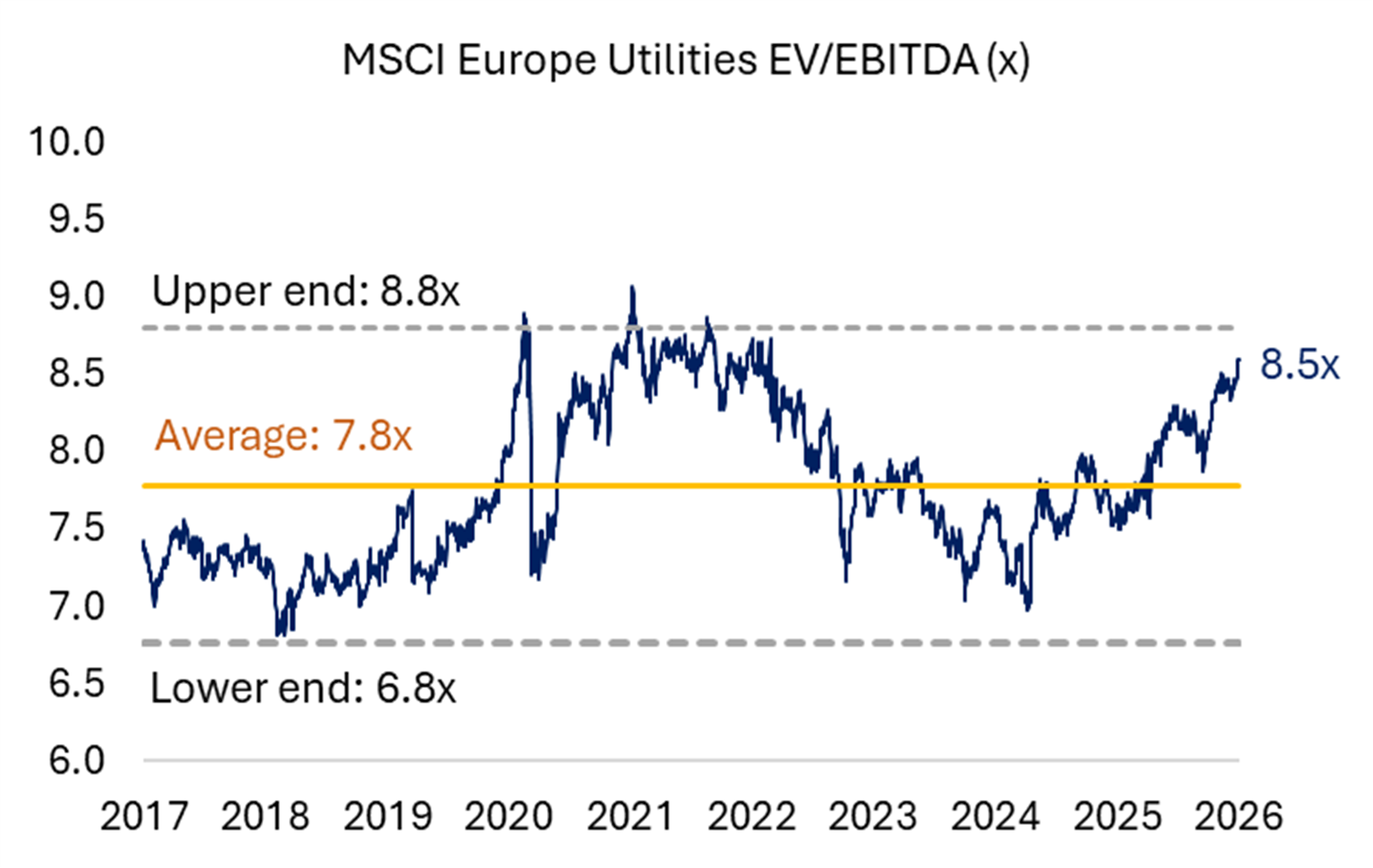
Source: Bloomberg, Last data point 5 January 2026
Finally, last year’s share price rally has compressed the dividend yield of European utilities only to a 3.5% dividend yield for the sector on average, which is still attractive when compared to 10-year government bond yields in Europe (vary between 2.8% in Germany to 3.5% in Southern Europe and 4.4% in the UK).
Second, solid earnings growth is not yet priced-in: European utilities are guiding for double-digit capex growth based on multi-year investment programs for grid expansions and renewable capacity additions around the world. Accordingly, the earnings visibility has clearly improved as European utilities have guided EPS until 2028 at their recent Capital Market Days. At the sector level, the consensus is projecting an EPS CAGR of 6.6% for 2025-27, with the “Power Generation” subsector expected to reach the highest EPS growth of 8%, followed by “Electricity Transmission & Distribution” with 6% and “Integrated Utilities” with 5%.
However, the market seems to price-in a much lower EPS growth (into perpetuity) for the whole sector. Based on the convention, that the earnings yield (inverse of P/E ratio) reflects the cost of equity minus earnings growth into perpetuity, we derive the implied growth rate for the utilities sector based on the calculation: cost of equity minus E/P (i.e. earnings yield).
Based on European 10-yr bond yields of 2.8-4.4% (as mentioned above), an applied equity beta of 0.8 and an assumed equity risk premium of 5.5%, we calculate a cost of equity range of 7.2-8.8%, from which we deduct a 6.9% earnings yield of the MSCI Europe Utilities index (based on its 14.4x P/E) to derive an implied EPS growth range of 0.3- 1.9%. Although this range reflects EPS growth into perpetuity, it is still significantly below the EPS CAGR of 6.6% for the next two years (2025-27), which implies more valuation upside for European utilities.
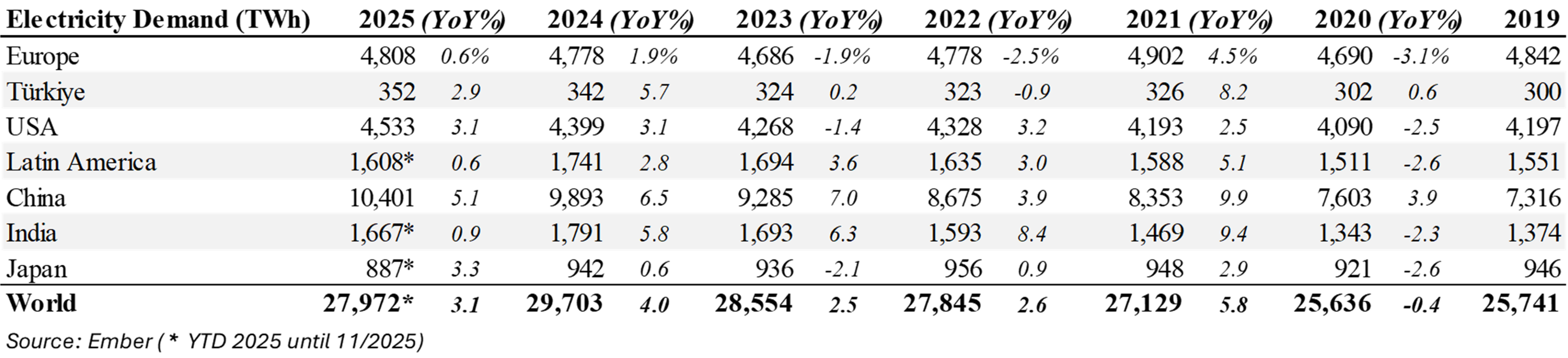
Third, electrification of the economy supports power demand growth: After electricity demand has persistently declined in Europe since 2018 (with the exception of a post-COVID rebound in 2021), power demand showed first signs of life in 2024 again with an annual increase of 1.9%, followed by a small 0.6% increase in 2025.
So far, data centers have not had a significant impact on power demand growth in Europe (in contrast to the USA), but as capacity is projected to triple from currently 10GW (for around 3,500 data centers) to 30GW by 2030, the build-out is projected to support electricity demand growth in Europe over the next five years. In addition, the electrification of different sectors of the European economy should also drive an increase in electricity demand. The share of electricity in Europe’s final energy consumption of the industrial, transport and building sectors already stands at 34%, 5% and 28%, respectively, and is expected grow further until 2035.
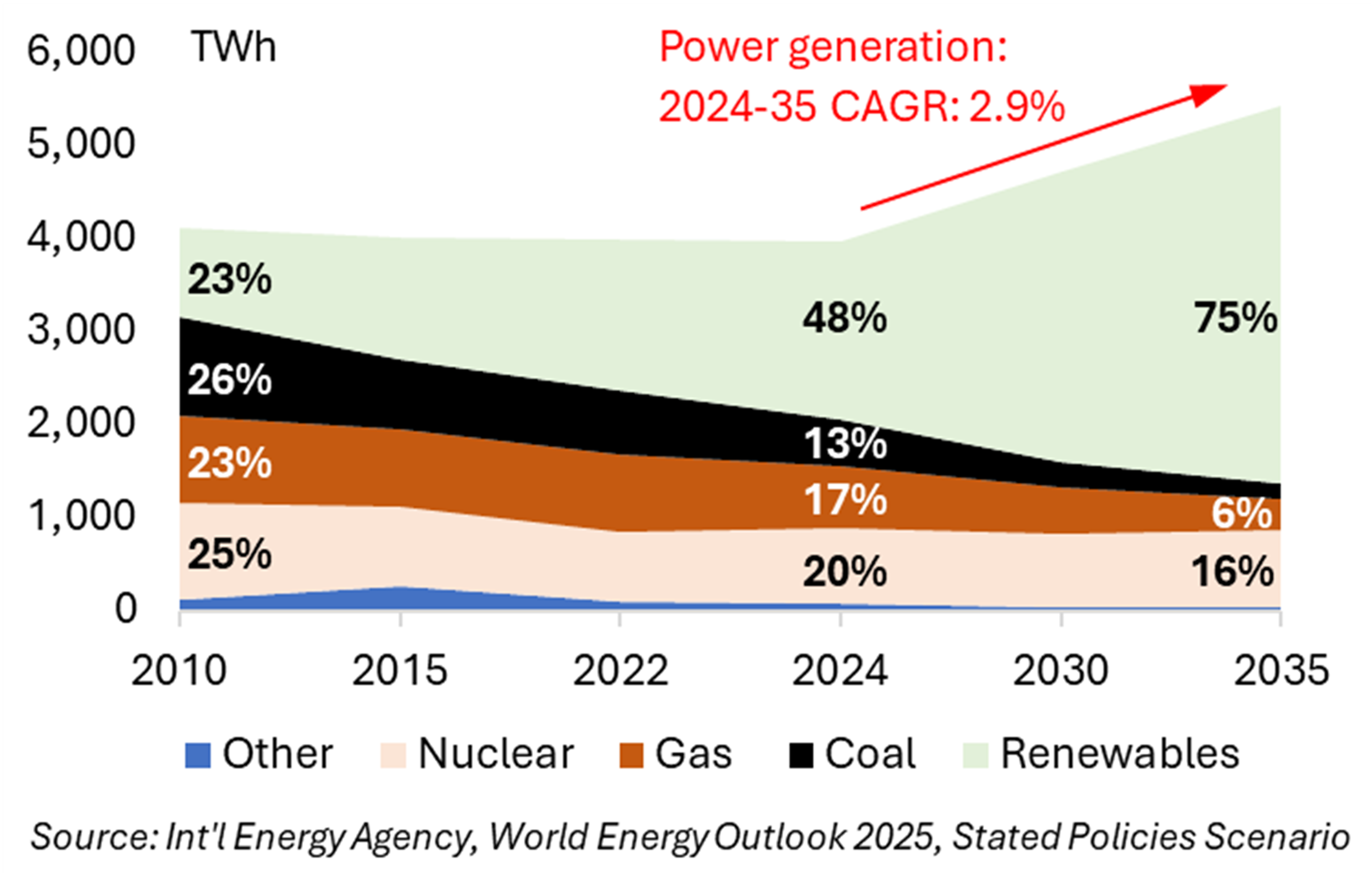
Accordingly, the International Energy Agency also projects in its latest World Energy Outlook 2025 that Europe’s power consumption should grow at a CAGR of 2.9% from 3,971 TWh in 2024 to reach 5,413 TWh by 2030 (see Exhibit 5).
Exhibit 5 Europe – Projected Electricity Generation and Change in Fuel Mix until 2035
Fourth, investor sentiment for renewables has recovered: Renewable energy as an investment theme had suffered in 2023 and 2024 from rising interest rates (which reduced returns of debt-financed renewable energy projects) as well as from supply chain issues and cost inflation (which weighed on profit margins and earnings growth). However, sentiment has turned positive in 2025 as investors favor European utilities for the sustained upside from multi-year renewable energy capacity additions, which will be necessary to meet Europe’s decarbonization target of cutting net greenhouse gas emissions by at least 55% until 2030.
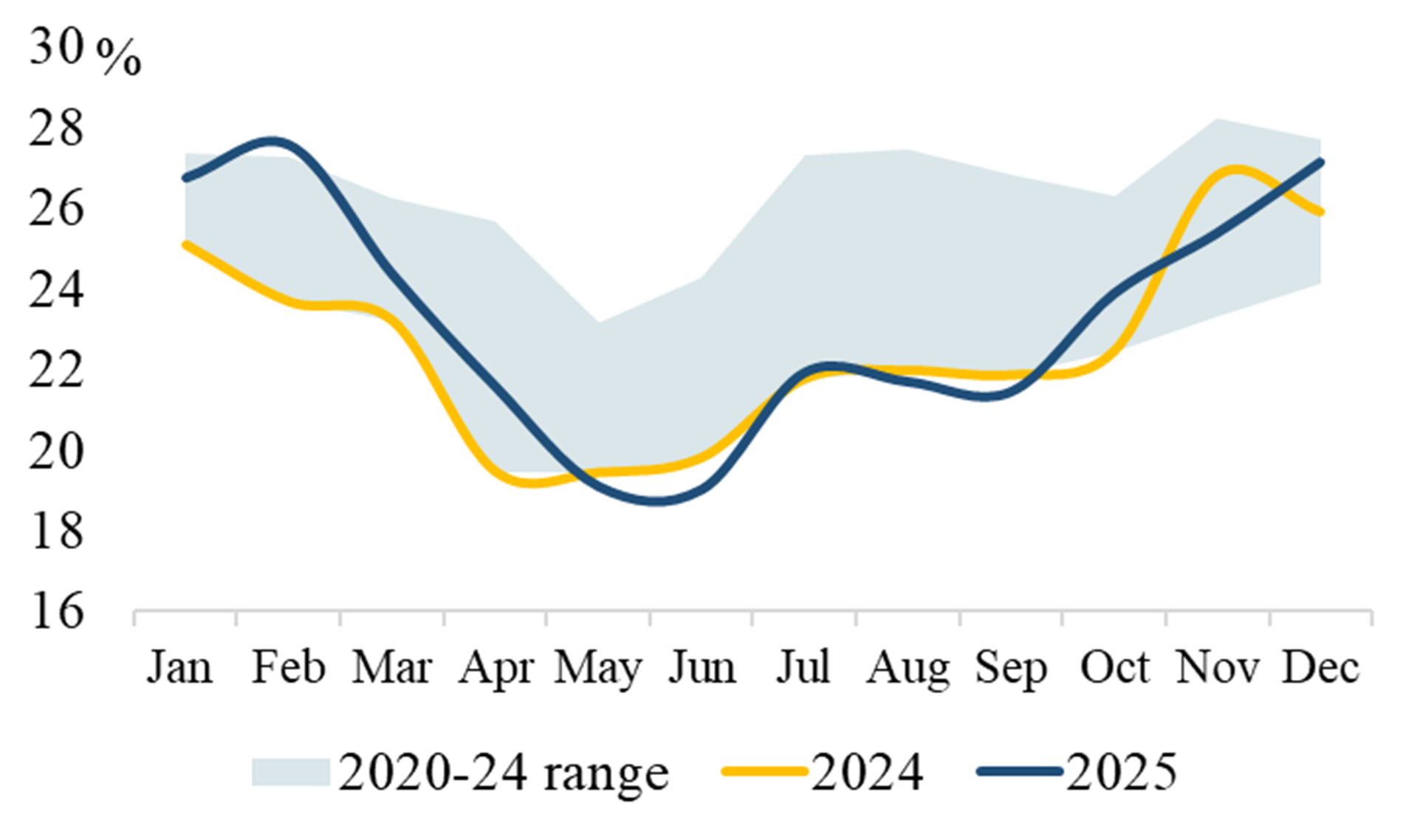
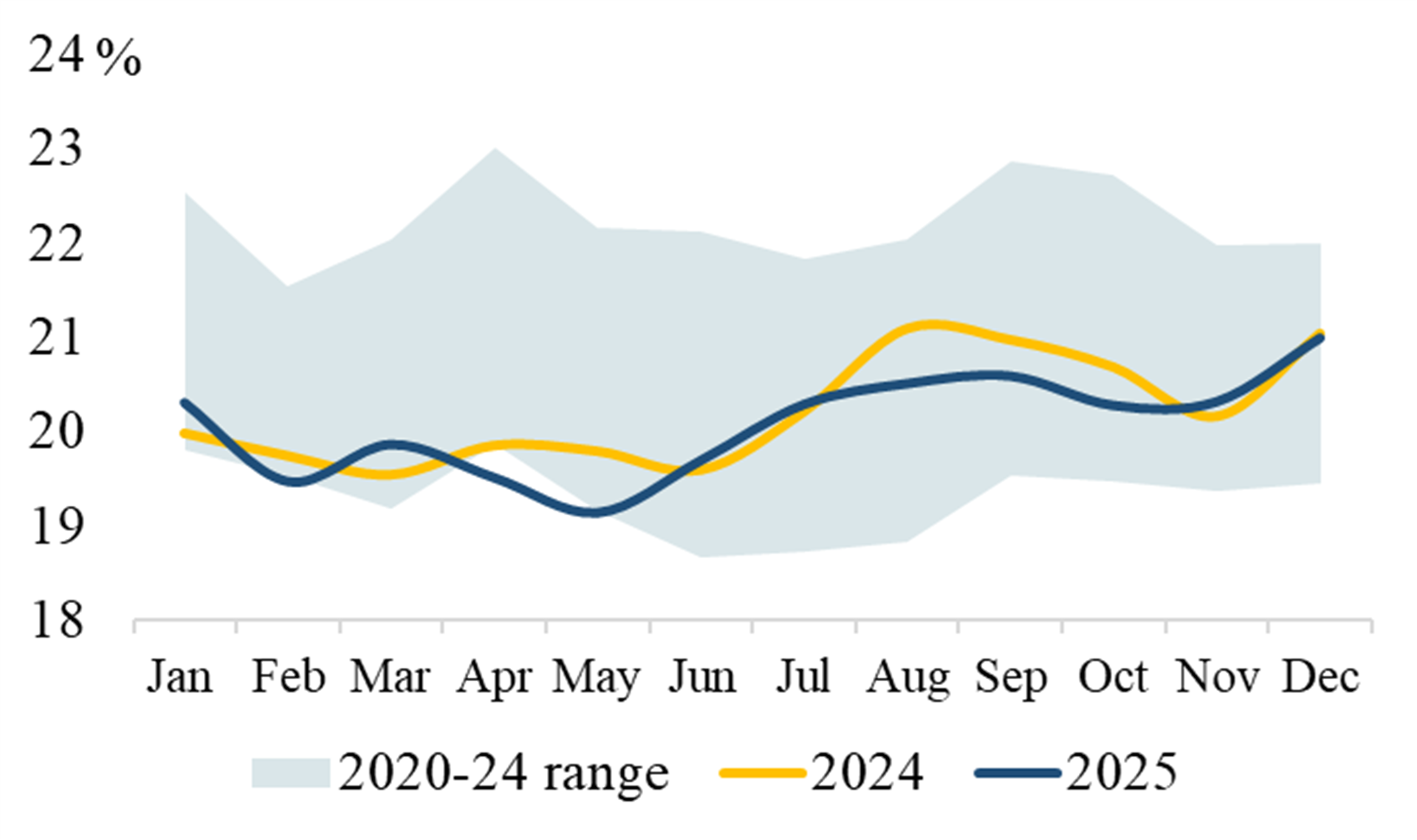
Accordingly, European utilities continue to decarbonize their generation portfolios by shifting power production from coal to renewable energy (see Exhibit 5), which is supported by investors. In 2024, almost half of Europe’s electricity (48%) already came from renewables (wind, solar and hydro), which is projected to provide 75% of Europe’s power generation by 2035, while the share of coal-fired generation has halved from 26% in 2010 to 13% in 2024. For base-load electricity, investors support gas-fired generation (17%) and nuclear energy (mostly in France), which accounted for 20% of European power generation in 2024.
Investor sentiment for renewables has improved because demand is high from private equity to invest alongside European utilities in renewable energy projects. As such, the sale of minority stakes in wind and solar plants occurs in a seller’s market, in which European utilities can capture attractive private market multiples (see next section: “Private Market Value Watch”).
Fifth, capital raising should be completed, corporate M&A avoided: Capital raises have been an ongoing utilities sector theme in Europe against a backdrop of high capital investment needs for European power grids and for renewable energy capacity growth. Regulated utilities are guiding for double-digit growth in their regulated assets base until 2028 driven by grid expansion and grid upgrades. Similarly, integrated utilities are planning to shift capex from renewables to their network businesses. Accordingly, several European utilities have successfully placed new equity in 2025, such as Iberdrola, SSE and Elia to finance growth and Orsted to heal its balances sheet. But most utilities are now saying that their investment plans until 2028 are fully funded, which should limit the need for further equity raises in Europe in 2026.
In this context, the likelihood of big corporate M&A among listed European utilities appears small in 2026 because capital budgets are mostly earmarked for organic growth with sufficient growth opportunities on the horizon (see above). As investors have largely supported capital raises for organic growth, it is very unlikely they would support issuing new equity for corporate takeovers. However, buying high-quality renewable projects and network assets remains part of the overall group strategy, just as European utilities will continue to sell stakes in individual projects or business units to private equity and/or enter long-term partnerships with private equity to finance larger investments (see “Power Points” for RWE’s recently announced partnership with KKR for UK offshore wind farms).
Private Market Value (PMV) Watch – Deals, Deals and more Power Sector Deals
WIND & SOLAR Assets
Aneo acquires wind company Arise (27 November 2025): The private Norwegian renewable energy company Aneo made a cash offer to acquire Swedish wind power company Arise for SEK 1.8 billion, or SEK45/share at a 56% premium to the last closing price. Based on Arise’s reported balance sheet numbers for 2024 and consensus EBITDA for 2025, this private market transactions implies a 2025 EV/EBITDA of 10.3x.
EDP completes the sale of solar portfolio in Italy (12 December 2025): EDP subsidiary EDP Renovaveis has completed the sale of a 207MW Italian solar portfolio to German wind and solar park operator Encavis AG. The solar portfolio has an average asset life of less than one year and consists of five operating solar farms with respective land in the regions of Lazio and Puglia, with four of these solar assets operating under long-term power purchase agreements (PPA) and one solar plant has a 20-year Contract for Difference (CfD). EDP sold its entire equity share in the solar portfolio for an estimated EV of €300 million, which implies an attractive EV/MW multiple of €1.45 million for this private market transaction.
Acciona sells renewable energy assets in the USA and in Mexico (16 December 2025): Acciona Energia has reached an agreement with Mexico Infrastructure Partners to sell a 49% stake in its 1.3GW solar portfolio in the USA, as well as 2 wind farms with a total capacity of 321 MW in Mexico for around $1 billion. Acciona Energia will retain a 51% majority stake in the US solar assets (Red Tailed Hawk with 458MW and Fort Bend Solar with 316MW in Texas, High Point Solar Farm with 127MW in Illinois and Union Solar with 415MW in Ohio) and will continue to operate them. The private market transaction implies an EV/MW multiple of around $1.04 million (or €0.88 million), which appears to be rather low.
Enel acquires onshore wind farms in Germany (16 December 2025): Enel has closed the acquisition of a portfolio consisting of two onshore wind farms in Germany with a total installed capacity of 51MW. Enel paid an Enterprise Value (EV) of €80 million for these two onshore wind farms, which are projected to contribute approximately €10 million per year to Enel’s EBITDA through a feed-in tariff scheme. The transaction reflects an attractive EV/MW multiple of €1.57 million. This deal represents Enel’s first significant acquisition of operating renewable energy plants in Germany, which the company considers a key market for its geographic expansion strategy in the renewable energy sector through targeted acquisitions.
Orsted sells stake in offshore wind farm in Taiwan (23 December 2025): Orsted has sold a 55% stake of its 632MW Greater Changhua 2 offshore wind farm to Cathay Life Insurance, the leading life insurance company in Taiwan and its affiliate Cathay Power. Located about 50–60 km off the coast of Changhua County, the Greater Changhua 2 site comprises Greater Changhua 2a (295MW), which is operational, and Greater Changhua 2b (337MW), which is currently built and commissioning expected in Q3 2026. The total value of the private market transaction for the 55% stake is about DKK 5 billion (€669 million) and reflects an EV/MW multiple €1.92 million.
ENERGY RETAIL Assets
Plenitude acquires Energy Retail Business (4 December 2025): Plenitude (the renewable subsidiary of the Italian oil major ENI) announced the acquisition of Acea Energia, a company owned by the Acea Group that operates in the Italian energy retail market. Plenitude pays an EV of €460 million (€587m for equity and received net cash of €127 million) plus an earn-out of €100 million if certain performance metrics will be met by 30 June 2027. The private market transaction implies an EV/EBITDA multiple of 5-7x, in line with Enel’s Italian retail business.
LNG REGASIFICATION Assets
SNAM increases stake in Italian offshore LNG project (11 December 2025): Snam acquired from Igneo Infrastructure Partners a 48.2% stake in Offshore LNG Toscana (OLT), which operates the floating offshore regasification unit (FSRU) in Toscana. After finalizing the deal in 1H 2026, Snam’s stake in OLT will increase to 97.3% and it will fully consolidate OLT in its financial statements. SNAM pays a total consideration of about €126 million for OLT’s 48.2% stake and OLT has an estimated 2025 net debt of €376 million, a regulated asset based (RAB) of about €700 million and an adjusted EBITDA of €83 million. Thus, this private market transaction of SNAM buying OLT’s 48.2% stake implies an EV/RAB of 0.91x and an EV/EBITDA multiple of 7.7x.
Power Points
EUROPE
Orsted: US federal court grants preliminary injunction allowing Revolution Wind construction to resume
The US District Court for the District of Columbia granted the preliminary injunction sought by Revolution Wind regarding the December 22 suspension order issued by the Department of the Interior’s Bureau of Ocean Energy Management (BOEM). The court’s action will allow the Revolution Wind Project to restart impacted activities immediately while the underlying lawsuit challenging the August 22 and December 22 BOEM Director’s orders progresses.
RWE: Big winner in UK offshore wind auction and new partnership with KKR
RWE appeared as the clear winner of the latest UK offshore wind bidding round as it received 6.9GW of the total 8.2GW awarded capacity, which will triple RWE offshore wind capacity from currently 3.5GW to more than 10GW by 2030. All projects were awarded under a contract for difference (CfD) pricing scheme for 20 years at a contract price of £91/ MWh, which reflects an 8% increase to the last awarded price (£83/MWh in 2024) and the CfD duration was also extended from 15 to 20 years. Separately, RWE also announced that it sold a 50% equity stake in its 3GW Norfolk Vanguard projects for £2.9 billion in cash (after RWE will contribute £900 million in equity capex, it will receive a net £2 billion in cash flow from this private transaction during the construction phase). In addition, RWE and KKR potentially plan to expand this partnership to more offshore wind projects.
RWE: EU gives ok for new German gas plants
After Germany and the EC have agreed to allow state support for new gas-fired power plants, Germany plans to auction 12GW of new, controllable capacity in 2026. The first units should be operational by 2031 and the new gas-fired capacity must be hydrogen-ready and decarbonize by 2045. RWE intends to bid for around 3GW of this new gas capacity as it has secured about 2.7GW of gas-turbines/engines production slots, which will underpin the company’s post-2030 growth targets.
EDP: Positive surprise in final determinations on allowed return for 2026-29
The Portuguese regulator ERSE published the final determinations for the regulatory period 2026-29 and the tariff for 2026. The most relevant change was the increase in the allowed return, which for EDP has increased from 6.33% to 6.70%, and, according to the company, will be the main driver of the increase in its regulated gross profit in 2026.
Iberdrola: No increase in Spanish network investments due to unattractive regulation
Iberdrola is scaling back its capex plans in Spain’s electricity distribution networks to the originally earmarked €4 billion over three years and abandons the earlier plans for an additional €1-2 billion in spending. The company cites insufficient investment incentives in Spain compared to more attractive returns available in the United States, United Kingdom, and Brazil, where it prioritizes its €37 billion global power network investment through 2028. The primary barrier is the new remuneration framework approved by Spain’s National Authority for Markets and Competition (CNMC) in late 2025, which, according to Spanish utilities, fails to provide adequate incentives for network investment despite industry pleas that current rates don’t justify the capital requirements. This regulatory impasse could also threaten to attract data centers and technology companies to the Spanish market.
Veolia: EU ban on PFAS delayed until the end of 2026
Although the proposal to ban PFAS (“forever chemicals”) was originally planned for 2025, it has now been delayed by the EU until at the least the end of 2026. The EU is currently waiting to hear from the European Chemicals Agency (ECHA) on a socio-economic assessment, which is not expected to be completed before the end of the year when the EU’s Environment commissioner can then implement a proposal. As one of the largest environmental services firms globally, the French company Veolia has an attractive market position in the removal of PFAS from water and ground works as well as in the destruction of the pollutant. Veolia targets to generate €1 billion in revenue from PFAS globally by 2030 and further delays in legislative changes in Europe (and the USA) could jeopardize achieving this sales target by 2030.
UK water sector continues to focus on ODI measure improvements
We expect the UK water sector to continue with its investment agenda in 2026 focusing on areas to deliver quick Outcome Delivery Incentives (ODI) measure improvement/benefits and asset base growth. The recently released White Paper document for the UK water sector should be seen as positive as it confirms many of the proposed recommendations from the earlier Cunliffe Report. We also look forward to updates on Ofwat’s investment reopener window which has been confirmed between May 2026-28, where companies can request additional funding for investment, related to costs and other eligible areas like bioresources, PFAS etc. We note that Severn Trent is targeting £500 million in capital efficiency over AMP 8, part of which may be used for these reopeners. Further, with a 60-65% AMP-end gearing, we see Severn Trent as well placed to benefit.
MIDDLE EAST:
Saudi Electric Company (SEC) missed Q3 2025 results
Q3 2025 results showed solid revenue growth (+9.6% YoY) but weaker profitability from rising costs. While revenue growth to SAR 31.0 billion was driven by grid expansion, higher pass-through costs and increased generation capacity along with a seasonal uplift versus 2Q25, profitability was hit by higher O&M costs, provisions for receivables and elevated financing charges. As a result, EBIT fell 15.3% YoY to SAR 7.0 billion, missing the consensus by 22% and net income dropped 35% to SAR 3.0 billion, missing the consensus of SAR 4.8 billion. Record capex of SAR 74 billion were deployed in 9M 2025, including the first large-scale solar PV project at Samtah (600MW) and the signing of SAR 12.8 billion PPAs for Riyadh CCGT Units PP13 & PP14. Transmission capacity grew by 5%, with 45 new substations and a 9% increase in fibre optic lines, while battery storage development reached 14 GWh. The volume growth outlook remains uncertain as Saudi’s population growth has slowed below pre-COVID averages, which could weigh on residential electricity consumption.
JAPAN:
Power demand to benefit from data center growth
Rising power demand from AI data centers is projected to become a tailwind for Japanese electricity demand, which has been sluggish or declining in recent years, but has grown by 3.3% until November 2025 (see Table 3). Japan’s Organization for Cross-regional Coordination of Transmission Operators (OCCTO) has released its power demand outlook for Japan nationwide and for each supply area. According to the OCCTO outlook, Japan’s domestic electricity demand is projected to grow at an annual growth rate of 0.6% over the next 10 years until FY 2034.
More proactive nuclear power policies in 2026
Markets have been focused on any announcements about Japan’s nuclear policies since the Takaichi administration took office in October 2025. Investors expect the new government to be more proactive than previous administrations and will closely watch the following areas with regards to nuclear policies in 2026: first, the speed of safety reviews by the government’s Nuclear Regulation Authority (NRA) for existing nuclear power plants; second, the government’s support for new constructions at nuclear facilities; and third, the government’s financial support for R&D of next-generation power plants. Against this backdrop of increasing investor interest in Japan’s nuclear energy sector, Hokkaido Electric Power should benefit when its Tomari Nuclear Power Plant Reactor No. 3 is scheduled to back online in July 2027.
CHINA:
On Dec 31, 2025, China’s National Development and Reform Commission and National Energy Administration issued guidelines that include the following targets: first, to expand its west-to-east power transmission network to more than 420GW by 2030 because much of China’s renewable energy is generated in the north and west but 94% of the population lives to the east; second, to increase the grid’s capacity to handle 900GW of distributed solar and wind power by 2030, with an additional 40GW for inter-provincial capacity to share power between provinces during shortages or peak loads; and third, to support the buildout of 40 million EV charging stations. Governmental guidance and support will continue to bolster renewable energy development, infrastructure, transfer and storage. As the International Energy Agency projects China’s electricity demand to grow at a CAGR of 3.5% until 2035, geopolitical tensions, such as the ouster of Venezuela’s President Maduro, has further highlighted to China the importance of energy security and self-reliance, which are key drivers in the country’s renewable energy push.
European Power Prices and Global Electricity Demand Growth
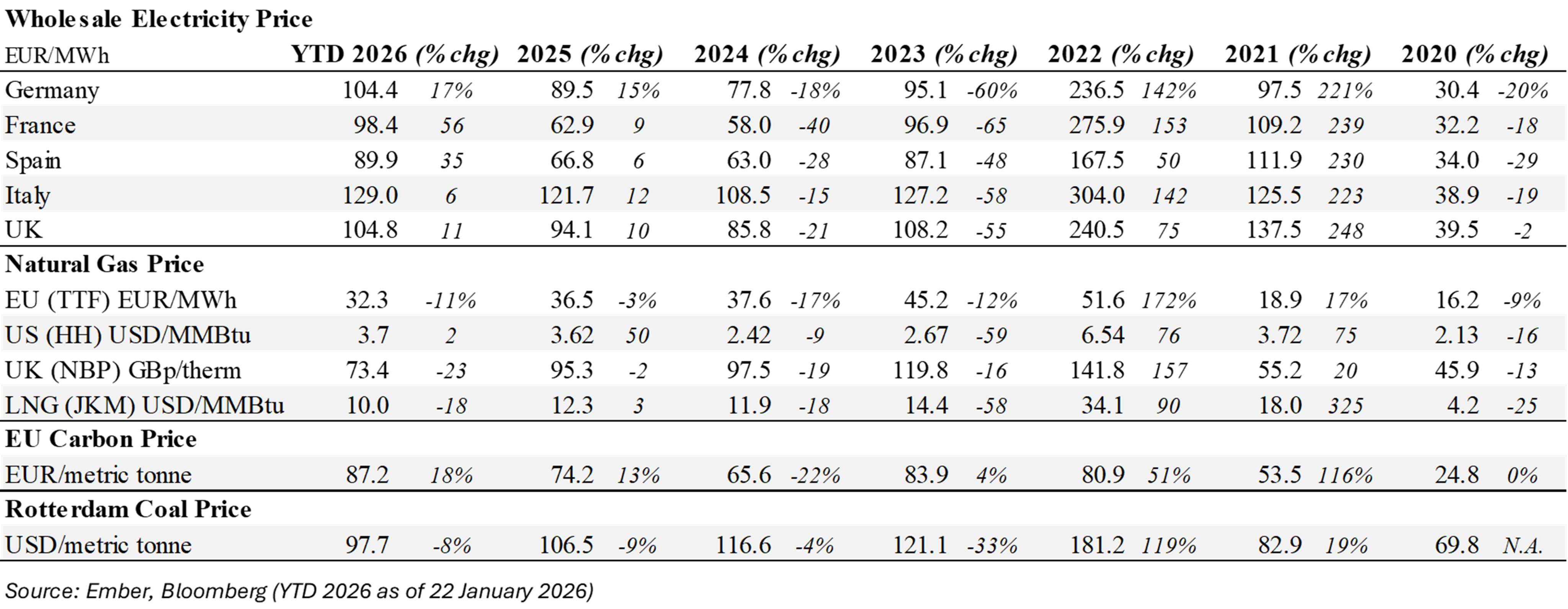
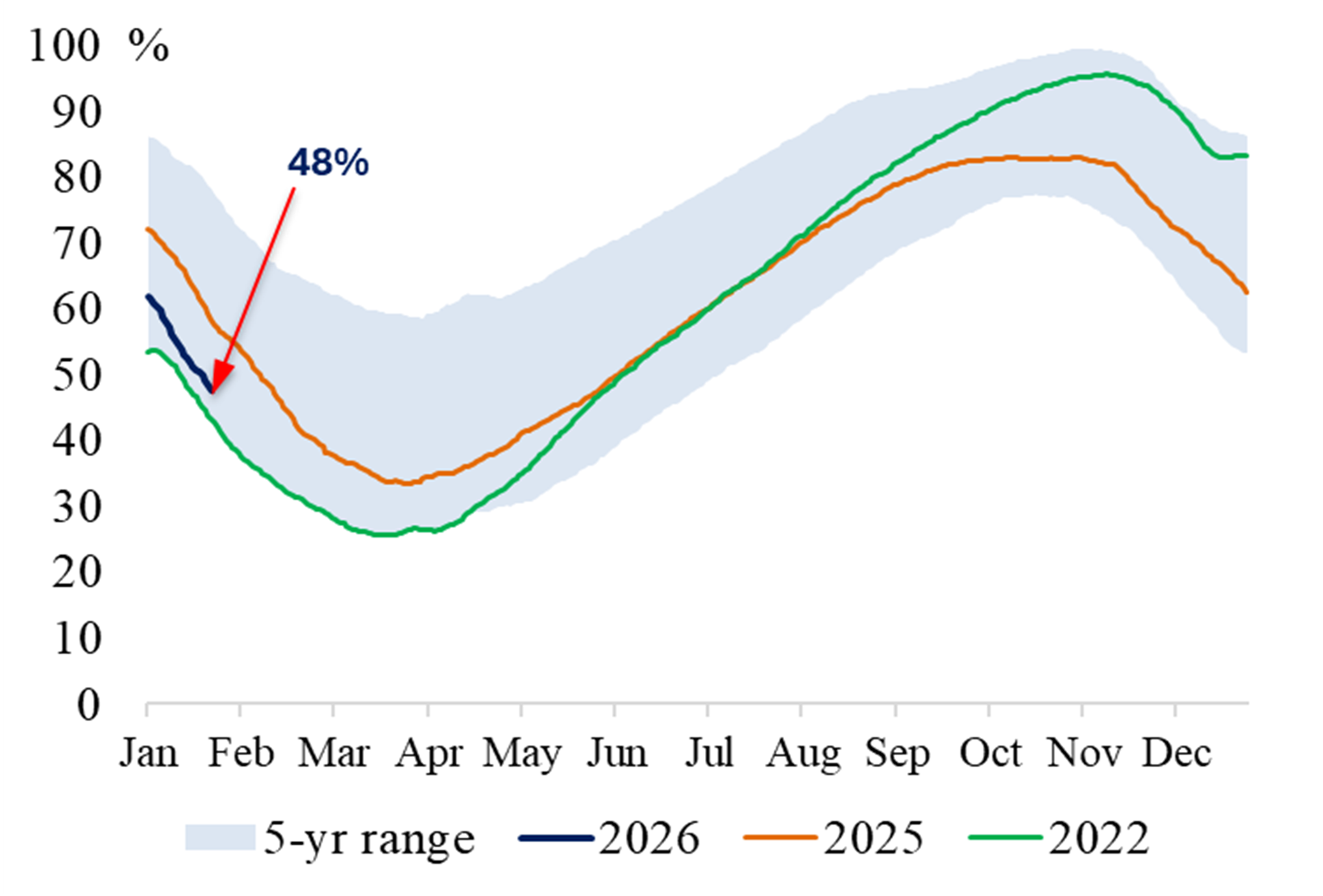
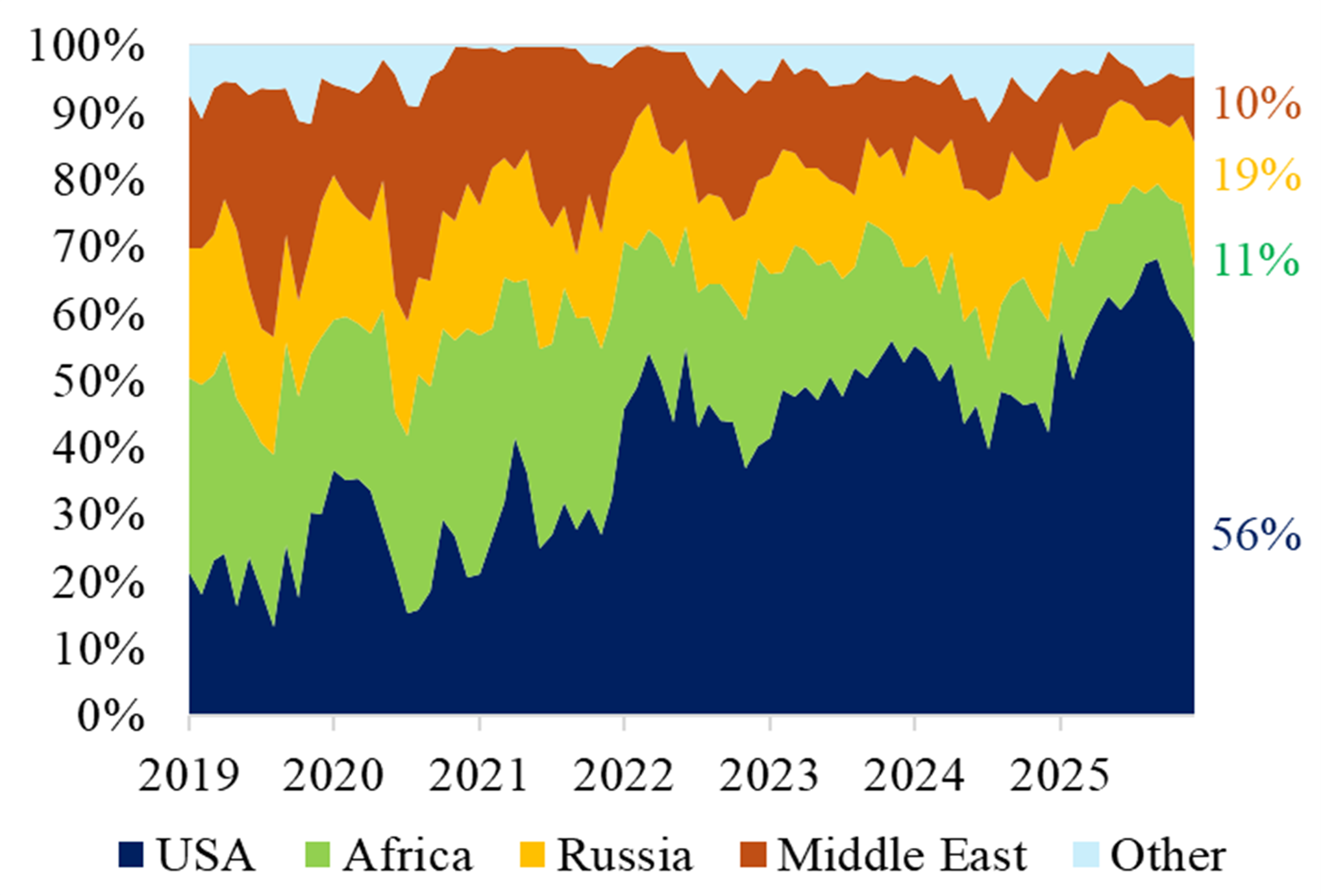
Rising electricity prices remain a political and economic issue in Europe. After electricity prices had skyrocketed in 2022 when the Ukraine war had triggered an energy crisis in Europe, European wholesale electricity prices declined in 2023 and in 2024 but never returned to the pre-crisis levels of 2020 again (see Table 2). In contrast, electricity prices stopped falling in 2025 and even started to increase again last year. Furthermore, at the beginning of 2026, average YTD wholesale power prices have even continued to move higher again as gas prices have also increased in response to colder-than-normal temperatures in January, which triggered a drop in European gas inventories (gas-fired power generation remains the marginal price setter for electricity prices in Europe). Although sufficient LNG supplies from the USA (currently more than 50% of European LNG is imported from the USA, see Exhibit 11) has supported the refilling of European gas storage throughout 2025, now at the start of 2026, gas inventories have fallen to “critical” levels again. In January 2026, European gas storage was only 48% filled, which is only slightly above the seasonal January storage level of 44% in the crisis year 2022 (see Exhibit 8).
Table 2 Average Electricity, Carbon, Coal and Natural Gas Prices
The seven regions/countries listed in Table 3 account for about 80% of the world’s total electricity demand and all of these countries/regions are on track in 2025 to show an increase in electricity demand (for countries marked with an asterisk, 2025 reflects only YTD data until November). As in most previous years, China has posted again the strongest electricity demand growth last year, with 5.1% in 2025, which is a slowdown from the previous year but is clearly leading other regions. Similarly, US power demand has also seen a strong growth rate of 3.1% last year, which was driven by growing demand growth from AI data centers. In contrast, power demand in Europe grew at a much smaller rate of 0.6% in 2025, which can still be seen as positive development because it marked the second year in a row when power demand has at least not declined across Europe.
Table 3 Annual Electricity Demand (TWh)
Gas Storage and LNG Flows
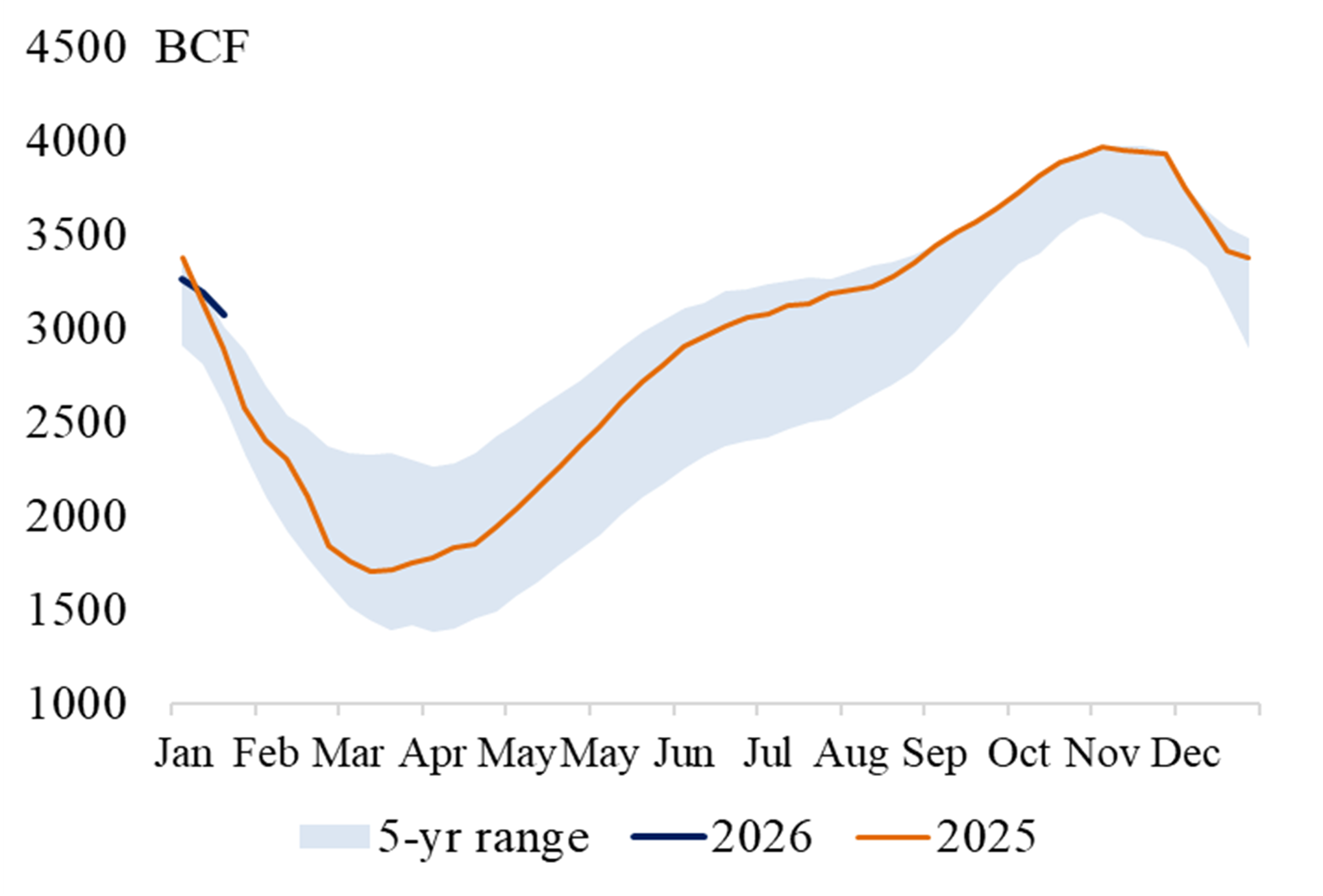
Exhibit 6 US Gas Storage (BCF) Exhibit 7 US LNG Exports (BCF)

Source: US Energy Information Source: US Energy Information
Administration Administration
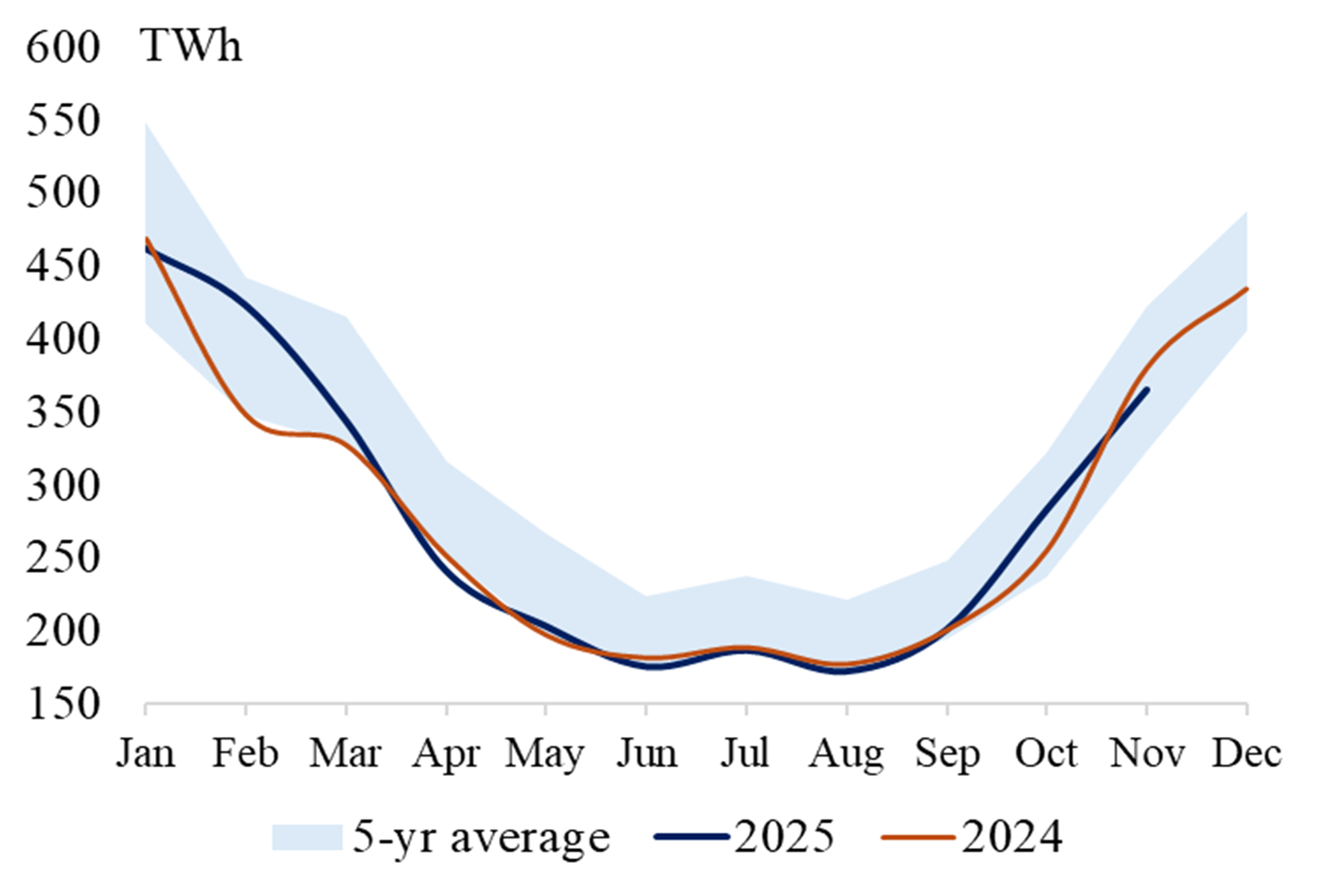
Exhibit 8 EU Gas Storage (% full) Exhibit 9 EU Gas Demand (BCM)
Source: Gas Infrastructure Europe Source: Bruegel
Exhibit 10 EU Gas Imports by Source (BCM) Exhibit 11 EU LNG Imports by Origin

Source: Bruegel Source: Bruegel
Global Electrification Trends (Power Demand in TWh)
Exhibit 12 Europe Electricity Demand Exhibit 13 USA Electricity Demand 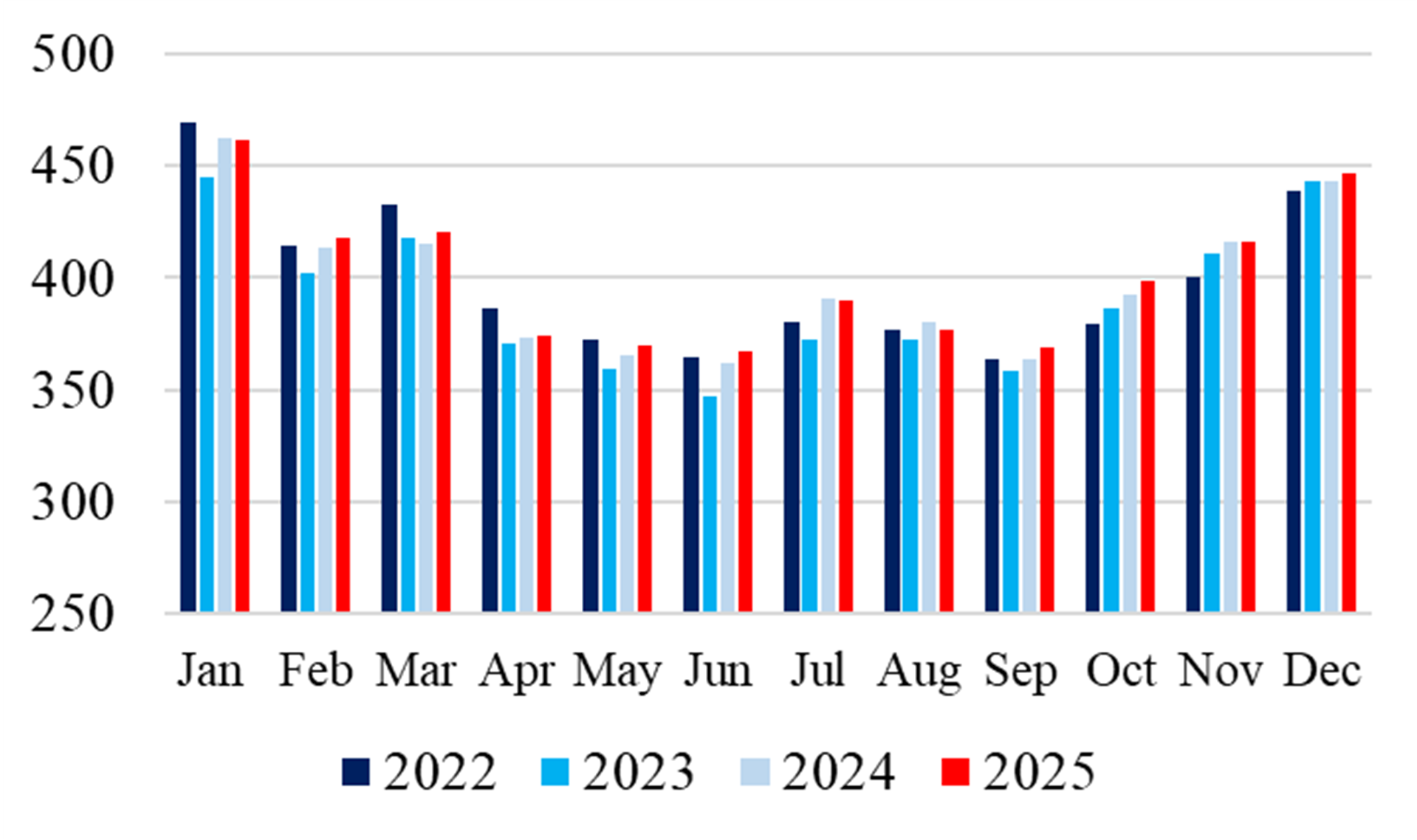

Exhibit 14 Türkiye Electricity Demand Exhibit 15 Latin America Demand

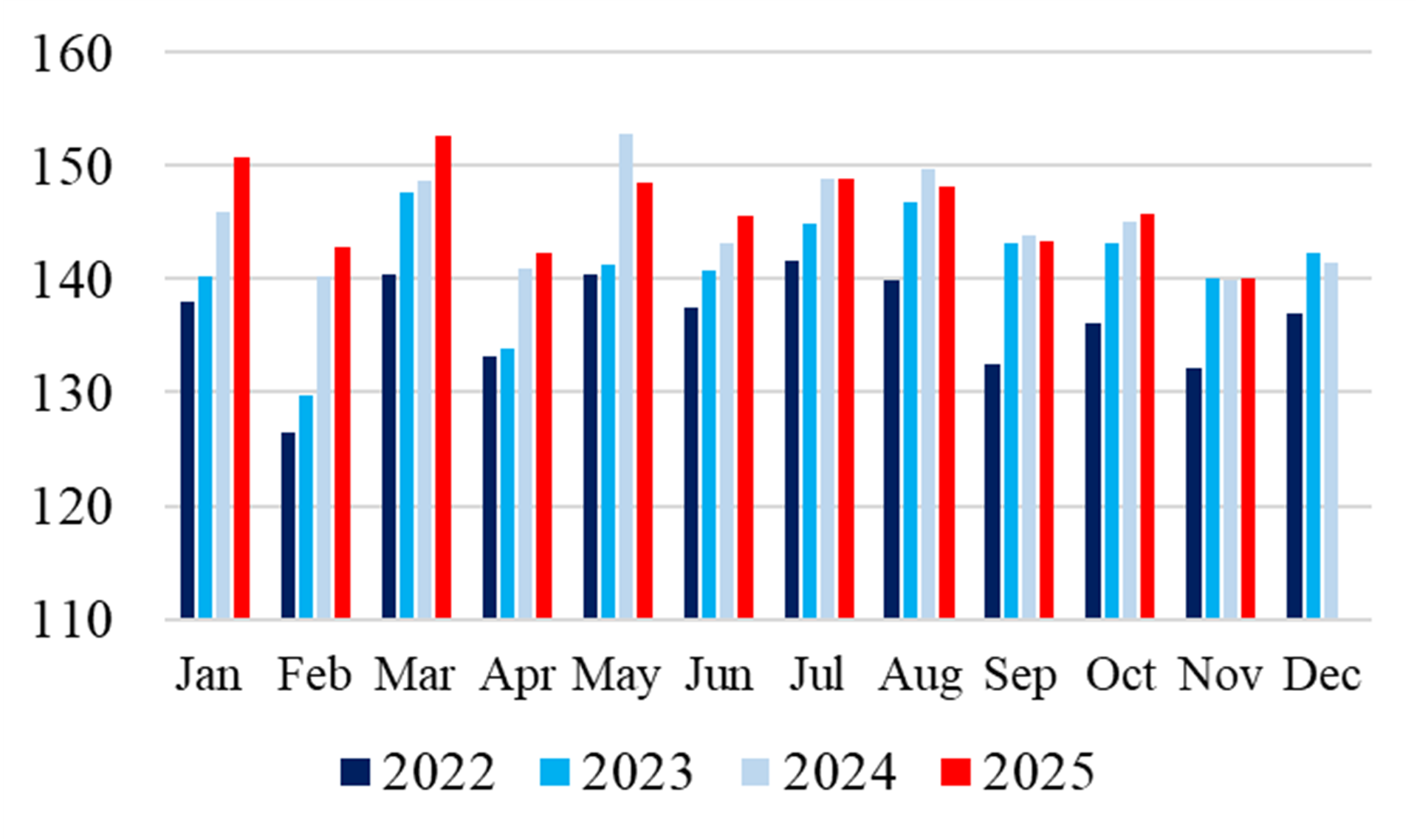
Exhibit 16 China Electricity Demand Exhibit 17 Japan Electricity Demand
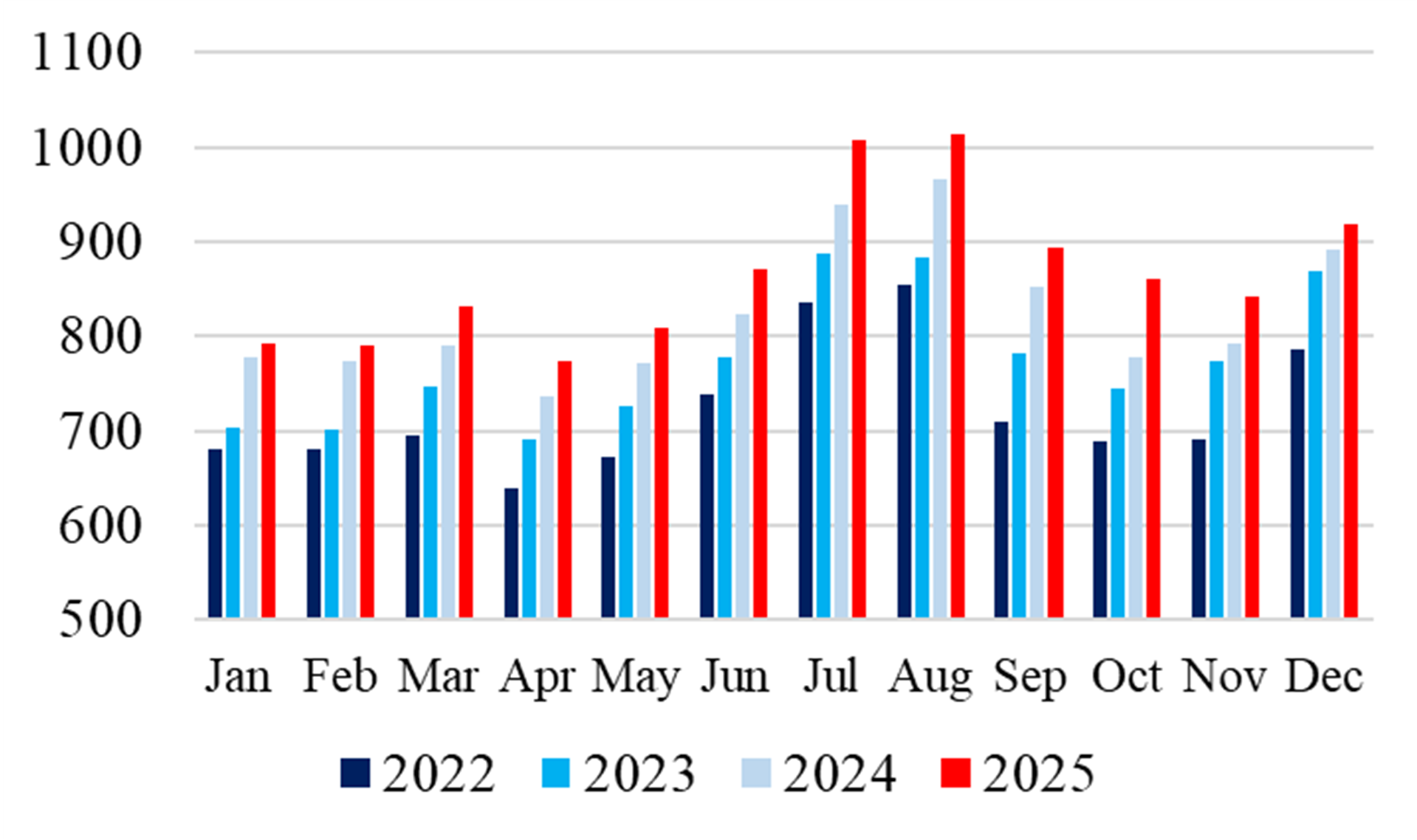
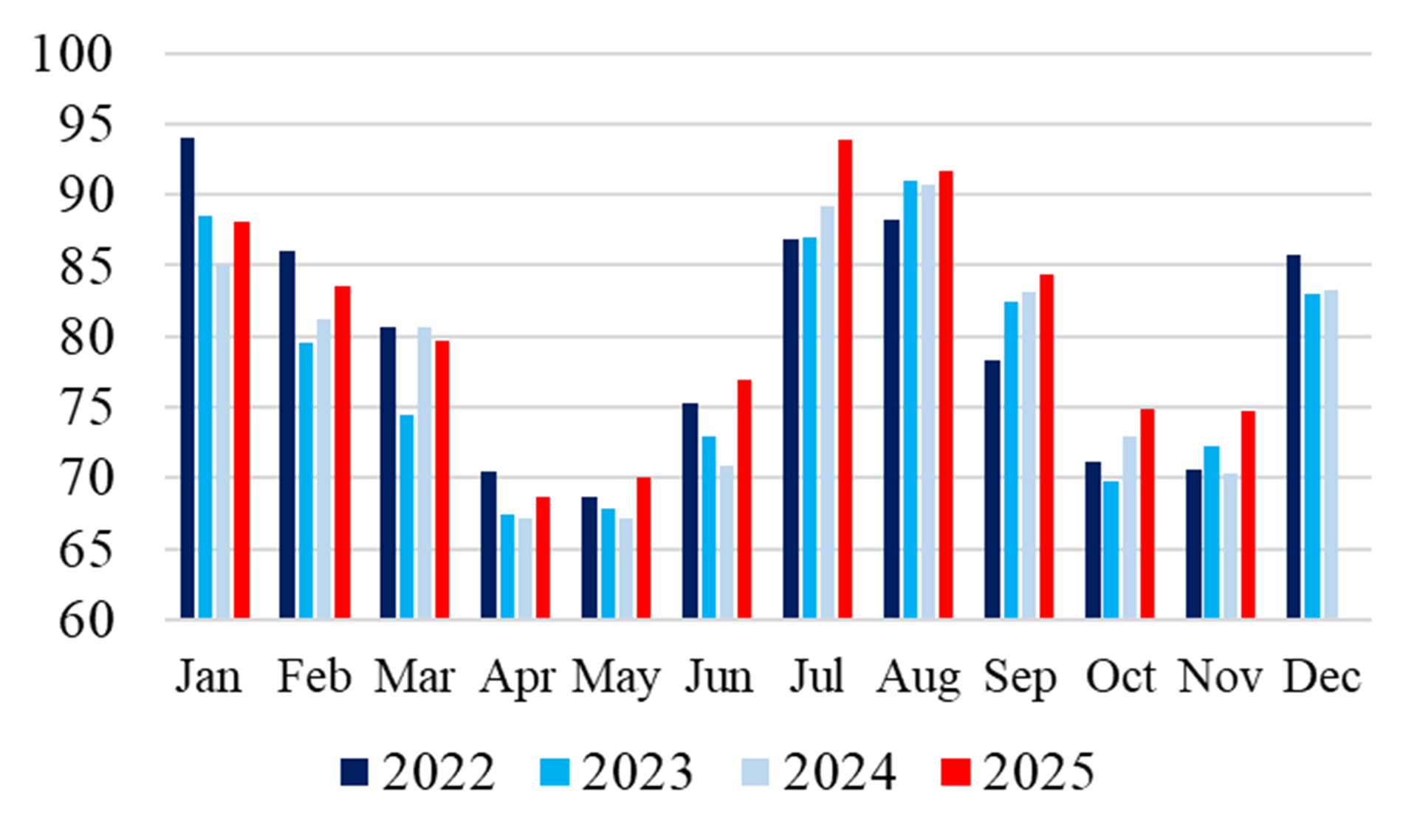
Exhibit 18 India Electricity Demand Exhibit 19 World Electricity Demand

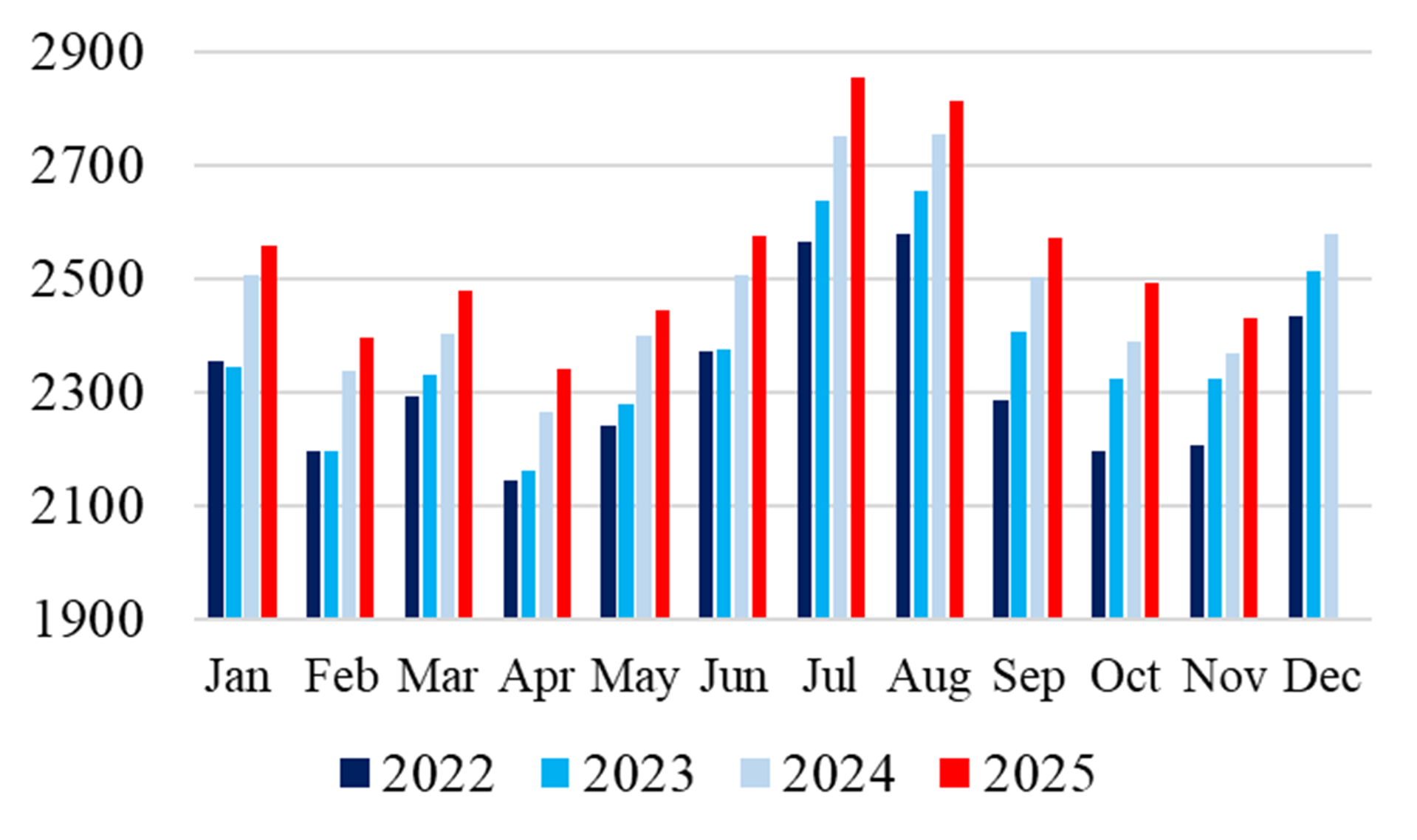
Source: EMBER
Power Tracker: Changing Fuel Mix and 3 Biggest Sources of Electricity
EUROPE
Exhibit 20 Europe: Biggest Source of Electricity in Each Country

Exhibit 21 Power Generation Exhibit 22 Share of Wind & Solar (%)
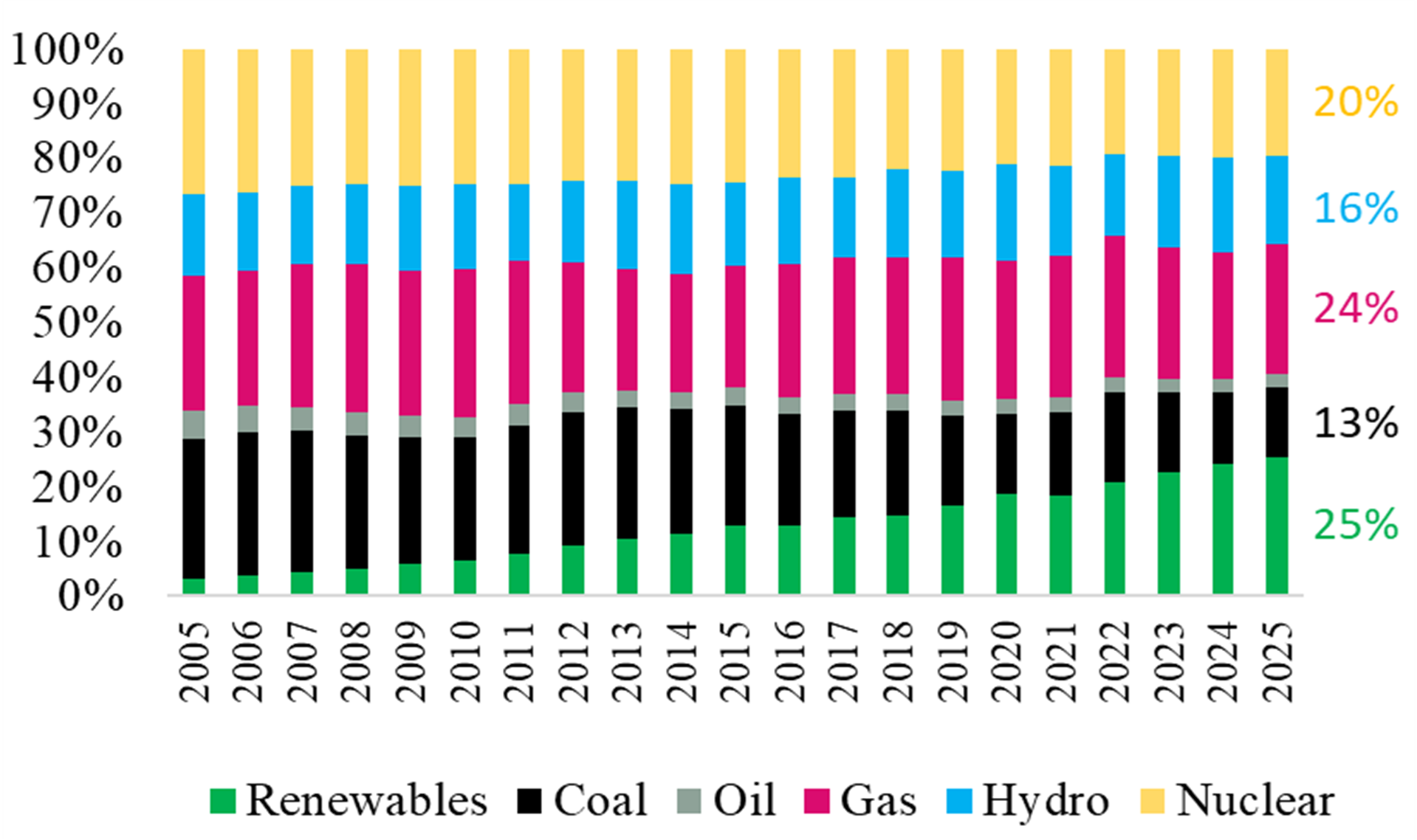
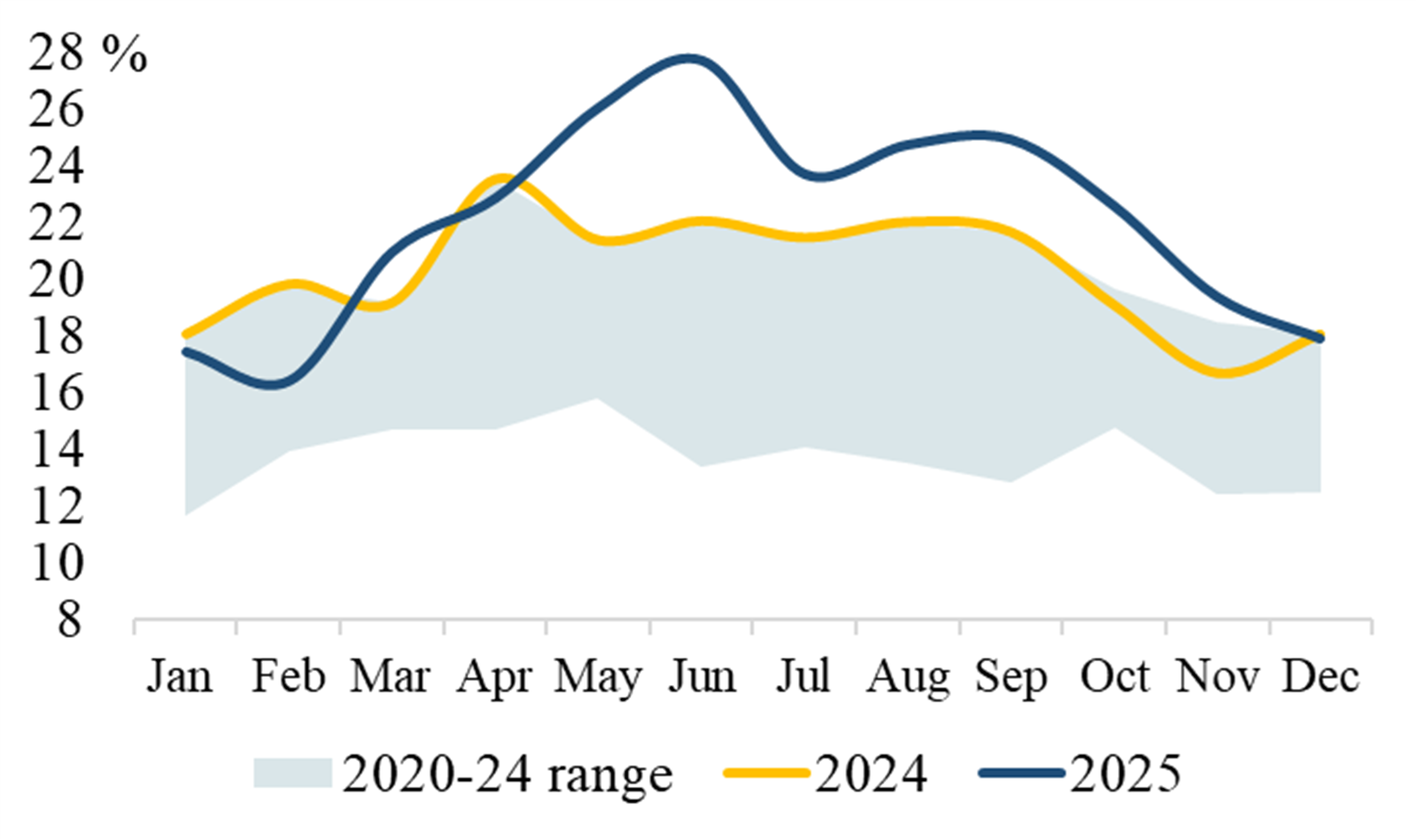
Exhibit 23 Share of Gas (%) Exhibit 24 Share of Nuclear (%)
Source: EMBER
USA
Exhibit 25 USA: Biggest Source of Electricity in each State
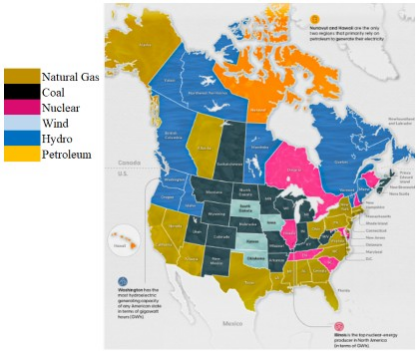
Exhibit 26 Power Generation Exhibit 27 Share of Gas (%)
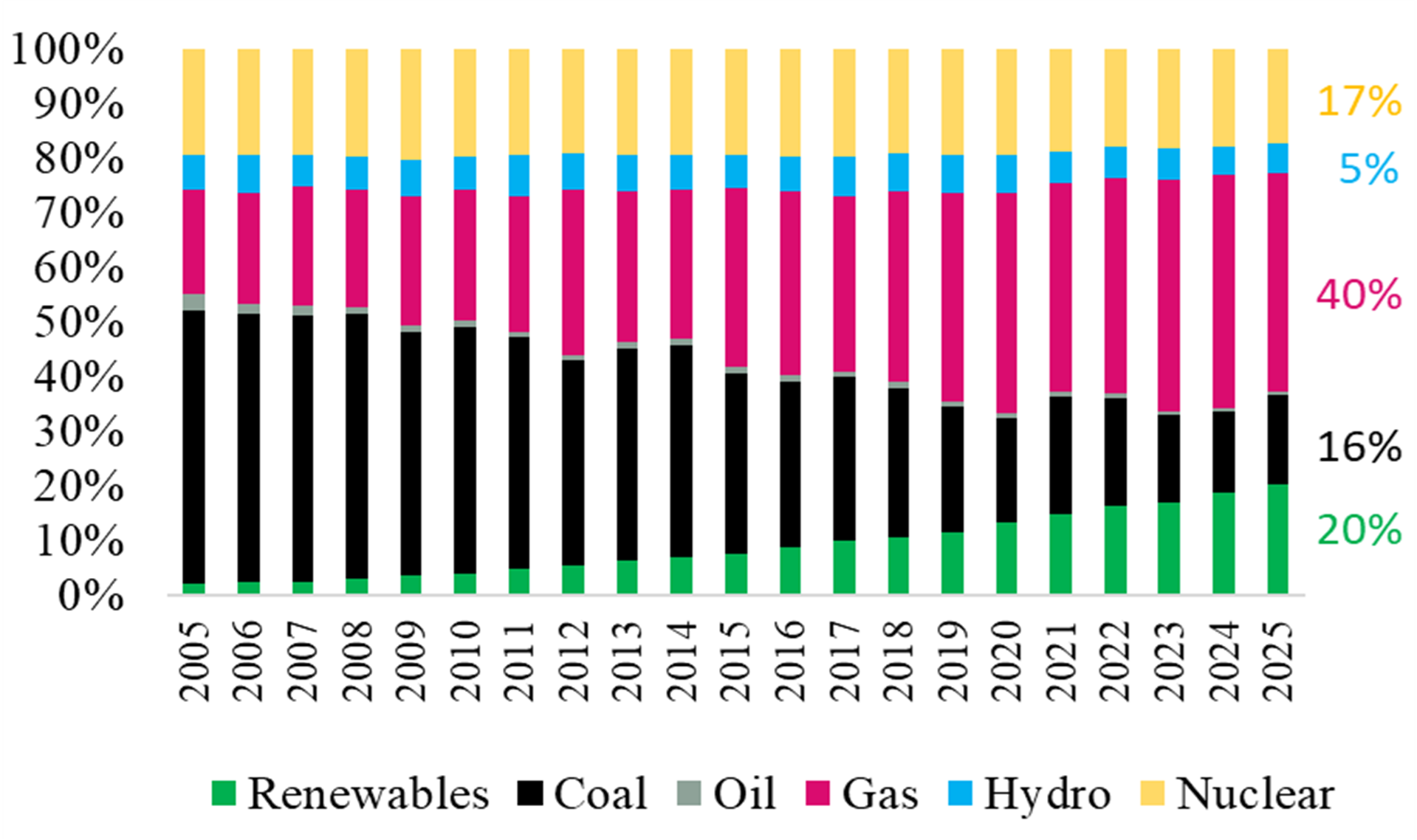
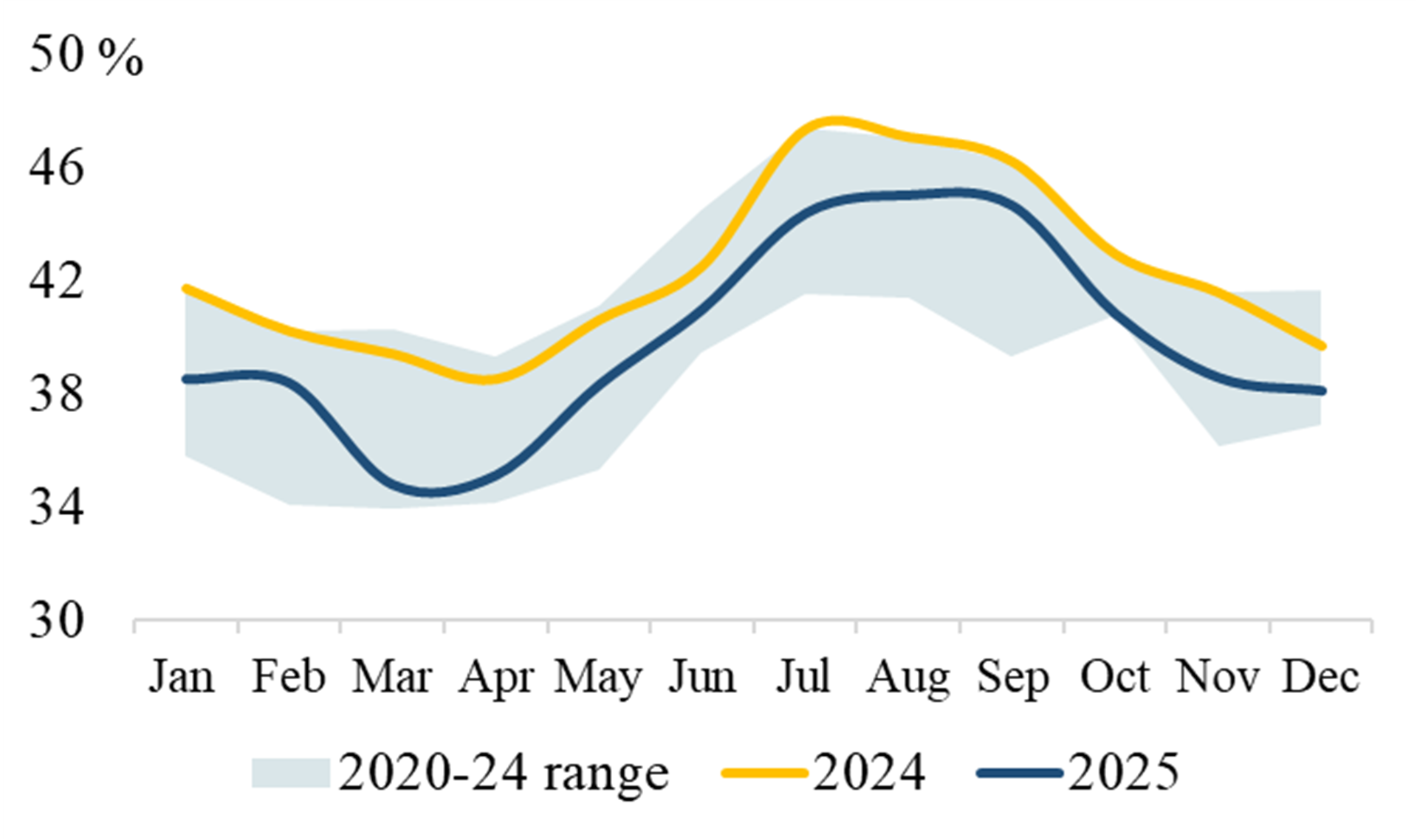
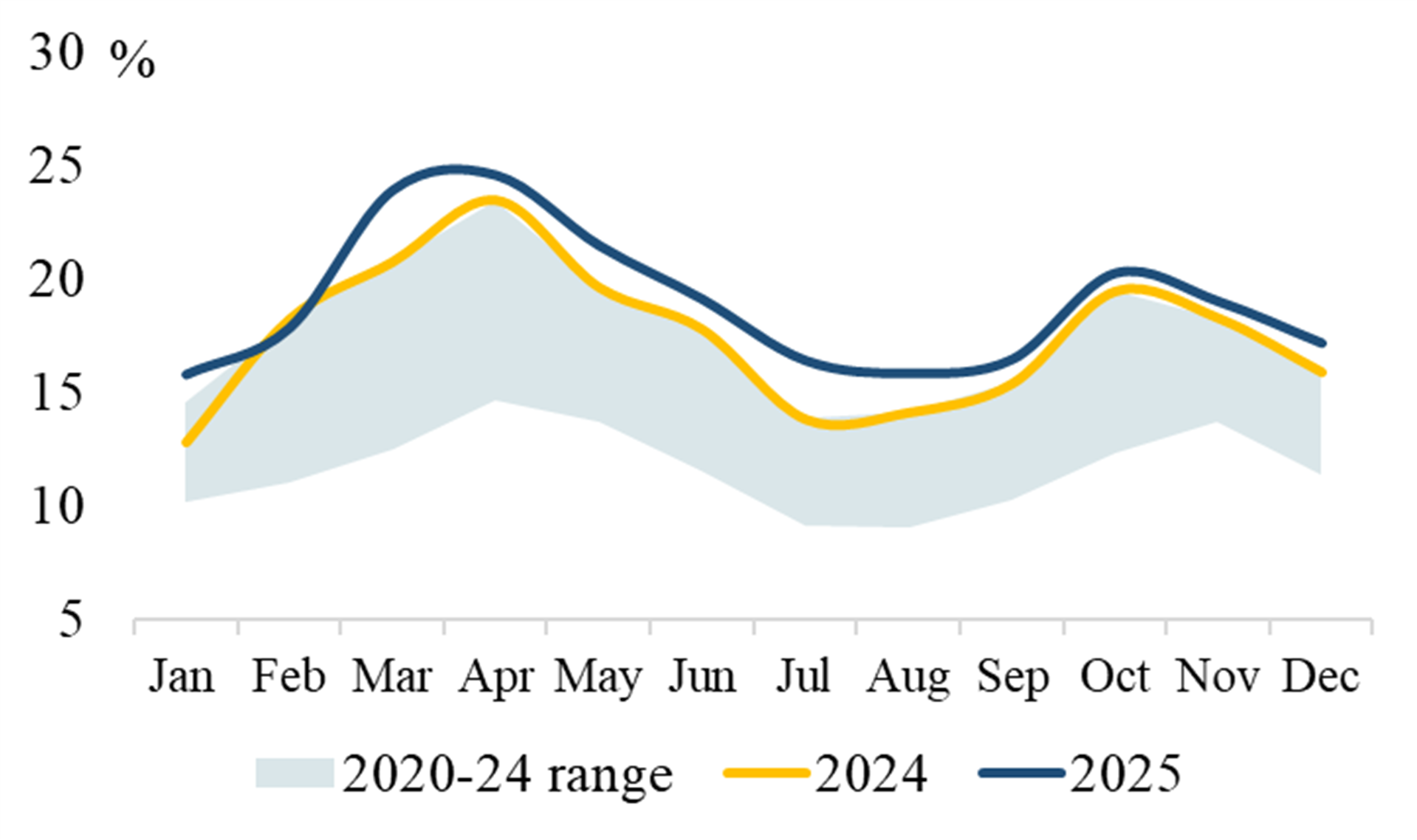
Exhibit 28 Share of Wind & Solar (%) Exhibit 29 Share of Nuclear (%)
Source: EMBER
TÜRKIYE
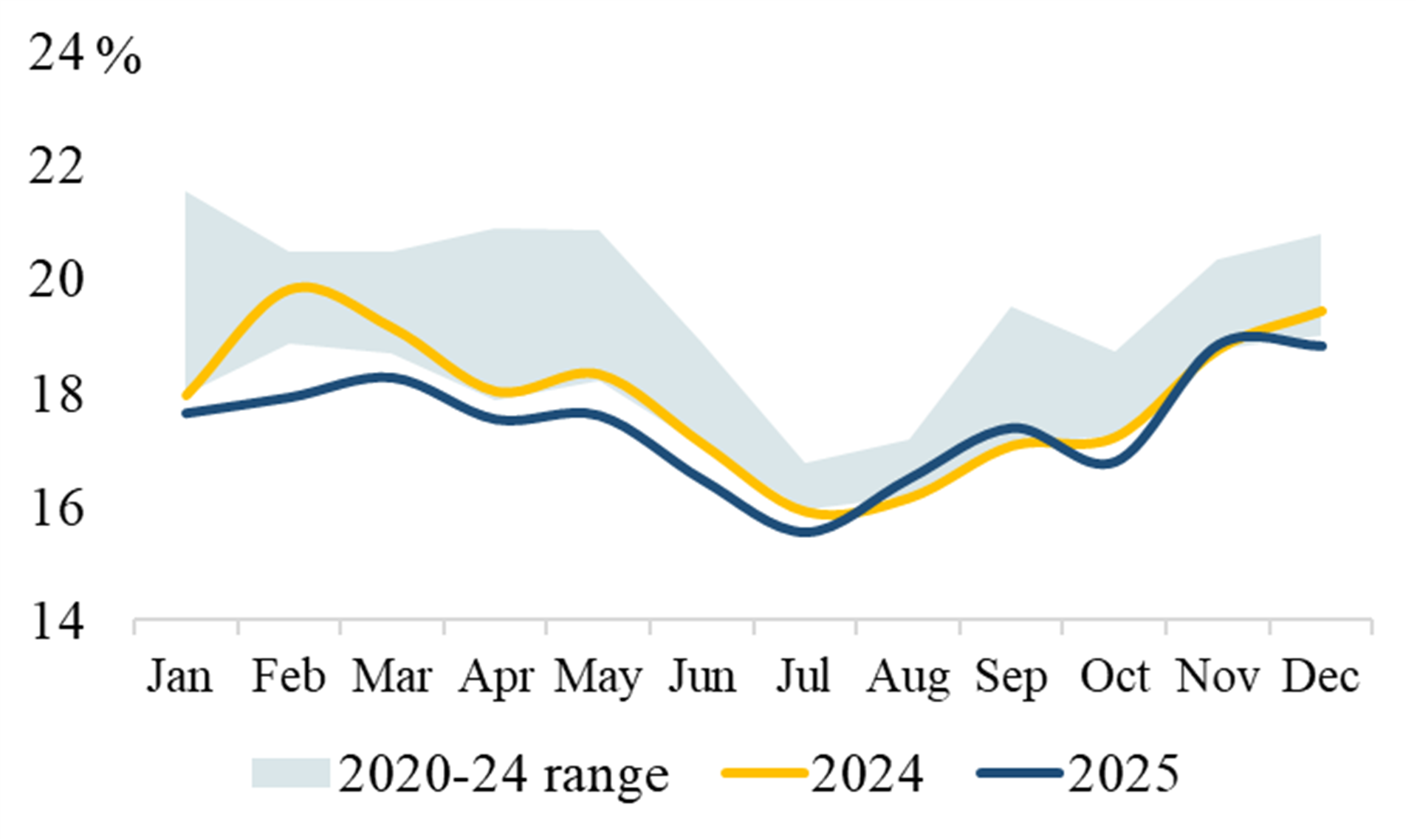
Exhibit 30 Power Generation Exhibit 31 Share of Coal (%)
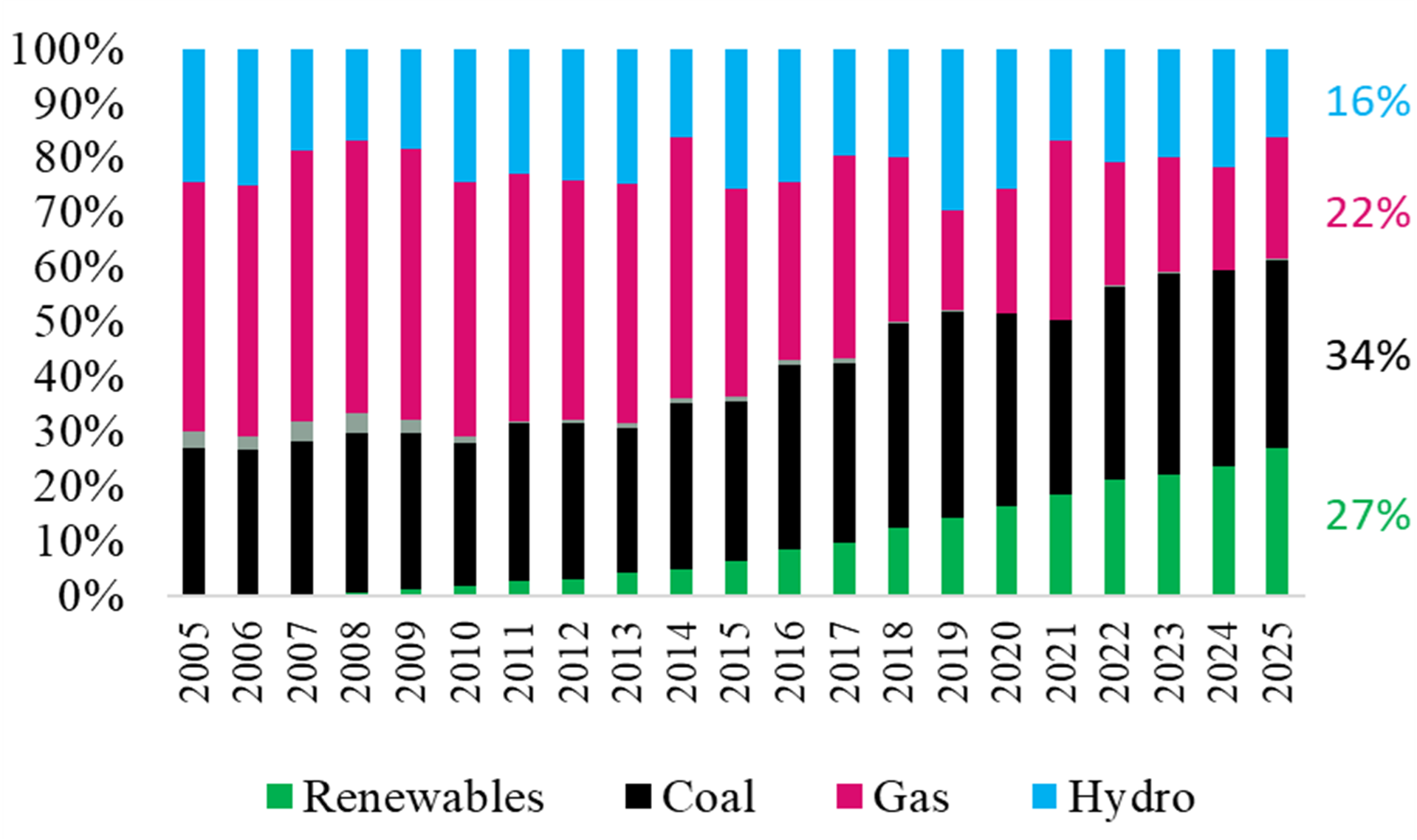
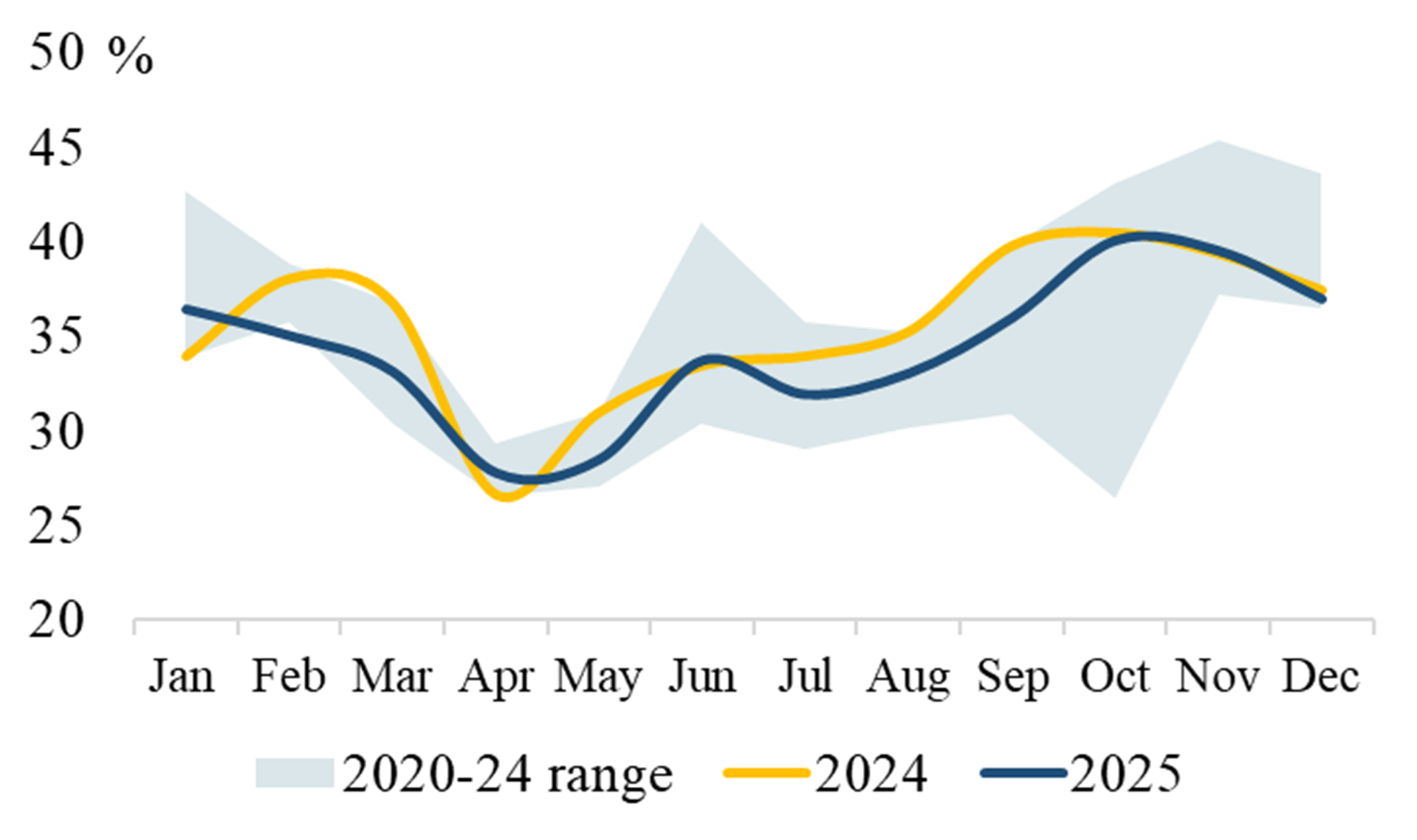
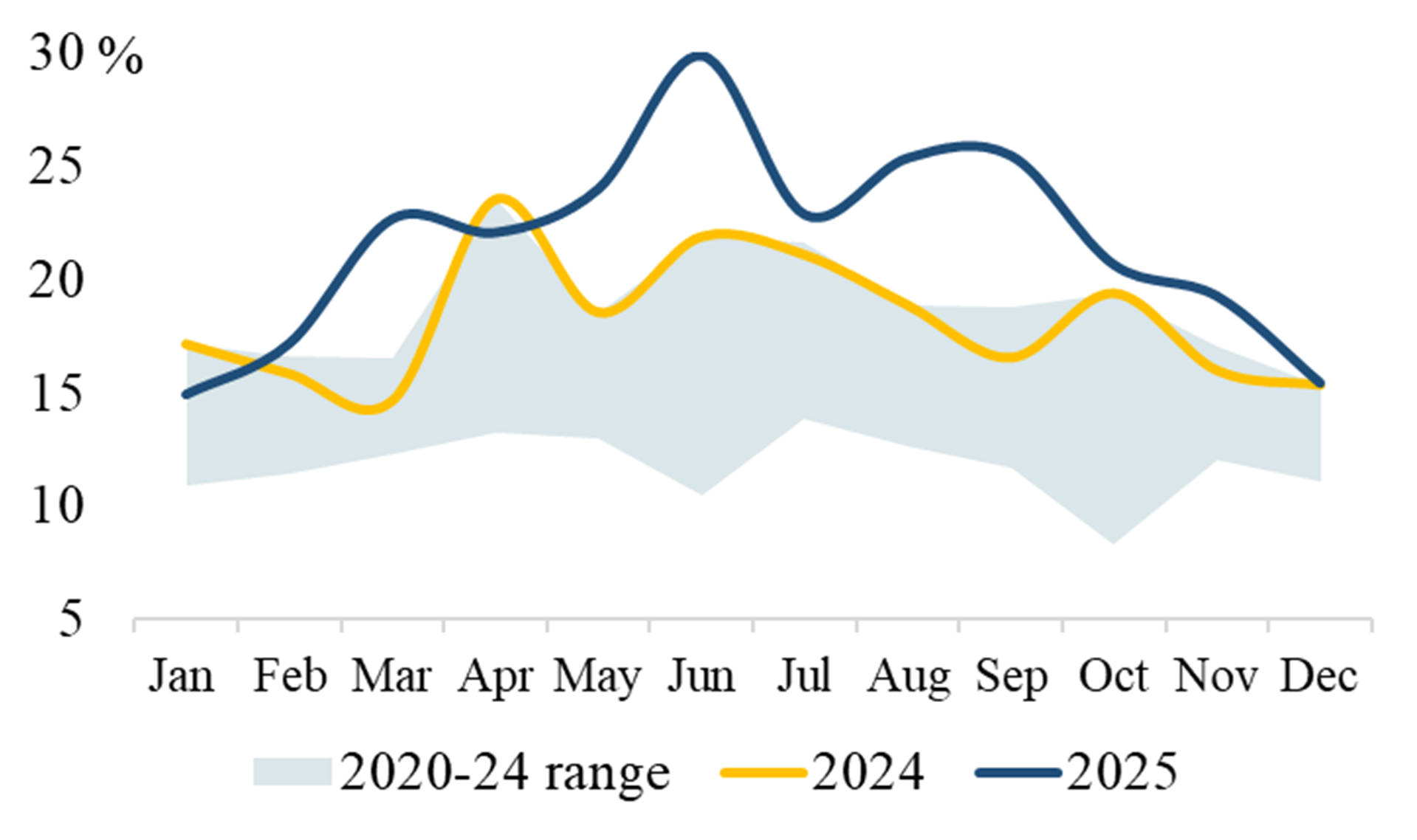
Exhibit 32 Share of Wind & Solar (%) Exhibit 33 Share of Gas (%)
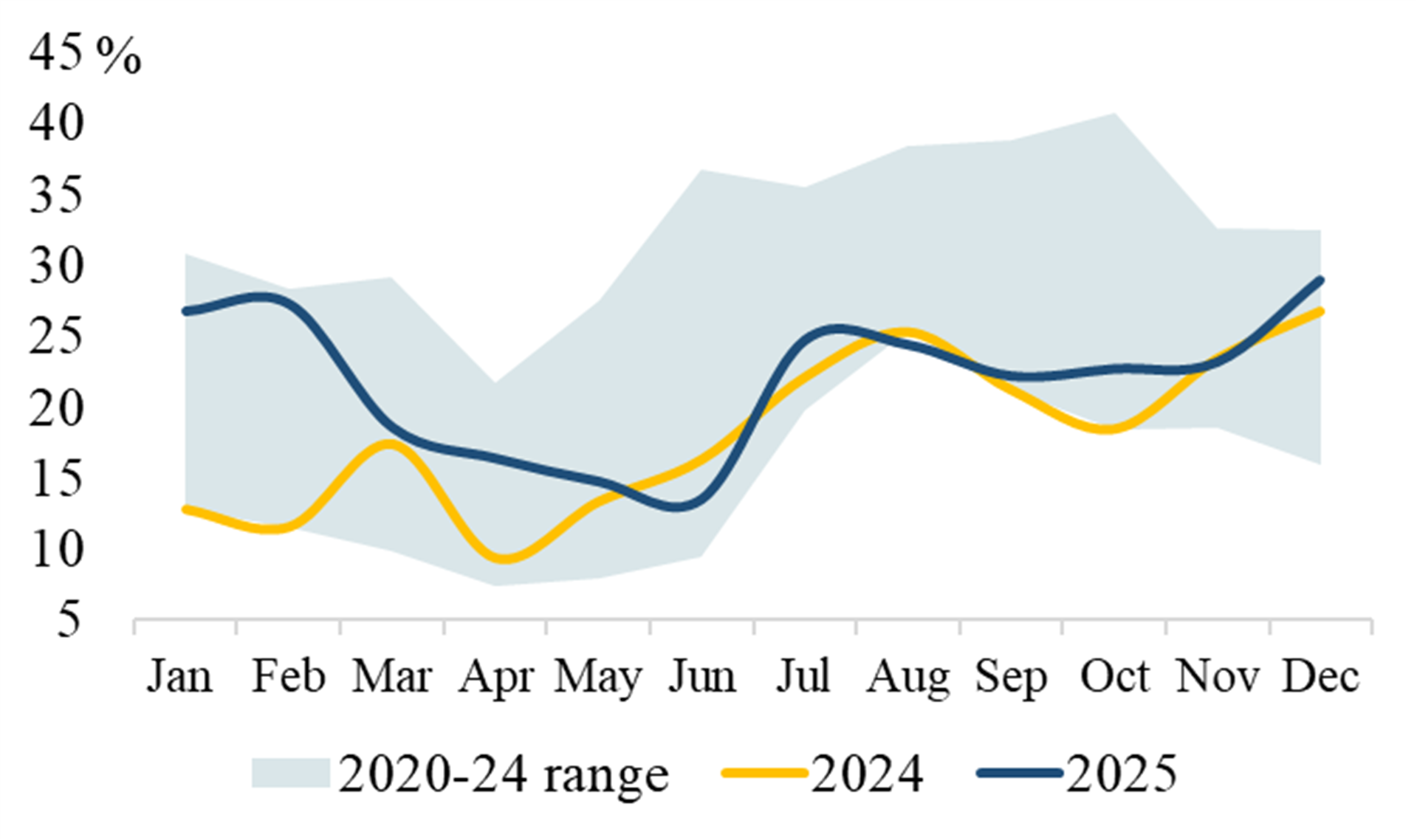
INDIA
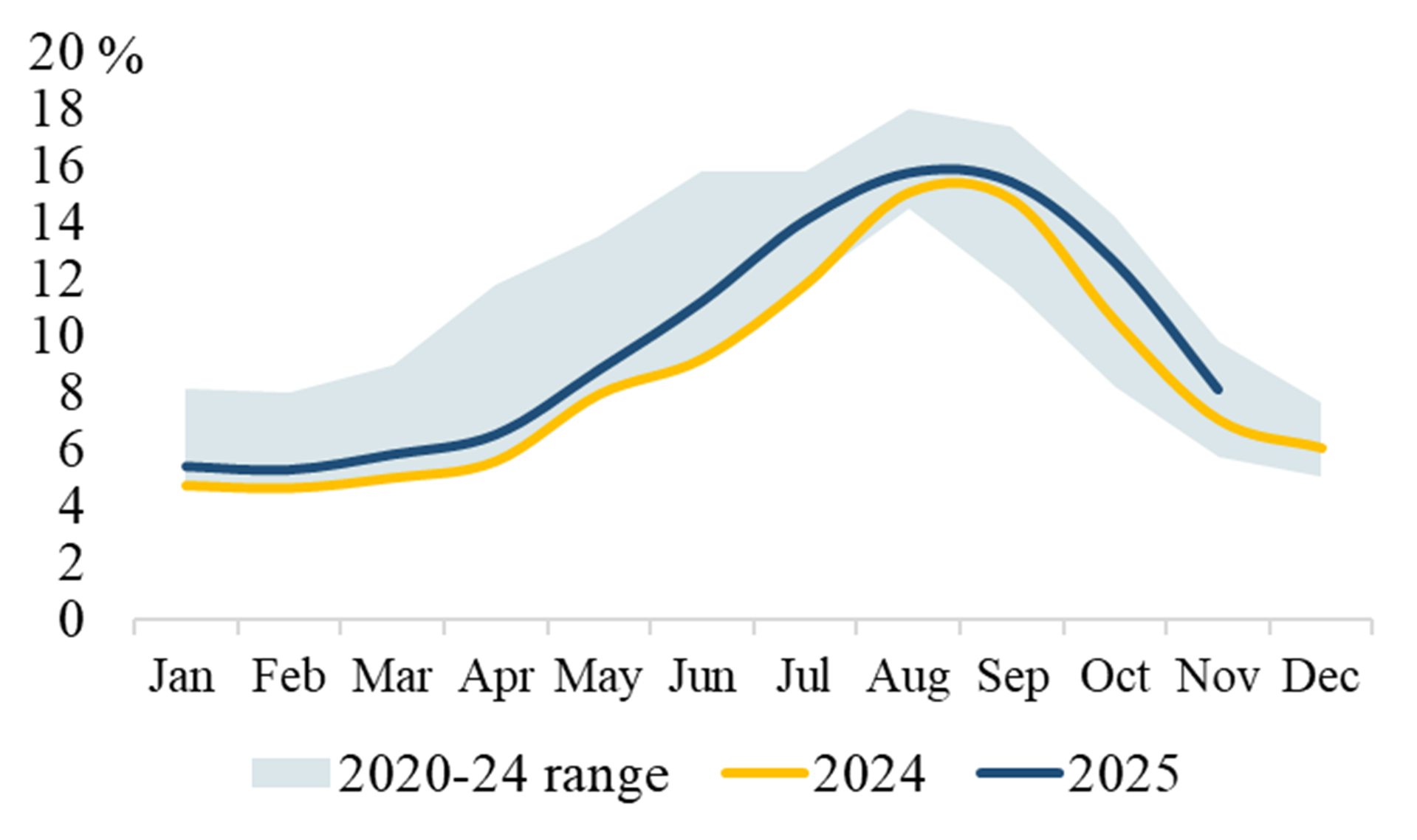
Exhibit 34 Power Generation Exhibit 35 Share of Coal (%)
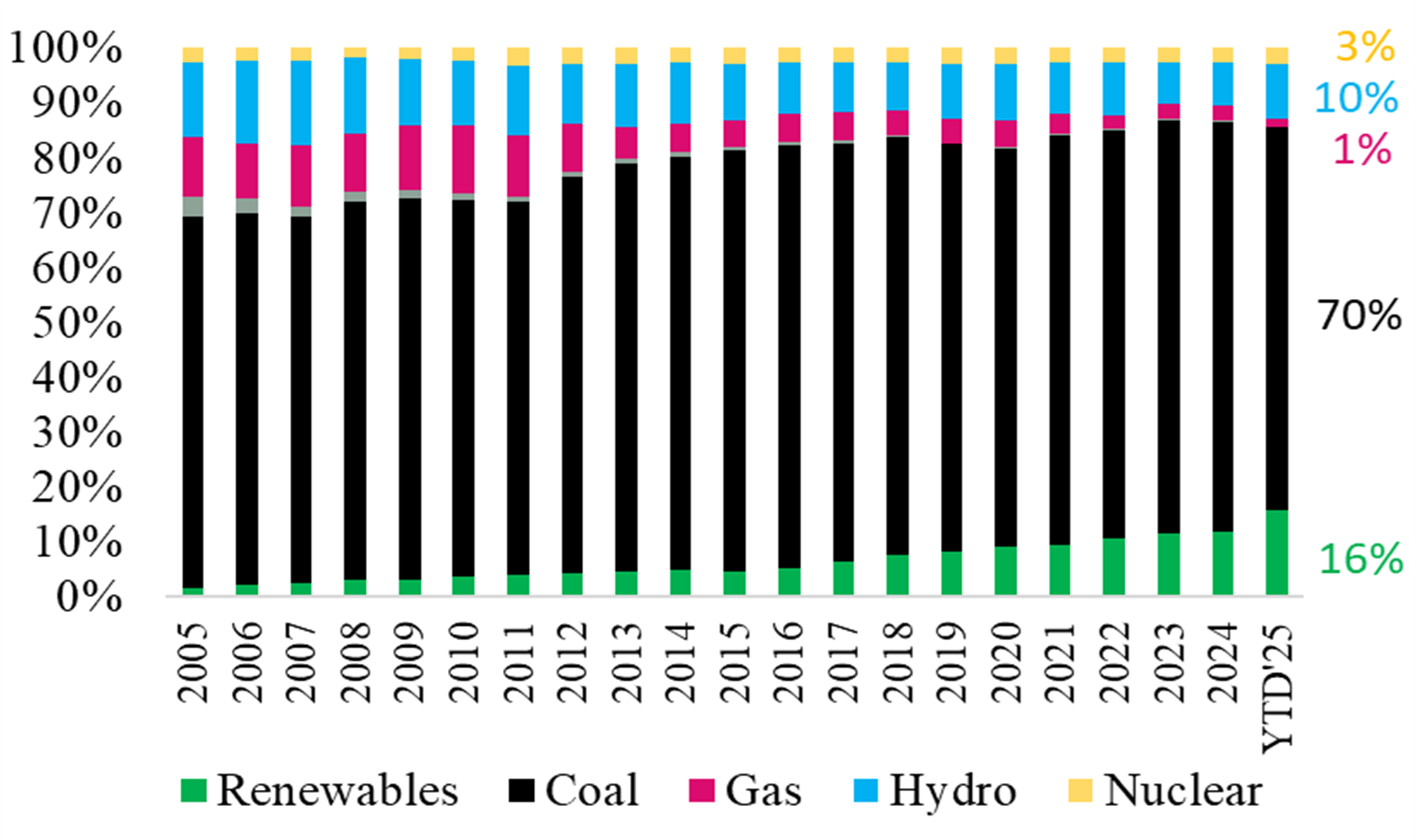
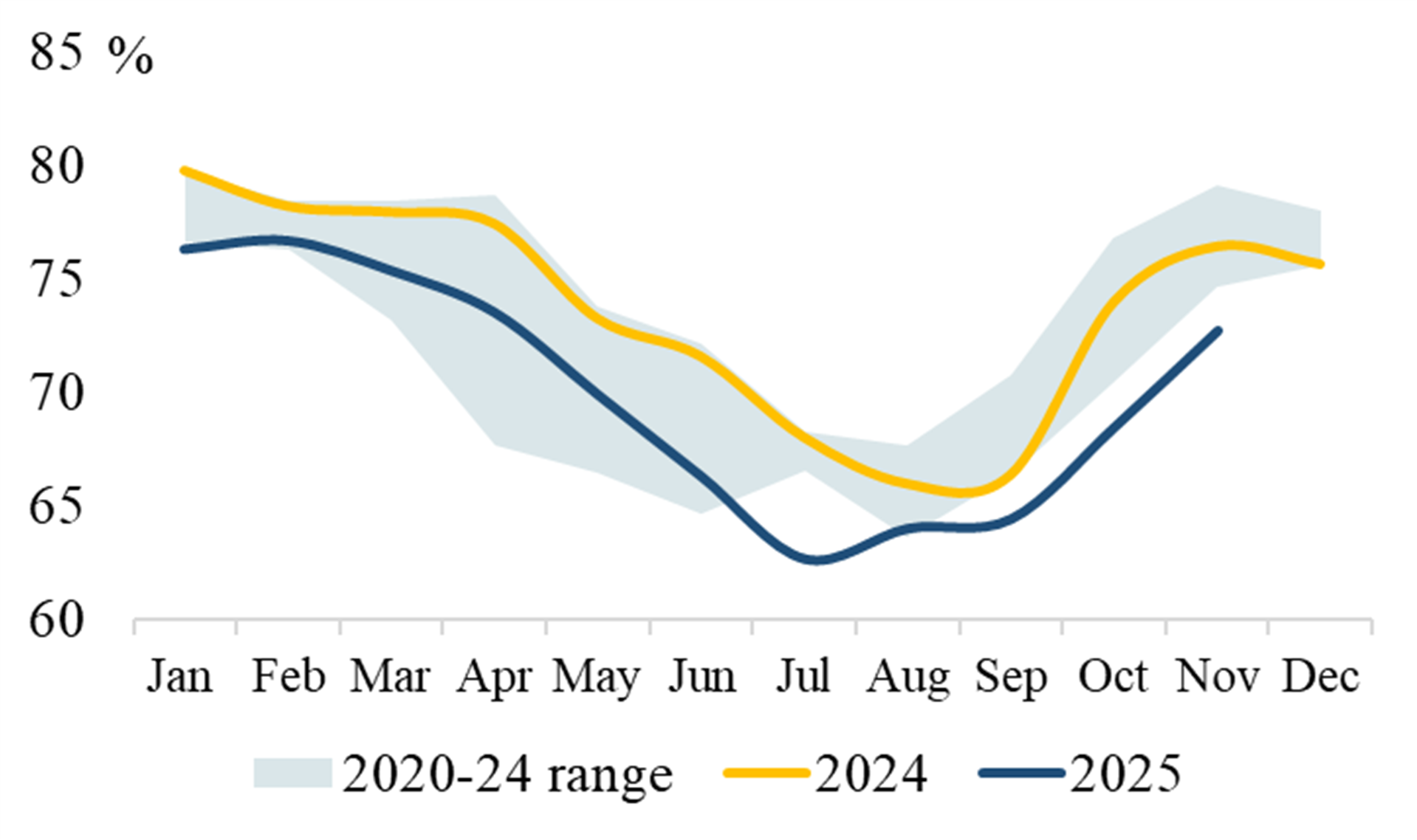
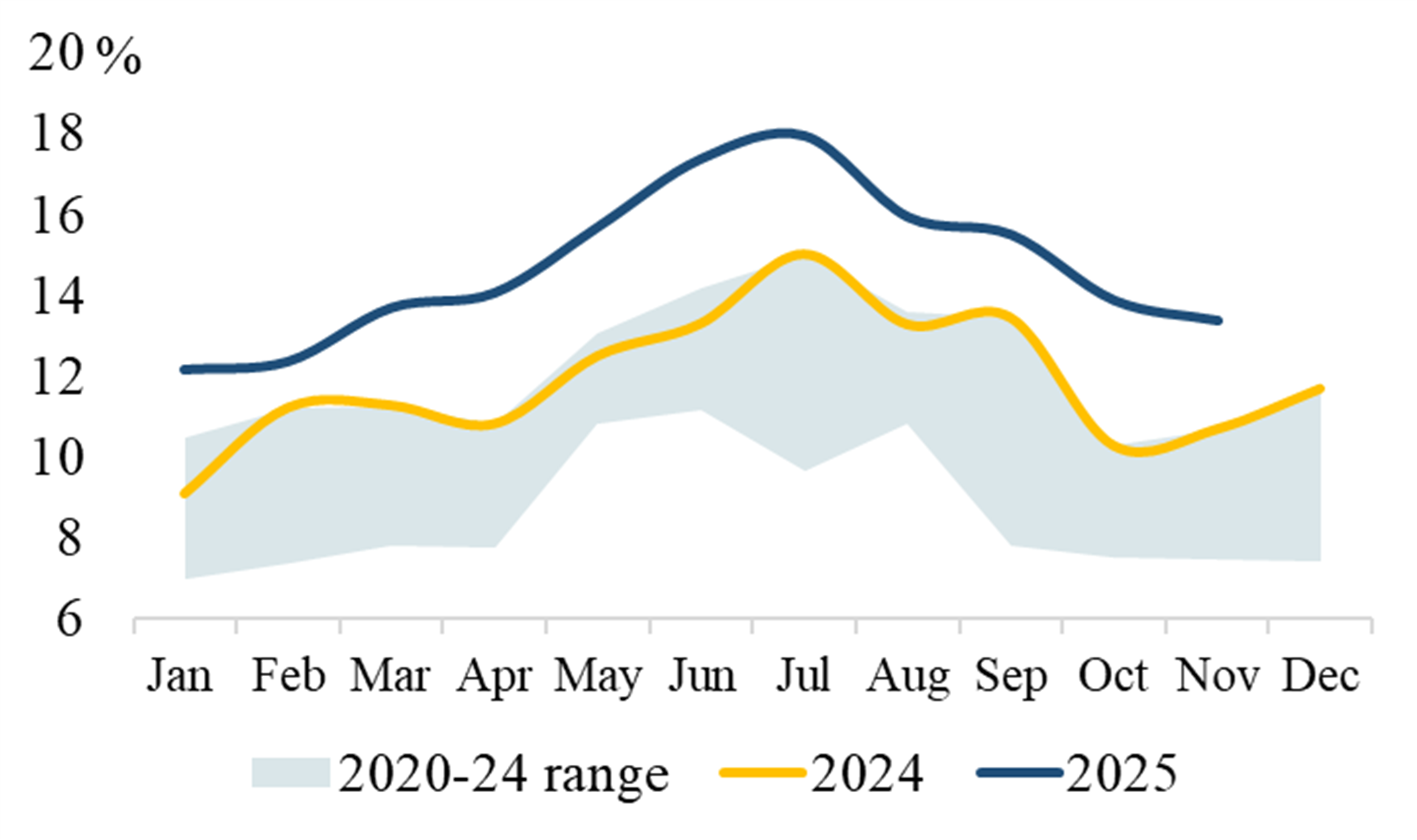
Exhibit 36 Share of Wind & Solar (%) Exhibit 37 Share of Hydro (%)
Source: EMBER
CHINA
Exhibit 38 Power Generation Exhibit 39 Share of Coal (%)
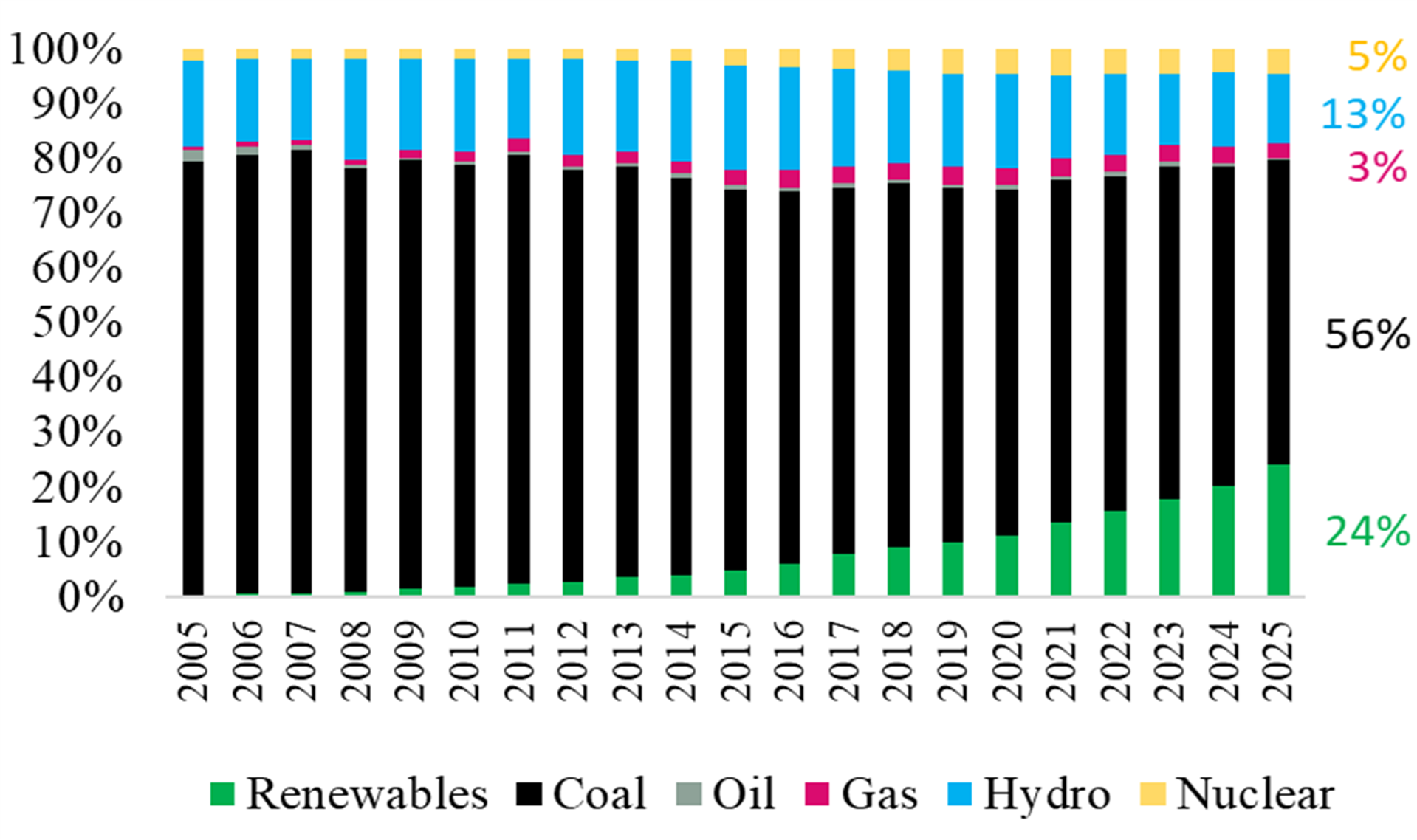
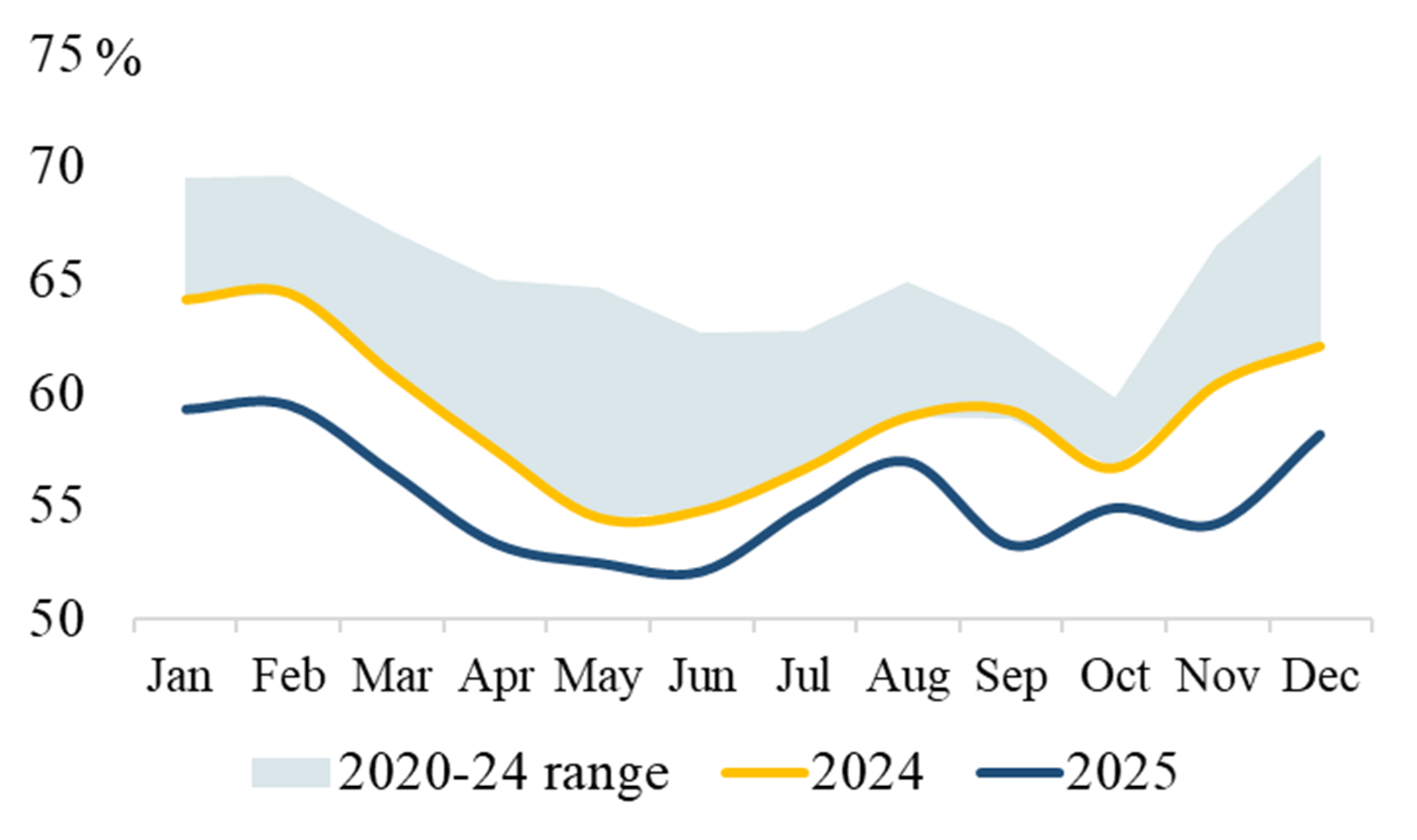
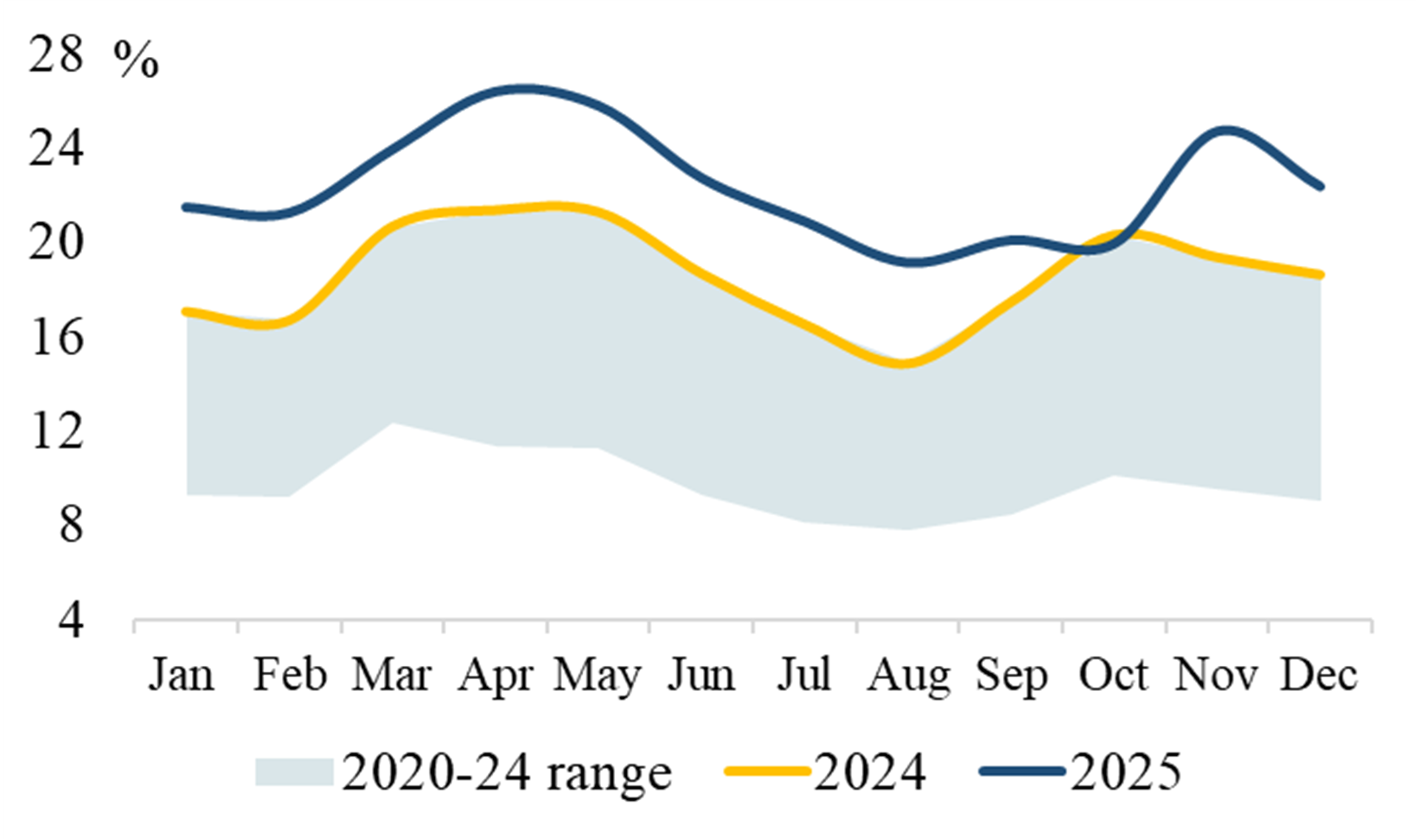
Exhibit 40 Share of Wind & Solar (%) Exhibit 41 Share of Hydro (%)
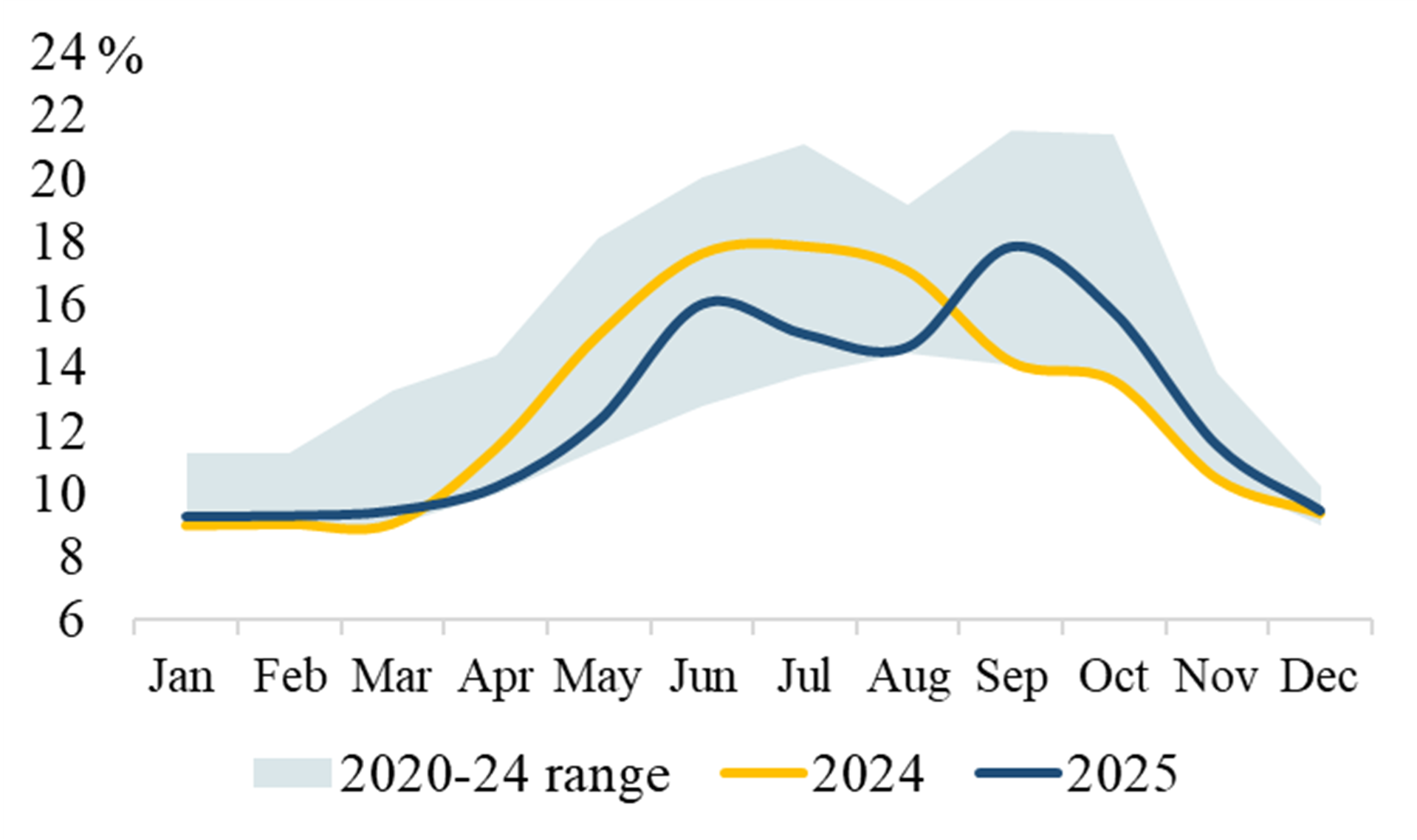
JAPAN
Exhibit 42 Power Generation Exhibit 43 Share of Gas (%)
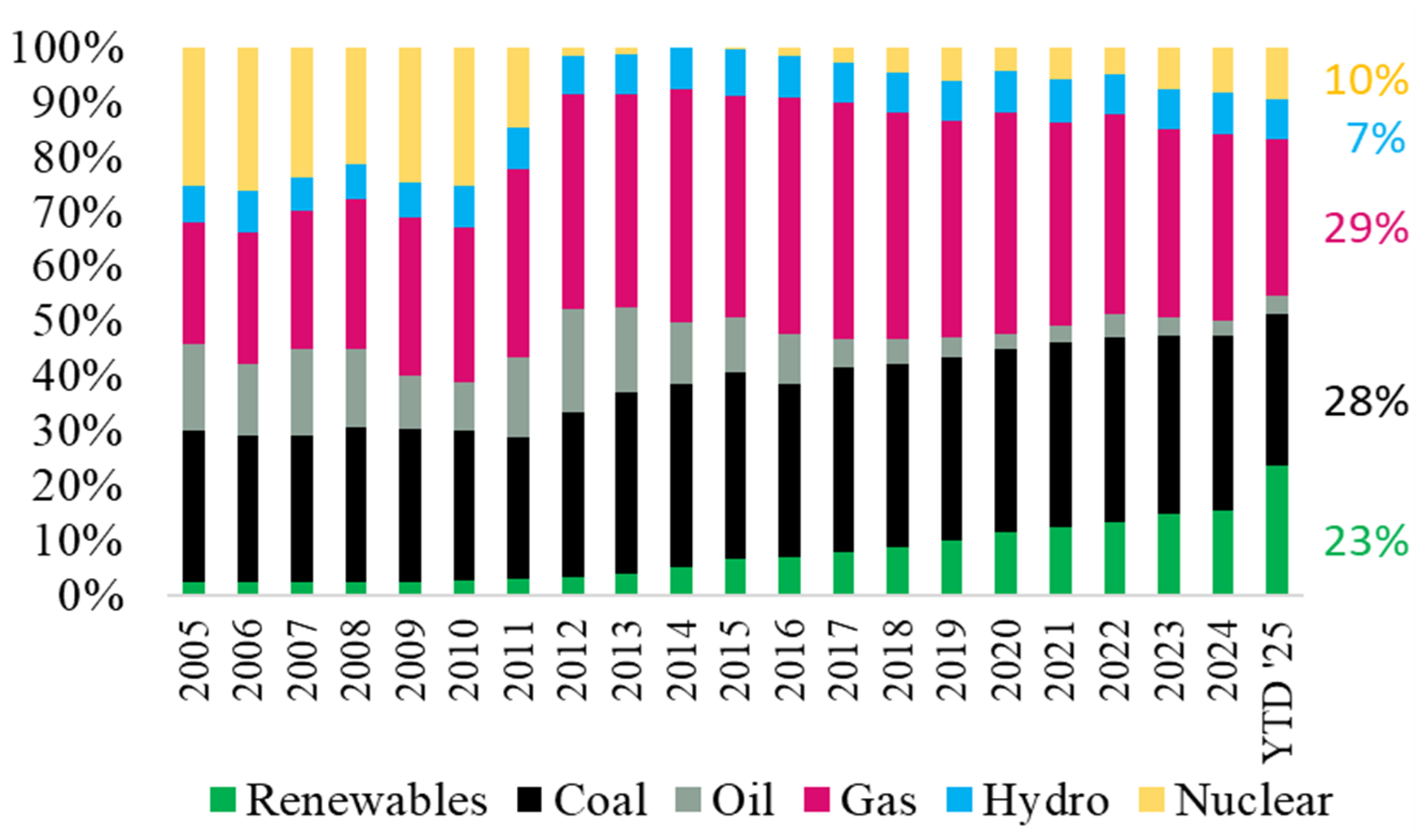
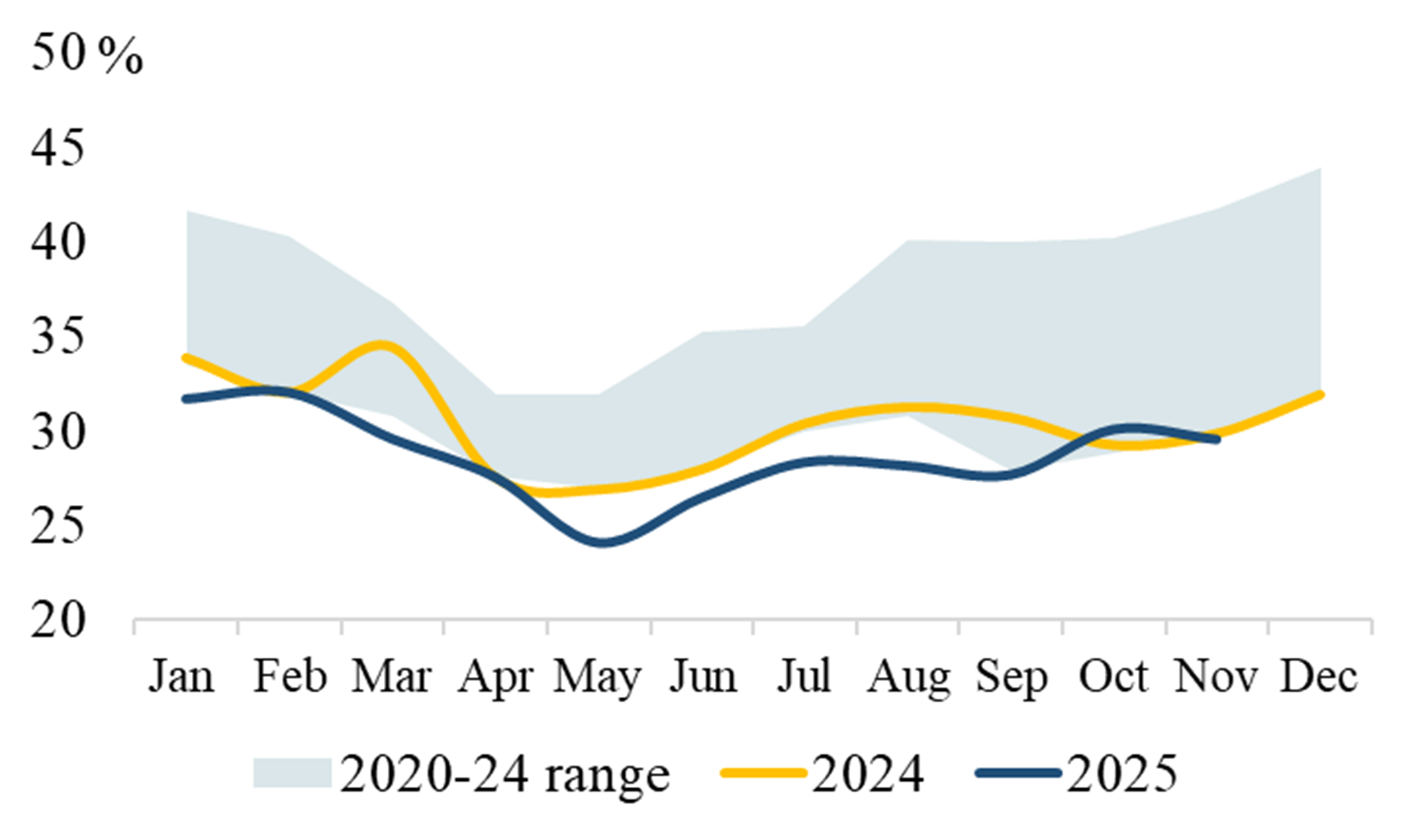
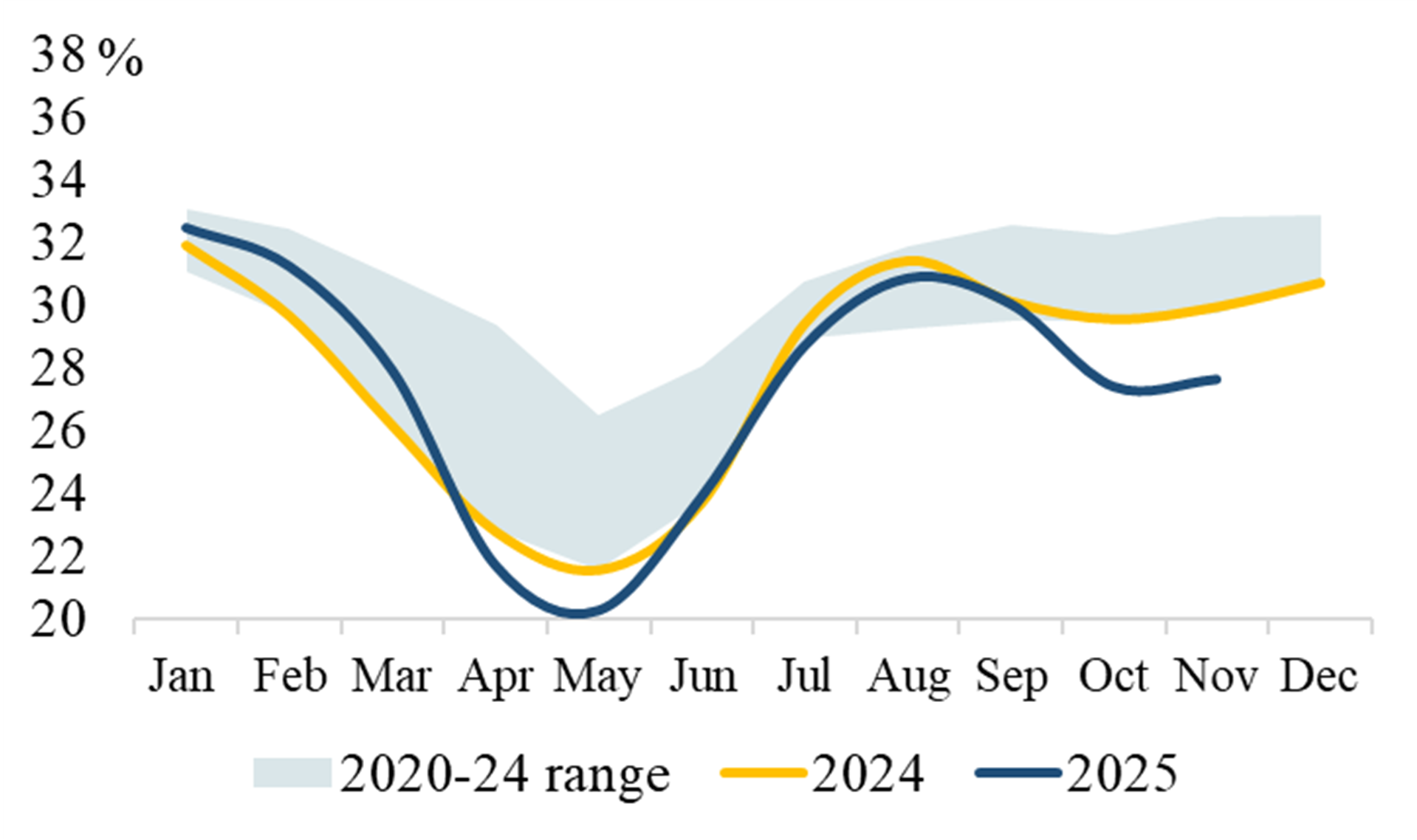
Exhibit 44 Share of Coal (%) Exhibit 45 Share of Wind & Solar (%)
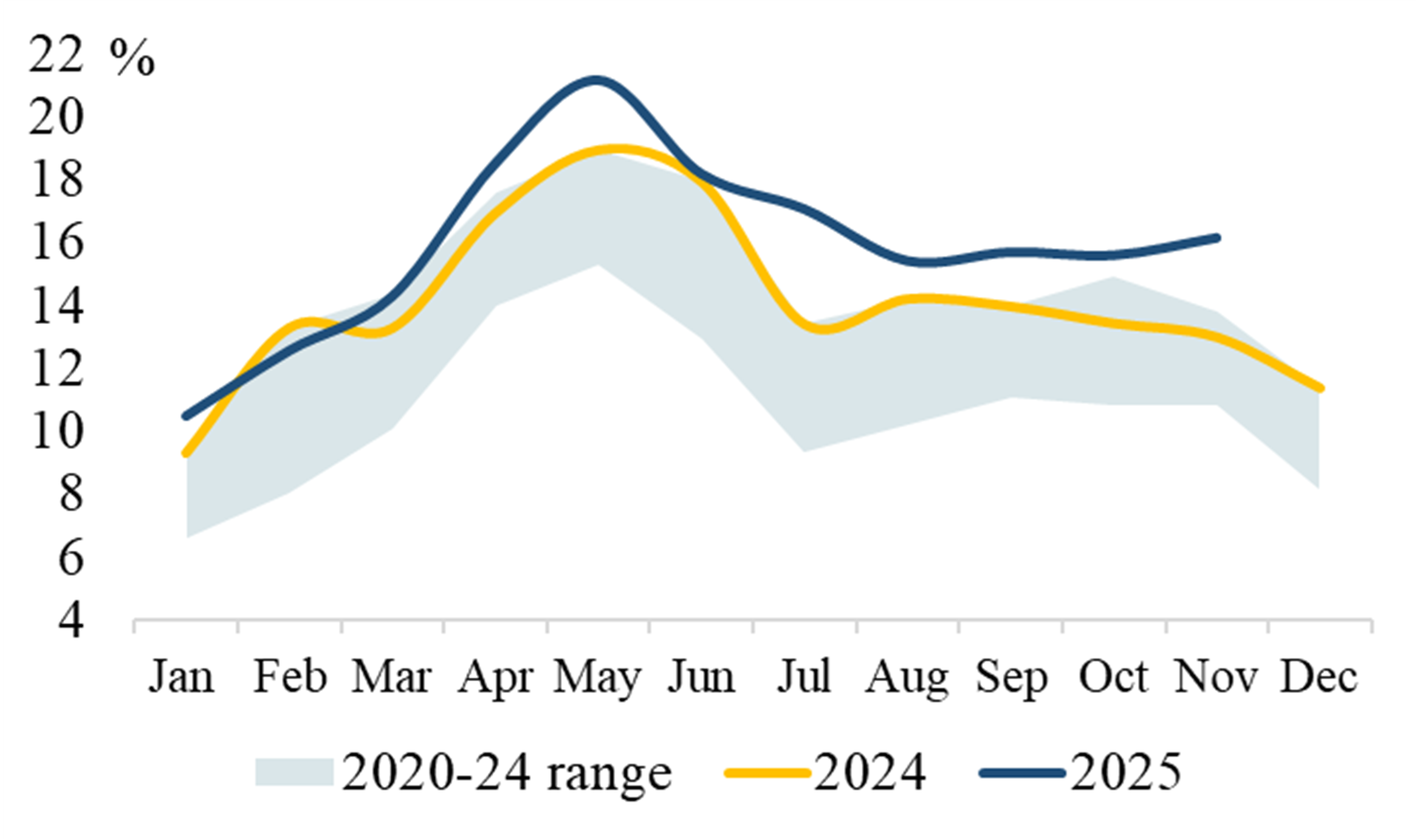
Source: EMBER
MIDDLE EAST
Energy Mix in Six Gulf Cooperation Council (GCC) Countries
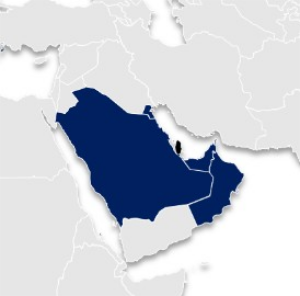
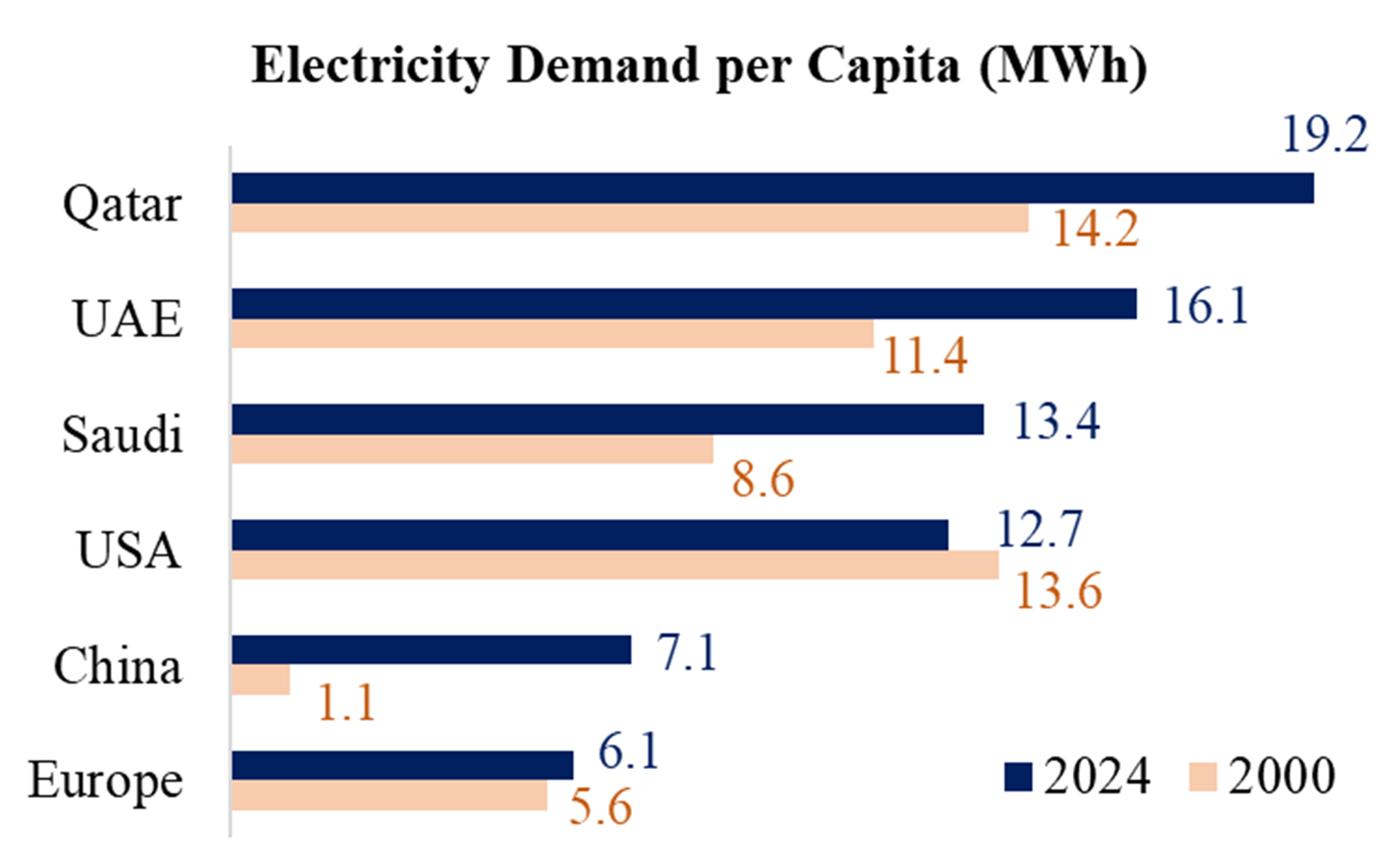
Exhibit 46 Saudi Arabia Power Gen (TWh) Exhibit 47 UAE Power Gen (TWh)
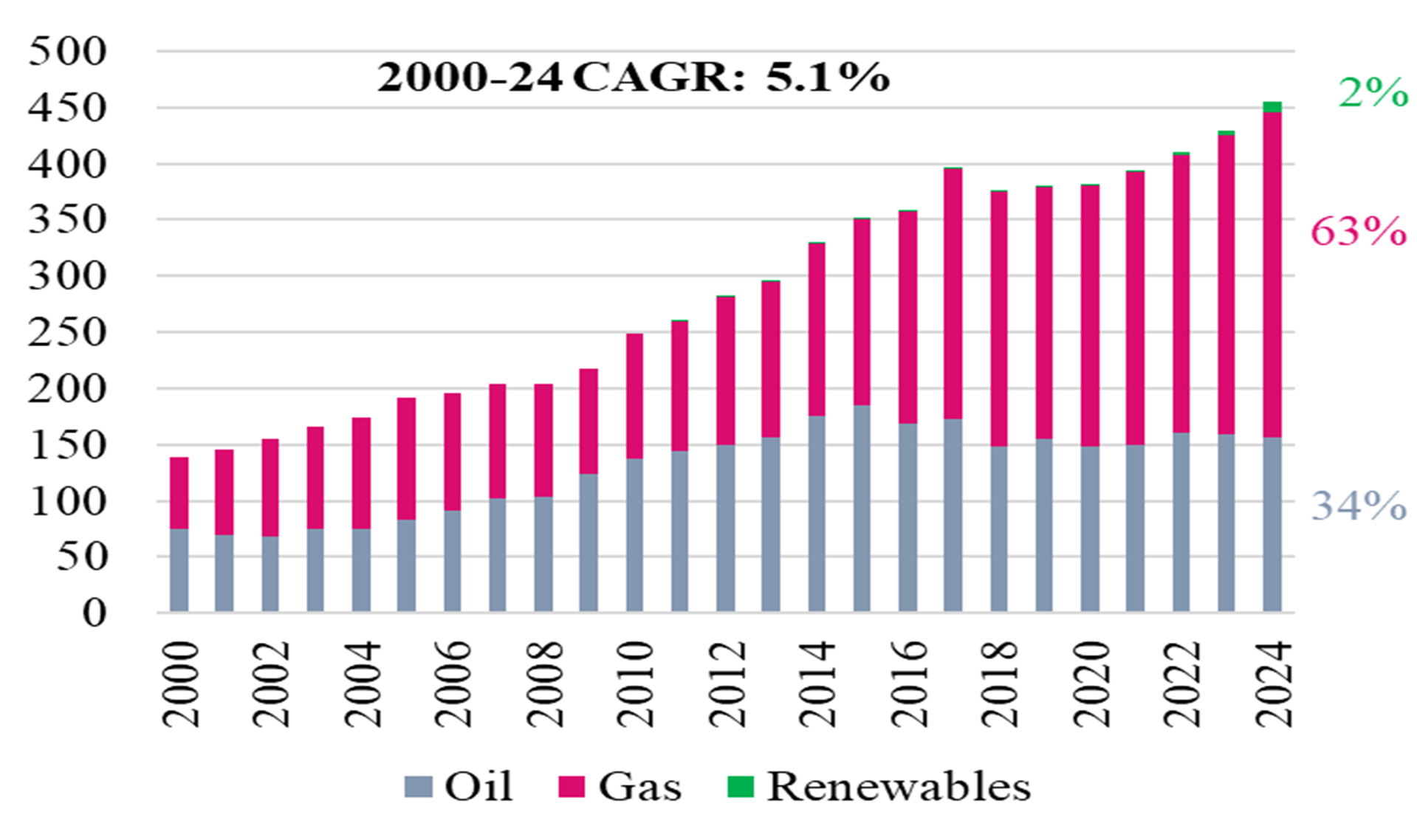

Exhibit 48 Qatar Power Gen (TWh) Exhibit 49 Kuwait Power Gen (TWh)
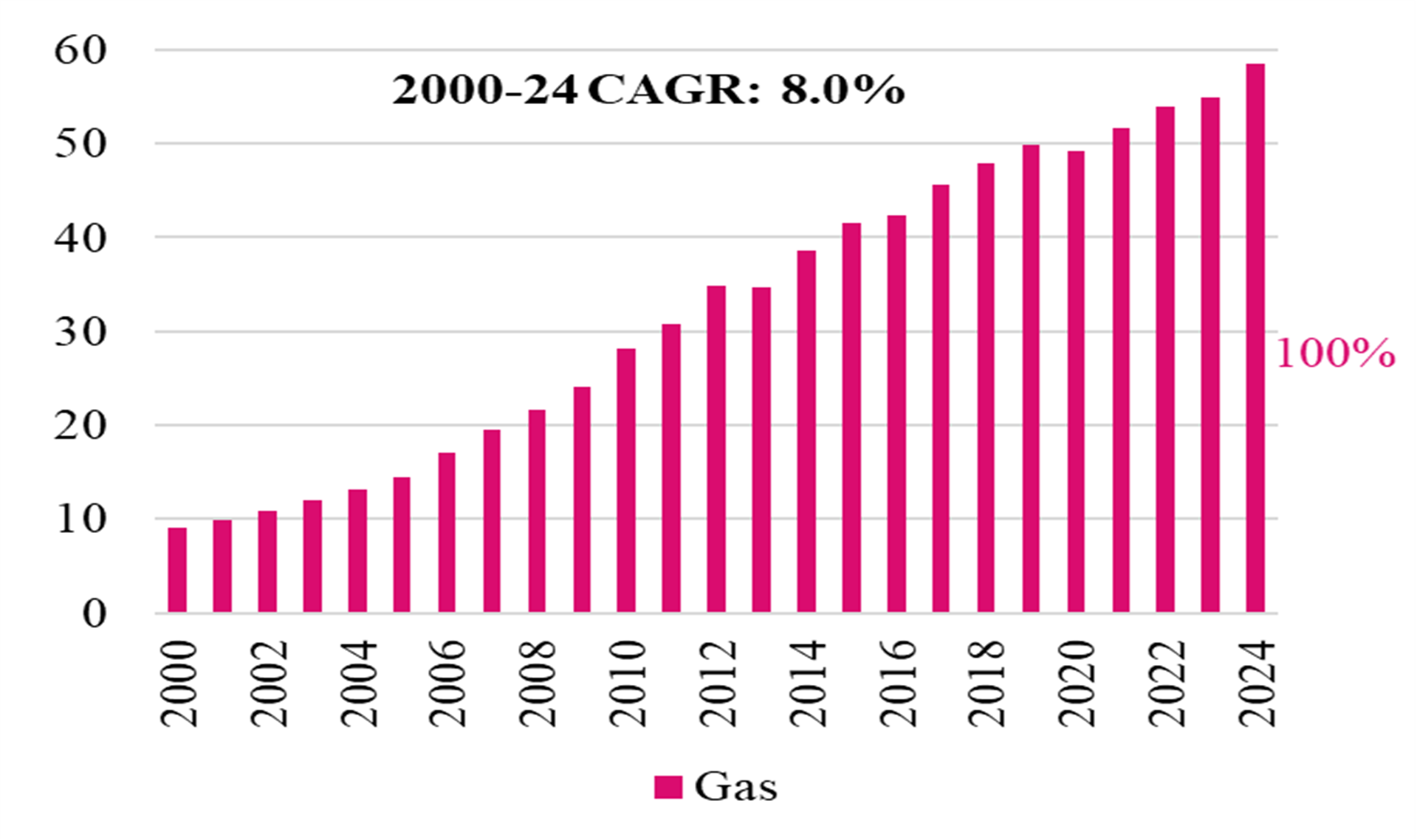
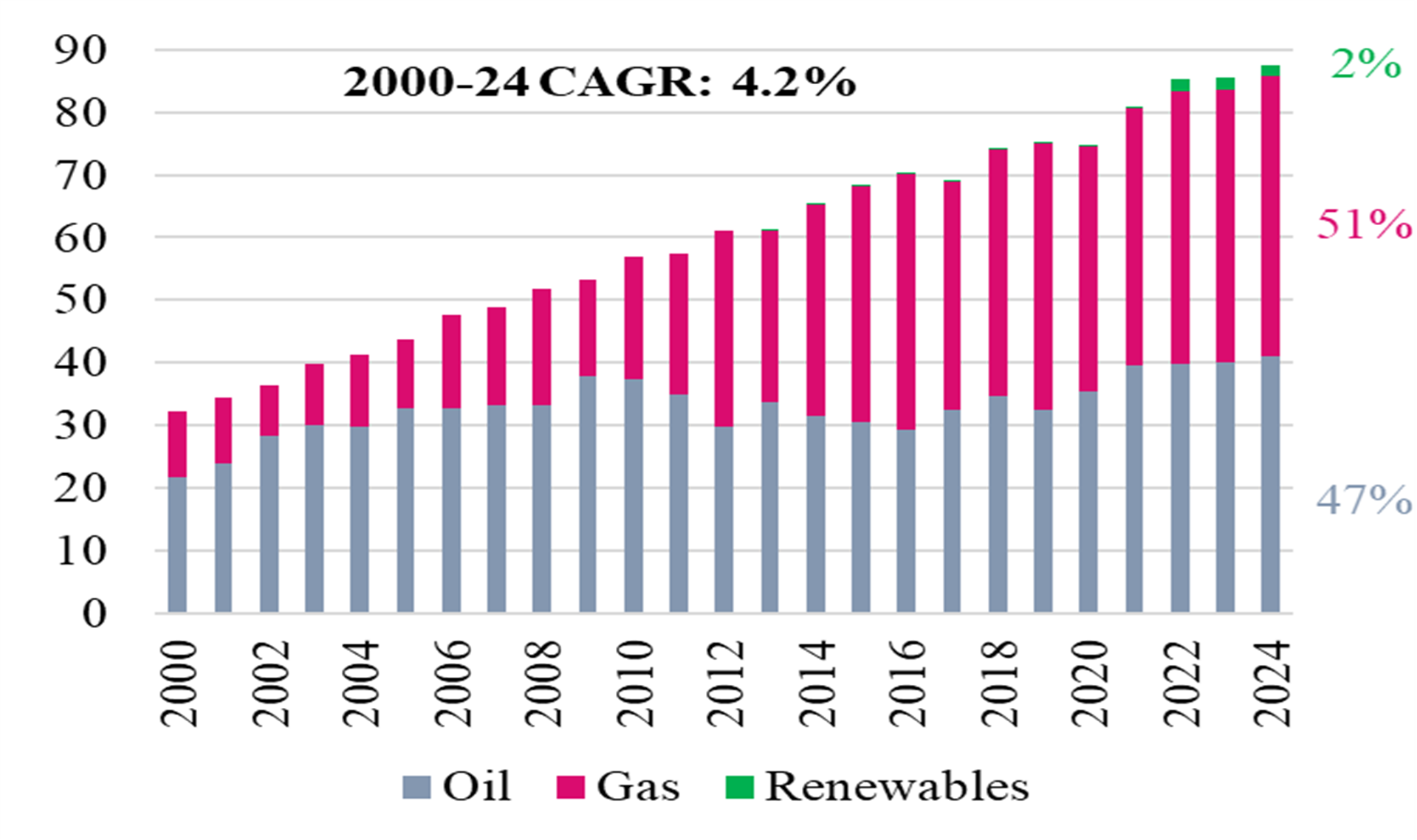
Exhibit 50 Oman Power Gen (TWh) Exhibit 51 Bahrain Power Gen (TWh)

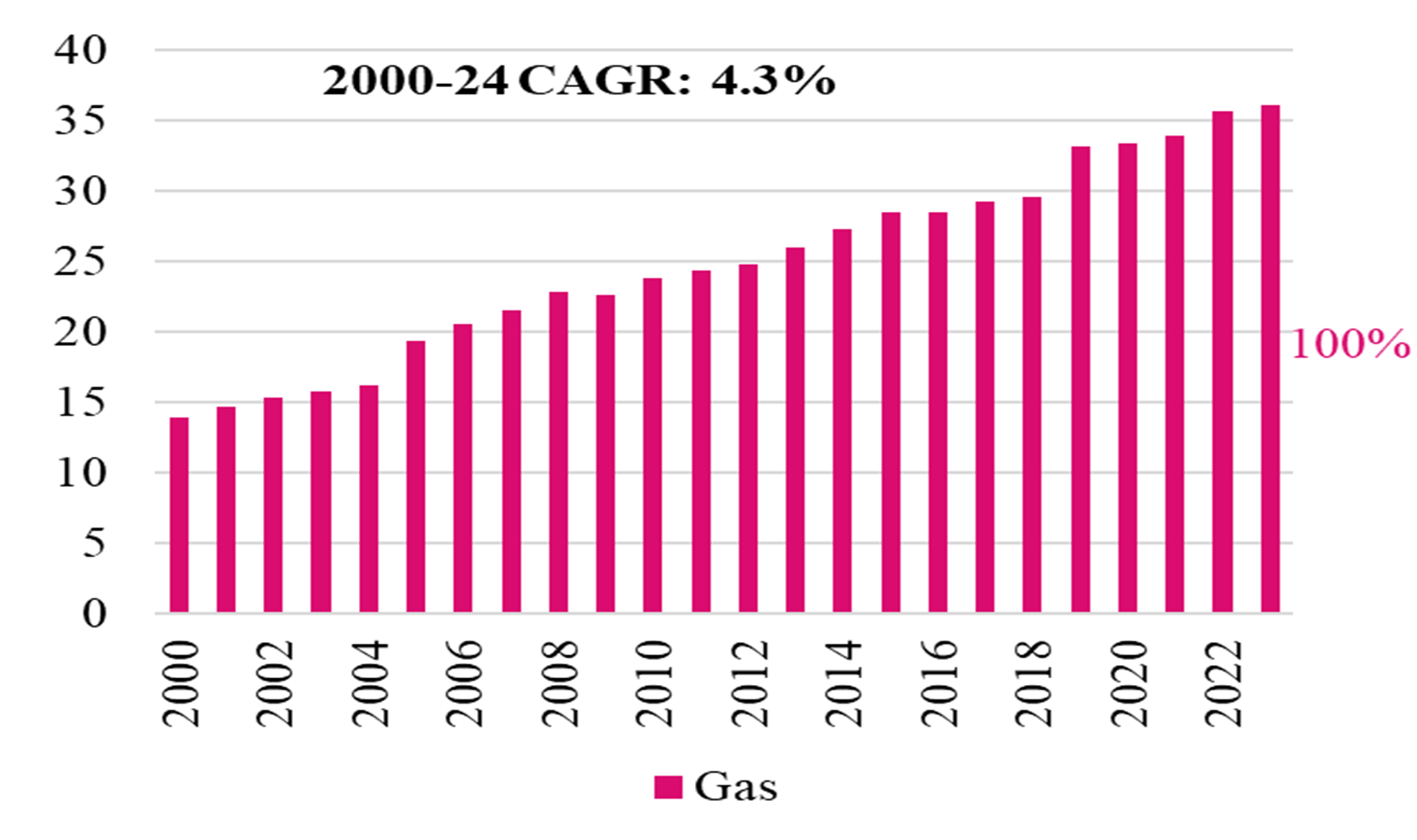
Source: EMBER
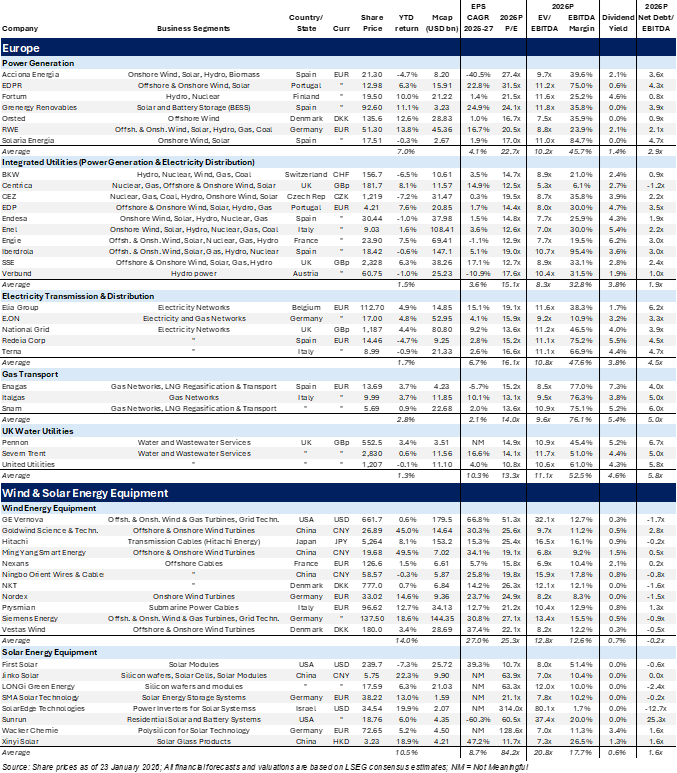
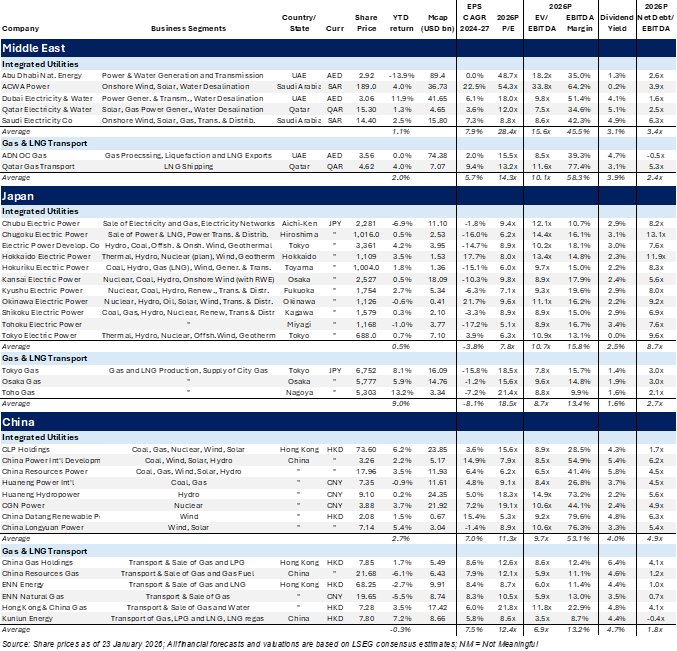
Table 4 Performance and Valuation Comps Table
191 MASON STREET, GREENWICH, CT 06830 Gabelli Funds TEL (914) 921-5100
This whitepaper was prepared by Jens Zimmermann, CFA, by Ashish Sinah, CFA, and by Chong-Min Kang. The examples cited herein are based on public information and we make no representations regarding their accuracy or usefulness as precedent. The Research Analysts’ views are subject to change at any time based on market and other conditions. The information in this report represent the opinions of the individual Research Analysts’ as of the date hereof and is not intended to be a forecast of future events, a guarantee of future results, or investments advice. The views expressed may differ from other Research Analyst or of the Firm as a whole.
As of September 30, 2025, affiliates of GAMCO Investors, Inc. beneficially owned less than 1% of all companies mentioned.
Funds investing in a single sector, such as utilities, may be subject to more volatility than funds that invest more broadly. The utilities industry can be significantly affected by government regulation, financing difficulties, supply or demand of services or fuel and natural resources conservation. The value of utility stocks changes as long-term interest rates change
Investors should carefully consider the investment objectives, risks, charges and expenses of the Fund before investing. The prospectus, which contains more complete information about this and other matters, should be read carefully before investing. To obtain a prospectus, please call 800 GABELLI or visit www.gabelli.com
Returns represent past performance and do not guarantee future results. Current performance may be lower or higher than the performance data quoted. Investment return and principal value will fluctuate so, upon redemption, shares may be worth more or less than their original cost. To obtain the most recent month end performance information and a prospectus, please call 800-GABELLI or visit www.gabelli.com
Distributed by G.distributors, LLC., a registered broker dealer and member of FINRA.
This whitepaper is not an offer to sell any security nor is it a solicitation of an offer to buy any security.
For more information, visit our website at: www.gabelli.com or call: 800-GABELLI
800-422-3554 • 914-921-5000 • Fax 914-921-5098 • info@gabelli.com
Gabelli Funds, LLC is a registered investment adviser with the Securities and Exchange Commission and is a wholly owned subsidiary of GAMCO Investors, Inc. (OTCQX: GAMI).