December 2025: The Age of Electricity
What You Need To Know
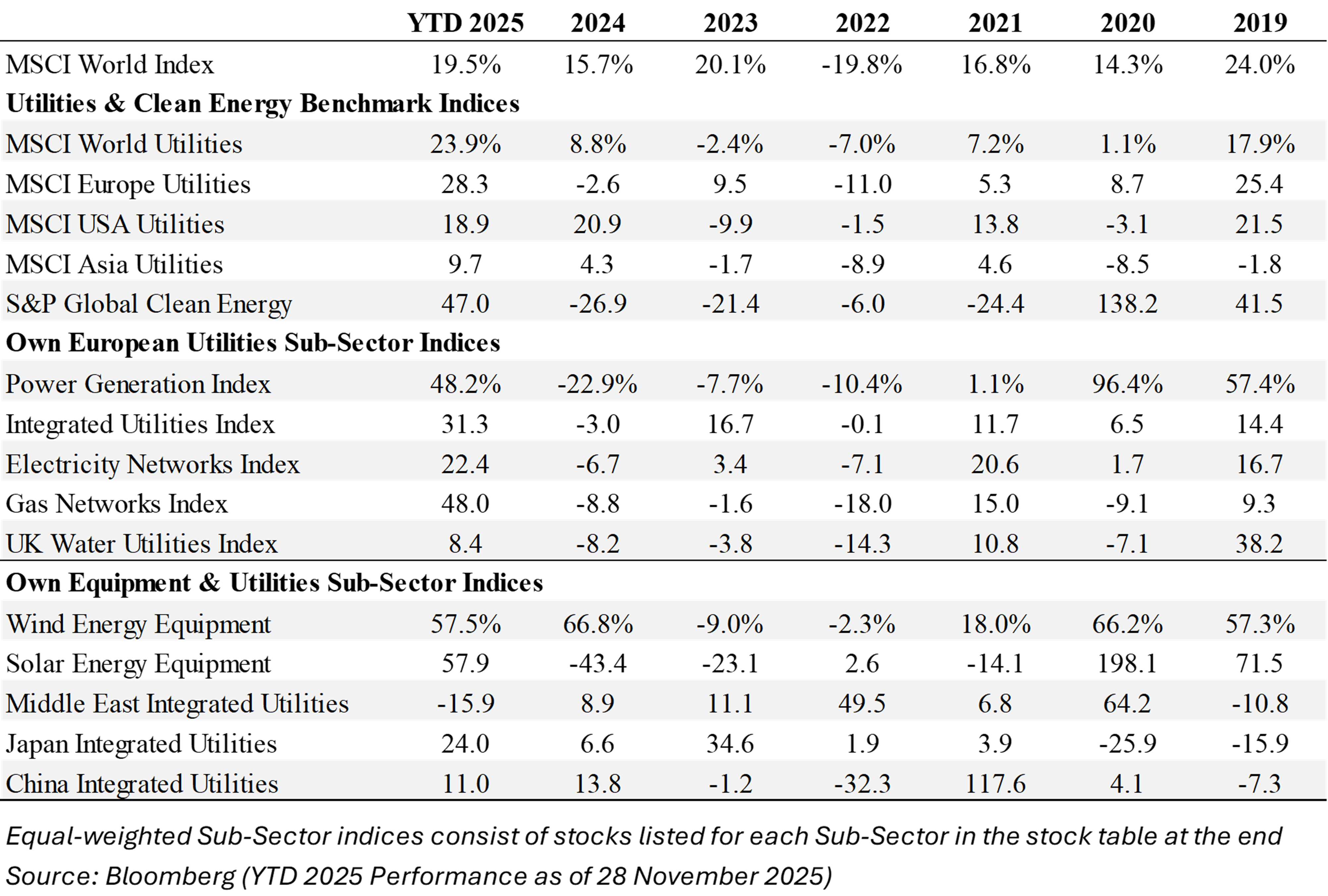
November was another strong month for Utilities stocks in general and for European Utilities in particular. While the broader market (MSCI World index) lost steam and finished November with a small loss, the MSCI World Utilities carried the strong October performance (+3.0%) into November (+1.8%), thereby outperforming the MSCI World benchmark by 2.6% so far in Q4 and by 4.4% YTD in 2025 (see Table 1). The solid sector outperformance in Q4 was primarily driven by European Utilities. After the MSCI Europe Utilities had already gained 7.4% in October on a leap of investors’ faith that quarterly earnings would be strong, investors were not disappointed in November when European Utilities added another 2.1% as companies delivered solid results along with several upbeat Capital Market Days that messaged strong earnings growth expectations for the next 3-5 years (see “Power Points”). Only the S&P Global Clean Energy index took a breather and fell 2.2% in November after it had jumped 11.9% in October and has already soared by 47% YTD in 2025 (see Table 1).
Table 1 Index Performances
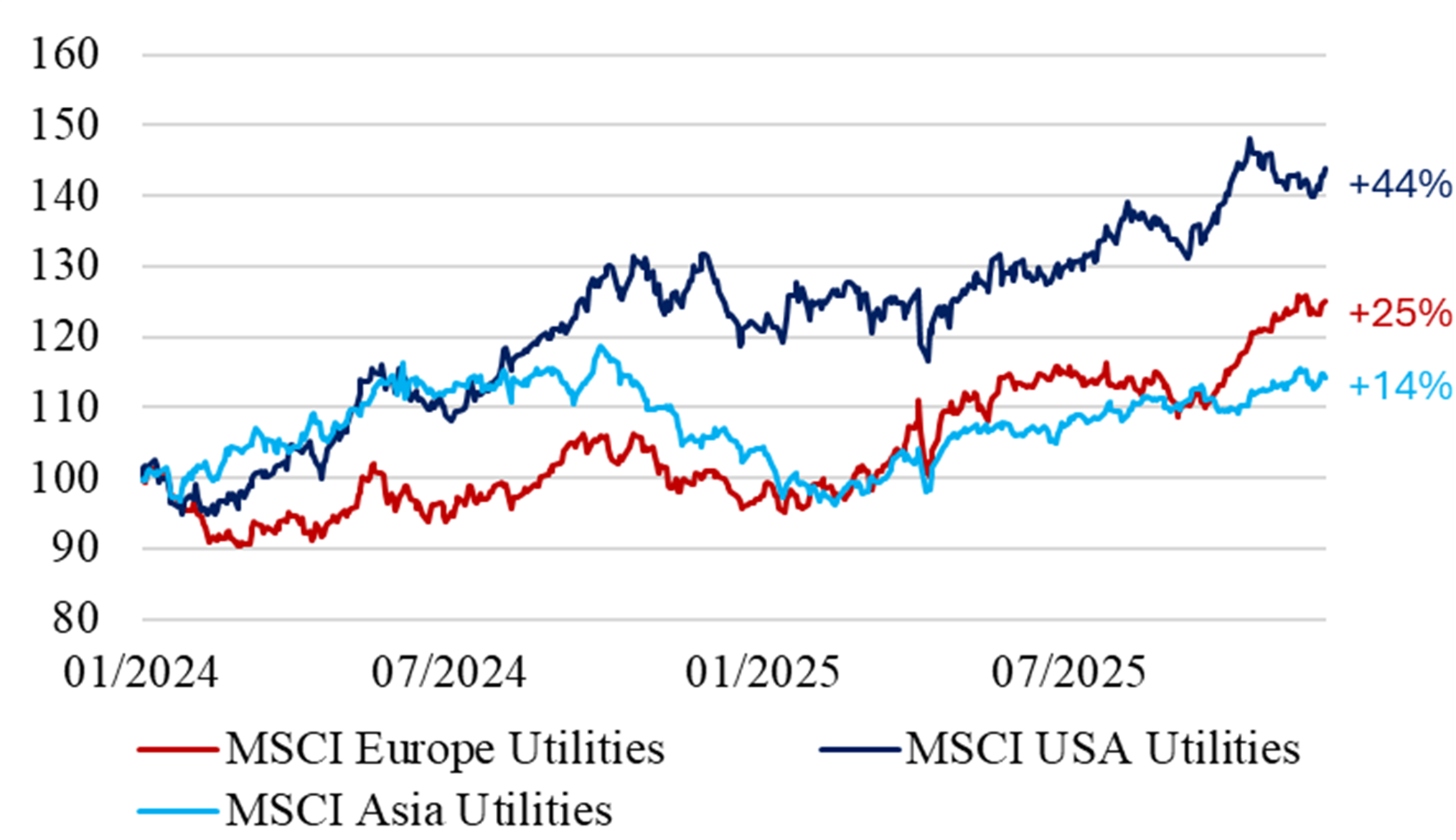
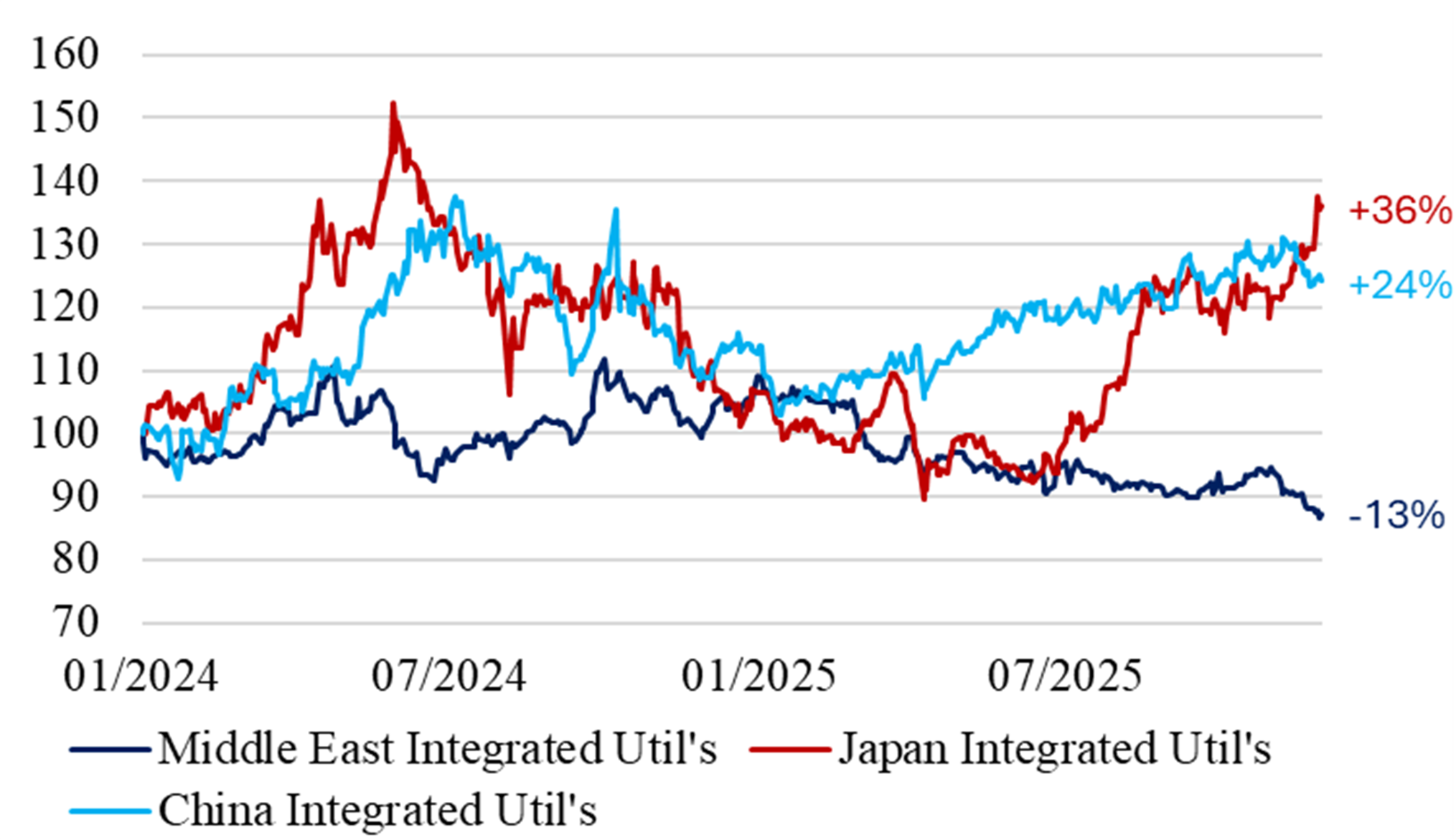
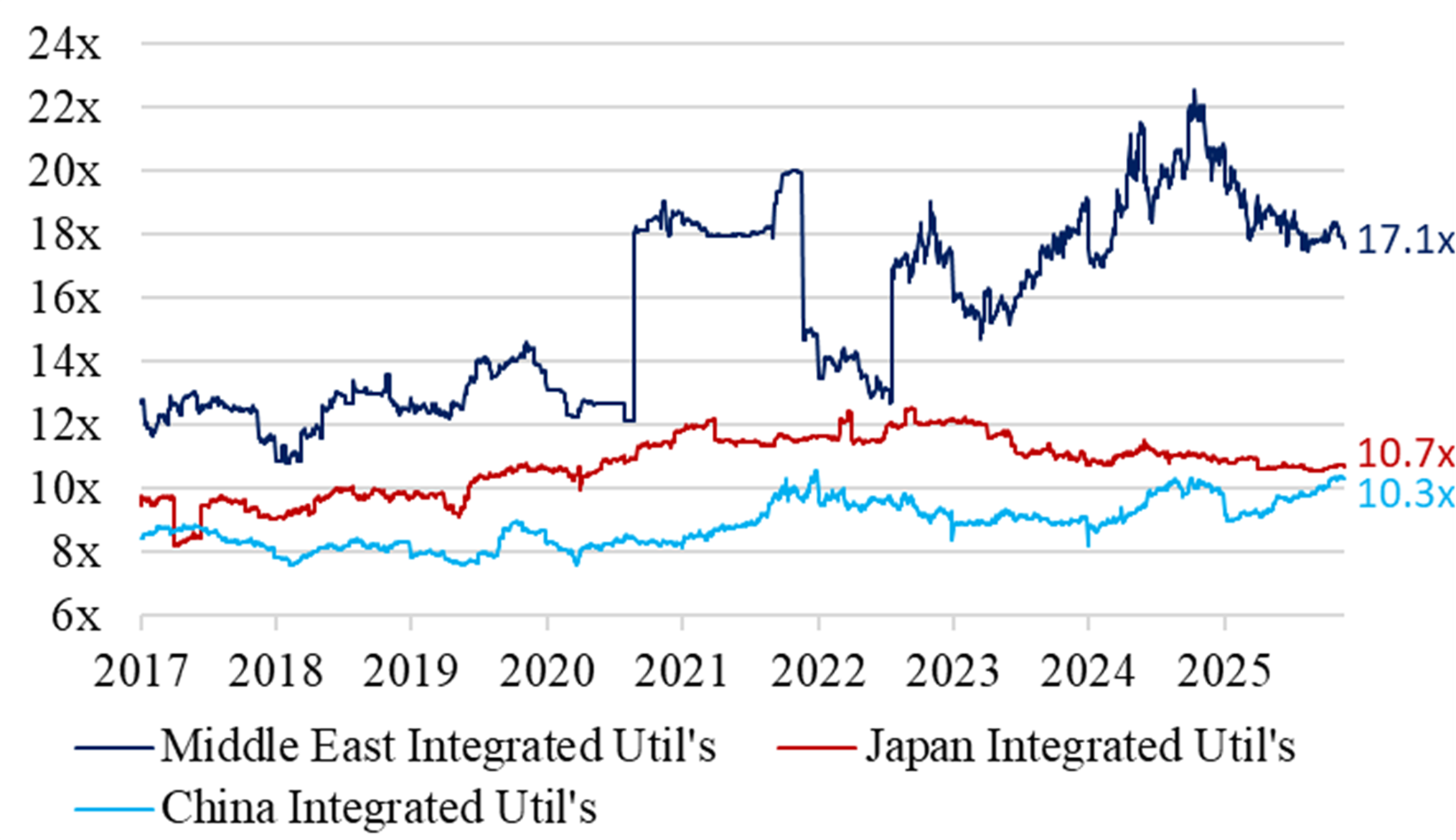
Despite the strong share price performance of the MSCI Europe Utilities in 2025, which has helped to narrow the underperformance to US Utilities over the past two years (see Exhibit 1, top row), European Utilities are not expensive as the 1-yr forward EV/EBITDA multiple of the MSCI Europe Utilities (8.5x) has only recovered to the upper end of its long-term valuation range (7.3x-8.3x) and it still reflects a 50% valuation discount to the 12.6x EV/EBITDA multiple of the MSCI USA Utilities (see Exhibit 2, top row). Similarly, while our customized equal-weighted European Utilities sub-sector index “Integrated Utilities” has gained 29% and has outperformed our “Electricity Networks” (13%) and “Power Generation” (+12%) indices, it is still trading at the lowest EV/EBITDA multiple of 8.3x compared to “Power Generation” (10.7x) and “Electricity Networks” (11.6x). Finally, the “Takaichi trade” has lifted Japanese Utilities to a 36% gain (see Exhibit 1, bottom row), but the EV/EBITDA multiple of 10.7x is only sitting at the average (10.7x) of its historical 9.8x-11.7x valuation range (see Exhibit 2, bottom row).
Exhibit 1 Short-Term PERFORMANCE Exhibit 2 Long-Term VALUATION
(rebased since 2024) (1-yr Forward EV/EBITDA since 2017)
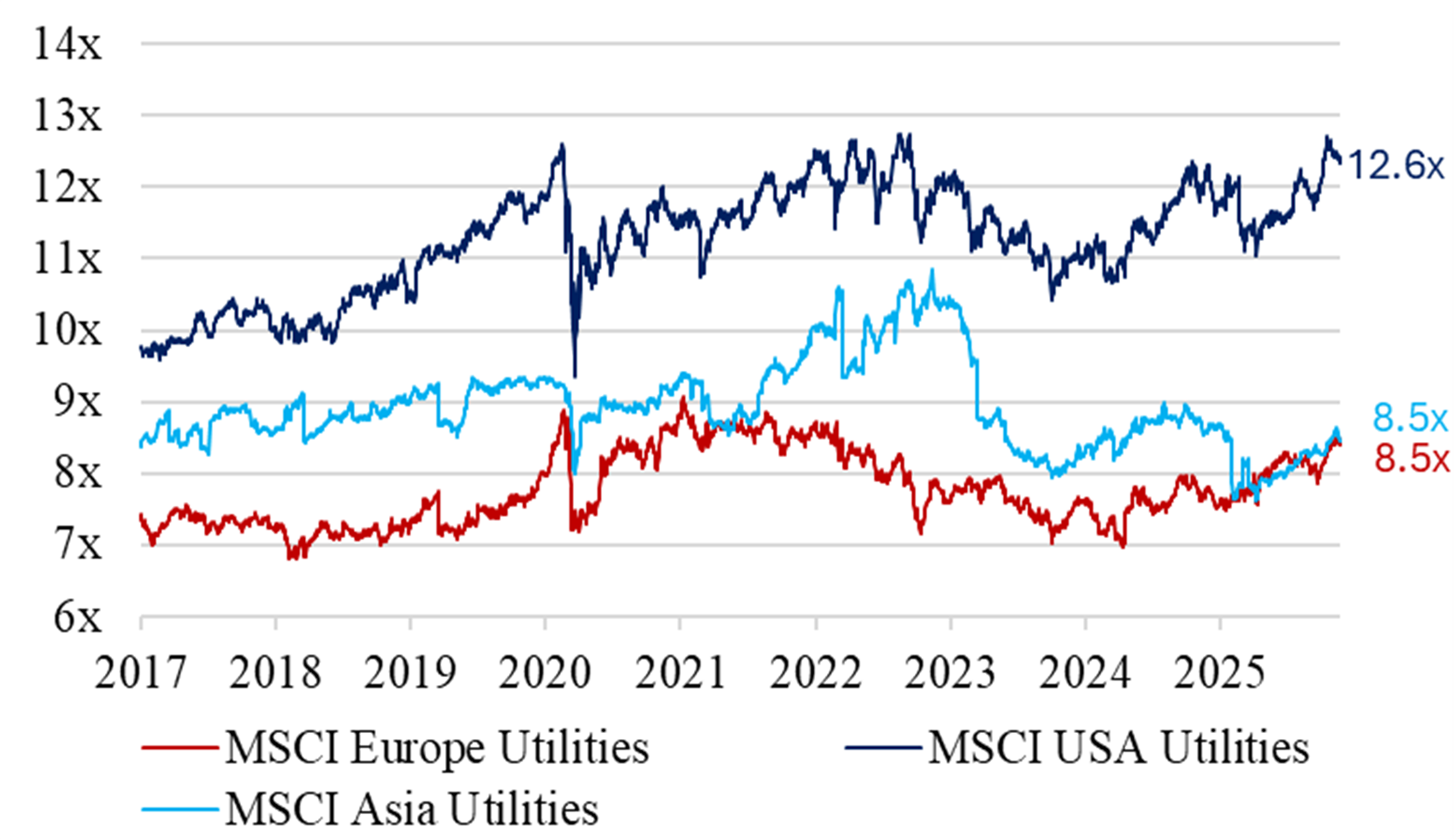
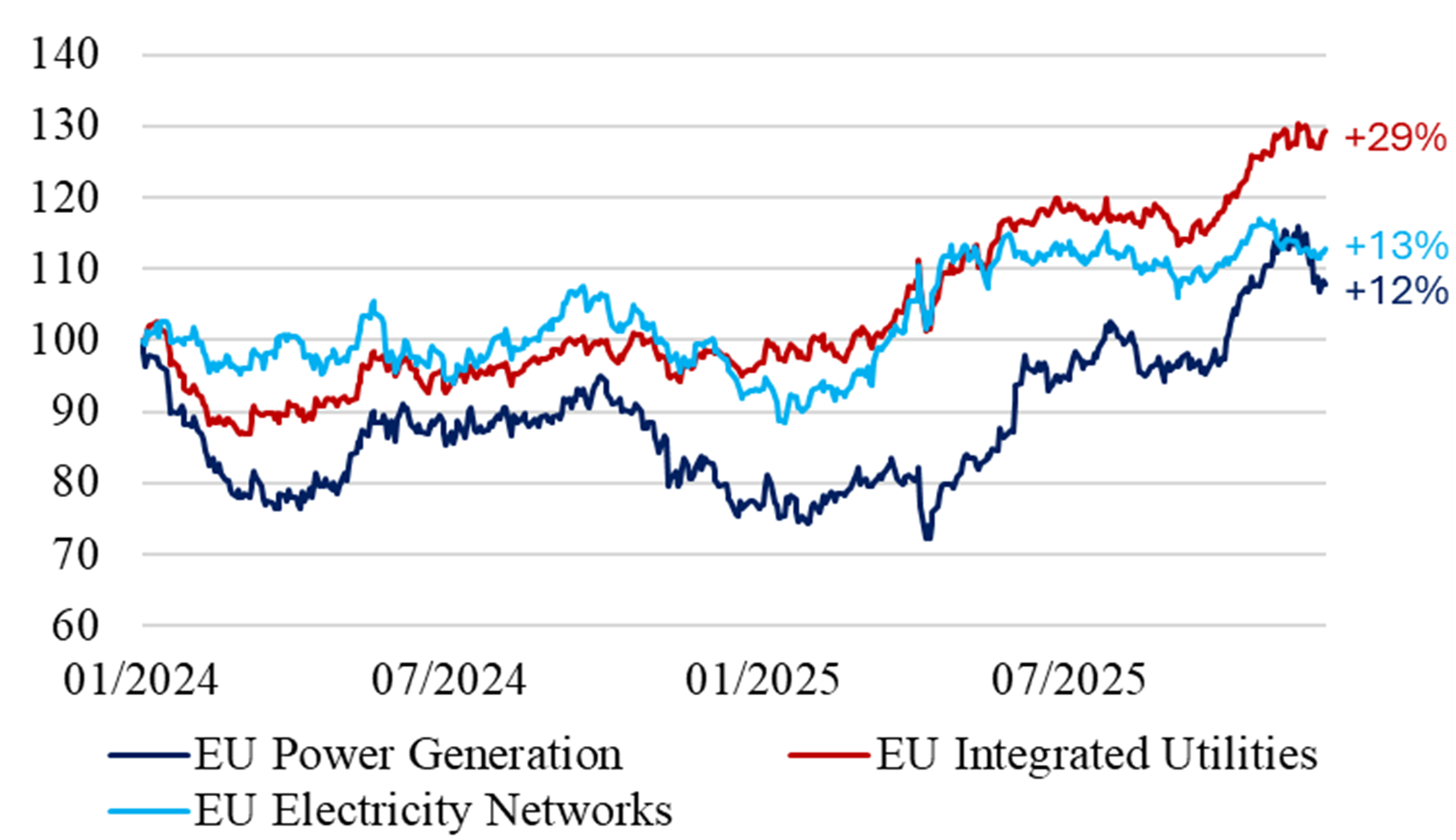
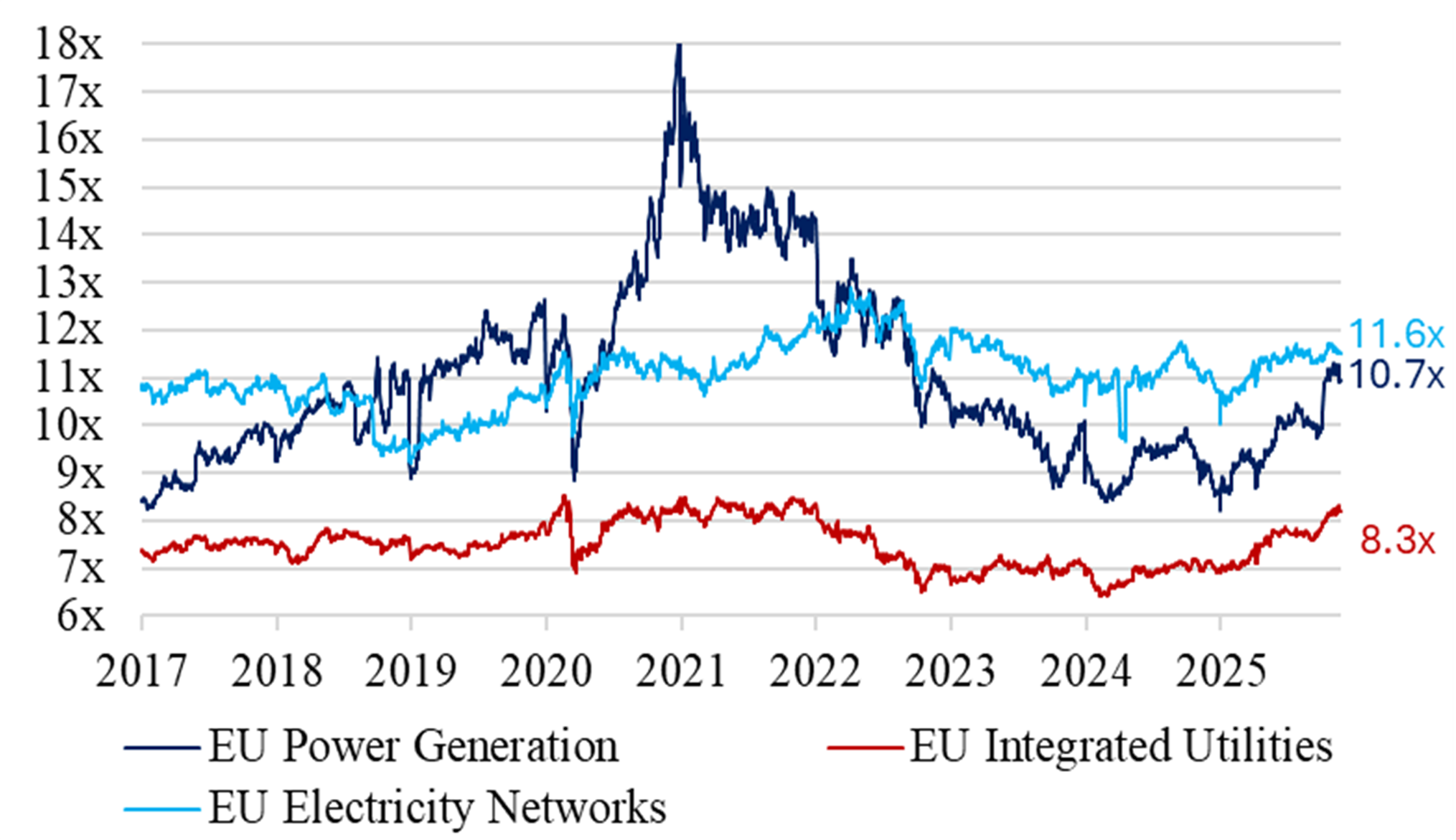
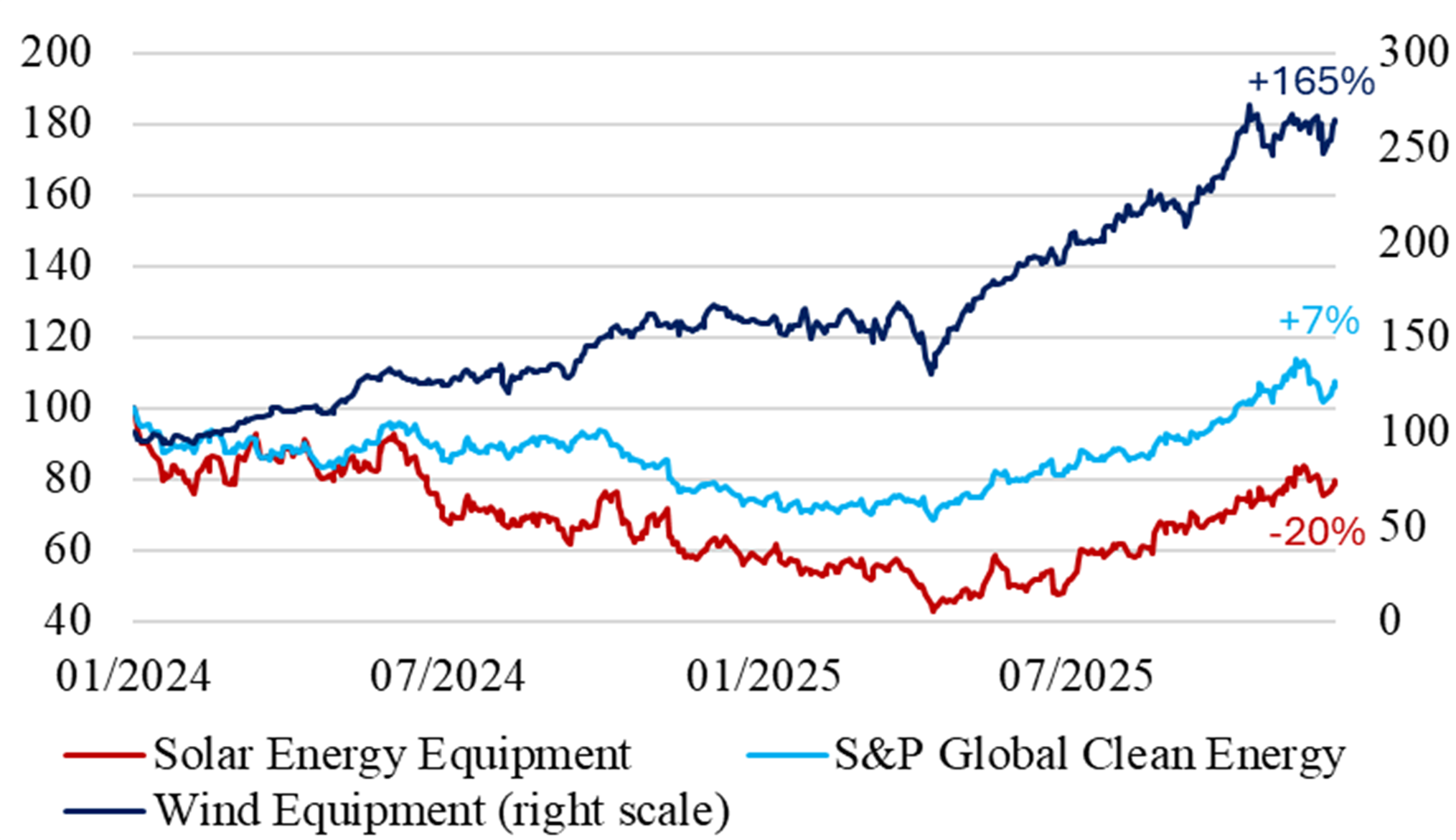
Source: Bloomberg (Prices and Valuations as of 28 November 2025)
Monthly Focus: The Age of Electricity has arrived
What is driving Global Power Demand? In the newly published World Energy Outlook (WEO) 2025, the International Energy Agency (IEA) distinguishes three scenarios for its electricity demand forecasts: the Current Policies Scenario (CPS) considers only policies and regulations that are already in place while the Stated Policies Scenario (STEPS) also includes policies, which have been formally approved but not yet adopted. The Net Zero Emissions by 2050 (NZE) Scenario maps out the policy and investment pathway that would be required to reach net zero CO2 emissions by 2050 (and to limit global warming to 1.5% Celsius by 2100).
According to the IEA, electricity demand grows much faster than overall energy use in all IEA scenarios, by around 40% until 2035 under the CPS and the STEPS, and by more than 50% in the NZE Scenario because the NZE requires a faster electrification of the economy to reach net zero by 2050. As such, the CPS and STEPS reflect more conservative power demand growth expectations than the NZE, which represents the most bullish case. Exhibit 3 shows the projected power demand growth in several regions until 2050 under the most conservative Current Policies Scenario.
Exhibit 3 Electricity Demand Growth under CPS
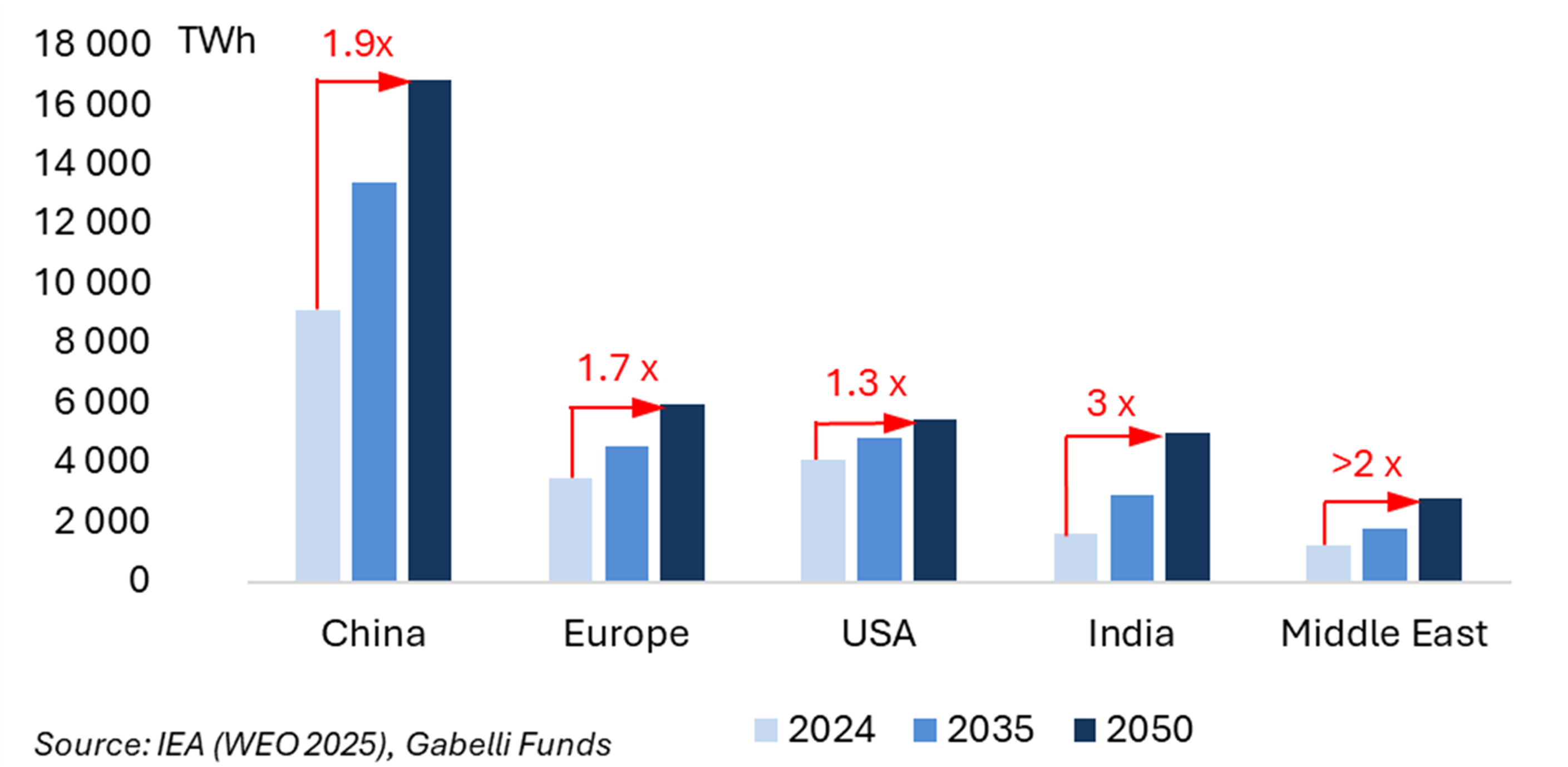
Electricity demand growth is driven by several factors across the world. As low- and middle-income countries grow their income per capita and advance to become upper middle-income economies, their electricity consumption automatically increases with rising incomes and GDP growth. In contrast, power demand in advanced economies is primarily driven by the electrification of their economies, which requires more electricity for electric mobility, data centers and electrified heating appliances as well as air conditioners.
Investors are reacting to this trend: spending on electricity supply and end-use electrification already accounts for half of today’s global energy investments. The economic and social costs of blackouts (such as the one in Spain this year) underscores the importance of secure and affordable electricity supply.
Power Grids have become the Bottleneck for Demand Growth: An important issue for electricity security in the Age of Electricity is the speed at which new grids, battery storage, dispatchable power generation and demand-side flexibility can be made available. While investments in renewable electricity generation technologies have jumped by almost 70% since 2015 to reach USD 1 trillion per year in 2024, annual grid spending has lagged and has reached only less than half the amount (USD 400 billion) annually.
This grid under-investment has caused congestion in power networks, has delayed the connection of new wind & solar power plants to the grid and has also pushed up electricity prices in Europe (see Table 2). In addition, slow permitting and tight markets for grid components (such as transformers) are also holding back the development of new grid projects. Power supply risks have been partially mitigated by more battery storage (77 GW were added globally in 2024), but batteries can still only provide short-term flexibility for the grid.
Strong electricity demand growth from data centers and AI has already occurred in advanced economies and in China, which together account for about 82% of global data center capacity. Until 2035, more than 85% of new data center capacity is expected to be added in the United States, China and in Europe. Electricity consumption by AI-optimized servers is projected to increase fivefold by 2030, which will lead to a doubling of total electricity consumption by data centers until 2030. However, despite this rapid growth, data centers account on average for less than 10% of global power demand growth between 2024 and 2030, whereas other sources, such as industries, EVs and air conditioners, account for most of the growth in electricity demand. In China and in Europe, data centers account for 6-10% of the growth in electricity demand until 2030, compared to 50% in the United States, which is the world’s largest market for data centers.
This incremental power demand from data centers will put additional strain on already congested grids, leading to longer connection queues for new data centers in many regions. While queue times are one to three years in the United States on average, it can take up to seven years to get connected in northern Virginia. In the United Kingdom and in parts of continental Europe, the average queue time could be as long as seven or ten years. In Dublin, a European data center hub, new data center connection requests have been paused until 2028. Therefore, decommissioned coal power plant sites with existing grid connections are in high demand by data center operators (as RWE’s recent deal with an unnamed hyperscaler in the UK shows, see “Power Points”).
Grid Investment Needs: As global power grids become the main bottleneck for meeting growing power demand, grid systems need to develop in tandem with power generation systems. Power grids need to expand to meet growing electricity demand and to connect new power generation sources. Growing power demand is responsible for over 90% of the required grid expansion until 2050 (adding 65 million km to currently around 80 million km in operation), while less than 10% of new grid lines are required for the deployment of solar and wind farms that are often located far away from demand centers.
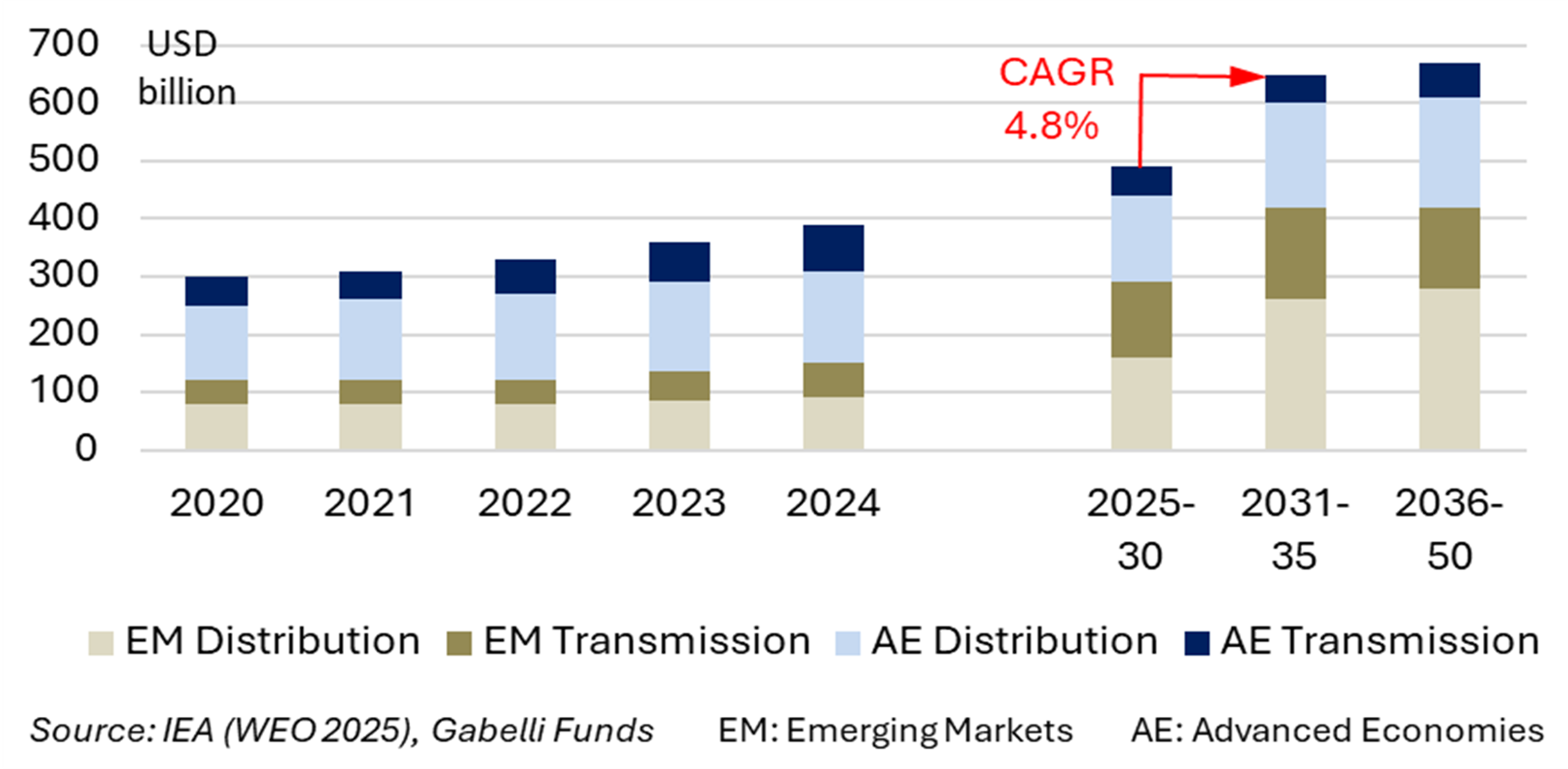
Annual spending for power grids rose by 2.5% per year on average between 2013 and 2024, increasing from under $300 billion to nearly $390 billion globally in 2024 (see Exhibit 4). While China invested more than $80 billion in power grids in 2024, the United States more than doubled grid investments to nearly $110 billion between 2013 and 2024. The European Union saw a 60% rise over the same period to nearly $70 billion, mostly for integrating intermittent renewables and for cross-border grid developments. Going forward, global grid investments are projected to increase at a CAGR of almost 5% until 2035, with annual grid-related investment spending projected to reach about $650 billion in 2035 and about $670 billion in 2050. Finally, the majority (about 80%) of grid investments will be spent on distribution networks (only about 20% for transmission networks), both in Advanced Economies (AE) and in Emerging Markets (EM).
Exhibit 4 Annual Power Grid Investments
Private Market Value (PMV) Watch – Deals, Deals and more Power Sector Deals
WIND & SOLAR Assets
Orsted announced farm-down of 50% stake in Hornsea to Apollo (3 November 2024): Orsted has agreed to divest a 50% stake in its 2.9 GW UK offshore wind project Hornsea 3 to Apollo Global Management for an Enterprise Value (EV) of about DKK 39 billion. About DKK 20 billion will be paid up-front, with the remaining to be paid progressively upon achieving certain construction milestones. The EV/MW multiple for the 50% farm down of DKK 26.9 million (or €3.6 million) implies no sales gain and indicates that the disposal was predominantly aimed at further de-risking the balance sheet.
Iberdrola sells operating onshore wind assets in France (24 November 2025): According to news reports, Iberdrola has reached an agreement to sell its onshore portfolio in France to the renewable energy group Technique Solaire. The onshore portfolio consists of 118 MW of operating wind capacity, as well as 639 MW of onshore wind and solar projects under development. Although the sales price was not disclosed, according to market sources the assets were sold between €100 million and €170 million, which implies a private market EV/MW multiple range of €0.85 million and €1.44 million for the operating wind assets.
Acciona Energia negotiates sale of wind assets (26 November 2025): Acciona is negotiating the sale of its wind asset portfolio in Galicia to Recursos de Galicia, a public-private partnership led by the regional government. The onshore wind portfolio comprises 26 wind farms with a total installed capacity of around 555 MW and it is valued at around €700 million. The private market transaction would imply an EV/MW multiple of €1.26 million, which is an attractive valuation for high quality wind assets that are also old and soon need repowering (the regional government of Galicia requires mandatory repowering for wind assets after 25 years in operation).
Acciona Energia sells wind & solar assets in South Africa (27 November 2025): Acciona announced it has reached an agreement with Cennergi to sell its 55% stake in two wind & solar projects in South Africa (232 MW in operation since 2014-15) for an EV of €255 million. The private asset sale implies an EV/MW multiple of €1.1 million. The transaction is also expected to lead to a €65 million asset rotation gain.
HYDRO Assets
Iberdrola sells hydro power plant to EDF (24 November 2024): Iberdrola’s Brazilian power company Neoenergia has signed a contract to sell the hydro power plant Dardanelos to EDF Brasil Hidro Participacoes for an EV of BRL 2.515 billion (€404.17 million). Neoenergia sells EAPSA (the firm that operates Dardanelos), which is located in Brazil’s central-western state of Mato Grosso and has an installed capacity of 261 MW. The private market transaction implies an EV/MW multiple of €1.54 million for the hydro power asset.
WASTE Assets
Veolia acquires US hazardous waste company Clean Earth (21 November 2024): Veolia said that it intends to double its US hazardous waste footprint to create a number two player in a fast-growing sector, with a nationwide operational platform, wider market coverage and an advanced portfolio of technical capabilities. It will also enable Veolia to strengthen its presence in fast growing industries such as retail and healthcare allowing it to offer a full range of environmental services on a nationwide basis. Clean Earth was acquired for an EV of $3 billion (or €2.6 billion), which represents a private market EV/EBITDA multiple of 9.8x for 2026 post-synergies and an EV/EBITDA multiple of 15x pre-synergies.
GAS Assets
TotalEnergies buys thermal power generation assets (18 November 2024): TotalEnergies announced the signing of an agreement with Czech Energetický a průmyslový holding (EPH) for the acquisition of 50% of its flexible power generation assets (gas-fired and biomass power plants, batteries) across Western Europe (Italy, UK and Ireland, Netherlands, France), excluding coal-fired assets. The 14.4 GW portfolio of thermal assets is valued at an EV of €10.6 billion, which reflects a 2026 EV/EBITDA multiple of 7.6x (according to the company) or an EV/MW multiple of €0.736 million. This EV/MW multiple sits at the lower end of the range of transaction multiples that were paid in 2025 when gas power plants were sold in private market deals in the USA for EV/MW multiples of $0.731 (€0.630) million (for older plants) up to $1.17 (€1.01) million (paid by Talen Energy for CCGTs).
Power Points
EUROPE
RWE: Solid 9M 2025 results beat, confirmed 2025 guidance with data center opportunities
Adjusted EBITDA fell 13% YoY to €3.48 billion but was 11% ahead of consensus (€3.14 billion) and the beat came equally from all four business segments. Despite the solid beat at the EBITDA and net profit level, management left the FY25 guidance range unchanged. Along with the 9M 2025 results, RWE also announced sale of land at a former coal power plant site in the UK (with 300 MW grid connection) for a €225m book gain to an unnamed hyperscaler. The company is working on 10 similar-sized data center projects across Germany, the UK, and the Netherlands, which implies that RWE could sell an additional 3 GW of available grid connection capacity to data centers.
EDP: Strong profit beat in Q3 2025 and in-line financial targets at Capital Markets Day
Adjusted EBITDA of €1,142 million beat the consensus by 10% and adjusted net profit of €222 million was also 7% ahead of consensus. At the CMD, EDP released the EBITDA and net profit guidance for FY25, FY26 and FY28, which met expectations. EDP targets gross capex of €12 billion and asset rotations of €7 billion in 2026-28: asset rotations focus on renewables, while 45% of capex goes to power grids and 36% to renewables. The dividend policy sets a 60-70% payout target and a DPS floor of €0.20 in FY25 & FY26, €0.205 in FY27 and €0.21 in FY28.
Enel: Modest beat in Q3 2025 and slightly raised FY25 net income guide; data center optionality
Q3 EBITDA of €5,794 million was 2% ahead of company-provided consensus and Q3 net income of €1,880 million was 6% above company consensus. Enel reiterated the EBITDA guide of €22.9-23.1 billion (consensus at €23 billion) but raised the net income guidance to above €6.9 billion in line with consensus of €6.94 billion (previous guide was €6.7-€6.9 billion). Data centers are a growth opportunity with industrial sites that have network connections to provide PPAs at premium prices to baseload power prices.
Terna: In-line 9M 2025 results and confirmed 2025 guidance; strong demand for data centers in Italy
9M 2025 EBITDA of €2,026 million was in line with consensus and 9M 2025 net profit of €853 million also met the consensus. The company also reiterated its FY25 guidance and did not make any changes to its mid-term targets as laid out in the 2024-28 Industrial Plan. Terna sees strong and continuous growth in data center connection requests in Italy with 64 GW of high voltage requests as of 31 October 2025.
Engie: Entering India’s utility-scale energy storage market
Engie won its first Battery Energy Storage System (BESS) project in India with a capacity of 280 MW/560 MWh. The BESS project is scheduled to start in 2027 and will store up to 2 hours of electricity. As of June 30, 2025, Engie had nearly 2 GW of wind & solar capacity in operation or under construction in India and the company aims to increase its installed renewable energy & storage capacity in India to 7 GW (and globally to 95 GW) by 2030.
Severn Trent: Slight beat in 1H 2025/26 results; announced new CEO and reiterated FY26 revenue
1H FY25/26 results (ending Sep 2025) were slightly ahead of expectations: Revenues of £1.4 billion (+18% YoY) with regulated revenues up 19% YoY (from annual CPIH + k uplift tariffs, new AMP8 revenue allowance and higher non-household consumption), EBIT of £466 million (+56% YoY) from higher revenues and lower energy costs; FY25/26 interim dividend was 50.4 pence (+3.5% YoY). CEO Liv Garfield stepped down after 11 years and was replaced internally by James Jesic, who has been 22 years with the company. On FY25/26 guidance, the company reiterated revenues of £2.6 billion but lowered the opex target to 5-8% YoY growth (vs. around 12% YoY before). The guidance for finance costs was raised to a 25-30% YoY increase (from 20-25%) and for the FY26 ODI (Outcome Delivery Incentive) target to £40 million from £25 million (total ODI target in AMP8 stays at £300 million).
United Utilities: Solid beat in 1H 2025/26 and reiterated FY25/26 guidance
1H FY25/26 revenues (ending Sep 2025) of £1,309 million (+21% YoY vs. consensus of £1,309 million) and operating profit of £562 million (+67% YoY vs. consensus of £531 million). Interim dividend per share was 17.88p (+3.5% YoY) in line with the policy of CPIH growth. FY25/26 guidance was confirmed: revenues increase to £2.5-2.6 billion, opex declines, D&A increase by £50 million, financial expenses increase by £50 million and capex about £1.5 billion (versus “over £1.5 billion” previously). New was the EPS guide of about 100p (met expectations).
MIDDLE EAST:
Dubai Electricity & Water Authority (DEWA): Solid Q3 2025 beat; guided for FY25 profit increase
Q3 2025 results showed a strong profit beat, even after stripping out a one-off gain of AED 574 million (for damages from contractors for project delays): the adjusted EBITDA of AED 5.6 billion was 9% above consensus and the adjusted net income of AED 3.0 billion was 6% ahead of consensus. Power generation grew 4.5% YoY reaching 20.5 TWh in 3Q 2025, of which 2.8 TWh came from clean electricity, and peak power demand increased 5.8% YoY to 11.4 GWh. Water desalination grew 6.7% YoY to 43.5 BIG (billion imperial gallons) and peak desalinated water demand grew 7.0% to 487 MIG (million imperial gallons). DEWA expects FY25 net profit will exceed the AED 7.01 billion from FY24, which compares to the current consensus net profit forecast of AED 7.36 billion.
ACWA Power (Saudi Arabia): Big profit miss in Q3 2025
Q3 2025 EBIT of SAR 557 million (before impairments) declined by 43% YoY and missed the consensus of SAR 1,169 million by a wide margin (due to higher G&A expenses). While the Q3 2025 net profit of SAR 371 million rose 13% YoY, it also missed the consensus by 41%. After adjusting for a one-off gain of SAR 189 million associated with the termination of hedging instruments, the adjusted net profit of SAR 183 million was down 53% YoY in Q3 2025. ACWA said that the China capacity in its power generation portfolio currently stands at 330 MW (after the addition of the 100 MW Mingyang wind power project), which is nowhere close to the 1 GW target the company wants to reach by the end of 2030. ACWA did not provide a hard-number FY25 guidance with its Q3 2025 results.
JAPAN:
Tokyo Electric Power Company restarts world’s largest nuclear power plant
More than a decade after the Fukushima nuclear accident in 2011, Japan approved in November the reactivation of the Kashiwazaki-Kariwa nuclear plant owned by Tokyo Electric Power Company (TEPCO). The plant’s generation capacity of close to 8 GW makes it the world’s largest nuclear power plant, which will supply electricity to Tokyo and the broader Kanto region. Before the Fukushima accident, Japan generated almost 30% of its electricity from nuclear energy but the share fell close to zero after the accident. Since then, Japan has already restarted 14 out of 54 closed reactors, four reactors are still waiting to restart and eight more are pending regulatory approval. Japan targets to generate 20% of its electricity from nuclear energy by 2040 (up from currently 10%, see Exhibit 41).
Hokkaido Electric Power: Strong jump in 1H 2025/26 earnings and FY 25/26 guidance hike
Hokkaido’s 1H 2025/26 reported profit jumped 22% to ¥61.9 billion from ¥50.8 billion a year ago, mainly driven by an increase in hydropower generation (which reduced thermal fuel generation costs). The time lag under the fuel cost adjustment system provided a ¥9.0 billion net profit boost. The company raised the FY25/26 reported profit guidance from ¥40.0 billion to ¥43.0 billion (to reflect the positive revision in transmission charges), which was still short of the ¥50.7 billion consensus estimate.
CHINA:
China Datang Renewable Power: 9M 2025 results highlight China’s wind sector weakness
Datang Renewable reported an 11.6% YoY drop in net profit to RMB 1.65 billion in 9M 2025, reflecting the same industry challenges in the Chinese wind sector illustrated by China Longyuan’s 9M 2025 results before (10% YoY net profit decline to RMB 5.4 billion). Wind power represents over 75% of Datang Renewable’s installed capacity and the shift towards more market-based pricing along with falling wind power tariffs have dragged on results. In October, Datang Renewable reported a 14.4% YoY decline in power generation to 2,335 GWh as the 19% drop in wind power output was only partially offset by a nearly 30% increase in solar power generation (this confirms the country’s overall declining share of wind & solar power generation in October from last year, see Exhibit 39).
China Resources Power: 9M 2025 reveals ongoing shift towards renewable energy
China Resources Power reported a 32% YoY jump in net profit to RMB 3.48 billion in 9M 2025, despite an 8.4% decline in revenues. In October, power generation decreased by 0.4% YoY to 16,615 GWh. Wind power generation was flat at 3,881 GWh and solar power generation showed a 39.4% increase to 950 GWh. Year-to-date through October, total power generation rose by 6.5% to 185,331 GWh, with growth in power generation coming from the Renewable Energy segment: wind power generation (23% of its power output) rose over 14% and solar power generation (6% of power generation) jumped 54%. The still to-be-approved spinoff and Shenzhen A-Share listing of its Renewable Energy business aims to raise RMB 24.5 billion to finance over 30 wind and solar projects in China.
European Power Prices and Global Electricity Demand Growth
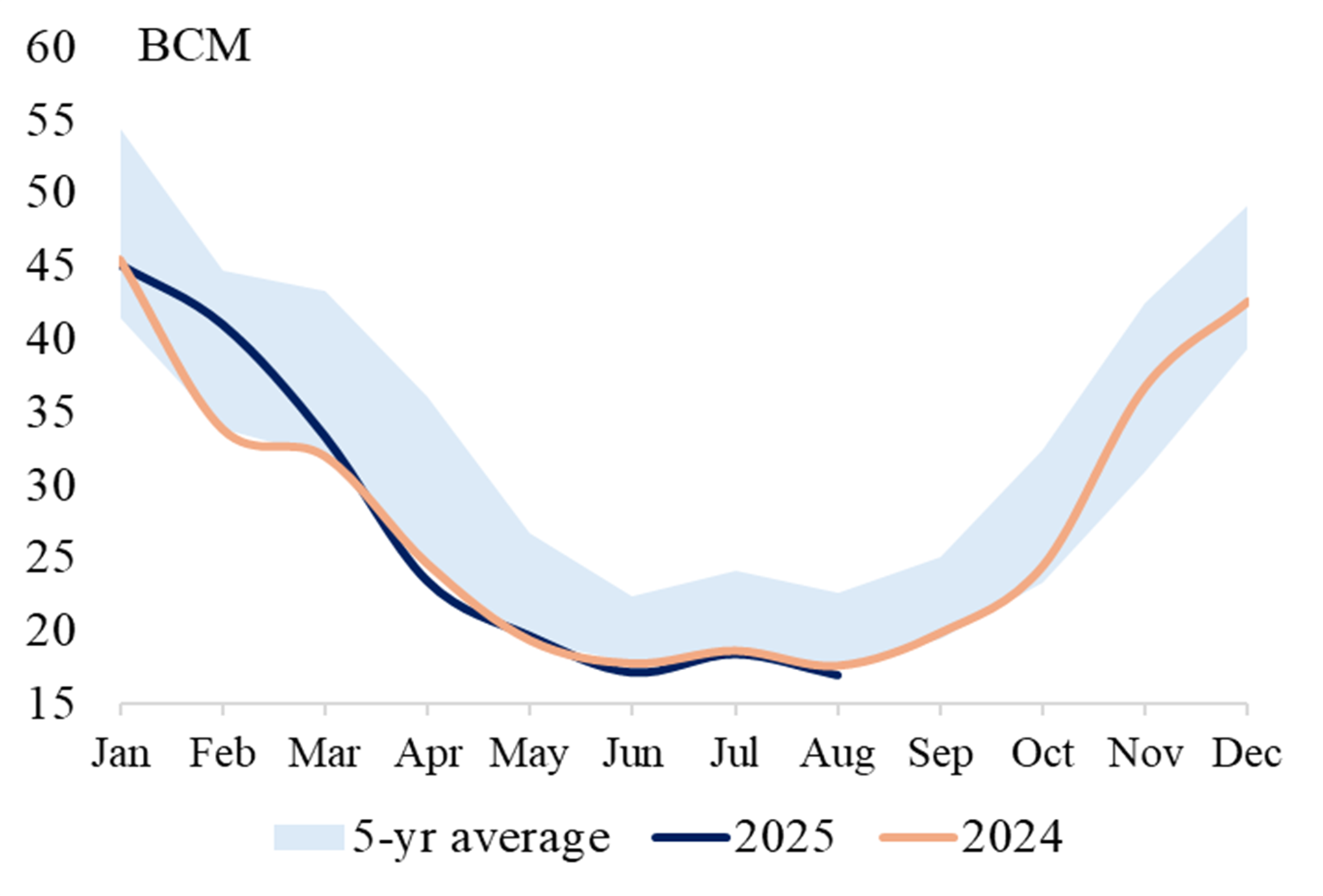
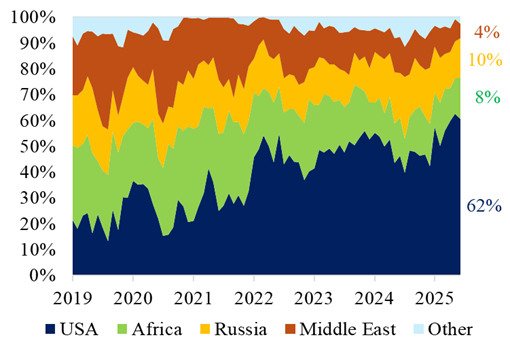
High electricity prices have become a political issue in many developed countries, especially in Europe, where industrial customers and retail consumers suffer from higher average wholesale electricity prices in 2025, which have already surpassed the average 2024 prices levels again (see Table 2). As result, the German government will subsidize electricity prices for energy-intensive manufacturing industries over the next three years by introducing an electricity price of about €50 per MWh starting January 1, 2026 until December 31, 2028. By subsidizing power prices, the German government tries to break the market link between European electricity and gas (as well as global LNG) prices because gas-fired power generation remains the marginal price setter for electricity prices in Europe. Sufficient LNG supplies from the USA in 2025 (currently around 2/3 of European LNG comes from the USA, see Exhibit 10) has supported the refilling of European gas storage (73% filled at the end of November, see Exhibit 7), which in turn has stopped the increase in European gas prices in 2025 (as the average EU gas price is YTD in 2025 even slightly below the average price in 2024, see Table 2).
Table 2 Average Electricity, Carbon, Coal and Natural Gas Prices
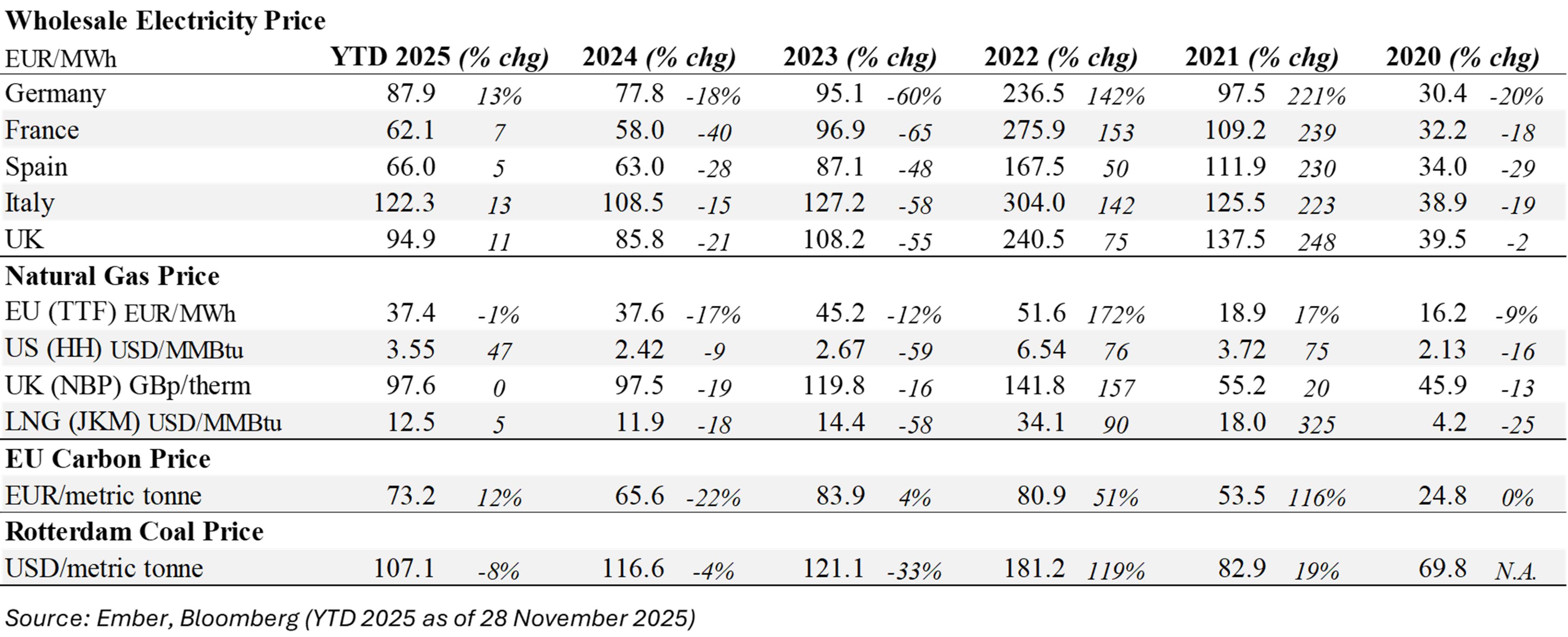
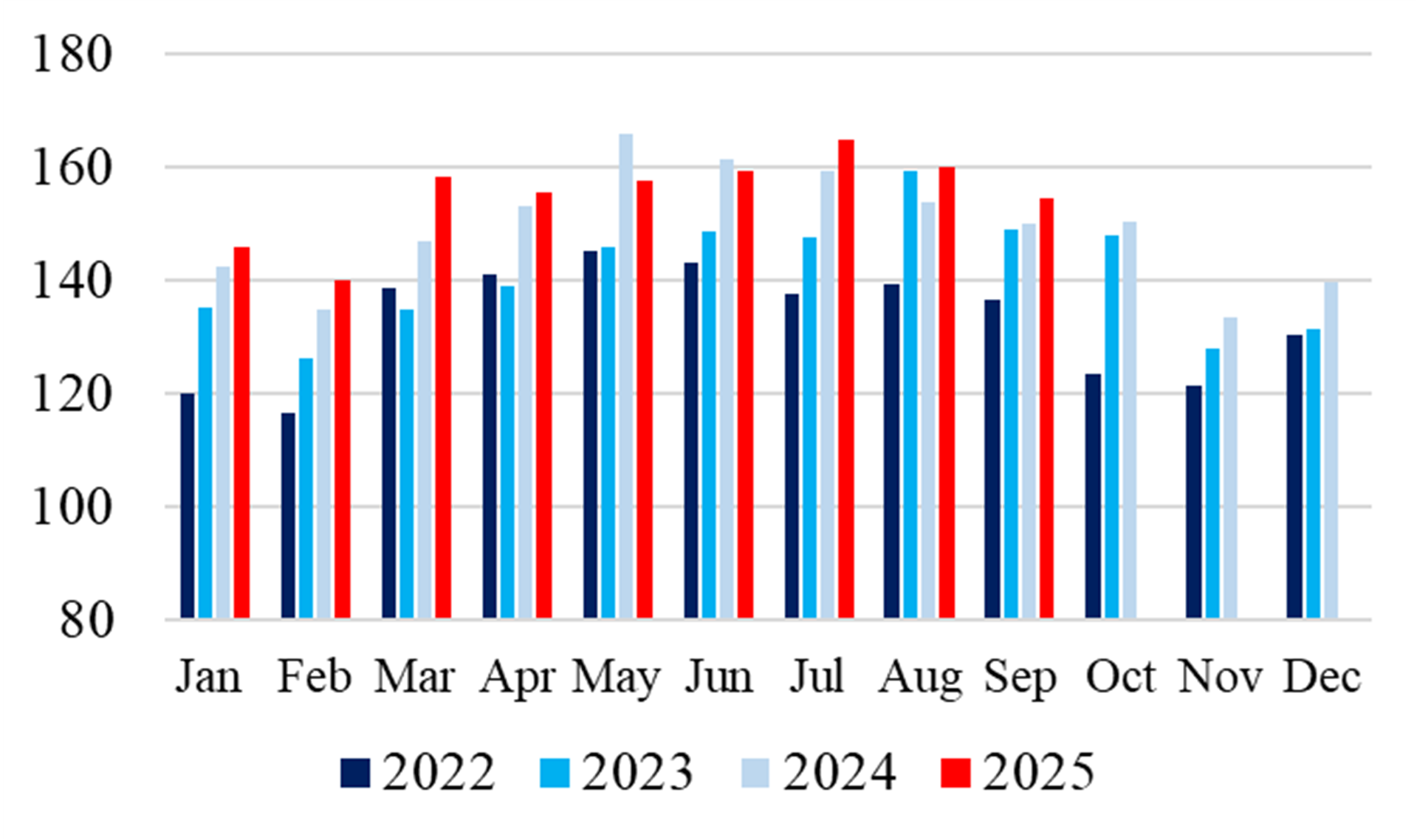
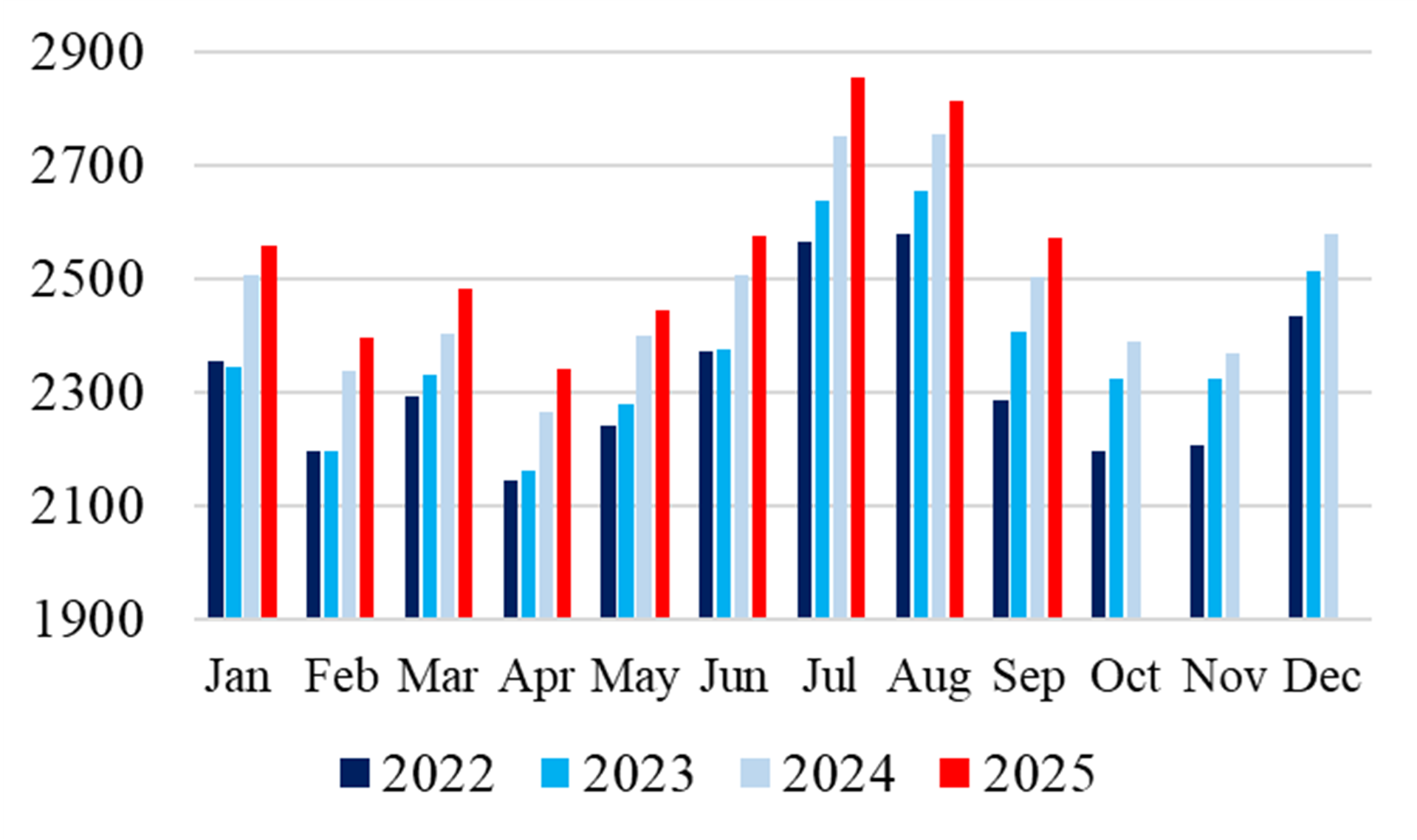
The seven regions/countries listed in Table 3 account for about 80% of the world’s total electricity demand. After most of these largest consuming countries/regions had posted solid growth rates in electricity consumption in Q2 2025, which led to a 2.8% increase globally, this trend of rising power demand continued in Q3: all major consuming regions/countries (except for Latin America) posted further demand growth and sometimes even higher growth rates (USA, China and India), which led to a higher 3.1% growth rate globally compared to the previous quarter. The start into Q4 also looks promising as several regions/countries have already reported higher power demand for October, with Europe (Exhibit 11), the USA (Exhibit 12), China (Exhibit 15) and Japan (Exhibit 16) all showing the highest power demand for the month of October over the past four years.
Table 3 Quarterly Electricity Demand (TWh)

Gas Storage and LNG Flows
Exhibit 5 US Gas Storage (BCF) Exhibit 6 US LNG Exports (BCF)
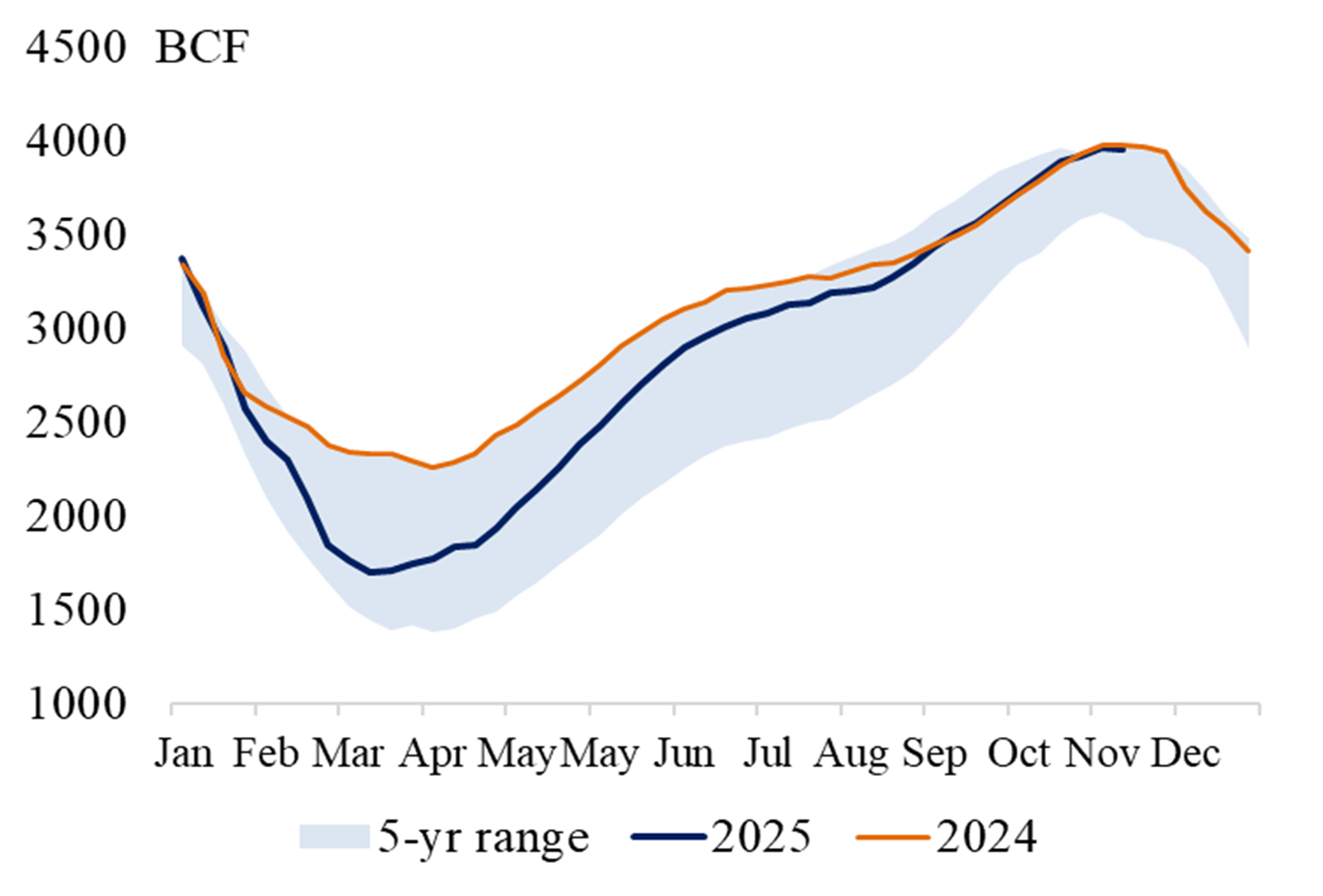
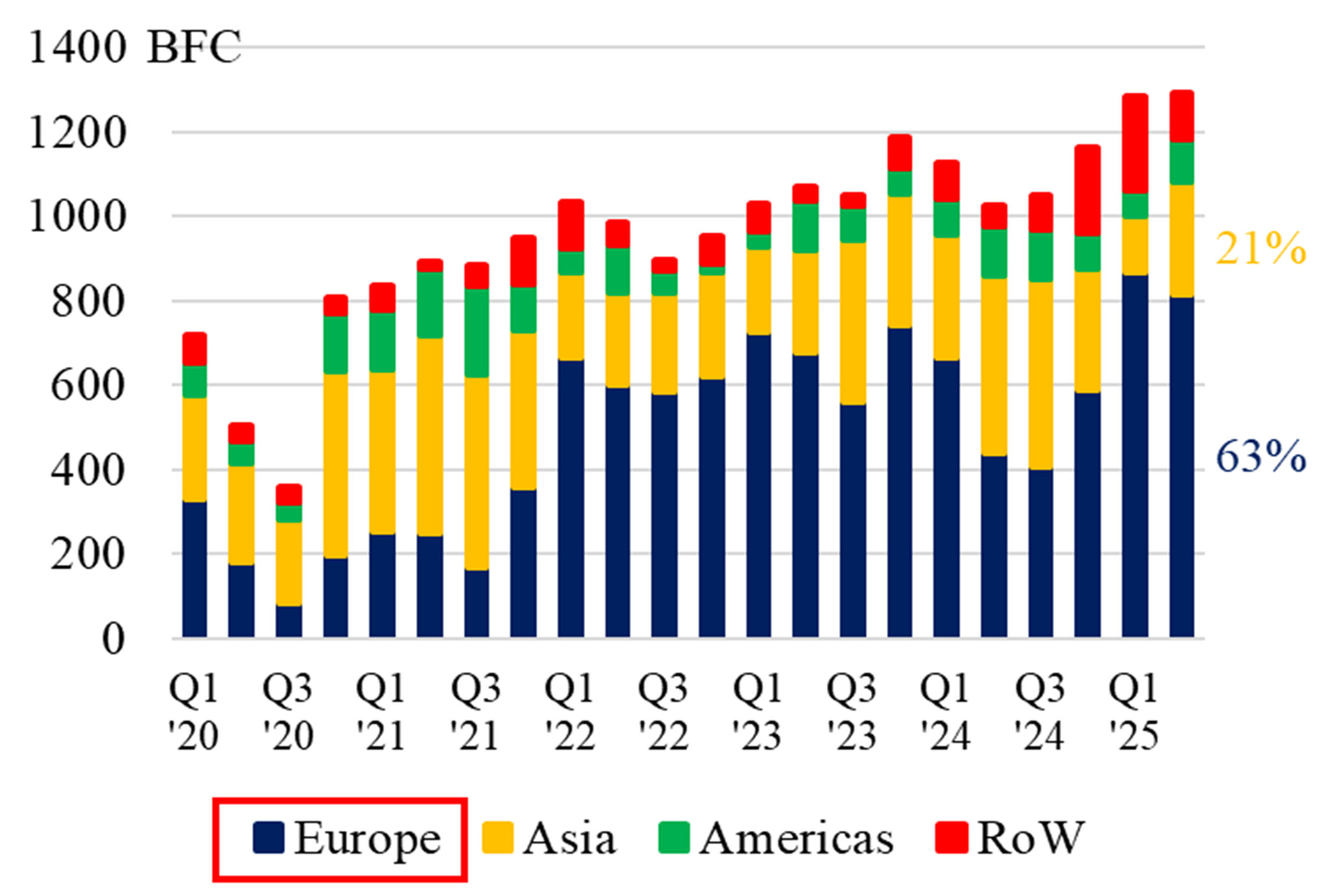
Source: US Energy Information Administration Source: US Energy Information Administration
Exhibit 7 EU Gas Storage (% full) Exhibit 8 EU Gas Demand (BCM)
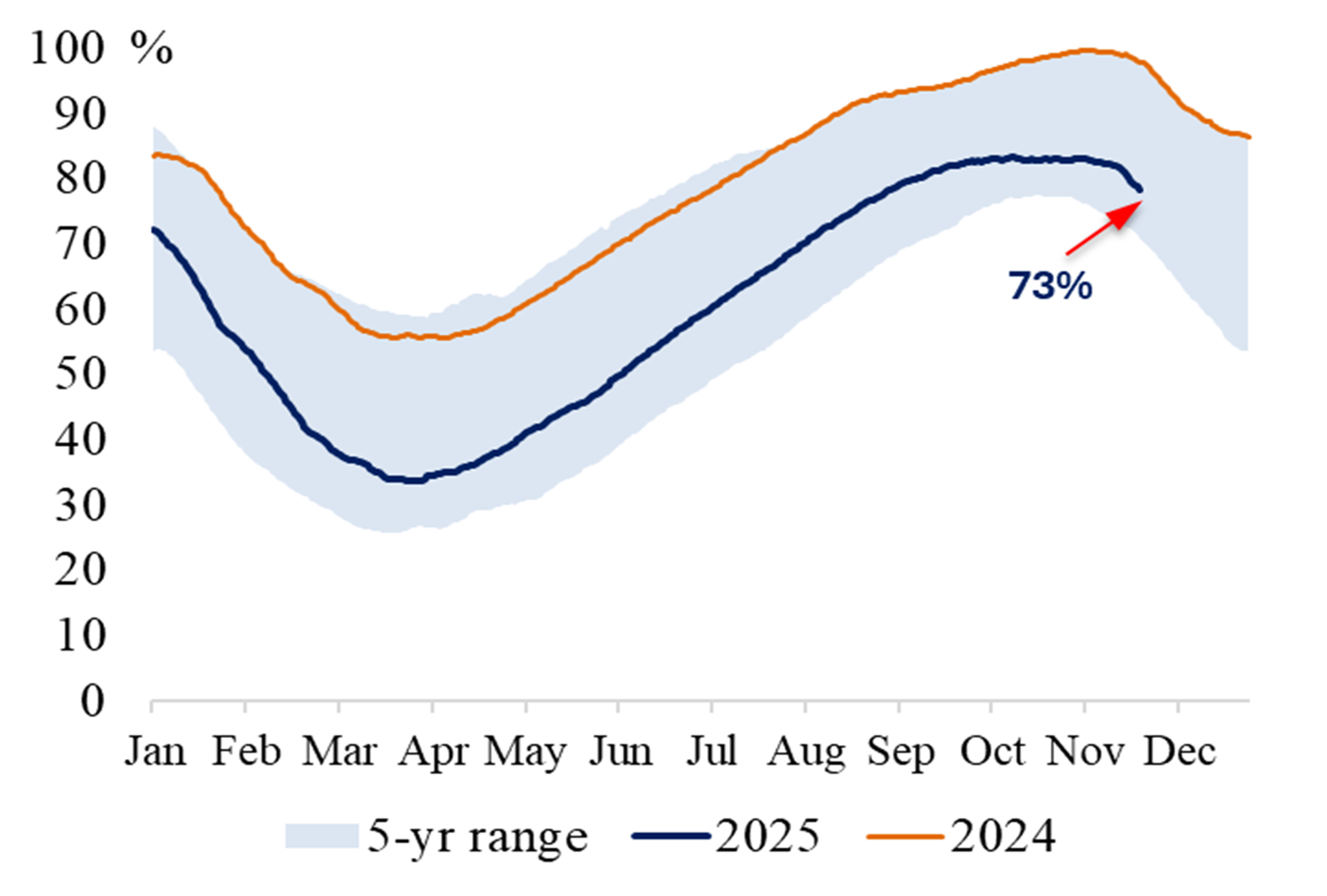
Source: Gas Infrastructure Europe Source: Bruegel
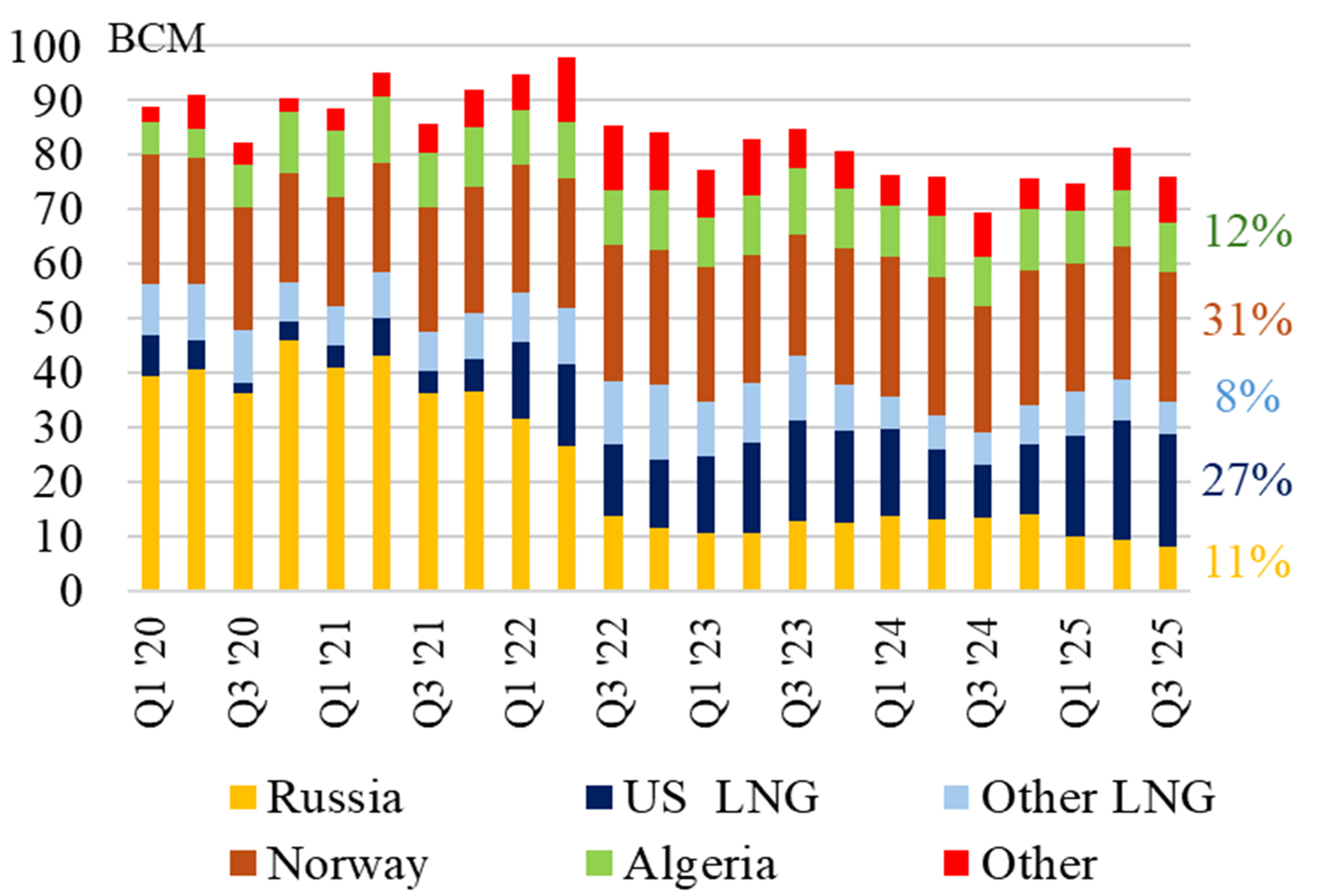
Exhibit 9 EU Gas Imports by Source (BCM) Exhibit 10 EU LNG Imports by Origin
Source: Bruegel Source: Bruegel
Global Electrification Trends (Power Demand in TWh)
Exhibit 11 Europe Electricity Demand Exhibit 12 USA Electricity Demand
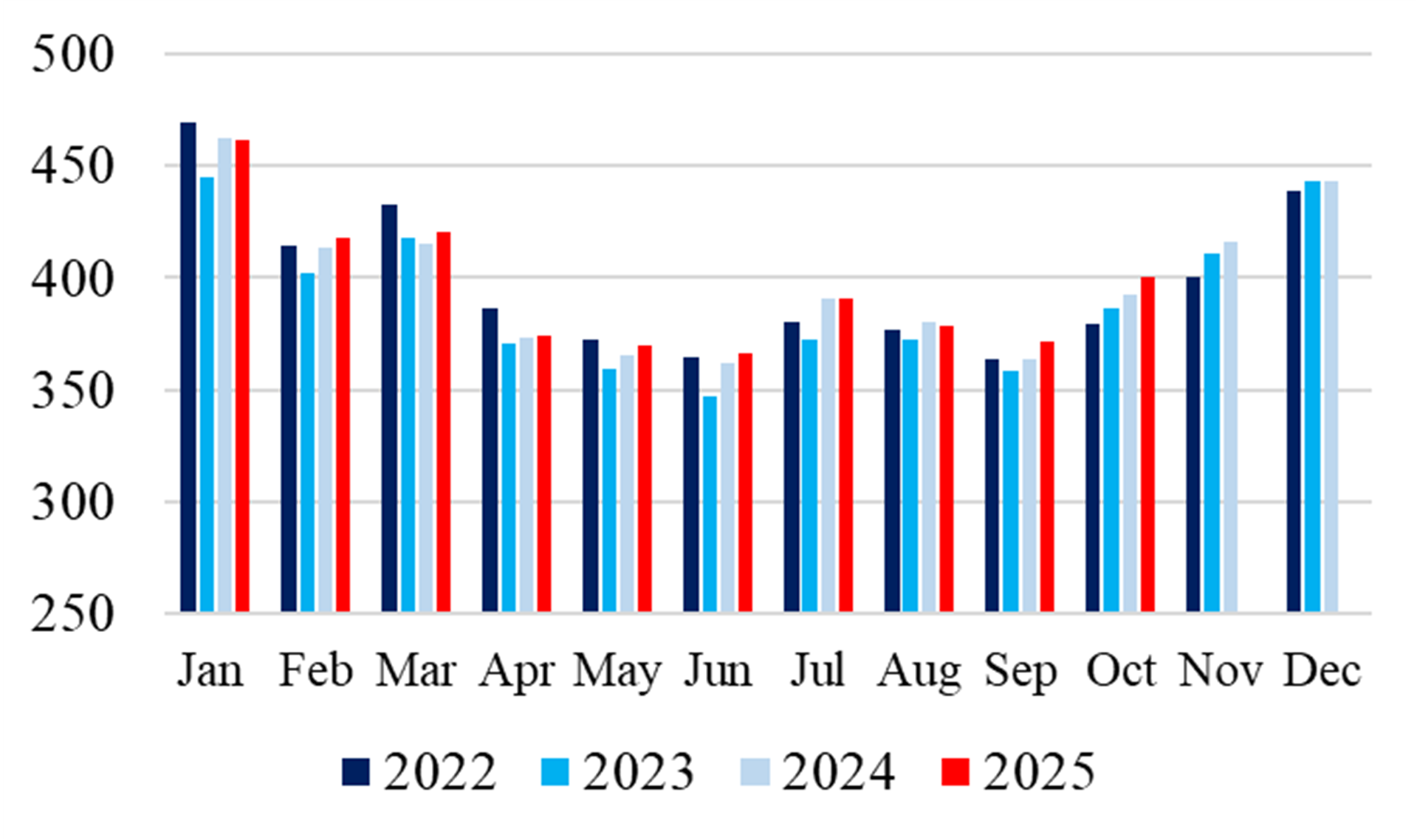
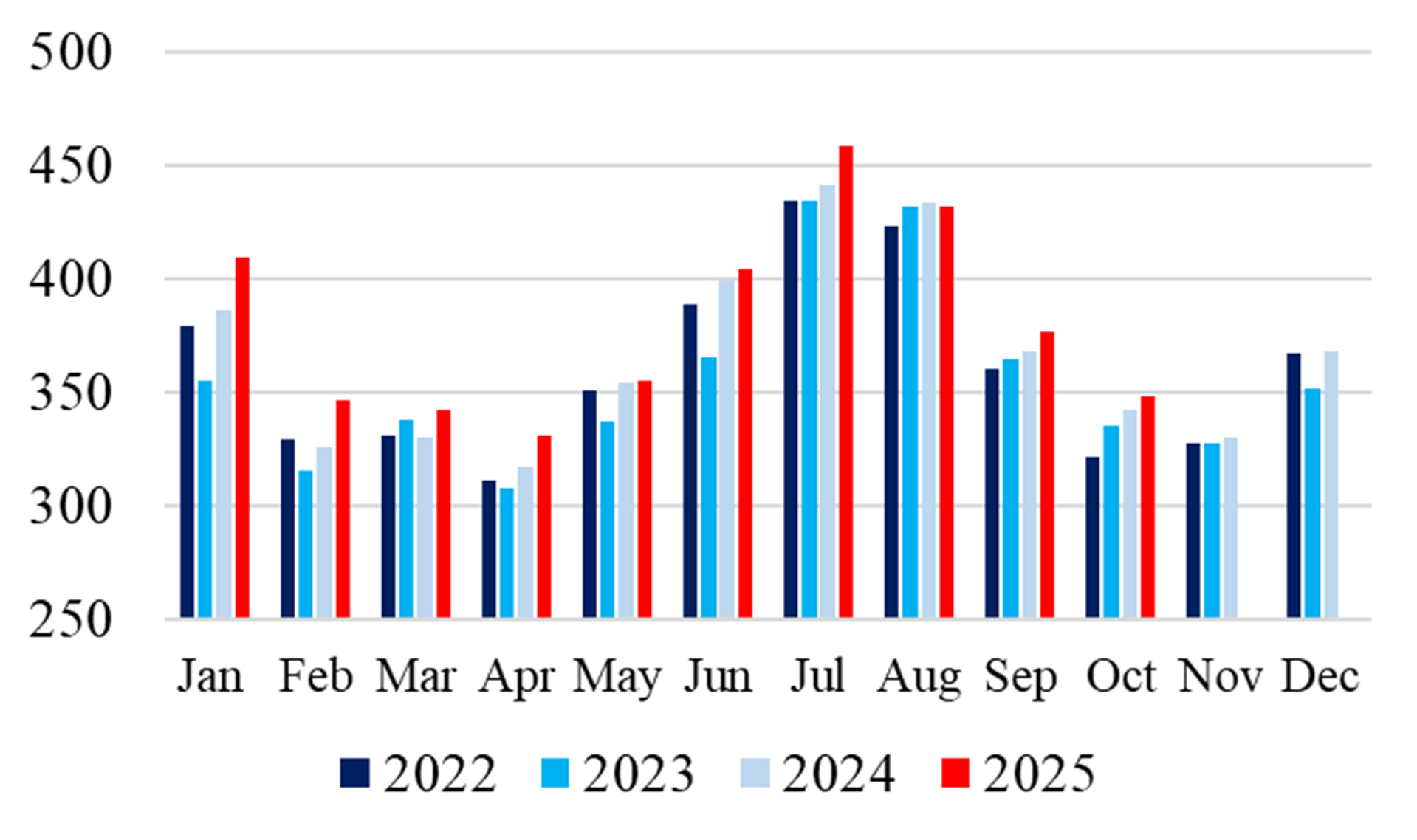
Exhibit 13 Türkiye Electricity Demand Exhibit 14 Latin America Demand
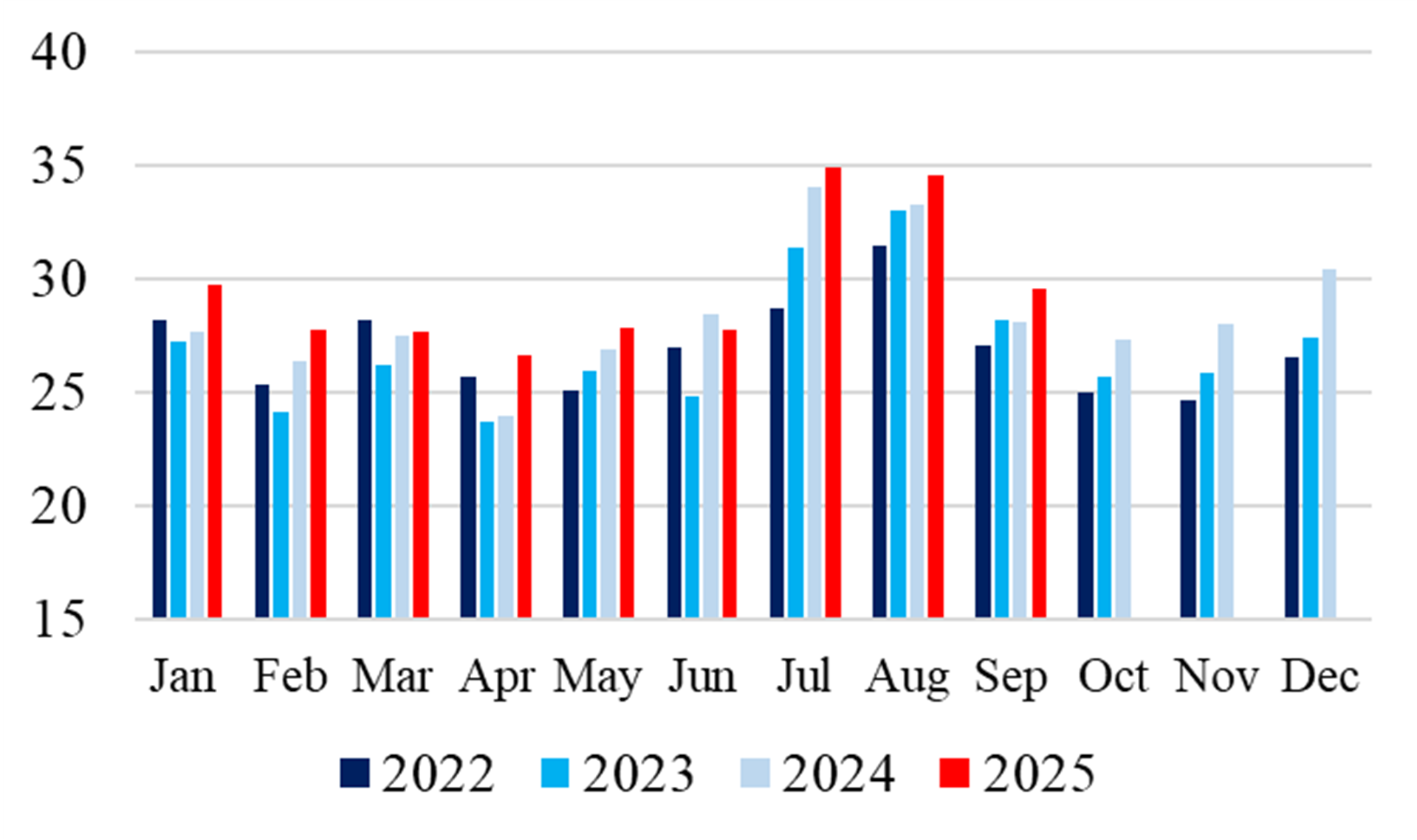
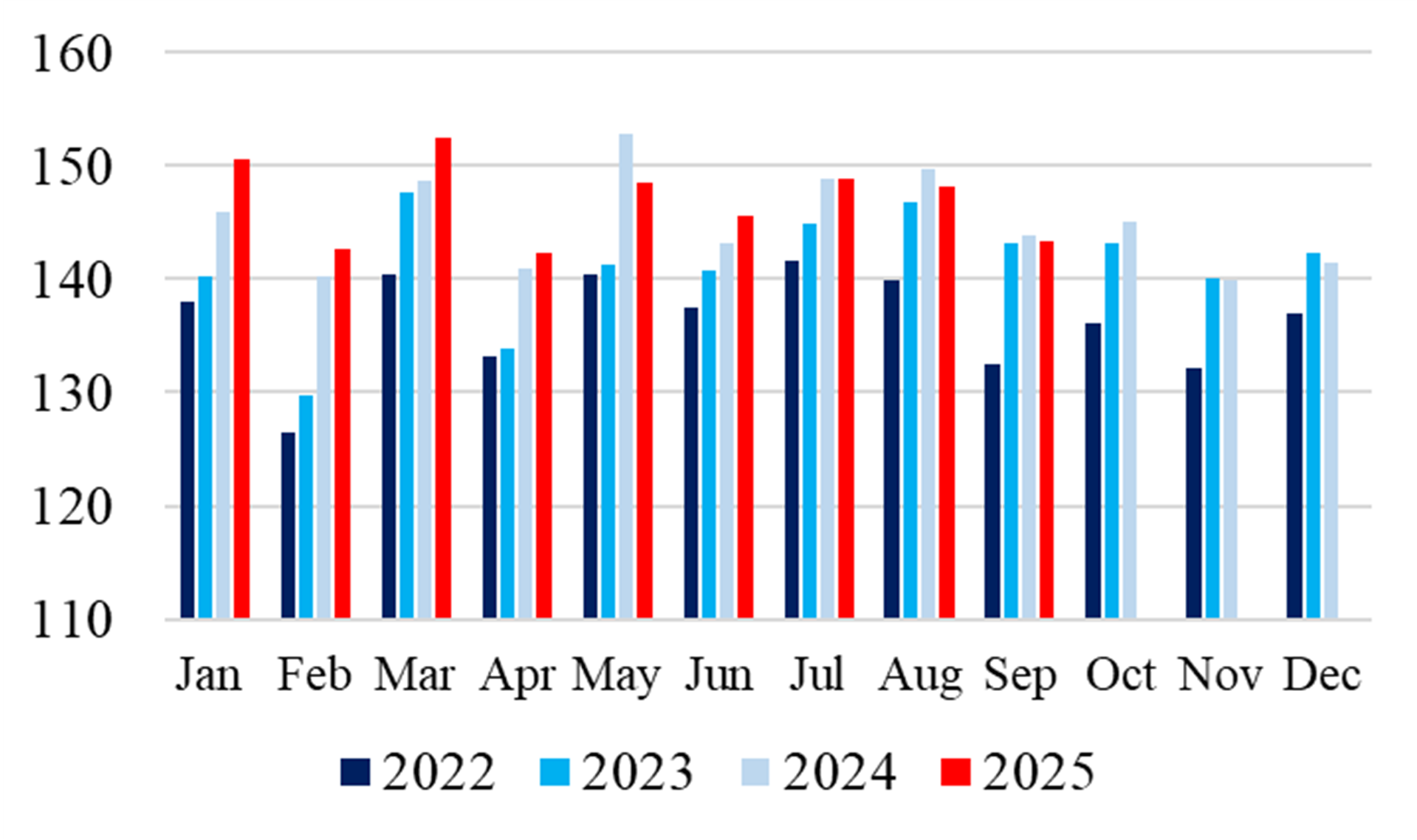
Exhibit 15 China Electricity Demand Exhibit 16 Japan Electricity Demand
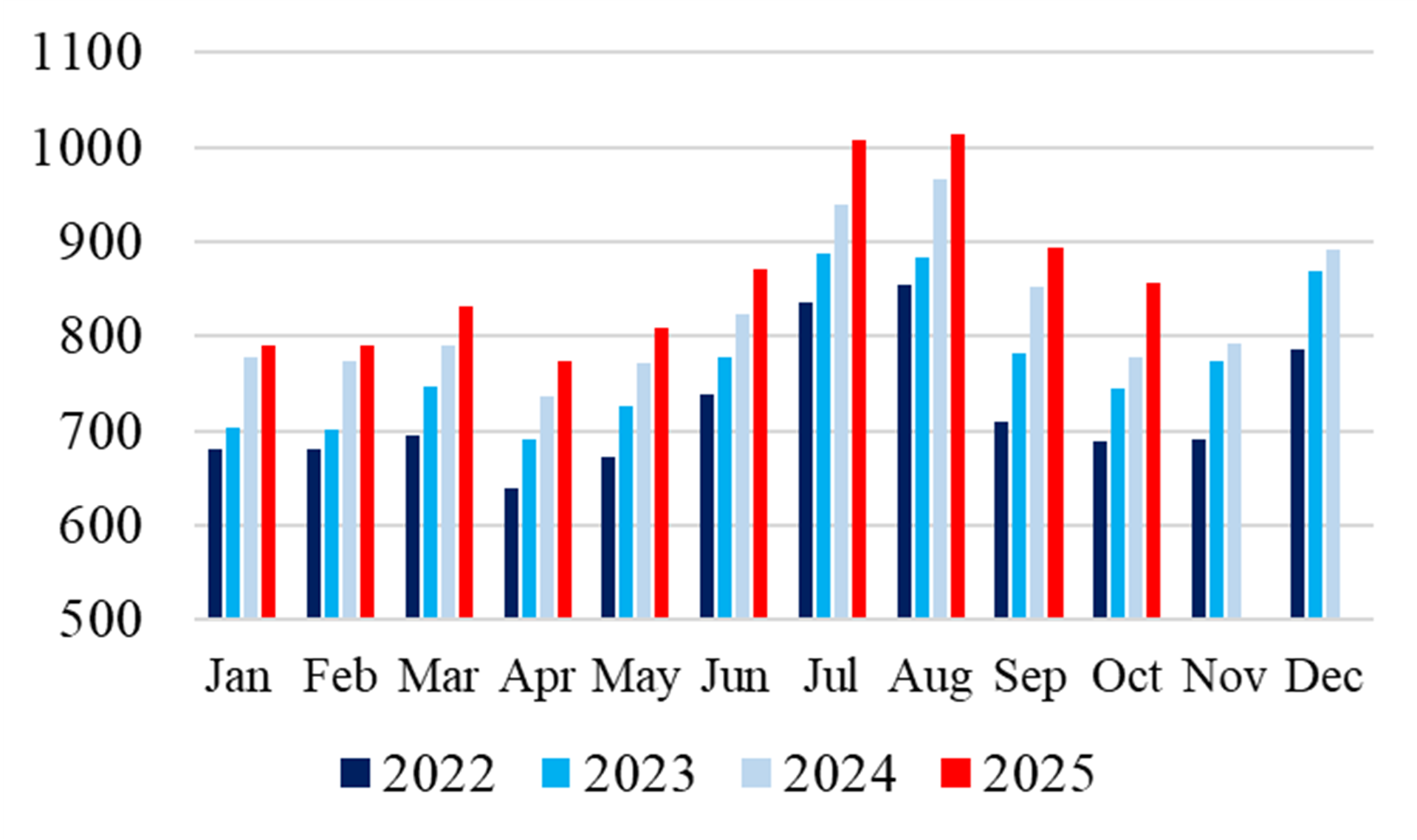
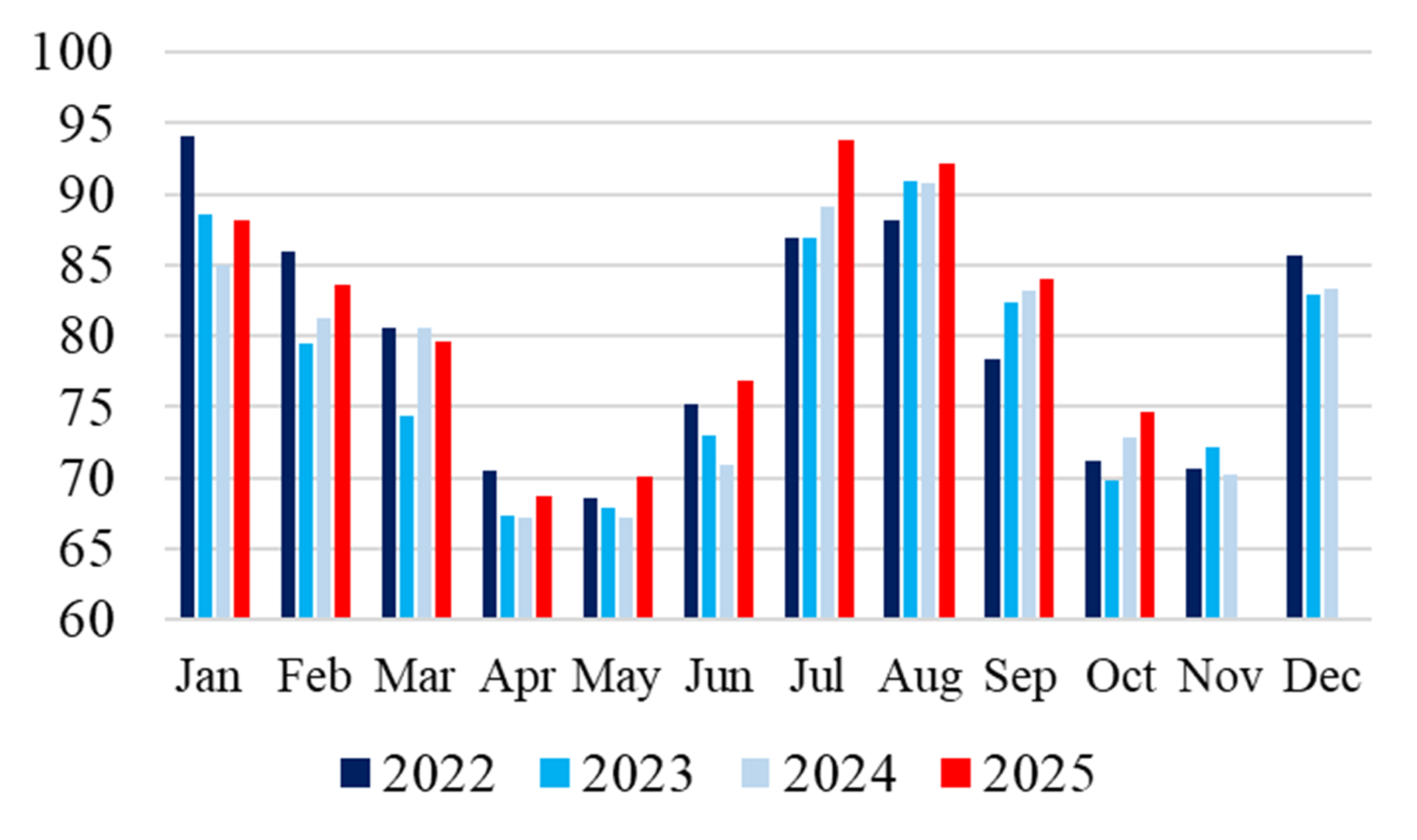
Exhibit 17 India Electricity Demand Exhibit 18 World Electricity Demand
Source: EMBER
Power Tracker: Changing Fuel Mix and 3 Biggest Sources of Electricity
EUROPE
Exhibit 19 Europe: Biggest Source of Electricity in Each Country
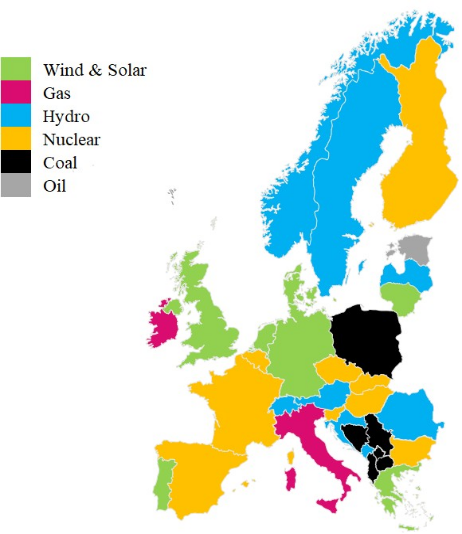
Exhibit 20 Power Generation Exhibit 21 Share of Wind & Solar (%)
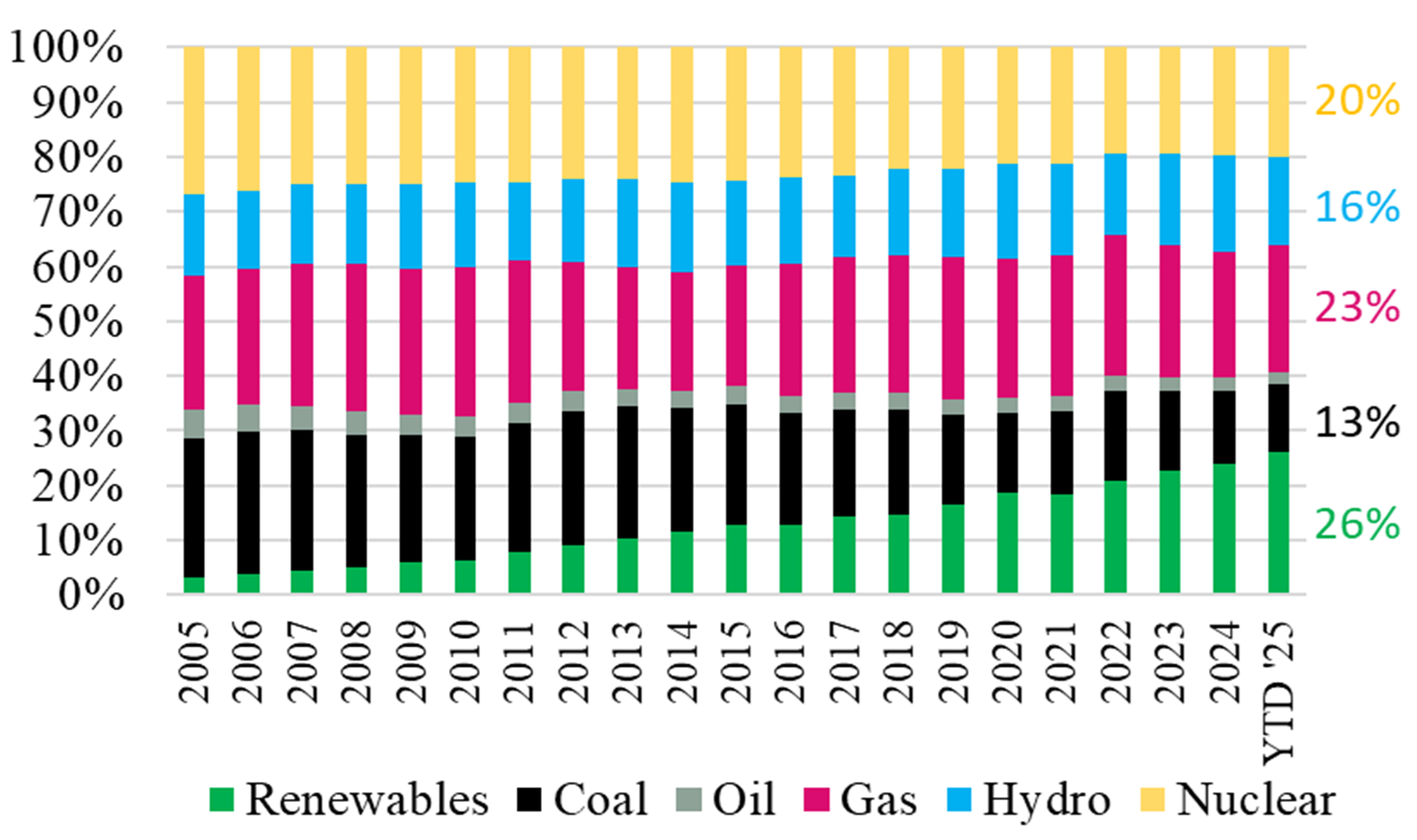
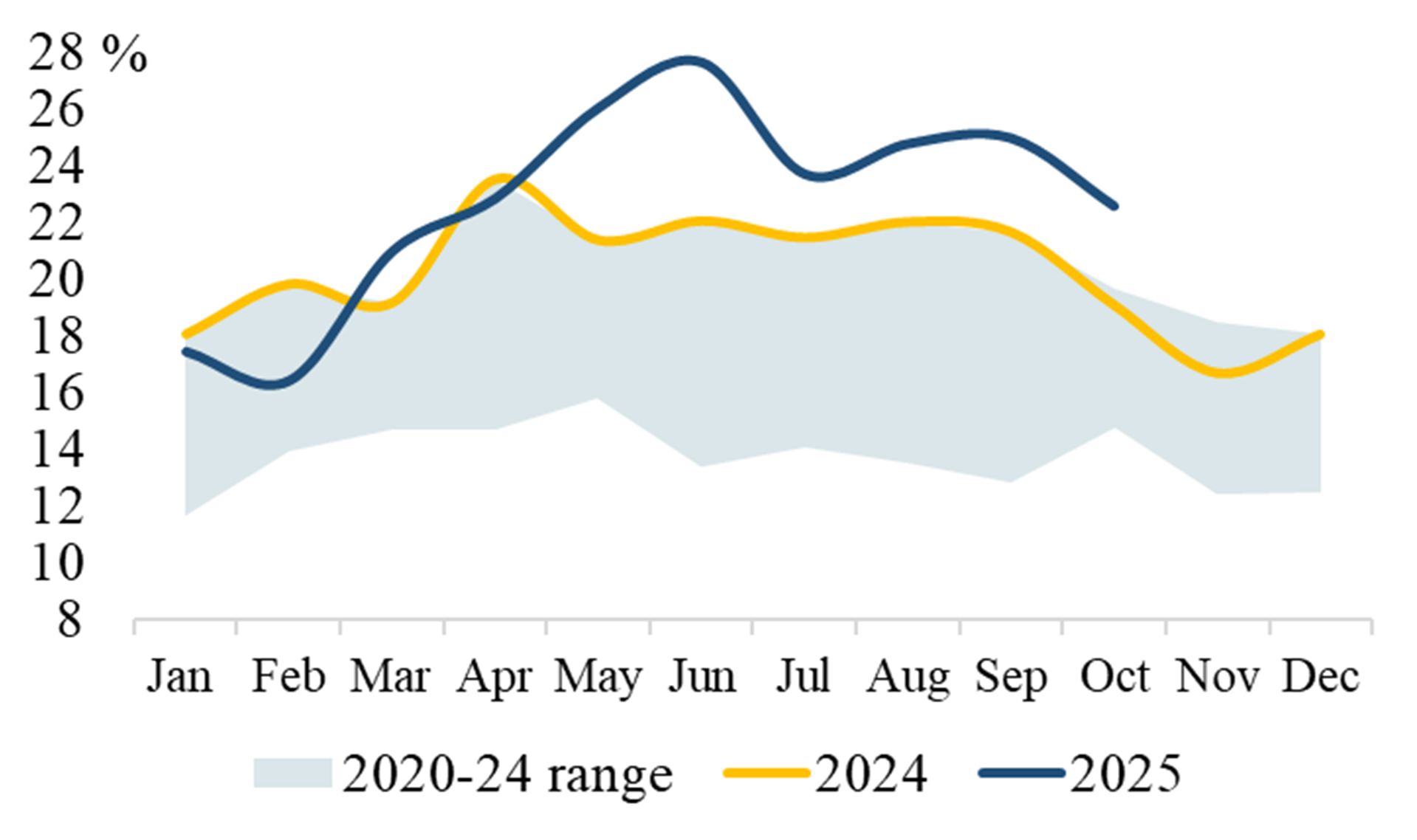
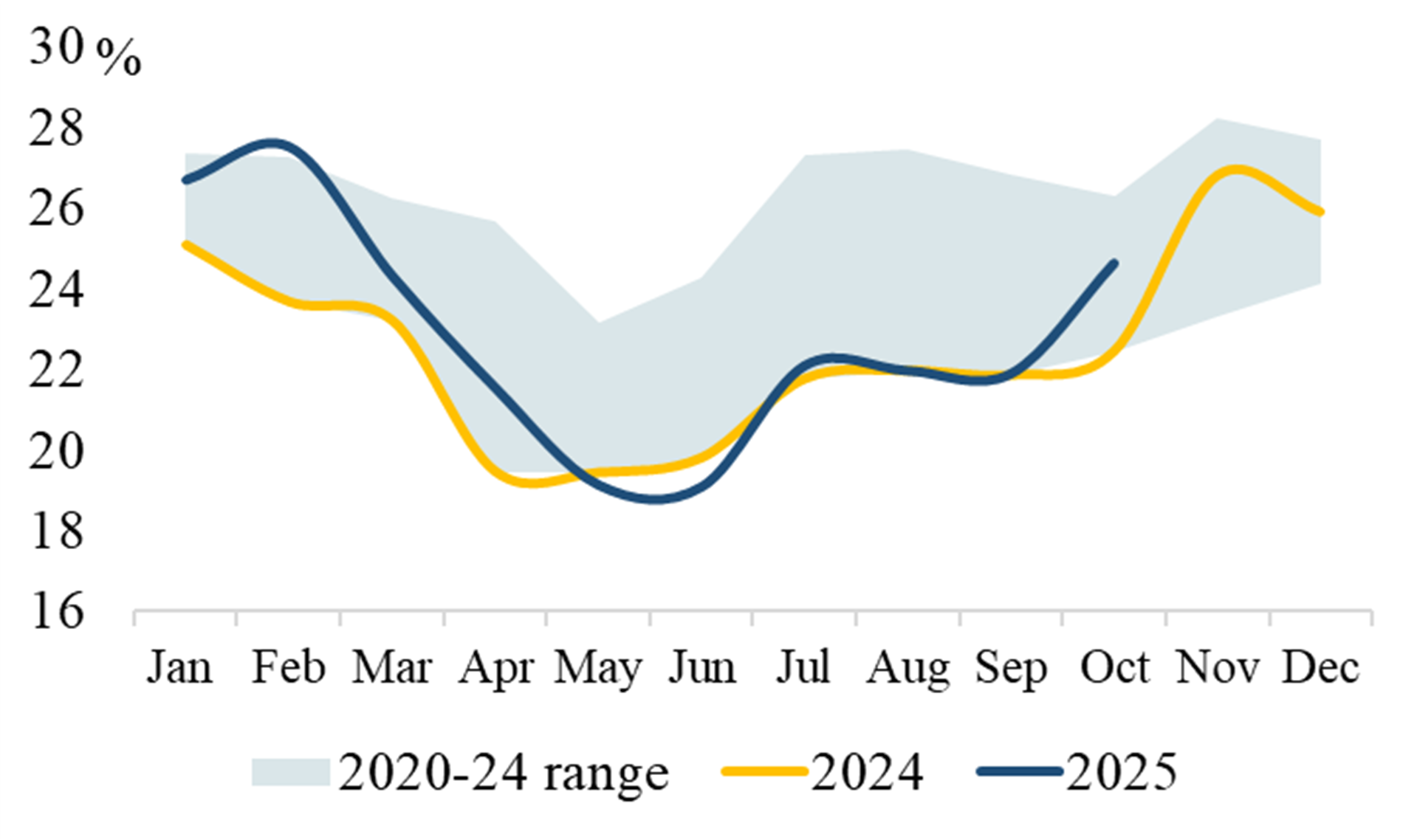
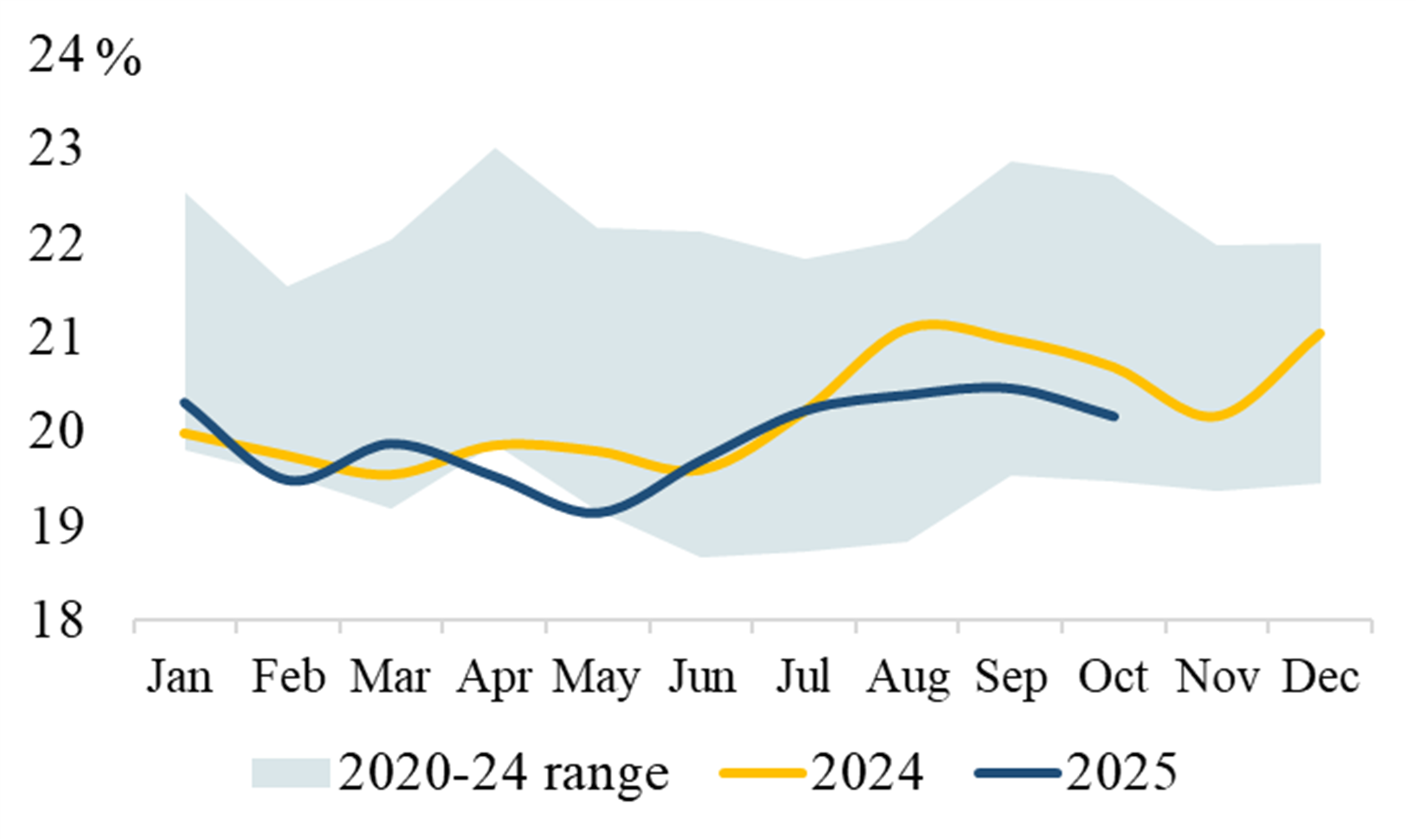
Exhibit 22 Share of Gas (%) Exhibit 23 Share of Nuclear (%)
USA
Exhibit 24 USA: Biggest Source of Electricity in each State
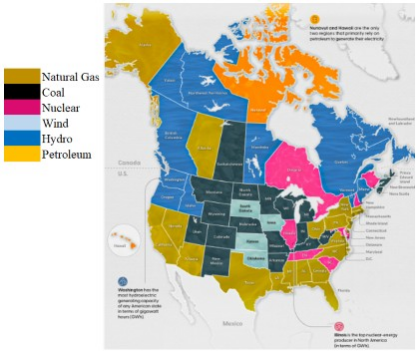
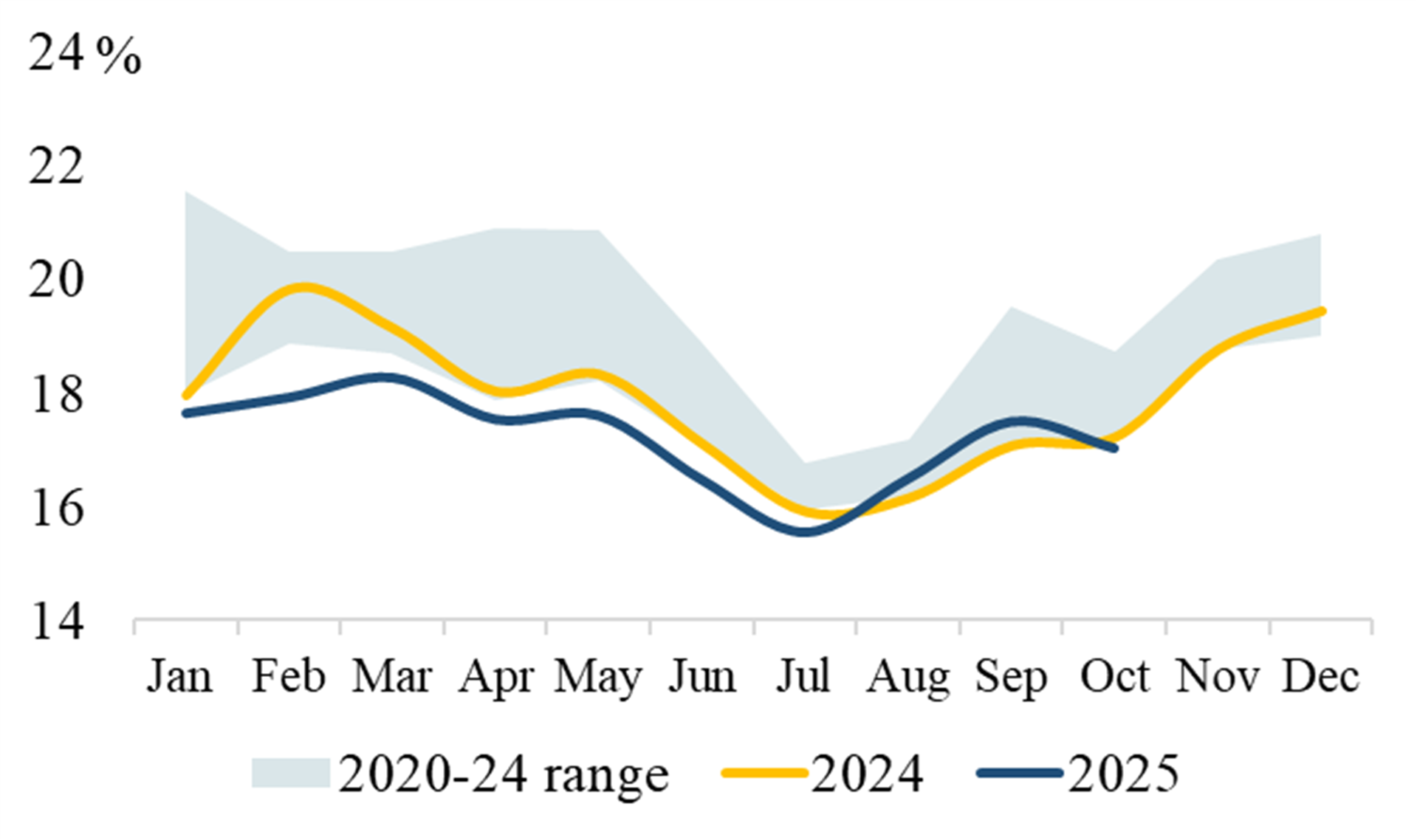
Exhibit 25 Power Generation Exhibit 26 Share of Gas (%)
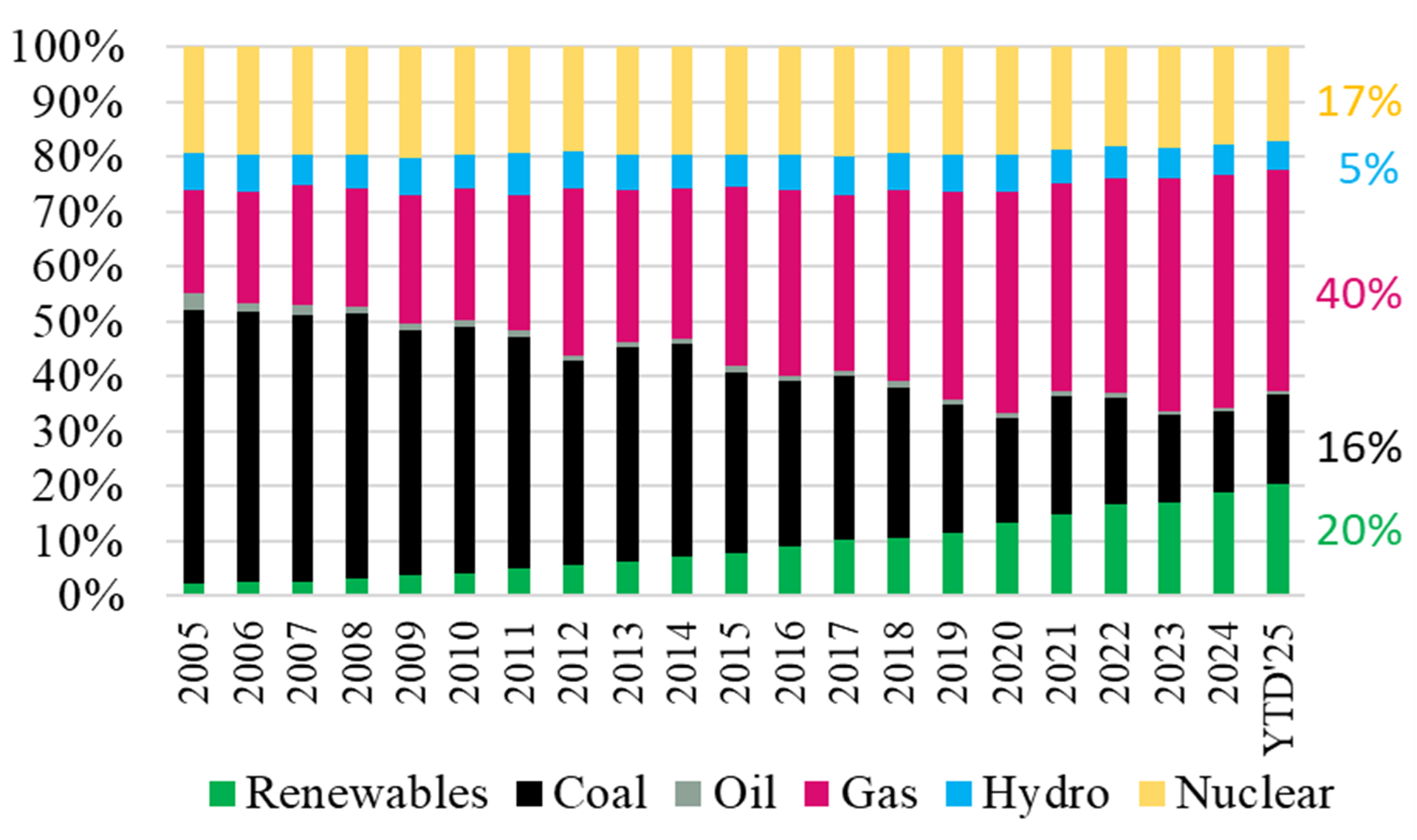
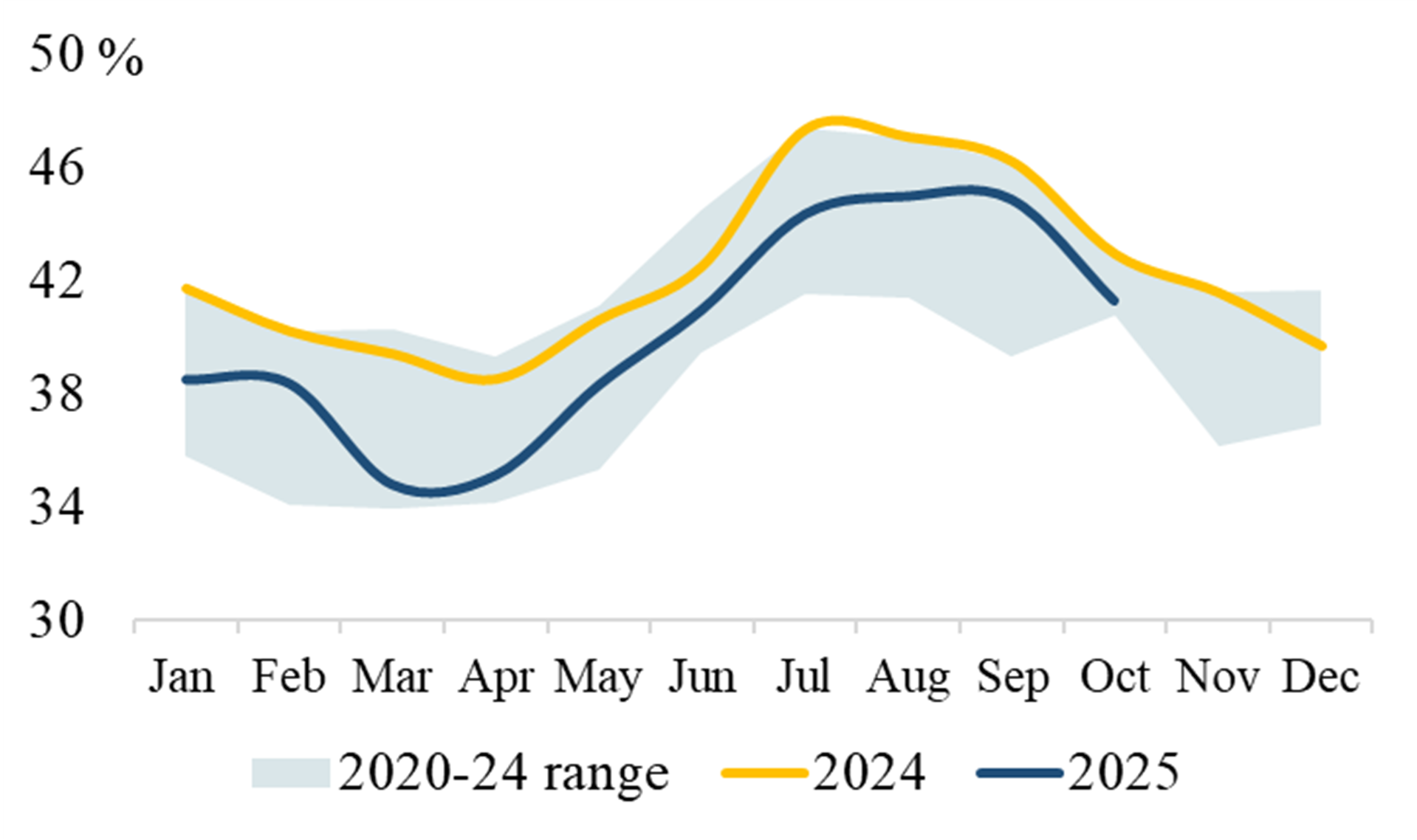
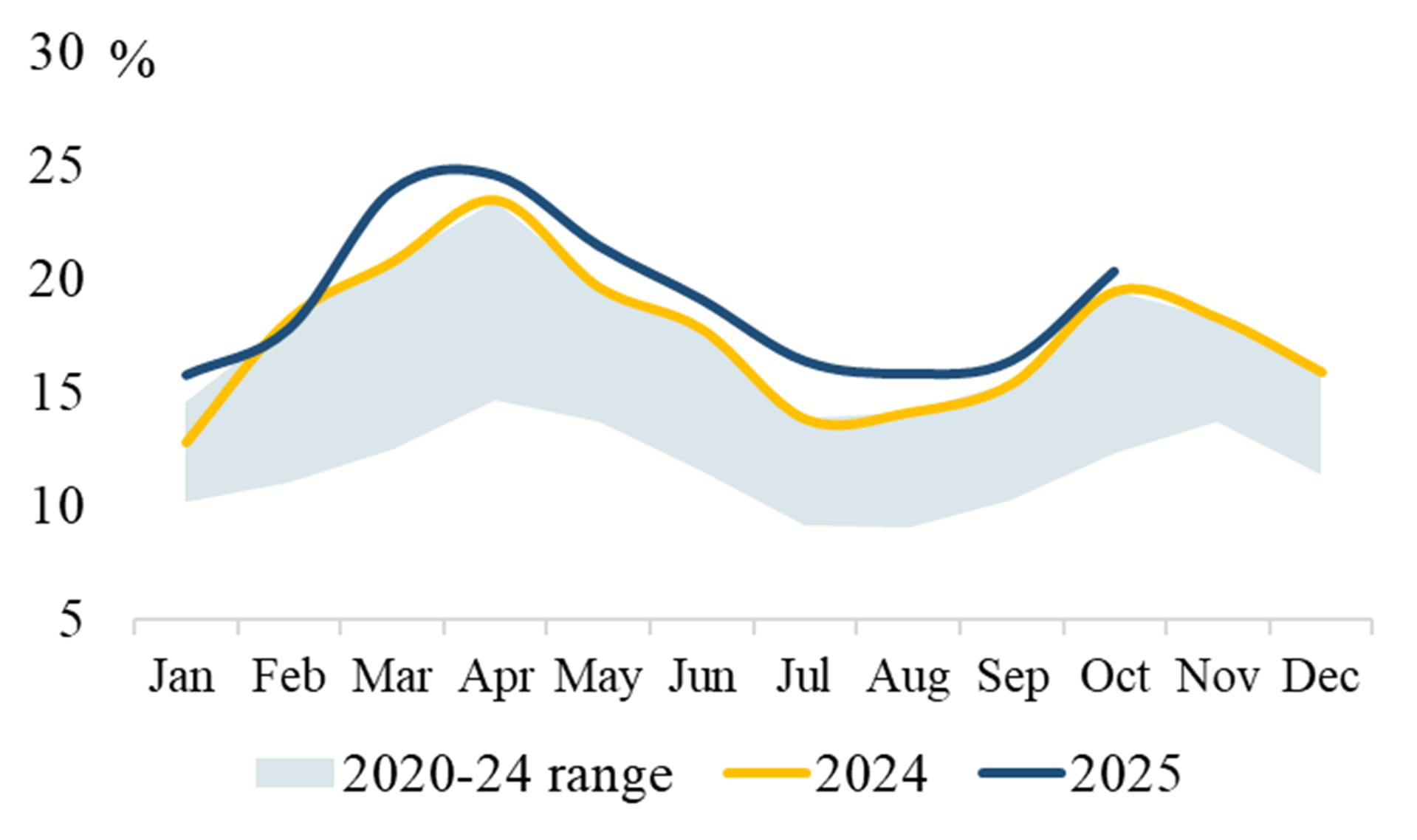
Exhibit 27 Share of Wind & Solar (%) Exhibit 28 Share of Nuclear (%)
Source: EMBER
TÜRKIYE
Exhibit 29 Power Generation Exhibit 30 Share of Coal (%)
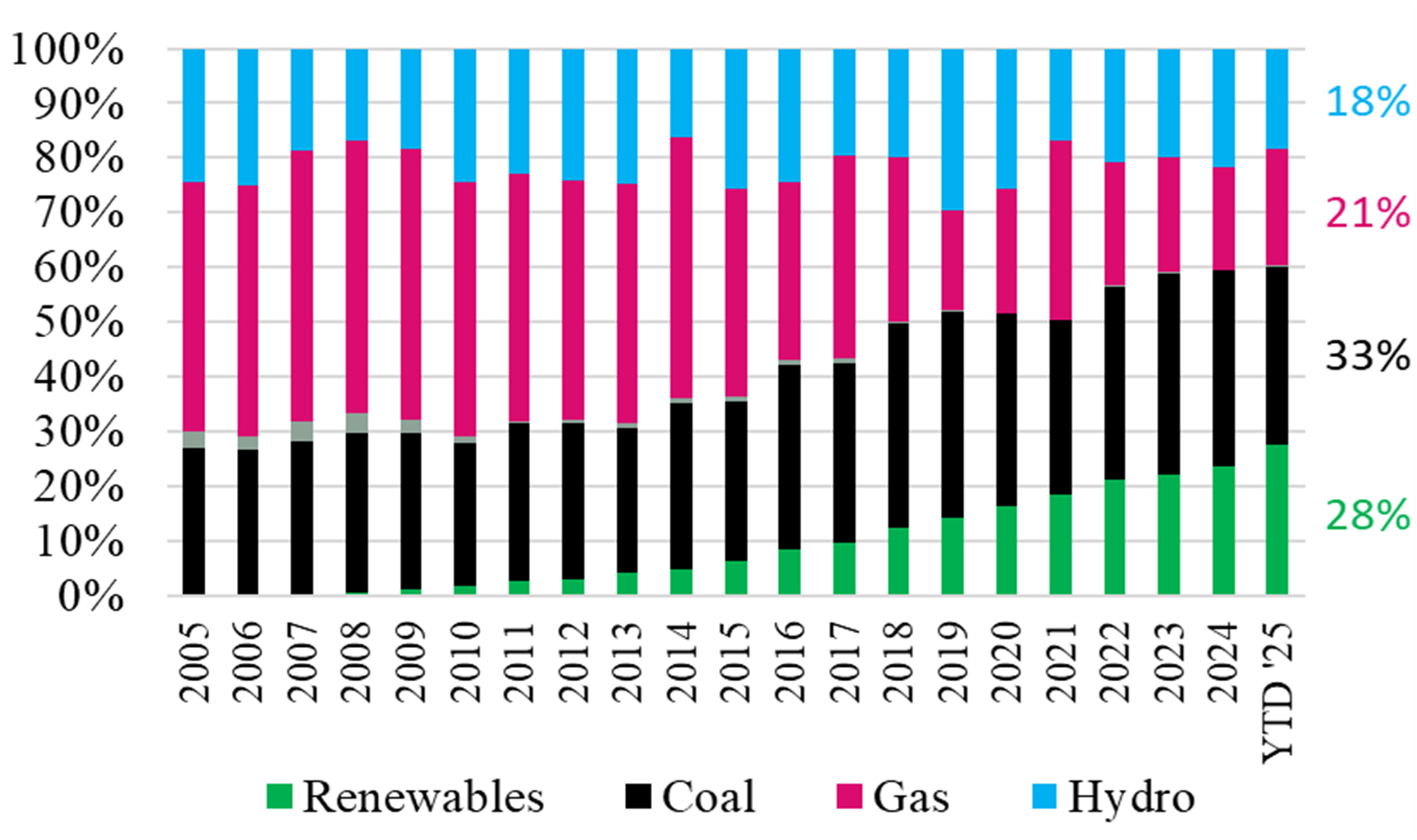
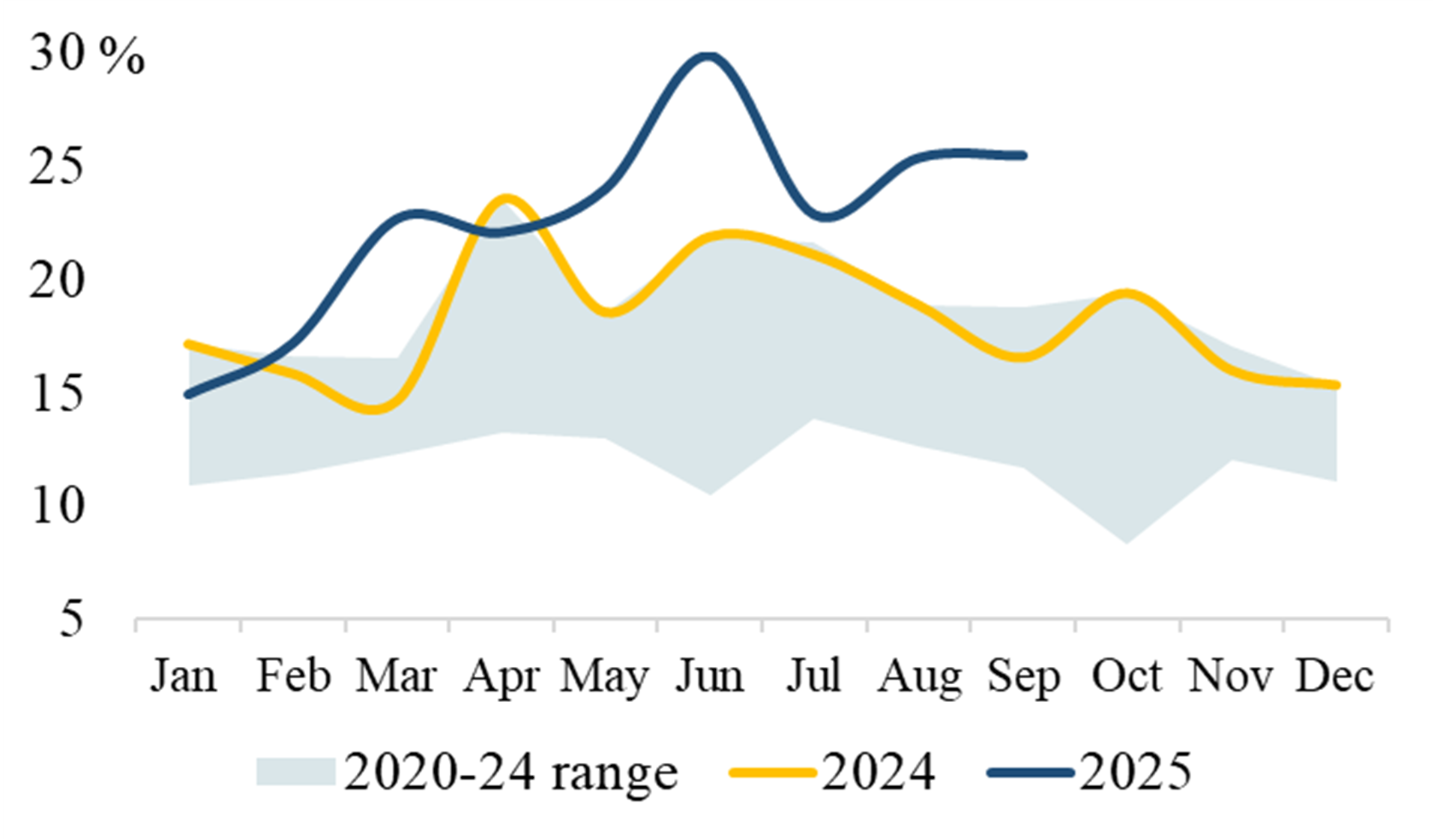
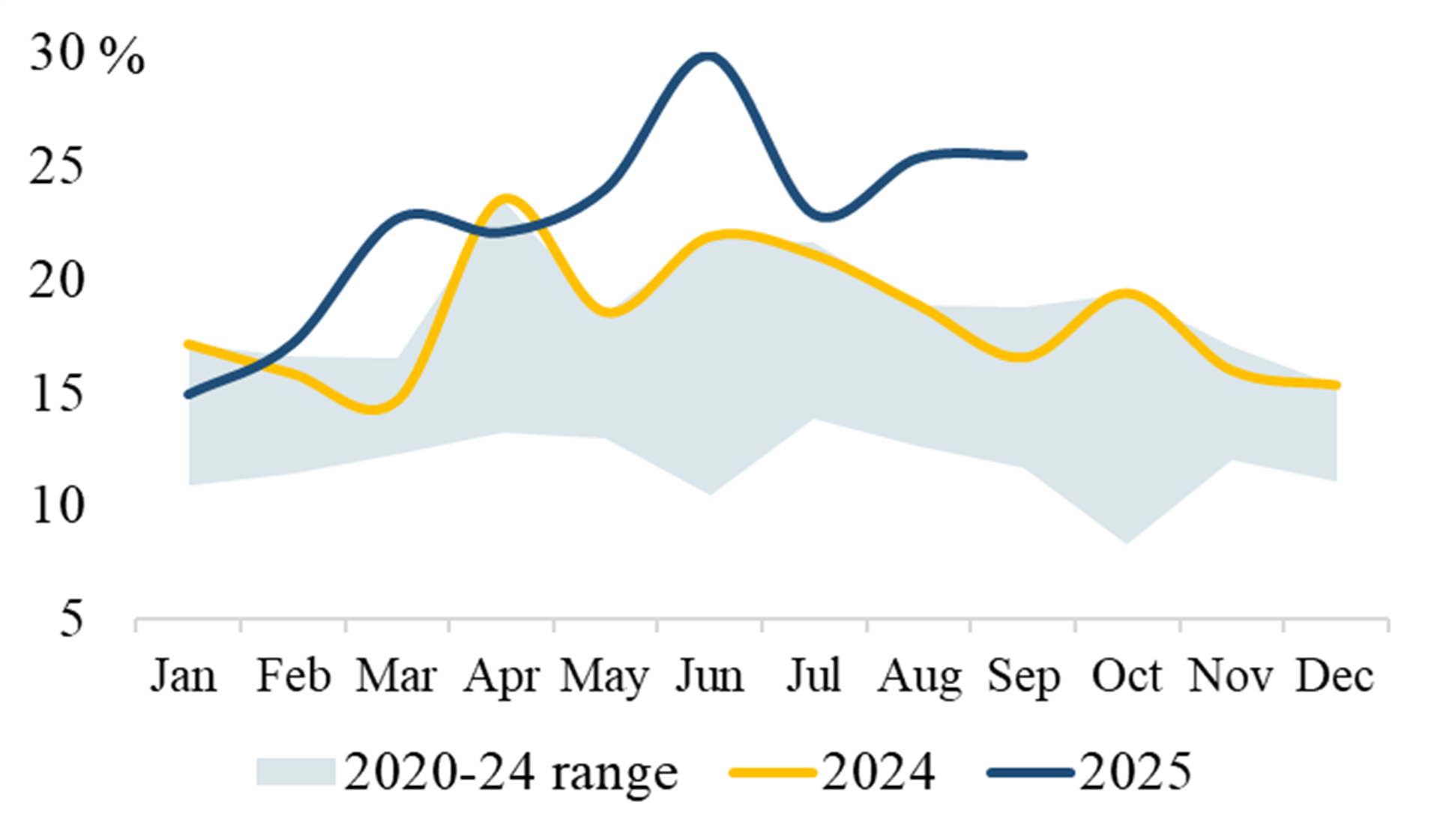
Exhibit 31 Share of Wind & Solar (%) Exhibit 32 Share of Gas (%)
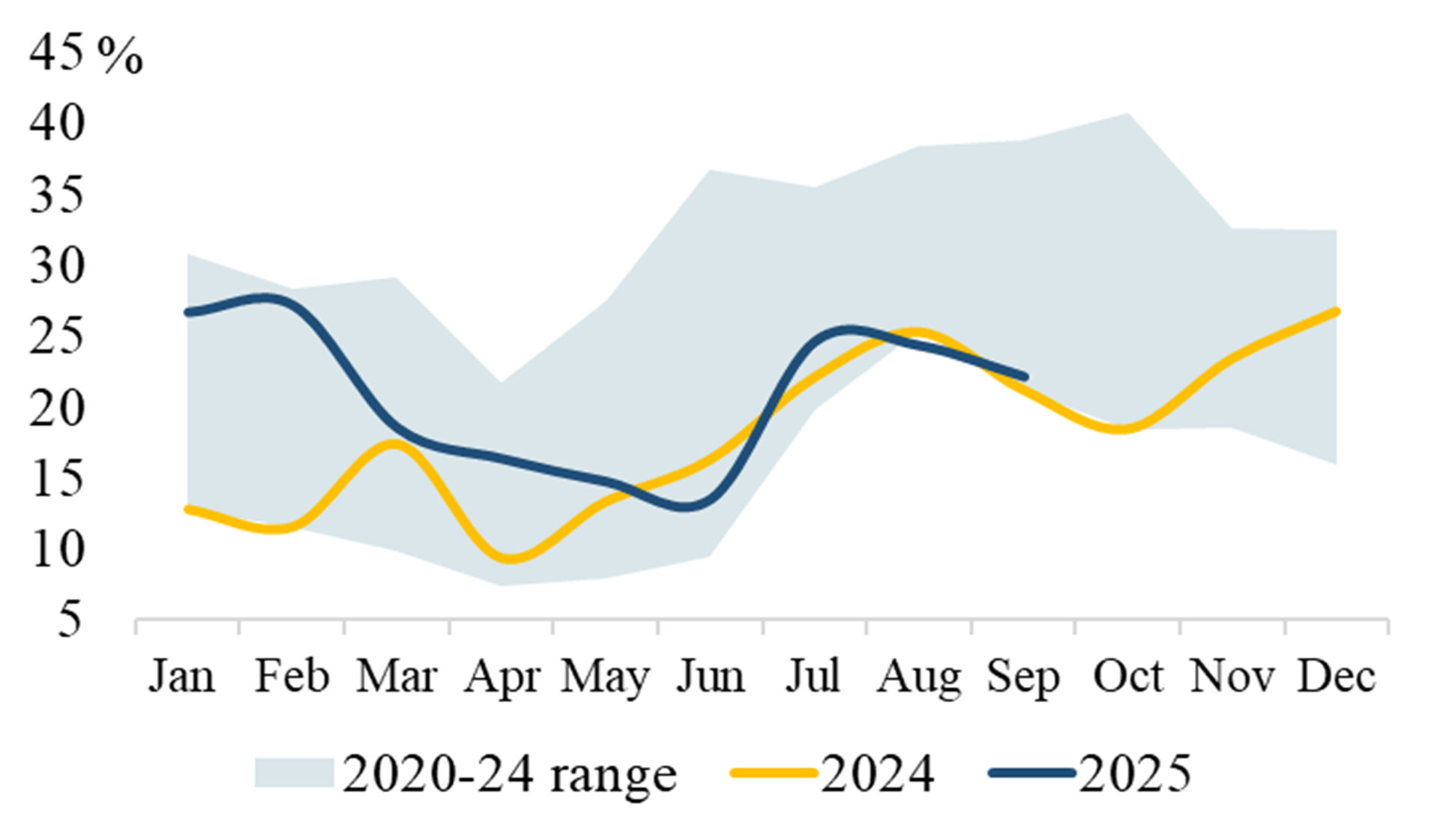
INDIA
Exhibit 33 Power Generation Exhibit 34 Share of Coal (%)
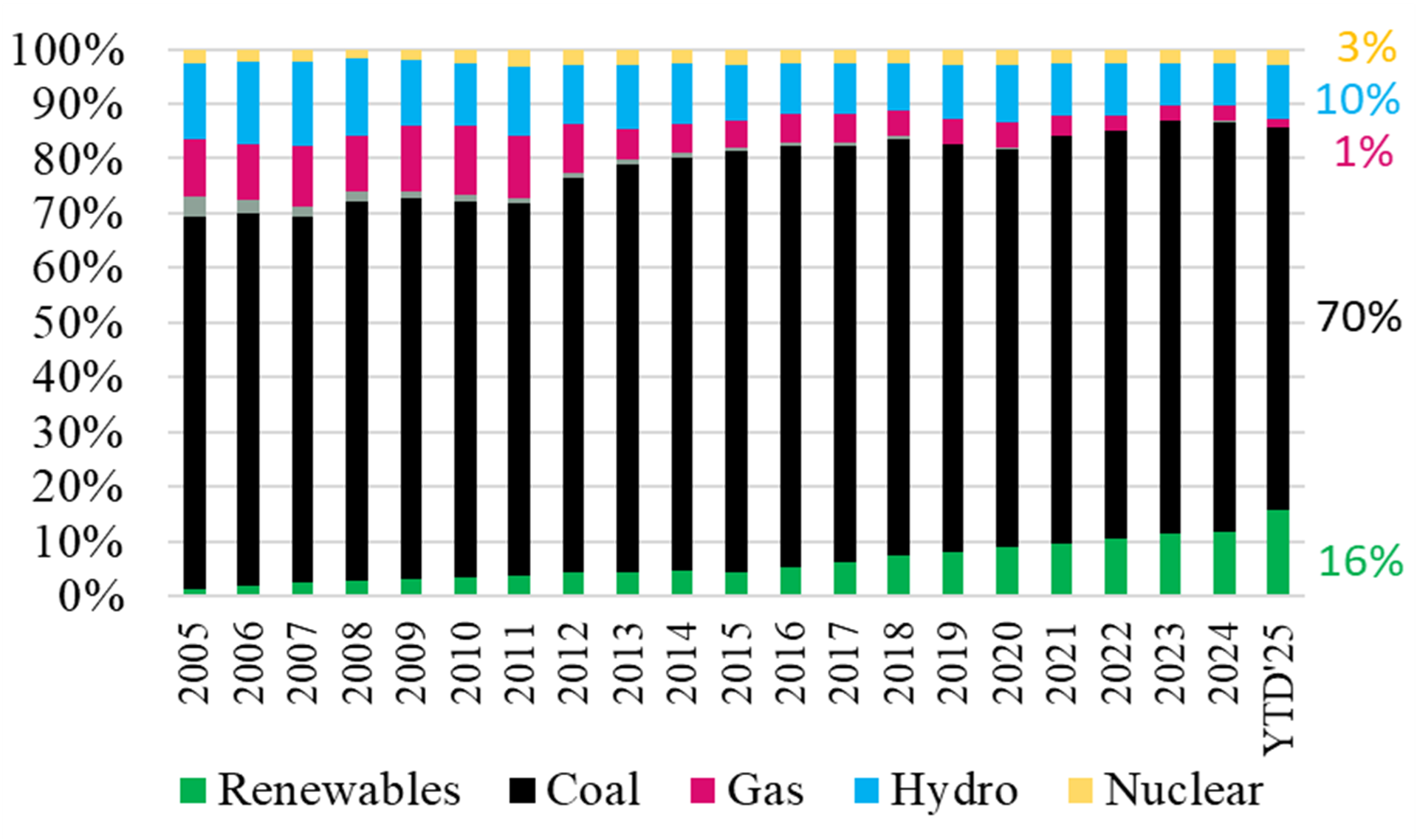
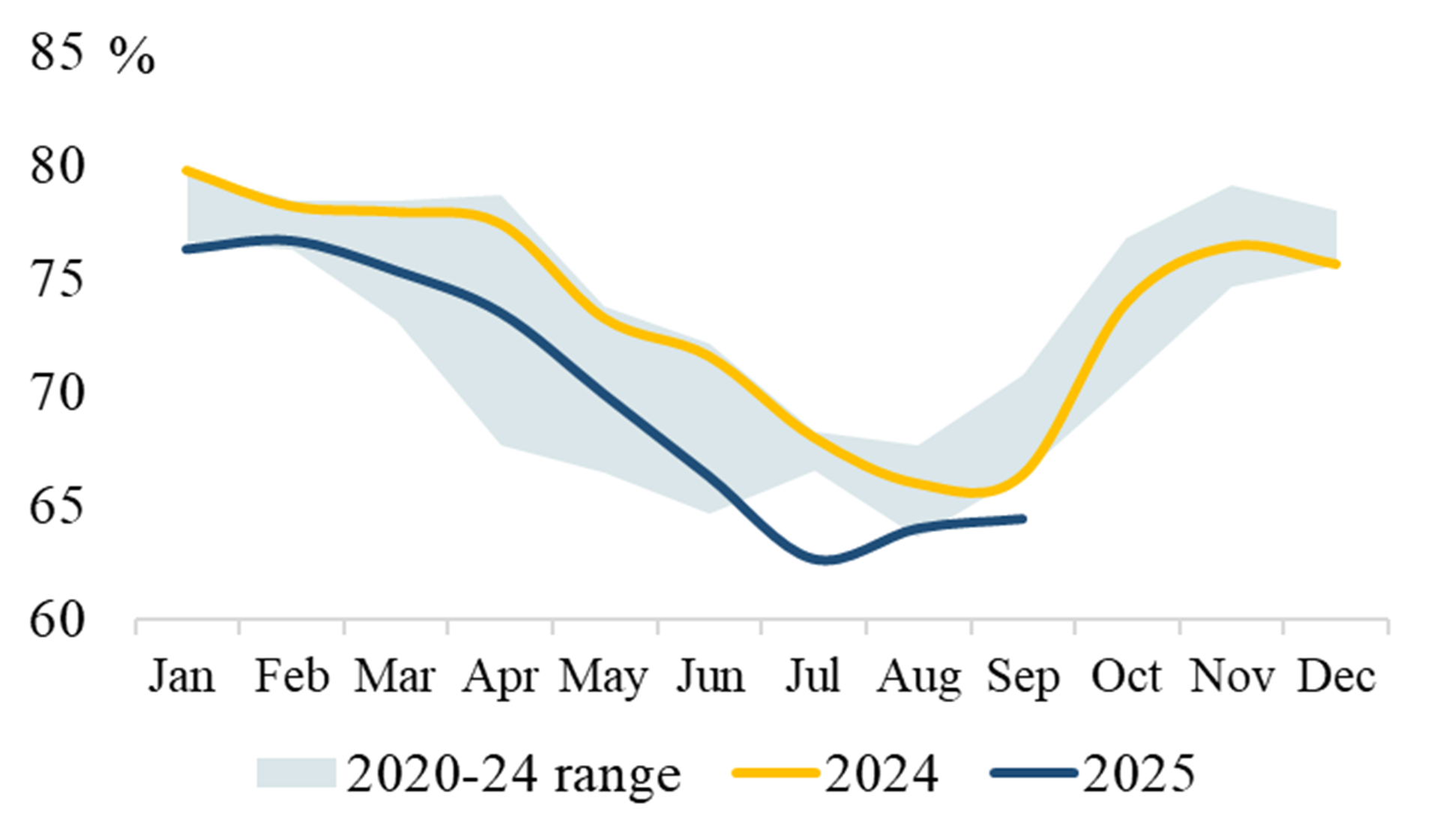
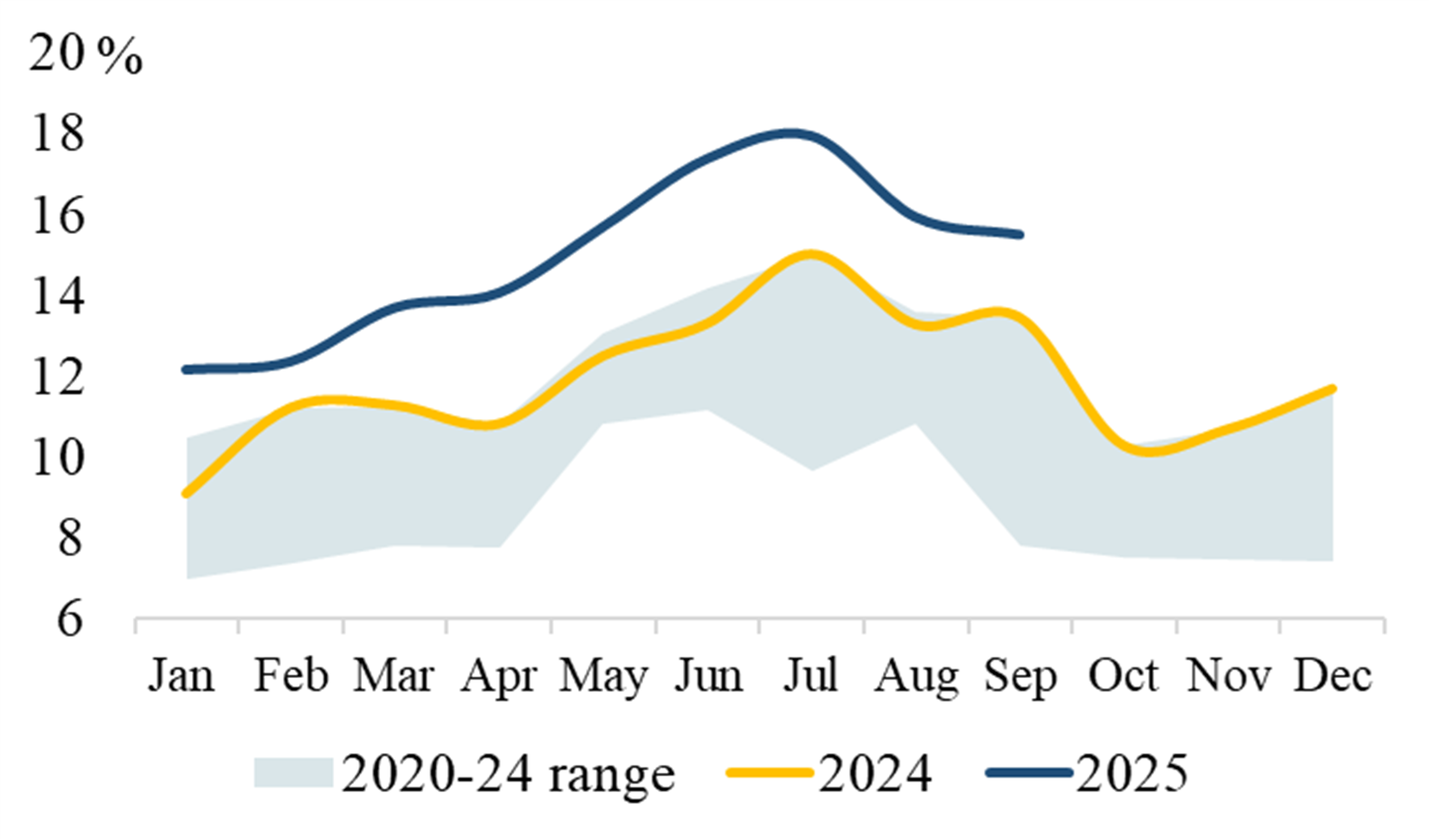
Exhibit 35 Share of Wind & Solar (%) Exhibit 36 Share of Hydro (%)
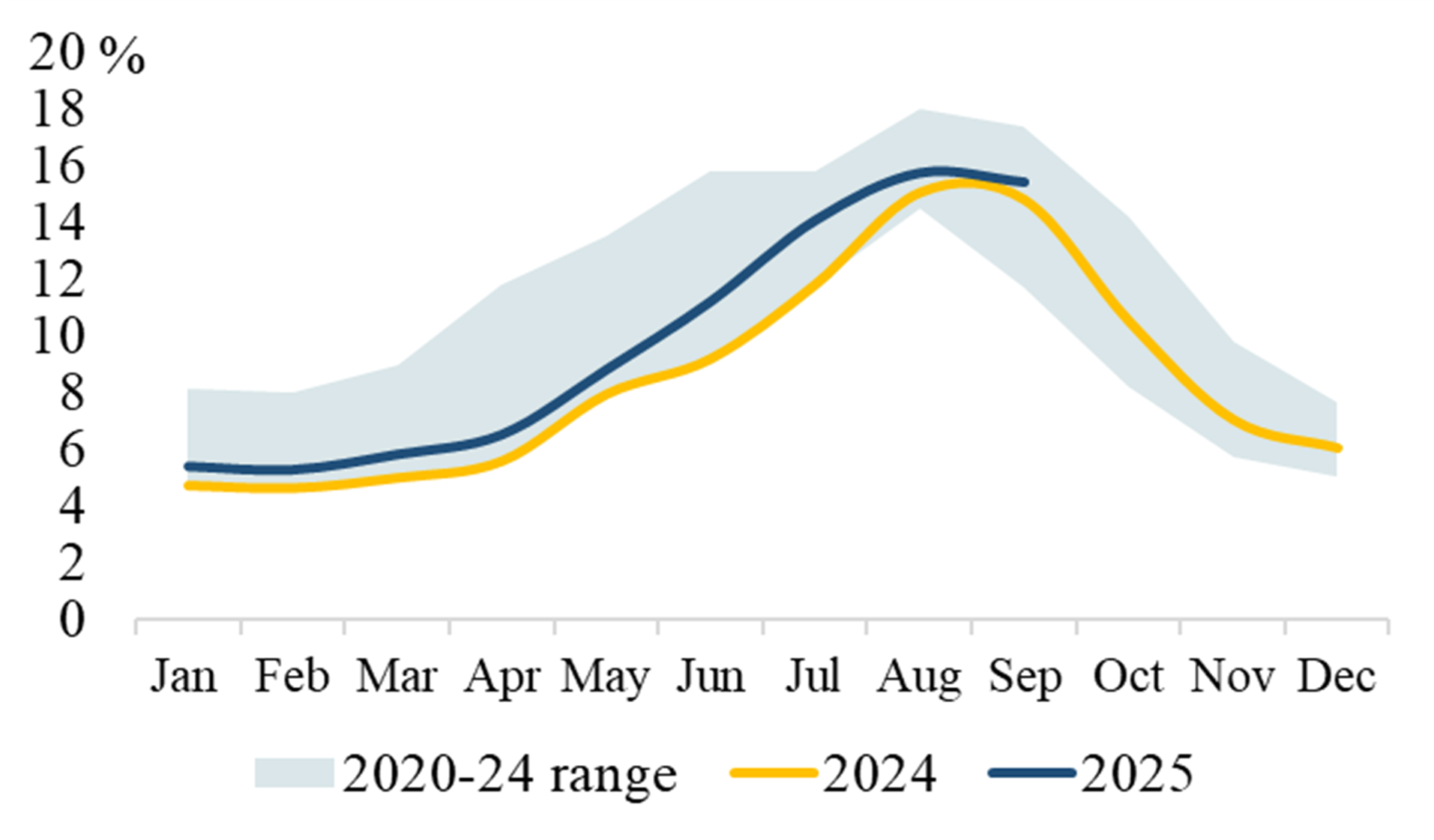
CHINA
Exhibit 37 Power Generation Exhibit 38 Share of Coal (%)
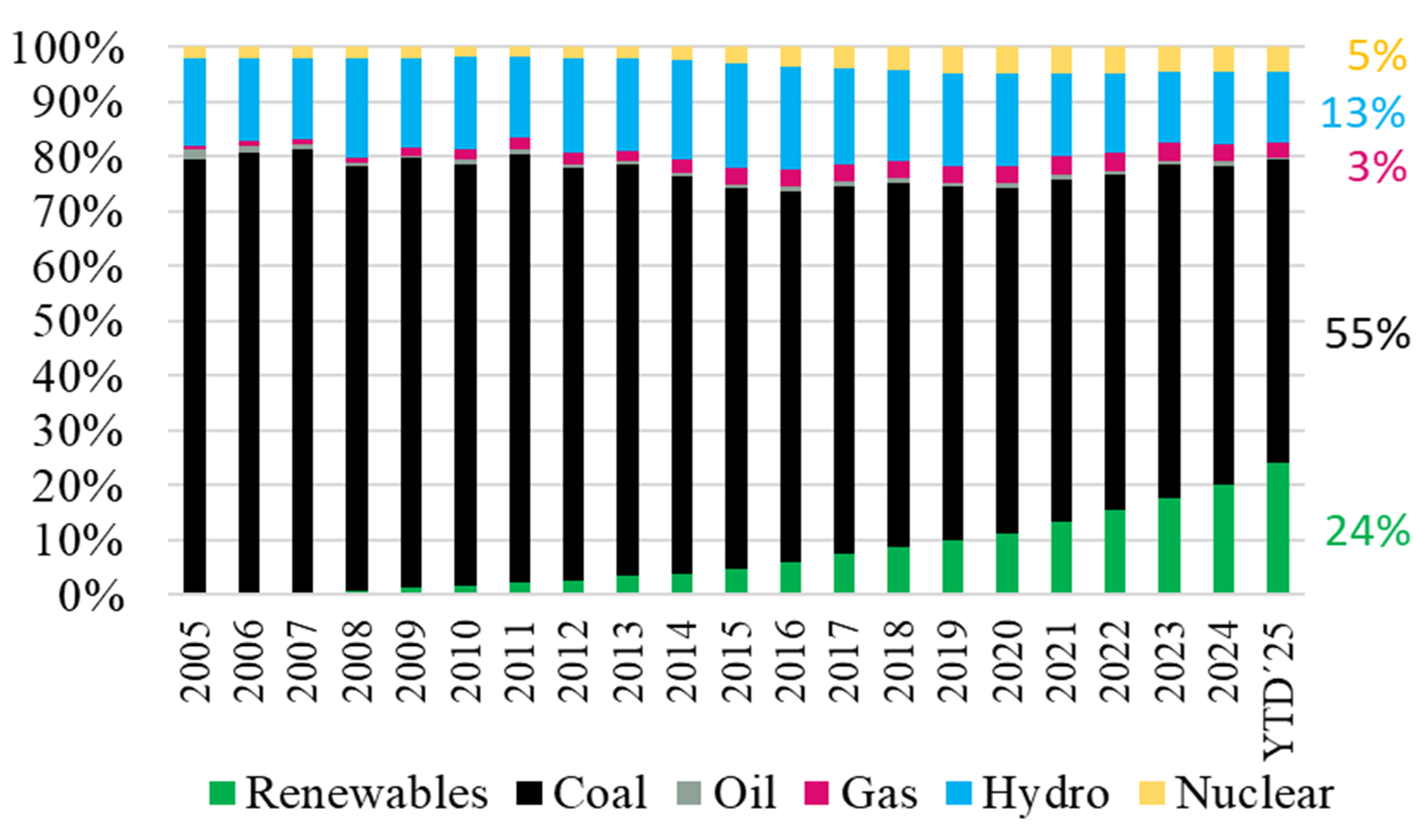
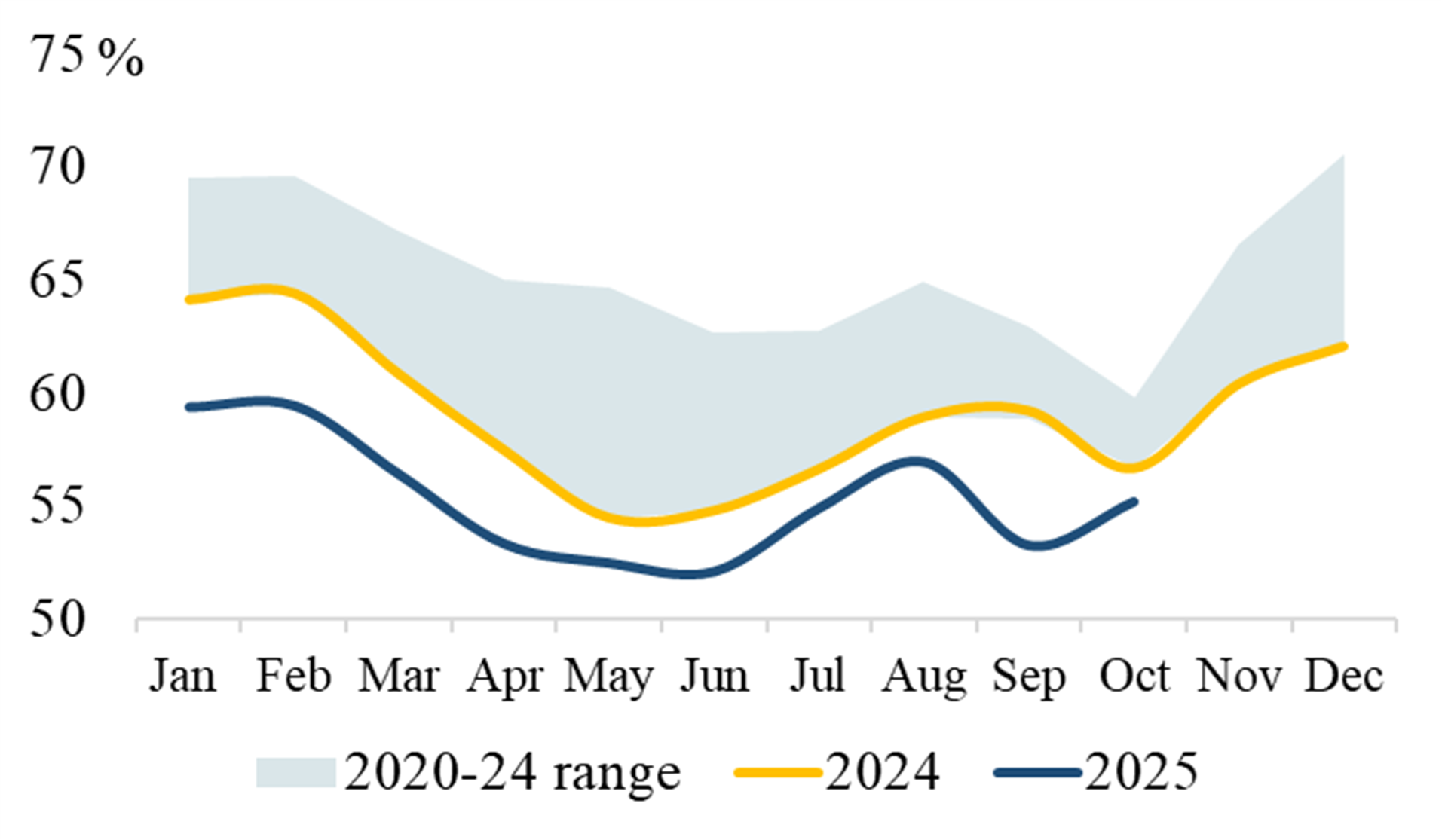
Exhibit 39 Share of Wind & Solar (%) Exhibit 40 Share of Hydro (%) 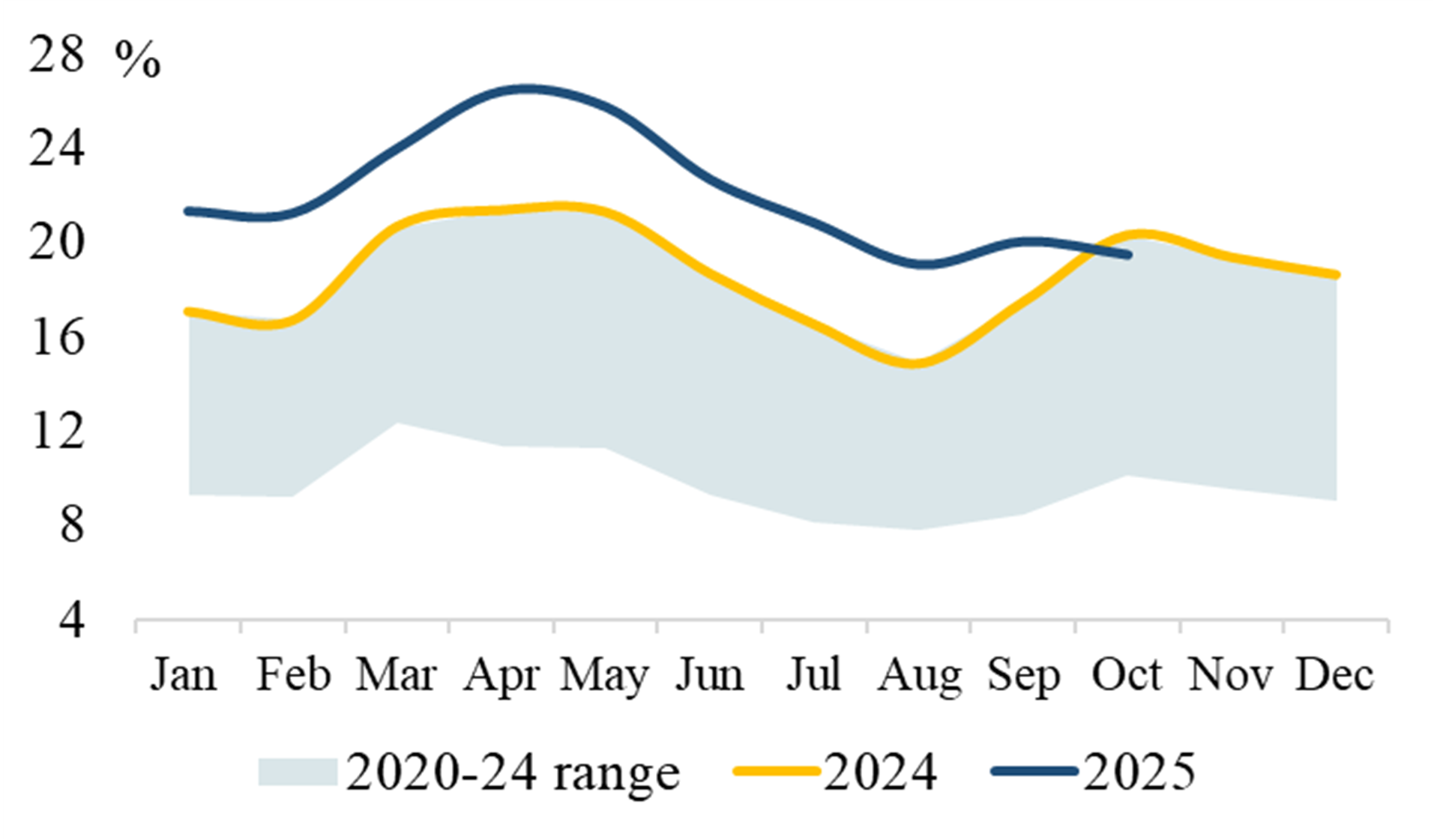
JAPAN
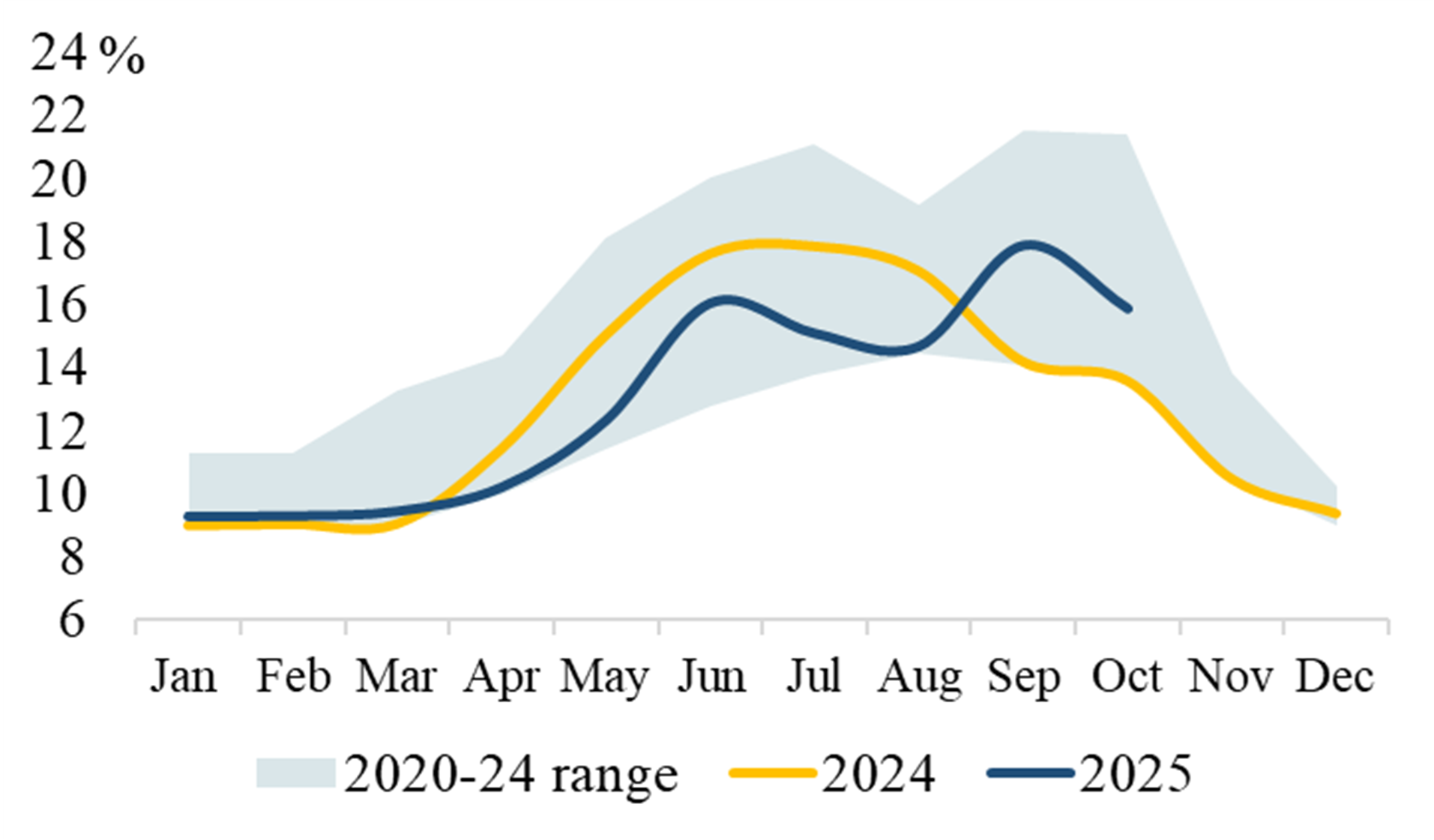
Exhibit 41 Power Generation Exhibit 42 Share of Gas (%)
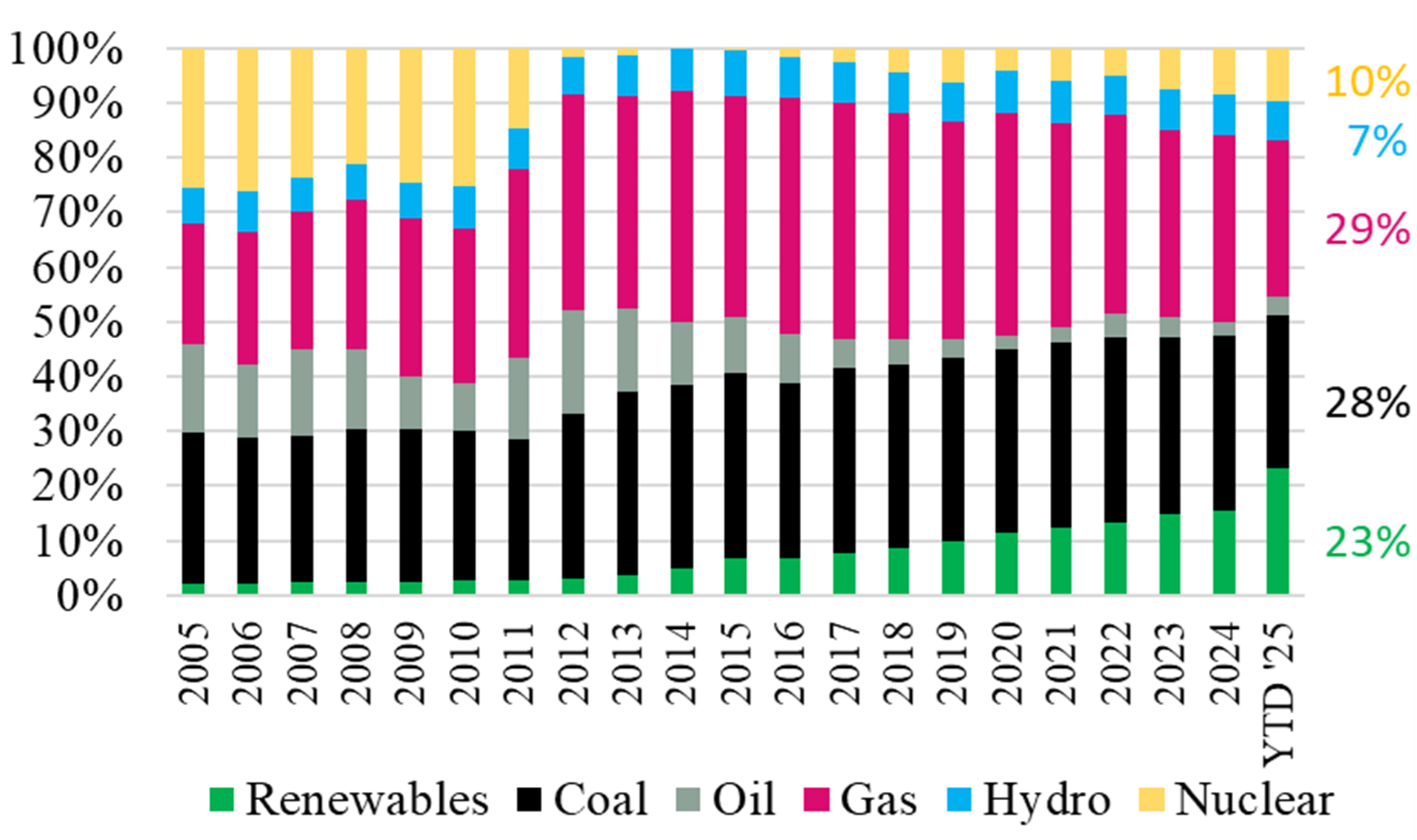
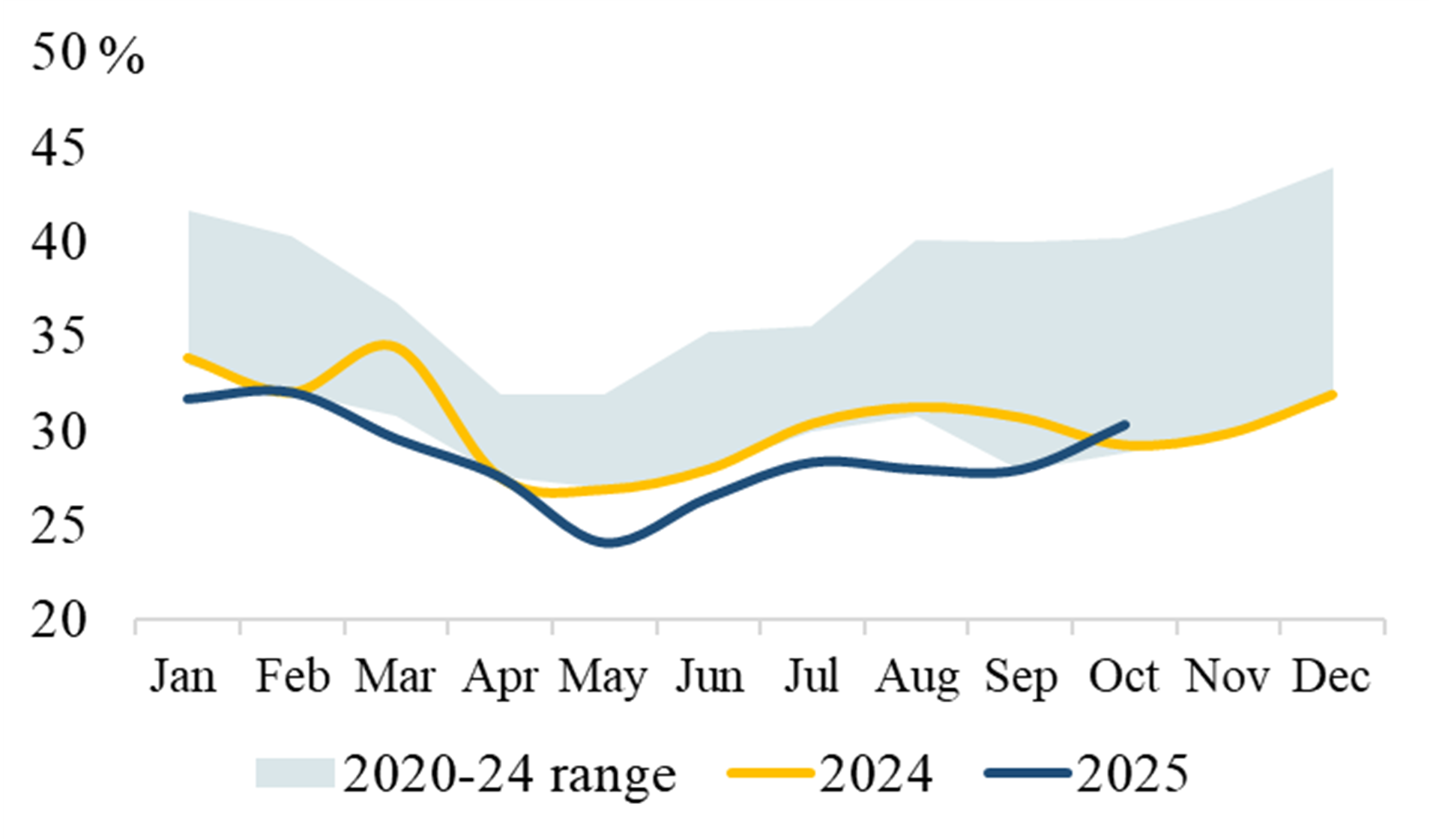
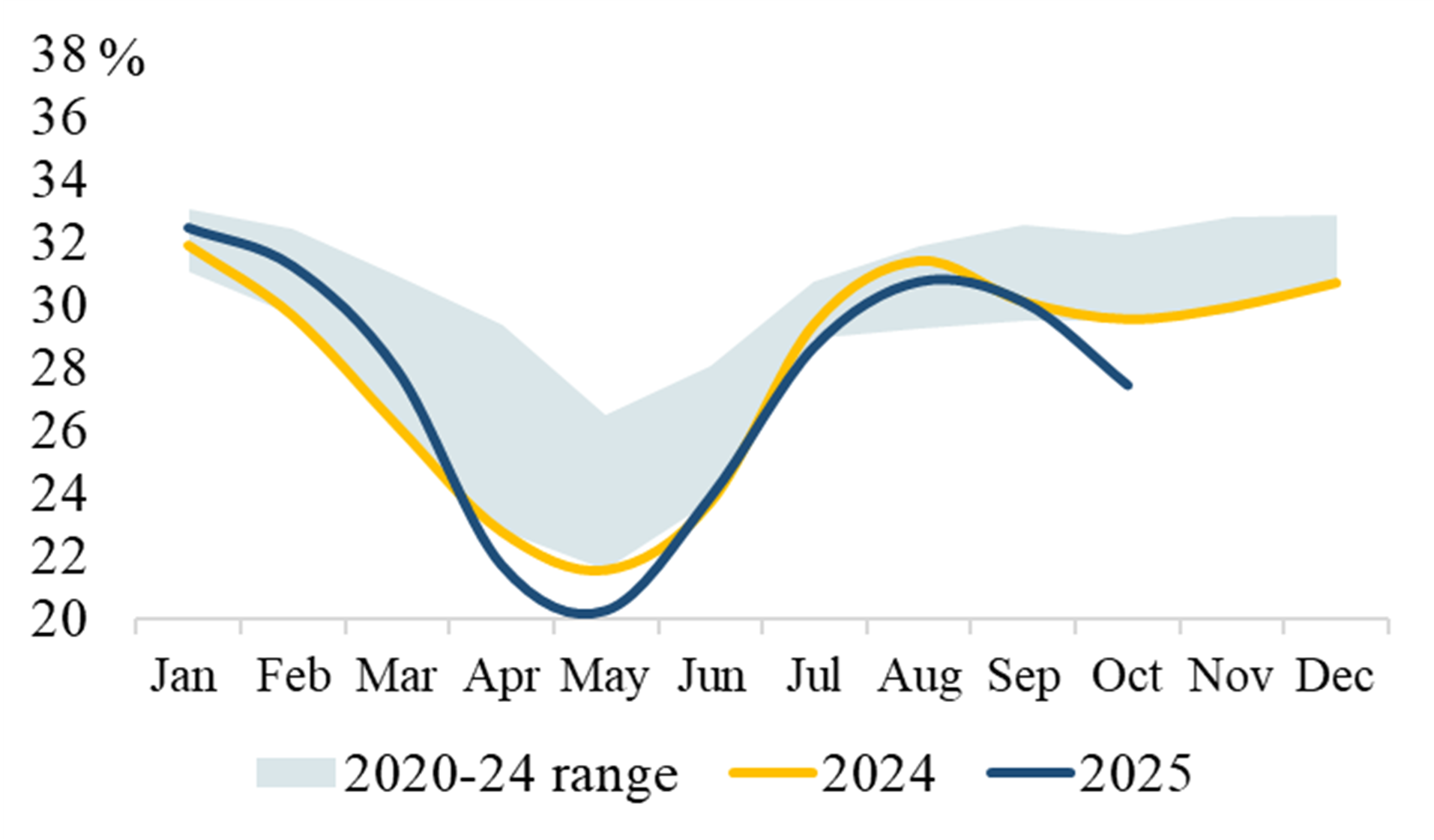
Exhibit 43 Share of Coal (%) Exhibit 44 Share of Wind & Solar (%)
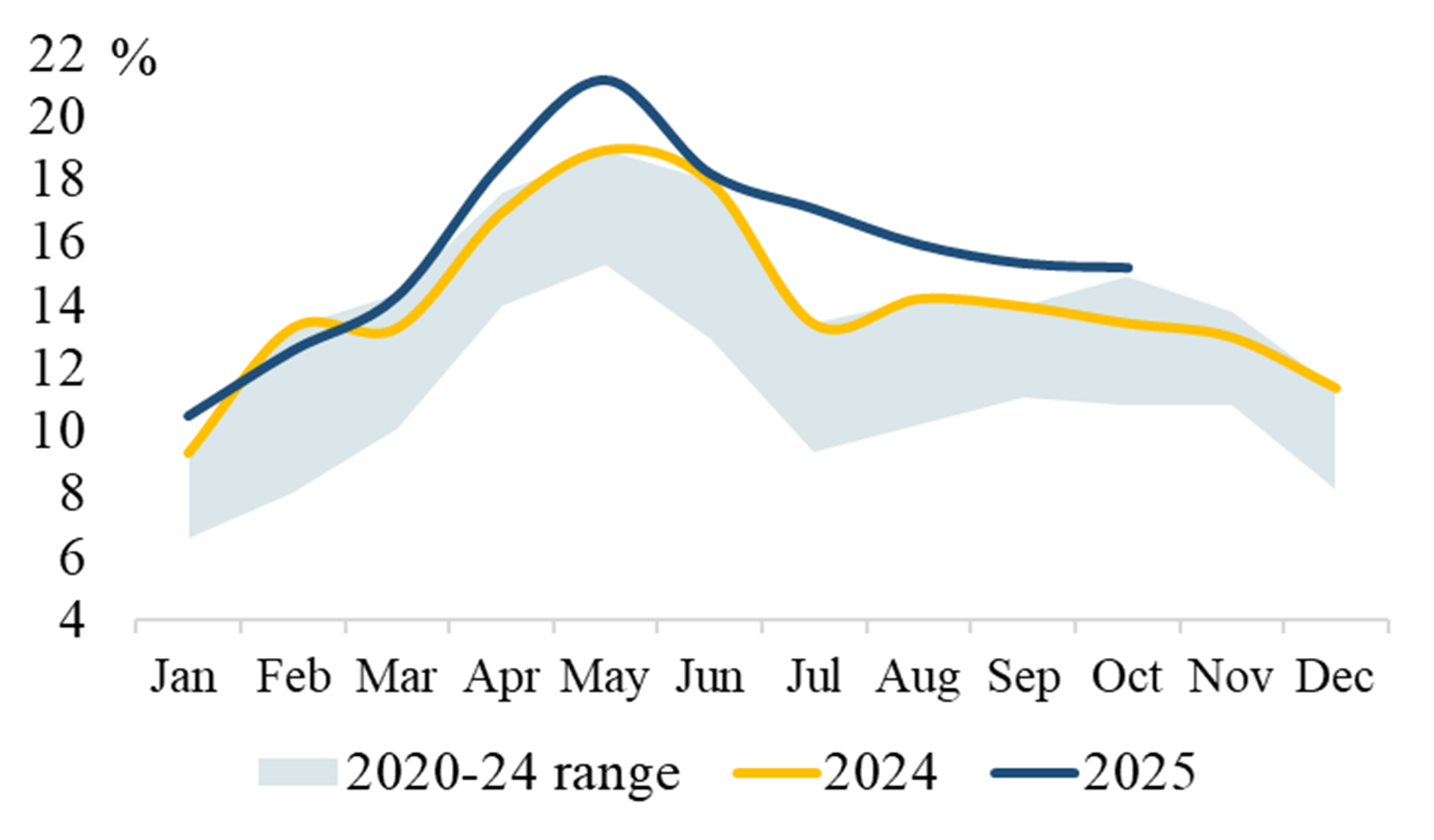
Source: EMBER
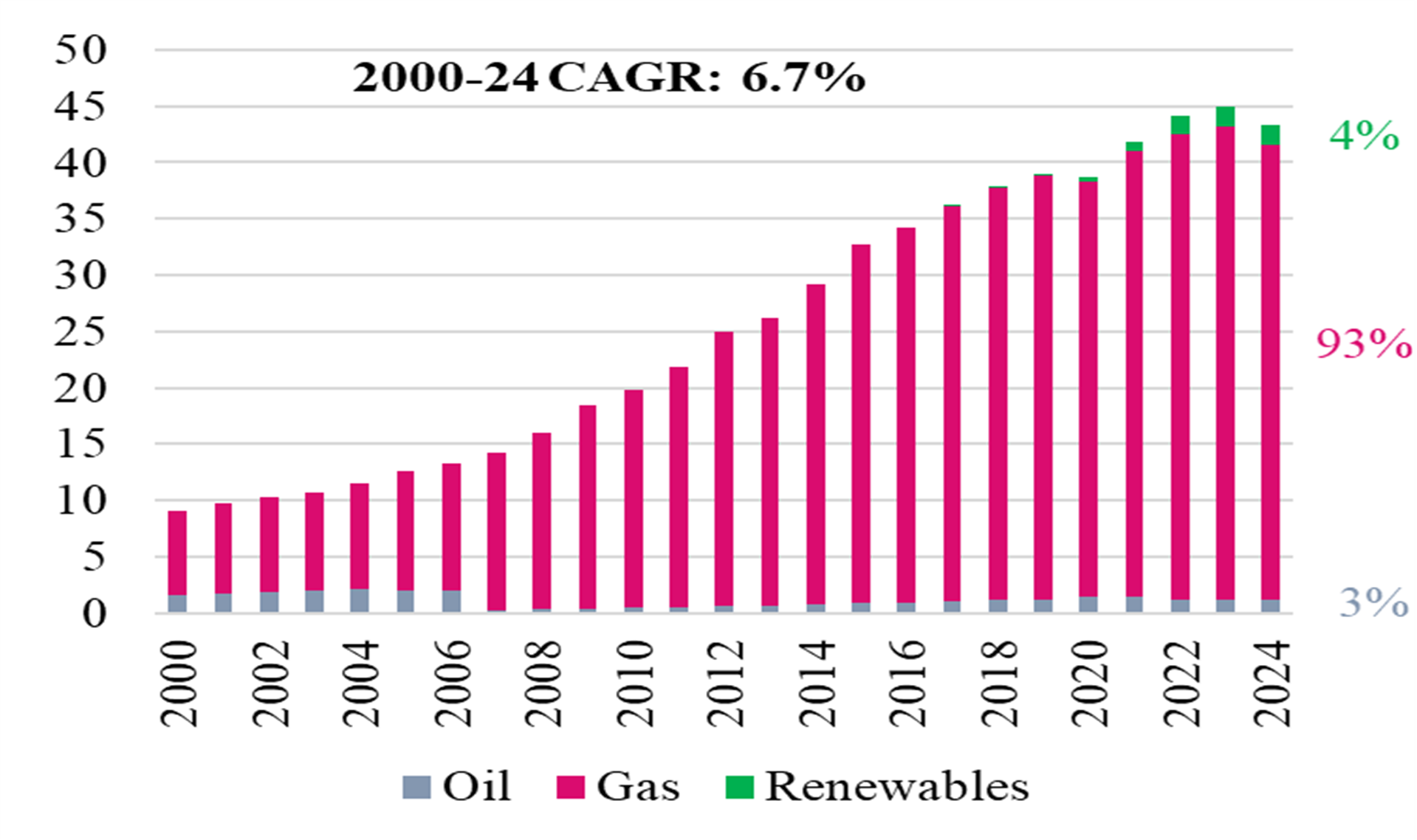
MIDDLE EAST – Energy Mix in Six Gulf Cooperation Council (GCC) Countries
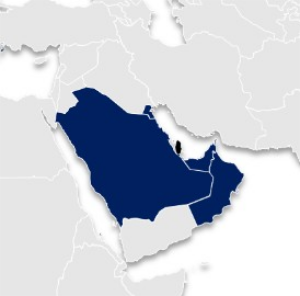
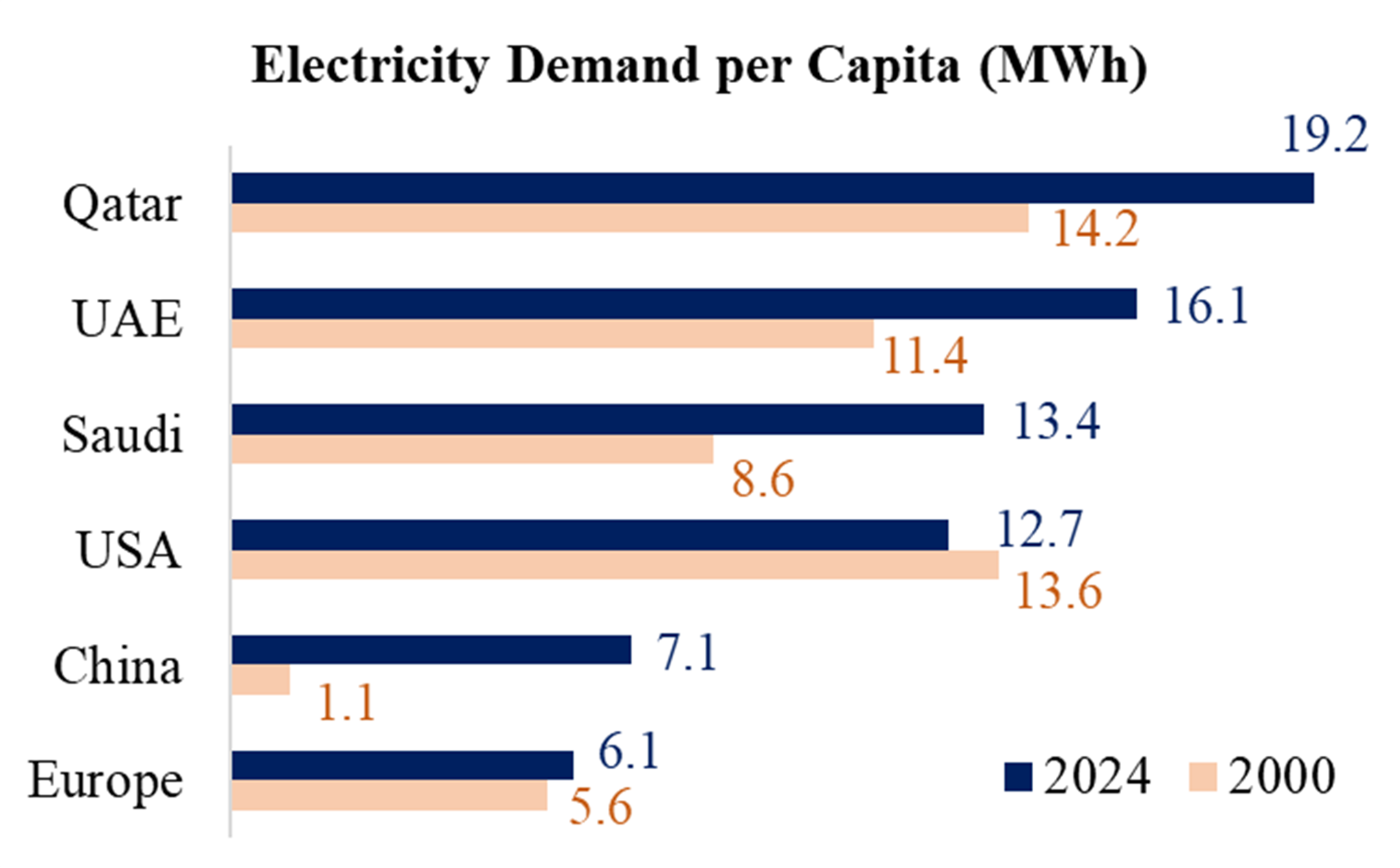
Exhibit 45 Saudi Arabia Power Gen (TWh) Exhibit 46 UAE Power Gen (TWh)
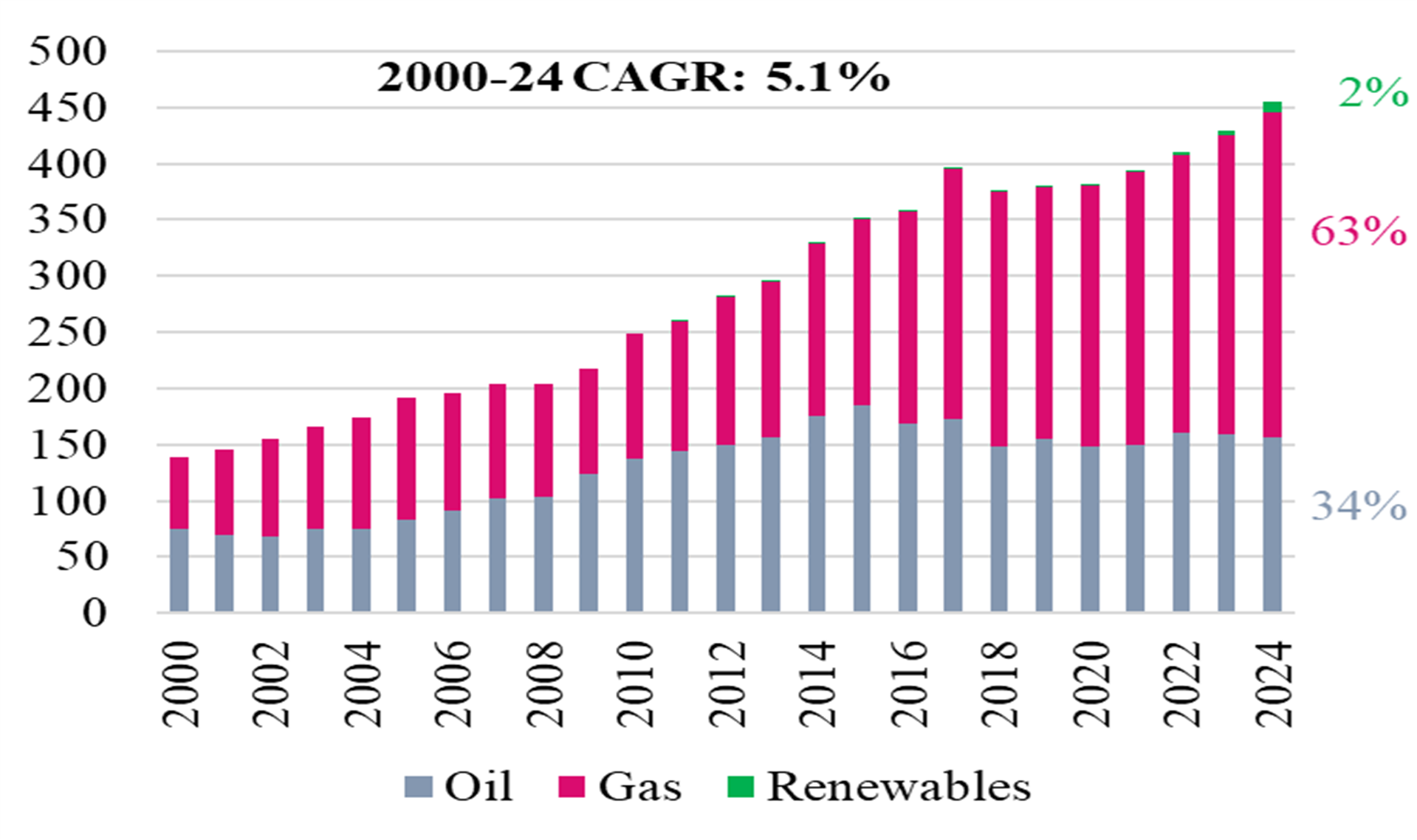
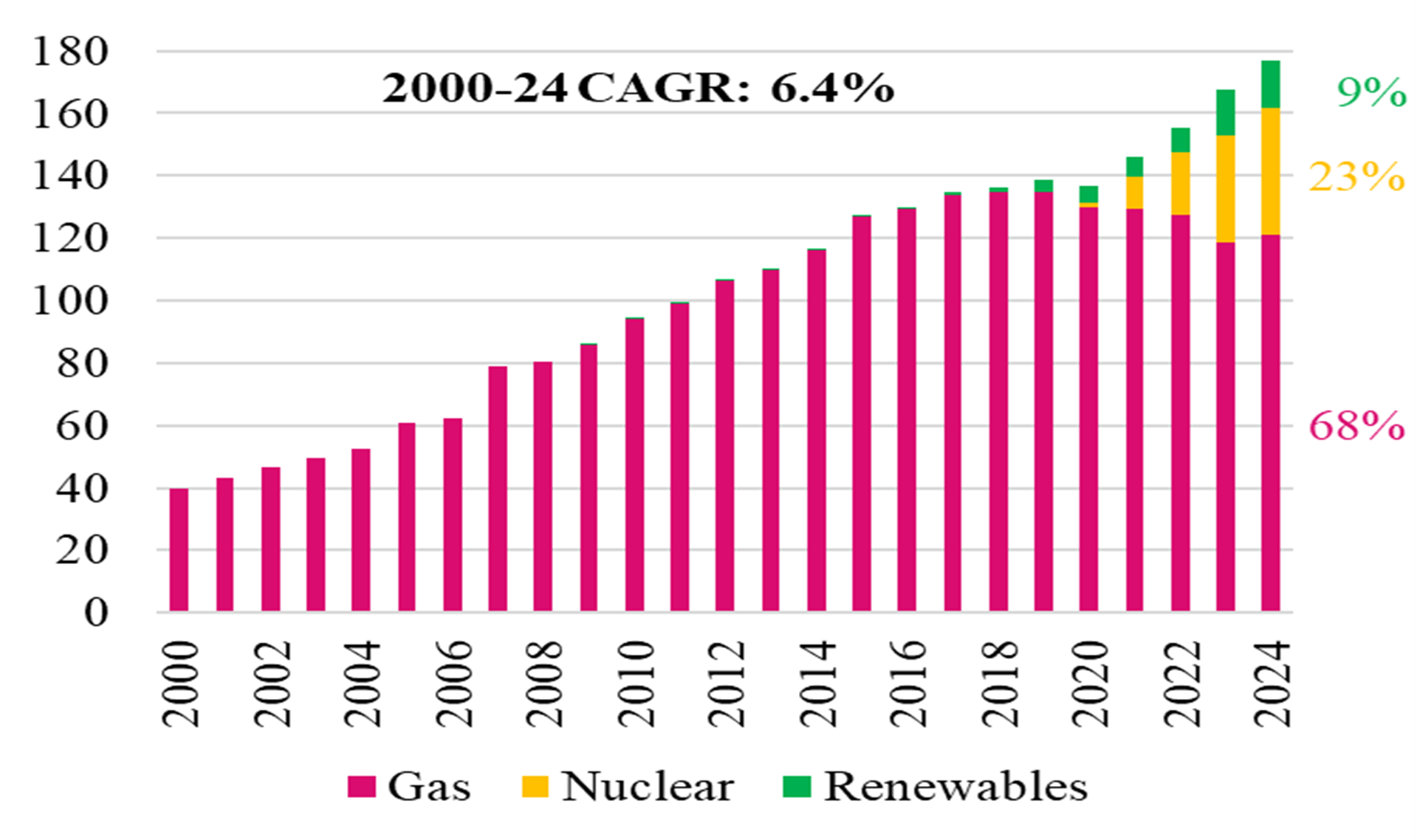
Exhibit 47 Qatar Power Gen (TWh) Exhibit 48 Kuwait Power Gen (TWh)
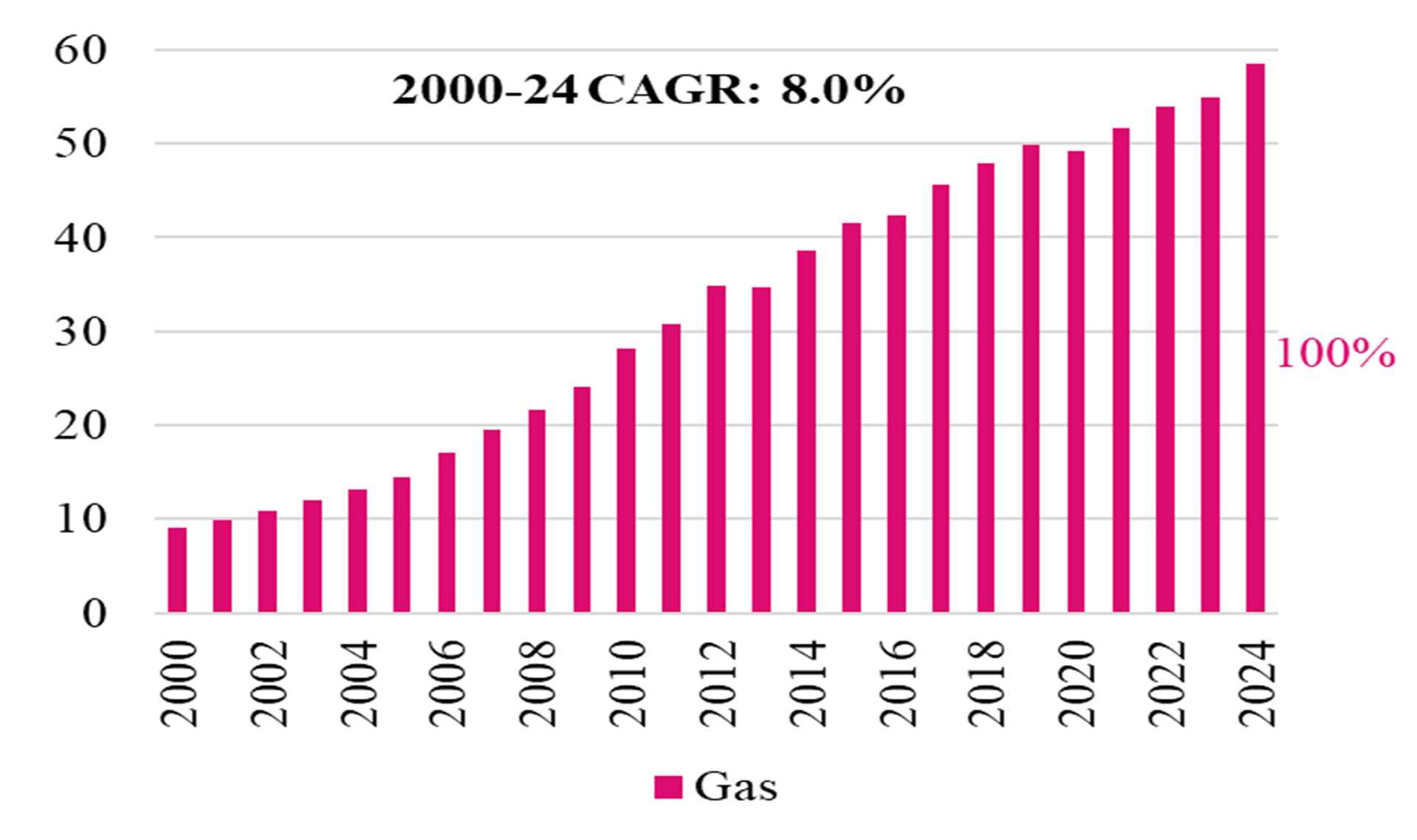
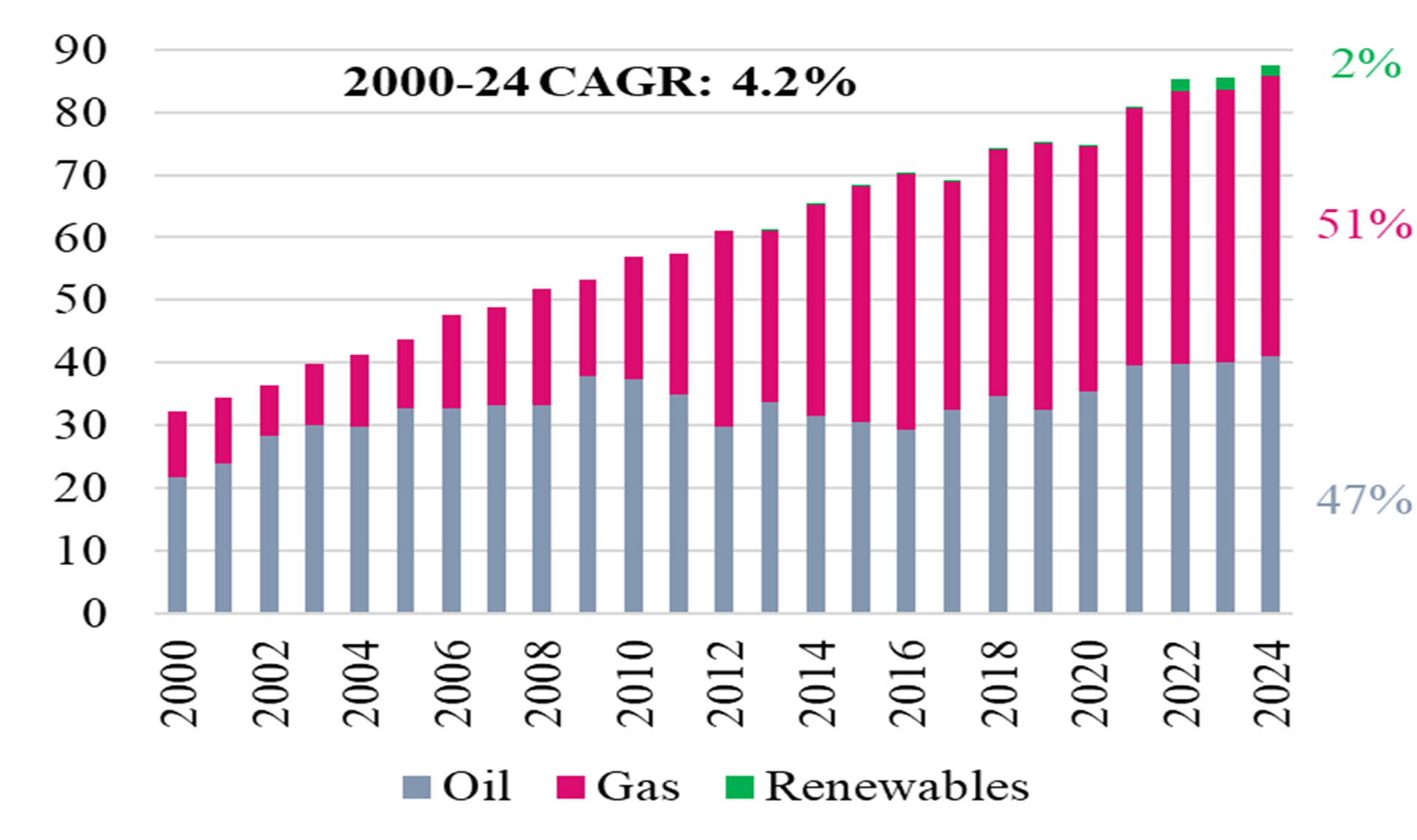
Exhibit 49 Oman Power Gen (TWh) Exhibit 50 Bahrain Power Gen (TWh)
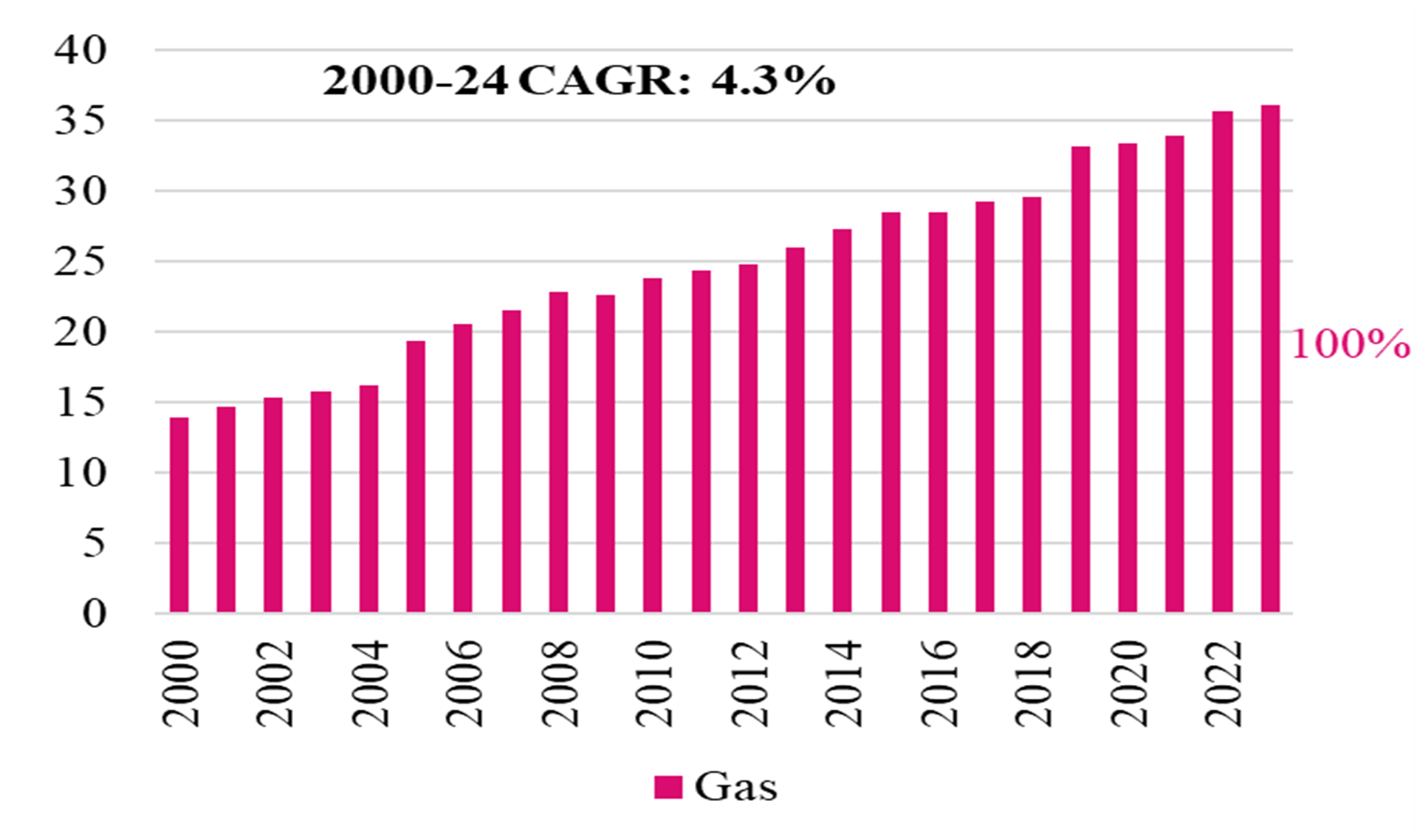
Source: EMBER
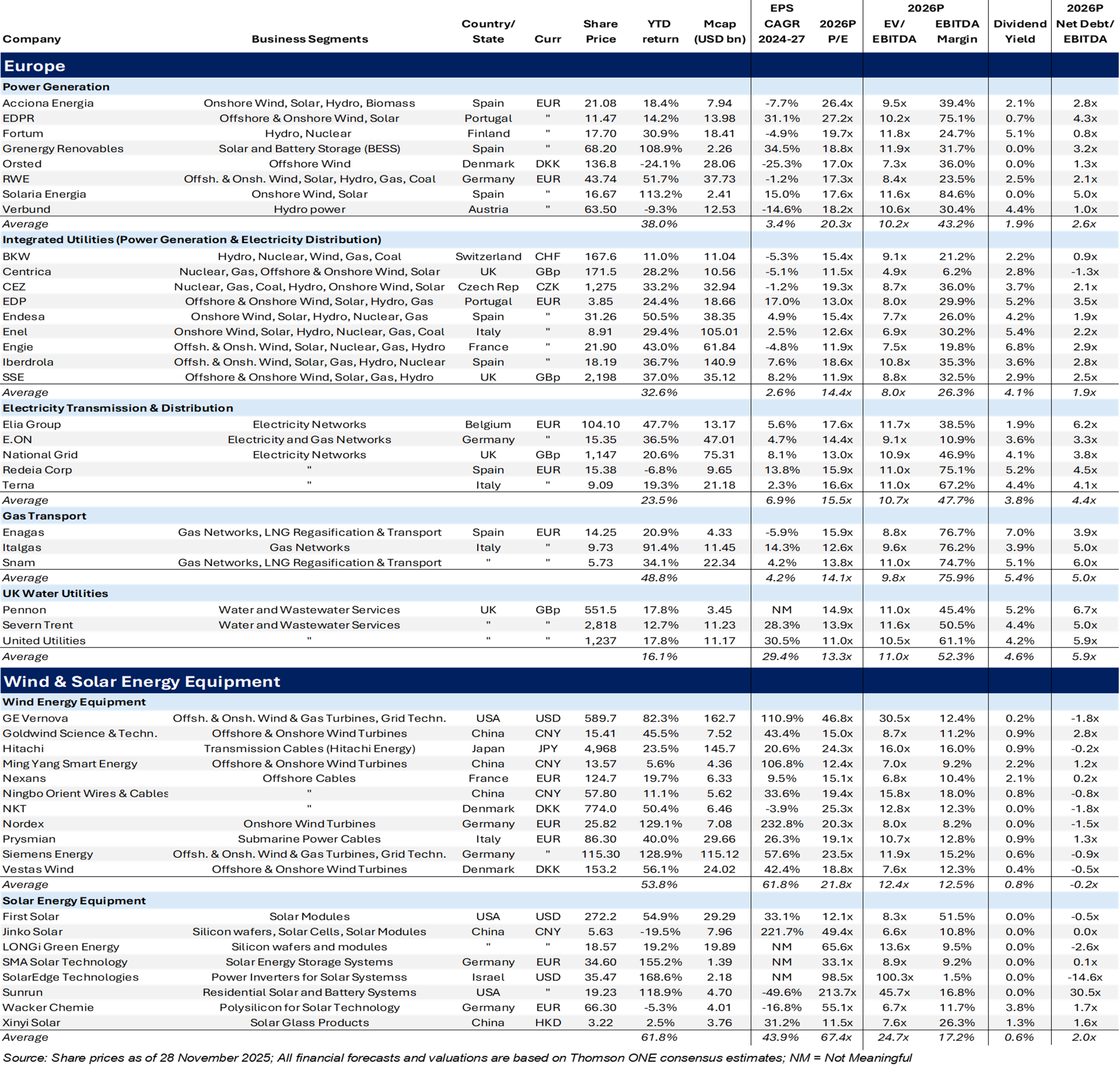
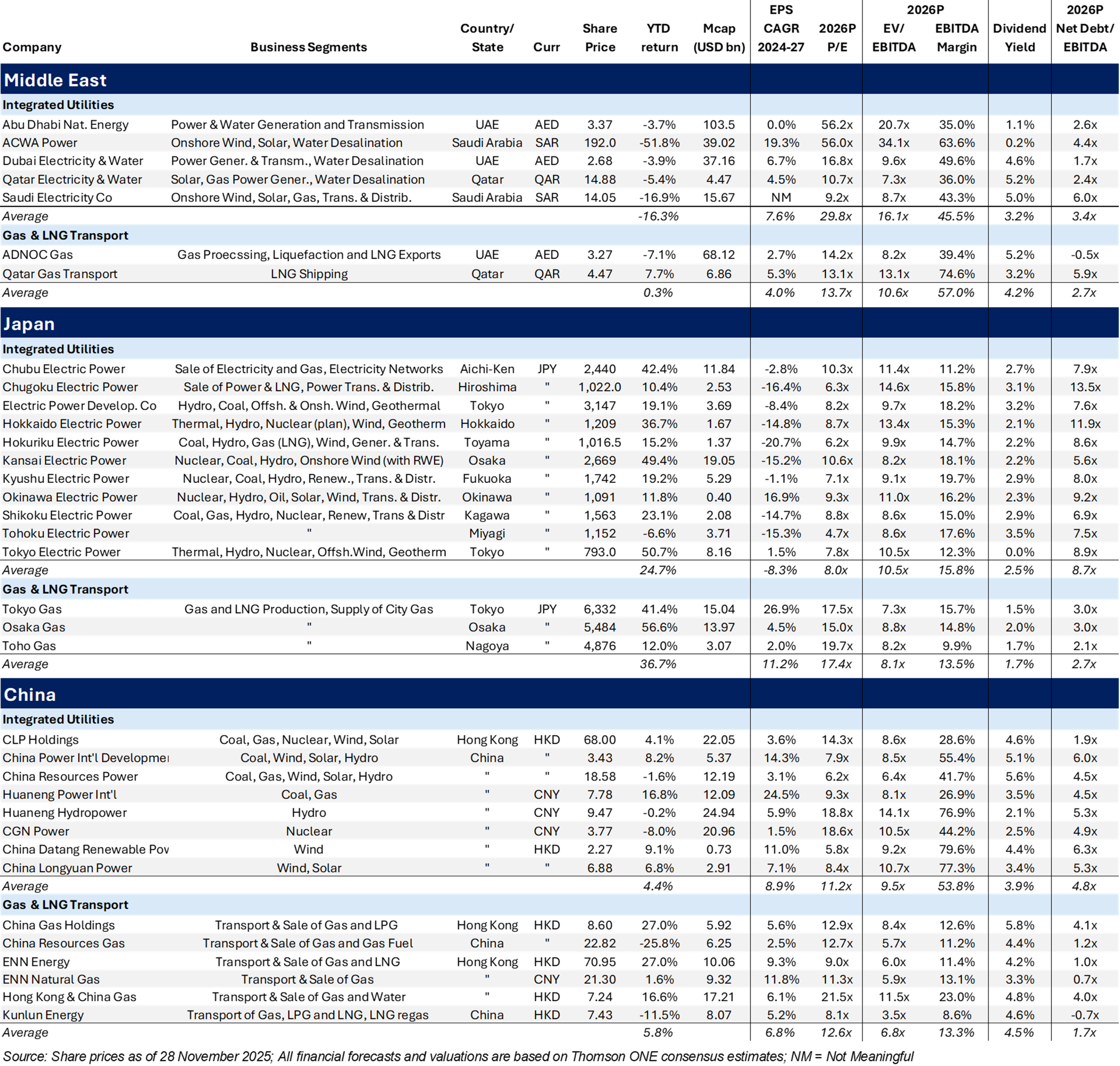
Table 4 Performance and Valuation Comps Table
191 MASON STREET, GREENWICH, CT 06830 Gabelli Funds TEL (914) 921-5100
This whitepaper was prepared by Jens Zimmermann, CFA, by Ashish Sinah, CFA, and by Chong-Min Kang. The examples cited herein are based on public information and we make no representations regarding their accuracy or usefulness as precedent. The Research Analysts’ views are subject to change at any time based on market and other conditions. The information in this report represent the opinions of the individual Research Analysts’ as of the date hereof and is not intended to be a forecast of future events, a guarantee of future results, or investments advice. The views expressed may differ from other Research Analyst or of the Firm as a whole.
As of September 30, 2025, affiliates of GAMCO Investors, Inc. beneficially owned less than 1% of all companies mentioned.
Funds investing in a single sector, such as utilities, may be subject to more volatility than funds that invest more broadly. The utilities industry can be significantly affected by government regulation, financing difficulties, supply or demand of services or fuel and natural resources conservation. The value of utility stocks changes as long-term interest rates change
Investors should carefully consider the investment objectives, risks, charges and expenses of the Fund before investing. The prospectus, which contains more complete information about this and other matters, should be read carefully before investing. To obtain a prospectus, please call 800 GABELLI or visit www.gabelli.com
Returns represent past performance and do not guarantee future results. Current performance may be lower or higher than the performance data quoted. Investment return and principal value will fluctuate so, upon redemption, shares may be worth more or less than their original cost. To obtain the most recent month end performance information and a prospectus, please call 800-GABELLI or visit www.gabelli.com
Distributed by G.distributors, LLC., a registered broker dealer and member of FINRA
This whitepaper is not an offer to sell any security nor is it a solicitation of an offer to buy any security.
For more information, visit our website at: www.gabelli.com or call: 800-GABELLI
800-422-3554 • 914-921-5000 • Fax 914-921-5098 • info@gabelli.com
Gabelli Funds, LLC is a registered investment adviser with the Securities and Exchange Commission and is a wholly owned subsidiary of GAMCO Investors, Inc. (OTCQX: GAMI).