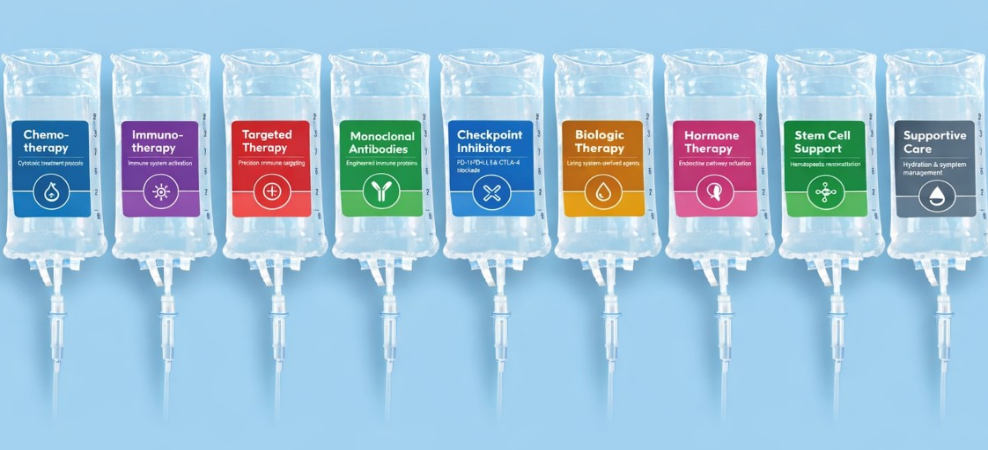
A Structural Growth Opportunity Driven by Site-of-Care Shift, Specialty Drug Complexity, and Aging Demographics
What Is Infusion Therapy
Infusion therapy refers to the administration of medications, fluids, or nutritional support directly into the body, most often intravenously, but in certain cases subcutaneously or intramuscularly. It is generally used when oral therapy is not feasible, when dosing needs to be tightly controlled, or when the drug itself is too complex for oral delivery. The category spans a wide range of indications, including anti-infectives, parenteral nutrition, immunoglobulin replacement, biologics for chronic inflammatory and autoimmune disease, therapies for bleeding disorders, neurologic conditions, oncology and supportive care, and a range of rare and orphan diseases.
Industry Overview
Infusion therapy is one of the fastest-growing segments of the U.S. healthcare system, supported by a continued shift away from hospital-based administration toward lower-cost, more convenient sites of care such as ambulatory infusion centers, physician offices, and the home. Within this migration, home infusion has become an increasingly important delivery channel as payers, providers, and patients seek clinically appropriate alternatives to hospital outpatient departments.
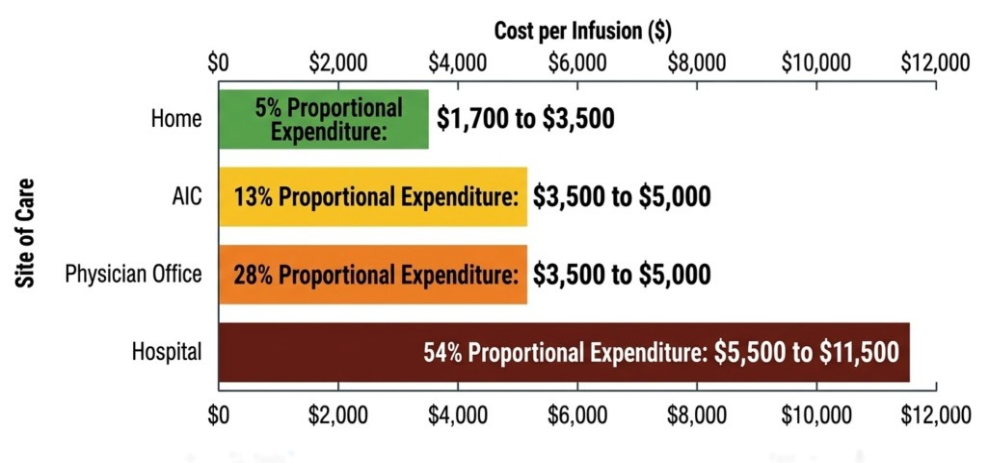
Several structural factors continue to support growth. First, site-of-care economics remain compelling. According to the National Home Infusion Foundation (NHIF), the cost per infusion is approximately $1,700–3,500 in the home, compared with $3,500–5,000 in ambulatory infusion centers, $3,500–5,000 in physician offices, and $5,500–11,500 in hospital settings. On NHIF’s analysis, home infusion is roughly 65–85% less expensive than hospital-based infusion, while ambulatory infusion centers are approximately 20–40% less expensive than physician offices based on proportional expenditure. This cost advantage remains a major tailwind as payers continue steering utilization toward lower-cost settings when clinically appropriate.
Exhibit 1 Infusion Costs Are Significantly Lower Outside the Hospital
Source: National Home Infusion Foundation (NHIF)
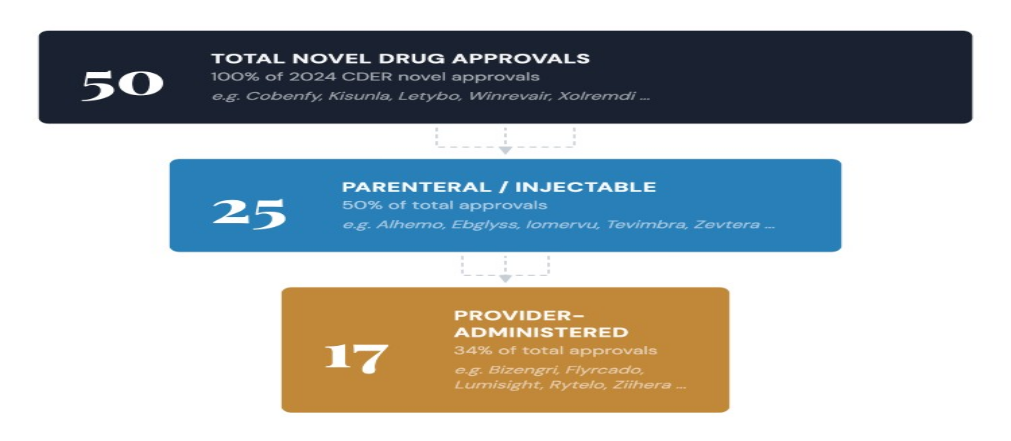
Second, pharmaceutical innovation continues to expand the addressable market for infusion providers. Biologics and other specialty therapeutics increasingly require specialized pharmacy distribution, cold-chain logistics, nursing support, reimbursement coordination, and ongoing monitoring, all of which favor scaled infusion platforms over traditional dispensing channels. In 2024, FDA’s CDER approved 50 novel drugs, and our review of route-of-administration data suggests that roughly one-half were parenteral or injectable, with approximately one-third of total approvals representing more clearly provider-administered injectable therapies. Beyond annual approval counts, the broader pipeline of infused and specialty therapies remains robust, supporting sustained growth across both acute and chronic infusion categories. In our view, providers with national scale, therapeutic expertise, and access to limited-distribution drugs should be best positioned to capture this demand.
Exhibit 2 2024 FDA Novel Drug Approvals
Sources: Food and Drug Administration
Third, demographic trends provide a durable demand tailwind. The U.S. population is aging, and infusion utilization already skews older, with home infusion disproportionately serving patients age 50 and above. Combined with the rising prevalence of chronic disease and multimorbidity, these trends should support sustained demand for infusion services across therapeutic categories over time.
Taken together, favorable site-of-care economics, continued specialty drug innovation, and the aging of a chronically ill population support sustained growth in home and alternate-site infusion.
The Demographic Imperative
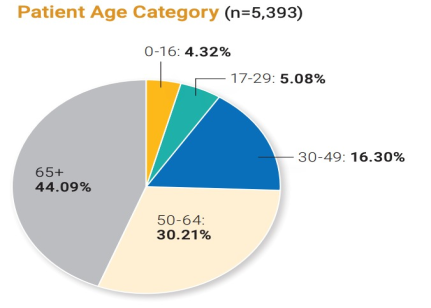
Clinical demand for infusion therapy is supported by powerful and durable demographic trends. Based on our analysis of U.S. Census Bureau population projections, the U.S. population aged 50 and older is expected to rise to approximately 136 million by 2035. This cohort is particularly relevant to infusion therapy because home infusion utilization skews older: In a NHIA published patient dataset, 74.3% of home infusion patients were age 50 or older. Together, these trends suggest that the continued aging of the U.S. population should support sustained growth in infusion utilization across therapeutic categories.
Exhibit 3 Projected United States Population Aged 50+ (M)

Source: US Census Bureau
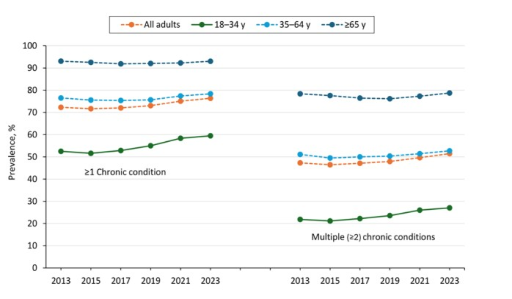
The chronic disease burden further supports this outlook. CDC research published in 2025 found that, in 2023, 76.4% of U.S. adults, or more than 194 million people, had at least 1 of 12 selected chronic conditions, while 51.4%, or approximately 131 million, had multiple chronic conditions. Among older adults, the burden was even greater, with 93.0% reporting at least one chronic condition and 78.8% reporting multiple chronic conditions. In our view, these data underscore the size of the population requiring ongoing specialty care, clinical monitoring, and thoughtful site-of-care management over time.
Exhibit 4 Home Infusion Patient Age Mix
Source: NHIF
Exhibit 5 U.S. Adult Prevalence of At Least 1 & Multiple Chronic Conditions by Age Cohort, 2013–2023
Source: Centers for Disease Control and Prevention
The prevalence of multiple chronic conditions is especially pronounced in the Medicare population. CMS related data cited in the medical literature indicate that roughly two-thirds of adults older than 65 have two or more chronic conditions, while approximately 16% have six or more. These patients are typically among the highest-utilization and highest-cost cohorts in the U.S. healthcare system. Many require complex longitudinal management across autoimmune disease, immunology, infectious disease, oncology, and other specialty categories that can involve infused or provider-administered therapies. In our view, this creates a durable and expanding demand base for providers operating across home, ambulatory, and community-based settings.
Market Opportunity and Total Addressable Market
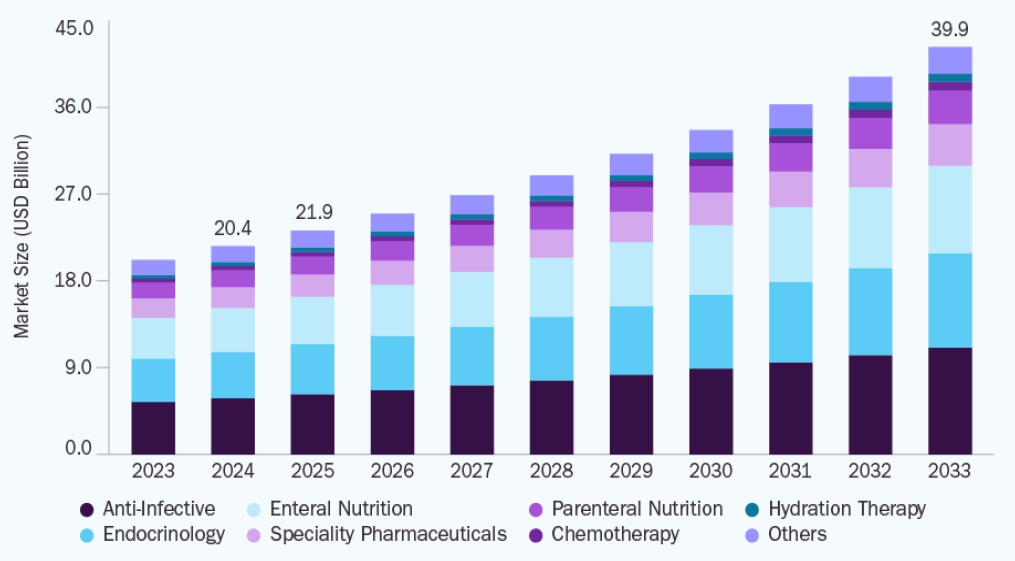
The U.S. infusion therapy market exceeds $100 billion, spanning hospital outpatient departments, physician offices, ambulatory infusion centers, and home-based settings. Within that broader landscape, the U.S. home infusion therapy market was approximately $22 billion in 2025 and remains one of the fastest-growing segments of the infusion ecosystem. Grand View Research projects the home infusion market will grow at a 7.8% CAGR through 2033, reaching nearly $40 billion, reflecting continued migration toward lower-cost, out-of-hospital care delivery.
Exhibit 6 U.S. Home Infusion Therapy Market Size(USD Bn)
Source: Grand View Research
Industry utilization has expanded materially over time. U.S. home infusion and specialty providers served more than 3 million patients in 2019, representing roughly 300% growth versus the prior decade. In our view, this reflects both rising clinical acceptance of home-based administration and the increasing number of specialty therapies that can be delivered safely outside the hospital.
Despite the size of the opportunity, the market remains fragmented, though consolidation is clearly advancing. The U.S. home infusion market includes roughly 900 providers, but share is increasingly concentrated among a small group of scaled operators. Based on company disclosures and our estimates, Option Care Health accounts for approximately 26% of the home infusion market, UnitedHealth Group/ Optum approximately 21%, and BrightSpring Health Services approximately 6%, with the remaining ~47% spread across hundreds of regional, local, hospital-affiliated, and privately held providers.
In our view, this market structure highlights two realities at once: the industry is still fragmented, but scale is becoming increasingly important. Network density, payer alignment, clinical capabilities, and access to limited-distribution therapies are likely to matter more over time, which should favor larger platforms with national reach and more sophisticated operating infrastructure.
Industry Utilization and Channel Shift
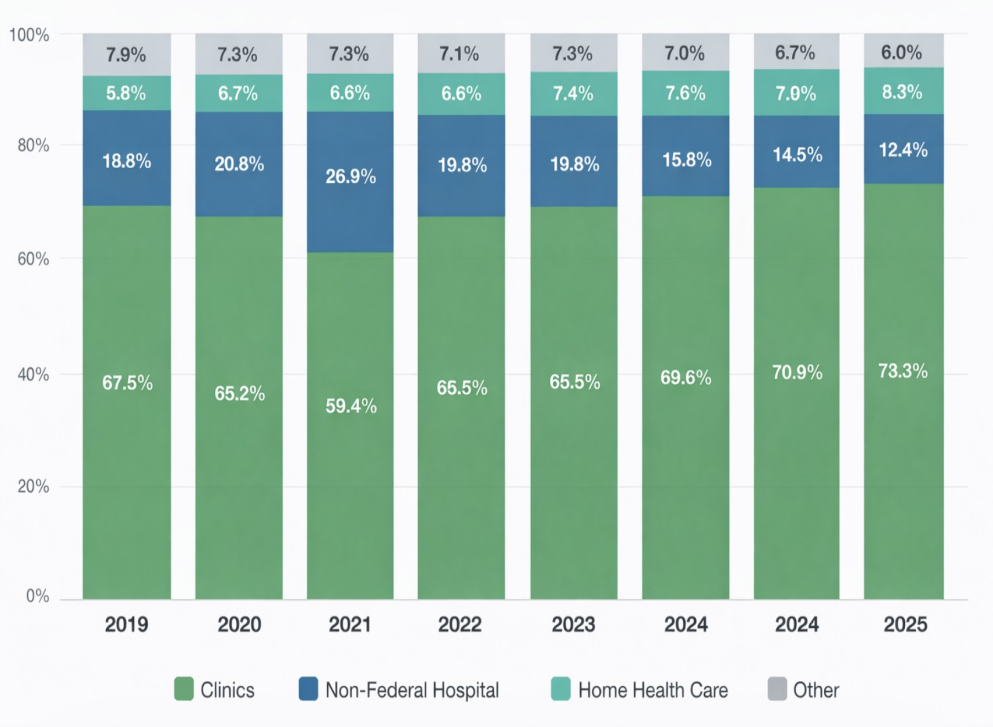
The distribution of infusion care across the U.S. healthcare system is changing. According to IQVIA channel data, non-federal hospitals declined as a share of infusion distribution between 2019 and 2025, while clinics and home health care settings gained share over the same period. Although these channel definitions are broader than a pure site-of-care framework, the directional trend is clear: infusion therapy is gradually migrating away from traditional hospital settings and toward lower-acuity, lower-cost care environments.
This shift reflects a combination of economic and clinical considerations. Alternate sites of care can often deliver infusion therapy at lower cost, with greater convenience for patients and less reliance on hospital-based capacity. In our view, the continued migration toward home and other non-hospital settings is one of the most important structural trends in the infusion market, with meaningful implications for utilization, care delivery, and reimbursement over time.
Pharmaceutical Innovation as a Growth Engine
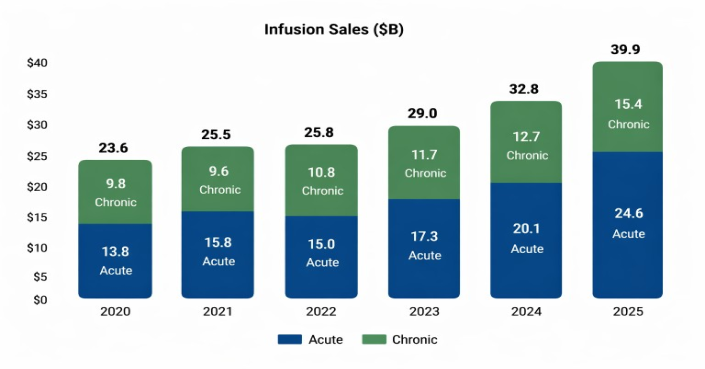
The U.S. infusion market continued to expand in 2025, supported by growth in both acute and chronic therapies. IQVIA data indicate that total infusion sales reached $39.9 billion in 2025, up from $32.8 billion in 2024. Acute therapy sales rose to $24.6 billion from $20.1 billion, while chronic therapy sales increased to $15.4 billion from $12.7 billion. Over the 2020–2025 period, the market grew at an approximately 11% CAGR, including roughly 12% CAGR for acute therapies and 9% CAGR for chronic therapies. This is important because it suggests the growth profile remains broad-based rather than dependent on a single therapy class.
Exhibit 7 U.S. Infusion Market Sales
Source: IQVIA Institute
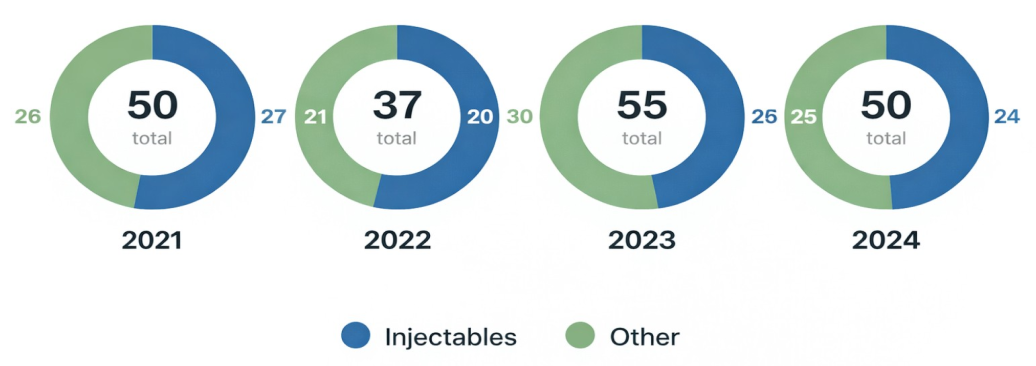
The FDA and pipeline data are also supportive. There were 137 novel infused drugs approved since 2016, nearly 400 more in development, and roughly 550+ drugs already in the market for home infusion care settings, alongside 280 Phase I/II programs and 100 Phase III/review programs. Injectables comprised about 52% of novel approvals in 2021, 54% in 2022, 45% in 2023, and 50% in 2024. That matters because infusion providers sit downstream of innovation. They do not invent the therapies, but they create the infrastructure that allows complex specialty drugs to be administered safely and reimbursed efficiently outside the hospital. As more specialty and rare-disease drugs launch, the delivery opportunity should broaden.
Exhibit 8 50% of FDA Approved Novel Drugs Since 2021 Have Been Injectables
Source: Food and Drug Administration
Competitive Landscape
In our view, competitive positioning in home and alternate-site infusion is shaped less by simple provider count and more by differences in ownership model, referral access, payer alignment, clinical capabilities, pharmacy infrastructure, and site-of-care footprint. These distinctions are analytically important because they influence patient acquisition, pricing leverage, drug sourcing economics, and the ability to navigate reimbursement complexity, factors that ultimately determine which operators can sustain margin and grow share in a structurally attractive but competitively evolving market.
Option Care Health (NASDAQ: OPCH)
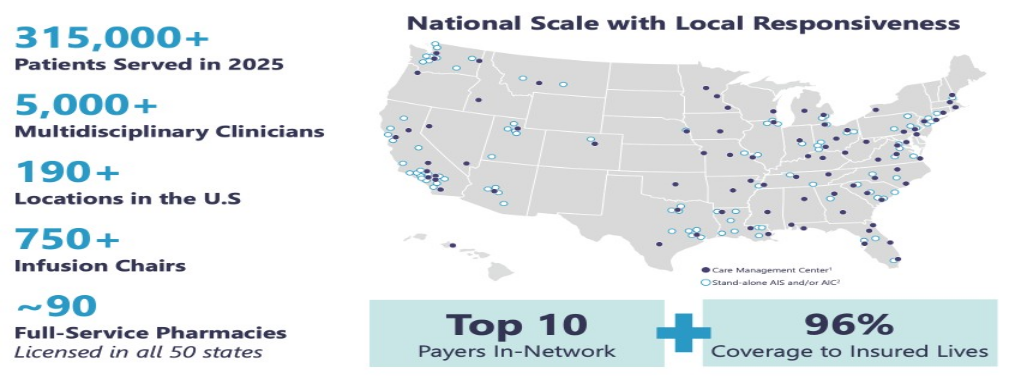
Option Care Health remains the clearest public-market pure play on home and alternate-site infusion. Its competitive position is anchored in national scale, broad therapeutic capabilities across both chronic and acute categories, deep payer relationships, vertically integrated pharmacy infrastructure, and operating density across approximately 190 locations nationwide. In our view, those attributes make Option Care Health one of the most direct beneficiaries of continued site-of-care migration, and a strong example of how scale can support both margin resilience and commercial relevance in a market where payer access and clinical breadth are increasingly table stakes.
Accredo, The Cigna Group (NYSE: CI)
Accredo, the specialty pharmacy platform within Evernorth, the health services arm of The Cigna Group, is another meaningful competitor in complex and chronic specialty therapies. Accredo highlights a nationwide network of 600+ field-based nurses supporting in-home infusions and injections, reinforcing its relevance as a scaled specialty-pharmacy competitor even though it is not organized as a stand-alone infusion pure play. The competitive overlap with Option Care Health is most pronounced in high-cost immunoglobulin therapies, certain biologics, and other infusible specialty drugs where specialty pharmacy dispensing and infusion administration converge. As with Optum, the strategic concern for independents is the degree to which PBM-affiliated platforms can leverage formulary positioning and network steerage to capture share at the expense of pure-play infusion providers.
BrightSpring Health Services (NASDAQ: BTSG)
BrightSpring Health Services is positioned differently from Option Care Health but remains strategically relevant to the infusion landscape. Rather than operating as a pure-play infusion leader, BrightSpring participates through a broader healthcare-services platform that combines specialty and infusion pharmacy capabilities (primarily through its Amerita and PharMerica businesses) with provider services spanning home health, hospice, and community-based care. In our view, that diversified model is aligned with the same core industry drivers, including increasing specialty-drug complexity, greater migration into out-of-hospital settings, and rising value attached to clinical coordination, pharmacy execution, and home-based delivery infrastructure.
CarelonRx, Elevance Health (NYSE: ELV)
CarelonRx, the pharmacy services segment within Carelon, Elevance Health’s health services division, also merits attention as payer-affiliated platforms continue to expand into specialty-drug and infusion-adjacent services. While CarelonRx’s direct infusion footprint is less developed than Optum’s or Accredo’s, the strategic logic is directionally similar: tighter integration among pharmacy benefit management, specialty-drug utilization management, and site-of-care optimization can create meaningful competitive advantages in selected therapeutic areas. We view CarelonRx as an emerging rather than established competitor in infusion specifically, but one worth monitoring as Elevance continues to build out its health services capabilities.
CSI, Graham Holdings Company (NYSE: GHC)
Graham Holdings participates in the infusion market primarily through CSI Pharmacy, a specialty home infusion pharmacy operating within the company’s Graham Healthcare Group segment. CSI is positioned as one of the largest independent specialty home infusion pharmacies in the United States, now licensed in all 50 states, with a clinical focus concentrated in immunoglobulin (Ig) therapies for patients with rare and chronic conditions including primary immunodeficiencies, autoimmune disorders, and neuromuscular diseases. The operating model is organized around in-home IVIg and SCIg administration supported by specialty pharmacy dispensing, care coordination, and dedicated nursing services. GHC is a diversified holding company, meaning infusion exposure is embedded within a conglomerate structure rather than available as a pure play.
Optum, UnitedHealth Group (NYSE: UNH)
Optum, the health services business of UnitedHealth Group, is a formidable competitor because it combines infusion capabilities with broader payer, pharmacy benefit management, and care-management infrastructure. Optum’s public materials highlight a national platform offering access to approximately 4,800 medications, treatment in the home or at 60+ infusion sites, and support from 800+ home infusion nurses. In our view, that vertically integrated model is strategically powerful because it can improve referral capture, reimbursement alignment, and steerage into lower-cost settings, advantages that are difficult for independent operators to replicate. The central risk Optum poses to the competitive landscape is not simply its infusion scale, but the degree to which payer-owned platforms can use network design and formulary management to direct patient volume internally.
What Defines a Winner
In our view, the more important competitive question in 2026 is no longer which providers benefited from past market disruption, but which platforms can continue to win in a more normalized and increasingly competitive environment. The competitive field now includes pure-play home infusion operators, payer integrated platforms, and diversified healthcare services companies with growing infusion capabilities. We believe the strongest competitive positions are likely to rest with operators that combine geographic density, therapeutic breadth, pharmacy infrastructure, and durable payer access. Vertical integration between payer and provider continues to reshape the landscape, raising the bar for independent operators to demonstrate both clinical value and cost-effectiveness. At the same time, niche specialists with deep expertise in high-value therapeutic categories may show that scale is not the only path to durable positioning.
Regulatory, Reimbursement, and Policy Landscape
Reimbursement remains a key driver of growth, utilization, and profitability in infusion therapy. Economics depend not only on drug coverage, but also on reimbursement for the pharmacy, nursing, equipment, supply, and care-coordination infrastructure required to deliver treatment safely in the home or other alternate sites of care.
Medicare Remains the Key Constraint
Medicare remains the principal constraint on broader home infusion adoption. Although the 21st Century Cures Act established a permanent Medicare home infusion therapy benefit effective January 1, 2021, the benefit remains narrower than the bundled reimbursement structures typically used by commercial plans. In practice, Medicare reimbursement is still tied largely to professional services associated with certain qualifying drugs and biologics administered through a pump meeting durable medical equipment criteria, rather than supporting the full pharmacy-service model used in the commercial market. As a result, Medicare continues to lag commercial reimbursement in supporting broad home infusion adoption.
Legislative Catalysts
The most important pending policy catalyst is the Preserving Patient Access to Home Infusion Act, H.R. 2172 / S. 1058. The legislation would better align Medicare reimbursement with how home infusion is delivered by recognizing pharmacy services and related activities such as assessment, compounding, care coordination, and documentation. In our view, this remains the clearest path to materially expanding Medicare home infusion access.
By contrast, the Joe Fiandra Access to Home Infusion Act, signed into law in February 2026, is best viewed as a constructive but narrower step. It expands qualifying criteria for a limited subset of provider-administered home infusion drugs when an infusion pump is required but does not address the broader structural limitations of the current Medicare benefit. We view it as incremental rather than transformative.
Administrative Developments
In March 2026, CMS clarified that licensed pharmacies may enroll under the “Pharmacy” supplier type on the CMS-855S and that this category is not subject to the current nationwide DMEPOS enrollment moratorium. While this does not resolve the broader reimbursement gap, it removes one source of administrative friction and is directionally supportive for pharmacy-based providers.
Drug Pricing and Biosimilars
Federal drug-pricing policy and biosimilar adoption add further complexity to infusion economics. The IRA’s first negotiated prices took effect in 2026, and STELARA was included in the initial group of selected drugs. CMS also selected its third cycle of negotiated drugs in January 2026, including the first Part B drugs, with those prices scheduled to take effect in 2028. For infusion providers, these changes can compress reported revenue and reduce spread economics on selected therapies, although the effect on gross profit dollars is often less severe because drug revenue is largely pass-through.
Biosimilar entry creates a similar dynamic. Lower drug prices can reduce reported revenue, but larger providers may offset some of the pressure through purchasing scale, payer contracting, and operating efficiency. In our view, the recent Stelara transition has been somewhat unusual because it reflects the combined effect of IRA negotiation, biosimilar entry, and contract resets, rather than a typical stand-alone biosimilar event.
Investment Summary
In our view, infusion therapy is a structurally attractive segment of healthcare services, supported by aging demographics, rising chronic-disease burden, continued specialty-drug innovation, and sustained migration toward lower-cost sites of care. These forces are expanding demand across home infusion, ambulatory infusion centers, and other alternate-site settings, while reinforcing the value of providers that can safely manage complex therapies outside the hospital.
At the same time, the sector is becoming more operationally complex and competitively demanding. Success increasingly depends on clinical breadth, reimbursement expertise, pharmacy infrastructure, payer access, and the ability to coordinate care across multiple settings. In our view, these dynamics should continue to favor business models with greater scale, network density, and care-coordination capabilities. For investors, the key questions are how quickly site-of-care migration continues, how reimbursement and policy frameworks evolve, and which providers are best positioned to capture growth while maintaining margin and clinical quality.
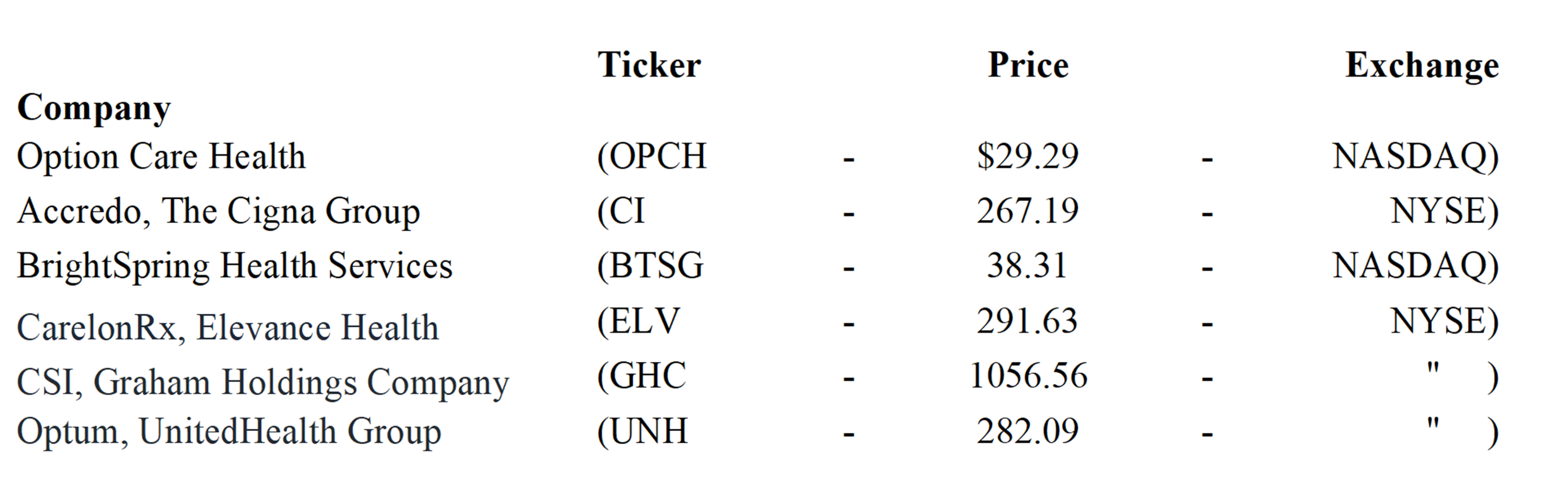
Option Care Health, INC (OPCH – $29.29 – NASDAQ)

Best Positioned to Benefit From the Shift to Lower-Cost Infusion Sites of Care
Company Overview
Option Care Health, headquartered in Bannockburn, Illinois, is the largest independent provider of home and alternate-site infusion therapy services in the United States, delivering high-acuity medications outside traditional hospital settings. The company administers intravenous and injectable therapies across acute and chronic disease categories, supported by an integrated platform of pharmacy services, nursing care, and reimbursement coordination. Option Care operates more than 190 care sites and over 90 pharmacies nationwide, supported by 5,000+ clinicians and pharmacists, serving over 315,000 patients annually across all 50 states. This national infrastructure enables complex therapies to be delivered in home, ambulatory infusion suites, and physician office settings, positioning the company as a key partner for hospitals, physicians, and managed care organizations.
Brief History
Option Care Health traces its roots to 1979, when the company was founded as CliniCare in Chico, California to provide infusion therapy services to chronically ill patients outside of the hospital setting. The business later adopted the name Option Care, reflecting its focus on outpatient parenteral therapy and nutrition support delivered in home and alternate care sites. Ownership of the platform evolved as the company scaled nationally. Walgreens acquired Option Care in 2007 for approximately $850 million as part of its expansion into home health and infusion services. In 2015, Walgreens sold a majority stake to Madison Dearborn Partners, returning the company to independent ownership. In 2019, Option Care merged with BioScrip in an approximately $1 billion transaction and rebranded as Option Care Health, creating the largest independent home and alternate-site infusion provider in the United States.
Exhibit 1 Leading Independent Provider of Home and Alternate Site Infusion Services
Source: Company Presentation
Benefit From the Shift to Lower-Cost Infusion Sites of Care
A major structural trend in the U.S. healthcare system is the migration of infusion therapy away from hospital outpatient departments (HOPDs) toward lower-cost settings such as home infusion and ambulatory infusion suites. Hospital-based infusion remains the most expensive site of care due to facility fees and higher overhead costs, while infusion delivered in home or ambulatory settings can reduce total treatment costs by 20–40% depending on the therapy. As specialty drug spending continues to rise, commercial insurers and managed care organizations are increasingly implementing site-of-care management programs designed to redirect infusion therapies toward these more cost-efficient settings.
Exhibit 2 Infusion Therapy Site-of-Care Migration
Source: IQVIA Institute
Option Care Health is particularly well positioned to benefit from this shift given its integrated infusion platform and payer relationships, which enable therapies to be delivered across home infusion, ambulatory infusion suites (AIS), and ambulatory infusion clinics (AIC) depending on patient needs and payer requirements. In a highly fragmented industry, Option Care Health’s clinical capabilities and reimbursement expertise position the company as a preferred partner for hospitals, physicians, and managed care organizations seeking to transition infusion therapies into lower-cost outpatient and home settings while maintaining high standards of patient care.
Therapy Mix and Revenue Composition
Option Care’s infusion portfolio spans both acute therapies and chronic specialty treatments, which have distinct revenue and profitability characteristics.
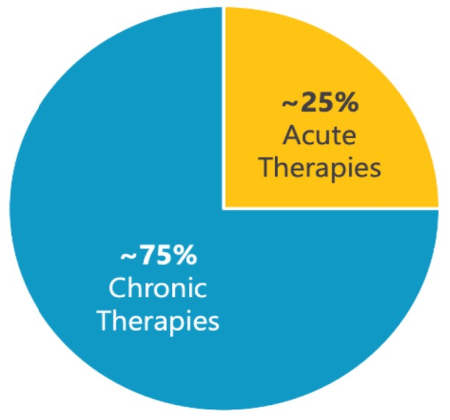
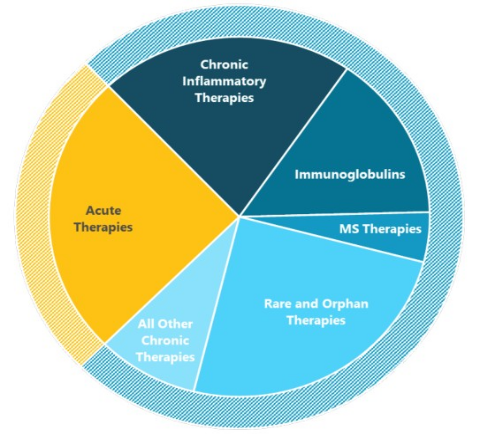
Exhibit 3 Therapy Mix
Source: Company Presentation
Chronic Therapies represent the larger portion of the business, accounting for roughly ~75% of revenue. This category includes longer-duration, clinically complex treatments such as immunoglobulins, chronic inflammatory therapies, multiple sclerosis treatments, and rare and orphan drugs. These therapies are typically branded, biosimilar, or limited-distribution products, and they drive the majority of topline growth given expanding pharmaceutical innovation and increasing demand for specialty care. Chronic therapies generally carry lower product margins than acute therapies, but they offer recurring utilization, deeper specialty relationships, and growing exposure to new biologic and rare disease launches. Chronic inflammatory treatments alone account for roughly 20% of company revenue, reflecting the growing demand for biologic therapies used to treat autoimmune conditions such as inflammatory bowel disease and rheumatoid arthritis.
Acute Therapies account for the remaining ~25% of revenue and primarily include anti-infectives and nutrition support therapies delivered over shorter treatment durations, typically two to twelve weeks. While acute therapies are lower in revenue contribution because they are more heavily weighted toward generic drugs, they are materially more profitable on a product margin basis and remain an important source of gross profit and clinical utilization. Acute care also complements the company’s hospital discharge and transitional care referral base, reinforcing Option Care’s role in post-acute infusion management.
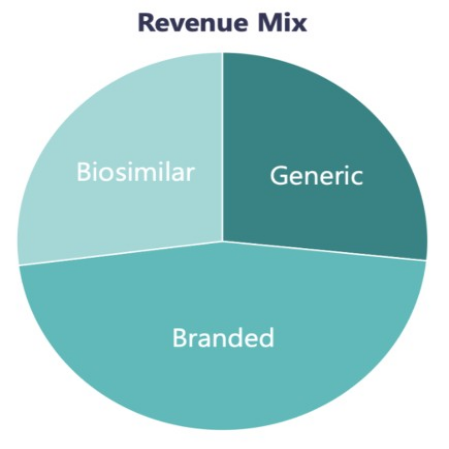
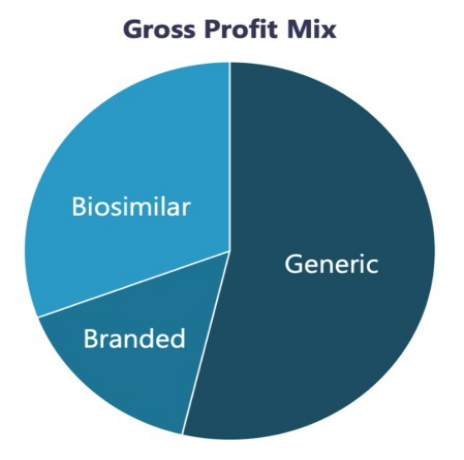
Across both therapy classes, Option Care delivers care through home infusion, ambulatory infusion suites (AIS), and ambulatory infusion clinics (AIC), allowing it to match site of care with patient acuity, payer requirements, and clinical complexity. The company’s revenue and gross profit mix is also intentionally diversified: branded therapies represent roughly ~50% of revenue but less than 20% of gross profit, while no single therapy represents more than 4% of company gross profit, underscoring the resilience of the portfolio despite periodic drug-specific reimbursement or biosimilar headwinds.
Exhibit 4 Revenue & Gross Profit Mix
Source: Company Presentation
Growth Strategy
Option Care’s growth strategy centers on several reinforcing priorities: expanding access to new therapies and limited-distribution drugs, increasing capacity across ambulatory infusion suites and ambulatory infusion clinics, driving market share gains through commercial investment, and deploying AI and other technology tools to improve operating efficiency. Management has emphasized that growth is increasingly supported by a broader mix of chronic specialty therapies, including immunology, neurology, and rare disease, where clinical complexity, reimbursement expertise, and patient-management capabilities create meaningful barriers to entry. As newer therapies are added and recently expanded capacity continues to ramp, the company appears positioned to capture additional volume migrating out of hospital outpatient settings.
Financial Summary
In FY2025, Option Care Health generated approximately $5.65 billion of revenue, up 13% year over year, with Adjusted EBITDA of approximately $471 million, or an 8.3% EBITDA margin. For FY2026, consensus estimates revenue of approximately $5.94 billion and Adjusted EBITDA of approximately $494 million, implying continued growth despite near-term headwinds related to Stelara. The Stelara transition remains an important consideration in 2026. The combined effect of IRA-negotiated pricing, biosimilar entry, and payer contract resets is creating a revenue headwind, although the earnings impact should be more manageable than the topline pressure alone would suggest given the pass-through nature of branded drug revenue. Option Care Health also maintains solid financial flexibility. As of December 31, 2025, net leverage was approximately 2x, and the company continues to generate strong cash flow. Option Care Health repurchased approximately $300 million of stock in FY2025 and recently authorized an additional $500 million of share repurchases, reflecting balance-sheet capacity while preserving flexibility to reinvest in clinical infrastructure, technology, and selective acquisitions.
BrightSpring Health Services, Inc (BTSG – $38.31 – NASDAQ)

Specialty Pharmacy and Infusion Drive Growth Inside Home-Based Care
Company Overview
BrightSpring Health Services, headquartered in Louisville, Kentucky, is a leading provider of home and community-based healthcare services in the United States, offering an integrated platform of pharmacy and provider solutions for complex senior and specialty patient populations. The company serves more than 400,000 patients daily through a workforce of over 37,000 employees, including approximately 10,000 clinical providers and pharmacists, operating across all 50 states.
BrightSpring’s care model focuses on high-acuity patients with complex medical needs, who on average manage approximately six chronic conditions and nine medications simultaneously. By coordinating pharmacy services with home-based clinical care, the company aims to improve outcomes while delivering treatment in lower-cost home and community settings rather than fragmented institutional environments.
Brief History
BrightSpring Health Services traces its origins to 1974, when it was founded as ResCare in Louisville, Kentucky, initially focused on residential care and human services. The current platform took shape in 2019 when KKR acquired BrightSpring and combined it with PharMerica (acquired by KKR in 2017 for approximately $1.4 billion), creating an integrated pharmacy-plus-provider structure. BrightSpring completed its IPO in early 2024 and has since emerged as one of the fastest-growing names in healthcare services, with shares appreciating significantly as the company consistently exceeded expectations through 2025.
Business Segments
BrightSpring operates through two primary reporting segments: Pharmacy Solutions and Provider Services.
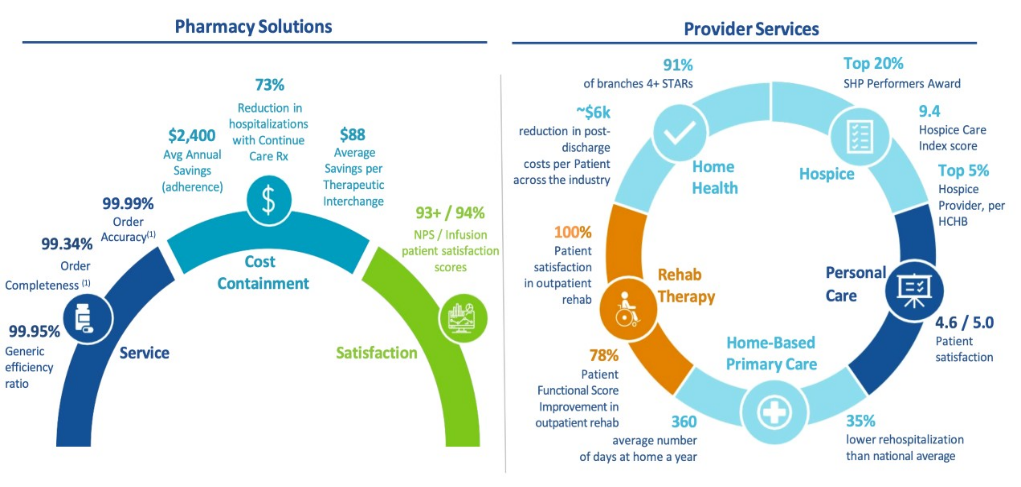
Pharmacy Solutions is the larger and faster-growing segment, representing approximately 89% of revenue in 2025. This segment encompasses two distinct business lines. Infusion and Specialty Pharmacy provides infused, injectable, and oral specialty medication services in the home and clinic, including clinical coordination, patient education, reimbursement support, and nursing oversight. Home and Community Pharmacy ensures that medications are accessible, timely, and clinically supported for patients in skilled nursing facilities, assisted living, behavioral health settings, hospice, and the home. In 2025, Pharmacy Solutions revenue reached $11.45 billion, growing approximately 31% year over year, with segment EBITDA expanding roughly 38% from $395 million to $544 million.
Provider Services delivers clinical and supportive care directly to patients across home health, hospice, home-based primary care, rehabilitation, and personal care. In 2025, Provider Services revenue was $1.46 billion, EBITDA was $232.5 million. This segment operates at meaningfully higher margins than pharmacy (roughly 15.9% segment EBITDA margin versus approximately 4.8% for pharmacy) and serves as the clinical backbone that supports BrightSpring’s integrated care model and value-based care ambitions.
Exhibit 1 Clinical Quality and Execution in Pharmacy Solutions & Provider Services
Source: Company Presentation
The Integrated Care Model
What differentiates BrightSpring from single-service competitors is the intentional integration across its pharmacy and provider platforms. The company operates in 40 states with co-located pharmacy and provider services, and approximately 20,000 patients currently receive multiple services spanning both segments. This integration creates clinical and economic value in several ways. Pharmacy operations generate referral flow into home health and hospice through care transitions. Home-based primary care physicians coordinate medication therapy management with BrightSpring’s pharmacists through the Continue Care Rx program, which has demonstrated a 73% reduction in hospitalization rates among enrolled patients according to a published study in the Journal of American Medical Directors Association. Infusion patients discharged from hospitals can be transitioned directly into BrightSpring’s home health and nursing infrastructure, maintaining continuity of care across settings.
In our view, this integrated model is strategically significant because it positions BrightSpring to participate in the shift toward value-based care arrangements where coordinated pharmacy and provider services can demonstrably lower total cost of care. The company has signed its first ISNP (Institutional Special Needs Plan) contract, representing an initial step into managed care risk arrangements, and management has identified value-based care as a potential opportunity worth $100 million or more in incremental earnings over time.
Infusion and Specialty Pharmacy Focus
BrightSpring’s infusion and specialty pharmacy operations are particularly relevant to the infusion thesis and represent the company’s highest-growth business line. As of year-end 2025, the specialty pharmacy portfolio included 149 limited distribution drugs (LDDs), with total prescription volume growing over 27% year over year. The company’s specialty pharmacy is the leading independent platform in the U.S. focused on oncology, rare disease, and value-added manufacturer services, with approximately 90% of specialty revenue concentrated in oncology. In infusion specifically, BrightSpring provides acute and chronic infusion therapy services across a network of pharmacy locations and ambulatory infusion suites, with 94% infusion patient satisfaction scores and over 44,000 annual touchpoints with infusion patients.
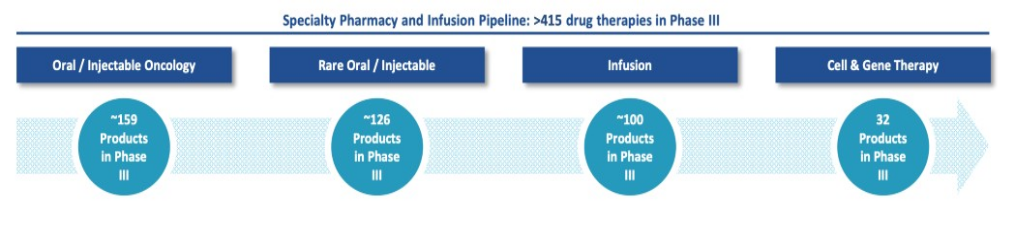
The growth outlook for this business line is supported by a robust drug pipeline: over 415 therapies are currently in Phase III across specialty pharmacy and infusion categories, including approximately 159 oral/injectable oncology products, 126 rare disease therapies, 100 infusion products, and 32 cell and gene therapies. Brand-to-generic conversions represent an additional profit tailwind, with 14 major brand drugs representing billions in market revenue expected to lose patent protection over the next five to seven years. Management has also emphasized infusion as a strategic priority, noting the potential in both acute and chronic categories to make infusion one of the company’s fastest-growing segments over the next five to seven years.
Exhibit 2 Specialty Pharmacy and Infusion Pipeline
Source: Company Presentation
Growth Strategy
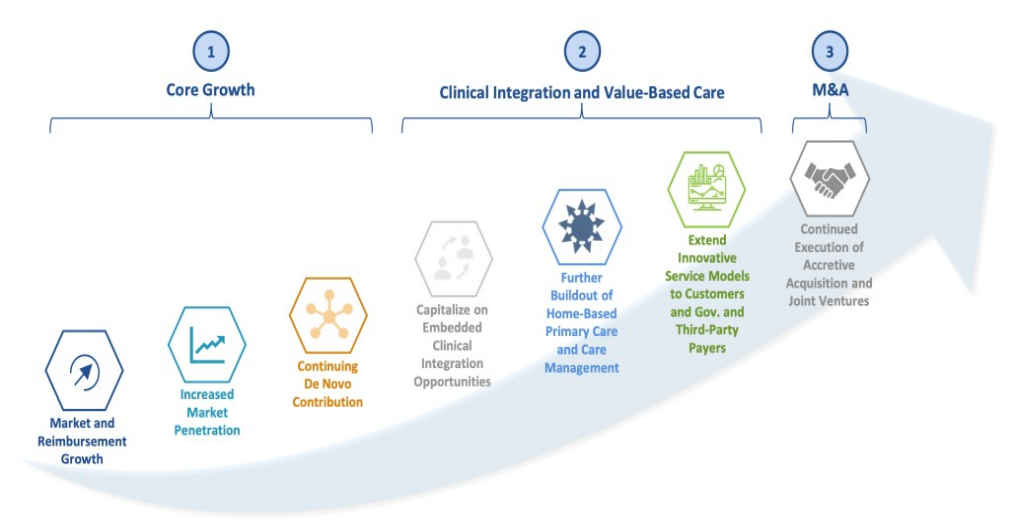
BrightSpring’s growth strategy is built around three pillars: organic growth, clinical integration and value-based care, and selective M&A.
The first pillar, organic growth, is supported by favorable end-market demand, reimbursement growth, market-share gains, and continued de novo expansion in targeted geographies. Within this framework, Infusion and Specialty Pharmacy has been a key growth driver, with revenue in that business increasing approximately 39.4% year over year in 2025, supported by expanded treatment offerings, additional limited-distribution drug wins, and broader geographic reach.
The second pillar focuses on clinical integration across BrightSpring’s pharmacy and provider platforms. Management is seeking to leverage overlap between these businesses to deliver more coordinated care, expand home-based clinical capabilities, and deepen value-based relationships with government and commercial payers. In our view, this strategy is intended to improve patient retention, broaden service intensity, and enhance the company’s ability to participate in a larger share of the care continuum.
The third pillar is selective M&A. BrightSpring has completed more than 56 transactions since 2018, with management indicating that 55 improved profitability post-close. Recent portfolio actions, including the pending acquisition of selected Amedisys home health and hospice centers and the divestiture of the Community Living business, should further sharpen management’s focus on higher-growth pharmacy and clinical service lines while supporting balance-sheet improvement.
Exhibit 3 Growth Formula
Source: Company Presentation
Financial Summary
In FY2025, BrightSpring generated approximately $12.9 billion of revenue from continuing operations and exclude the Community Living business, up 28% year over year, with Adjusted EBITDA of approximately $618 million, representing an Adjusted EBITDA margin of 4.8%, compared with $460 million and 4.6% in 2024. For FY2026, consensus estimates revenue of approximately $14.8 billion and Adjusted EBITDA of $773 million, implying continued double-digit growth. BrightSpring’s Investor Day on March 17, 2026 could provide additional detail on the company’s longer-term financial framework and strategic priorities.
191 MASON STREET, GREENWICH, CT 06830 Gabelli Funds TEL (914) 921-5100___
This white paper was prepared by Elena Meng. The examples cited herein are based on public information and we make no representations regarding their accuracy or usefulness as precedent. The Research Analyst’s views are subject to change at any time based on market and other conditions. The information in this report represents the opinions of the individual Research Analyst’s as of the date hereof and is not intended to be a forecast of future events, a guarantee of future results, or investments advice. The views expressed may differ from other Research Analyst or of the Firm as a whole.
As of December 31, 2025, affiliates of GAMCO Investors, Inc. beneficially owned less than 1% of all companies mentioned in this report.
This whitepaper is not an offer to sell any security nor is it a solicitation of an offer to buy any security.
Investors should consider the investment objectives, risks, sales charges and expense of the fund carefully before investing.
For more information, visit our website at: www.gabelli.com or call: 800-GABELLI
800-422-3554 • 914-921-5000 • Fax 914-921-5098 • info@gabelli.com